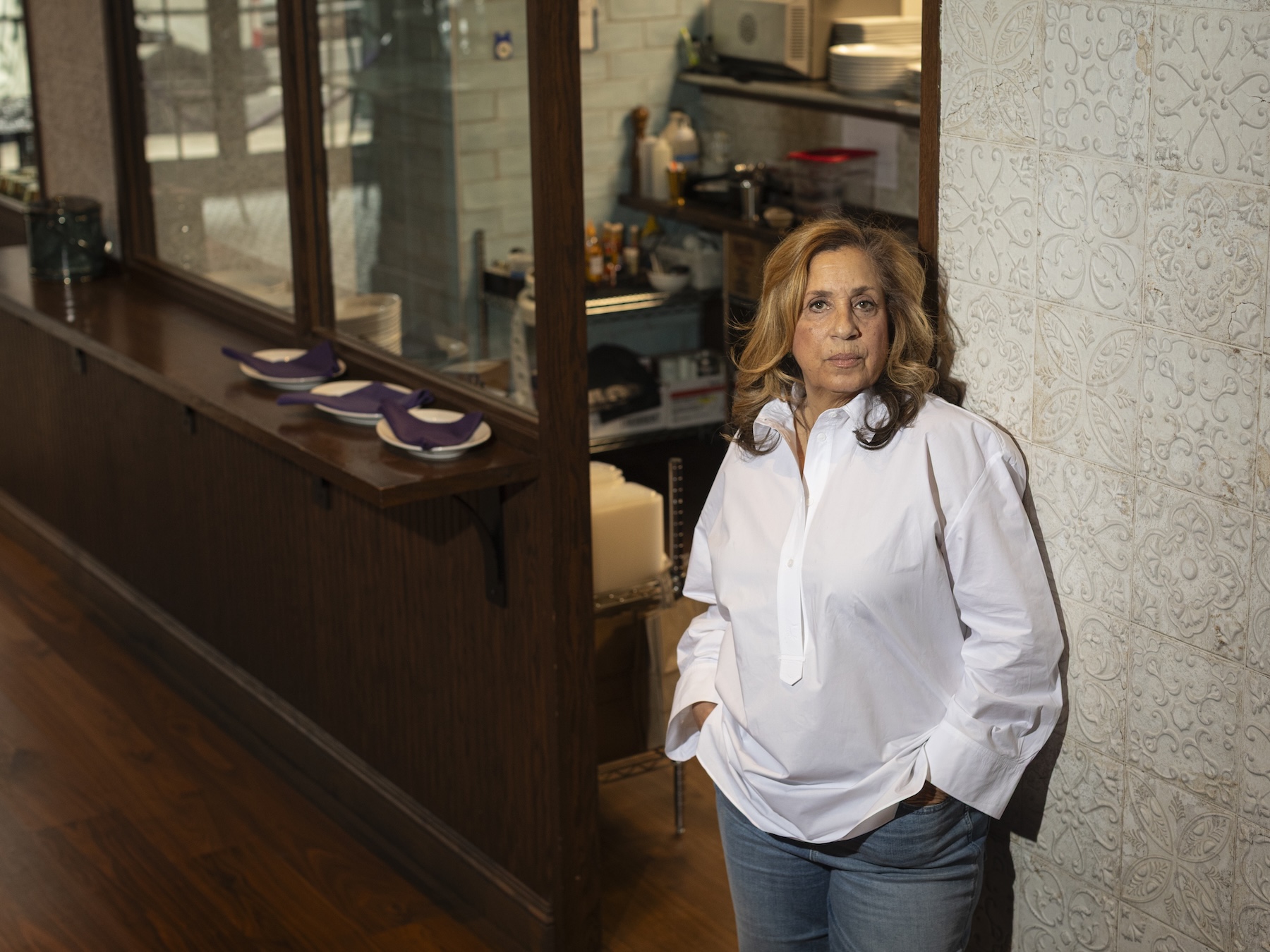
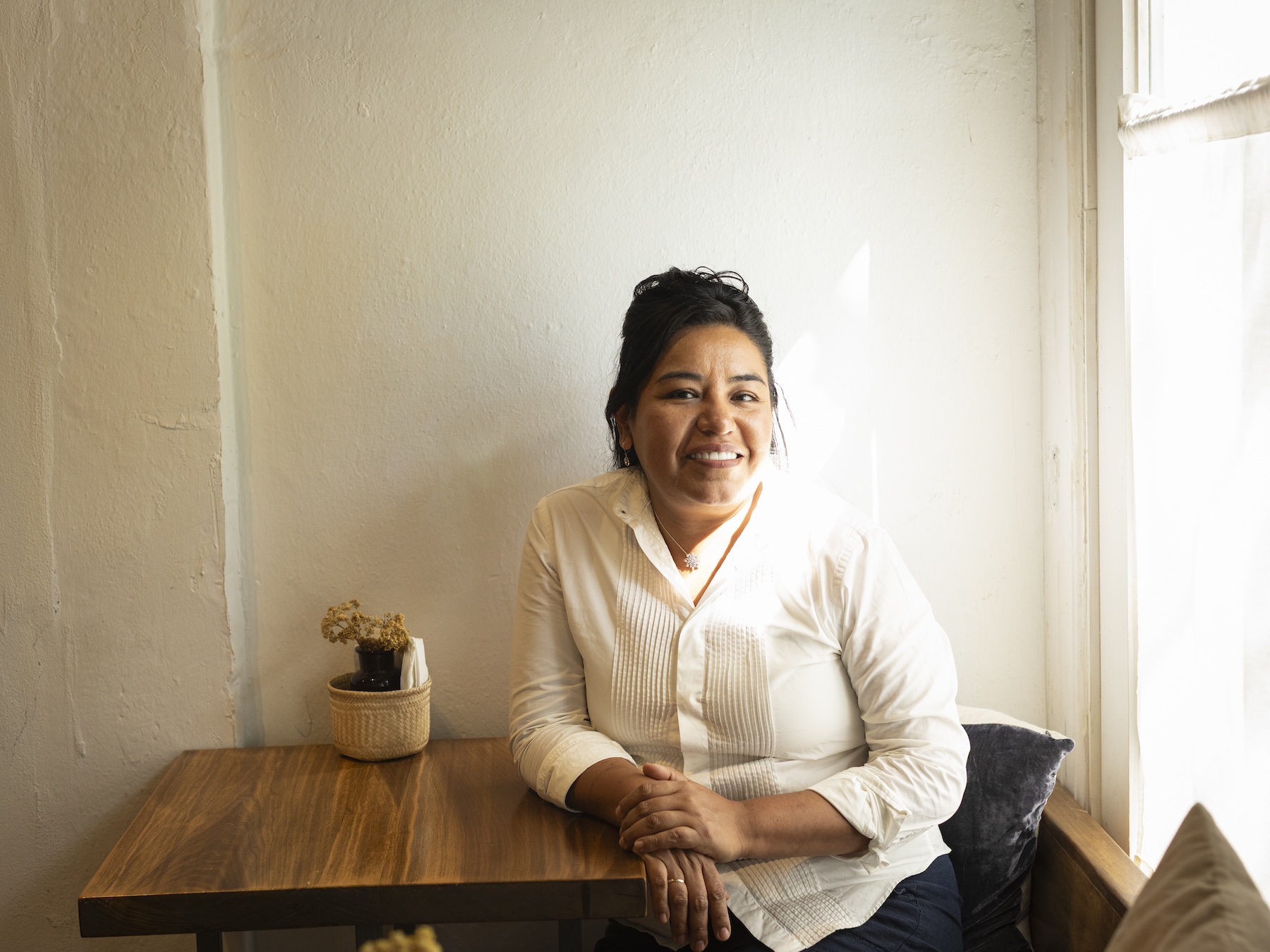
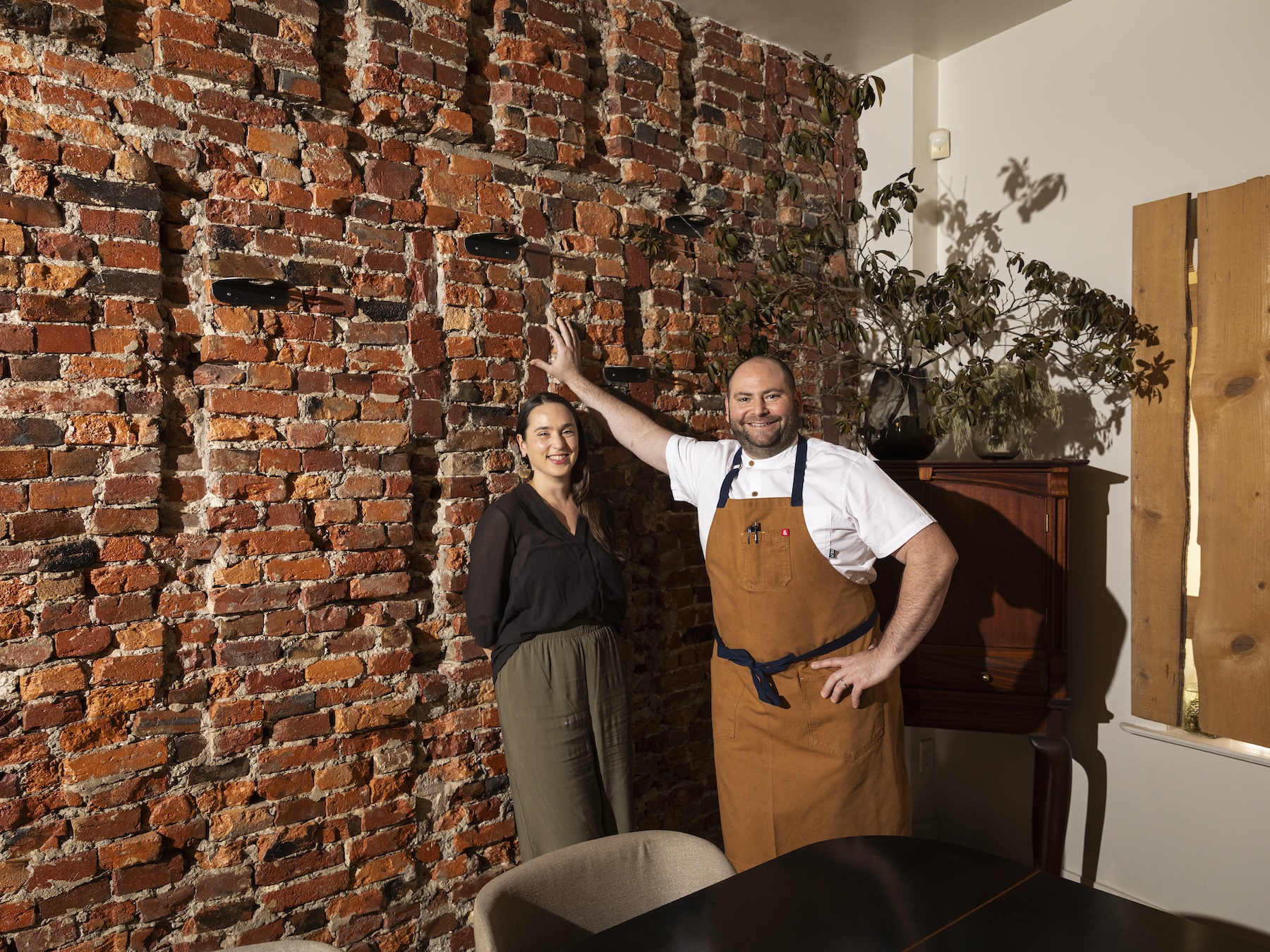
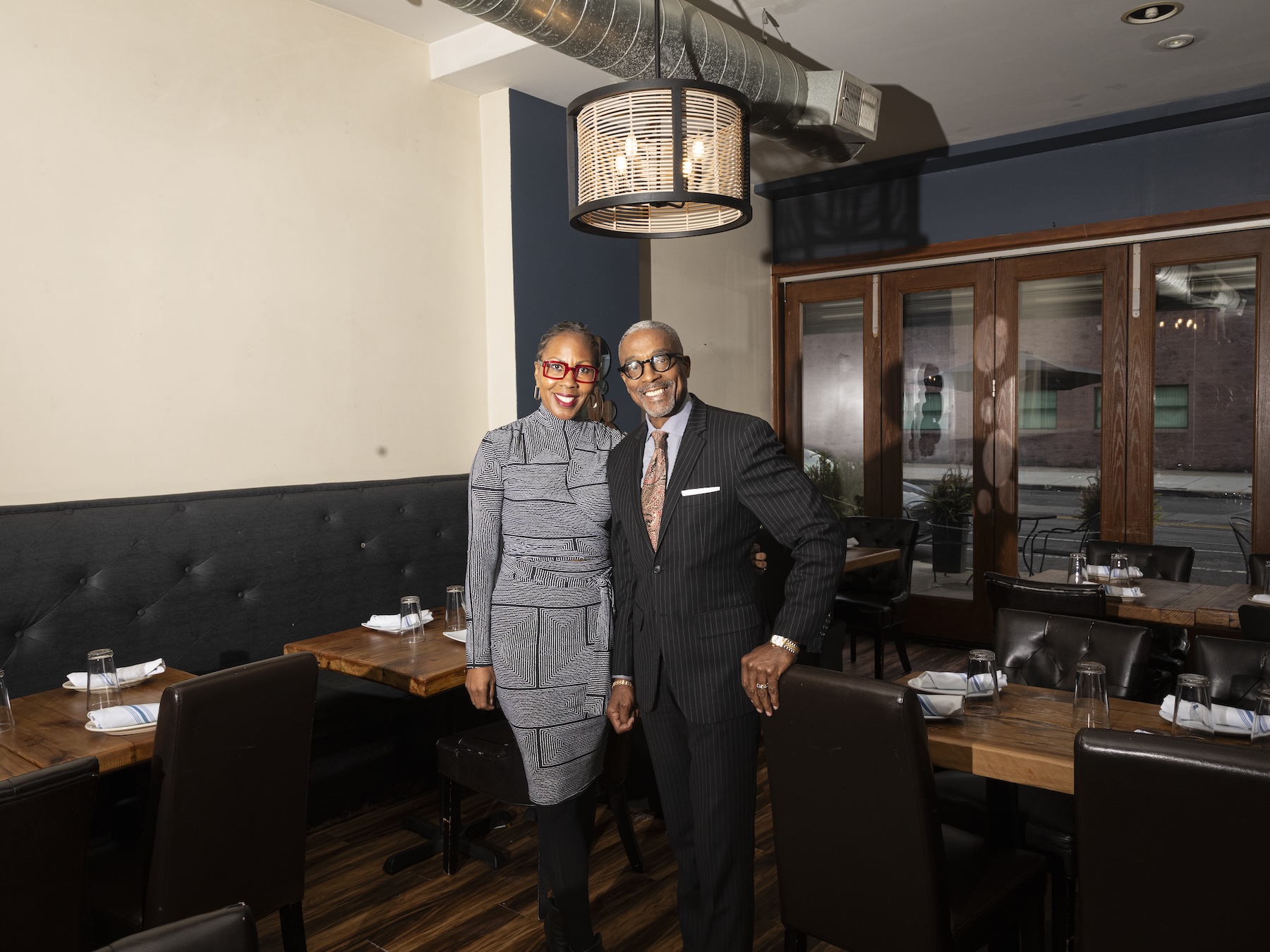
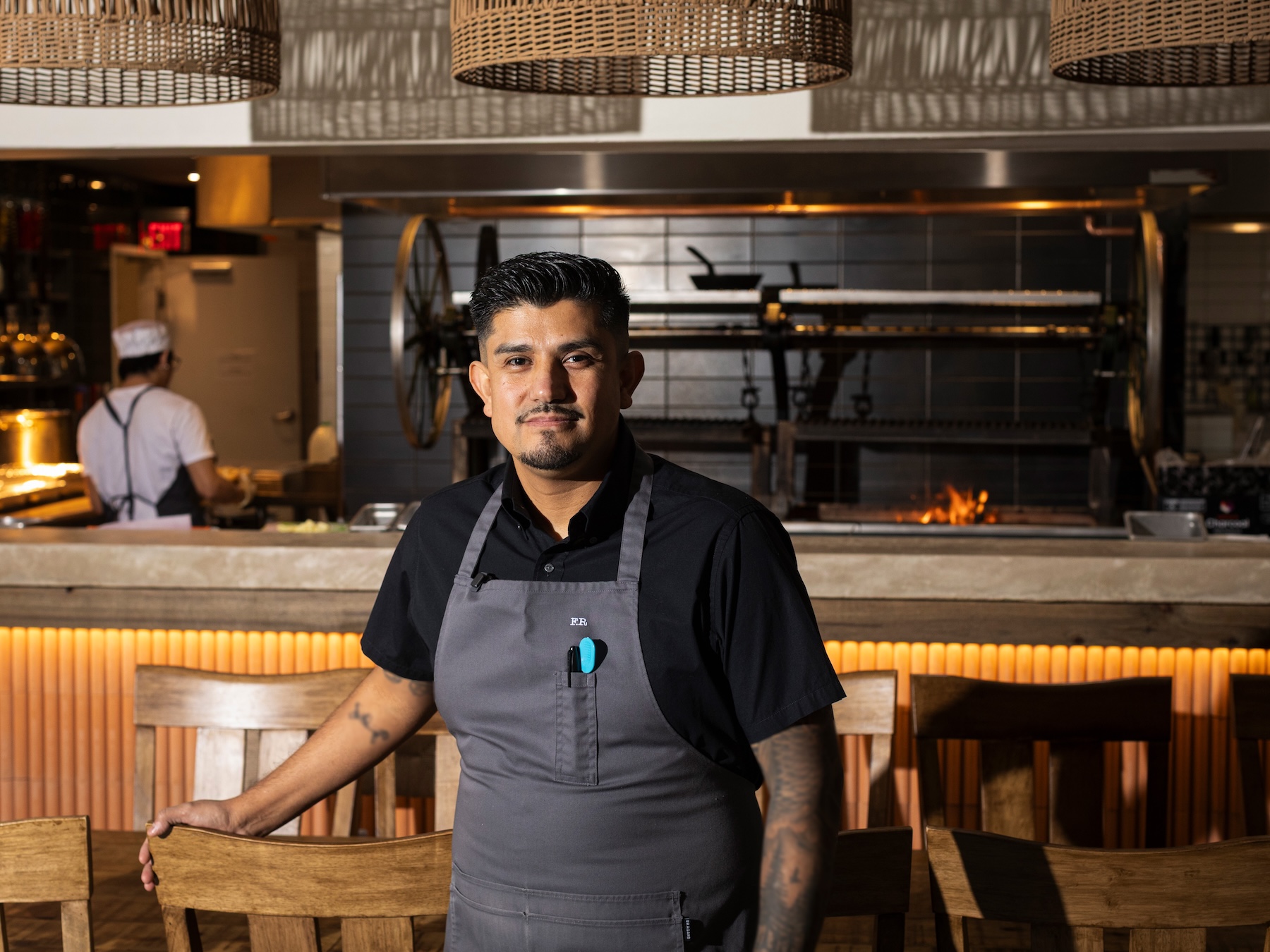
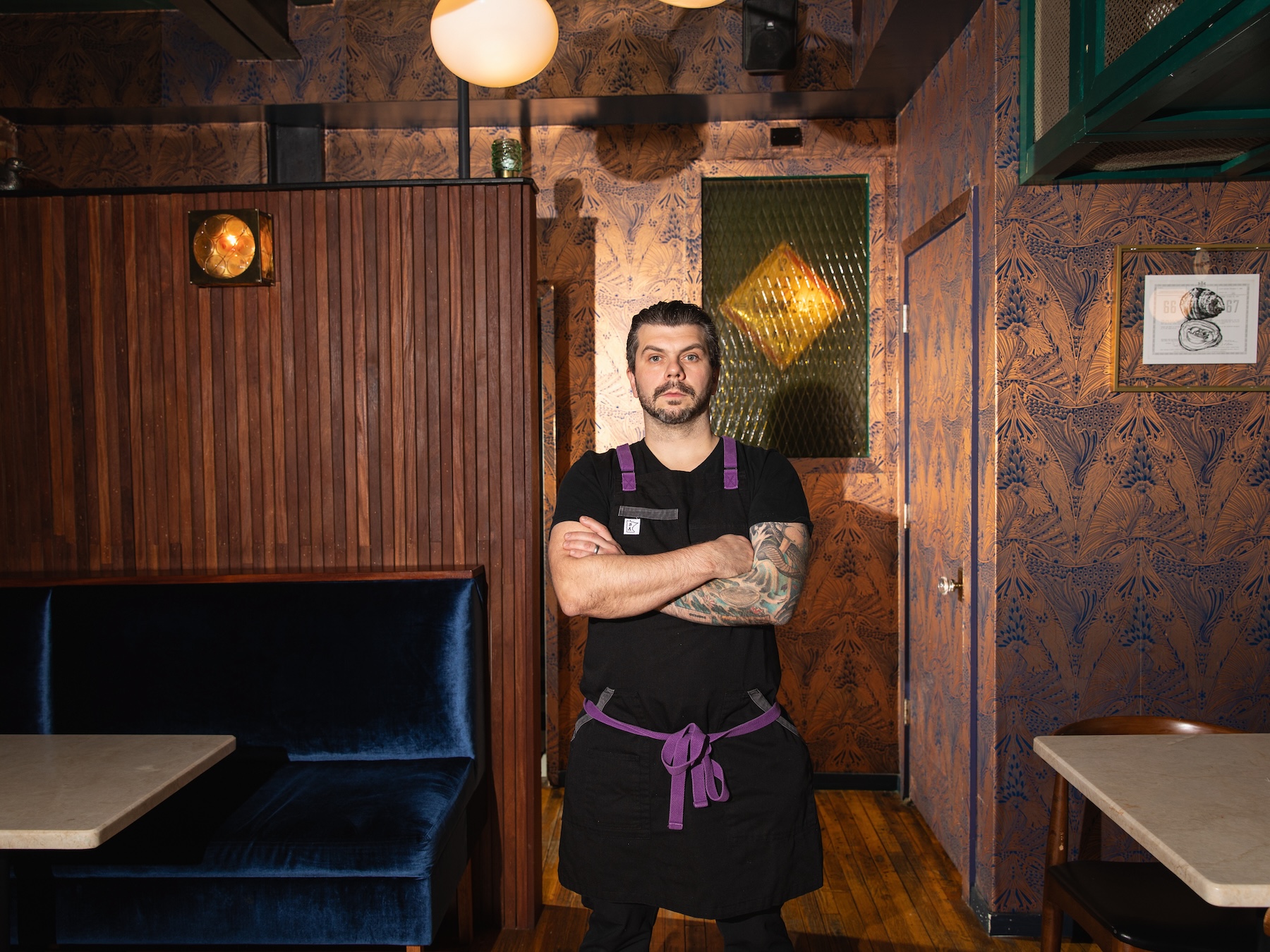
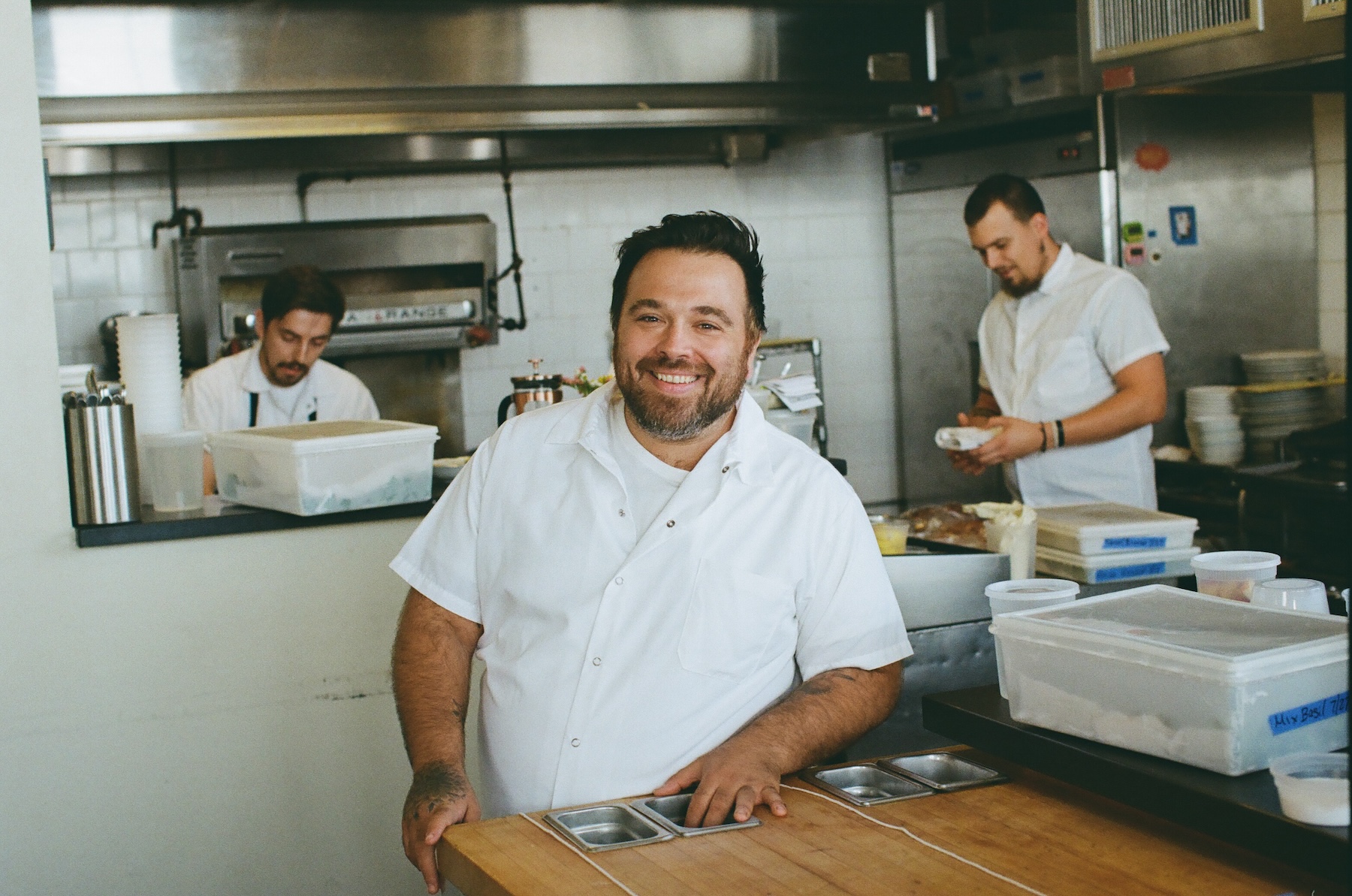
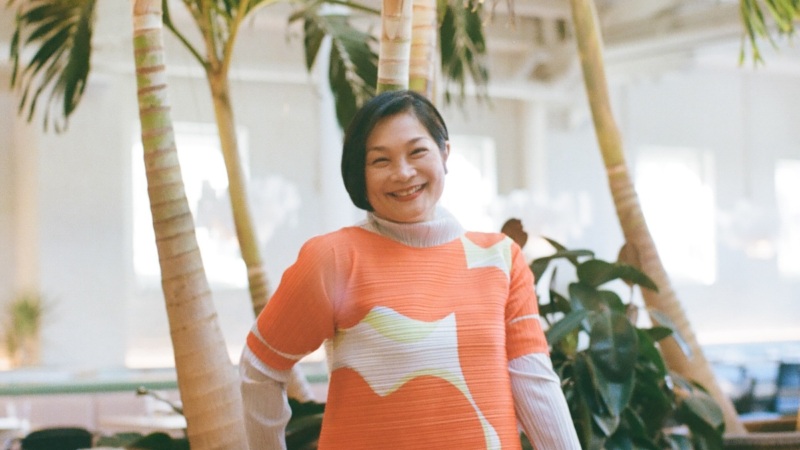
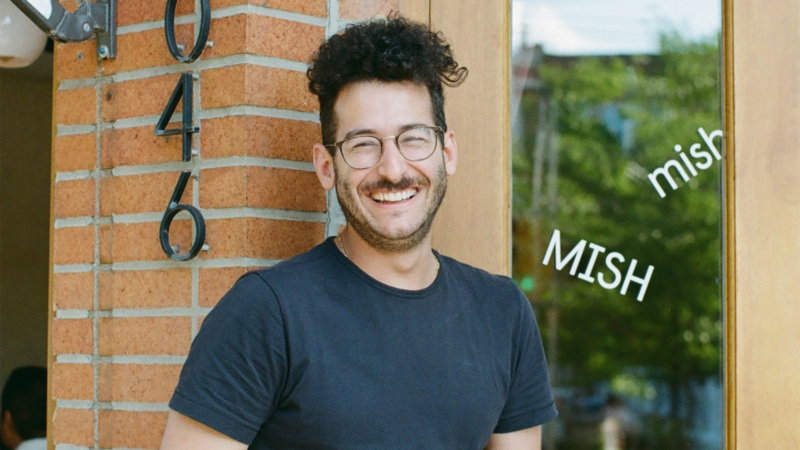
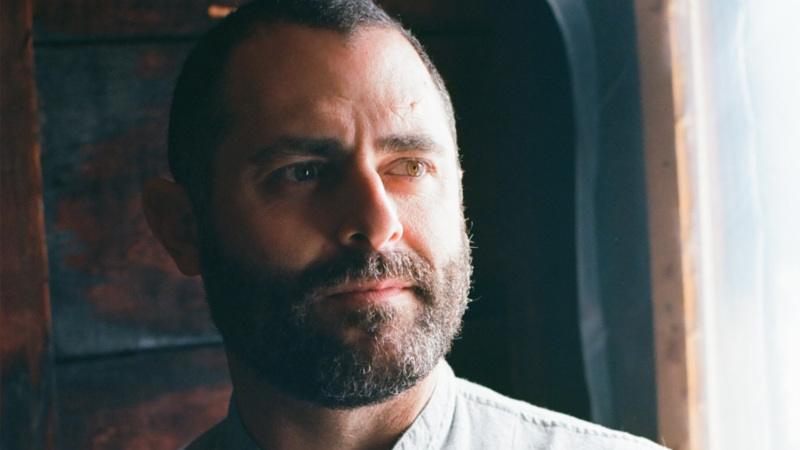
In this series of portraits and interviews, photographer Clay Williams gets to the heart of the ever-changing Philadelphia restaurant scene by capturing the stories of the people behind it.
All Photos and Interviews by Clay Williams
Philadelphia has long been my second culinary home…
I’ve been eating my way around the city since my sister enrolled in Temple University more than 20 years ago. I’ve watched the dining scene grow through the years, develop its own unique voice and it make its way to the national stage. After so many years as a contender, these days, Philly is a solid destination for being itself above all else. It stopped pursuing French-style fine dining as its north star, instead telling more personal and unapologetic stories, embracing the many ethnicities and backgrounds that call the city home, and in the process creating community spaces where folks in the community have each other’s backs.
The accolades and attention, including a slew of James Beard Awards and nominations, the arrival of Michelin, national magazine features, and the impending arrival of more than 100 new restaurants opening this year leaves me wondering: Where does Philly go from here? And how will all this success change the dining scene? How does Philly stay Philly?
Over the last few years, I’ve spoken to people throughout the Philadelphia food community about what it means for the city to have “arrived,” what makes the restaurant scene in Philly so special, and how the community comes together to support one another.
Their answers, in true Philly fashion, remind us that recognition or not, Philly has always been great, and that the best way to succeed here is to be authentic, scrappy, and true to your community.
— Clay Williams
Jesse Ito of Royal Sushi & Izakaya and Dancerobot
“Competition is healthy and keeps things interesting. I know for me it lights a fire to keep pushing, to be better.”
“I think that diversity as a whole is something that needs to keep happening for this scene to grow, to prove that everything could work in the right scenario.”
Omar Tate and Cybille St. Aude-Tate of Honeysuckle
“The best way to preserve a place is to allow the people who created it and continue to evolve it, continue their job and give them the resources to make it more in the way that they would like to see it be more.”
“You always want to be inside a restaurant that means something to the people running it — and if you’re eating in a Philly restaurant, there’s a great chance it does.”