The Menu at Linden Is a Masterclass in Multiculturalism and Storytelling
Published:
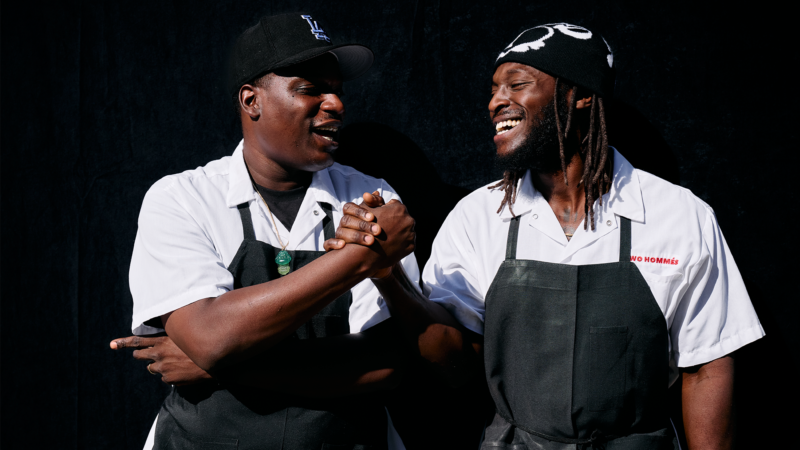
Since opening in early 2024, Linden has earned a reputation as a haven for contemporary Caribbean dishes and elevated Southern cooking in the heart of Hollywood. Right on the edge of a busy stretch of Sunset, this block was once something of an afterthought, but chef Jon Harris has turned it into a destination. As a Black-owned restaurant with a Black chef, it also serves as an important safe space for its community,
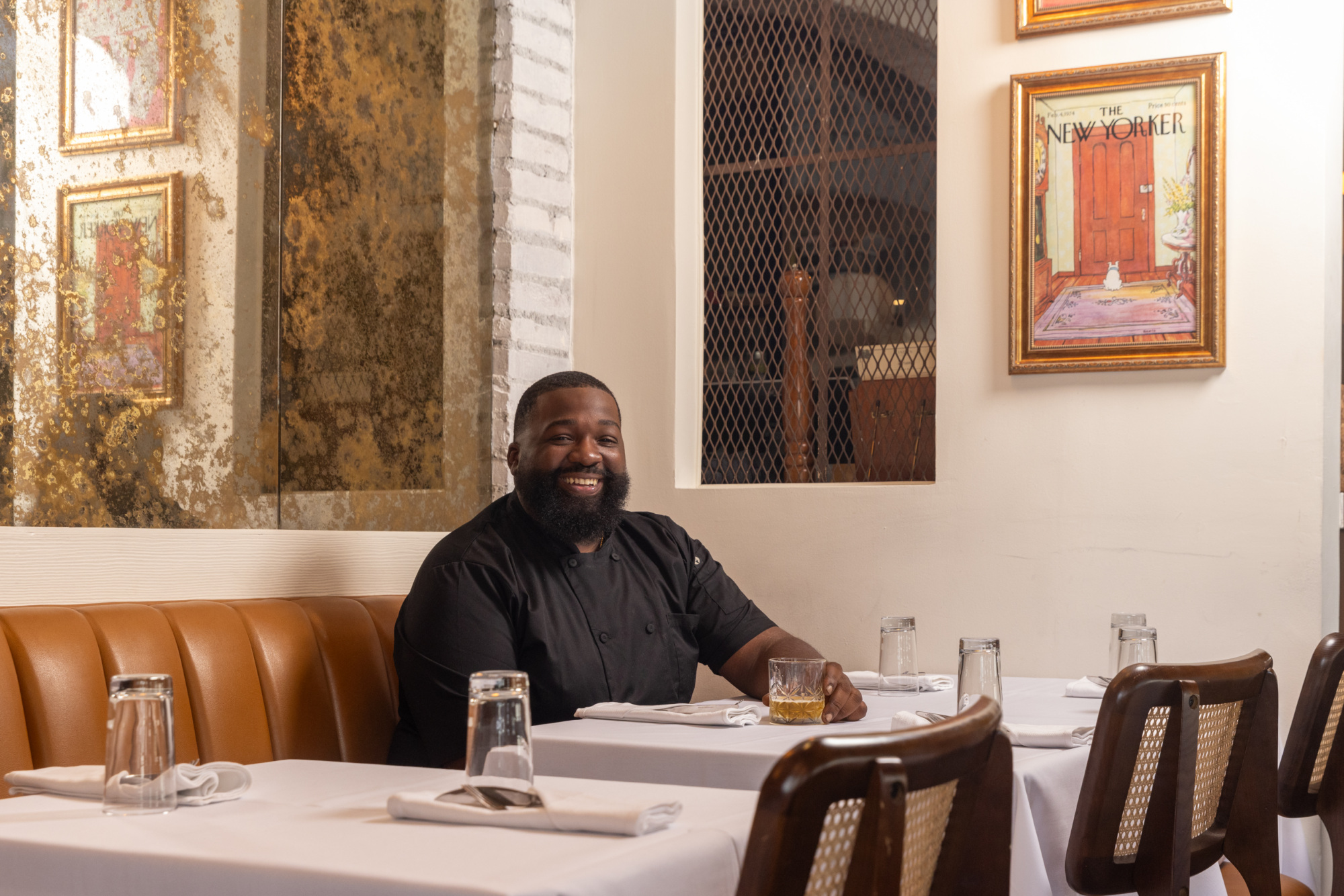
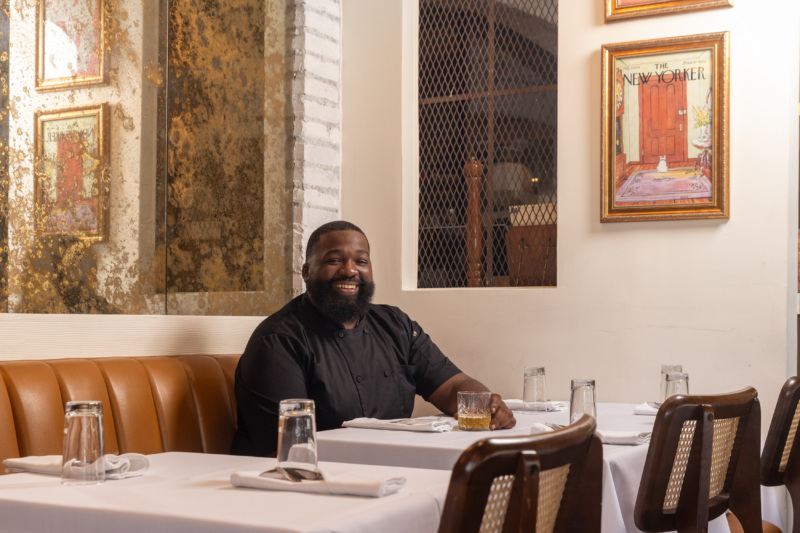
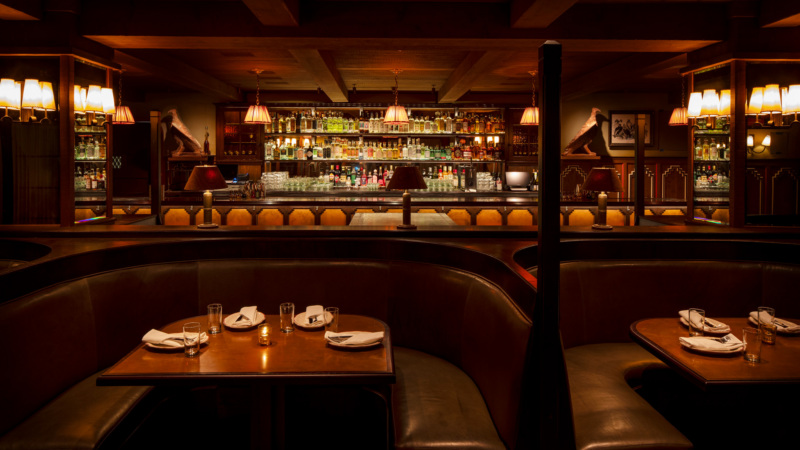
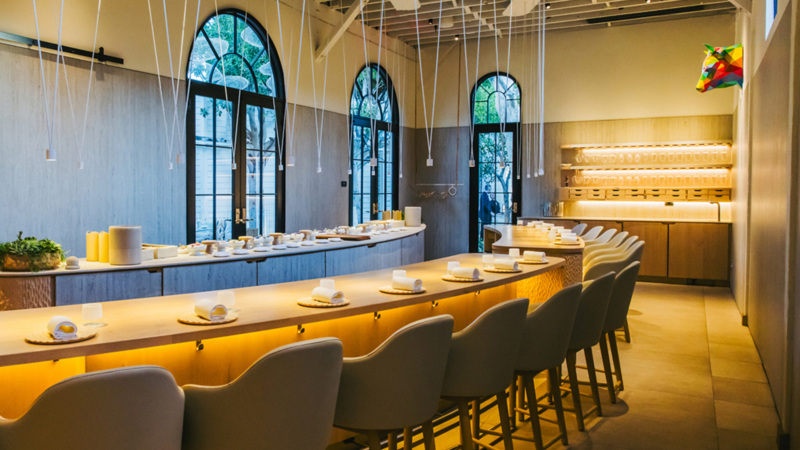
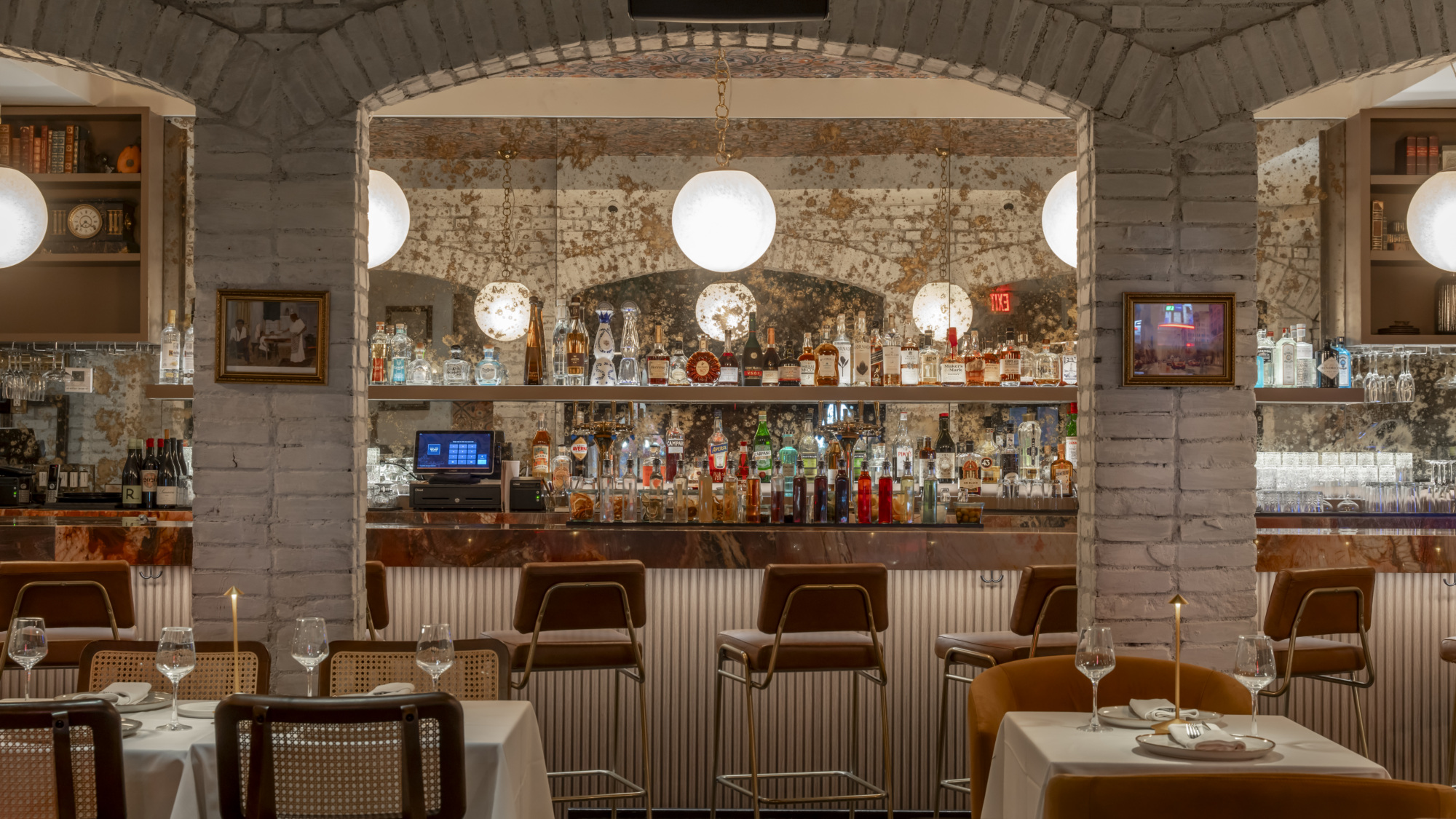
Though a design revamp is certainly part of the renewed charm—whitewashed brick walls, burnished leather booths, oxidized antique mirrors, and plush maroon velvet curtains give the room a confident, contemporary elegance—a larger shift is at play.
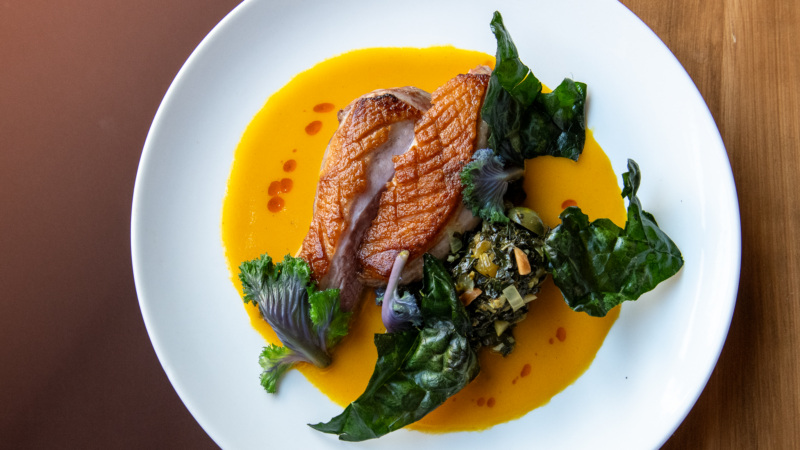
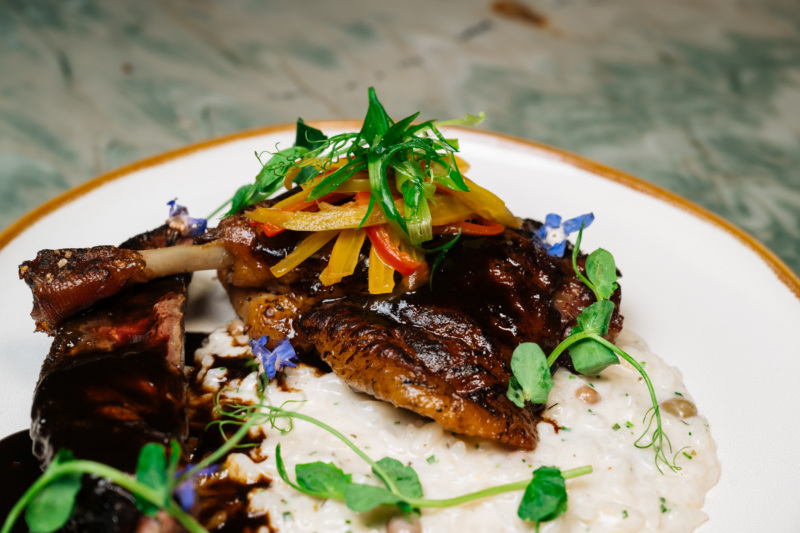
Around the time our appetizers dropped, “Insecure” star Sarunas J. Jackson was seated next to us. When Jackson’s table, like mine, ordered The Parkway, a jerk duck dish (more on that in a minute), I felt confident that I had chosen correctly. It turned out to be one of my favorite bites of the year.
Hitting his stride as a chef in L,A. is a bit ironic, since Harris defines his cooking as first and foremost inspired by New York culture. “I was raised in Long Island and a lot of our family was raised in Brooklyn,” he says.
“I’m telling my story of how I grew up. I’m also a third-generation chef, so I grew up eating restaurant food.” Working at his father’s Long Island restaurant while growing up, Cornbread & Caviar, which similarly served southern and Caribbean dishes, had a huge impact on Harris’ culinary style—but so did the cultures that informed his parents’ upbringing.
“My mother is from Costa Rica, my father’s family is from Durham, North Carolina and his father is from Barbuda, so it was just a mixture of things that came into play,” he explains. Spanning the diaspora of Afro-Caribbean influences and southern Black foodways, his menu also brings in bits of Jewish and Italian ingredients that permeate New York cuisine, hints of carefree Brooklyn bodega cooking, and more refined techniques he learned in culinary school. But certain aspects have more sway than others. When pressed, Harris gives a broader reference: “Any country that had plantain? We eat that,” he laughs.
The dishes Harris created for Linden are funny, complex, and lavish, combining highbrow and lowbrow elements in clever, unexpected ways. Taken together, the result is a menu that’s completely joyful.
Whether you’re in the neighborhood or not, plan a night to make a run through Linden’s menu. And when you do, here’s a cheats heet from Harris on what not to miss.
MORE FROM RESY

Crab & Caviar
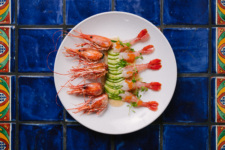
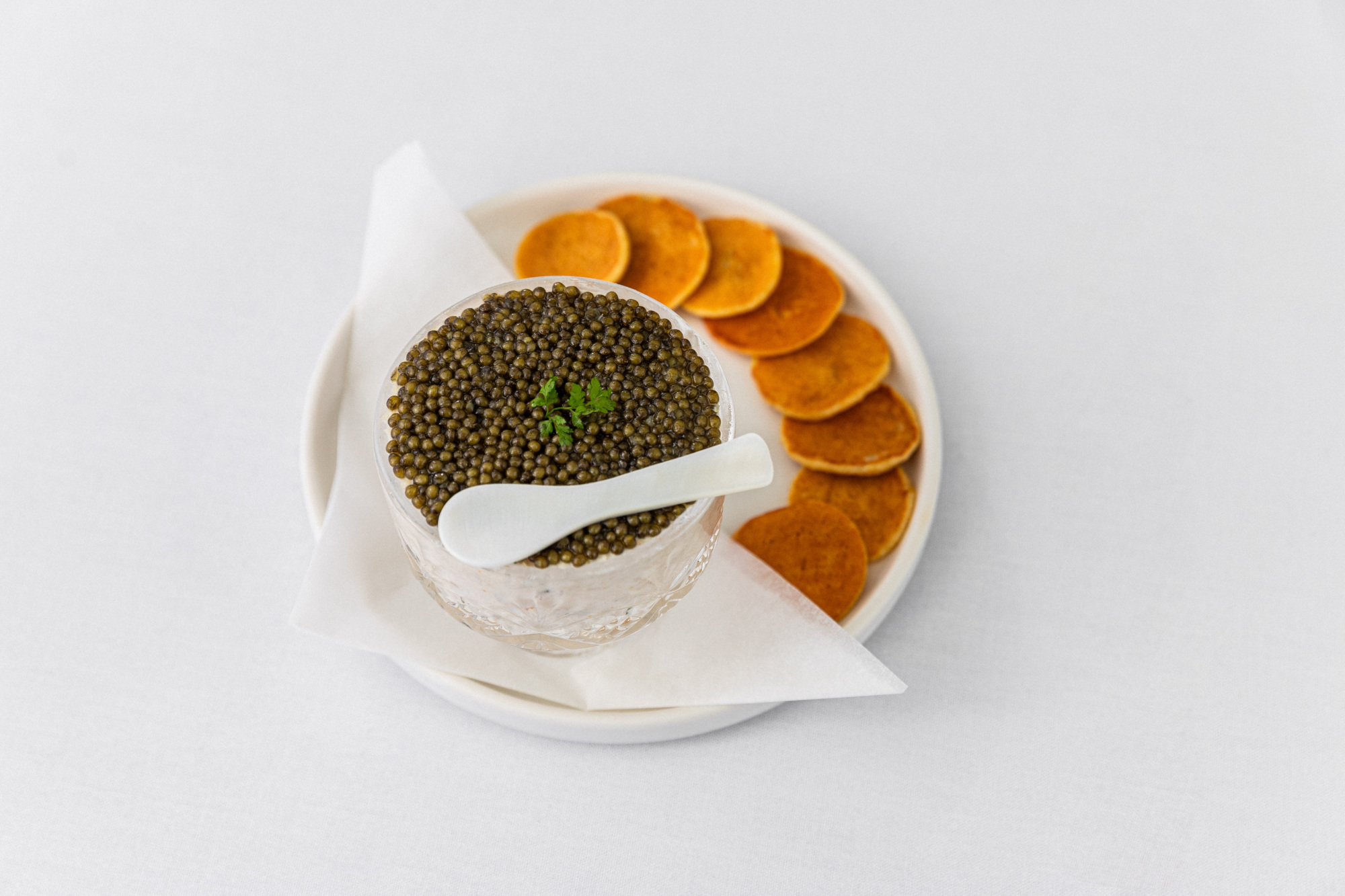
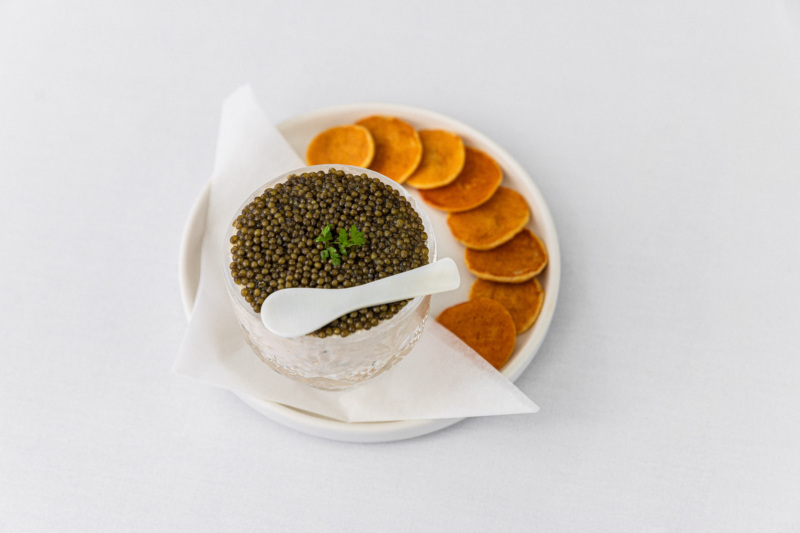
“This is a dish based on my father’s restaurant. He had a dish called [When] Johnny Met Sally—cornbread that he’d cut and sear, topped off with some lox and a little bit of olive oil and garlic. I’m from Long Island. I’ve been to more Bar Mitzvahs than barbecues, so that combination of things made sense. Crab and caviar is my own riff, served with Osetra caviar and smoked crab with corn biscuits. The crab is cold-smoked to preserve the integrity of the meat, then mixed with fresh lemon juice and herbs. The plate started with crab and johnny cakes on the side, but I realized johnny cakes weren’t hearty enough, so we switched to a corn biscuit.
I take pride in my biscuits. I think a lot of people serve them and it’s just an afterthought, like a French fry. We use English butter that’s very cold. We shave the butter, like if you shaved a piece of Parmesan. That way it forms as many layers as possible. To add a little sweetness to the dough without sugar, we roast our corn before pureeing it and add that in. Then, it’s just cornmeal and flour. It took a lot of trial and error, but now, that biscuit is perfect.”
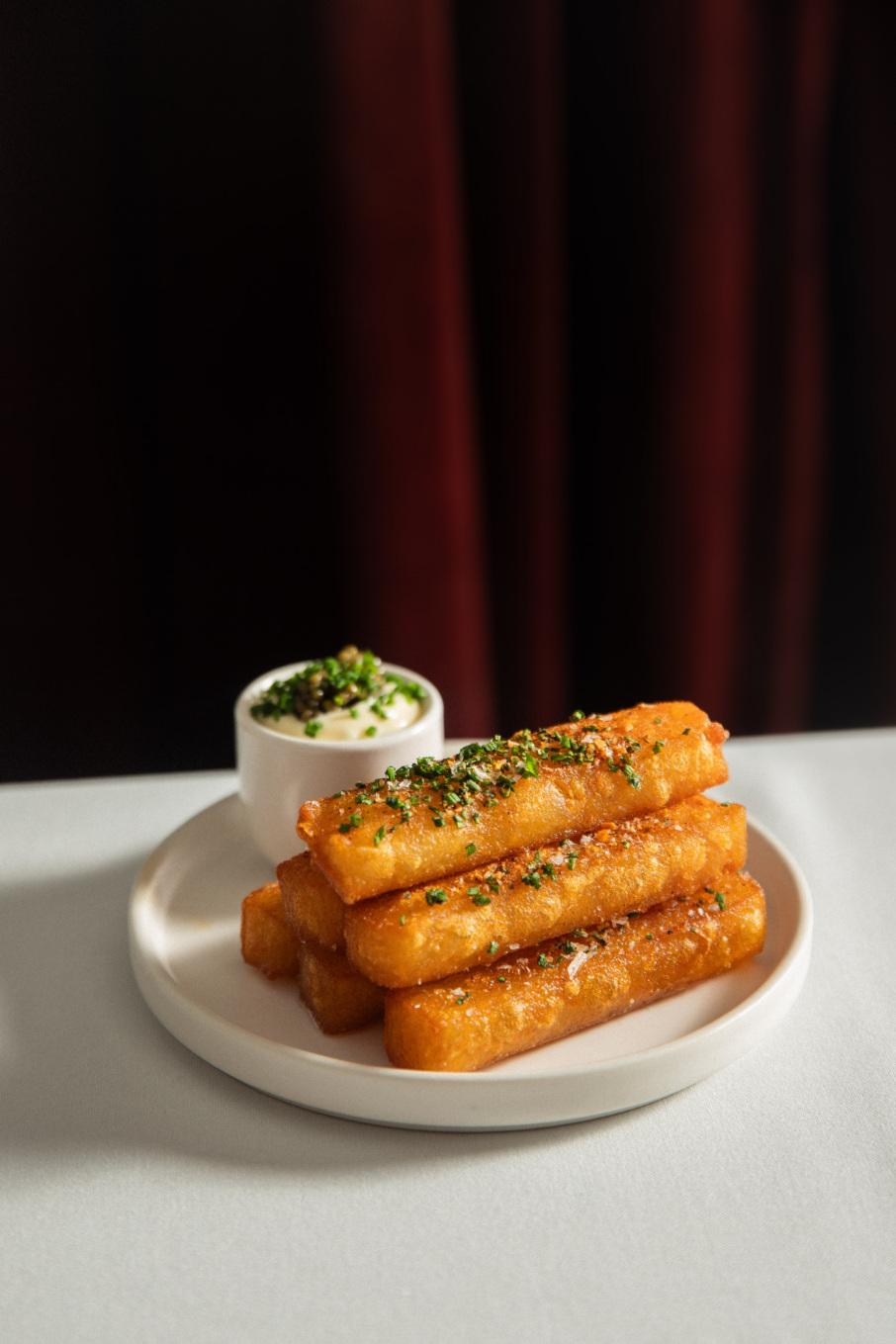
Herbed Duck Fat Fries
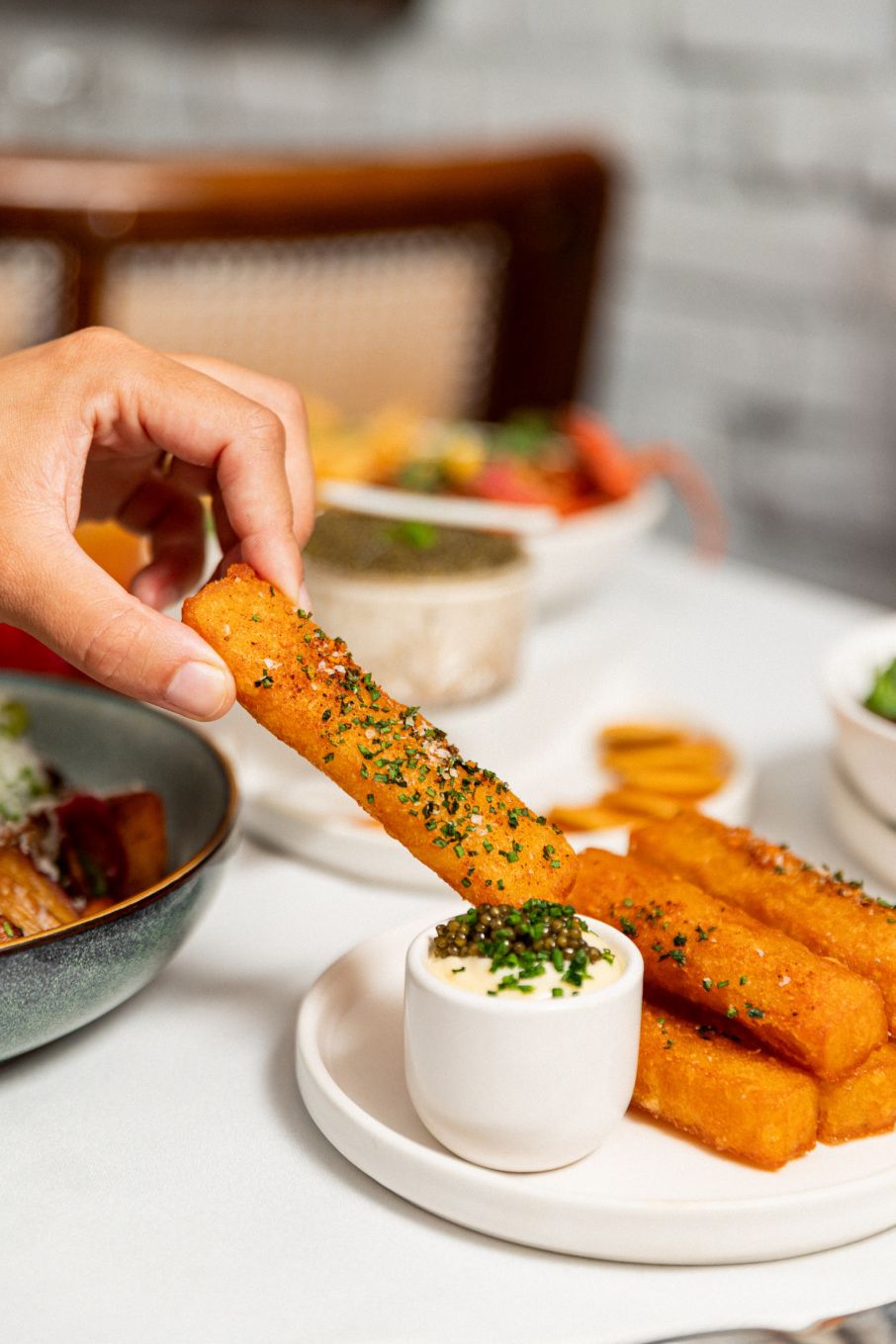
“These are fried mashed potatoes. We cook them three times. and try our best to make a version of a Robuchon potato first. There’s no flour in these; they’re gluten free. It’s potato starch and xanthan gum, so there’s some molecular gastronomy that goes into it. We get the consistency of the mashed potatoes right first. Once we have the flavor profile, we chill them and mold them out. Each individual fry is hand cut daily.
We’ll do 35 to 40 orders of these fries before 10 p.m. every night. It wasn’t the easiest thing to get the potatoes to coagulate in a way that they wouldn’t break up in the fryer, but we figured it out. Now these are probably the most popular thing in the restaurant, after the Wagyu pie. Using the duck fat was a matter of cross utilization. Once I saw how much extra duck fat we got from prepping The Parkway, I was trying to think of a way to repurpose it. The duck fat also gives it a crispier finish on the outside.”
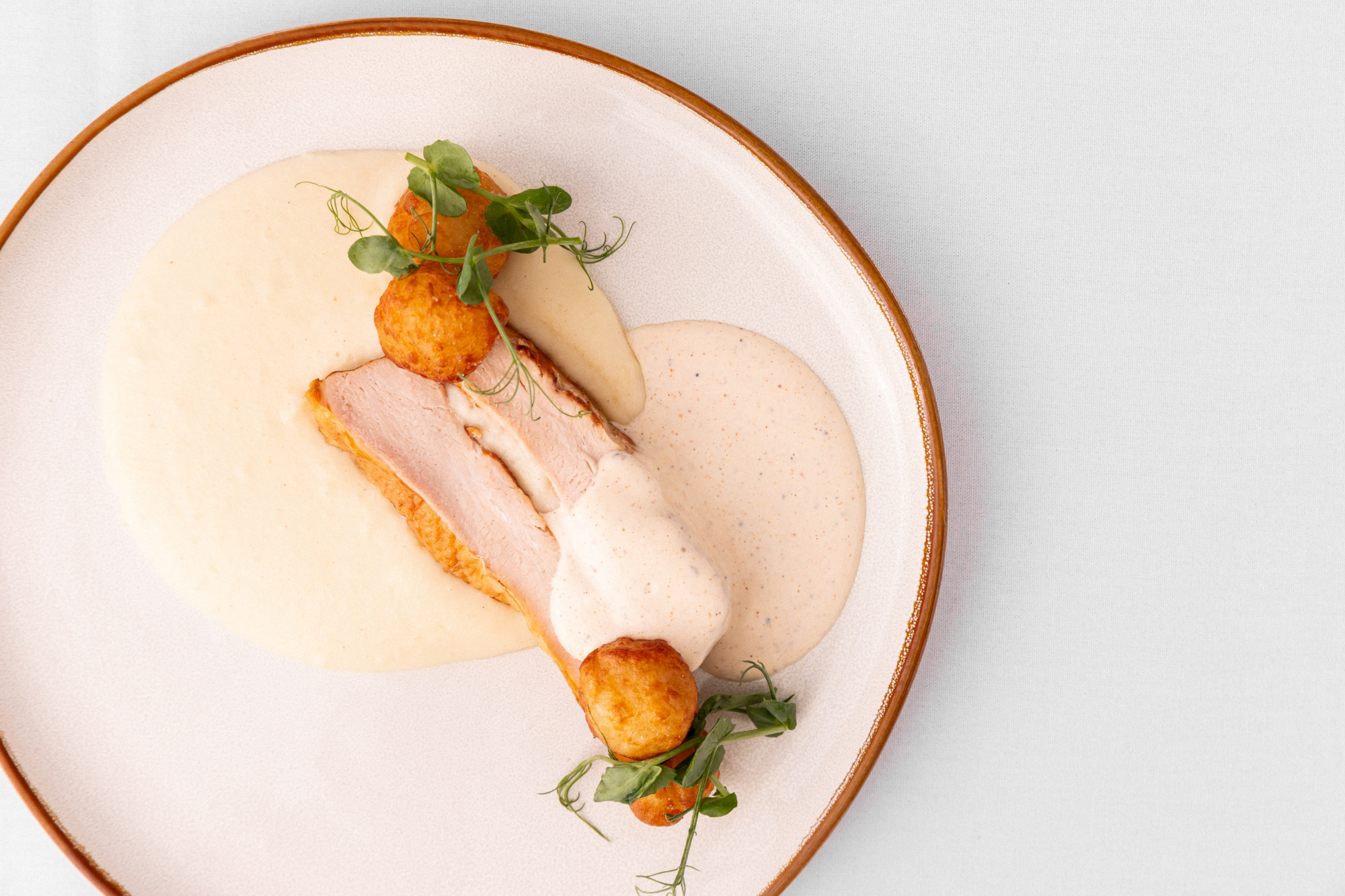
Bama Smoke
“We first dropped this dish on Juneteenth. It’s a Southern dish, but it doesn’t have to be something people consider soul food. It’s just Southern-inspired. I didn’t want to serve a half chicken or whole chicken, so this kept it simple. For plating, the chicken breast is spilt in half with a potato and parsnip puree on the side, three hush puppies, and collard greens. All of that is topped with an Alabama white sauce. It’s one of the more surprising dishes based on the flavor profile. It also gives credit to where these flavors come from. A lot of times you have to ask for a Bama white sauce. It’s a vinegar and mayonnaise-based barbecue sauce that’s more like a vinaigrette than anything. It has a little more kick. Not a lot of people specialize in it, but I think it’s a great flavor profile to add to a plate.”
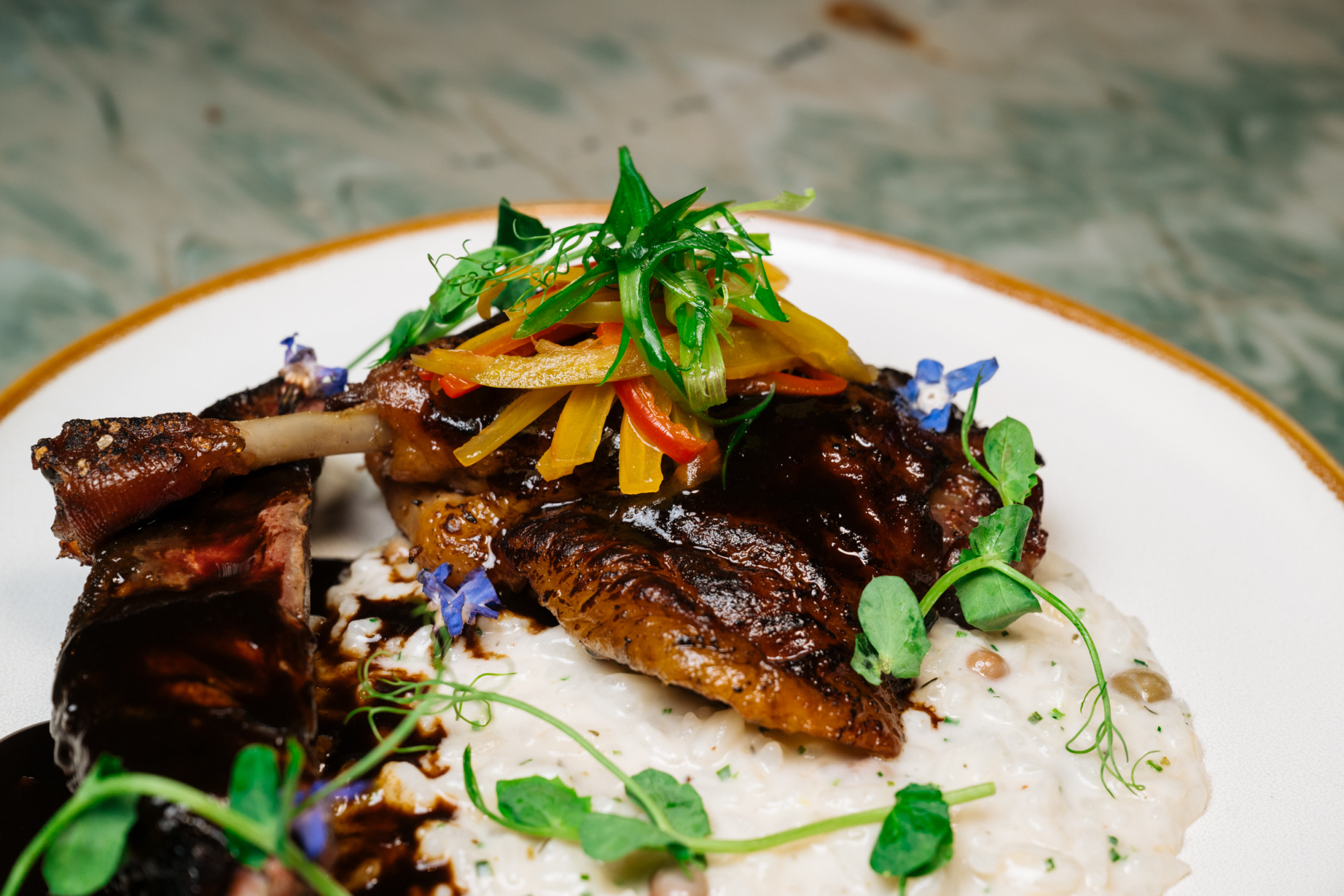
The Parkway
“This dish was inspired by Brooklyn. It’s my storytelling, so it’s a Long Island duck that’s going to Brooklyn. This was inspired by my travels as a kid for the Labor Day Parade, going to Eastern Parkway in Brooklyn. Smelling the jerk in the air, people eating sugarcane, hearing steel drums, hearing all the old reggae tunes, people drinking Red Stripe. People would go and get a piece of jerk chicken and walk down the block eating it. I have a love for risotto, so I made rice and peas with risotto. Then we take the duck and cook it four ways. We cure it, smoke it, confit it, and finally grill it over an open fire. We top it with escovitch peppers that take about 24 hours to pickle. That’s our home base dish.”
Not a Pot Pie
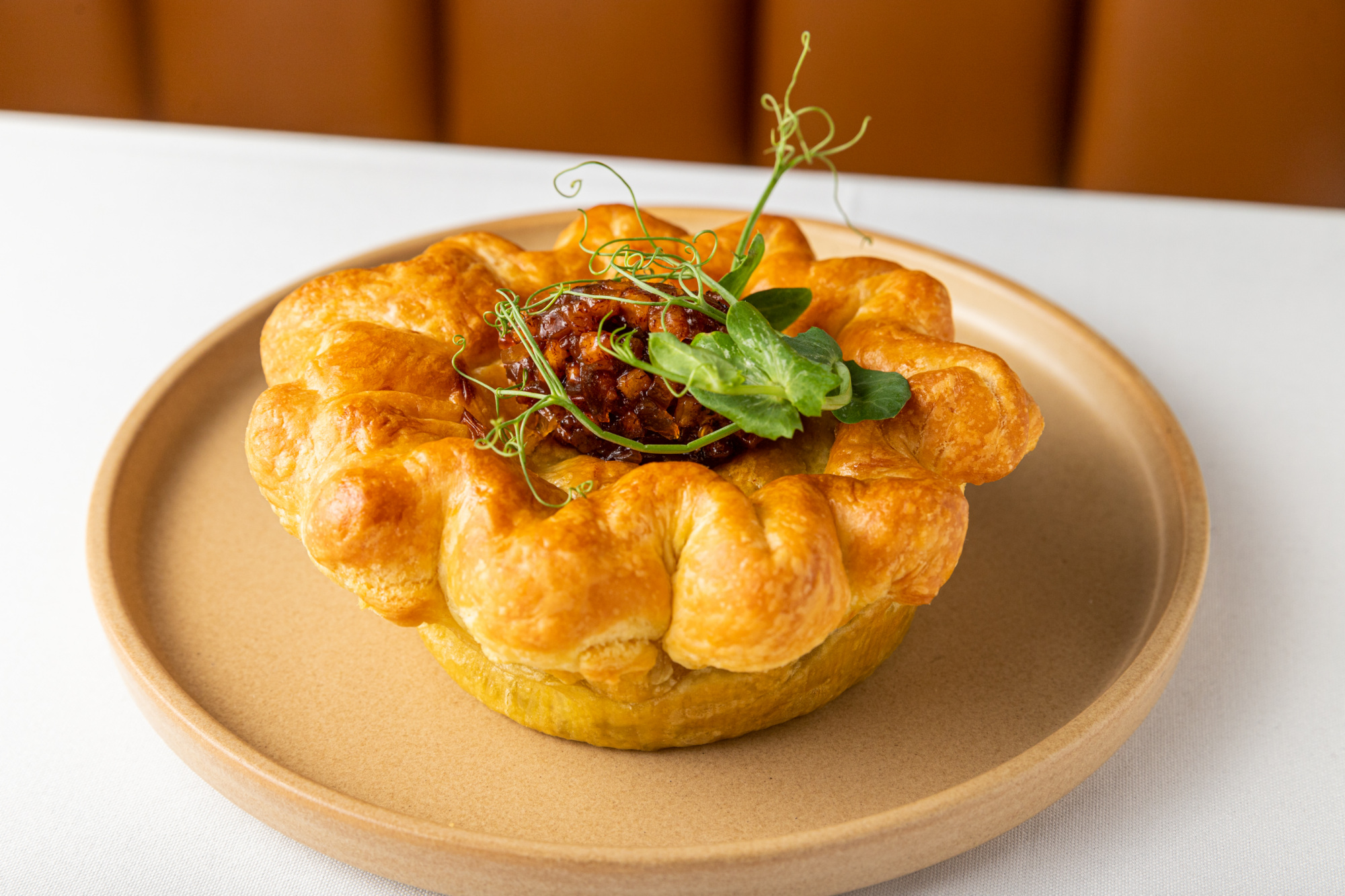
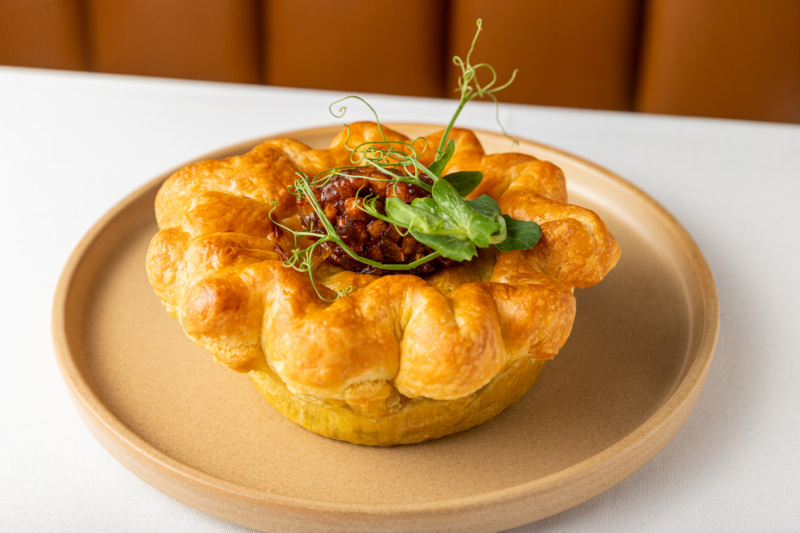
“Food is just a history lesson — that’s what this dish is. It depicts Jamaica getting its independence from Britain in 1942, so originally it was called Wagyu 42. In the UK, they eat meat pies the way we eat hot dogs. I ended up working with a chef from New Zealand who trained in Britain. He showed me how to make them, and it was a very intricate thing so I asked what it was worth. When he said a couple bucks on the street I said ‘no way!’ Ever since then, I wanted to do more with one.
I had to search to find wagyu oxtail. For some reason it was just going into soups and stocks and ramens. To get the best integrity from the oxtail, we cook it at 225°F for 24 hours, then pull it straight from the bone, and stuff it into the pie. I changed it so it tastes more like a Jamaican patty. I worked on it for months—to make a laminated dough that tastes like a beef patty but has the same consistency as a meat pie. It’s more than a pot pie.
The pie dough takes 24 hours because of the butter process. It’s 90% butter. We serve it with a plantain chutney and oxtail gravy. When you go to a Jamaican restaurant and get oxtail, you always want extra oxtail gravy. But asking for it always ends in ‘no,’ ‘we don’t have any,’ or ‘I have to charge you for more.’ So for nostalgia’s sake and my own little joke with myself, we pour extra oxtail gravy on top of the pie tableside, just so people can enjoy it.”
Caitlin White is a food, wine and travel reporter who splits her time between Los Angeles, Toronto, and Cannes. She’s a contributing editor to Santa Barbara Magazine and a hotel critic for The Telegraph. Her work has appeared in The Observer, InsideHook, Fine Dining Lovers and many more. Born and raised in the Willamette Valley, she has a soft spot for Oregon Pinot Noir, but learned to drink in Red Hook bars like Fort Defiance and Sunny’s.