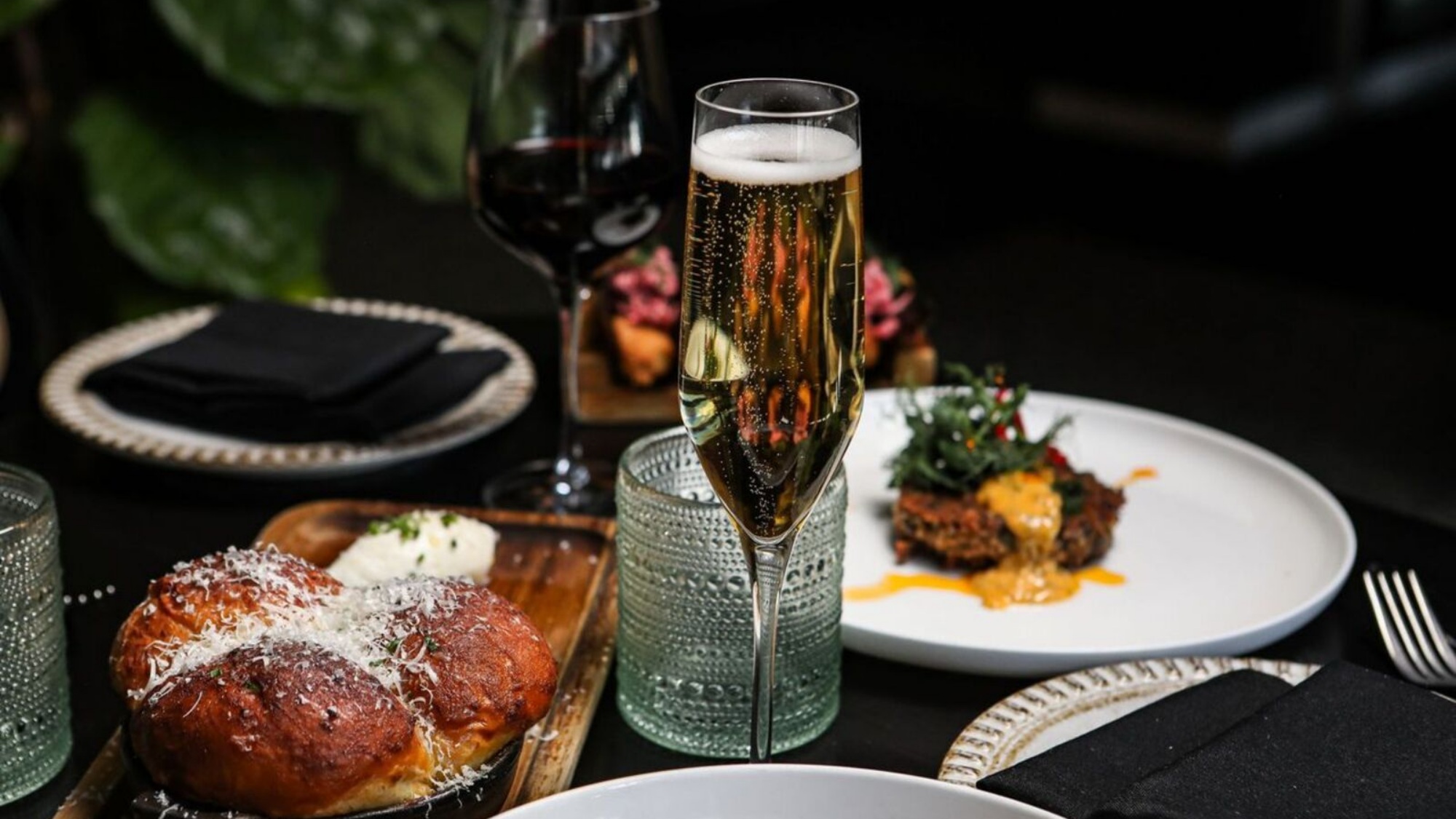
Chef Rodolfo Cuadros’s Port Union Celebrates Immigrant Cooking
Published:
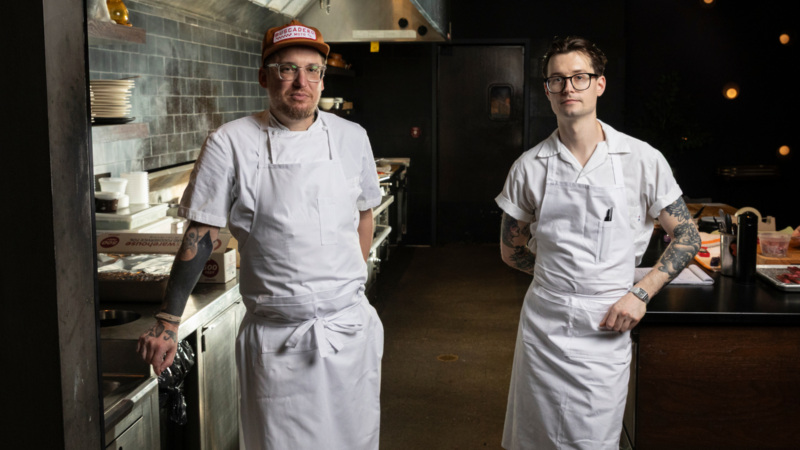
Under the helm of chef Rodolfo Cuadros, the low-slung building at 1559 North Milwaukee Avenue has lived two distinct lives.
For much of its tenure since 2021, the space was home to Bloom Plant-Based Kitchen, Cuadros’s refined take on vegan and gluten-free cuisine. A departure from his long-running Pan-Latin spot, Amaru (1904 West North Avenue), Bloom quickly became known for its emphasis on global flavors and seasonality, and it established itself as a beloved member of Chicago’s vegan restaurant canon. Bloom received a Michelin Bib Gourmand and helped earn the veteran chef a James Beard Award nomination for Best Chef: Great Lakes.
However, in late 2025, Cuadros was itching for change already swirling in the air. He closed Bloom in December and less than six months later, reopened the Wicker Park storefront as his New American restaurant, Port Union.
Through recalibrated classics with ingredients and flavors rooted in Latin American, Caribbean, and African cuisines, Cuadros explores the contributions of immigrant and diasporic communities that help define American cuisine and solidify Chicago as a leading food city. Here’s what to expect at a favorite Wicker Park space given new life.
MORE FROM RESY
A new dining room, now with even greater expectations
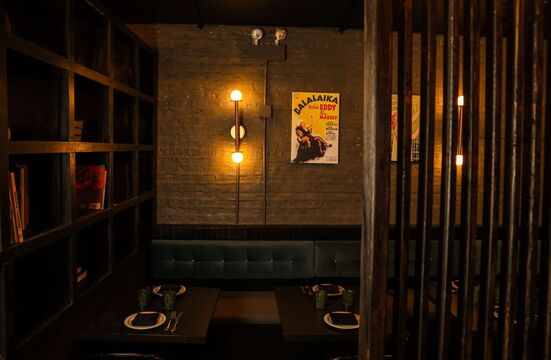
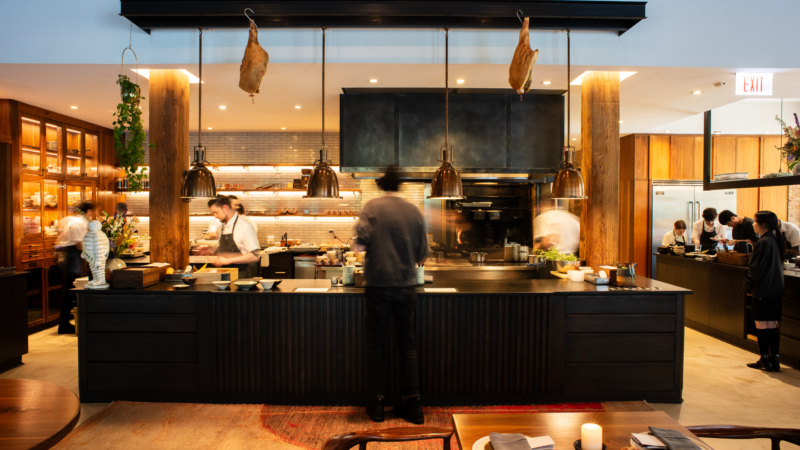
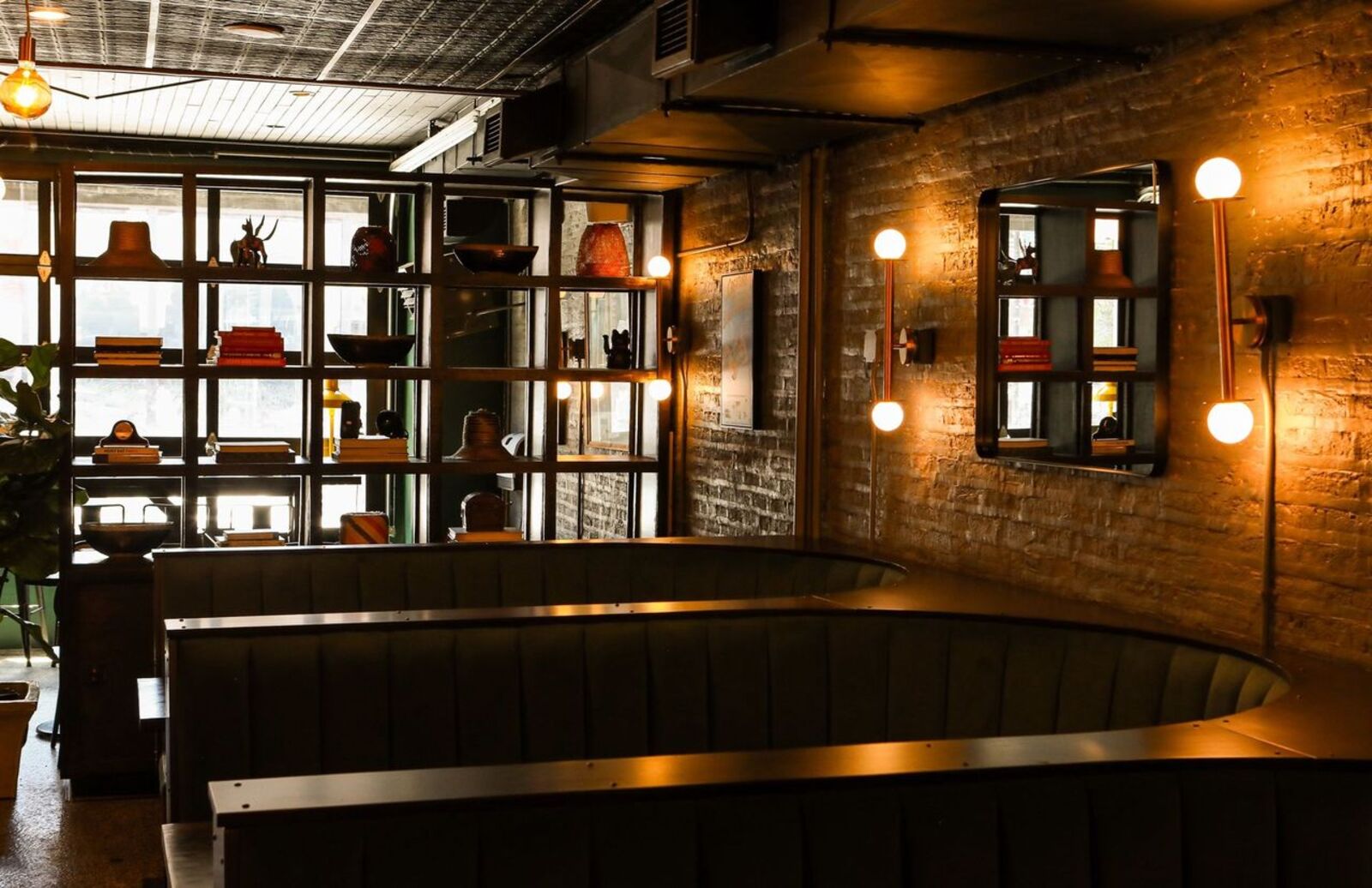
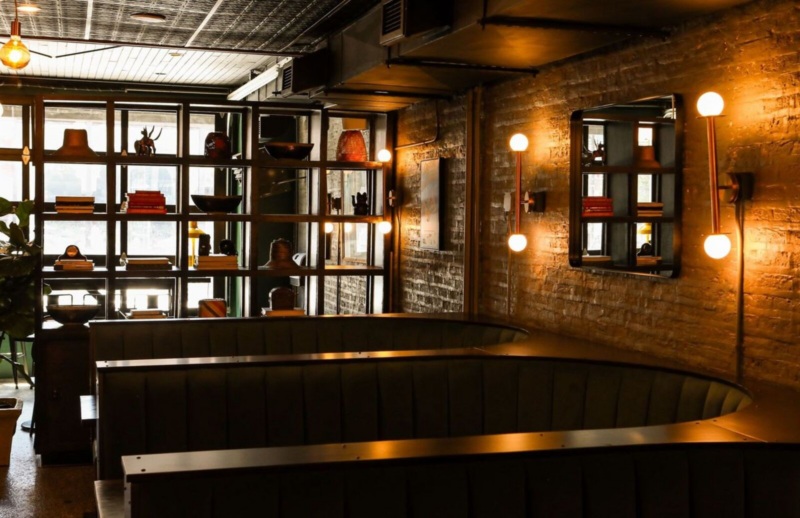
Remnants of Bloom are found in the building’s glass pane garage doors, which open out onto an energetic Milwaukee Avenue, but Port Union’s interior feels like a grown-up version of its airy open-concept predecessor.
Enveloped in navy and other traditional tones, the dining room has been reoriented and redefined by several zones throughout. “My idea was to make the space feel a little bit more intimate, but still have it be open enough to do a graduation party for a hundred people or a small wedding,” says Cuadros. “I felt like with Bloom we were there for our neighborhood, but we were limited by what we could do in our space. Now, I feel like we have a way more dynamic space that’s cozy and comforting. I’m happy that we were able to strike a balance between a place that makes you feel just fancy enough for a special occasion, but accessible. It’s hard to [find that] with a neighborhood restaurant.”
An alcove located behind the bar area seats ten around a communal table, where views of the kitchen and its large wood-fired oven extend from the semi-private dining room. “It’s a really cool atmosphere in that little area,” says Cuadros. He intentionally chose not to expand the dining room seating during the renovation, opting instead for slightly larger tables that offer a more comfortable dining experience.
Dinner is the star of the show
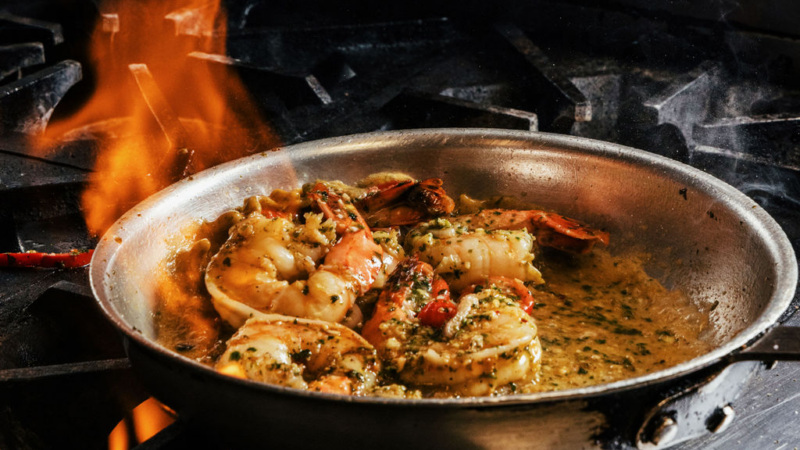
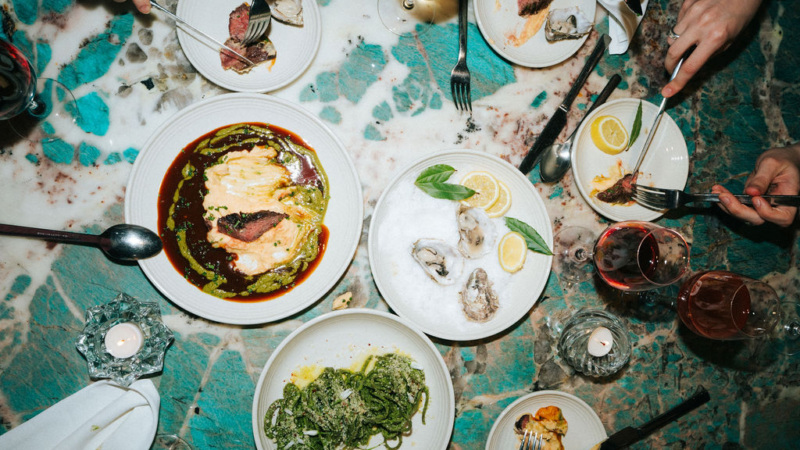
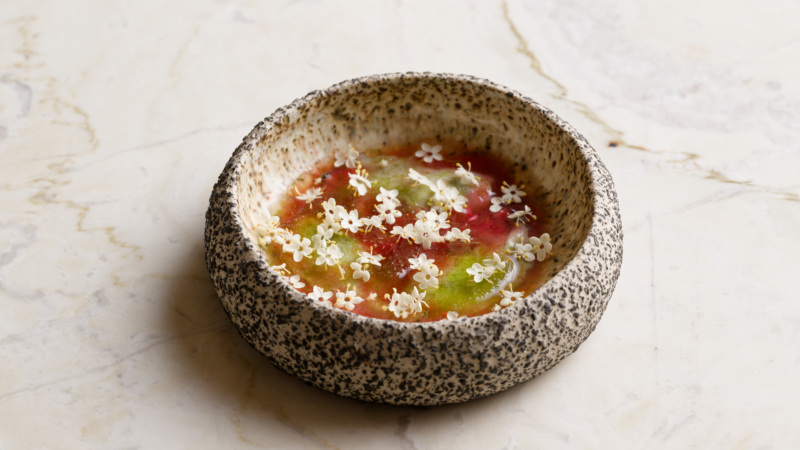
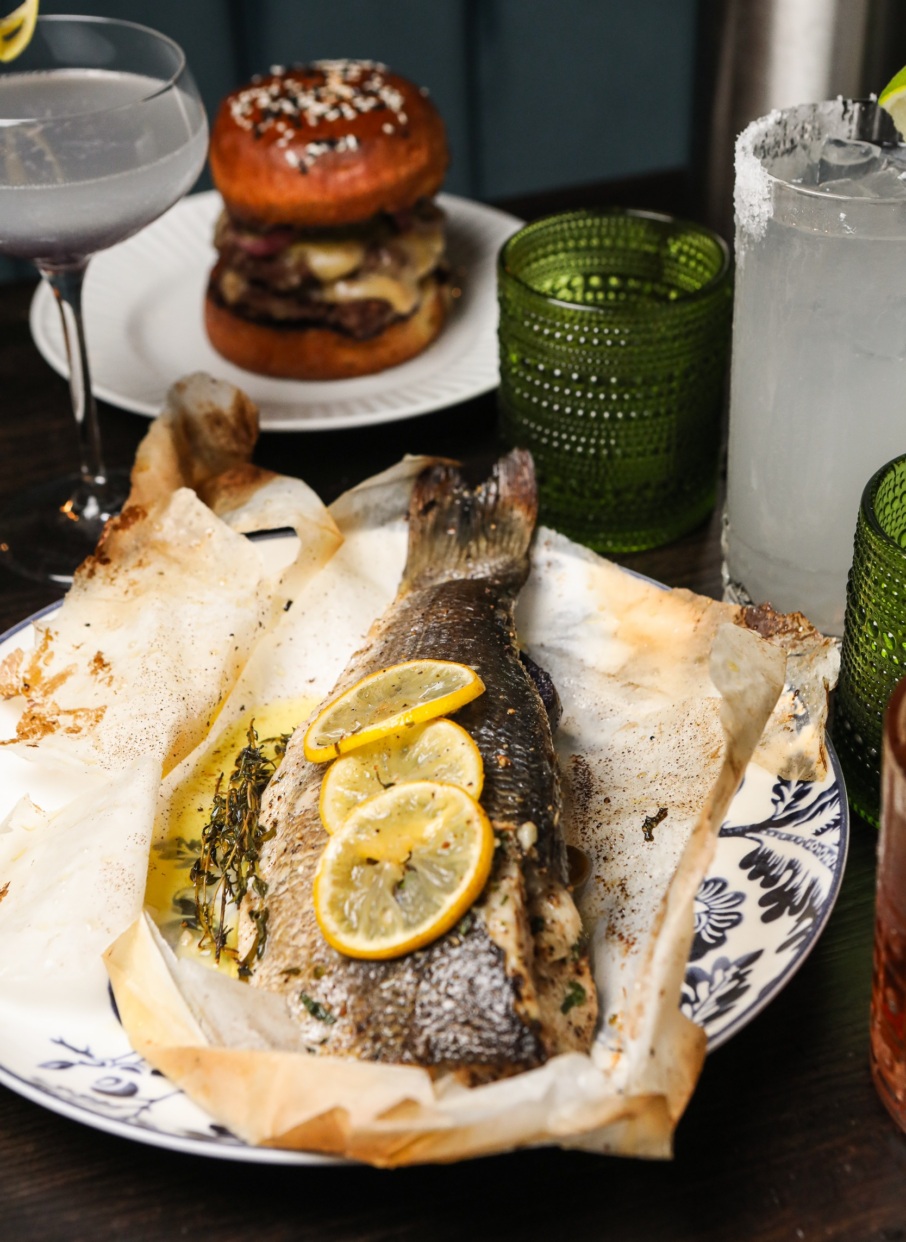
The extra elbow room sets an admirable stage for dishes like branzino en papillote to be served tableside. The parchment paper-wrapped Mediterranean sea bass is doused in olive oil then baked with thyme, roasted peppers, Italian olives, and sliced lemon. Serving the dish tableside is less about following any particular trends, and more about honoring a classic technique and the ambitions of a young and aspiring chef Rodolfo. “It’s the first dish I got yelled at [for] by French chefs.”
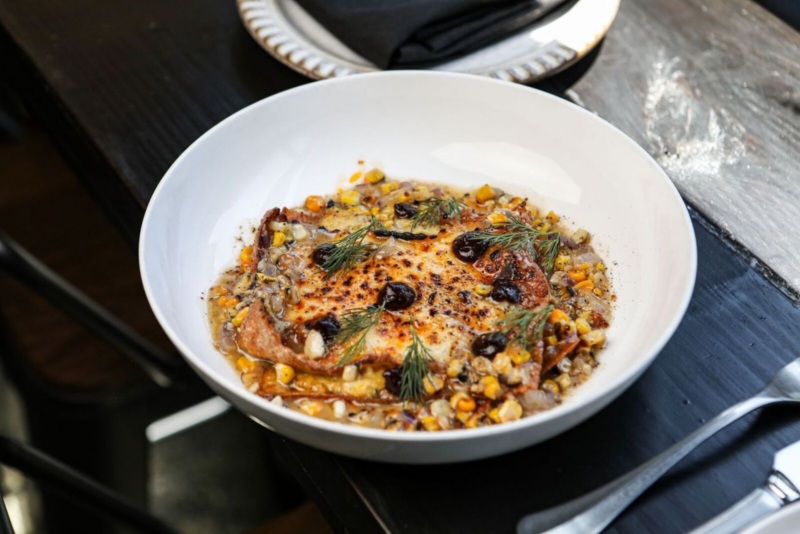
But for a dish that best represents Cuadros’s Colombian heritage, look to the pegado de pato. “Pegado is, I’d say, what Colombians fight for, which would be like the crispy rice at the bottom,” he says. “It is very much like socarrat for Spanish people. I wanted to make a dish that had a good amount of that.” To achieve the signature crisp, deep, oven-hot cast iron bowls are filled with rice then ladled with duck fat. The bubbly edges are the base for a duck confit and green coconut recadito that gets topped with a duck leg and crispy, house-cured and smoked pork belly.
But brunch is no sleeper, either
During weekend brunch, branzino shows up in a different capacity — pan-seared and served alongside souffléd eggs. Fish may not seem like an obvious brunch pick, but Cuadros, who fondly remembers eating salt cod with eggplant and eggs for breakfast while living in Spain, had in mind the late-day brunchers who, perhaps after a few bottomless mimosas, would want something more substantial.
The brunch menu is divvied up by starters, sweets — like sticky toffee pancakes made with coffee caramel —and mains. For the latter, a crispy, cornmeal and panko-crusted chicken milanesa ups the ante on chicken and waffles. The brunch staple includes a buttermilk waffle, habanero maple syrup, and a smattering of quick-pickled vegetables, for an added boost.
A new bar with an old soul
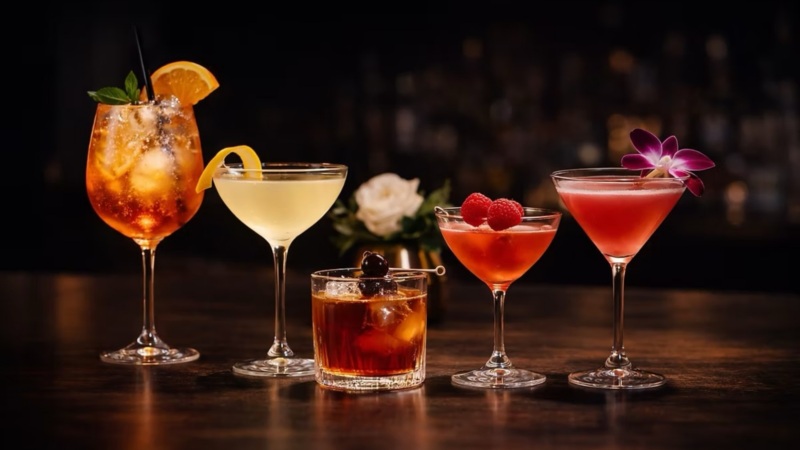
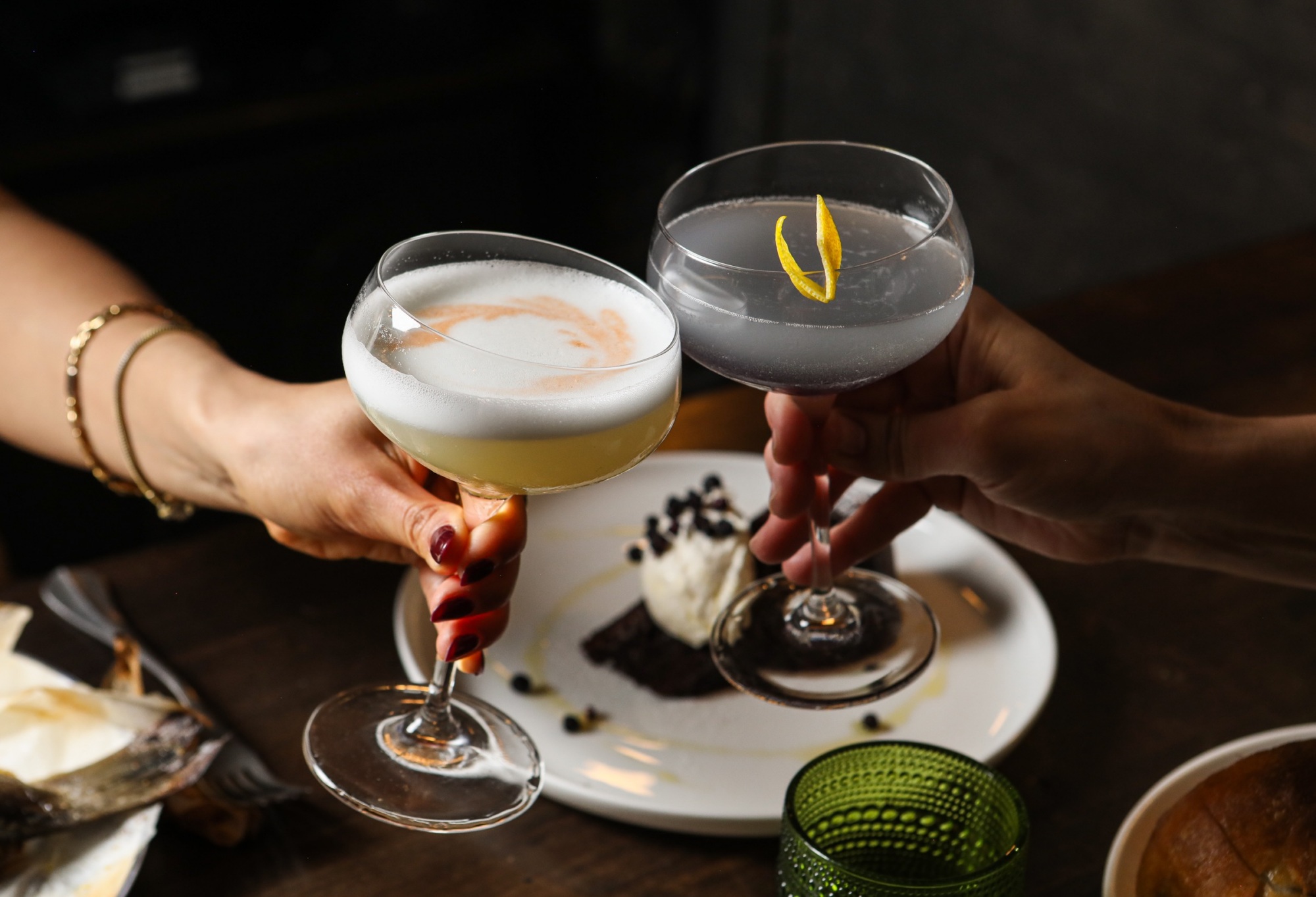
Unlike the dining room, Cuadros did expand the bar, which now fits 12. But don’t expect an over-the-top list or kitschy cocktails. Like many local watering holes worth their weight, Port Union’s bar program is finely-tuned with reliable classics — whether a simple Sazerac, a well-made martini, or a mezcal-based Last Word.
Bloom loyalists rejoice
Cuadros admits he never believed in chefs having signature dishes…but that was before he created one of Bloom’s most popular items. Inspired by smoked fish dip, the turnip causa small bite from Bloom is offered as an appetizer on Port Union’s menu. Cuadros lactoferments shredded turnips for seven days before giving them a quick smoke. The turnip mixture — made with vegan aioli, onions, cilantro, and peppers — is piled onto a golden-fried potato croquette and swaddled with seaweed and sea grapes. “It’s an amazing bite of food because it’s completely vegan and it hits on umami, crunch, and smokey. I think it’s special, so I decided to keep it on the menu.”
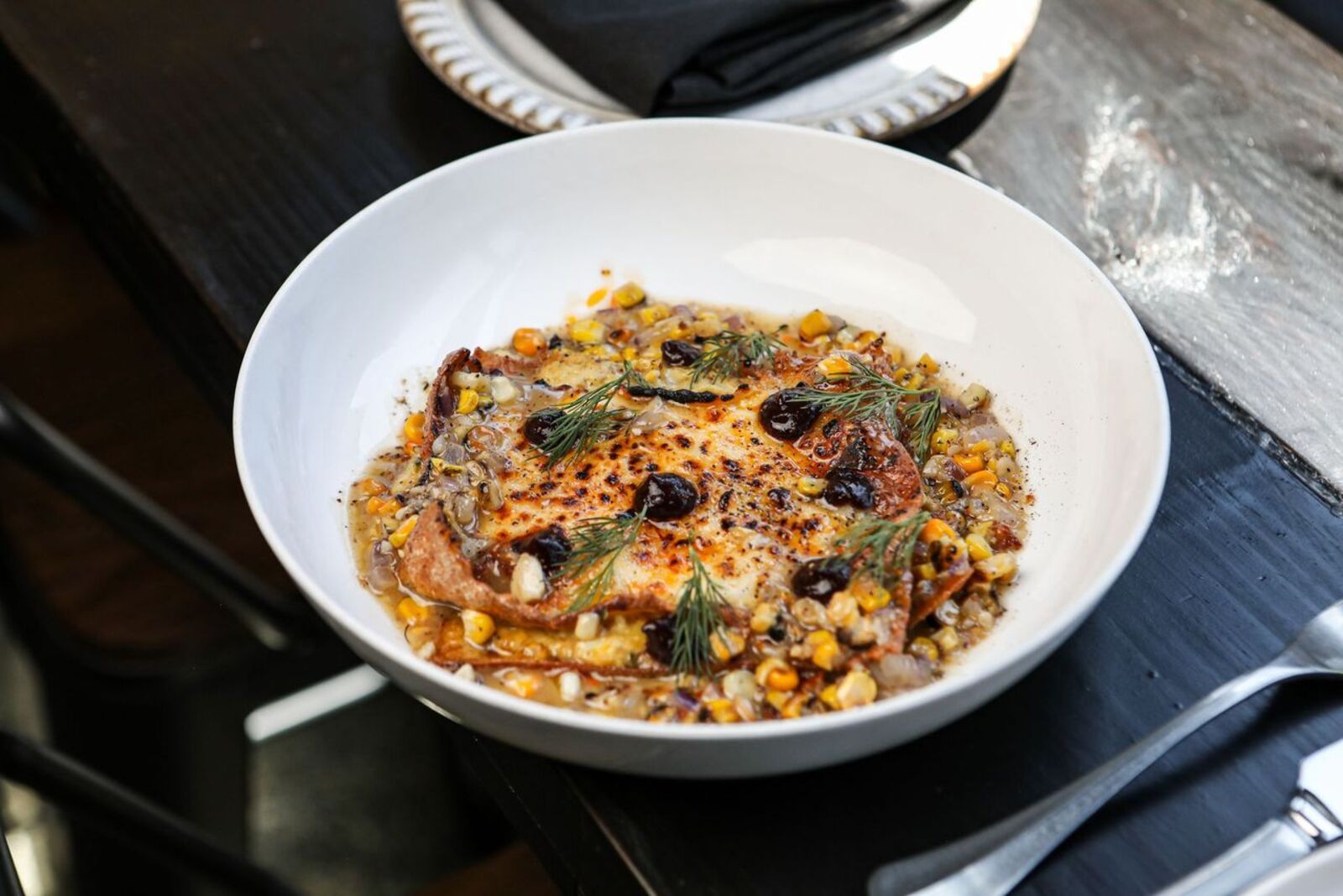
Perhaps it goes without saying, vegan food isn’t an afterthought at Port Union. Seasonal options, including locally-grown blue oyster mushrooms made smoky from the wood-fire grill and roasted summer squash dressed with Cajun seasoning, orange preserves, and smoked pumpkin seeds; to desserts like sweet potato cheesecake with a graham-almond crust as well as grilled pineapple with coconut and pineapple cashew caramel are on the menu and definitely worth (re)visiting.
On building a gathering place grounded in connection and hope
The New York City native spent decades working in kitchens across the globe with stints in Miami, London, France, and Thailand. For much of his childhood, Cuadros lived in Colombia, where his parents are from. There, he spent time absorbing the inner workings of restaurant operations at the small lunch spot that his mom owned. Cuadros says it was back in New York, though, where his mother worked as a seamstress alongside women of different ethnicities and nationalities, that her cooking repertoire grew exponentially. Shared meals evolved into borrowed recipes, techniques, and ingredients.
“A lot of her cooking wasn’t just traditional [Colombian food], it was influenced by those different cultures,” says Cuadros. “I consider them all American dishes because it happened here with the influence of people bringing back what they know.”
While some of that sentiment speaks to the heart of Port Union, landing on a name was still one of the hardest parts of reconcepting. “The name came from the overall idea of a union and the United States,” he says. “I was thinking about Ellis Island, and the Statue of Liberty, and ‘give me your tired, your poor.’” I get emotional talking about it. This idea of a melting pot became the center of it all. The reality is that we all learn from each other.”
With Cuadros’s celebration of the small and large ways that immigrant and diasporic communities continue to shape our nation’s food culture comes Port Union’s call-to-action — for us to gather.