Wilde's
Los Feliz
Published:
When Wilde’s opened in October of last year, it felt like everyone, in Los Feliz and beyond, went nuts (hazel, toasted, like the kind scattered atop their porridge) for the place, dutifully queuing (it’s British) for the battered fish and bangers and mash. I, too, joined the frenzy, ignoring the effects of my gluten intolerance to sample the flaky sausage rolls and buttery scones with clotted cream.
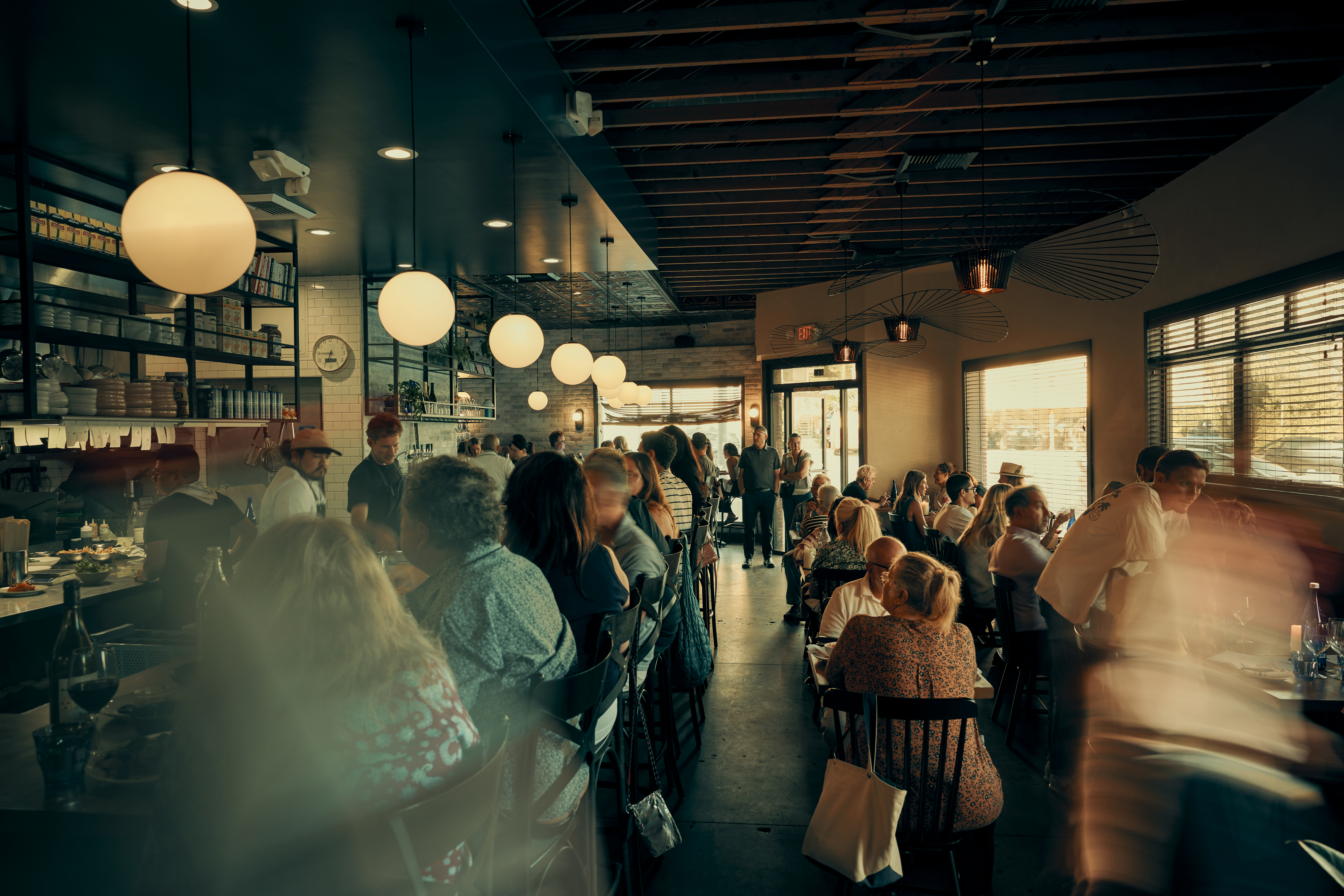
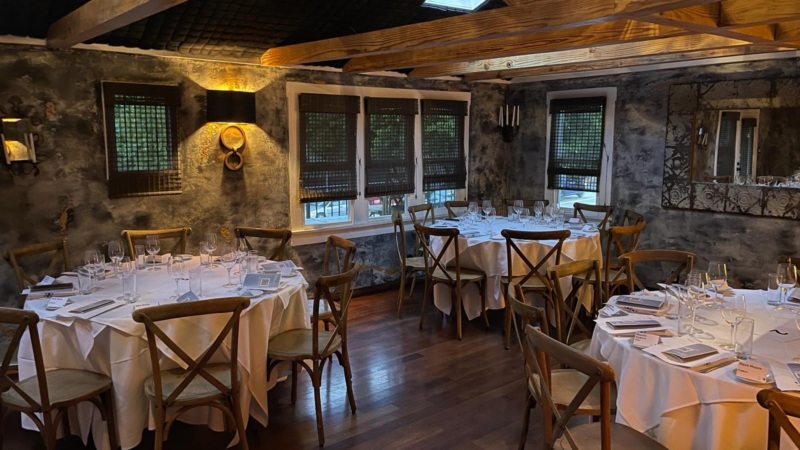
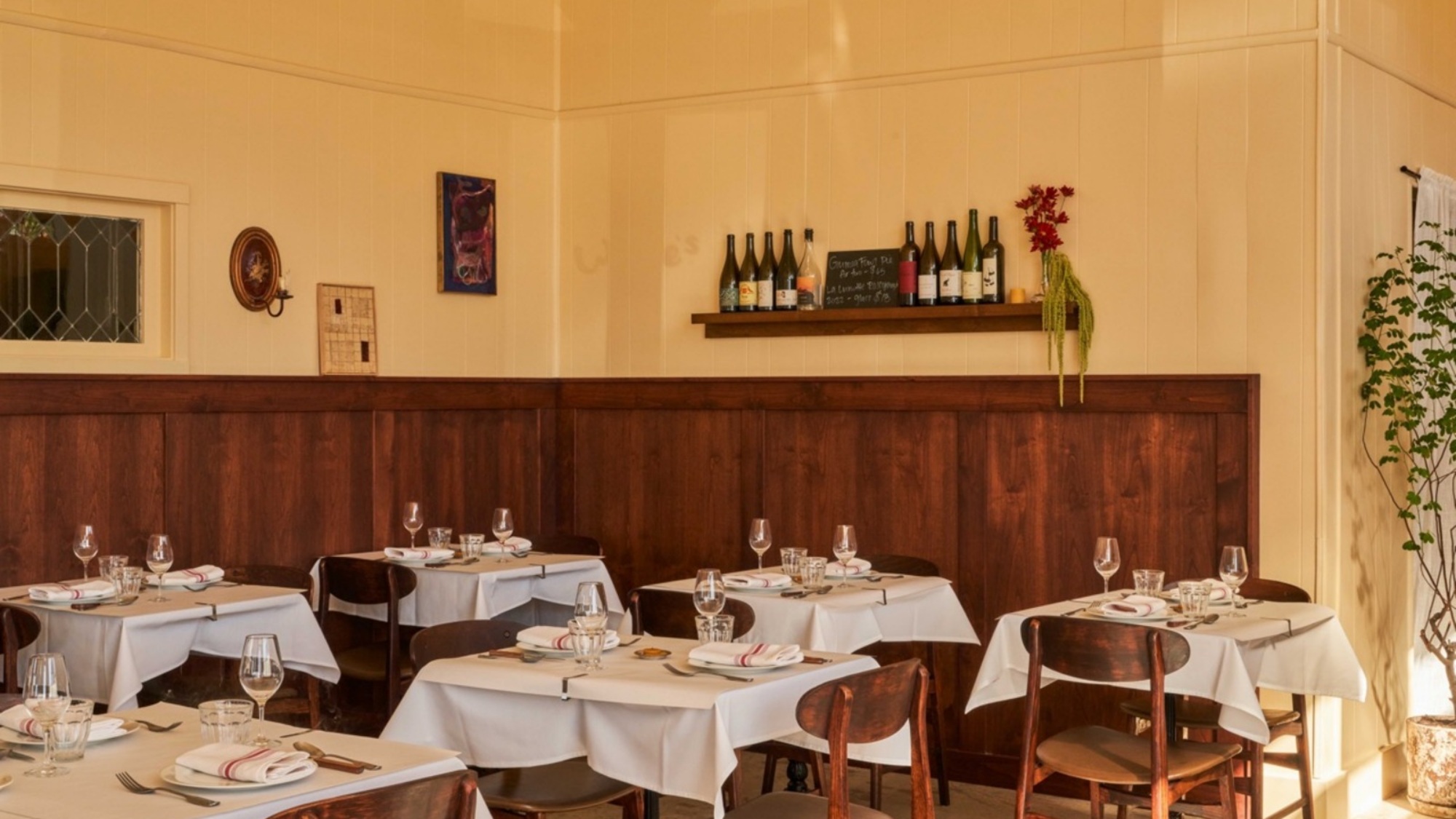
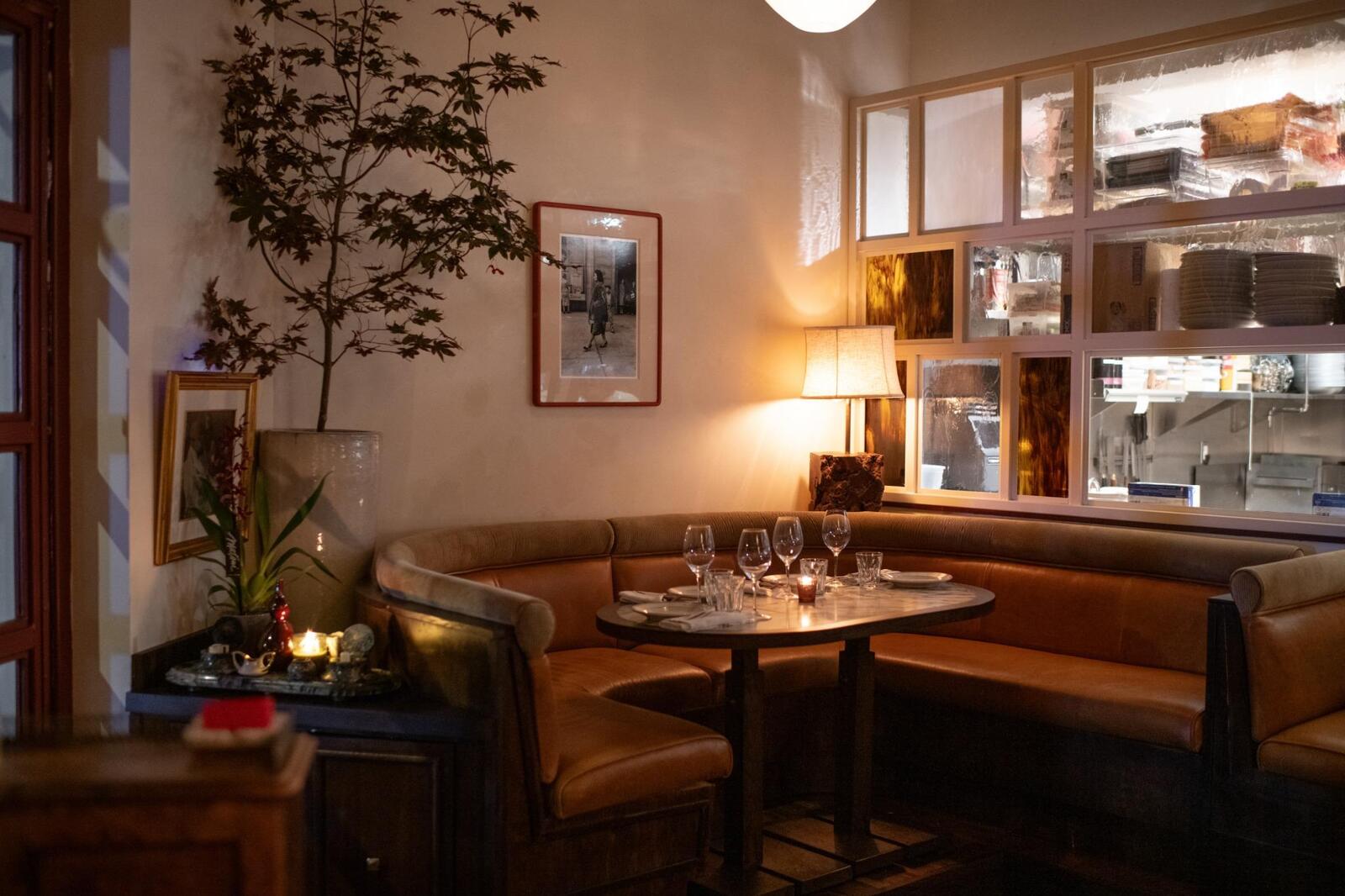
Of course, the food at Wilde’s is great. But I keep coming back for the atmosphere, too. I love the little paintings, the captain’s chairs and Queen Anne-inspired scalloped tables, the graceful touches of greenery, the cameo sconces, and the pops of fire engine red, all of which combine with golden California light to create a room that’s somehow both cozy and unstuffy.
Co-owners Natasha Price and Tatiana Ettensberger, friends since childhood, decorated their restaurant with such care, spending eons searching online for vintage pieces and adding inherited touches, like artwork from Price’s grandmother’s home in England and a vase from Ettensberger’s father, a gift from his own late mother. The windows are paned with antique glass, the bathroom laden with adorable tchotchkes. (“The bathroom is my pride and joy,” says Ettensberger. “There’s nothing worse than you’re kind of tipsy, you’re eating a really amazing dinner in this beautiful room, and then you walk to the bathroom and it has jarring fluorescent lighting.”)
“We wanted the structure itself to feel timeless,” says Price. “And like we wouldn’t look at it in a few years and see it as something that was just of the moment.”
The aesthetic at Wilde’s reflects a sea change in home and restaurant décor. After years of the epidemic of millennial design (mortadella-like terrazzo countertops, brass finishes, fake Cesca chairs, and the infernal Monstera), the handmade, vintage, and antique are ascendant. It feels like every cutesy home goods store from Lower Manhattan to Echo Park is stocked with Italian pewter and paper-thin Japanese glassware, prim lace doilies, and pressed table cloths, all representative of a gnawing desperation for elegance in an increasingly inelegant world.
Old World aesthetics have always made sense in Los Angeles, in contrast to all the shiny newness. But the vibes have spread. There is a growing desire for the antique and atmospheric, an antidote to the gray walls and flimsy materials that mark the millennial landlord special. Magazines, newsletters, and Instagram are screaming at me to invest in wrought-iron candlesticks, Broderie anglaise, or a tapestry or five, and restaurants are listening, too. People who care about these things are sick of the AirBNBification of restaurants and hotels, scared of the soulless aesthetics of AI, and need beauty to refresh their retinas after a decade- plus of cheesy Memphis-inspired prints and little butt-numbing wooden stools. Our era of Botox has produced a perverse love of the aged. What’s Old World is new again.
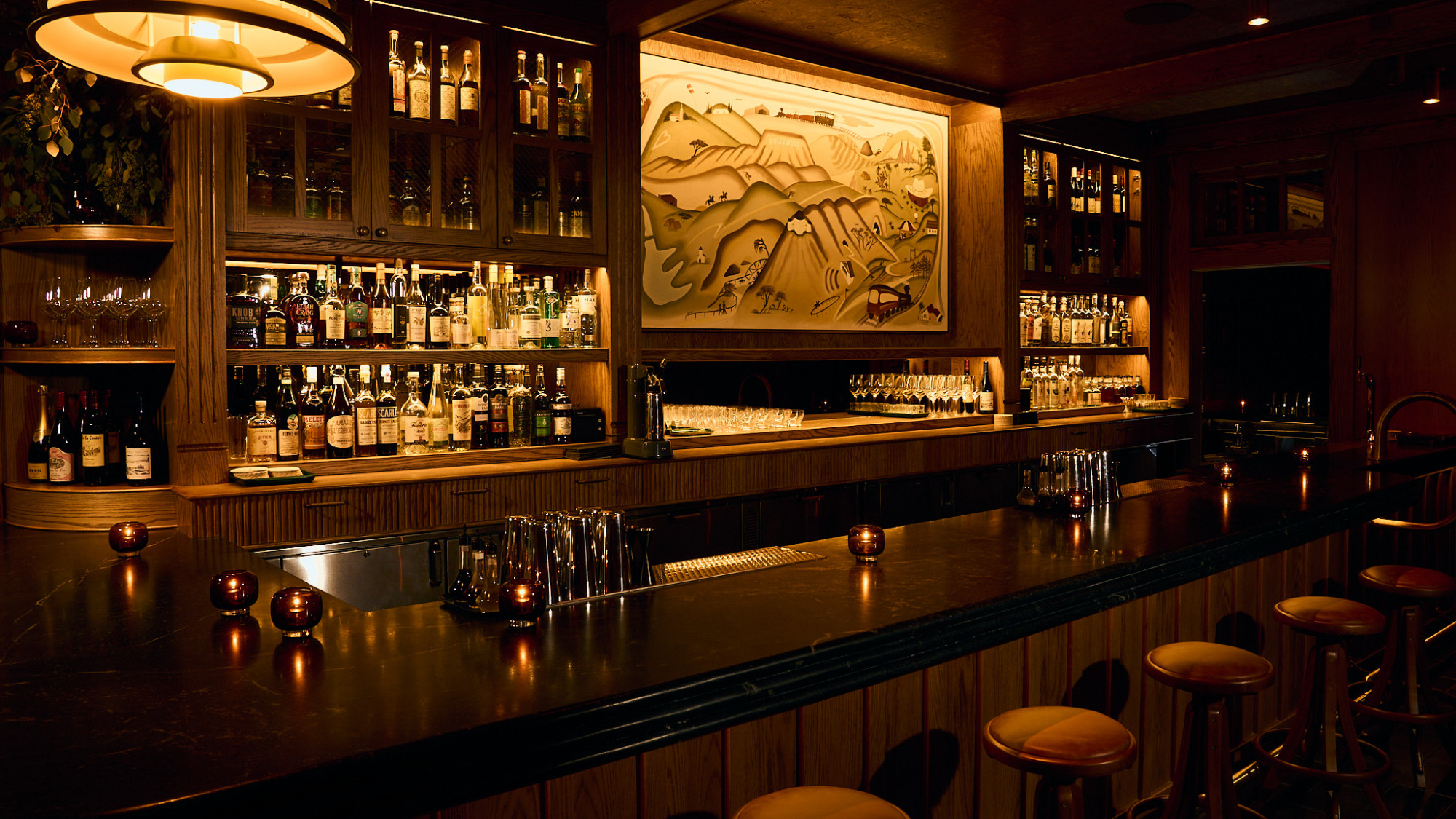
Two blocks north of Wilde’s lies Vandell, a similarly impossible-to-get-into cocktail bar from Michael Francesconi and Matthew Glaser of Park Hospitality (Donna’s, Bar Flores). Francesconi and Glaser, working with architect Brion Moran of Aero Collective, wanted to incorporate the history of Los Feliz into the look of the bar, pulling design elements that echo the neighborhood’s plethora of architectural styles (it’s a hub for Period Revival and storybook homes) and utilizing sturdy, expensive building materials that signal warmth and permanence.
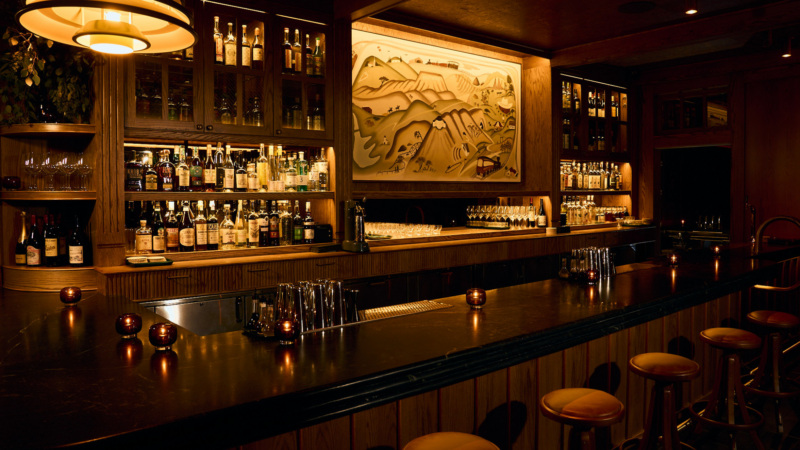
The floors are solid stone, and red oak envelops the space, where guests sip on martinis from sleek glasses with willowy stems. There’s a large painting above the bar by L.A.-based artist Molly Bounds, rendered in a style that references early 20th century panoramic maps, with a dash of WPA mural. “I think the place photographs fairly well, but it’s not built to have Instagram moments or these kind of artificial, meta experiences,” says Francesconi. “You need to be in the room to feel how the space is meant to be perceived. There’s a lot of places where it’s too dark or cozy to really capture on camera.” And thus Vandell feels both sexy and outside of space and time, which is exactly what I want from places that sell alcohol.

Across town, on Sawtelle, diners can find another rarefied interior at The Mulberry, the Korean bistro that’s been perennially packed since opening late last year. Design choices at The Mulberry scratch all my itches for the Old and the Refined: the frilly café curtains, the glass divider drawn from pojagi (Korean patchwork), and the chairs inspired by the six hundred-year-old Gyeongbokgung Palace in Seoul, with latticed backs derived from traditional Korean window joinery.
Co-owner Jennifer Chon approached The Mulberry’s design with an eye towards history. The restaurant, named for the tree, is suffused with wood — a favorite touch is an antique lamp made from a raw log — and thoughtfully chosen art pieces, like a print from Han Youngsoo, a photographer known for documenting Korean life in the devastating post-war years. Even the space’s color palette references dynastic heritage, with cherry, slate blue, and cream all stemming from the Irworobongdo, the “Sun, Moon, and Five Peaks” screen painting that sat behind the Joseon dynasty throne.
“[Our menu] is traditional Korean dishes, but we’re presenting them in a bistro format alongside French fries, Caesar salad, and oysters,” says Chon. “So I think the innovation is not in taking something traditional and making it hybrid or fusion, it’s more presenting it in this mixture of a familiar setting that’s warm and lived in, and unconsciously bringing in the colors of the Joseon dynasty palette, without making it too on the nose.”
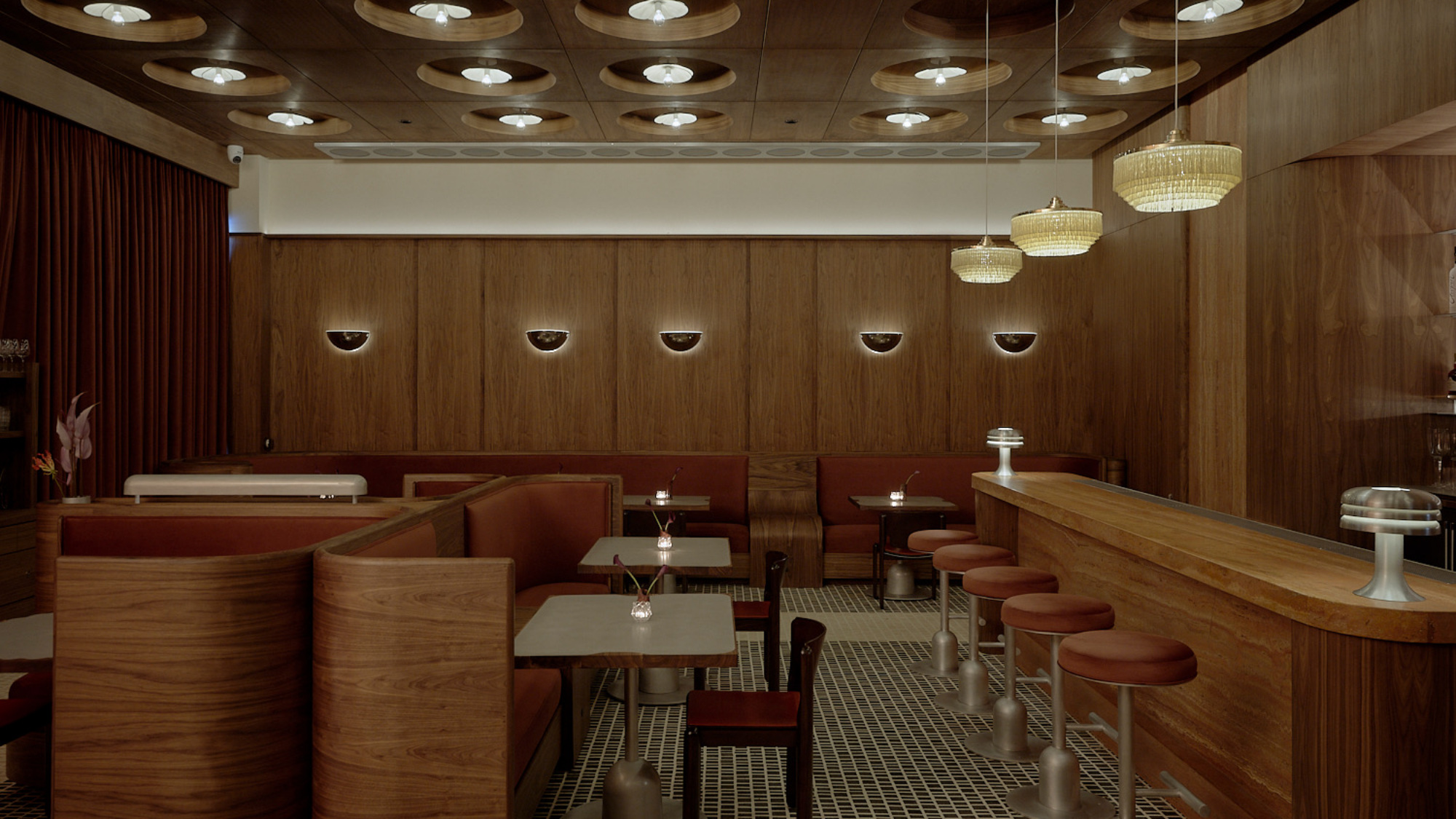
“Lived in” feels key to this moment in dining. Consider the latest casual restaurant with a line, Chainsaw in Melrose Hill, which has limewashed walls and wildflower bouquets, dangling bundles of garlic and chilis, and pink chipped tiles. The café, like most places where I want to eat right now, feels unstuck from time, or at least from this particular moment in it. Consider how Bar di Bello, with its wells of rich burgundy velvet and geometric portholes on the kitchen door, feels like a handsome Italian futurist bomb shelter; or the look of the stunning “California bistronomy” hotspot Lielle in Beverlywood, which features candles in Victorian-style chambersticks and handsewn linens.
I am craving a timeless atmosphere, which, much like pornography, I cannot specifically define but know by sight. And so, I keep going back to Wilde’s. Even if the patina fetish is a trend, it feels like a good trend. Surely it’s a net positive to value things made with skill and craft, that are built to last. “When you walk outside and look at your phone, you’re inundated [with technology] as it is,” says Price. “We wanted to provide a space that allows for some reprieve. We spend every hour here. I would hate it if it felt sterile and modern.”