Giant’s Jason Vincent Is Still Excited to Invent New Dishes
Published:
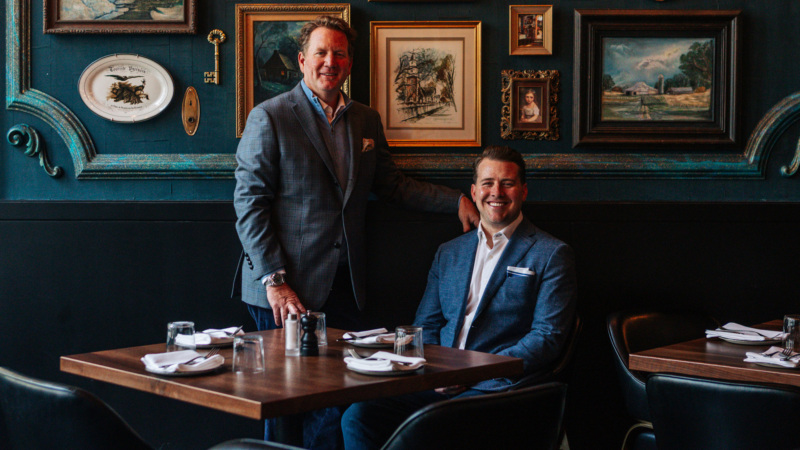
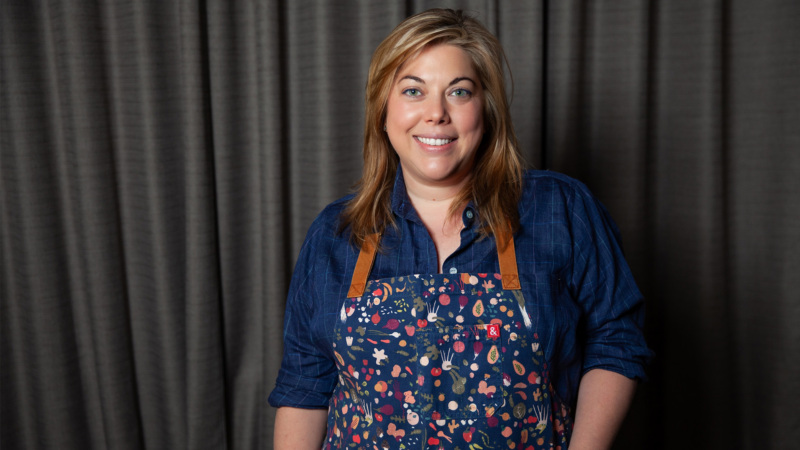
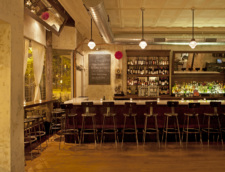
When Giant debuted on a then-quieter stretch of Armitage Avenue in Logan Square nearly 10 years ago, it quickly made a splash. Chef/owner Jason Vincent had been named a Food & Wine Best New Chef a few years earlier, and that momentum helped propel the ironically named Giant (it only seats 44 in a 1400-square-foot space) into the spotlight.
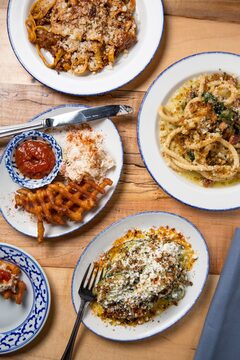
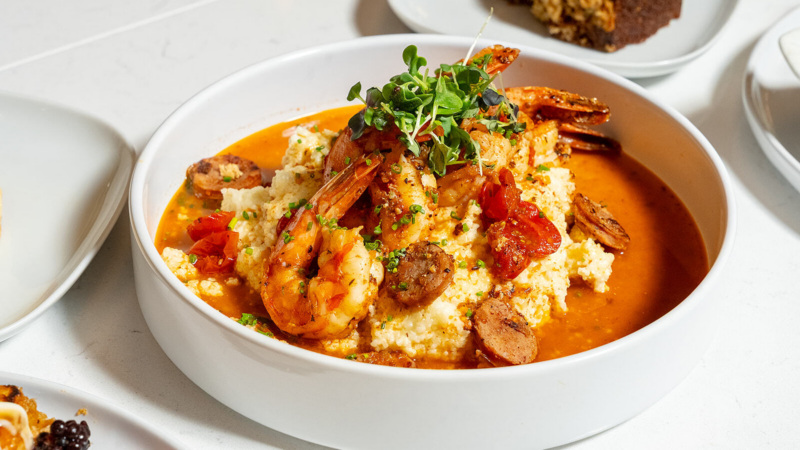
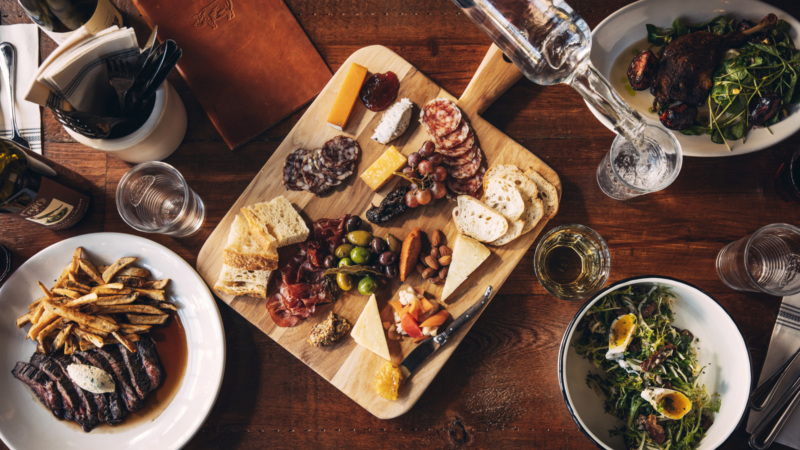
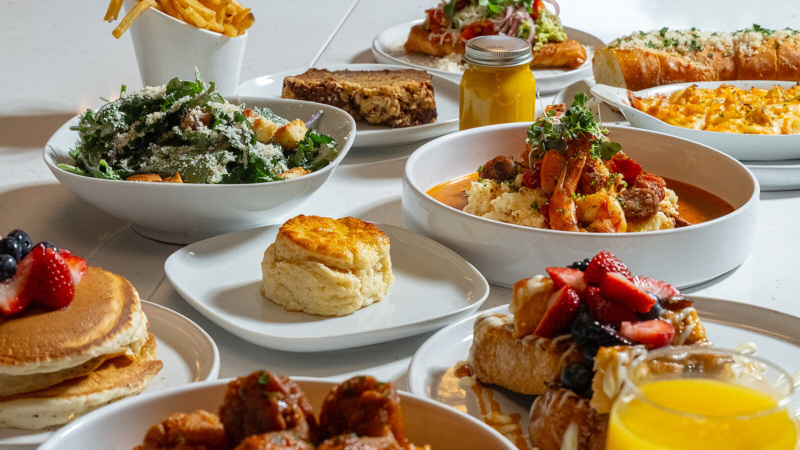
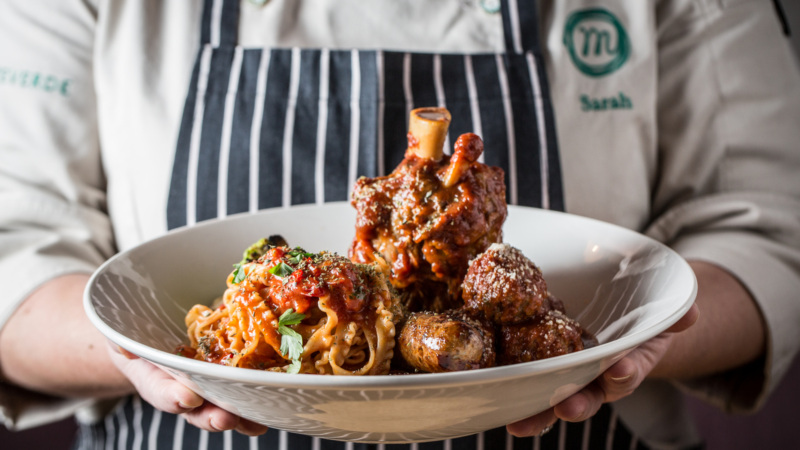
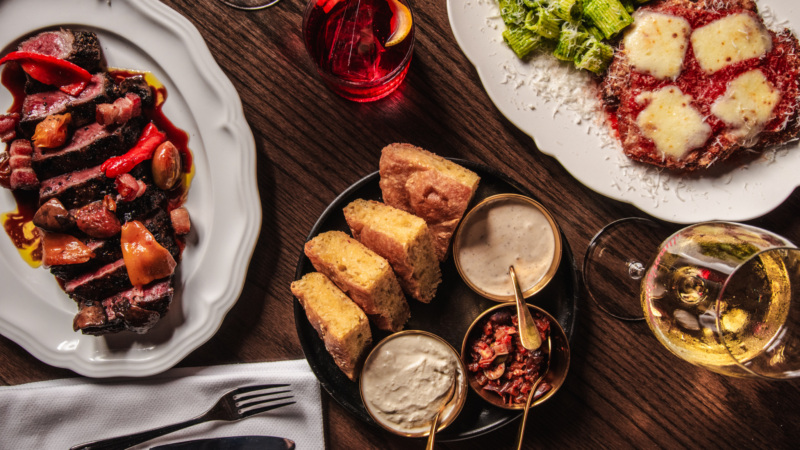
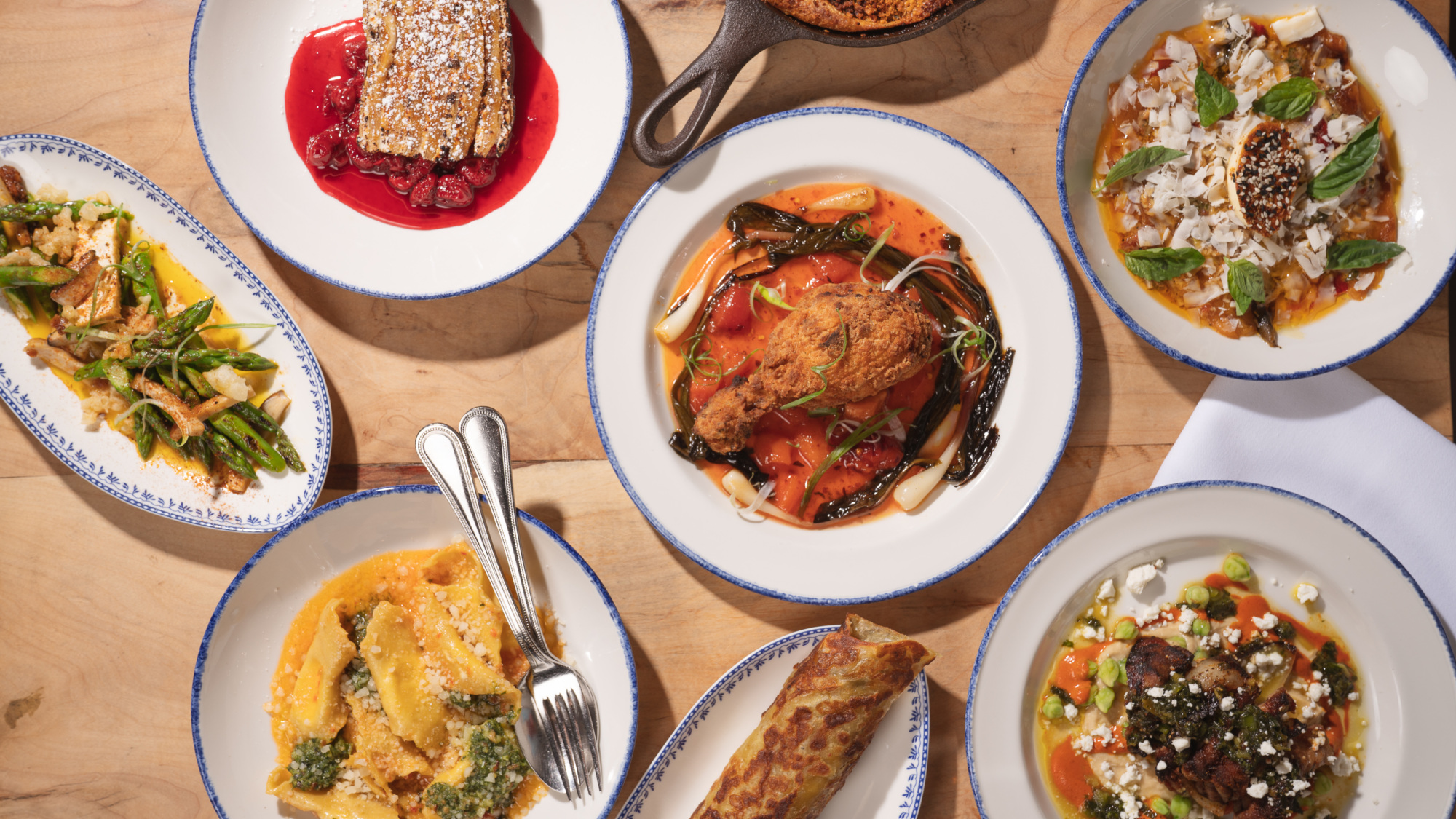
The creative-yet-simply prepared, “slightly cheffy” New American fare Vincent and now-former co-chef/partner Ben Lustbader (Loaf Lounge) put out and the cocktails and wine general manager/owner Josh Perlman served up connected with diners. The menu, with dishes like Jonah crab salad and waffle fries; pork loin schnitzel; and a host of housemade pastas, is buffeted with a daily-changing “Test Kitchen” specials list featuring experimental dishes based on what’s available from farms, purveyors, and the markets.
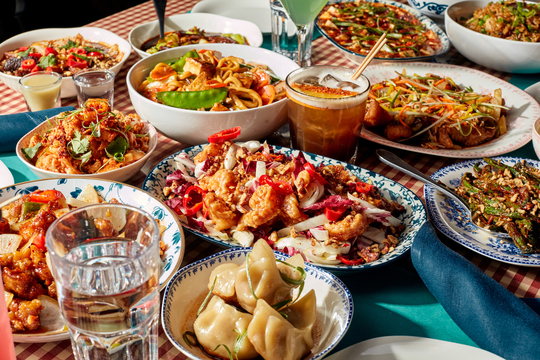
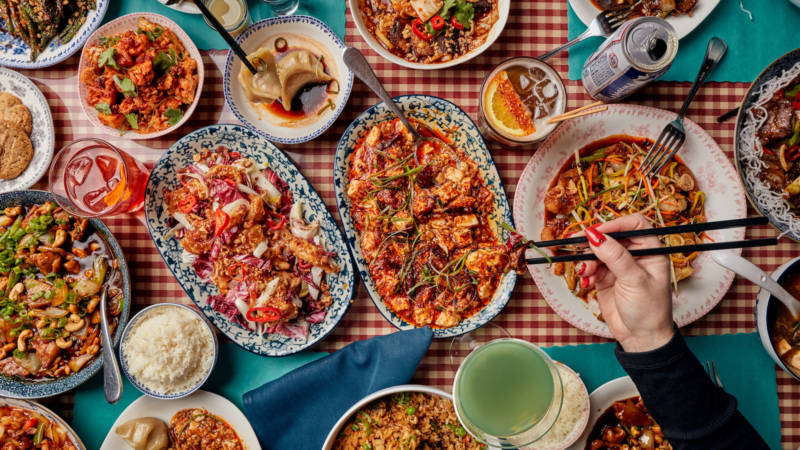
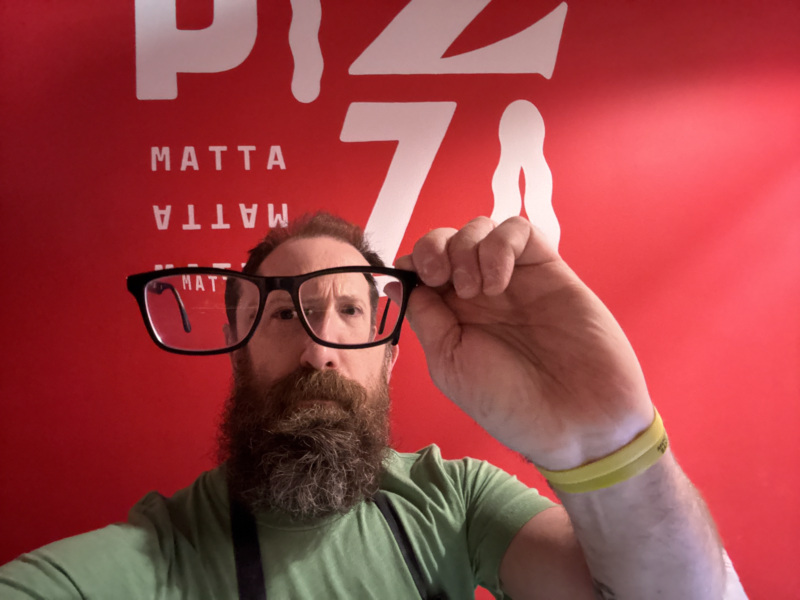
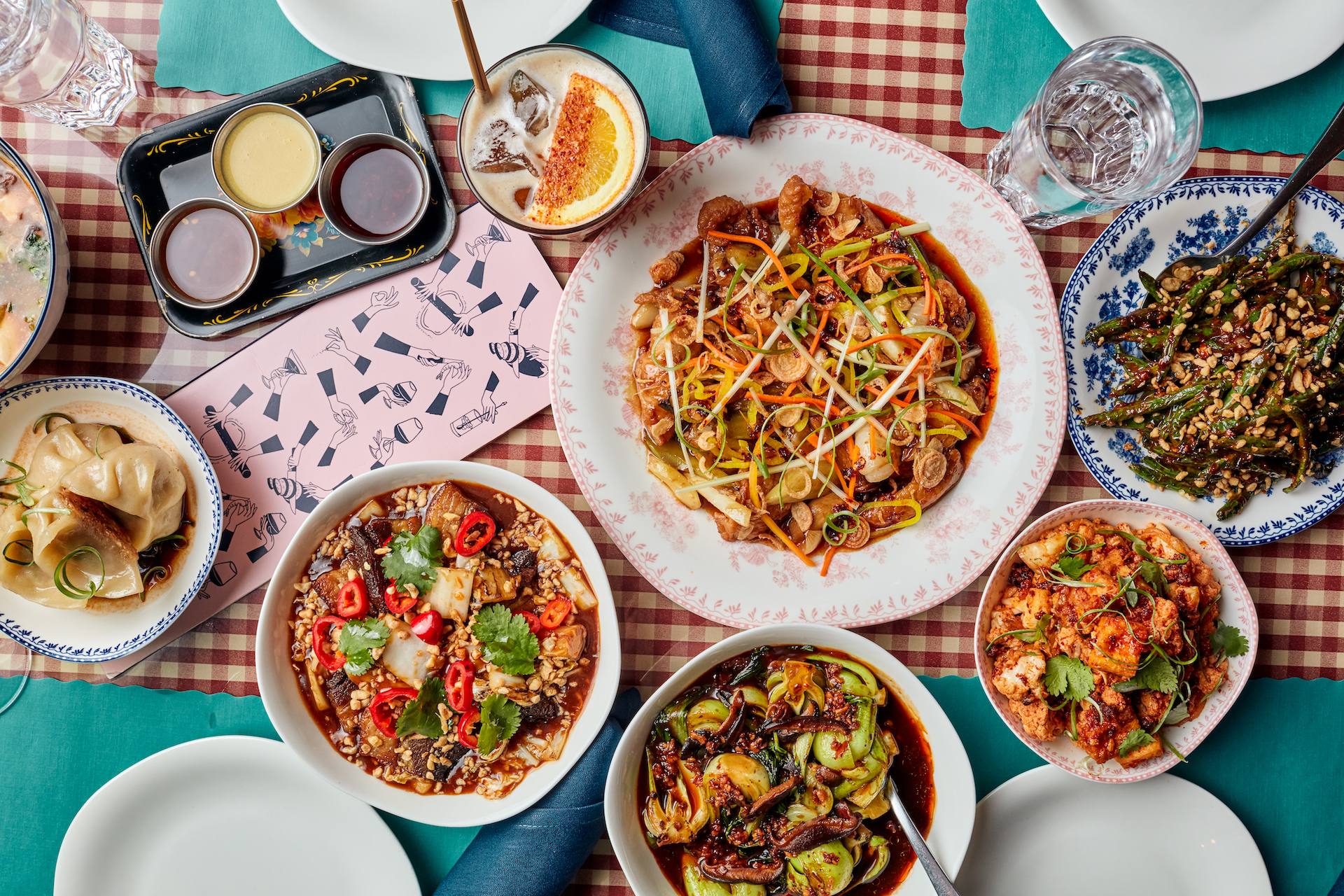
Following Giant’s success, the team added Chef’s Special Cocktail Bar, an American Chinese restaurant that pays tribute to the suburban Chinese restaurants of their youth. There they serve nostalgic takes on pork and shrimp egg rolls, potstickers, dan dan noodles, and Mongolian beef alongside fun, bright cocktails. Pizza Matta, their latest restaurant, is a mostly take-out and delivery spot next to Giant featuring tavern and New York-style pizza with house fermented dough and locally sourced ingredients.
All of this gives Vincent a pretty good position to discuss the state of Chicago’s dining scene, guest habits, industry trends, and more.
This interview has been edited and condensed for clarity.
MORE FROM RESY


Chicago’s dining scene has evolved so much in the last few years. What have you seen over time, and what’s your take on the state of the restaurant industry here right now?
Jason Vincent: Starting from the pandemic, we personally still haven’t recovered. Our aldermen and mayor passed some very shortsighted laws, the tipping law [One Fair Wage] and paid leave for all workers act. The whole thing fell on business owners who hadn’t begun to dig out of the pandemic.
What about culinary wise?
Vincent: After the pandemic, a couple of really interesting places popped up that weren’t chef-driven, like Akahoshi Ramen. The guy was super into it and he wanted to do it. There were also people with underdog or tenacious go-get-’em attitudes. I think that’s great for the industry. Those sort of outside of the typical, “I spent my career in restaurants and now I’m opening one” narrative is refreshing. You’re going to see a lot of places opening with much less front of house because if you can’t raise prices to pay people what they should make, which you can’t, people are doing quick service and counter service, with chefs running food, and places having QR codes. Nobody likes QR codes, but we have to do it.
So how do you stay relevant in this sort of climate?
Vincent: The Test Kitchen is definitely a good example of something we tried and succeeded at. It has brought in and keeps bringing in people. That’s staying relevant. I also think restaurants may have a lifespan. Once they’re irrelevant to the greater community, maybe the lifespan is over. I don’t want it to end and will do things that I can. Right now, the Test Kitchen has been serving as an outlet for me and it’s a ton of work, but when you get something on a plate you’re proud of and you see people in the dining room looking at each other across the table and nodding at each other, there’s nothing better.
You have some of the city’s most popular restaurants, giving you a unique bird’s eye view into the dining habits of the city. What do you see when it comes to diner behavior right now?
Vincent: We used to get unruly people. Now it’s few and far between. I hope it’s because we weeded them out. We’re seeing much less unruly behavior. I thought it would have left after the pandemic and empathy would have taken root, but I was wrong. In 2022 and 2023 we had so many [expletives] coming in. One after the other, they were kicking the dog. But that has chilled out, here specifically.
I get to show people, who have never worked in a kitchen, what’s happening with the dough and the science behind it, and how to hold a knife. I really enjoy that.
You have Giant, Chef’s Special, and Pizza Matta. How do you find balance operating three very different concepts?
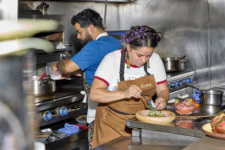
Vincent: I’ll be honest, it’s hard. It’s incredibly hard. It’s like three different levels of management. For Chef’s, I do a once-a-week meeting and deal with the big repairs or whatever, and most of it gets resolved with staff issues before it gets to me. With Giant, I’m there, working on the menu, managing the managers. At Matta, I’m on the schedule. I make the dough every day. I make pizzas on Friday nights. That’s my job and it’s a lot.
I wish I could balance it better, but every part of it gives me something. At Matta, when I’m making the dough, it’s time for my brain to consider other things and it’s meditative. Same with making pizza. I get to show people, who have never worked in a kitchen, what’s happening with the dough and the science behind it, and how to hold a knife. I really enjoy that. With Test Kitchen, I get to mess around with new things.
What trends are you hoping to see more of in 2026, from operators, diners, or both?
Vincent: It’s funny, we just had this conversation. Tonight we’re running grilled foie gras with fermented paw paw sorbet. I was just telling that person that that was a trend in 2003 and she asked what the trends are now. I said there aren’t any. They only last 15 seconds because of Instagram. I would like to see trends that are actually trends and let people live in them for a while. The attention span of the internet is zero. Nobody has time to really care about something and put their own personality behind it. It’s just copy and paste. It’s depressing.
What trends would you like to see go away?
Vincent: Influencers are definitely one of them. And it’s maybe a clumsy way to say it, but this reductionist mentality of the trend of people saying, ‘Why don’t you just …?’ Again, the internet gives us all the information in the world in our pocket and everyone thinks they know everything. I’d like to see the assumptive quality of people just go away.
What defines a successful restaurant to you?
Vincent: Not closing — and I’m not trying to be glib or flip. Just being open, you’re successful. Paying your staff, paying your bills, that’s success. Jeremy Fox [of Rustic Canyon] in L.A. posted about this a while ago. I agree. That hit me like a ton of bricks.
When you look at restaurants right now, whether as a diner or operator, what gets you excited?
Vincent: Smaller independent places get me excited. My new date place with my wife is that new Omakase Box. It’s great. David and Anna [Posey] doing Creepies. That looks great. They’re not reinventing the wheel, but they’re very good cooks doing food that they love. That kind of stuff.
You mentioned the Test Kitchen menu, which you started a few months ago, where you introduce a few off-menu items each night. Why did you do this and what has been its impact on a) diner eating habits and b) adding new items to your regular menu?
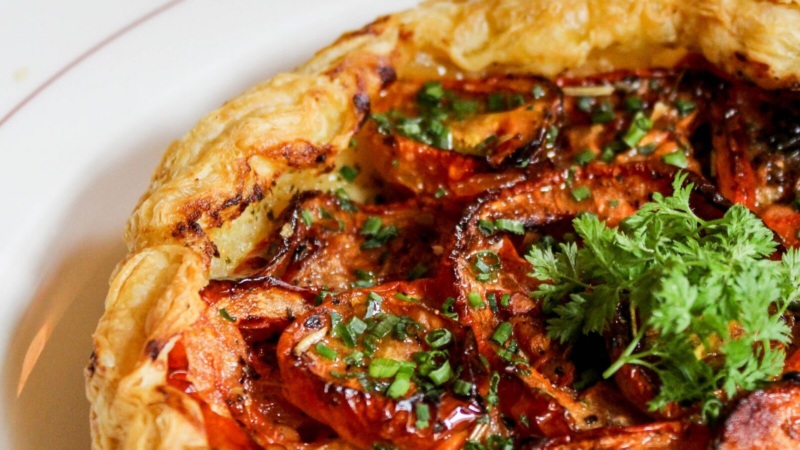
Vincent: The idea kind of came from we had a bunch of disparate ideas like specials that coalesced. One thing I really liked about it was our typical way of doing things was testing, testing, and more testing, and it took months to get a dish done. I had not had that experience when I was coming up. It was different. Something came in from the farm and it would go on the menu and it better be good. I had all these talented cooks who didn’t know how to create food and I felt it was my responsibility to put them into that arena. I wouldn’t be doing my job if I sent them out into the world not knowing how to do that. We’ve stopped messing with the menu since starting the Test Kitchen. It’s delicious food we’re proud of and it’s not so precious.
Wintertime time tends to be slower in restaurants — except maybe right around the holidays. What are some ways you’ve combatted that to drive in business?
Vincent: We haven’t tried this before, but we’re taking a page out of the Lettuce Entertain You playbook. We’re going to sell gift cards that are 25% more of the value if you use them in January, February, or March. Restaurant week is very helpful, too.
What impact and role do immigrants have on the restaurant industry?
Vincent: It’s not even just restaurants, it’s everywhere. This country was born of immigrants. This is who we are. It’s not now or before. There’s always going to be immigrants. There’s always going to be that subset of loud stupid people who think it’s bad. Immigrants are part of this industry. It’s that simple. It’s the same as every other industry. The industry is them. It’s not us or them.
Ari Bendersky, a lifestyle journalist specializing in food, wine, spirits, and travel, is the author of Something Glorious with Ari Bendersky on Substack and the host of the docu-series Family Meal. Follow him on Instagram. Follow Resy, too.