Tradicionale Debunks the Myth of ‘Authentic’ Filipino Food
Published:
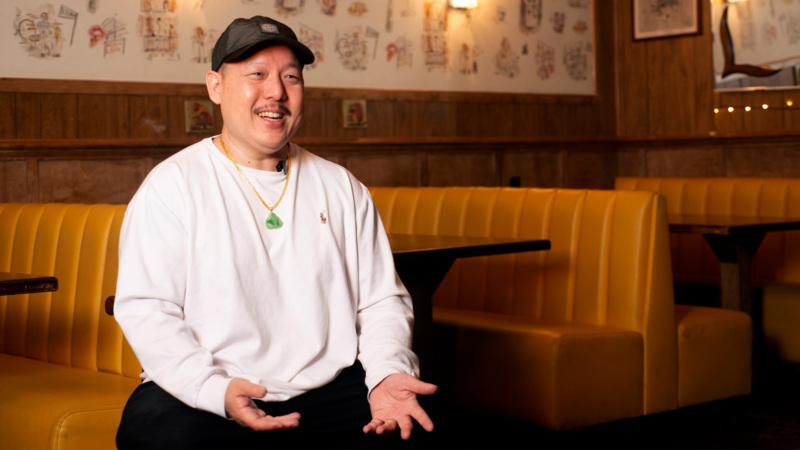
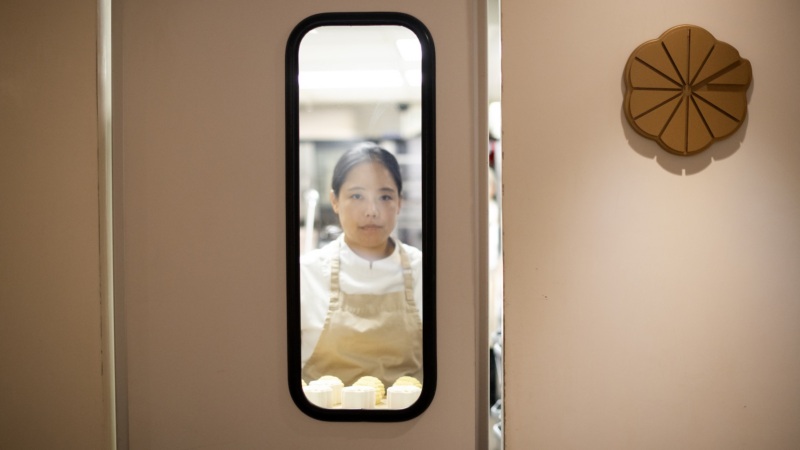
When chef Anton Dayrit — whose glistening CV in New York includes Abc Kitchen by Jean-Georges, Buddakan – New York, and Jean-Georges — opened his first restaurant, Tradisyon, in Hell’s Kitchen in 2020, he said the Filipino scene in the city was largely split into two: venues that catered primarily to Filipinos, or “fusion stuff.” Tradisyon was supposed to be a bridge, serving classic, mainstream dishes in a modern, fast-casual setting.
Now, a little more than a month after launching his sophomore effort in Chelsea, Tradicionale, Philippine-born Dayrit admits that New Yorkers’ broadening familiarity with the cooking of his homeland has encouraged more varied offerings. But he’s not aiming to please everyone with “authentic Filipino food” at his newest restaurant.
“Authenticity is a myth. My authentic Filipino food could be different from your authentic Filipino food,” he says. “The goal at Tradicionale is to instead capture the soul of Filipino cooking and culture.”
That means showing off recipes he grew up eating at home in Metro Manila. Dayrit’s great grandfather was from Spain, and the family cooked what he knew from his homeland. Over the years, many of these dishes have since become firmly embedded into the Filipino culinary lexicon. Tradicionale pays homage to that legacy.
“Growing up, I ate kaldereta, callos, lengua — dishes that are very Spanish-influenced,” Dayrit says, adding that while Tradicionale’s menu still features icons like sisig and sinigang, those were dishes he learned about outside the house.
“Tradicionale is Tradisyon 2.0,” he explains. And in leveling up, he hopes that Tradicionale can help people understand just how vast the Philippines’ customs and traditions are when it comes to food. There are regional varieties as well as ancestral treasures that go beyond adobo, lumpia, and pancit.
Here are the five dishes you need to order, in Dayrit’s own words.
The Resy Rundown
Tradicionale
-
Why We Like It
Chef Anton Dayrit highlights lesser-known Filipino dishes alongside reimagined classics for a big-picture taste of the Philippine kitchen. -
Essential Dishes
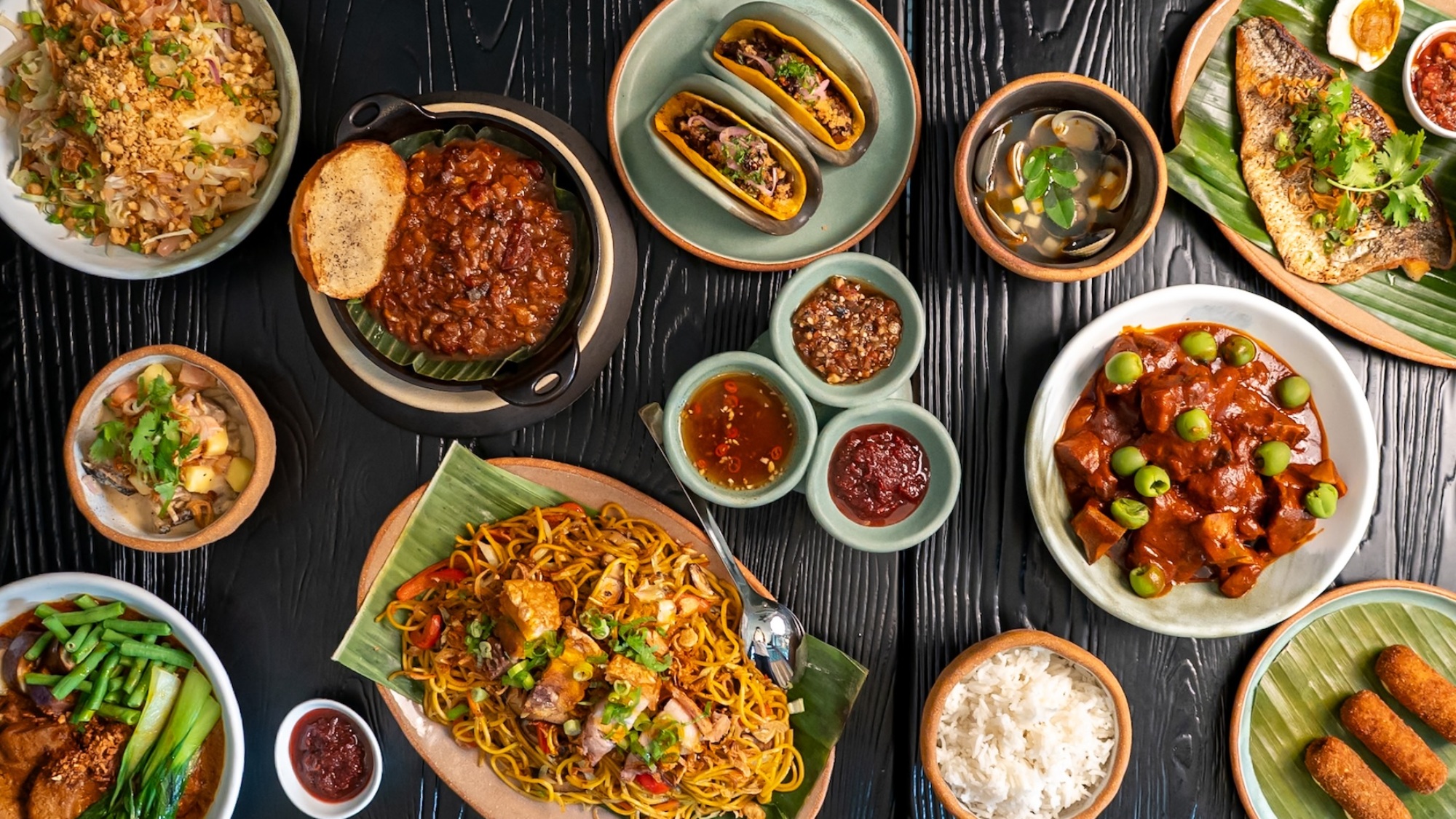
Prawns alavar; dinuguan tacos; callos; lobster palabok; sizzling short rib; kaldereta; lengua stew. -
Must-Order Drinks
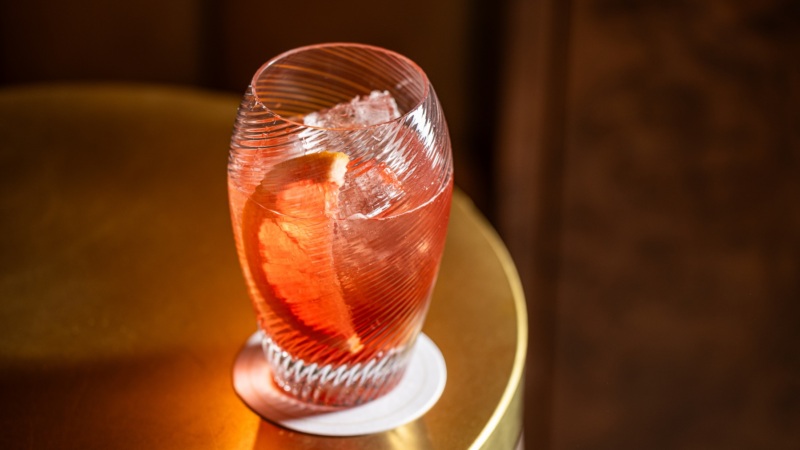
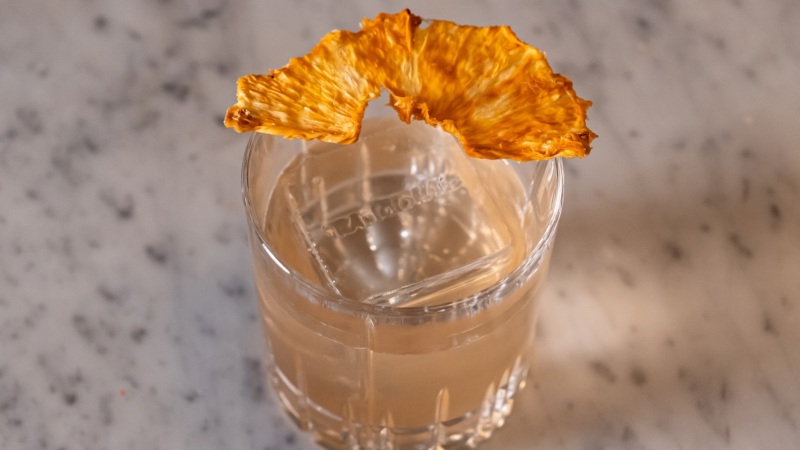
From the cocktail menu, don’t miss the Weng Weng. This fruity drink is popular in the Philippines for its wild medley of spirits and juices — think of it as a Pinoy Long Island Iced Tea.
-
Who and What It’s For
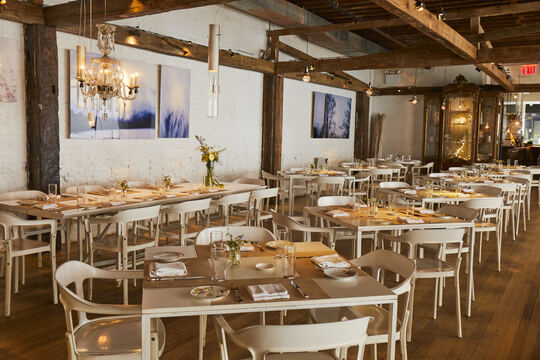
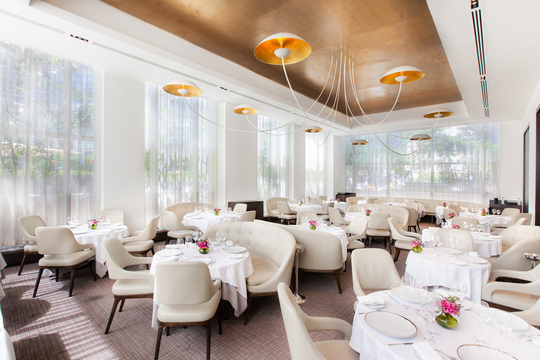
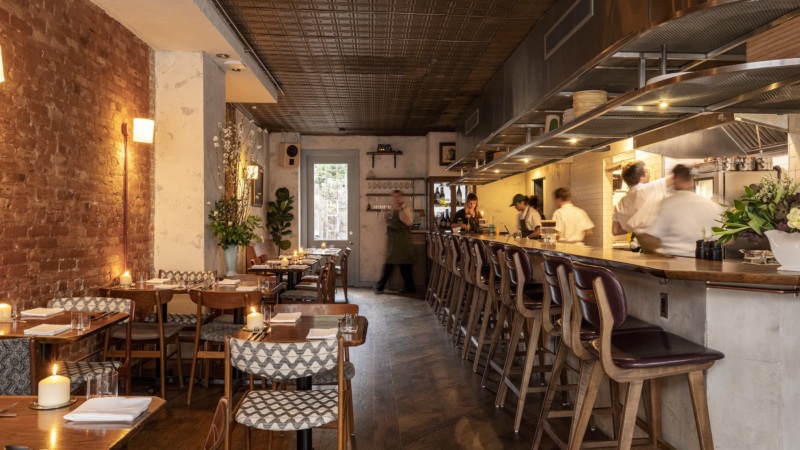
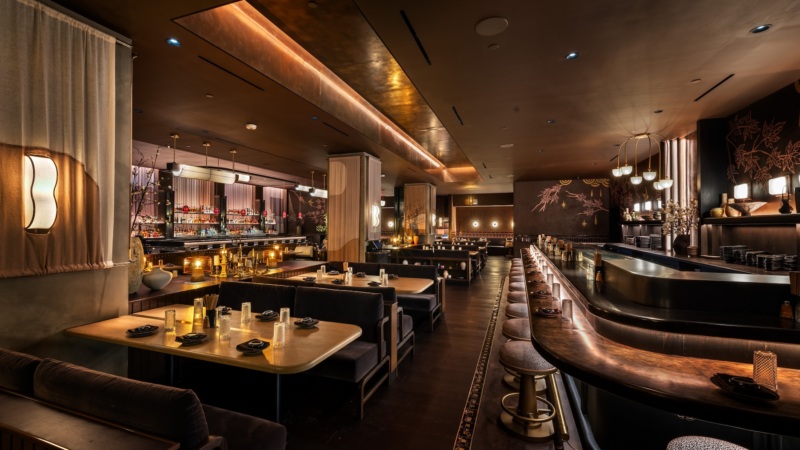
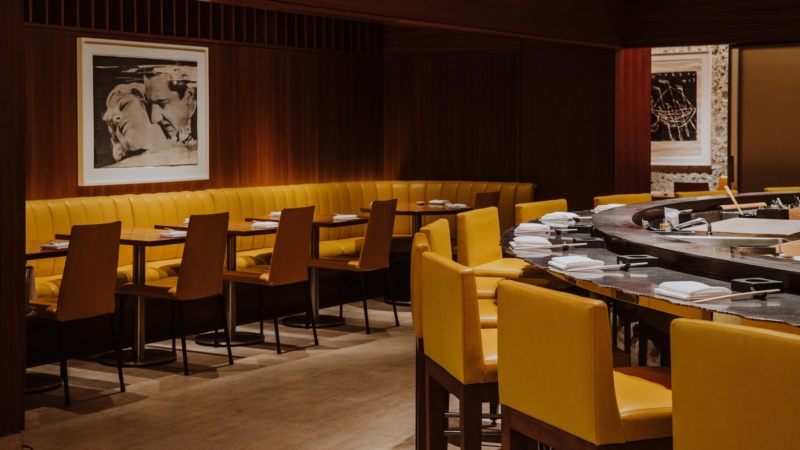
The bar is casual enough for a quick drink and small plates, but the restaurant is atmospheric enough for special occasion group gatherings. -
How to Get In
Reservations drop 30 days in advance, but some tables are set aside for walk-ins. -
Fun Fact
For those who like to eat with their hands, rumor has it that Tradicionale has plans to launch kamayan dinners, too.


1. Prawns Alavar
This dish exemplifies how regional practices in a country with over 7,000 islands deliver nuance and surprise. Popular in Zamboanga City in the southern Philippines, Prawns Alavar features prawns cooked in coconut milk, crab fat paste, and a variety of spices that are often a secret combination mixed by whomever is cooking.
“I’ve never been to the south of the Philippines, but when I learned about this dish, I knew I had to make it,” Dayrit reveals. “It has a lot of similarities to Malaysian and Indonesian food.”
Naturally, Dayrit makes it his own. Instead of doing a straightforward seafood curry, he purees the sauce ingredients (onions, garlic, ginger, coconut milk, crab fat, and curry), cooks the coconut oil until it caramelizes, and then adds juicy grilled prawns marinated in a sinigang mix. To finish, he drizzles a 50-50 mix of tangerine and lime juice. “Usually you would add calamansi juice, but they’re $120 a pound here,” he says. “The mixture of tangerine and lime tastes just like fresh calamansi.”

2. Dinuguan Tacos
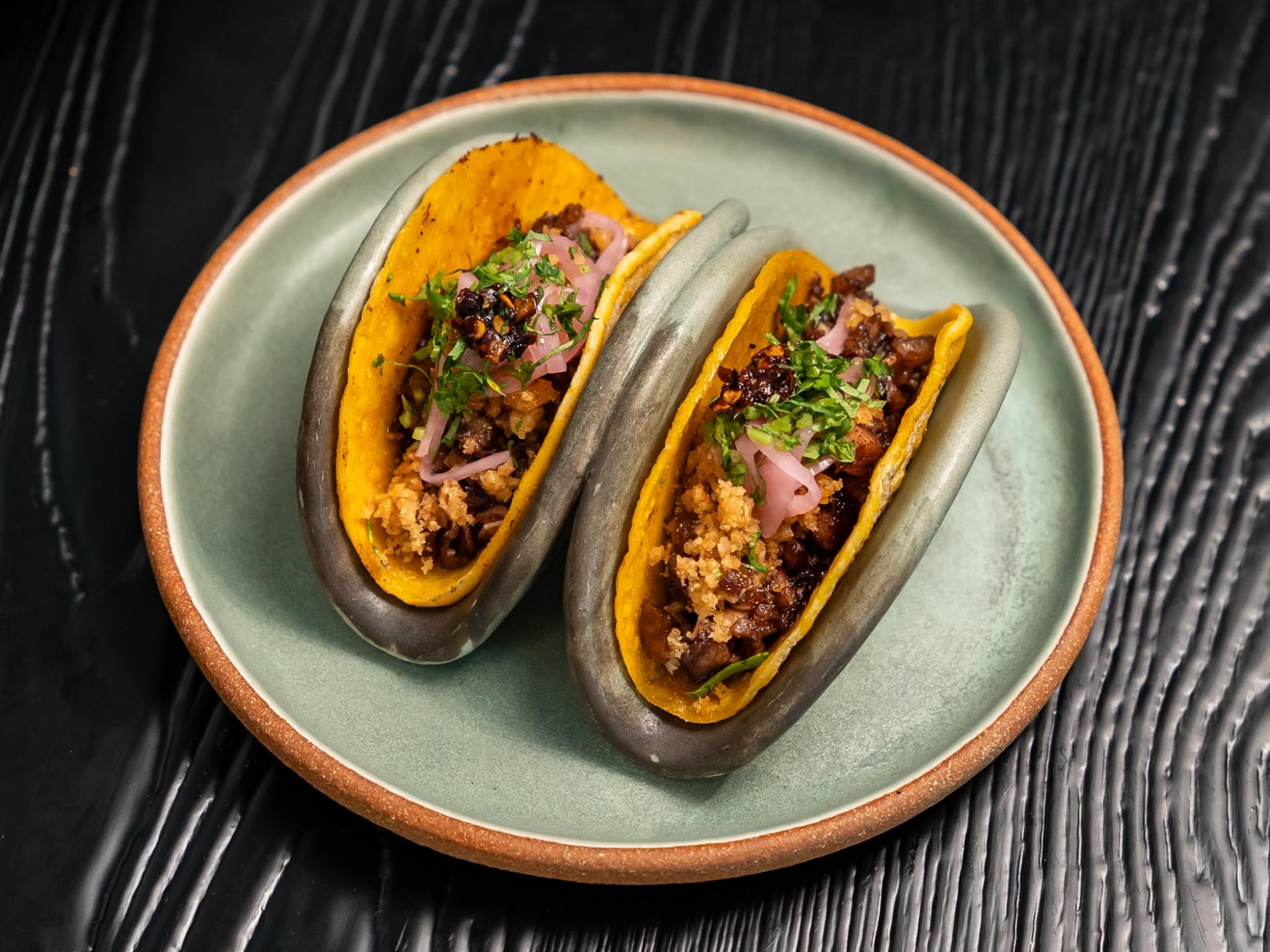
A month into opening, these snackable treats are already far-and-away Tradicionale’s rousing bestsellers — surprising, considering they involve pig blood and offal. In the Philippines, dinuguan is a stew of pig’s blood in which pork offal is simmered with vinegar. “All I did was change the vessel,” Dayrit explains.
Dayrit cooks the meat in pig’s blood along with vinegar, soy sauce, and Knorr seasoning, a condiment popular in the Philippines. Once the mixture has cooked down, he stuffs it into a soft tortilla before adding typical Mexican garnishes: pickled onions, chopped cilantro, chicharron, and housemade chile oil.
“People are not going to be receptive when offal cooked in blood is served over rice,” Dayrit says. Despite dinuguan being one of his favorites, he understands that, given the ingredients, there might be some reluctance to give it a try. “But as a chef who’s been cooking for over 20 years … when you put things in a taco, it becomes more acceptable.”
3. Callos
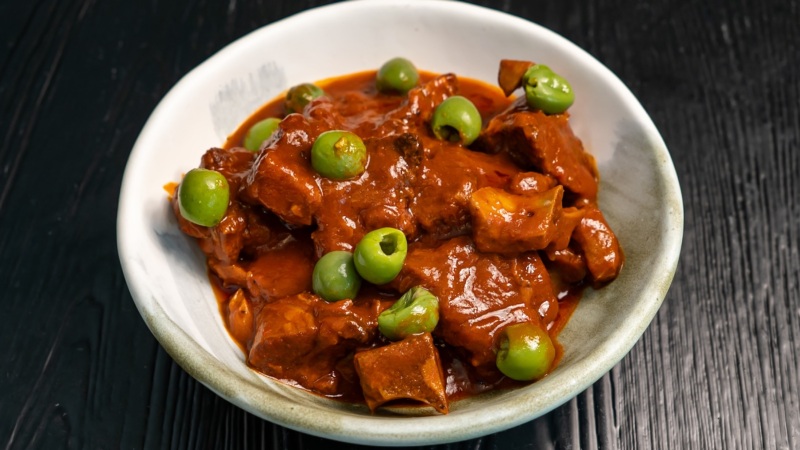
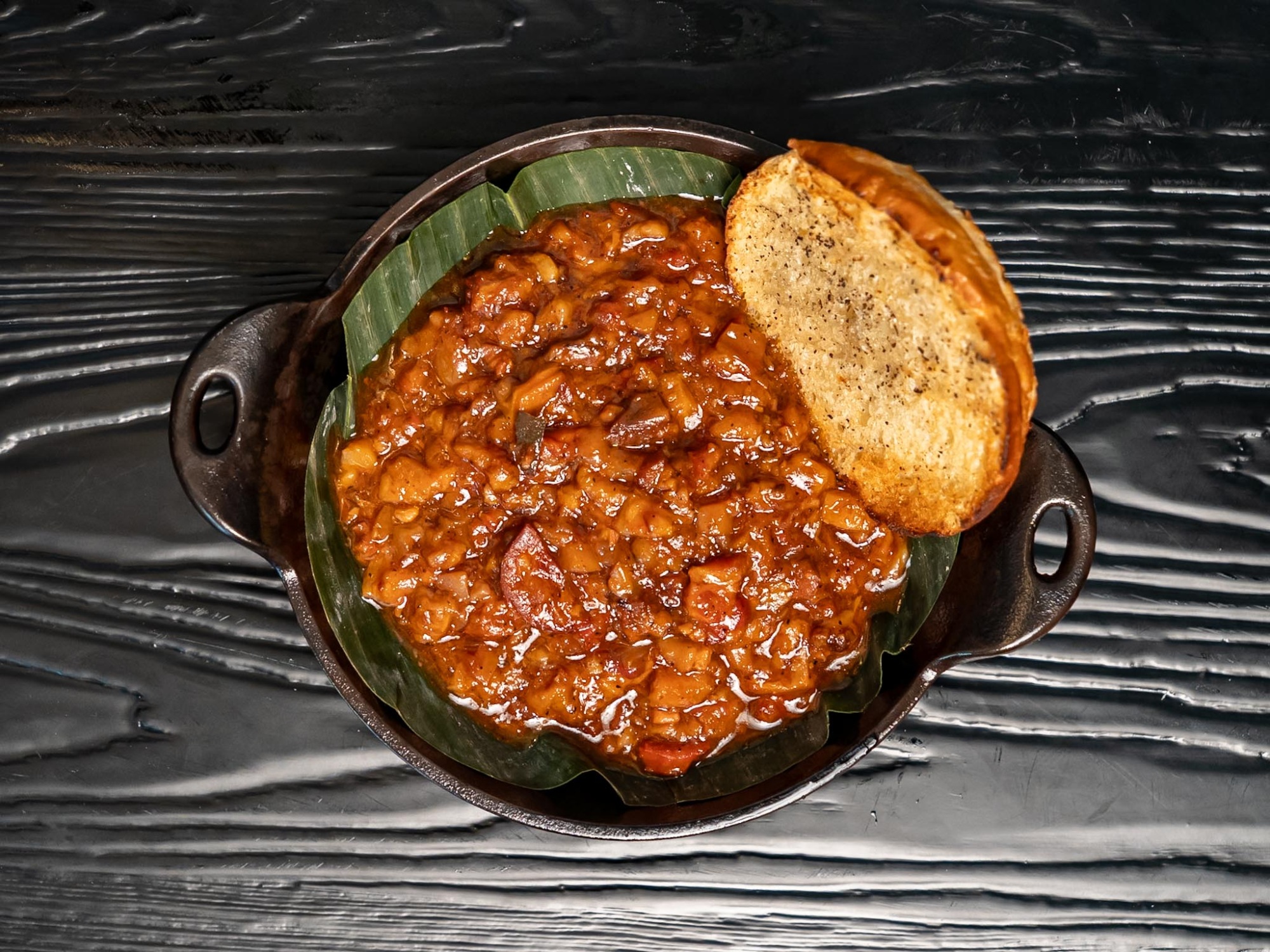
Fans of Spanish cooking will be familiar with this meaty, slow-cooked stew from Madrid. Dayrit stays close to a traditional recipe that he enjoyed with family every Sunday growing up. In the Tradicionale kitchen, however, slow-braising tripe, beef tendon, and chorizo with tomato paste is a two-day process to extract maximum flavor. The meat is mostly cooked in the chorizo’s paprika-infused rendered fat. Dayrit also adds smoked crispy pata (deep-fried pork leg) and spikes the whole thing with soy sauce and Knorr to give it a Pinoy twist.
Instead of serving rice on the side, he pairs the stew with a homemade bread that he describes as a bahn mi–pandesal hybrid for sopping up the sauce.

4. Lobster Palabok
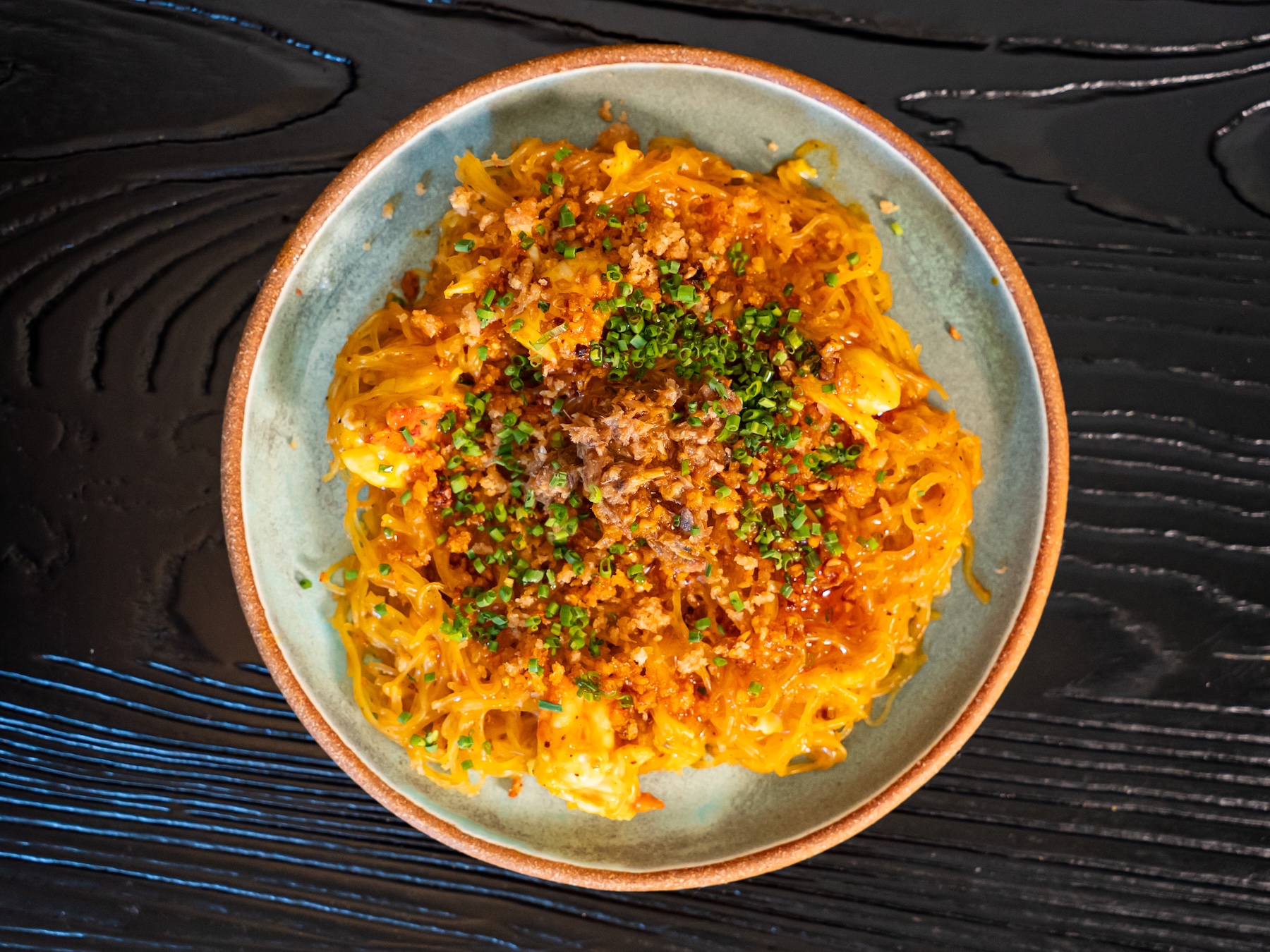
“Everyone knows palabok with shrimp and ground pork,” Dayrit says. “But I wanted to do it untraditionally with lobster.” But using fancier seafood isn’t the only thing that differentiates his recipe: To create the orange gravy that characterizes this popular noodle dish, he roasts the lobsters shells before making a broth with shallots, ginger, and lemongrass. “Usually the gravy is more of a slurry, but here I’m making more of a roux with butter, flour, and the lobster broth,” he explains. And, of course, he adds achiote to give it that signature color.
But for Dayrit, what really defines palabok is tinapa (a salted and smoked fish) — a teaspoon of which acts as the crowning garnish. “This is what gives it that umami flavor,” he says.


5. Sizzling Short Rib
Inspired by a sizzling plate of bulalo (a dish of beef shank and bone marrow) that he loved at a restaurant in Cebu, Dayrit aimed to modernize it at Tradicionale. “When I had it back in 2007, I said to myself that when I’m a chef, I’m going to do my own version,” he recalls.
His take features tender short rib, grilled shiitake mushrooms, and a savory dark gravy served on a sizzling platter designed specifically for the restaurant. “We customized a really cool stone plate to elevate the experience instead of using the same wood plate everyone else does,” Dayrit adds. And when it arrives tableside, you know that the sizzle and aroma will be sure to draw everyone else in.