A Piano Bar Can Be Anything You Want It to Be
Published:
A small flier affixed to my refrigerator door reminds me of one of my all-time favorite date nights: Bobby Short at The Carlyle. The flier shows a caricature of Short, apple-cheeked, receding hairline, seated behind a baby grand like it’s a natural extension of his tuxedo’d torso. I can almost hear him croon, “We’ll have Manhattan…”
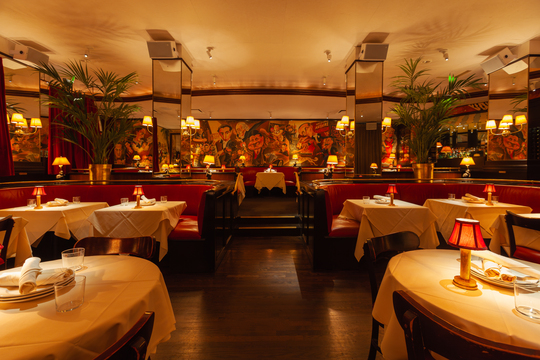
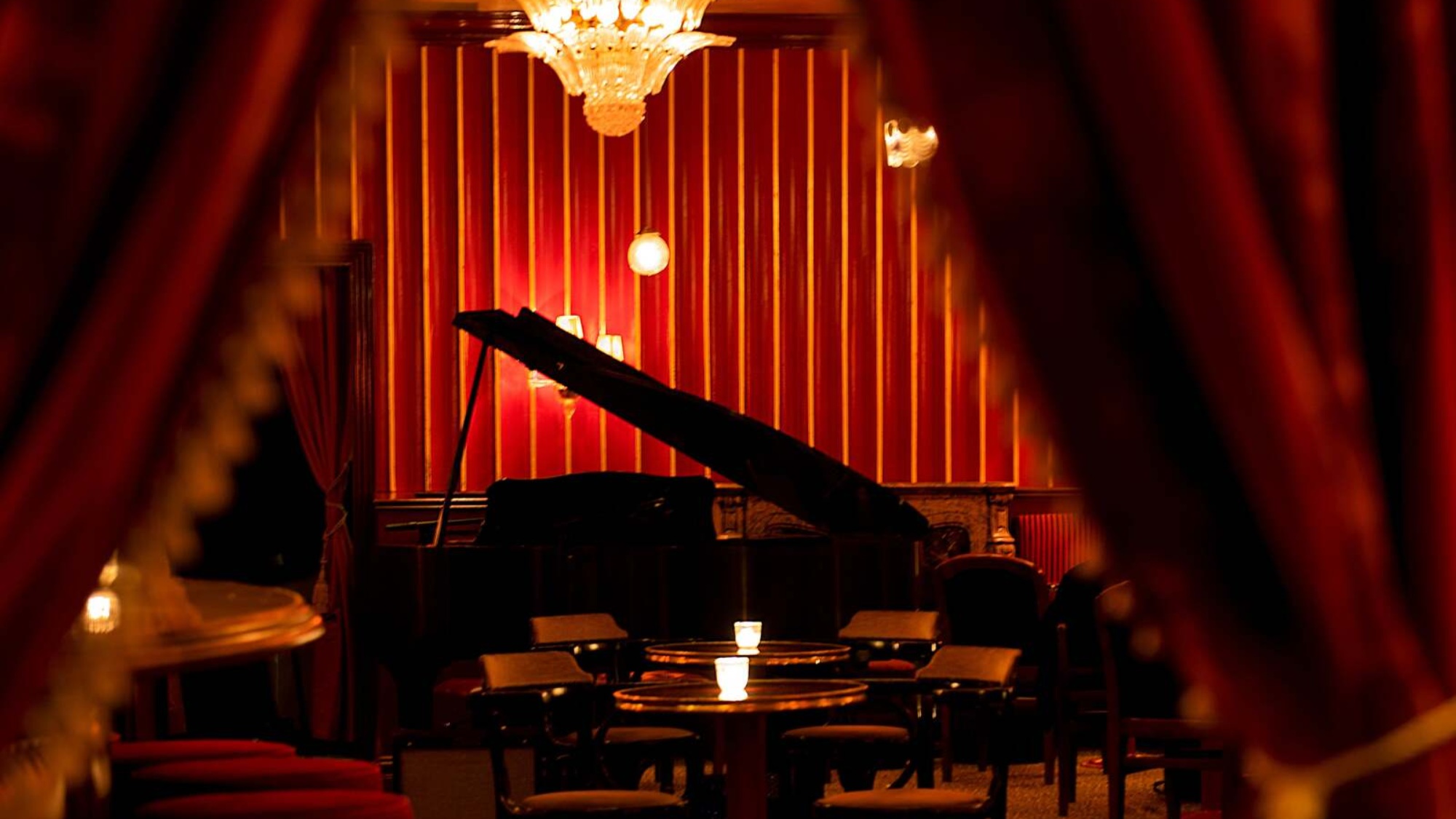
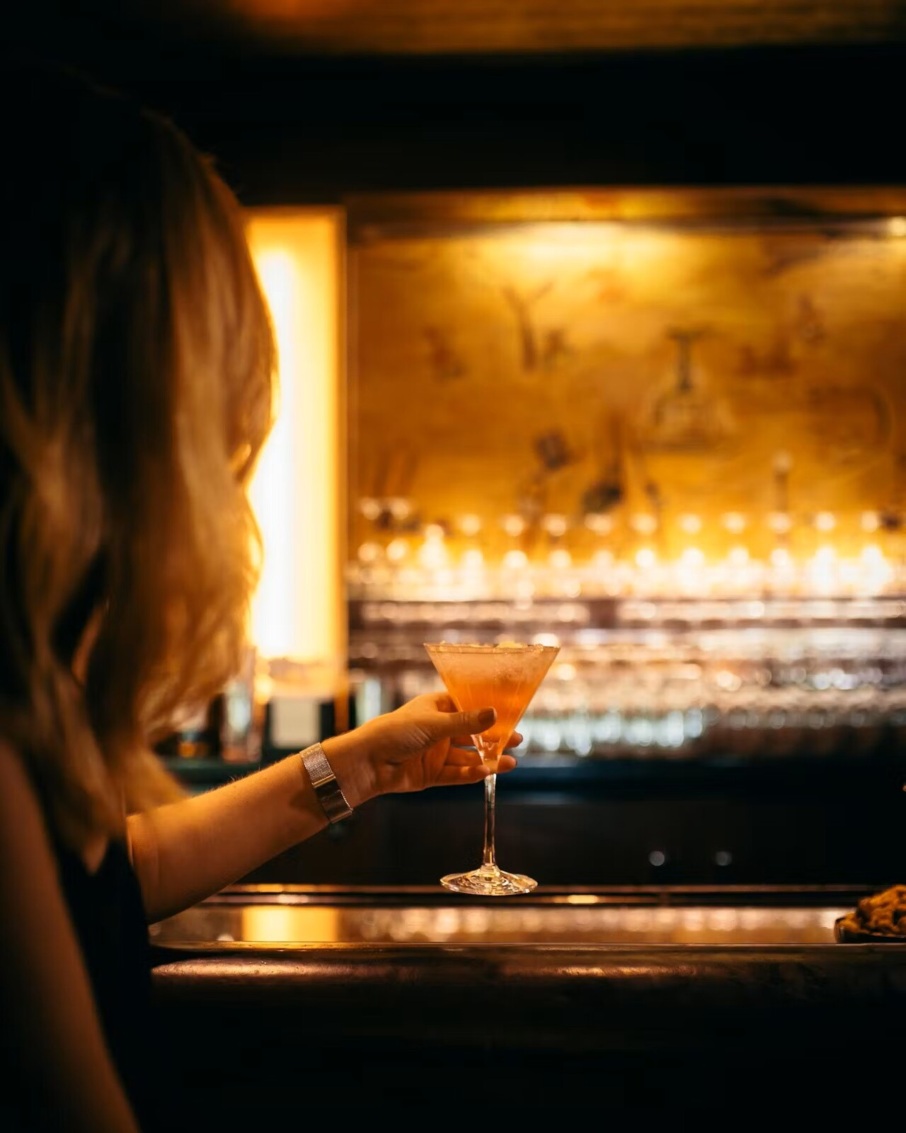
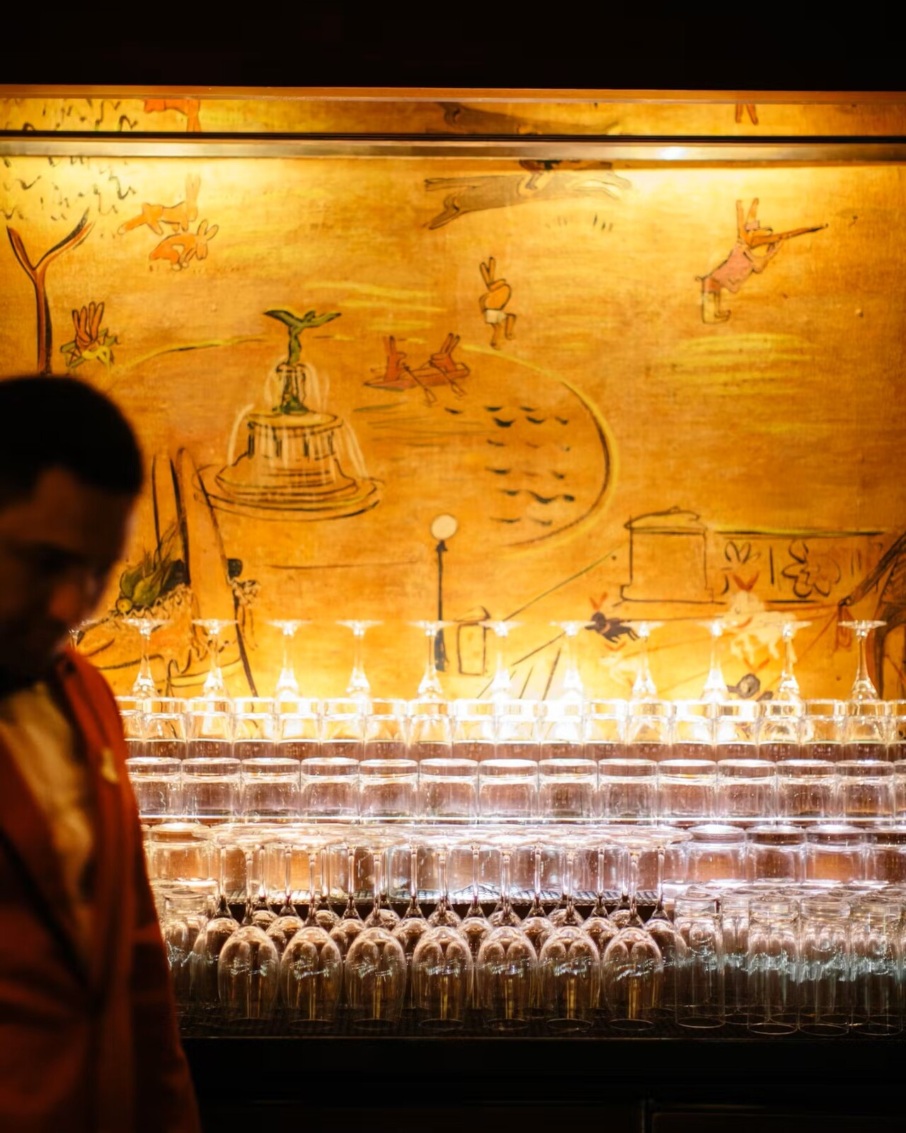
Today, Bemelmans Bar and Café Carlyle continue the tradition. The musicians have changed, and those chic 20-somethings in strappy summer dresses sipping espresso martinis at the bar were tiny tots during Short’s swan-song years. But the vibe is so much the same: still swell-egant, timeless, with its gently-preserved “Madeline” murals and red-jacketed bartenders. And a baby grand still holds court in the center of the room.
To live in New York means watching the city endlessly build over upon itself, ruthlessly demolishing and rebuilding bigger, flashier iterations. Which is why I’ll always prize a room like Bemelmans that has been allowed to keep its patina, and celebrates its deep history, defying a seemingly endless supply of novelty and manufactured glitz. True luxury is also hard to come by these days: not just expensive, fancy trappings, but a generous expansiveness: the almost courtly flourish as a drink is presented, a plush, comfortable seat where you’re encouraged to linger. Some might say these are the hallmarks of true hospitality.
Of course, few piano bars can match the historic, elegant Bemelmans persona. But they don’t have to. In fact, today’s piano bar can be anything you want it to be.
For example, Wednesday night at the Experimental Cocktail Club is the polar opposite of genteel Bemelmans, more sass than class. I’d dragged my friend Diana to the Flatiron bar beneath La Compagnie. One pandan-spiked cocktail in, and we realized we were both mouthing the words to a Cher/Beatles medley.
“Do you believe in love after all, after all, after all…. All you need is love, love…”
Swiveling around in our bar seats, we found performer Lance Horne sidled up to a shiny white upright Yamaha piano; a rainbow of disco lights refracted off the piano, the mirrored ceiling, the crowd. (“There’s a whole culture of white pianos out in the music world,” I later learned from managing partner Caleb Ganzer, from Elvis to Liberace to the iconic image of John Lennon recording “Imagine” on a white Steinway baby grand.)
Once I started looking around, I spotted pianos everywhere. Many were strictly for show: a scratched upright at Monkey Bar, a baby grand by the entrance of the Trader Joe’s wine store near Union Square. “Ghost pianos” also surfaced: The St. Regis used to have a piano, I was told, as did many other venues. “Since the pandemic, so much has changed,” the genial doorman at what was once a historic Midtown bar said, wistfully. “We used to have one, but no one showed up. Wish you would have come by.”
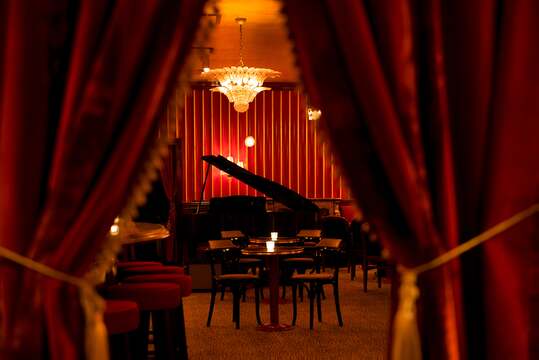
Perhaps the buzziest piano bar of the moment is The Nines, a swanky supper club swathed in sexy red and gold, with a crowd dressed to impress, ordering twice-baked potatoes topped with dollops of caviar.
Across the persistent murmur of guests chatting, the sound of a piano rises; no vocals, but I recognize jazzy standards interspersed with popular songs; that’s The Ronettes, “Be My Baby”; a staccato version of Hall & Oates,“I Can’t Go For That”; a gentle version of A-Ha’s “Take On Me.” I’m freshening my 50-50 martini from the icy sidecar when I register “All I ever wanted, all I ever needed is here, in my arms…” It’s Depeche Mode. And it’s great.
When the music pauses, nobody claps. The chatty buzz continues. What’s the point of a piano if the crowd ignores the human connection?
Think about your local Irish pub — a type of bar that’s still relatively close to midcentury bars, and plentiful in most cities, including NYC. There might be a jukebox in the corner, or more likely a sound system overhead. Either way, that music is generally regarded as background noise, mere ambiance. No one has come in to listen to that music, although they might miss it if it were absent. Patrons are filling those bar seats and hoisting a Guinness because they want a sense of connection with other humans.
Compare that to The Dead Rabbit, a Financial District cocktail bar couched as a neo-Irish pub (and while for years an upright piano was a fixture on the second floor, I never saw anyone play it, and it’s since been removed). While the bar sometimes offers live music, which surely draws interested visitors, most people are dropping in to drink and socialize. And not necessarily in that order.
After all, bars have always been about connecting with other people. And piano bars have been around pretty much as long as pianos — and bars — have existed.
Consider music played in the saloons and honky-tonks of the 1800s (including the considerable influence of ragtime), as well as the impact of player pianos — a major technological innovation of its time when it was invented in the 1890s; you can draw a line from there to jukeboxes in bars, too. Elsewhere, Pat O’Brien’s in New Orleans is credited with birthing the “dueling pianos” concept in the 1930s, another piano bar staple.
The true secret sauce of a great piano bar is making the bar come to life.— Susan Erwin Prowse
Over time, the role of piano bar has shifted. In an age where every bar has its own Spotify list, and most humans walk around with 24/7 access to music flowing through headphones and earbuds, what’s the point of a piano bar in 2025? Especially in NYC, where space is at a premium, and three or four tables could be crammed into the same footprint as a baby grand?
It’s about entertainment, but it’s also connection; think of it as a more intimate version of a concert. You could have a drink at home alone; you could listen to music in solitude. But people go out to be among other people.
Today, it’s also about having an “experience,” says Dylan Grace, co-owner of Chelsea Living Room (a cozy spot that considers itself a martini bar with a piano, rather than a “piano bar” — they do make a killer Turf Club). “It prompts people to sing along, to dance even, and to interact with other tables,” he says. Anyone can go out to a restaurant or a bar, but having a piano adds another layer.
The performer is responsible for keeping that engagement going, for hours at a time.
“The true secret sauce of a great piano bar is making the bar come to life,” says Susan Erwin Prowse, a piano entertainer and president of Piano Ladies, a networking organization for women in the business.
“The piano player reads the room, and understands the age, gender, demographic — to understand what songs will work with them.” Especially in a singalong-style bar where guests contribute requests, “you are partnering, guiding, throwing in different genres and decades, throwing in bits and call-downs and singalong commands.” And a particularly fascinating bit of piano bar psychology: The best piano players scan the room, then play music from guests’ formative years, which Prowse sets as ages 15 to 22.
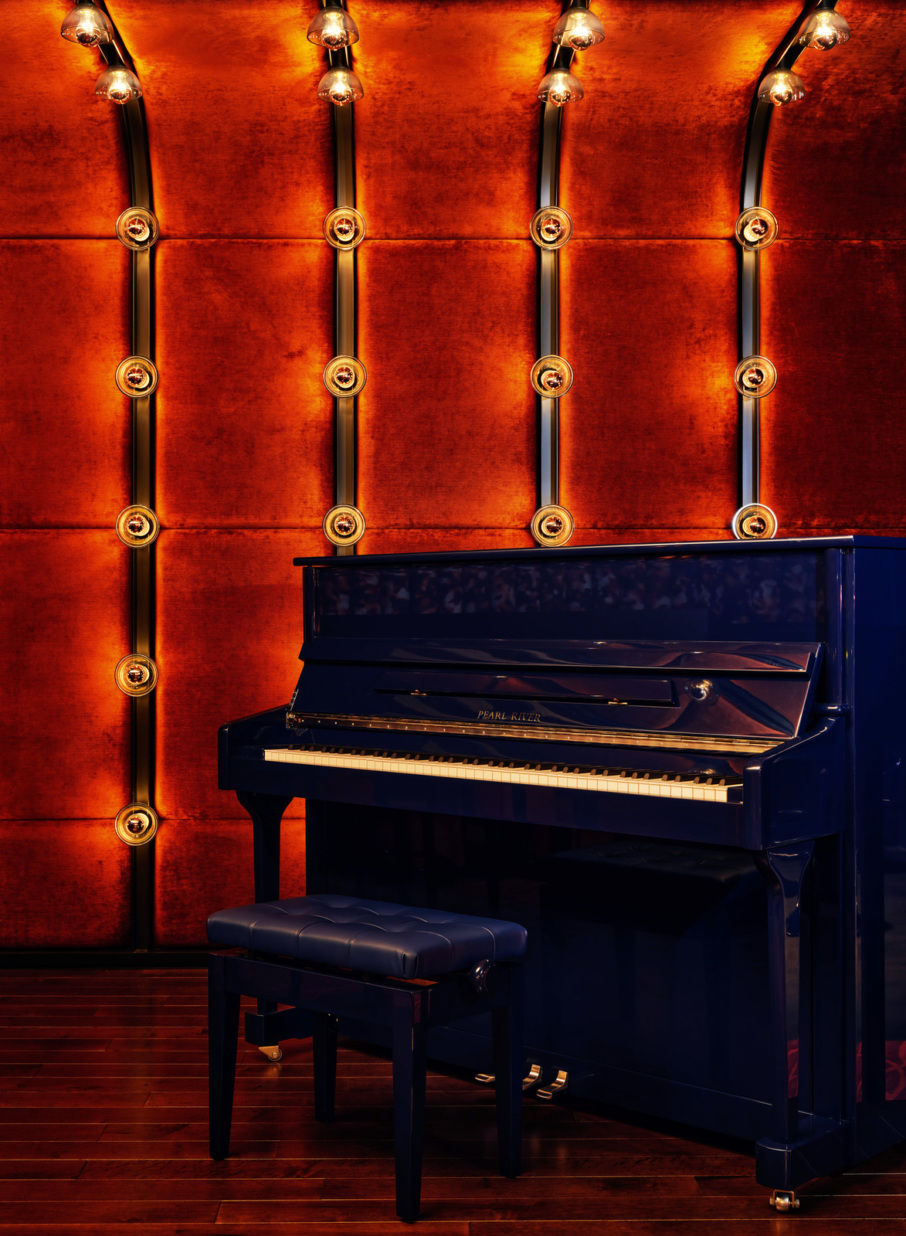
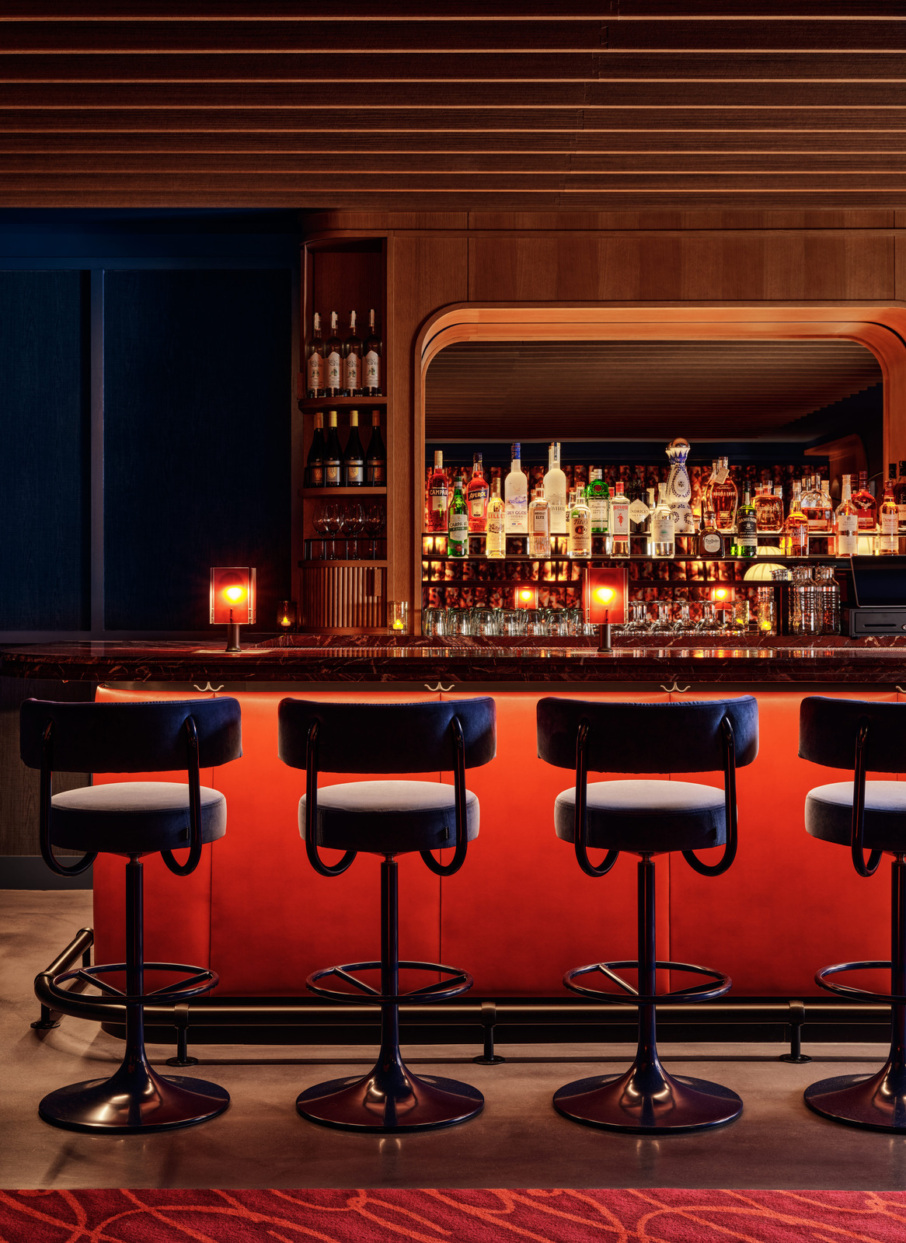
She starts with a bouncy version of Elton John’s “Rocket Man,” and tries to draw the crowd in. “It’s a sing-along, don’t be shy!” The bartender is shaking a drink along in time. But the room is otherwise quiet until she solicits requests from the crowd, using a QR code placed on the tables. A group asks for “Sex on Fire” by Kings of Leon, followed by Avril Lavigne’s “What the Hell” — and the room takes off, and the phones come out. “All my life I’ve been good, but now/ Whoa-oa-oa-oa-oa-oa, what the hell?”
“We have a huge ambition to be a platform for new artists,” says Briar Rose DeTommaso, who oversees partnerships and marketing for So & So’s. “When people whip out their phones and capture these new artists and give them love, that’s something we are all for,” adding that it’s even helped some performers “blow up on social media.”
Technology has swept piano bars into a new era. iPads have replaced sheet music and song books; QR codes and Venmo have supplanted tip jars; in some cases, “digital pianos” placed within the lacquered wooden shell of a piano stand in for the traditional inner workings of the instrument, like a player piano on steroids. At Chelsea Living Room, the raised platform accommodates a Williams Symphony Grand 2, a black digital grand piano hooked into the bar’s eight-speaker surround sound system; Prowse favors a pink Yamaha CP88 digital piano.
It’s a world that Bobby Short never would have even dreamed. But you can bet he’d still know how to command the room.