Five Ways Lilia Changed New York’s Dining Scene
Published:
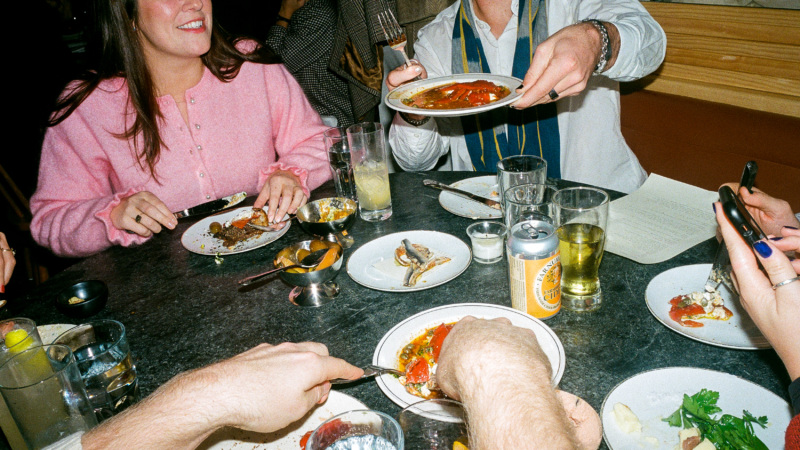
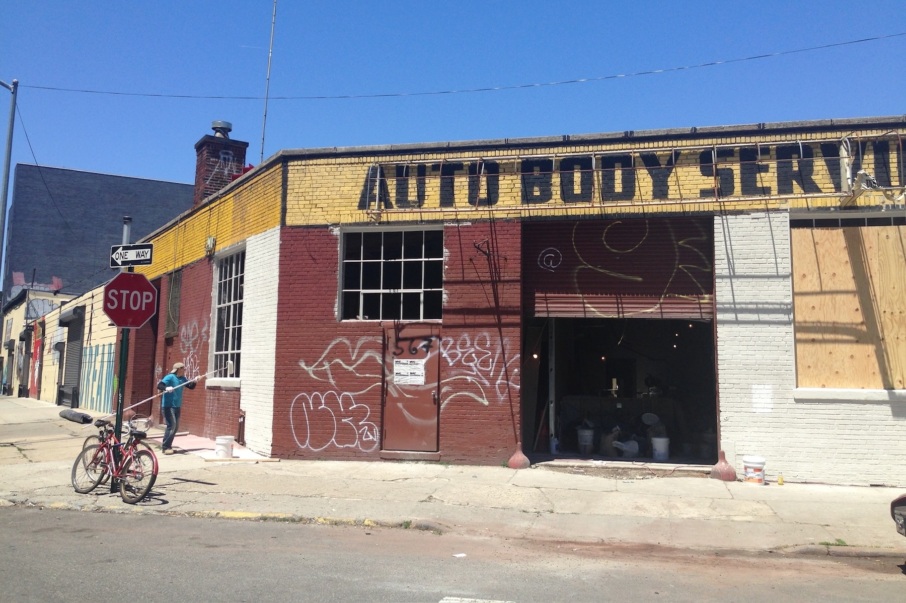
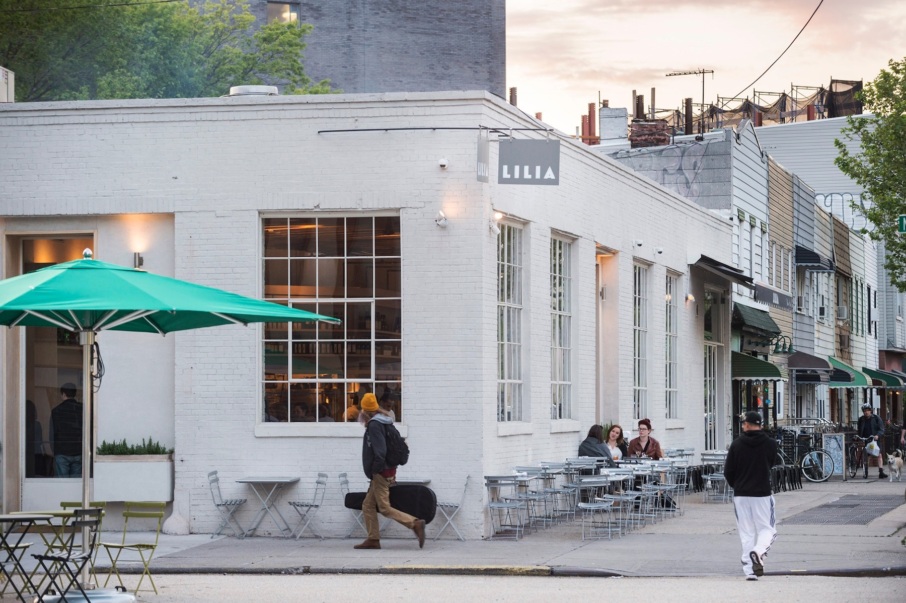
Ten years ago, when chef Missy Robbins and restaurateur Sean Feeney opened Lilia in a refurbished Williamsburg autobody shop, it was both a neighborhood outlier and a smash hit. Pete Wells at The New York Times gave it three stars and raved that “pasta made by Ms. Robbins is a direct route to happiness.” Robbins, who first made a name for herself as “Obama’s favorite pasta chef” at Spiaggia in Chicago, was named Best Chef in New York City by the James Beard Foundation in 2018. It wasn’t long before articles discussing “Where To Go When You Can’t Get Into Lilia” emerged. As they say, “So you can’t get into Lilia. That’s fine. No one can.” But certainly, everyone wanted to — and they still do.
With its crowd-pleasing line-up of pastas, wood-fired meats, and seafood, Lilia was never meant to be a radical restaurant, but it’s nevertheless been one of the most influential and replicated in New York. As Robbins herself will point out, “Live-fire cooking has been around for thousands of years,” but there’s certainly a lot more of it these days, along with dramatically ruffled pasta shapes and open kitchens bathed in warm light.
Since Lilia opened, a slew of other destination-worthy restaurants have opened in its geographic orbit. A stone’s throw away, you’ll find Greek feasts at Gus and Marty’s, Levantine staples at Huda, and inspired Cantonese American cuisine at Bonnie’s. Yet no matter how many new eateries arrive, Lilia remains full with a waitlist, even on a Monday night. Many diners make their next reservation before they exit the building.
This month, in honor of Lilia’s anniversary on Jan. 19, we look at all the ways in which the restaurant has left a lasting impact.
1. It showed that a Williamsburg restaurant could go beyond the clichés.
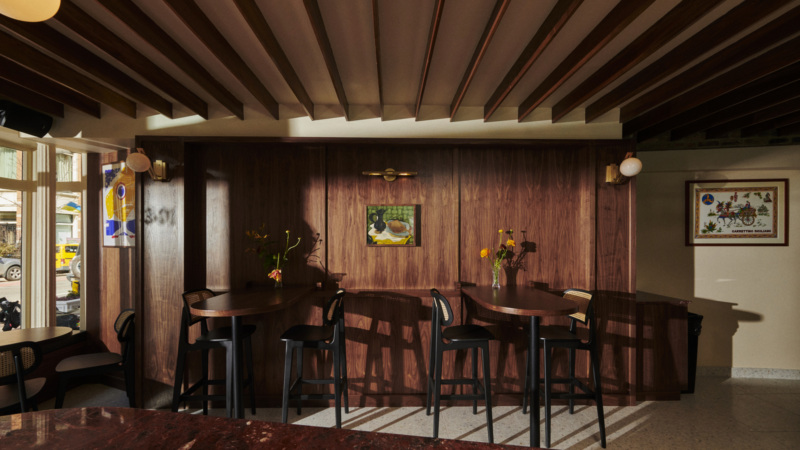
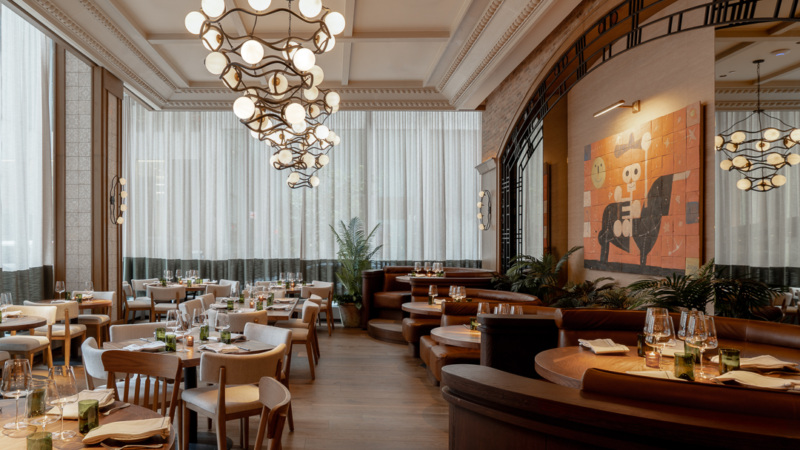
Close your eyes and try to picture a Williamsburg restaurant circa the early 2010s. There’s a good chance you’re envisioning exposed brick, Mason jar water glasses, and perhaps a self-serious, mustachioed server explaining the provenance of your free-range chicken. It was an aesthetic pioneered by the likes of Roberta’s and the late, great Marlow and Sons, then recycled ad nauseum by restaurants of lesser note.
Back then, the hipster — a term popularized in the 1940’s Harlem jazz scene and then later repurposed for the early aughts — archetype had lost any real cultural relevancy, but had yet to fully die. Gentrified Brooklyn had become a parody of itself, a brand replicated across the globe and sold in gift shops.
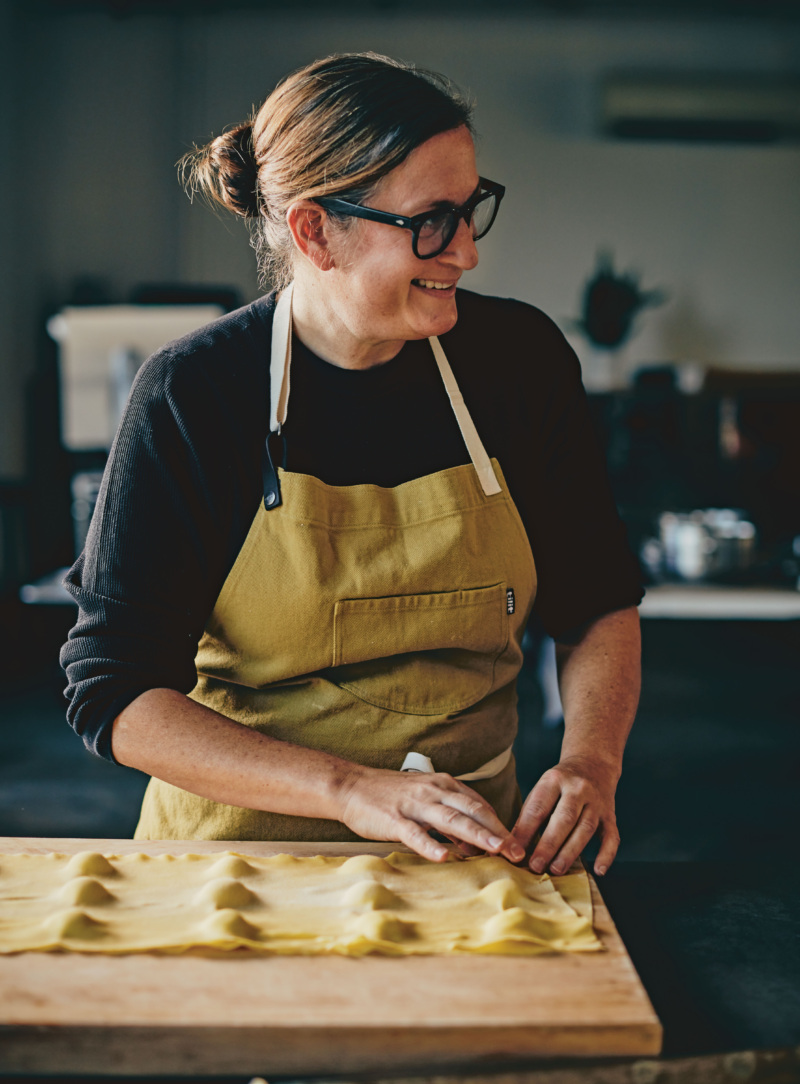
“People would say, ‘Well, you have to do this, and you have to do that because it’s in Brooklyn,’” Robbins says. “At the time, Brooklyn restaurants really did have this specific design philosophy and aesthetic and food. I just knew there was a vibe: Naming the farms on the menu. Denim shirts. Every uniform was the same.”
But Robbins had never set out to pander to a Mumford & Sons stereotype. If her restaurant was to succeed, it needed to be on her own terms. She pushed back when her interior designer tried to “Brooklyn-ify” the space. Her one concession to expectations was to use locally roasted coffee instead of beans imported from Italy. “Ten years later, I’ve finally changed that,” she says with a wry smile.
2. It thrust a whole plethora of pasta shapes into the spotlight.
“Lilia was never meant to be known for pasta,” Robbins says. “Lilia was meant to be known as a great Italian restaurant that focused on great ingredients, wood-fired cooking, vegetables, fish, pasta. Somehow this pasta thing took on a life of its own.”
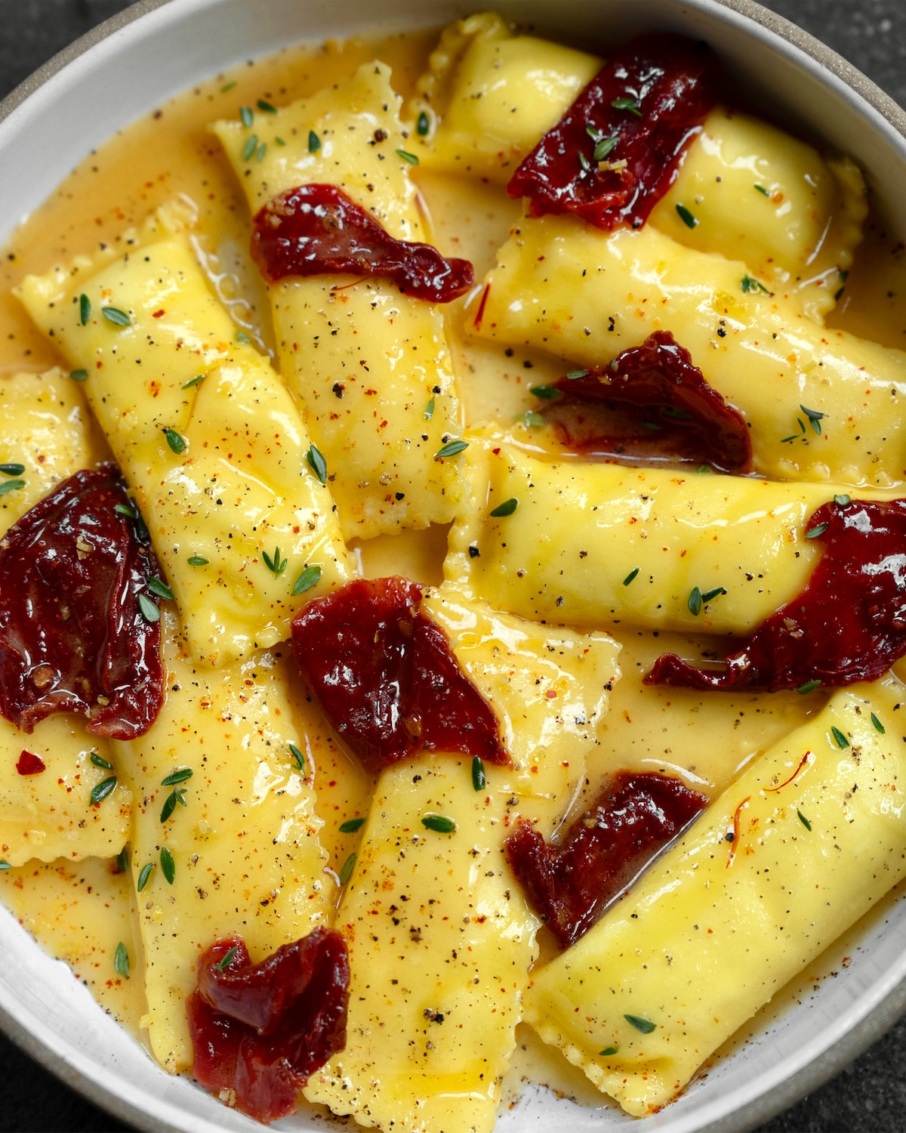
And yet, few restaurants slinging pasta in New York can match the kind of fervor inspired by Lilia’s sheep’s milk cheese agnolotti. It didn’t hurt that the dish was a visual showstopper — a sunshine-y puddle full of pillowy dumplings polka-dotted with scarlet dried tomatoes. It was never made for the ‘gram, but it was a natural star, nonetheless.
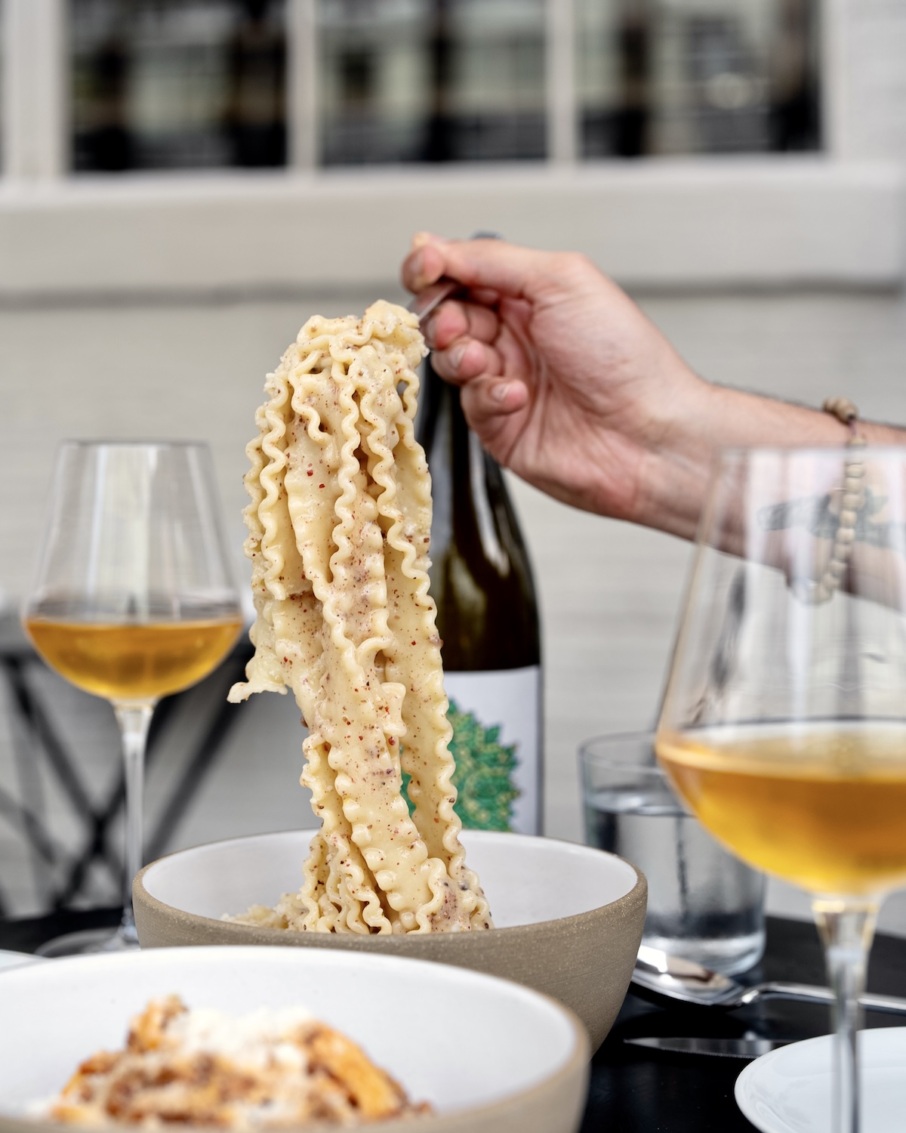
A decade later, the agnolotti are still the restaurant’s best-selling pasta, followed closely by the mafaldini, which critic Ryan Sutton described at the time as resembling “a 1970’s tuxedo with ruffled fronds.” These Neapolitan noodles were named in honor of Princess Mafalda of Savoy in 1902. Prior to Lilia, this dandyish pasta shape was fairly obscure in New York; now, it’s all over the place.
Robbins serves her queenly pasta with pink peppercorns and Parmigiano-Reggiano, a combination she stumbled upon by accident. “I was cooking one night and all I had was parm, butter, and spaghetti,” she says. “I turned around and there were pink peppercorns, which I’d never used in pasta before. I was like, ‘Oh, wow, that’s really good. It should go on the menu.’”
While recipe testing, she opted to swap out the spaghetti. “I had just picked out a bunch of shapes for our extruder and thought, ‘That curly round thing looks cool,’” Robbins says. It was an instant hit. “I attribute a little bit to the young Instagrammers who love to do pasta pulls.”
3. It helped make everyone want the off-menu, limited-run, extra-exclusive entrée.
Everyone loves being in on a little secret, especially if it’s an IYKYK off-menu item. There are the meatballs at Carbone, the pressed duck at Restaurant Daniel, and then there’s the 45-day dry-aged ribeye at Lilia.
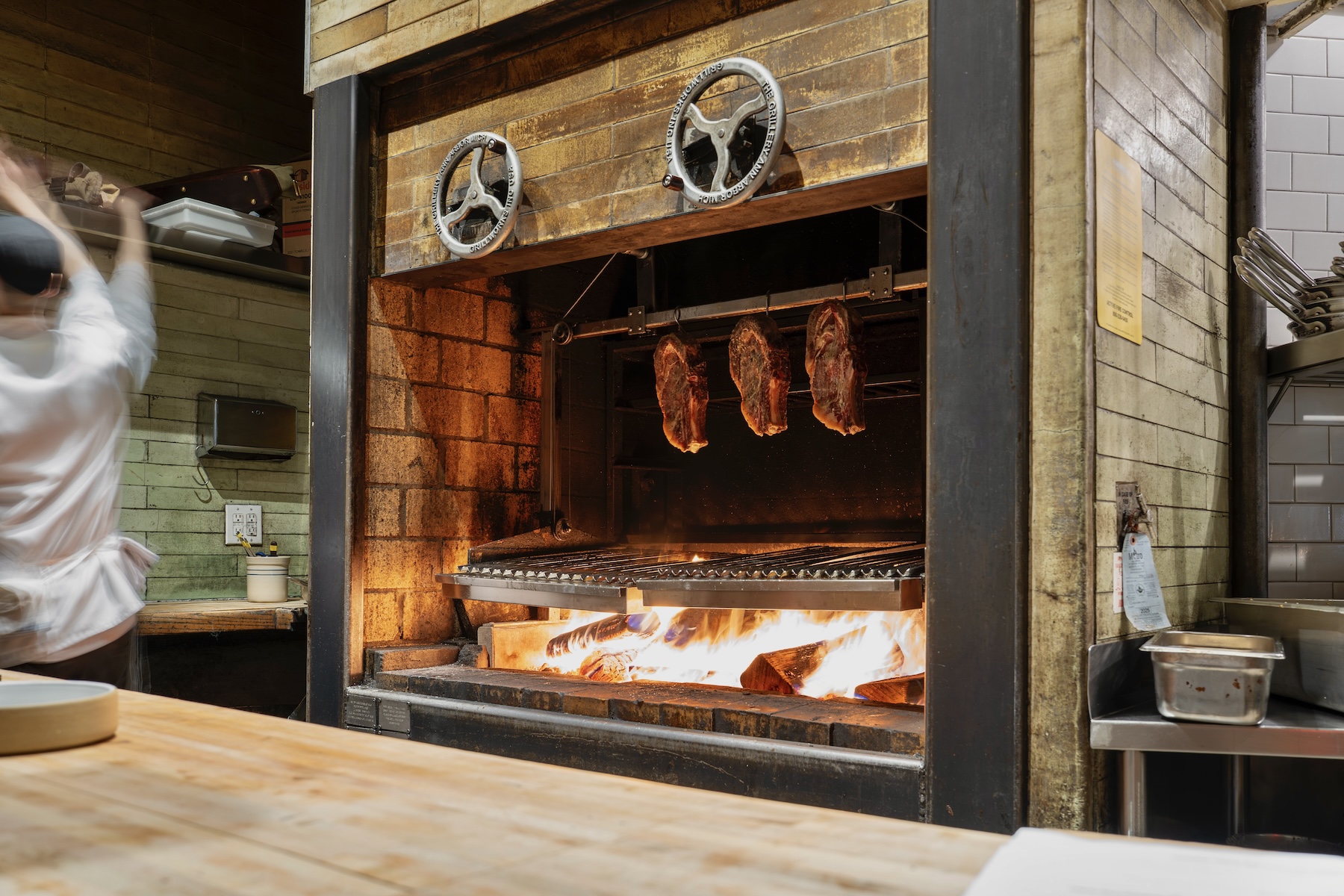
“They’re gigantic,” Robbins says. “We hang them over the wood fire for about an hour every night before service, and they just get a little of the smoke, and they break down, and they become really tender. They get basted with rosemary garlic butter the whole time that they’re hanging.”
Lilia has never been and will never be a steakhouse, yet this Flinstonian cut has been a banger almost since day one. Part of the allure lies in the drama — as soon as a table orders a 32-ounce, bone-in hunk of beef, their neighbors inevitably get jealous. Part of it is good old-fashioned supply and demand. Like Adda’s butter chicken experience (limited to six per night) or Raoul’s burger au poivre (limited to just 12 per weeknight and served only at the bar), Lilia’s steaks are of limited quantity.
“I really didn’t want to put a steak on the menu,” Robbins says. “[When we opened] we had a very robust finance crowd at Lilia, thanks to Sean and his former life. I just was like, ‘We’re going to turn into a steakhouse if I put a steak on, but I really want to do this. Let’s just do seven a night.’’’
Although steak was never supposed to be the plan, that shifted, courtesy of Lilia’s very famous neighbor Peter Luger Steak House. For a while, Robbins would go to lunch at the famous steakhouse with other industry folks. “Masa [Takayama] came from Masa, and he brought all his own condiments,” she remembers. “In the middle of Luger’s. It was amazing. Just no shame. He had this garlic thing, and I was like, ‘Man, this is so good.’ Then I went back and started playing around with steaks.”
4. It kicked restaurant fandom culture into high gear.
Seasonal specials come and go at Lilia, but the core of the menu remains. Although it’s hardly the only restaurant where individual dishes have cult followings, it’s rare to find a place where so many of them do.
“Each section of our menu at Lilia, there’s debates about [the best dish],” Feeney says. “Do you like the clams with the Calabrian chiles and the breadcrumbs, which have been there since day one, or the mussels with the green butter sauce? Do you like the agnolotti or the mafaldini?”

Cacio e pepe frittelle.
Photo by Rachael Lombardy, courtesy of Lilia

Grilled clams with Calabrian chile and breadcrumbs.
Photo by Rachael Lombardy, courtesy of Lilia
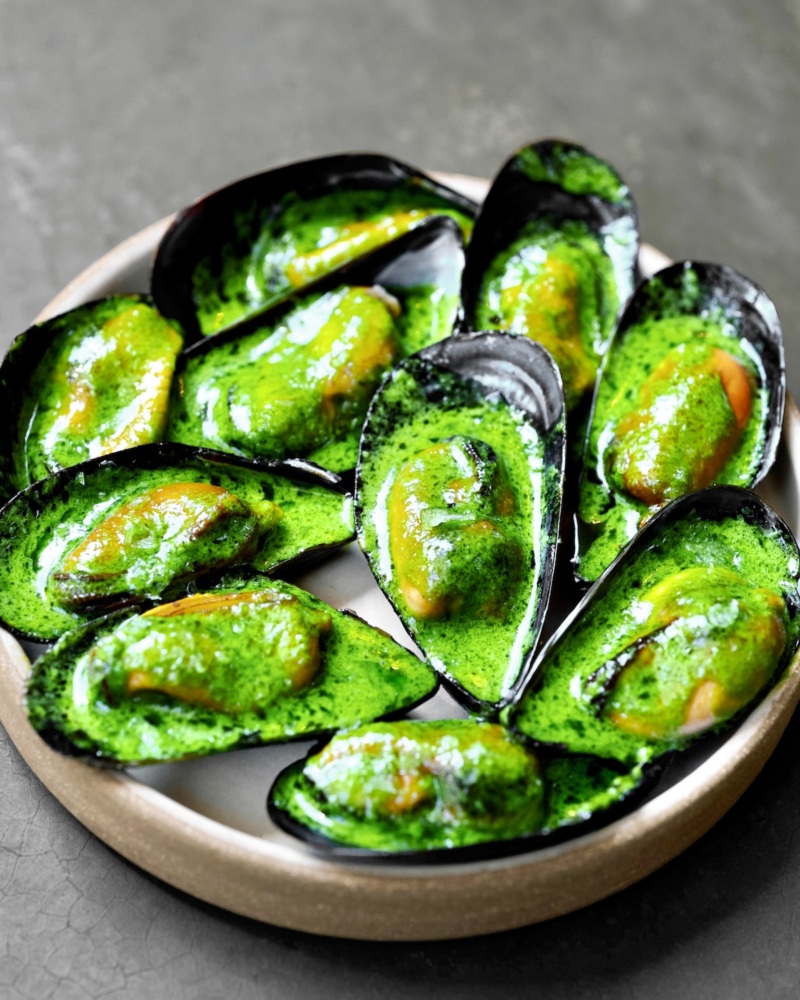
Mussels with herb butter and sea salt.
Photo by Rachael Lombardy, courtesy of Lilia
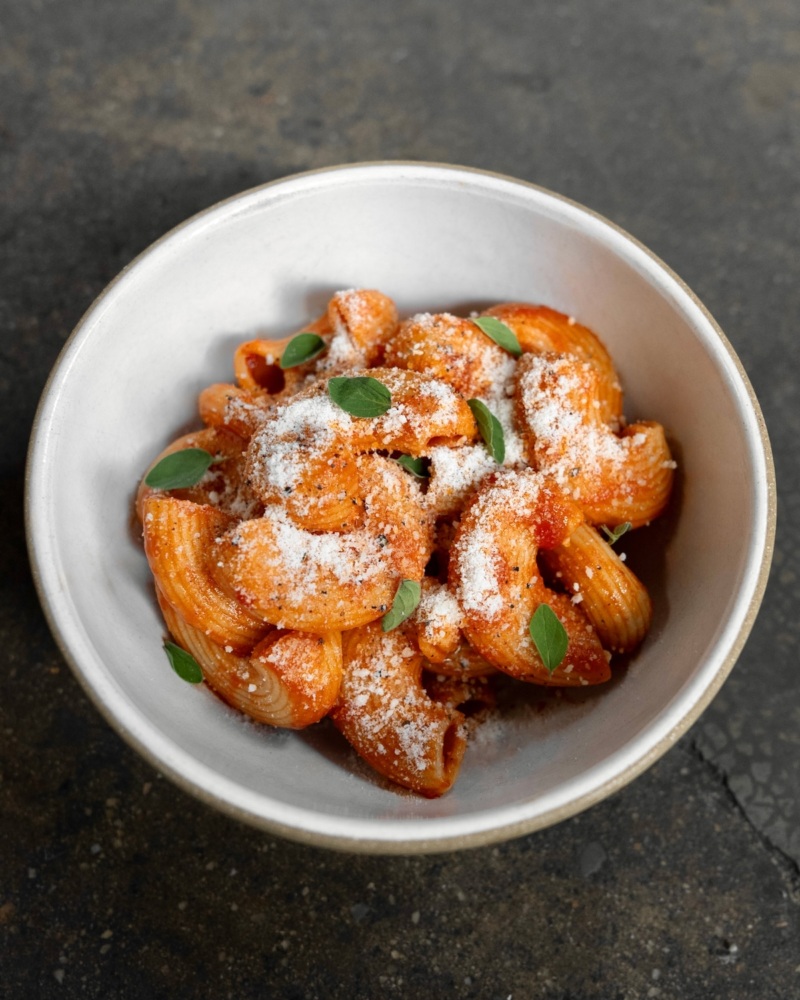
Rigatoni diavola with San Marzano tomatoes, chile, marjoram, and pecorino.
Photo by Rachael Lombardy, courtesy of Lilia
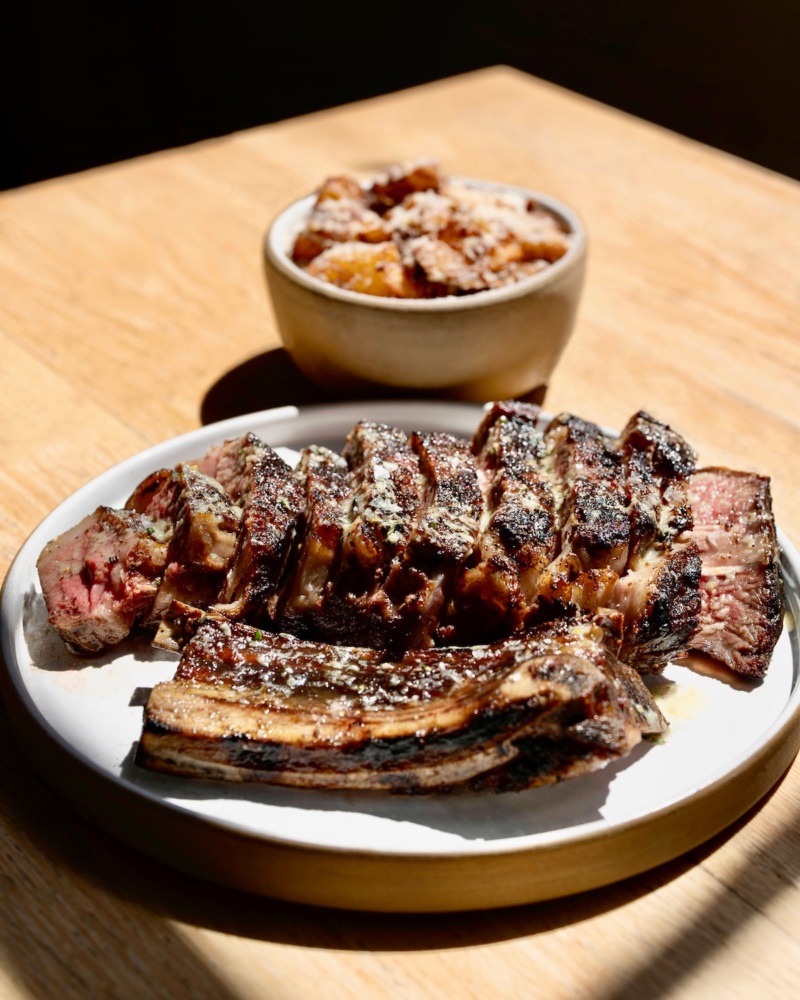
The off-menu ribeye steak.
Photo by Rachael Lombardy, courtesy of Lilia
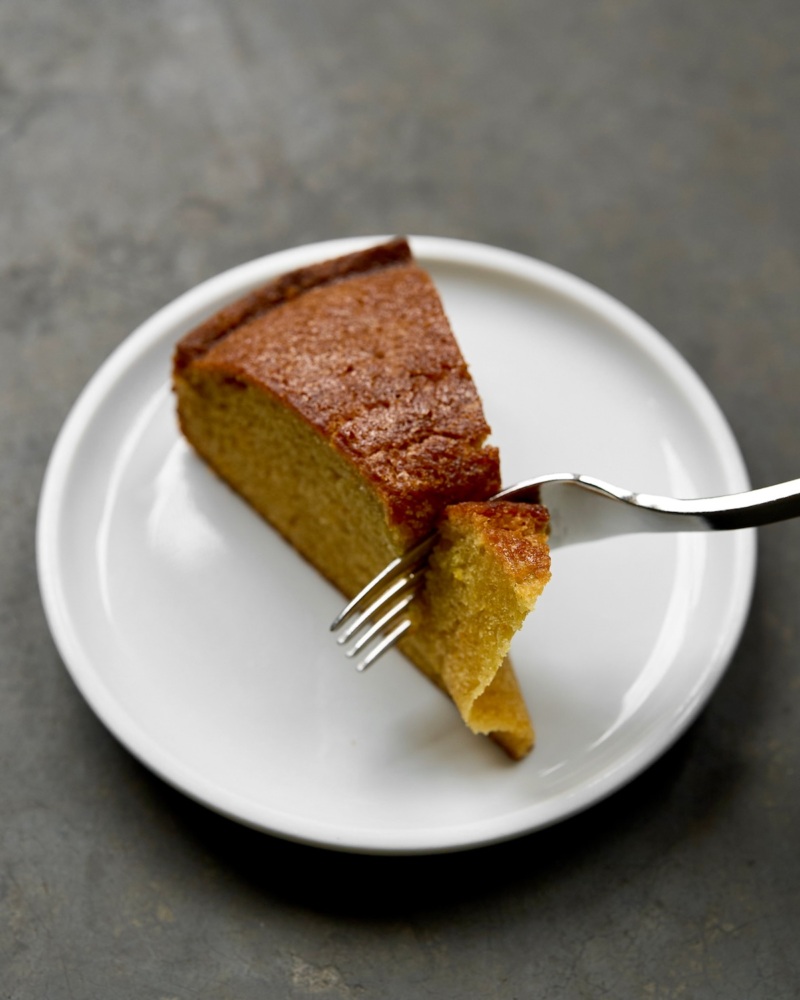
Olive oil cake.
Photo by Rachael Lombardy, courtesy of Lilia
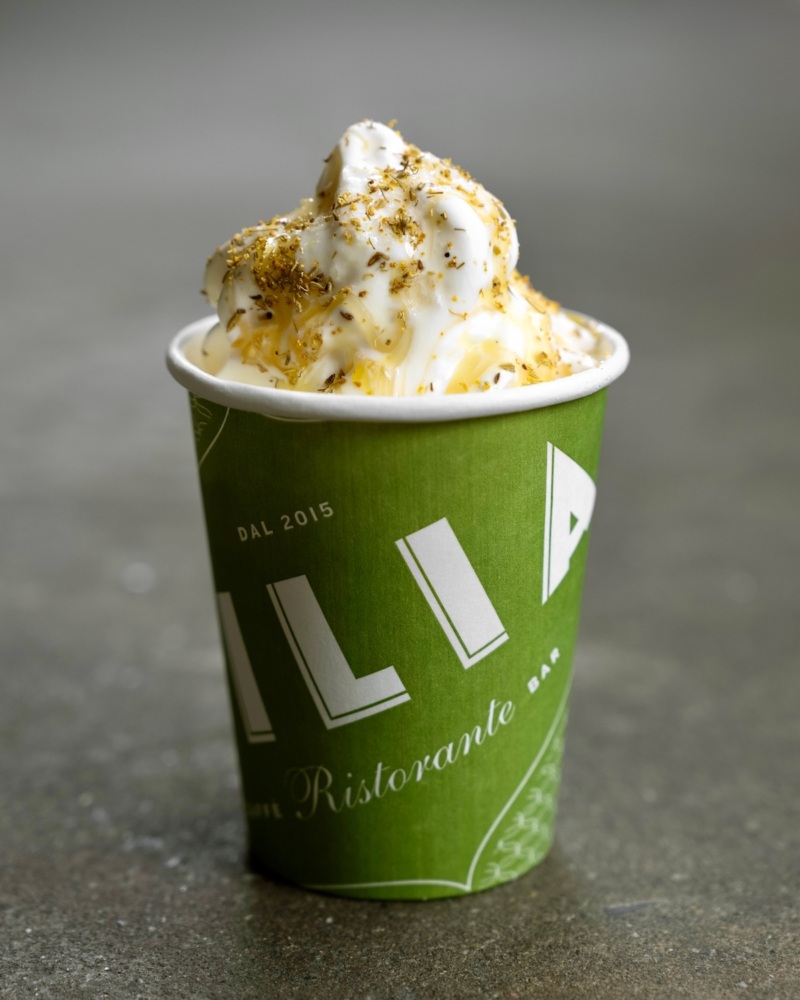
“The Italian Job.”
Photo by Rachael Lombardy, courtesy of Lilia
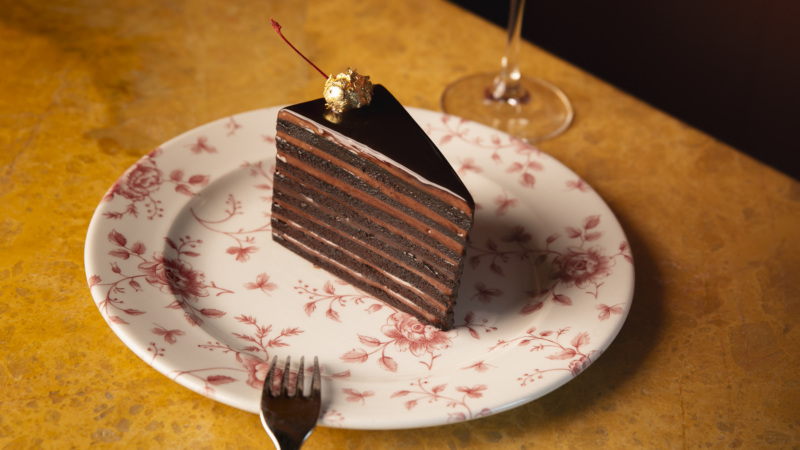
Depending on whom you ask, that list is likely to include the aforementioned pastas, along with the rigatoni diavola that Robbins says is her personal go-to (“When I’m really hungry at Lilia, I need the spicy rigatoni, now.”). Desserts like the olive oil cake and “The Italian Job” — vanilla soft-serve gelato drizzled with honey and olive oil, then sprinkled with fennel pollen and flaky salt — are invariably on there as well.
Because of its tether to the media cycle, restaurant culture often demands newness in order to stay in the zeitgeist. Yet much of Lilia’s enduring allure lies in its consistency. You know that the ricotta gnocchi will be light and the cacio e pepe frittelle crisp. Lilia fans love the hits all the more because they can sing them by heart.
“When we get to know people, we know what they’re going to order before they even come into the restaurant,” Feeney says. “We have guests that have come every Friday night for the last 10 years and order the same thing. They don’t deviate.”
5. It’s still one of the city’s most beloved, and in-demand restaurants.
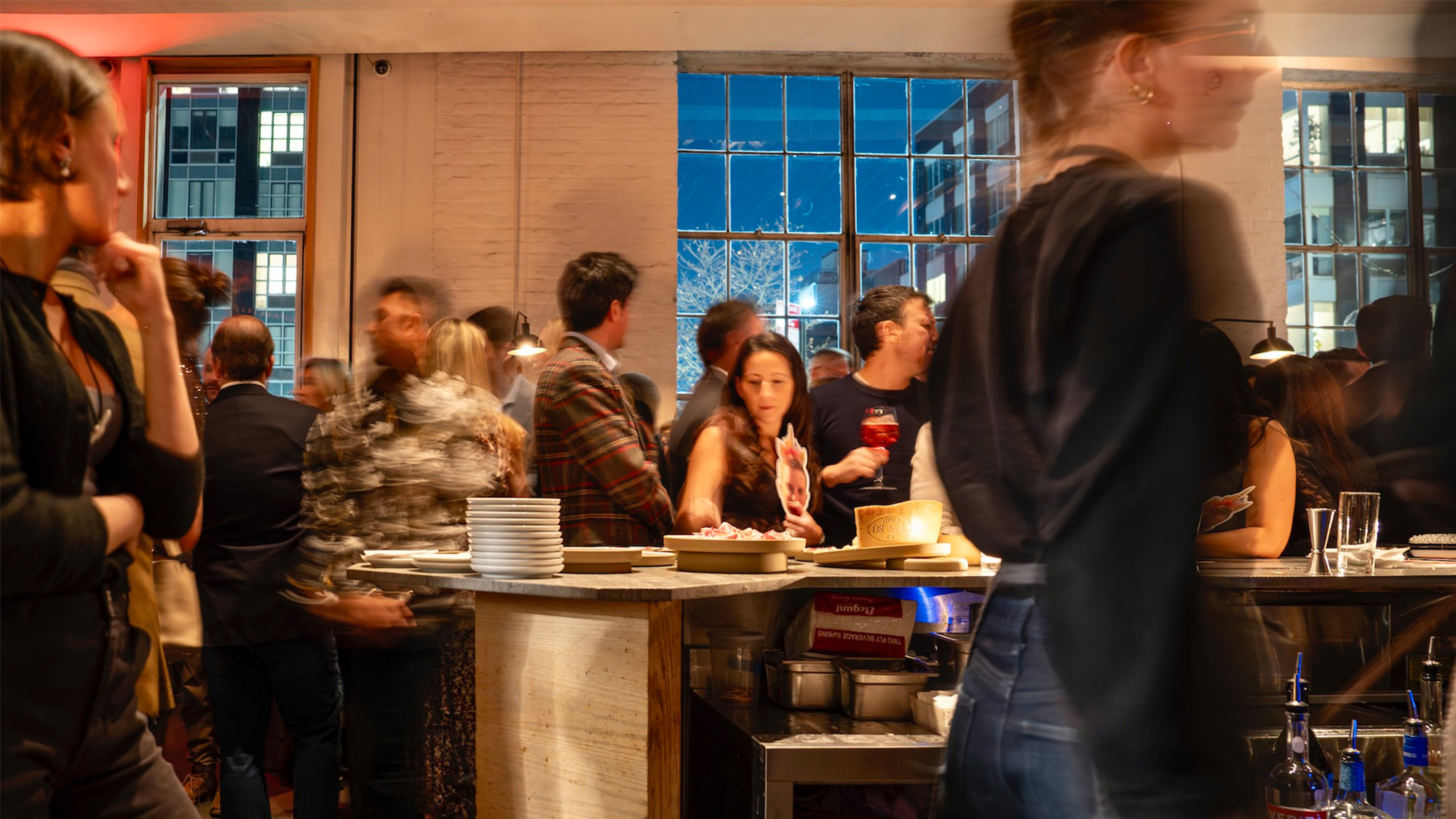
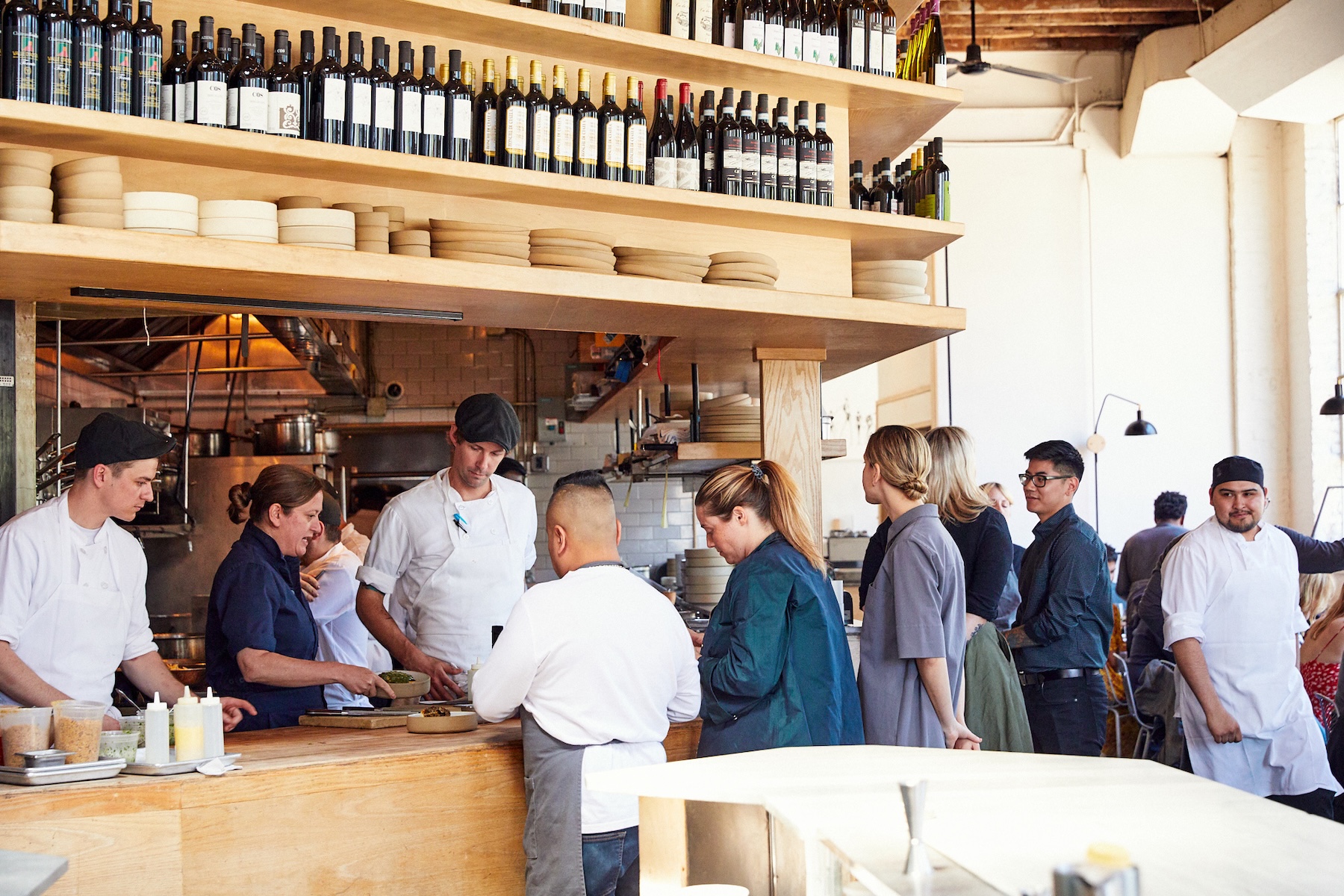
Ten years after Lilia first opened, it’s still one of the city’s most covetable dinner reservations. Some of that is logistically driven: “It’s just a small restaurant,” Robbins explains. It has 76 seats, including the bar seats.”
But the fact that Lilia’s two-tops are still just as in demand today proves that this was no flash in the pan. “Ten years after we’ve opened this restaurant, we still have 5,000 people a night that will put their name on a list to eat at our restaurant,” Feeney says. At 10 a.m., you’ll find plenty of would-be diners hitting refresh 28 days before they hope to snag a table. “It is truly amazing. People still line up outside of our door before we open every single night.”
There are, however, ways to get in. Robbins suggests calling the host between 10 a.m. and 4 p.m. or, if you live in the neighborhood, stopping by in person and asking politely for a reservation in advance. For a same-day walk-in, try to swing by at 4 p.m. and put your name down. The bar seats are always first come, first served. And as someone recently pointed out while waiting for a walk-in, the hosts are kind to the hopeful souls in purgatory. “We want everyone to come to Lilia,” Robbins insists.
Lilia is open for dinner from Monday to Thursday from 5 to 9:30 p.m. and from Friday to Sunday from 4 to 9:30 p.m.
Diana Hubbell is a James Beard Award-winning food and travel journalist whose work has appeared in The Washington Post, The Guardian, Atlas Obscura, VICE, Eater, Condé Nast Traveler, Esquire, WIRED, and Travel + Leisure, among other places. Previously based in Berlin and Bangkok, she currently lives in Greenpoint, Brooklyn. Follow her on Instagram. Follow Resy, too.