L.A. Izakayas Are California Cuisine’s Next Frontier
Published:
Tempura-fried fish tacos, burrata with milk bread, and nori-laced Caesar salad — welcome to the L.A. izakaya of 2025.
A new wave of openings over the past two years has solidified a microtrend that’s been building for at least a decade: wildly creative izakayas, fusing their chef’s personal histories with the savvy use of local ingredients, are building the next chapter of California cuisine.
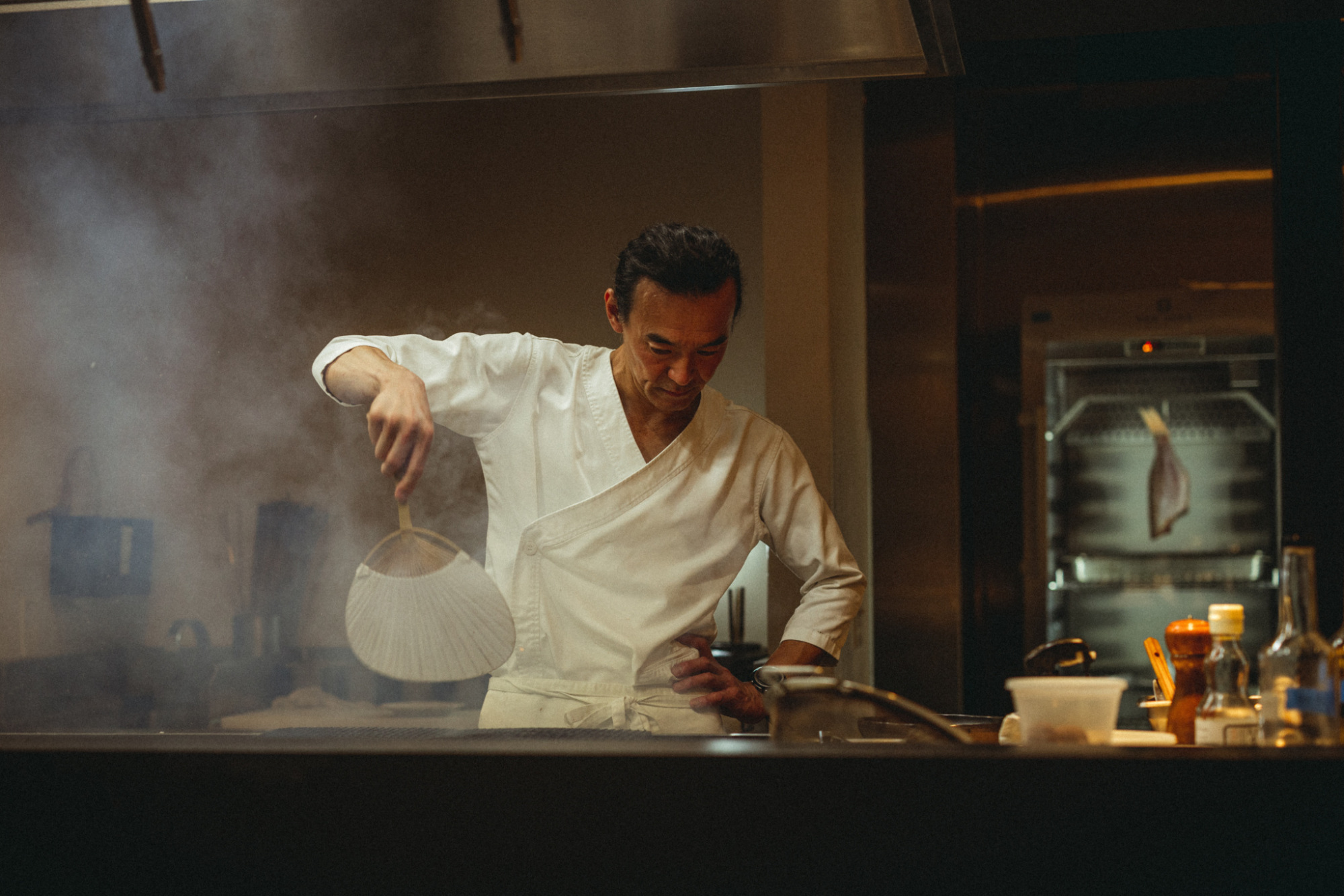
First, some semantics: Many Angelenos’ idea of an izakaya has been largely defined by traditional Japanese sake houses serving dishes like yakitori, karaage, takoyaki, and other hearty “drinking foods.” But as Yess head chef Junya Yamasaki points out: “the izakaya can be anything; it just means free-form menu,” meaning that so long as the fare is casual and suitable to go along with drinking, any dish (or genre) is fair game. Given our city’s fondness for all-day cafes, a love of non-committal, drink-adjacent dining, and the prevalence of Japanese food across the city, the trend fits L.A.’s current dining climate to a T.
In Japan, you’ll regularly find izakayas serving Italian pasta or other other yoshoku (Western-inspired Japanese dishes). “Yoshoku is about taking food, techniques, and ingredients from the West and then adapting it to what Japanese people like to eat,” Tsubaki chef de cuisine Klementine Song says. “We kind of do the same thing here, but in Southern California. We take the ingredients we can get our hands on, but make our own version of traditional dishes by using other techniques borrowed from other cultures,” she adds.
MORE FROM RESY
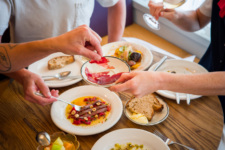
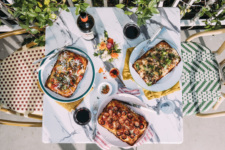

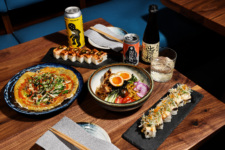

Taking a cue from this freewheeling attitude, L.A. chefs have been further pushing the izakaya boundaries, as evidenced by newcomer Doto, which opened this spring in Virgil Village. Led by Edgemar chef Jared Dowling, who incidentally worked under Yamasaki at London’s Koya, Dowling took a borderless approach when it came to designing his menu. “It doesn’t have to be Japanese — a lot of our menu isn’t,” he says.
Glancing at Doto’s all-day menu, dishes range from breakfast burritos in the morning to tuna handrolls and steak frites in the evening. Perhaps the ultimate L.A.-meets-Japan (meets the U.K.) dish is Doto’s tempura fish taco, made using wild cod and Japanese rice lager in the batter. “Basically, we’re taking fish and chips and tempura and smashing it all into one plate,” says Dowling, who grew up in England. That it happens to be served in taco form is perfectly appropriate for L.A.
In 2025, the L.A. izakaya is reinterpreting classics via local ingredients and influences and telling deeply personal stories through food.
California cuisine, which is a term you don’t hear often in 2025, has always been about fusing global cuisines and local, seasonal California produce. The genre’s early proponents (chefs like Alice Waters and Wolfgang Puck) pulled from a variety of cultures to give birth to iconic dishes like smoked salmon pizza and chopped salad. But while L.A. has been pivotal in the proliferation and Californication of sushi, izakayas here have remained relatively untouched by the movement until recent years. With many local chefs now drawing inspiration from the format, it’s helping cement izakaya-style fare as part of the pantheon of California cuisine.
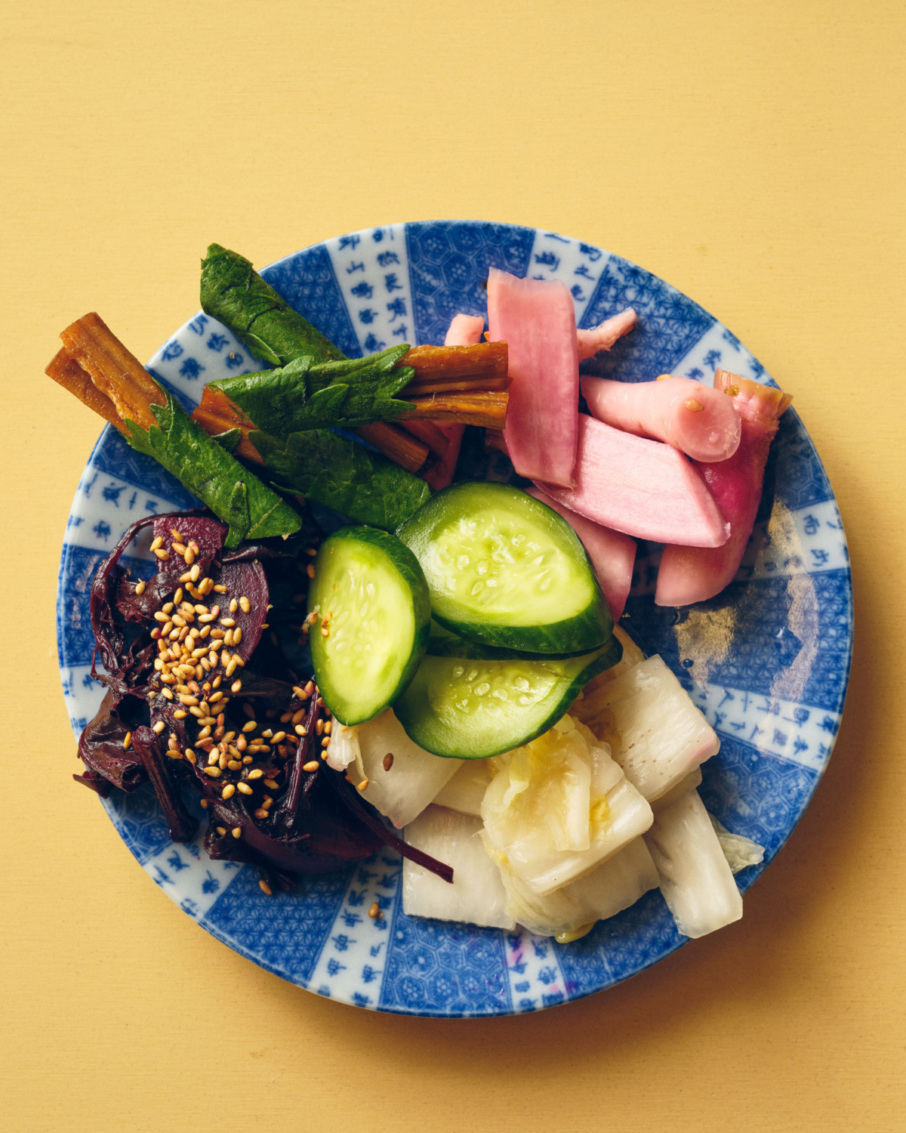
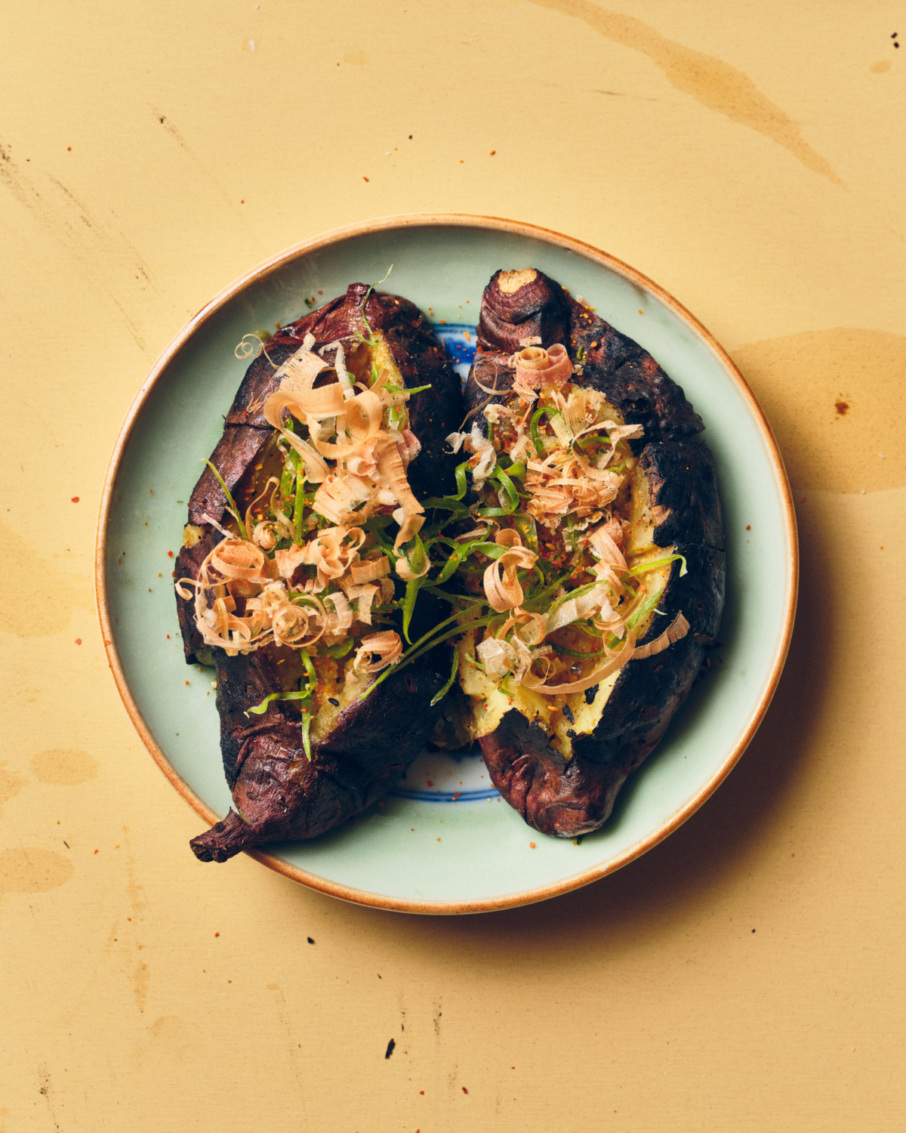
Echo Park’s Tsubaki was one of the first L.A.-leaning izakayas to emerge when it opened back in 2017 under chef Charles Namba. Song has been at the restaurant since 2018 and has infused her own heritage into the current menu, which includes both Korean flavors and inspiration from her childhood in the Santa Ynez Valley. “Some of them are intentional and some might be more subconscious,” she says of her influences. “Many things are subtly Mexico-influenced since there’s a lot of really great Mexican restaurants where I grew up,” she adds.
Case in point: her California-Japanese spin on a classic Caesar salad (itself a dish that was invented in Tijuana), made with market lettuce from The Garden Of… (a Santa Ynez Valley-based grower), creamy miso dressing, shredded bonito threads, and nori shards. Song’s menu nods to other cuisines in dishes like the Japanese “latkes,” topped with salmon and yuzu-scallion crème fraîche; and the “mapo” sukui tofu with housemade chile oil. She often infuses her dishes with jujubes — an ingredient traditional in Korean and Chinese cuisines— from her father’s farm in Santa Ynez.
Yess, the brick-and-mortar evolution of Yamasaki’s pandemic-era food truck, offers an à la carte “izakaya-style” menu. As previously noted, Yamasaki’s use of the word “izakaya” in no way refers to those traditional dishes specifically, but more as a menu where anything goes. His artful approach to progressive-style Japanese is marked by a love of foraging, binchotan charcoal grilling, and his free hand with local, seasonal ingredients (menus change nightly). And while his menu is inherently Japanese, you’ll see pops of locality, like serving a Japanese cold tofu with salsa macha.
Despite a menu that’s highly focused on seafood and progressive Japanese cooking, Yamasaki buys, in his estimation, 90 percent of his ingredients locally. “I didn’t come to L.A. to buy Japanese fish,” he says. “You want to get connected to where you live by eating and/or cooking.”
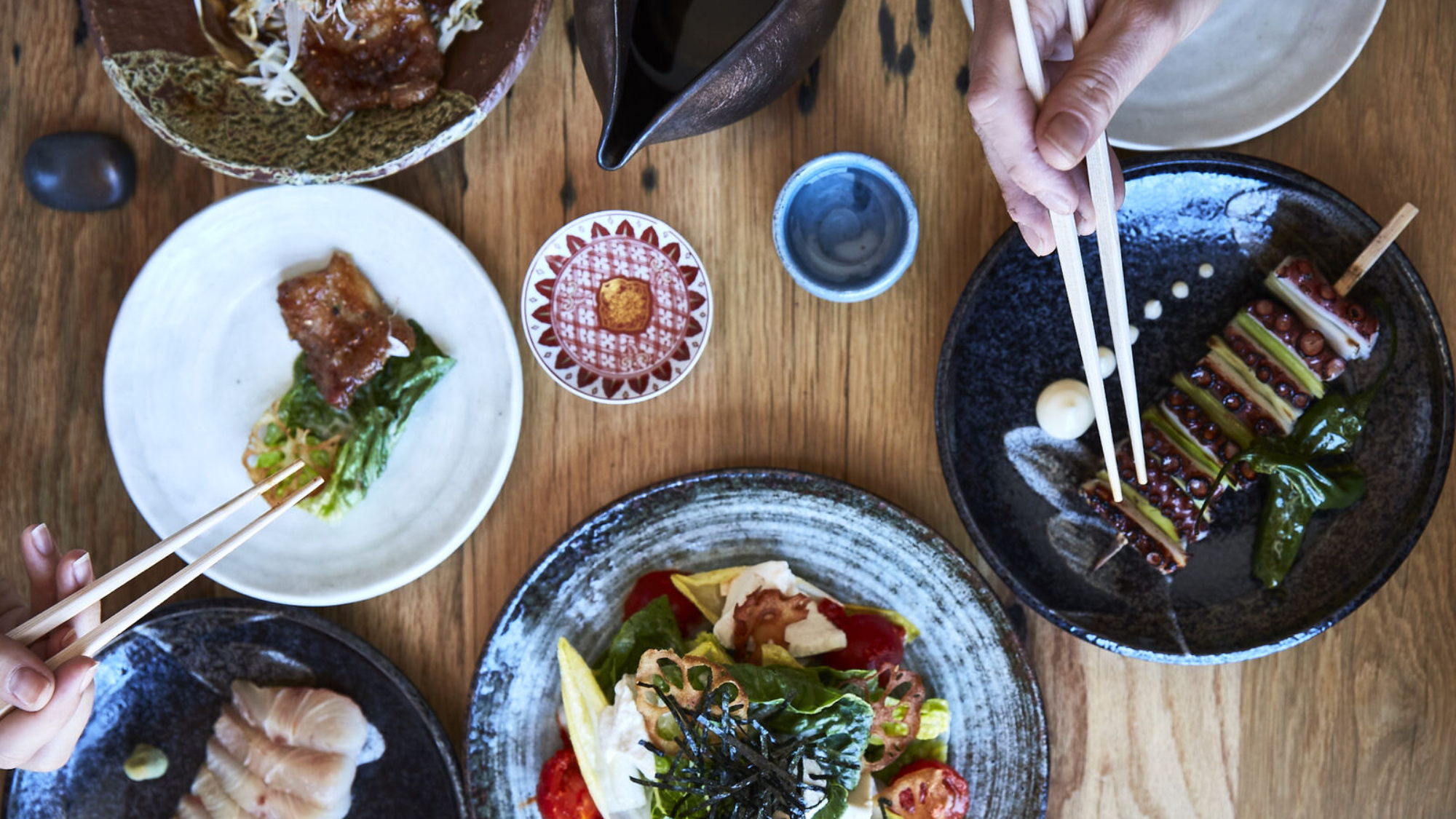
Speaking of hyperlocality, RVR is the heavily Japanese-influenced restaurant from chef-owner Travis Lett, the founding chef at Gjelina, which was itself wildly influential in creating a specific brand of California-infused Italian fare. On the ever-rotating menu at RVR, you won’t find many obviously non-Japanese dishes. Instead, Lett adheres to izakaya-style classics (i.e. skewers, grilled dishes, noodles, etc.) made with peak-season local produce and a bit of creative license — using duck instead of chicken in the tsukune, for example.
For some chefs, childhood dishes with global roots define their version of California cuisine. At Budonoki in Virgil Village, chef Dan Rabilwongse drew from his Thai heritage, his upbringing in nearby Historic Filipinotown, and other cultures to put together his playful menu. “When it came time to make drinking food, I knew we were definitely going to do naem,” he says — a type of Thai pork sausage Rabilwongse’s mother made and sold to local markets when he was growing up. “This is a very deep-rooted dish for me and a way of honoring her legacy,” he adds.
Another cross-cultural hit, which Rabilwongse says “started as a joke,” is the Budo-gnocchi, which features Korean rice cakes, black winter truffles, shimeji mushroom, and parmesan cheese. “Here, we’re drawing from all of our experiences and all of our cultures to create this very unique dish,” Rabilwongse says. “Now it’s one of our top sellers, so we can’t get rid of it.” Indeed, the L.A. izakaya has become a blank canvas for personal expression for both him and many other chefs.
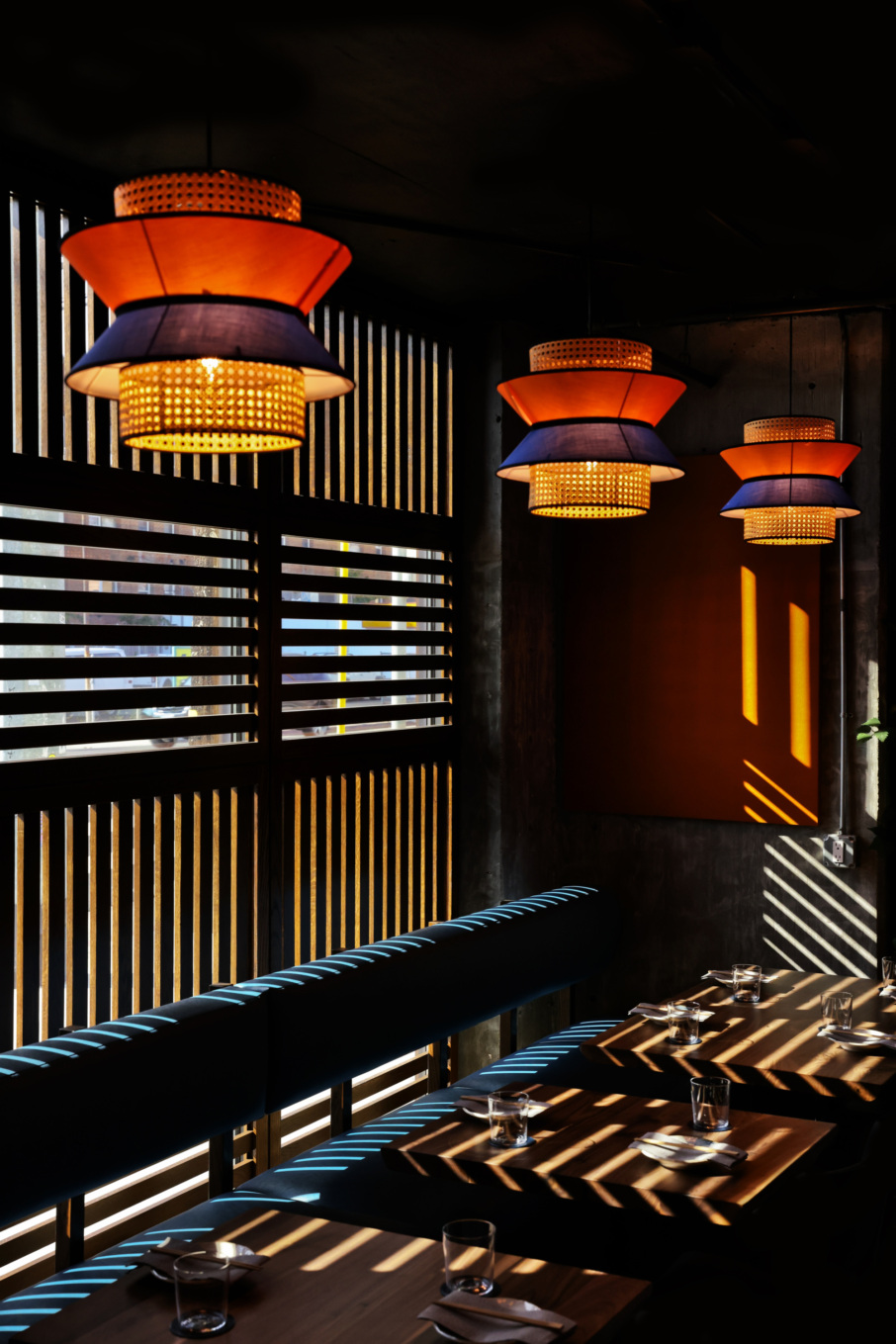

Over in Mid-City, N/Soto is the more casual izakaya restaurant from the chef/wife duo Niki Nakayama and Carole Iida-Nakayama of Michelin-starred N/Naka. Born out of the pandemic desire for a more approachable concept, N/Soto opened in 2022 with a Japan-meets-California ethos. Chef de cuisine Gregory Otero signed on shortly thereafter. He estimates that 70% of the menu is locally-sourced, with the remainder coming from Japan.
Like Tsubaki, they have a spin on a Caesar, this one with fried brussels sprouts, salmon skin, and shio koji dressing. The popular milk bread burrata nods heavily to California with its use of market cherry tomato and cucumber, paired with housemade milk bread, kanpachi, and burrata. “All the things we do are rooted in where we come from,” says Otero. “Together, we create this very soulful, personal menu experience.”
In 2025, the L.A. izakaya is reinterpreting classics via local ingredients and influences and telling deeply personal stories through food. And with more openings leaning into this borderless approach, the emerging trend shows no signs of slowing. Perhaps Otero can best sum up the appeal of cooking and eating this way: “We can be very traditional with some things, and blur lines with others.”