The Symphonic Progression of Restaurant Yuu’s Acclaimed Tasting Menu
Published:
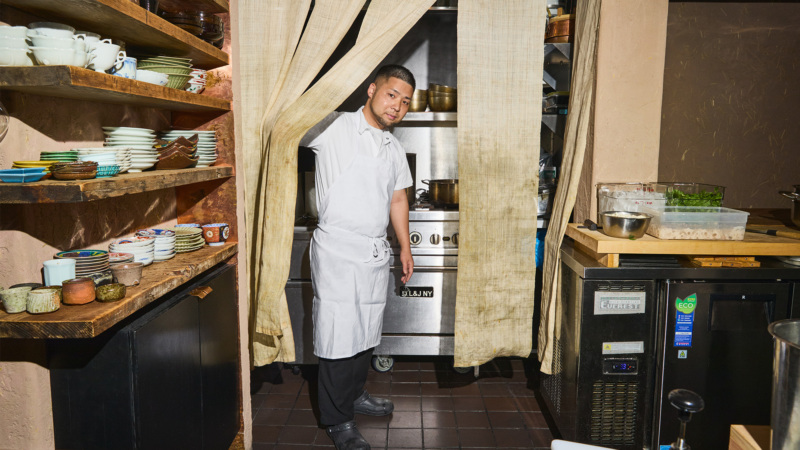
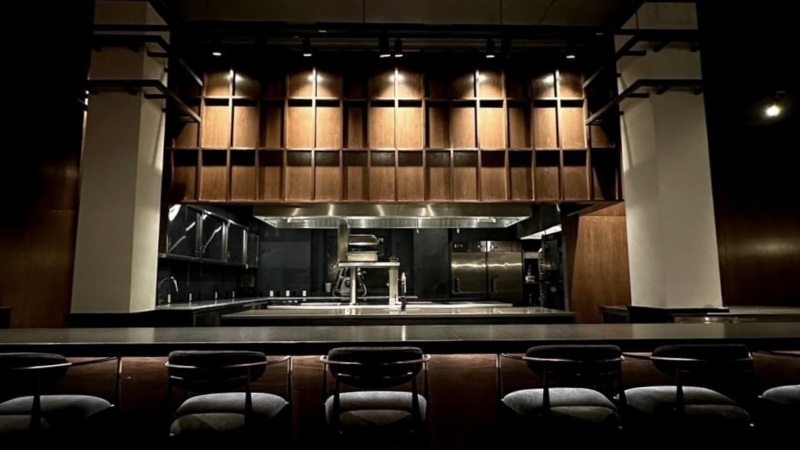
On a quiet stretch of Greenpoint, Brooklyn, an evening at chef Yuu Shimano’s namesake restaurant, Restaurant Yuu, begins with a bit of theater. The curtains stay closed until Yuu steps out, draws them back, thanks the room, and delivers his welcome. It’s a small gesture, but one that sets the tone for everything that follows.
“Here is a French restaurant,” Yuu says. “From a Japanese chef.”
It’s a line he says almost in passing, but it’s the clearest possible summary of what takes place at Restaurant Yuu.
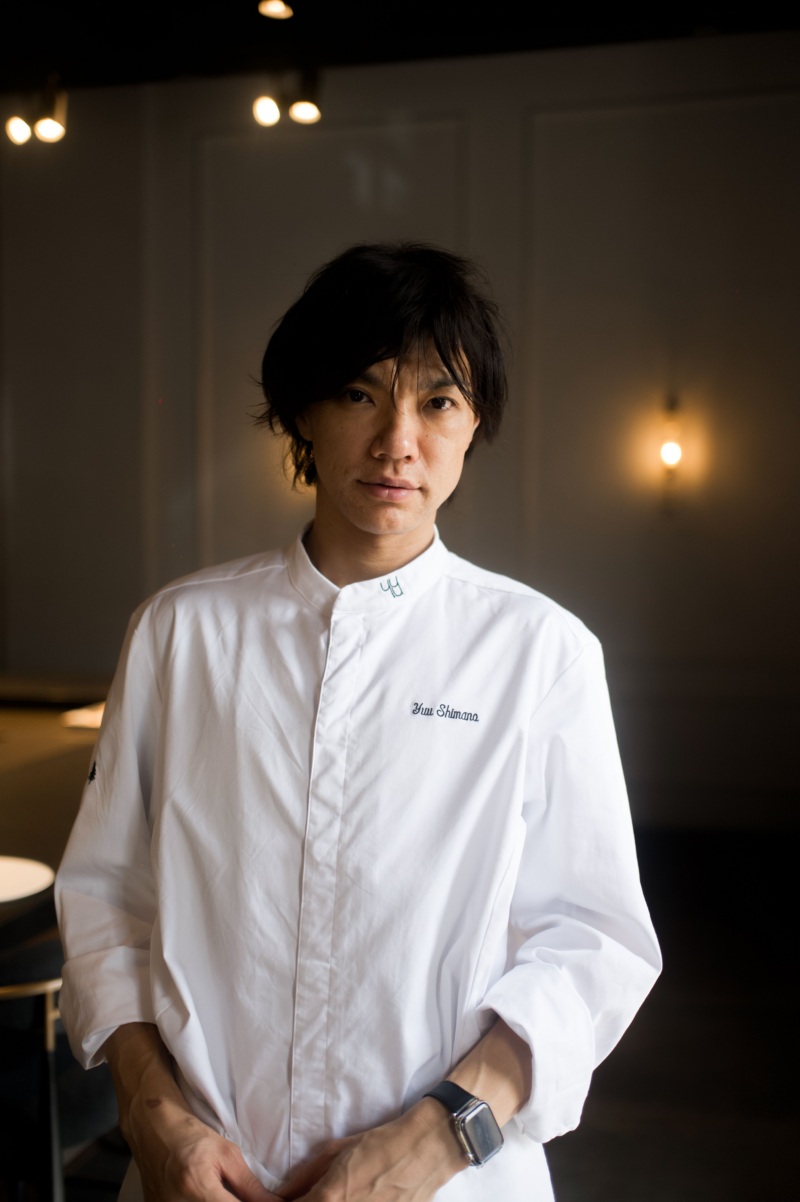
Born and raised in Japan, Yuu graduated in 2002 from Tsuji Culinary Institute, splitting his studies between its Osaka and Lyon campuses. From there, he spent more than nine years in France honing his craft, starting at La Villa des Lys, the two-Michelin-starred restaurant previously inside the Hotel Majestic in Cannes, before a long stint in Paris under the three-Michelin-starred Guy Savoy, working as a saucier and chef de partie for meats and sauces.
That training became the foundation of the way he still cooks today. By the time he arrived at New York’s Mifune as executive chef, Japanese ingredients and ideas had begun finding their way into the French cooking that defined his career. In May 2023, he opened Restaurant Yuu, his own counter-style tasting menu restaurant, which earned a Michelin star within just six months of opening.
When developing the tasting menu, Yuu often begins with the season, looking to the farmers market, his fish and meat purveyors, and ingredients arriving from Japan. And just as important is how each dish fits into the progression of the meal. He compares the experience to a symphony, building in intensity before eventually reaching its climax.
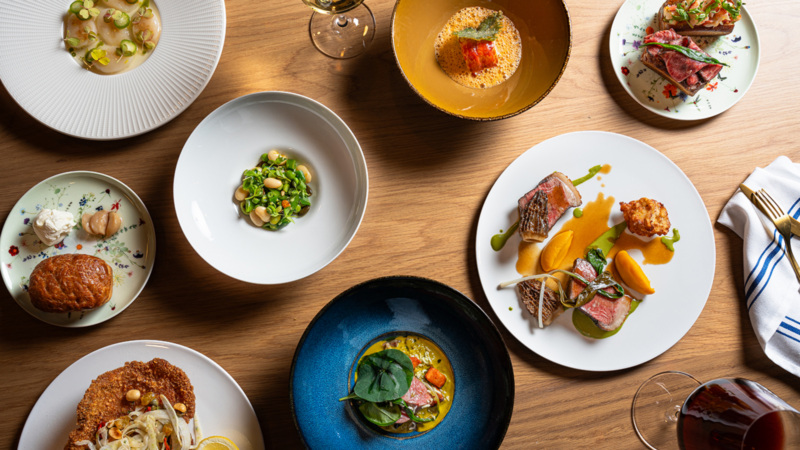
Here, Yuu shares the stories behind four dishes that have become signatures of Restaurant Yuu, chronicled in the procession they’re served to guests.
The Resy Rundown
Restaurant Yuu
-
Why We Like It
Restaurant Yuu brings together classical French technique and chef Yuu Shimano’s Japanese perspective for a Michelin-starred tasting menu that feels as much like a performance as it does a meal. -
Essential Dishes
The menu is a seasonal tasting experience that changes often, but look out for signatures like foie gras mousse with hatcho miso, Wagyu and oyster tartare, caviar brioche toast, and the pièce de résistance: the duck en croûte. -
Must-Order Drinks
For the full experience, opt for the wine and sake pairing. Or for something lighter, smaller flights of either three or six pairings are also available.
-
Who and What It’s For
Special occasions, date nights, and those who appreciate precision and technique behind an award-winning tasting menu. -
How to Get In
Reservations drop on Tock one month in advance. -
Pro Tip
For something more abbreviated, Restaurant Yuu’s Wine Bar also offers an $80 Short Course, extending a way to experience Yuu’s cooking without committing to the full tasting menu. And to enjoy at home, there’s also the Yuu Box, a limited-quantity takeaway bento featuring 15 seasonal savory and sweet creations.
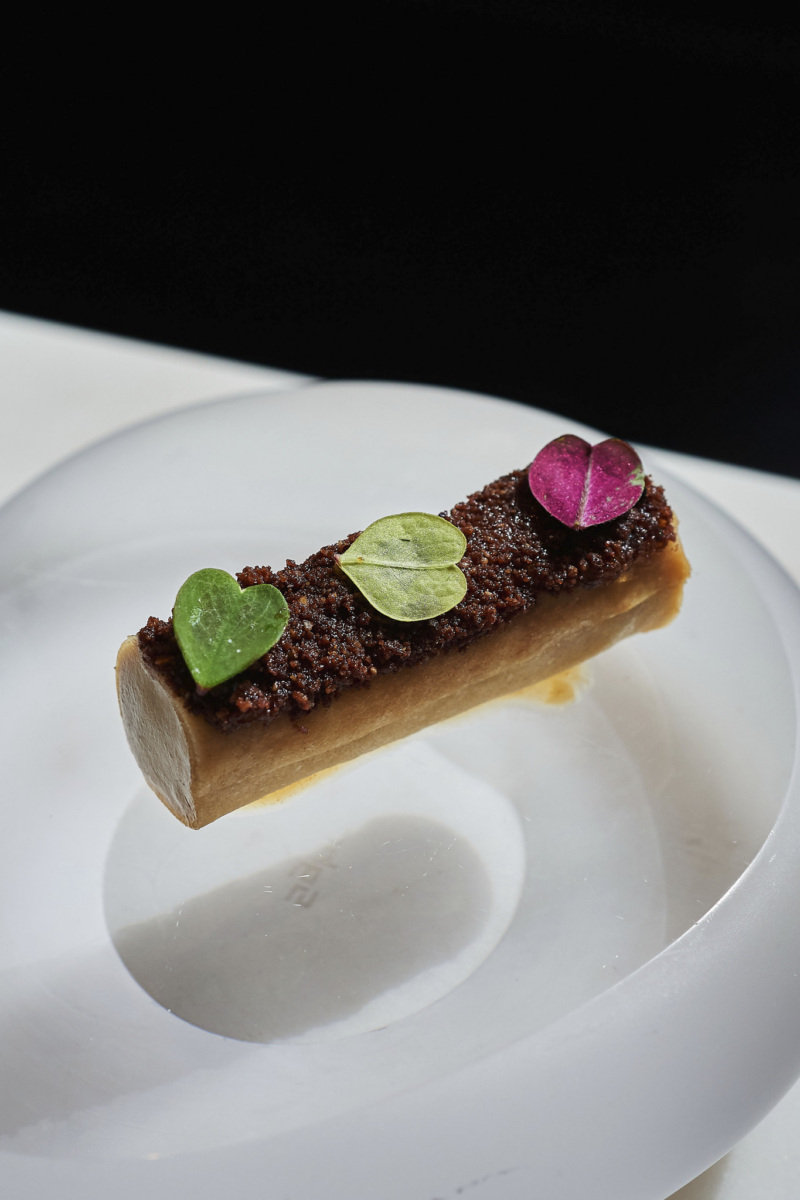
1. Foie Gras Mousse with Hatcho Miso
The tasting menu’s opening sequence builds slowly, and this dish is deliberately placed last among the early courses because its flavors are the loudest of the group.
Yuu’s foie gras mousse began with a simple experiment: Cognac and Port are traditionally paired with foie gras, but he wondered what would happen with the introduction of miso.
After testing different varieties like white miso, which didn’t have the fortitude to stand alongside the foie gras, he settled on hatcho miso due to its deeper fermented character that adds umami without overwhelming it. After being marinated with Cognac, Port, hatcho miso, and a small amount of mirin before being made into a mousse, the foie gras is then paired with Honeycrisp apple, which Yuu considers the New York element of a dish otherwise built from French technique and Japanese flavor. The finished bite brings together the mousse, apple, miso, cacao, and a contrast of crisp textures, resulting in a bold flavor profile before the progression quiets down again.
2. Wagyu and Oyster Tartare
From there, the meal shifts into something colder and more precise.
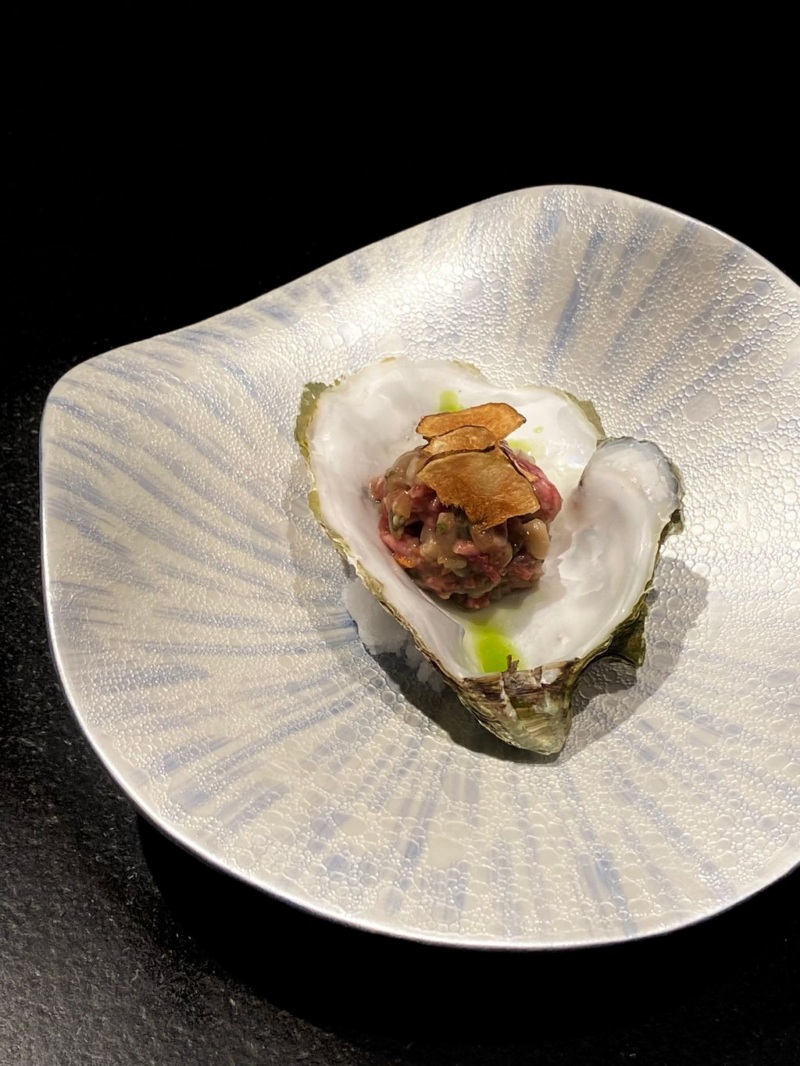
The idea for pairing beef and shellfish goes back to a meal Yuu had while traveling in western France, where he encountered beef tartare with razor clams. The combination stayed with him. Over the years, he experimented with different expressions of beef and shellfish before arriving at the current pairing of Japanese Wagyu and East Coast oysters.
The balance between the two is something he thinks about obsessively. The richness and fat of the Wagyu need an oyster with enough salinity and ocean flavor to cut through it, which is why he prefers a brinier East Coast oyster over something creamier. Even the size of the dice matters. Too large and the beef dominates. Too small and the oyster takes over. The tartare is finished with oyster jelly made from the oyster liquor, dill oil, and smoked white onion purée, a dish that’s ultimately about finding the point where two very different expressions of umami can exist in the same bite.
3. Caviar Brioche Toast
If the tartare is about precision, the next course is about restraint.
“Very simple, [yet] so very difficult,” Yuu says.
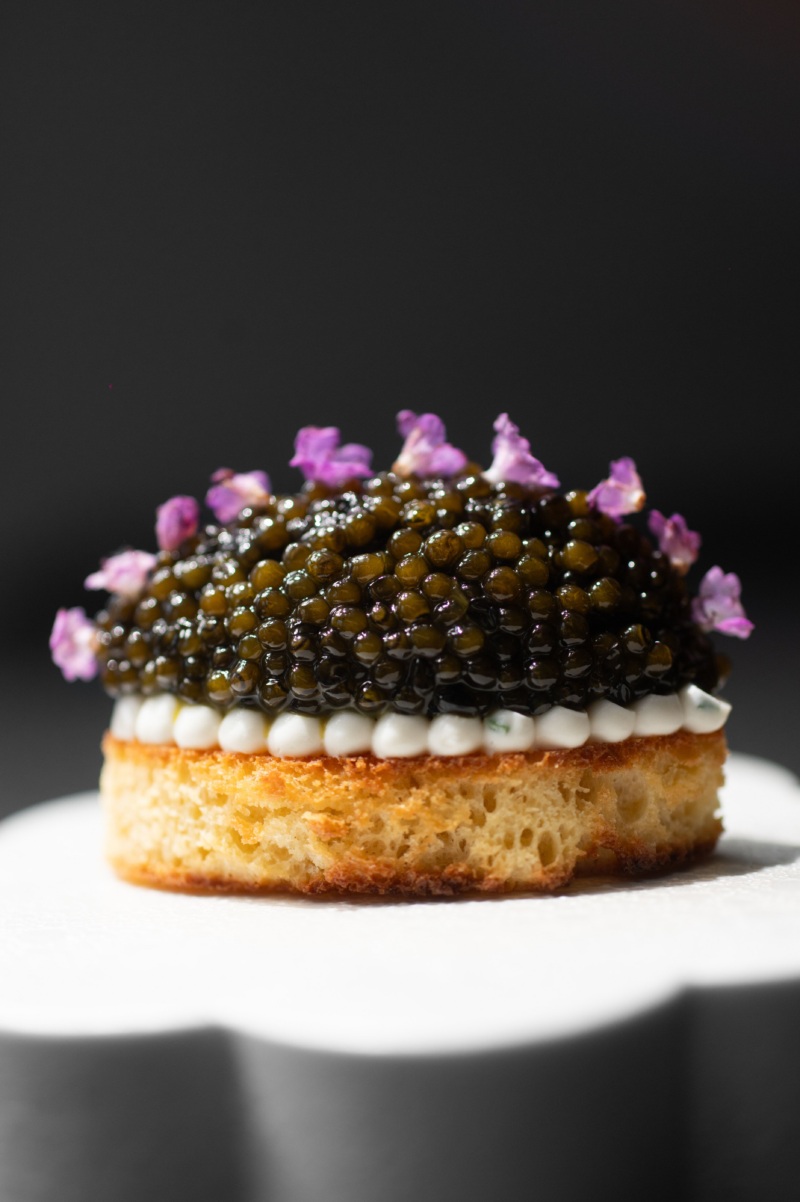
To Yuu, the caviar isn’t the only vital component of this dish. “The bread is very important,” he adds. The brioche is housemade from his own recipe with condensed milk and a generous amount of egg, richer and slightly sweeter than traditional brioche. Toasted on both sides until the exterior turns crisp while the center stays exceptionally soft, it’s topped with a cream made from sour cream, Kiri cream cheese, lime, and chives, then finished with caviar and shiso flower.
Unlike much of the tasting menu, this combination has barely changed since it first appeared. Yuu believes simplicity makes execution even more important because there’s nowhere for a mistake to hide. Its placement is just as deliberate, served before a hot course, since a warmed palate can make the fishier notes of caviar more noticeable. It’s the calm before the meal turns toward its final act.
4. Duck en Croûte
Then comes the dish Yuu calls his “name card.”
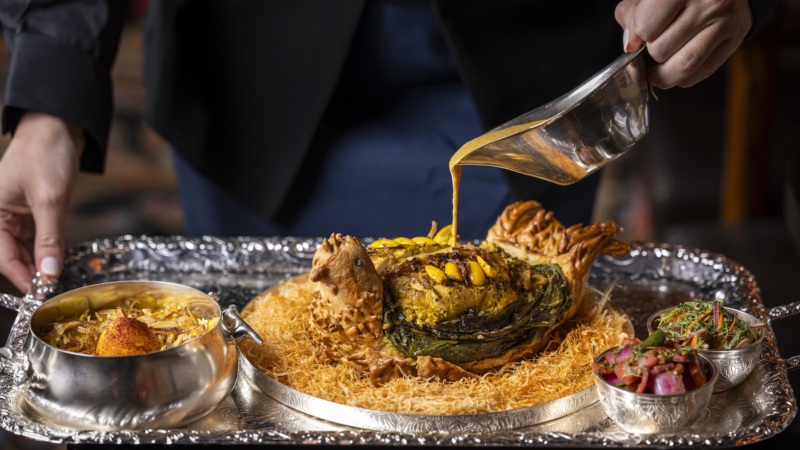
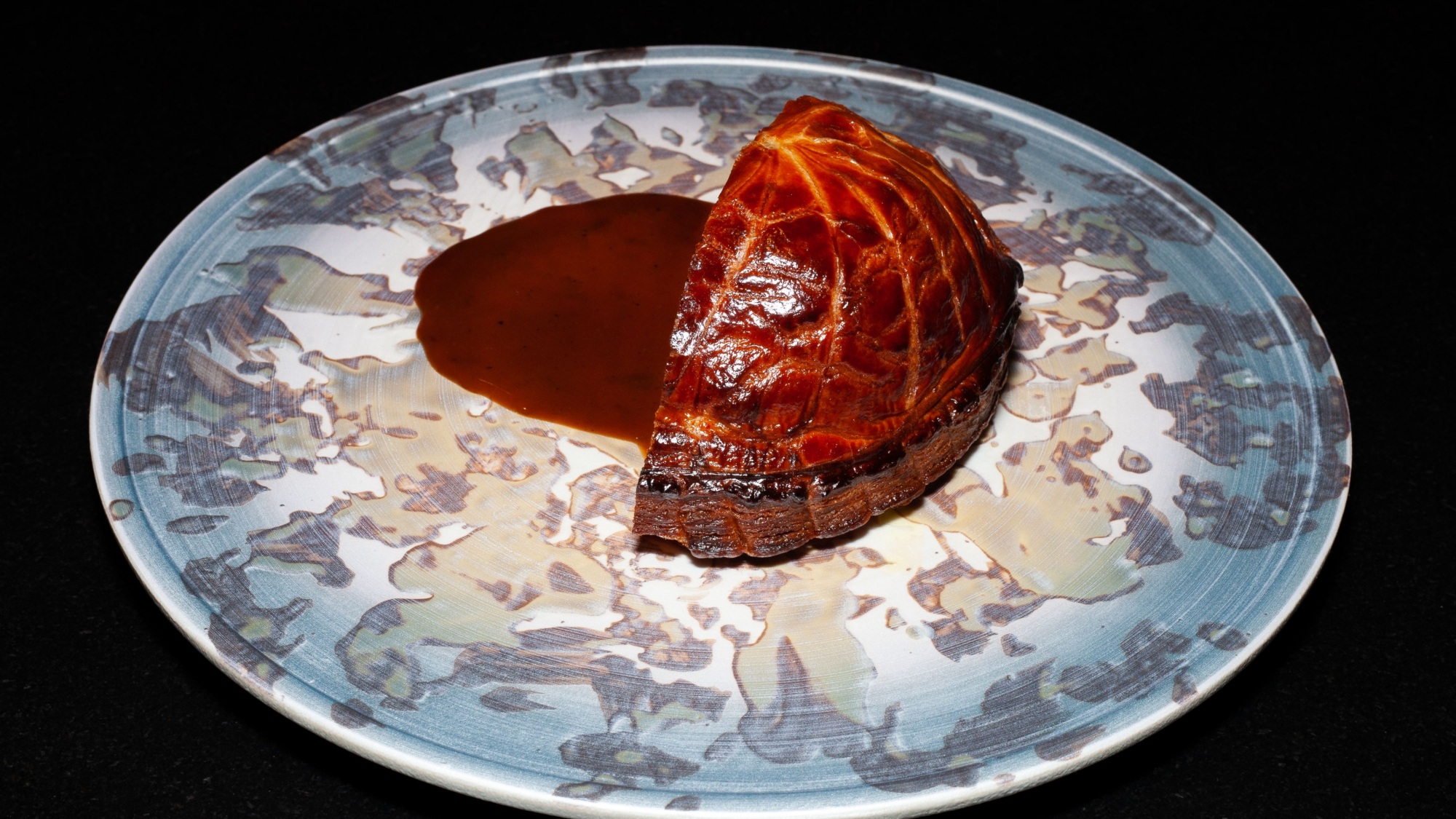
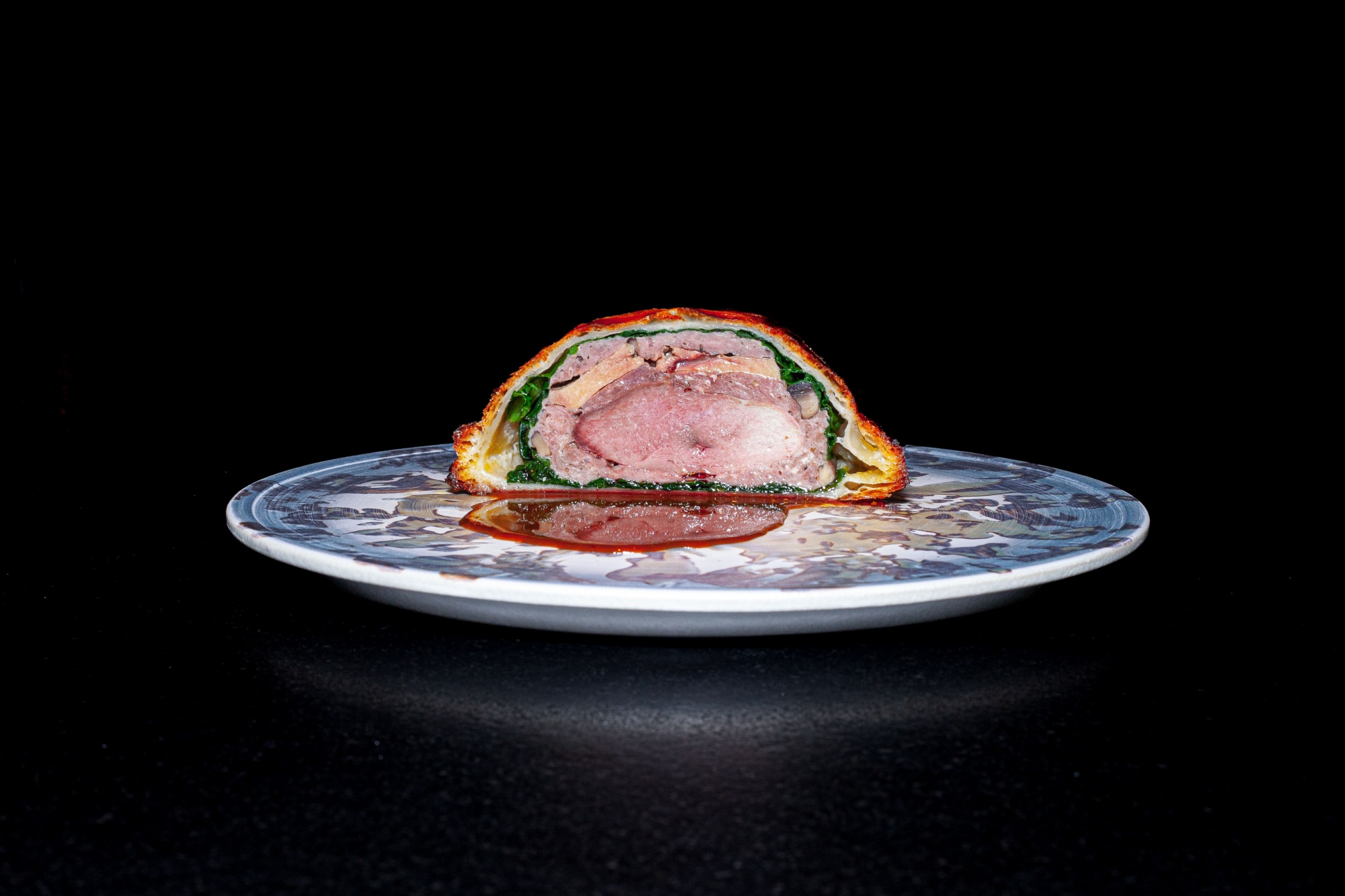
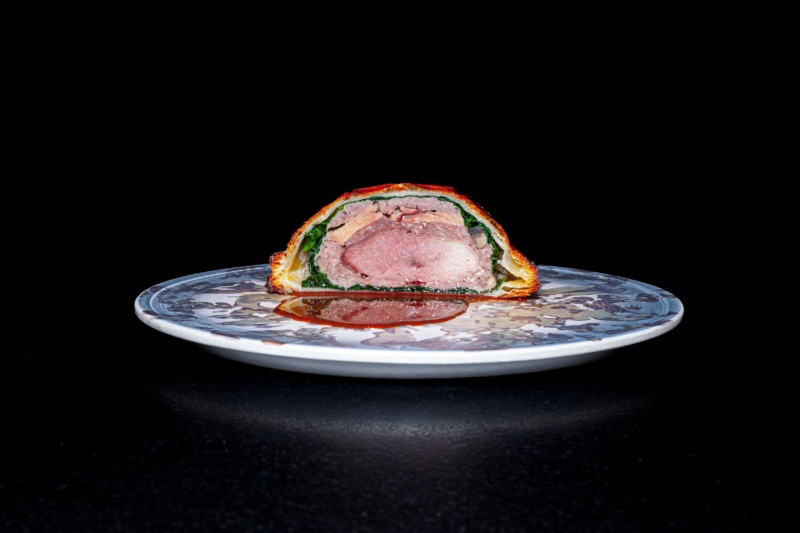
It traces back to his years in Paris under Guy Savoy, where the classical French preparations he trained on made him start contemplating what might someday become his own signature. At Restaurant Yuu, a Rohan duck from Hudson Valley is dry-aged for roughly two weeks, layered with duck leg farce, mushrooms, foie gras, and spinach, then enclosed in pastry.
Cooking it requires remarkable consistency. Yuu has a baseline oven time of exactly 33 minutes and 40 seconds.
“My magic number,” he calls it.
Even that shifts slightly depending on the moisture and condition of the duck. After it leaves the oven, the en croûte keeps cooking through residual heat before resting and finally being sliced. Since the restaurant opened, Yuu estimates his kitchen has made nearly 1,300 of them, the basic composition unchanged even as he keeps making tiny adjustments to the farce, the mushroom size, the moisture, and the timing.
Perhaps the most revealing detail is what Yuu leaves out on purpose. Asked how his Japanese background shows up in this particular dish, his answer is immediate.
“Nothing. No. Never,” he says. “This one: 100% French.”
For a chef who incorporates Japanese ingredients and elements throughout his French-style cooking, the distinction matters. With the duck en croûte, preserving classical French technique is the point.
The whole duck en croûte is brought out to the dining room before being sliced tableside, turning his signature dish into part of the theater of the restaurant. Fittingly, it arrives as the final savory course, the climax of the progression he’s been building since the first bite.
And for Yuu, that’s ultimately what the meal is about.
“A restaurant is not just food,” he says. “It’s about the whole experience.”
Restaurant Yuu is open Tuesday to Saturday with two nightly seatings at 6 p.m. and 8:30 p.m.
Ben Hon is a New York-based photographer. Follow him on Instagram. Follow Resy, too.