How Discipline and Precision Shape Emma Bengtsson’s Vision at Aquavit
Published:
In 1987, Swedish restaurateur Håkan Swahn opened Aquavit in a Midtown townhouse, introducing New York to gravlax, herring, and bracing shots of the namesake Scandinavian spirit. In a city where restaurants often have the shelf life of a ripe avocado, Aquavit not only survived but thrived, carrying the Nordic torch through a formidable run of chefs — Christer Larsson, then Marcus Samuelsson, who earned three stars from The New York Times, then Marcus Jernmark, who landed a Michelin star.
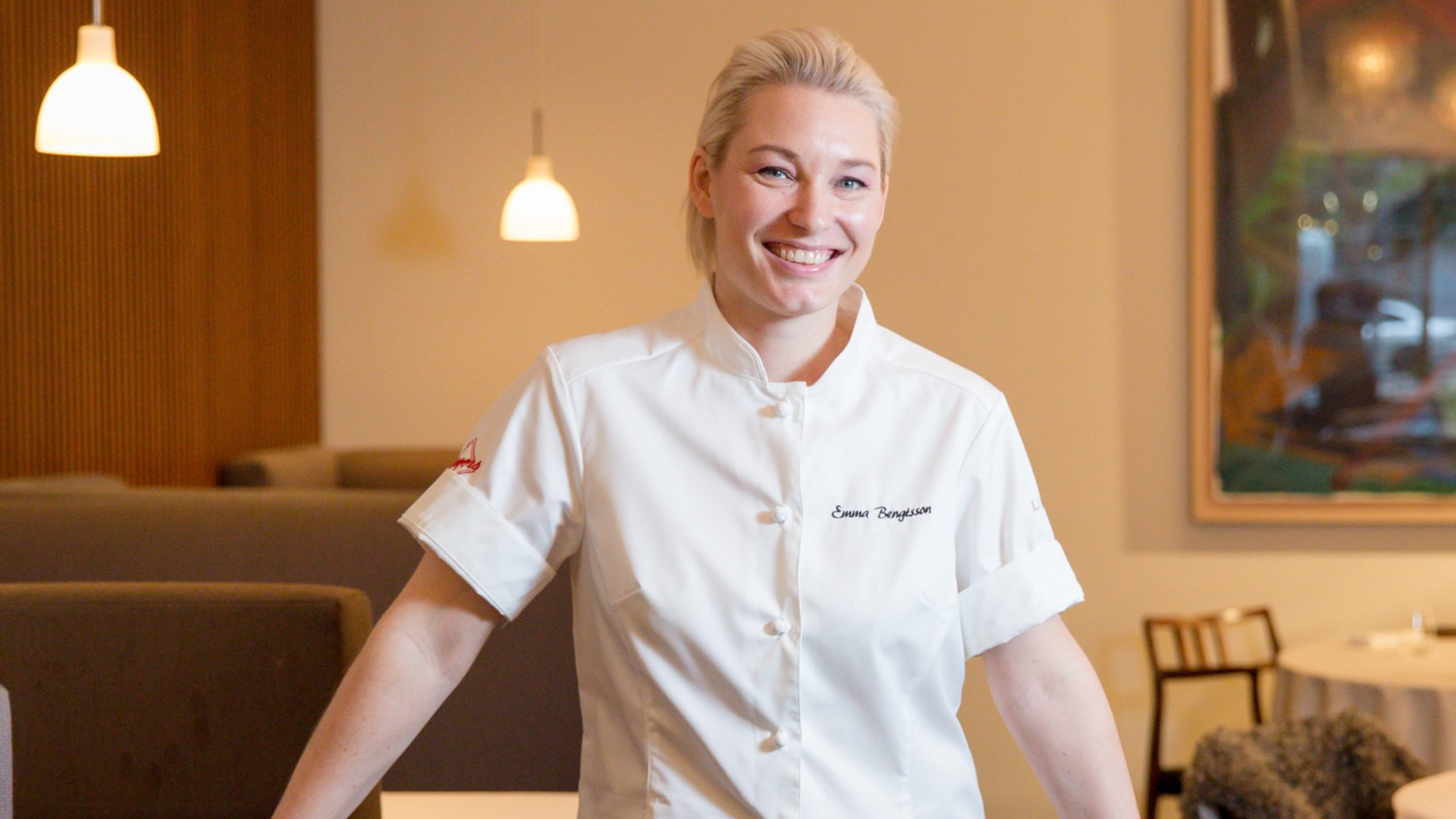
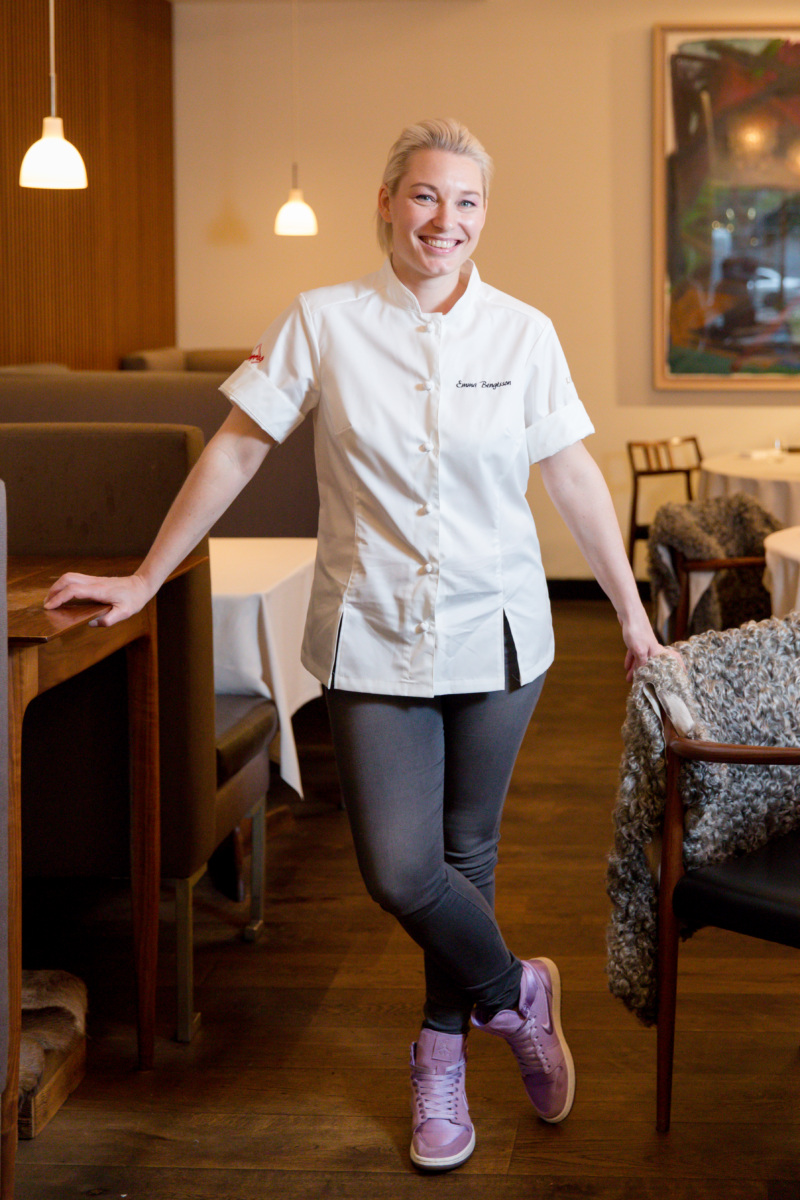
Emma Bengtsson, raised near Falkenberg on Sweden’s west coast, joined Aquavit as pastry chef in 2010 after stints at Edsbacka Krog and at Stockholm’s Operakällaren. When Jernmark exited in 2014, she stepped up to executive chef. “Aquavit is such an institution of great chefs, and I didn’t want to be the one who lost the star,” Bengtsson tells Resy. Instead, Michelin handed her a second star within months. “When I got the phone call, I really thought someone was playing a prank on me,” she recalls.
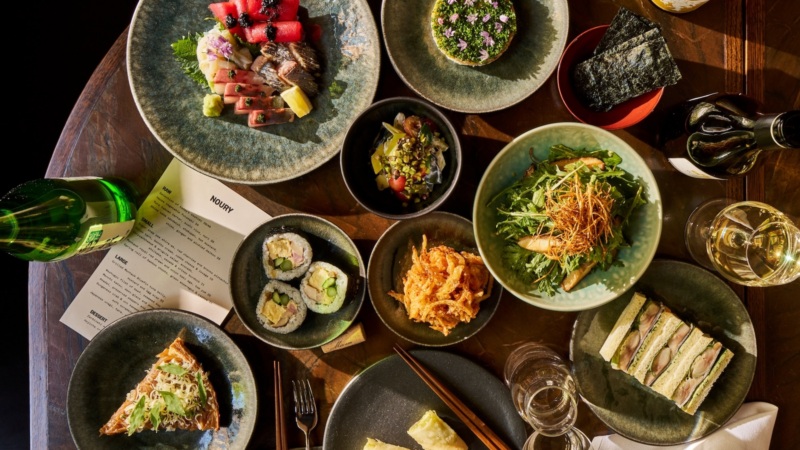
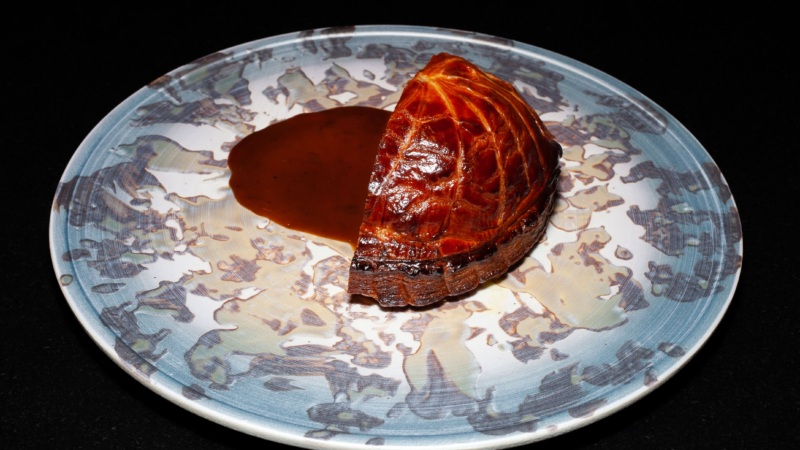
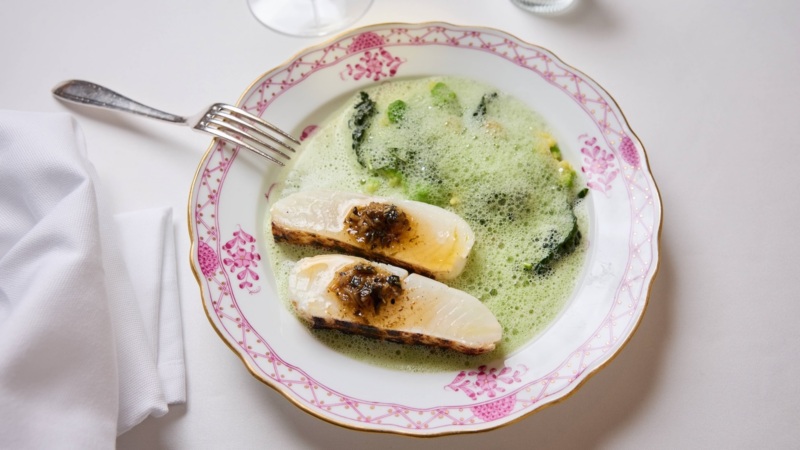
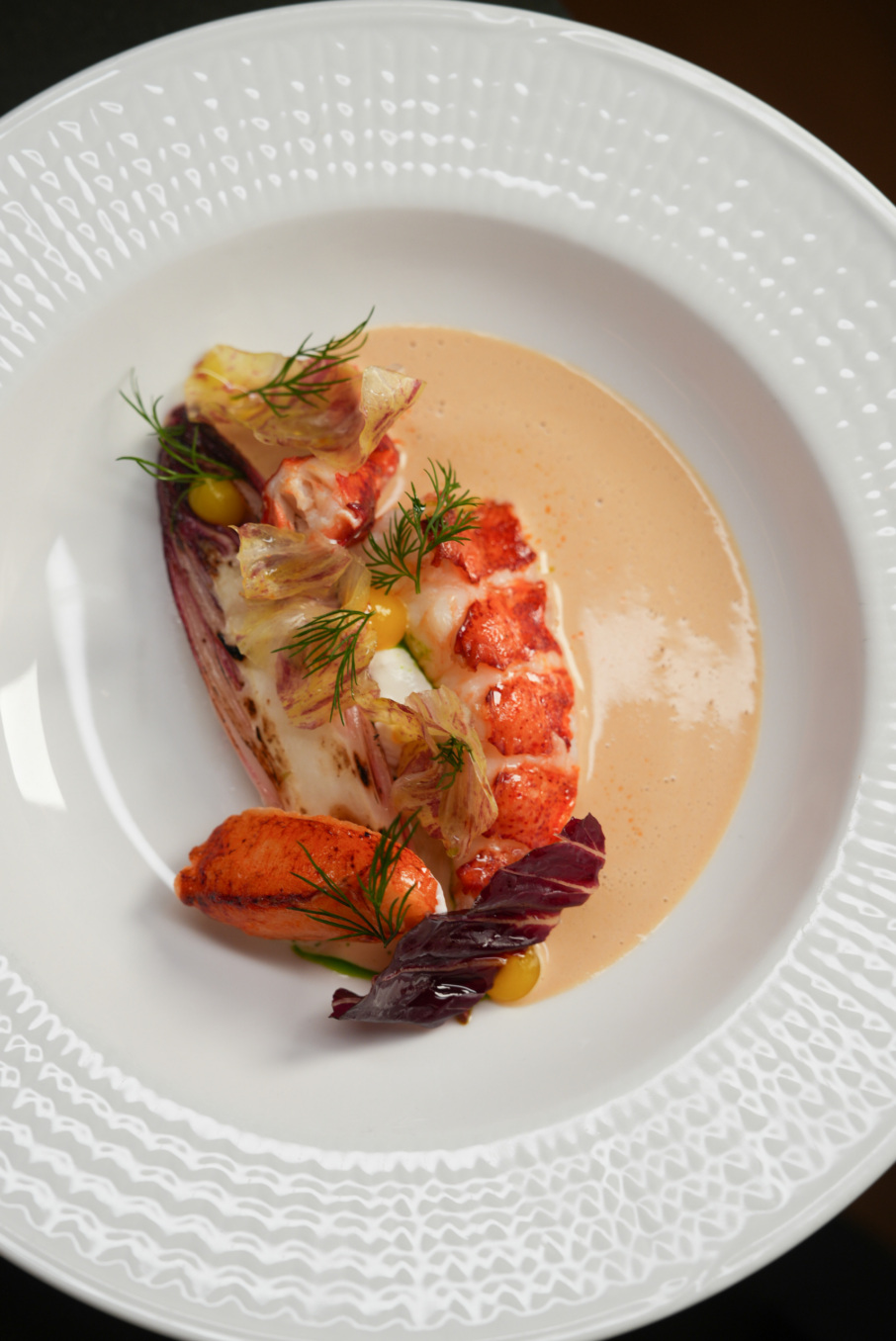
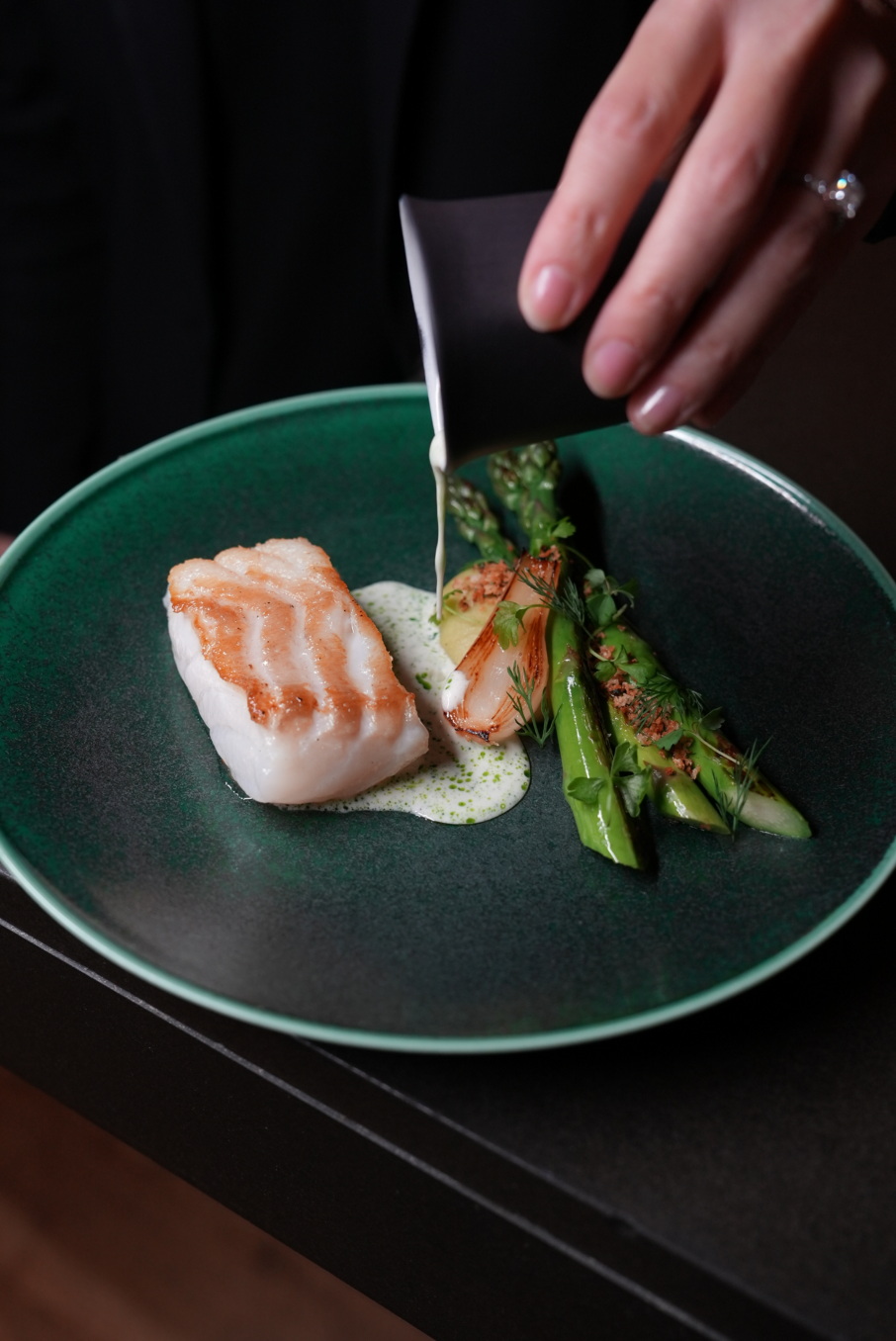
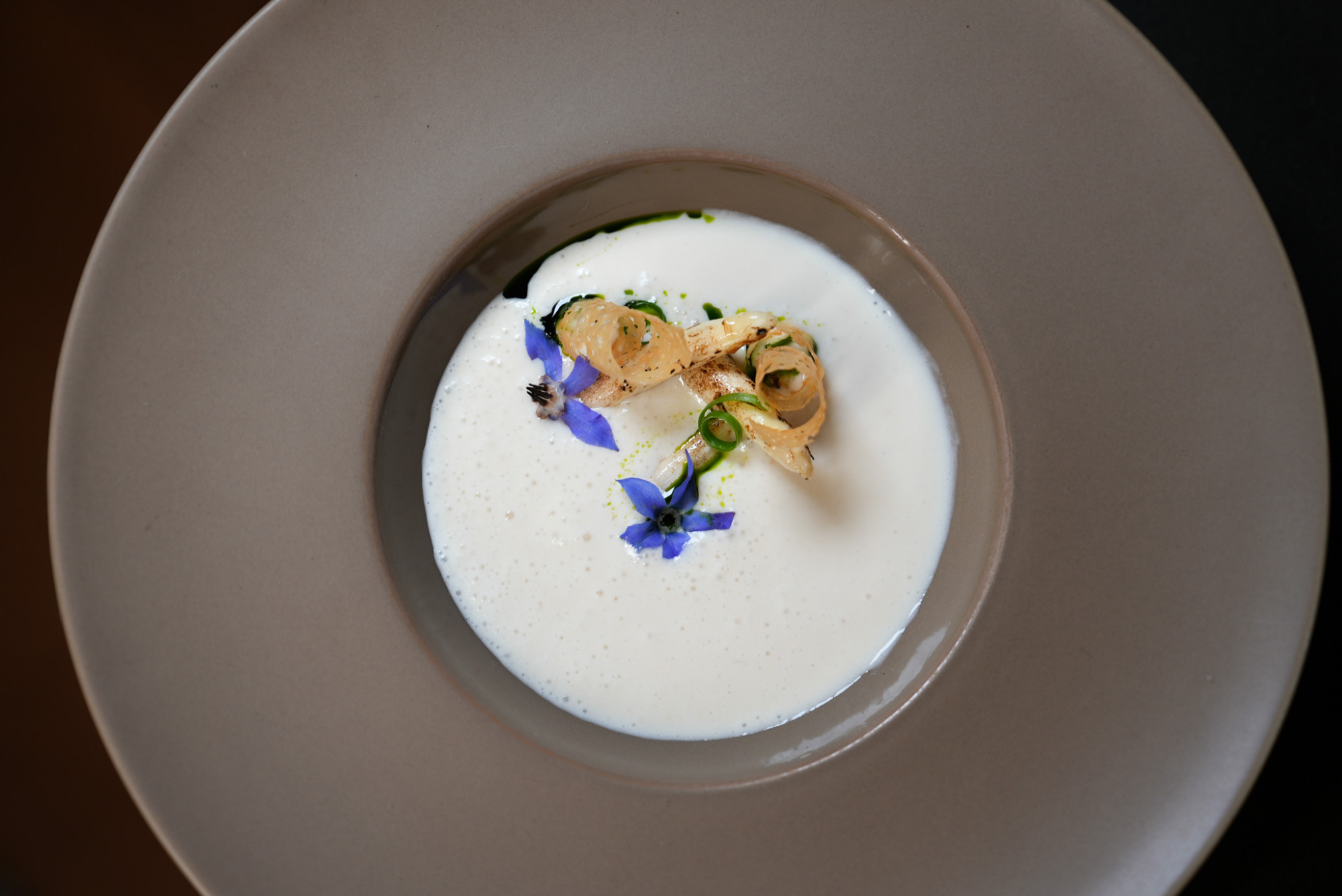
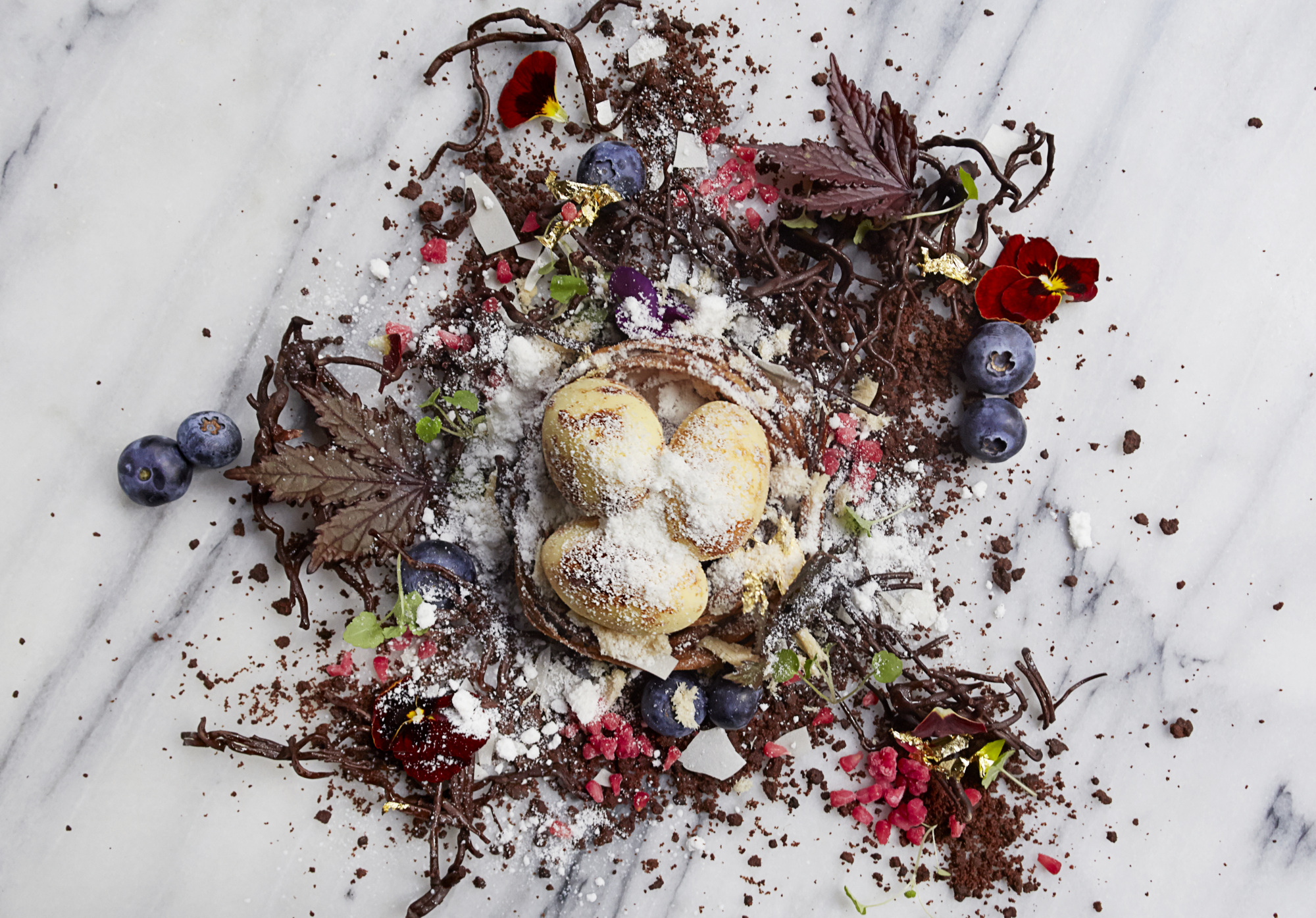
A former gymnast and equestrian now preparing to run an upcoming marathon, Bengtsson treats discipline as a chef’s first ingredient. Her pastry background shows in her famous precision — rulers and micro scales are standard kitchen equipment — but there’s plenty of play and sheer beauty in her seasonal five- and eight-course tasting menus. Halibut turns up with salt-baked celeriac and smoked-whey beurre blanc; kombu-brined yellowtail sparkles beside watermelon granita; a savory cheesecake with sourdough crisp might sneak in as a pre-dessert. The grand finale is usually her signature Arctic Bird’s Nest — goat-cheese parfait “eggs” cradling sea-buckthorn yolks.
Recently, we caught up with Bengtsson to talk about women in fine dining, how she constructs tasting menus, and discipline.
Note: This interview has been edited for length and clarity.
Tock Tips
Aquavit
-
Why We Like It
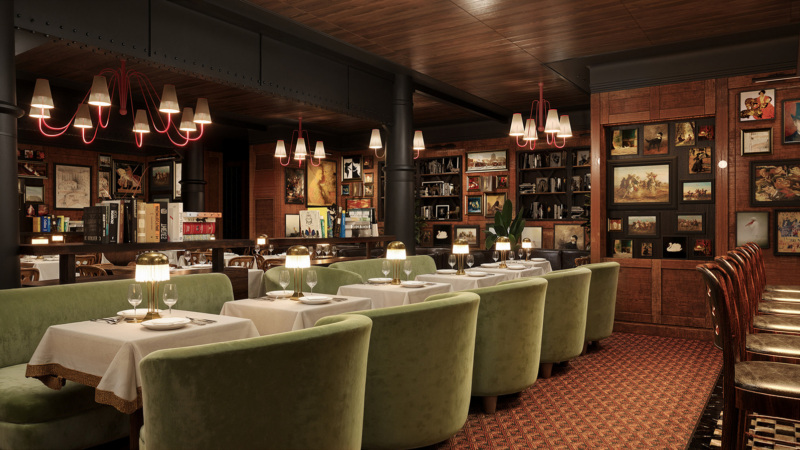
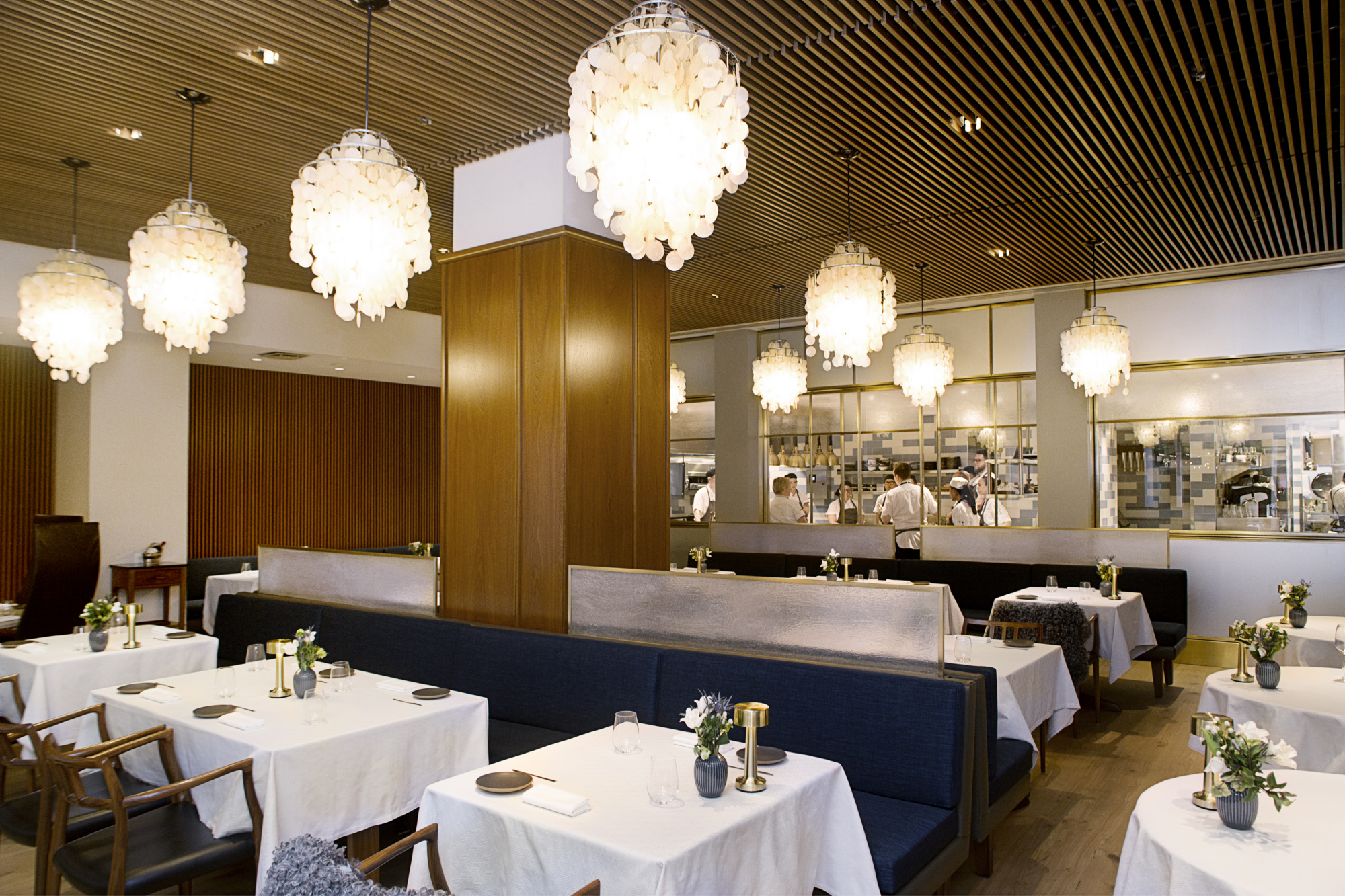
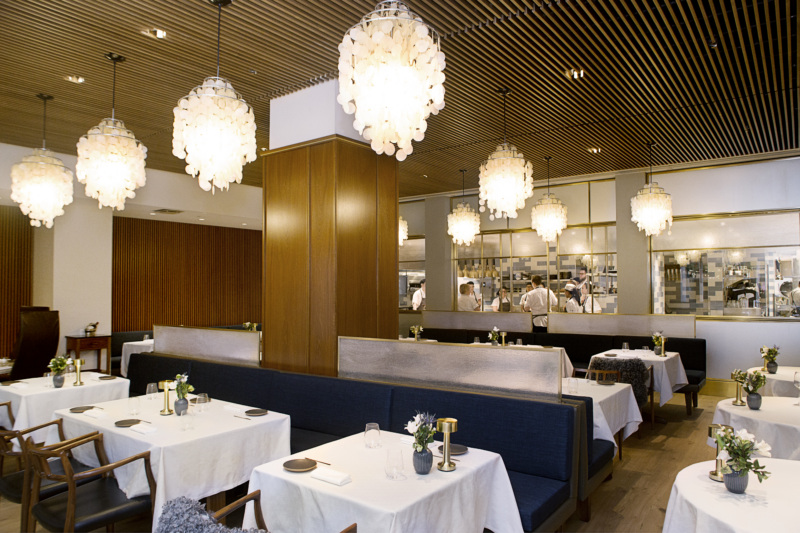
The sleek, wood-accented Scandinavian dining room sets the stage for Emma Bengtsson’s precise, elegant cooking, rooted in Nordic ingredients and techniques like curing and smoking, but with plenty of play and visual flair. -
Essential Dishes
Bengtsson’s Arctic Bird’s Nest dessert is the showstopper: goat-cheese parfait “eggs” with sea-buckthorn yolks. On the bar menu, Swedish meatballs remain an Aquavit classic. -
Must-Order Drinks
Start with aquavit, naturally, either straight or infused with anything from horseradish to lingonberry. For the curious, aquavit flights are also available.
-
Who and What It’s For
Celebrations, polished business meals, indulgent tasting-menu nights, and exploring Scandinavian cooking beyond the gravlax cliché. -
How to Get In
Reservations are released on the first of the month. -
Pro Tip
Aquavit offers both shorter and longer tasting-menu formats. And in the grand tradition of Michelin-starred restaurants, the restaurant serves a five-course lunch menu at a somewhat gentler price.
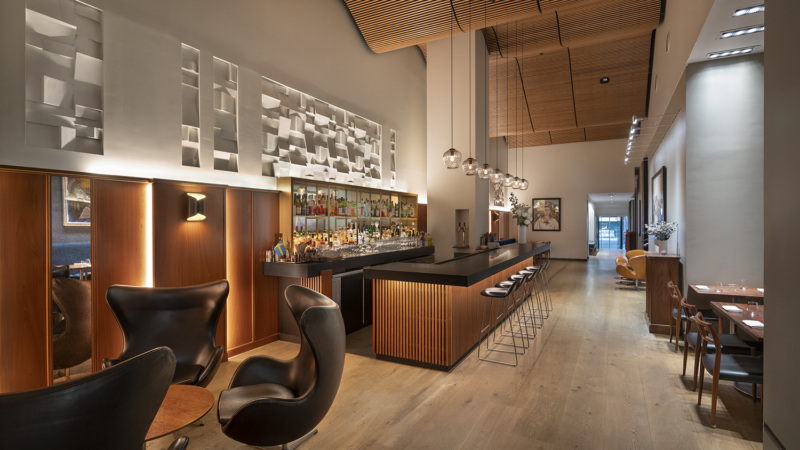
Photo courtesy of Aquavit
Resy: Tomorrow is the anniversary of your arrival in New York in 2010. What was it like?
Bengtsson: I always loved travel. It’s probably my second passion in life — to travel and experience the world. So, moving to a new country wasn’t something I was scared of. But for the first six months at Aquavit, I didn’t really have any days off. I was constantly at the restaurant, and if I wasn’t there, I was either sleeping, cleaning, or doing laundry. I immersed myself in my work 100%.
You grew up in a small village on Sweden’s west coast. What were your family meals like?
I’ve come to realize later in life that I have a very different memory of it than my mom does. I always believed that I loved sitting down, eating, and enjoying all the food — until she told me that was not true at all. Apparently, I would never sit at the table. My childhood consisted of grabbing a sandwich on the go, and then I was either off to the [horse] stables or playing.
So how did you become a chef?
I was a really picky eater, and very bad at sitting still. ADHD and school didn’t coexist very well for me. The first class in school that I was actually really good at was cooking. In Sweden, you start culinary classes at around 13, I think. That’s when I began realizing that I was really good at it and loved doing it. I think it came from there.
Is there something from your childhood that you’ve brought onto the menu?
My grandmother’s chocolate cake is always on the menu. But more importantly, I think what every chef carries from their grandmother is the love and precision they put into the work — spending days and hours in the kitchen just to prepare the perfect meal for the family. I think that’s what we all, on the inside, really want: to create something memorable and special for the guests who come in.
Anything from Sweden you still miss?
Ingredient-wise, I always miss the dairy products. For some reason, it doesn’t matter how much you pay or what farm you find it from in America — it’s just not the same to me as Swedish butter or Swedish cream.
What surprised you about working at Aquavit after Sweden? It was Swedish, but also very New York.
What I struggled with most was the staffing system. In Sweden, no matter what position you have, you learn to do everything. Here, if you were hired to do coffee service, you just did coffee service. If you were a runner, you ran plates.
That was confusing to me, and it’s something I’ve worked hard to change. I think there’s a better balance when everyone chips in as a team — including in the kitchen, with cross-training between pastry and savory.
Aquavit is more than 40 years old. What makes it such a survivor, besides being good?
The consistency has to be there, and also the evolution. There are obviously older restaurants, like steakhouses, that can get away with serving the same menu because that’s the niche. But serving Nordic or Swedish cuisine in New York, you have to keep up with what’s happening in Sweden, and constantly progress and move your menu forward. I don’t think we would have lasted as long as we have otherwise.
How do you do that?
I try not to leave behind the roots and the heritage of where everything comes from, and to apply very old techniques to newer preparations.
So if we have, for example, gravlax, I like to figure out new and fun ways of taking those techniques and maybe applying them to other seafood, or thinking about how I can make that course more modern by plating it differently.
You wanted to be a pilot, considered a military career, and did serious equestrian training. Do you feel like that discipline carries over into the competitive world of fine dining?
Yes, definitely. I think it’s something most chefs have in them, or we wouldn’t be able to do our 15-hour days and constantly keep pushing forward. You have to have persistence, stubbornness, [and] grit.
I think that was one of the reasons I first gravitated toward pastry: Pastry is even further along that spectrum of discipline. You have to follow your recipes. If you don’t do something five days out, it’s not happening. The planning and consistency are very much in line with a lot of the things I’ve done in my life.
Cooking, though, is the only “sport” that is more of a team situation for me than everything else I’ve chosen to do. Throughout the years, I’ve understood the power of teamwork more than anything.
Beyond discipline, what do you carry from pastry into your savory dishes?
I would definitely say presentation. I have a bit of a tendency to overcomplicate my presentations sometimes. [Laughs.] My savory kitchen is very much run the way you would run a pastry department. Everything that goes onto my plates gets measured. There’s always a ruler in everyone’s kit. There’s a micro scale. Every recipe is down to the T. There’s no room for error.
You were the second woman in the United States to earn two Michelin stars. There are still very few women at the highest end of fine dining. Is this changing?
I’d like to say that it’s changing — maybe it is. But I think we’ve become too focused on asking, “Why aren’t we seeing more women?” rather than asking, “Why aren’t we seeing more women?”
Not everyone wants to cook in fine dining. A lot of people are extremely happy cooking gorgeous, amazing food at great establishments. Just because it’s fine dining doesn’t mean it’s better, higher, or more important than other restaurants.
I see a lot of female chefs doing great work, just maybe not in the environment I’m in. They’re there, but often they’re simply less visible. I always say that women aren’t necessarily the ones who punch themselves on the chest and roar: “See us.” We’re often more quietly working toward our goals without drawing a lot of attention to ourselves.
When I meet female chefs who don’t want to be in the limelight, I understand that. But I also think it’s important for some of us to be visible, so the younger generation can see that this path is possible, too.
Fine dining can be hugely expensive, requires enormous labor, and caters to a diner with a lot of money. Why do you think it survives?
I don’t believe it will ever go away. There’s always room for — maybe it’s wrong to say “higher culture” — but you can go to the opera and have one kind of experience, or go to your local pub and listen to a band. They’re both great, but totally different.
If you go to the opera, those singers have dedicated an enormous number of hours to what they do. There’s a whole production behind it. So much goes into creating that experience, and naturally you have to pay for it.
Fine dining, in my opinion, is becoming a little less about just the food and more about the overall feeling of the guest who walks through the door.
How essential do you think tasting menus are to a fine-dining experience?
I don’t think tasting menus are the only way to go, but they are a consistent way for a chef to create something at a very high level every single night. If you have a large [à la carte] menu and don’t know what people are going to choose that night, it becomes harder to produce everything perfectly. And what are you going to do at the end of the night? Throw the rest of the food out?
With a tasting menu, you know how many guests are coming in, and you can produce at the highest level without creating all that waste.
How have tasting menus evolved at Aquavit since you came in?
Our tasting menu has gone through a couple of different seasons and curves. We’ve gone from really long tasting menus to much shorter versions. The longest was maybe 14 or 15 courses.
I think that’s something that’s changing. Not everyone wants to sit for three and a half hours eating 18 courses anymore. So, what we have now is a bit of a hybrid: you can choose a shorter menu, or you can go for a longer one.
When you construct a dish, what’s your point of inspiration?
Seasons are the biggest driver. Knowing which vegetables are coming into season is what I work around more than anything. I also don’t want to overcrowd the plate.
So if I’m highlighting squash or zucchini, I try to keep most of the components driven by that ingredient. Right now, for example, we have a pork dish on the shorter menu with grilled zucchini purée, confit baby zucchini, raw pattypans, and grilled Squashini. Everything revolves around squash season.
I read somewhere that you were inspired by something in fashion.
Yes, I did a dessert once that was inspired by a dress I saw in a store. It was a purple gala dress I saw on Fifth Avenue on my way home at the end of the night. Out of that came a black currant mousse with different kinds of meringues that were white and torched black. They were kind of meant to symbolize the flow of the dress.
And how do you construct a long tasting menu?
I have a set formula. There’s already an algorithm for the progression: raw seafood, cooked seafood, shellfish, caviar, cooked fish, meat course, pre-dessert, dessert.
So everything is already kind of structured. Then I decide what protein I want to work with for the season, and which vegetable or ingredient feels appropriate with it. The creative process starts after that — trying to get everything to fit together.
Let’s talk about your legendary Arctic Bird’s Nest dessert, which seems to always be on the menu.
When I first came on board, it was a different dessert called Arctic Circle, which I felt looked very outdated. But it was such a big seller, I couldn’t remove it. So, I started redesigning it. It took almost three years.
The idea is for it to resemble a nest in the Arctic forest. There’s blueberry sorbet, a honey tuile, and goat cheese parfait eggs with a sea buckthorn yolk. They’re dipped in chocolate, and then my grandmother’s chocolate cake is dehydrated and scattered underneath as the soil, the foundation. Then there are chocolate twigs, halva that resembles feathers, blueberries, raspberries, greenery, edible flowers, and gold leaf to resemble the black crows that would steal people’s jewelry.
And then we finish it with yogurt snow, because when the eggs are laid in northern Sweden, it’s still snowing.
You became Aquavit’s executive chef in 2014, and the restaurant was awarded its second Michelin star in 2015. Did it bring new pressures?
I think any chef would say yes — it definitely adds more pressure. I worked really, really hard for those six months to redevelop the menu and make it my own.
My biggest concern was not losing the one star we already had. Aquavit is such an institution of great chefs, I didn’t want to be the chef in its history who lost the star. So, it was a very, very intense start. And when they called me about the two stars, I really thought someone was playing a prank on me. It took me a couple of days for it to really settle in that it had happened.
Do you remember a couple of dishes from the menu that got you those stars?
Oh, yes. There was a version of the salmon I spoke about earlier — the gravlax. It was turned into more of a cake-looking thing.
But looking back now, I realize how far I’ve come in developing and moving forward. It looks like ages ago — which it probably is.
You wouldn’t put those dishes on the menu now?
No. I don’t think so. They’re just not me anymore. I’ve moved forward in my journey.
In what direction? More minimalist?
No, not exactly. It’s almost like thinking about how your clothes change — how you dressed when you were 18 versus how you dress when you’re 35 or 45. I feel like my plating is a little more mature now.
I hear you’re running a marathon on top of everything else.
Yes — because I don’t have enough to do. [Laughs.]
Aquavit is open for lunch from Monday to Friday, and for dinner from Monday to Saturday.
Anya von Bremzen is a James Beard Award-winning book author and journalist based in Jackson Heights, N.Y. Her latest book, “National Dish,” was published in 2023. Follow her on Instagram. Follow Resy, too.