Five Iconic Dishes from N/Naka, L.A.’s Game-Changing Modern Kaiseki Experience
Published:
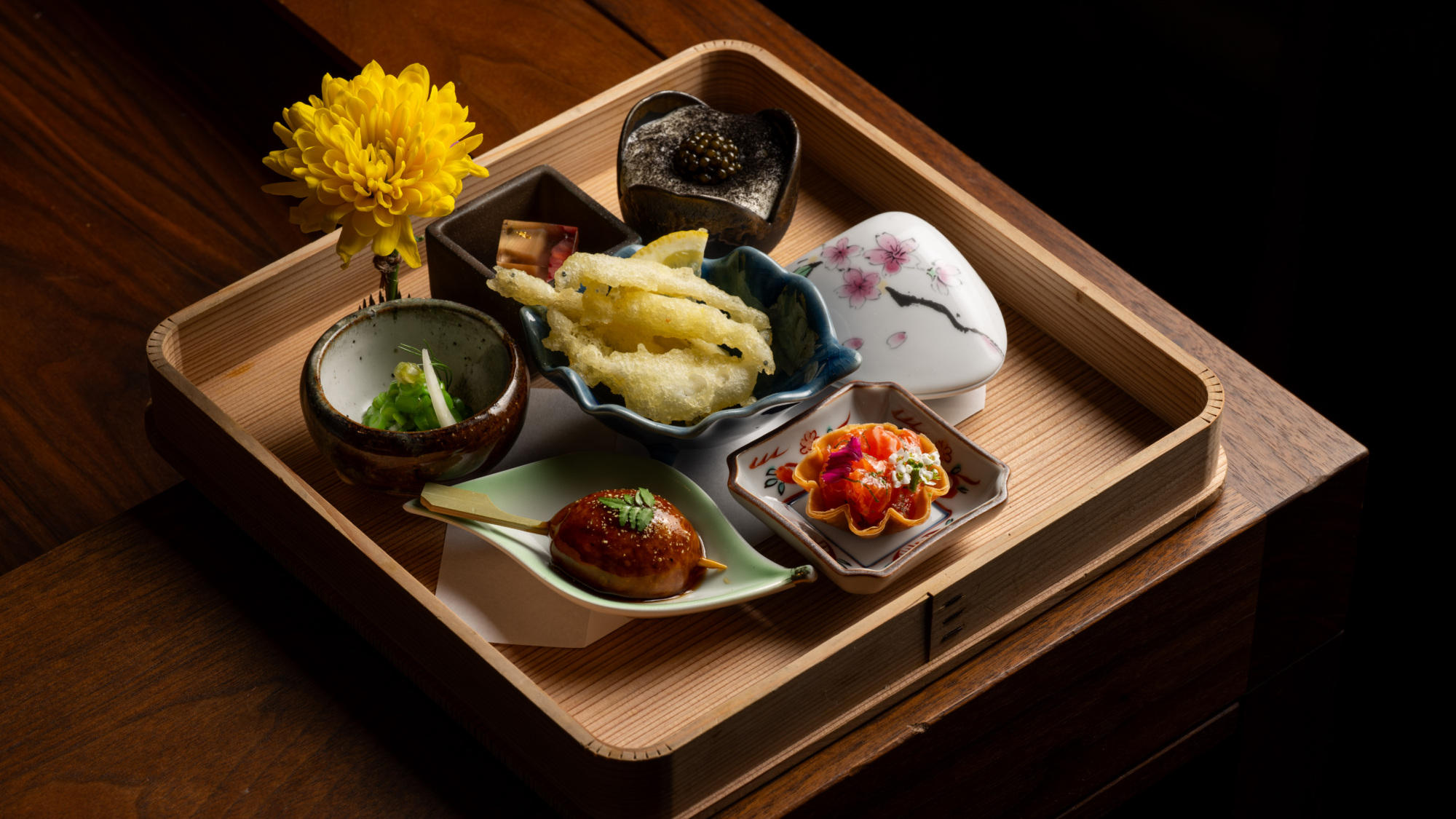
In 2011, Niki Nakayama had no idea how, or even if, Angelenos would understand or embrace the seasonal Japanese multi-course meal known as kaiseki. That year, the Japanese American chef and L.A. native opened n/naka in Palms after closing her first independent restaurant, Azami Sushi Cafe, which served a more familiar mix of nigiri, maki, and cooked dishes like tempura and teriyaki. “People were trying to grasp the concept of what we were doing because it was not a regular tasting menu or omakase-style sushi,” she says. “There weren’t a lot of words to describe this back then.”
Before opening Azami, Nakayama attended culinary school in Pasadena, pursued formal training in Japan, and worked under the tutelage of Takao Izumida, the namesake sushi chef behind Takao in Brentwood. At the time, she didn’t feel like there was a path as an up-and-coming female chef interested in specializing in a more formal cooking style like kaiseki in the United States. The chef’s first restaurant, in many ways, offered her younger self the opportunity to learn and grow. “I felt like a salmon swimming upstream — everything was against me,” Nakayama says, but the experience strengthened her resolve to build a successful, sustainable business with long-term potential.
By the time Nakayama opened n/naka with her now-wife and co-owner, Carole Iida-Nakayama, she had developed her own culinary point of view. Eventually, diners and critics alike took notice, as well as the showrunners behind Netflix’s “Chef’s Table,” who featured Nakayama and the restaurant in the award-winning documentary series’ first season in the spring of 2015. In the decade since, dozens of national awards and accolades have followed, including starred recognition from the Michelin Guide and multiple James Beard Awards nominations. These days, n/naka is near-universally regarded as one of the best fine-dining experiences in Los Angeles.
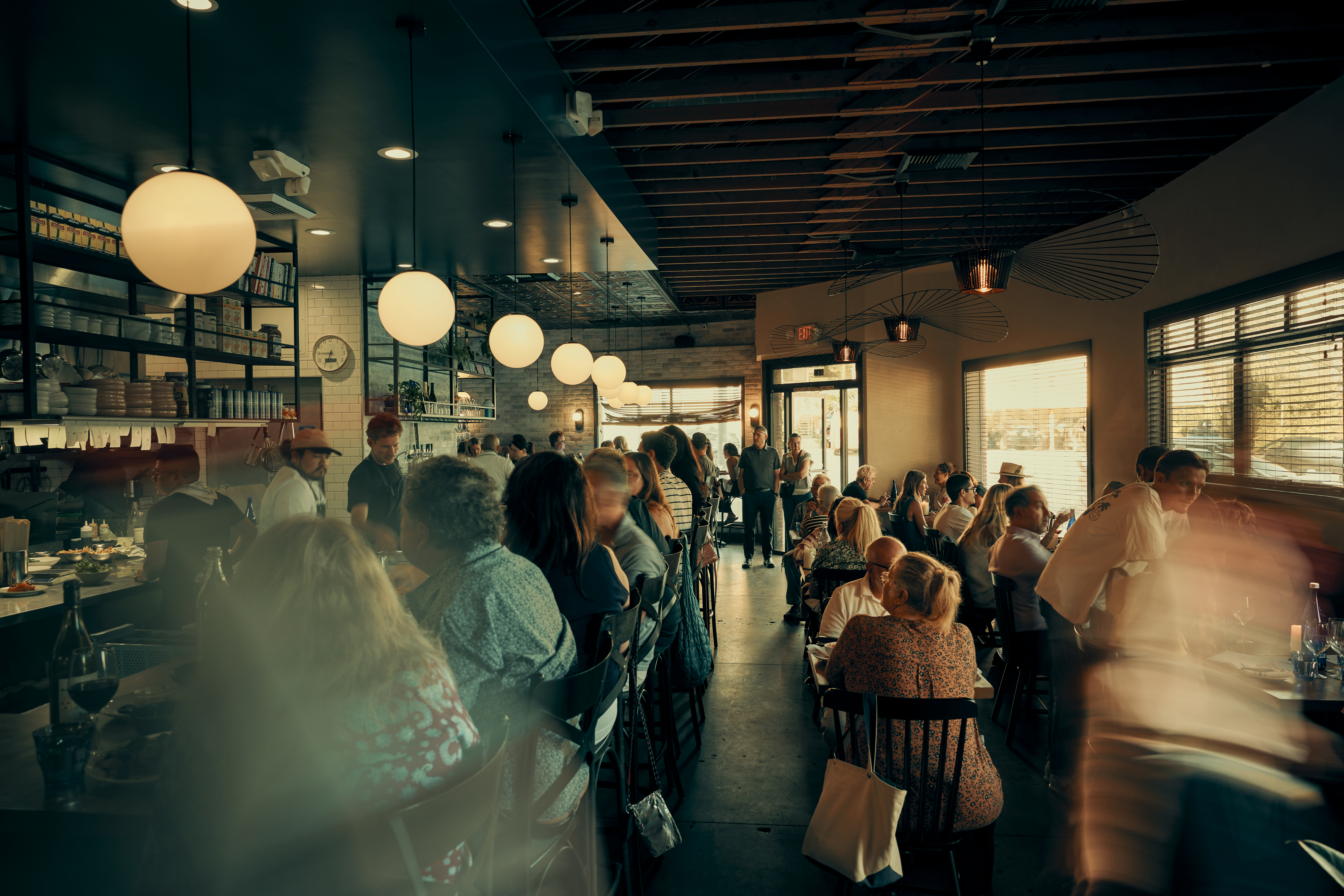
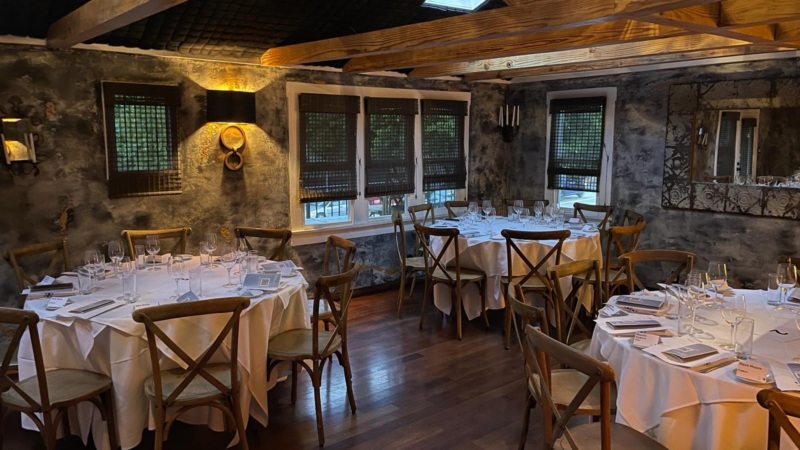
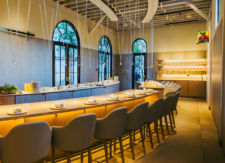
A decade and a half since opening, reservations — which drop every Sunday morning on Tock — still regularly sell out within minutes, if not seconds, of being released. After being greeted outside by a member of the staff, diners make their way through the curved tobi-ishi-style stone path, a thoughtful feature added during a major interior design renovation in 2024. Minimalist dark grays and the soft, rounded edges of the handmade walnut furniture add to the dining room’s calm, restorative atmosphere. It’s the perfect setting for the 13-course, three-hour meal, full of evocative sights, smells, and flavors that showcase Nakayama’s uniquely L.A. mix of California seasonality and Japanese culinary tradition.
Earlier this year, in honor of the restaurant’s 15th anniversary, Nakayama and Iida-Nakayama laid plans for a special commemorative menu that revisits and improves upon dishes from n/naka’s earliest days. The pair also received the greenlight from a publisher to work on a restaurant cookbook. “After getting through this 15 year hump, there’s a desire to have fun and do all the things I’ve always wanted to do,” Nakayama says. “The goal is just to really feel joy.” Here’s a brief look at the origin stories behind n/naka’s most iconic courses, both past and present, in the chef’s own words.
MORE FROM RESY

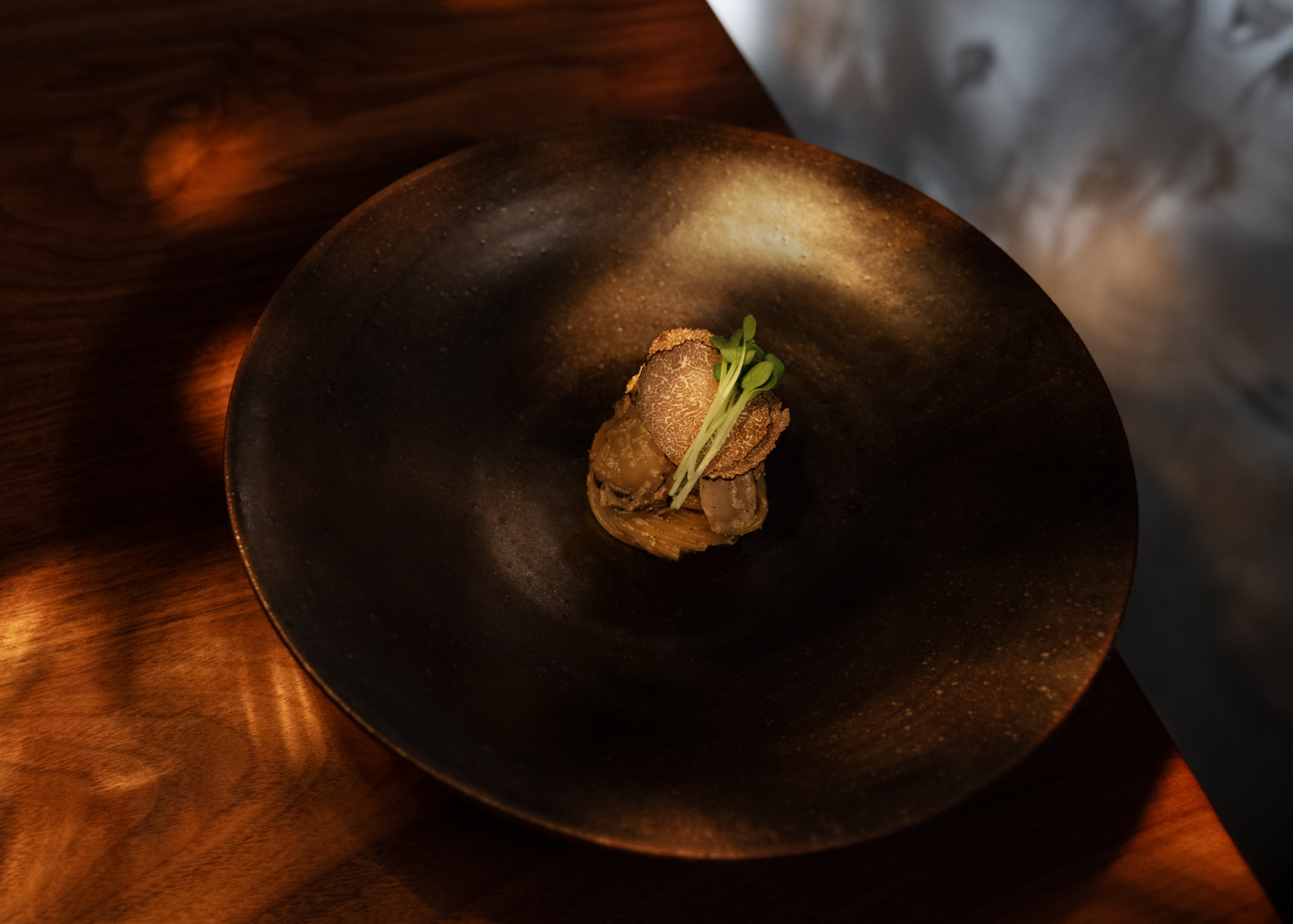
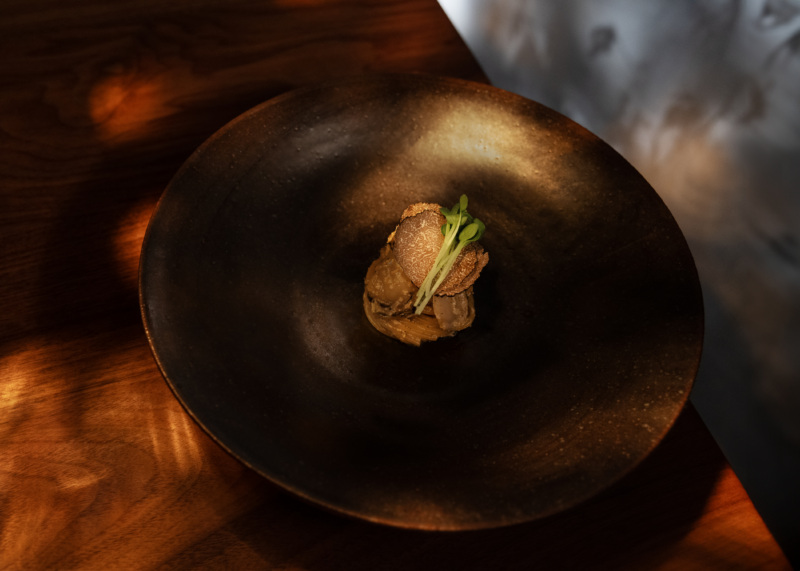
Abalone Pasta
“The funny thing about the abalone pasta is that I originally came up with [this] sauce at [Azami Sushi Cafe]. Originally, I paired the liver sauce not with abalone or pasta, but persimmons. When I was finally able to open n/naka, I put it on the menu from the get-go. It wasn’t supposed to be the signature dish. No one expects to eat pasta at a Japanese restaurant. We’ve had it since and I’ve tried to introduce other types of pasta, but it’s hard to take away the abalone pasta. People just love it so much. Throughout the years of cooking it, Carole has imparted [to the staff] these skills attached to it, and it’s just gotten better and better.
“The abalone is sustainably sourced from Monterey Bay, plus a few local farms in San Diego, too. The liver part we make into an aioli-carbonara base. There’s mentaiko, which adds this unctuous, almost cheese-like feeling to it. It’s cooked up with ponzu, soy sauce, garlic and a bit of onion. Simple, very simple… but very impactful.”
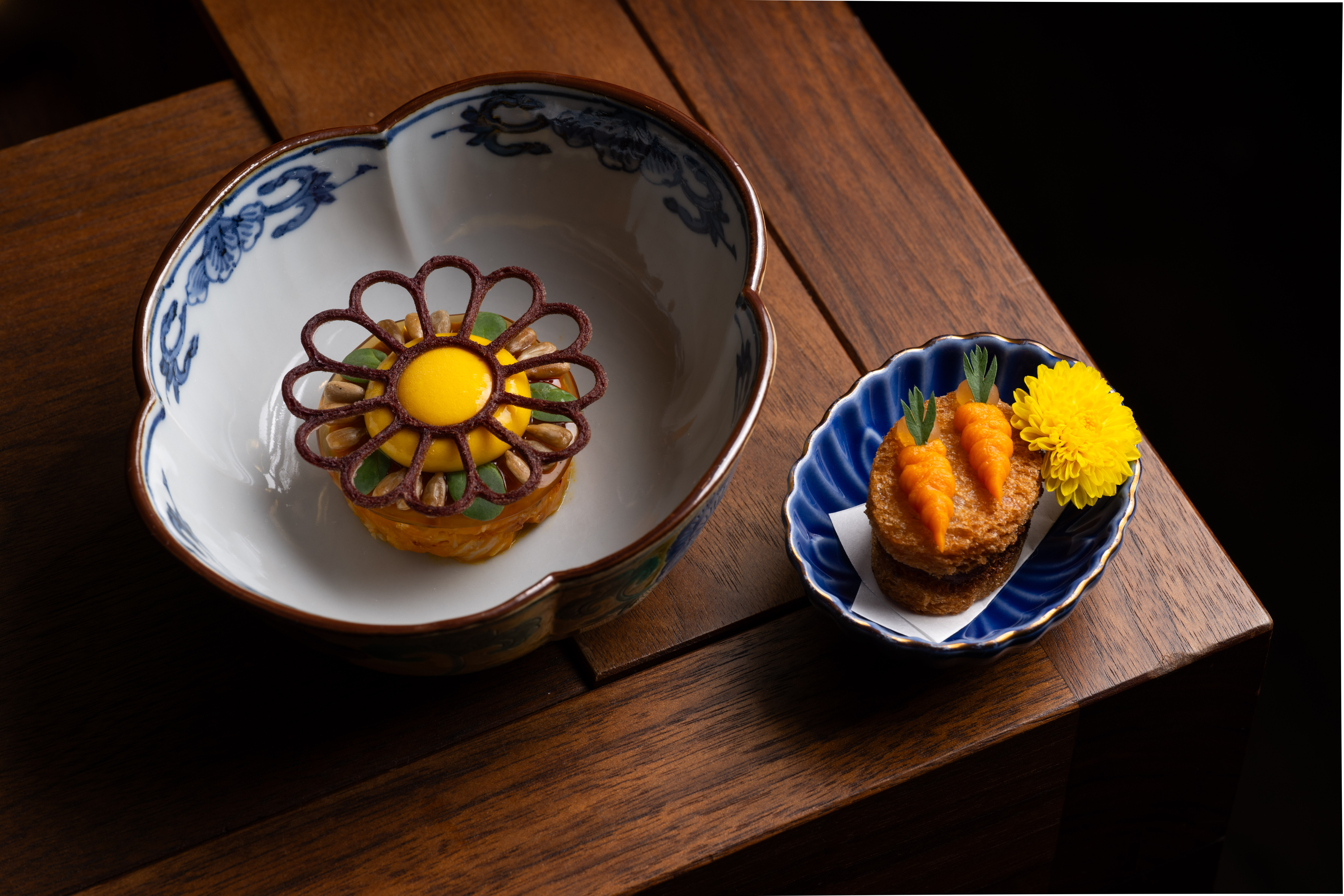
Carrot Drop
Note: This dish was featured on n/naka’s spring and early summer menu, but has since been transitioned off in favor of another early n/naka dish with a twist.
“When I started n/naka, it was the height of molecular gastronomy. Initially, I was like, ‘Oh my God, [the original carrot drop dish] is not good.’ It was short-lived and good to learn about. Then, when we were planning this 15-year anniversary dinner, I thought, ‘Let’s do that one.’ I hadn’t finished the story of this dish. Now, I could do it again with all the things I’ve learned along the way.
“The version [in early July] was the best way we could present it. The original just had the carrot drop with caviar. This new version had cooked spiny lobster. We did roasted carrot paste and we added a tosazu vinegar gelatin that goes on top, plus sunflower seeds for texture and flavor. The carrot drop sits in the middle and we used the leftover parts of the carrot to make a tuile. Finally, we turned the other parts of the lobster into a mousse (shinjo) and created a lobster toast. Everything’s built on another concept. That’s why I have such a hard time writing recipes. I like to explore things that I’ve done right at this particular moment, so it’s never ever really the same.”
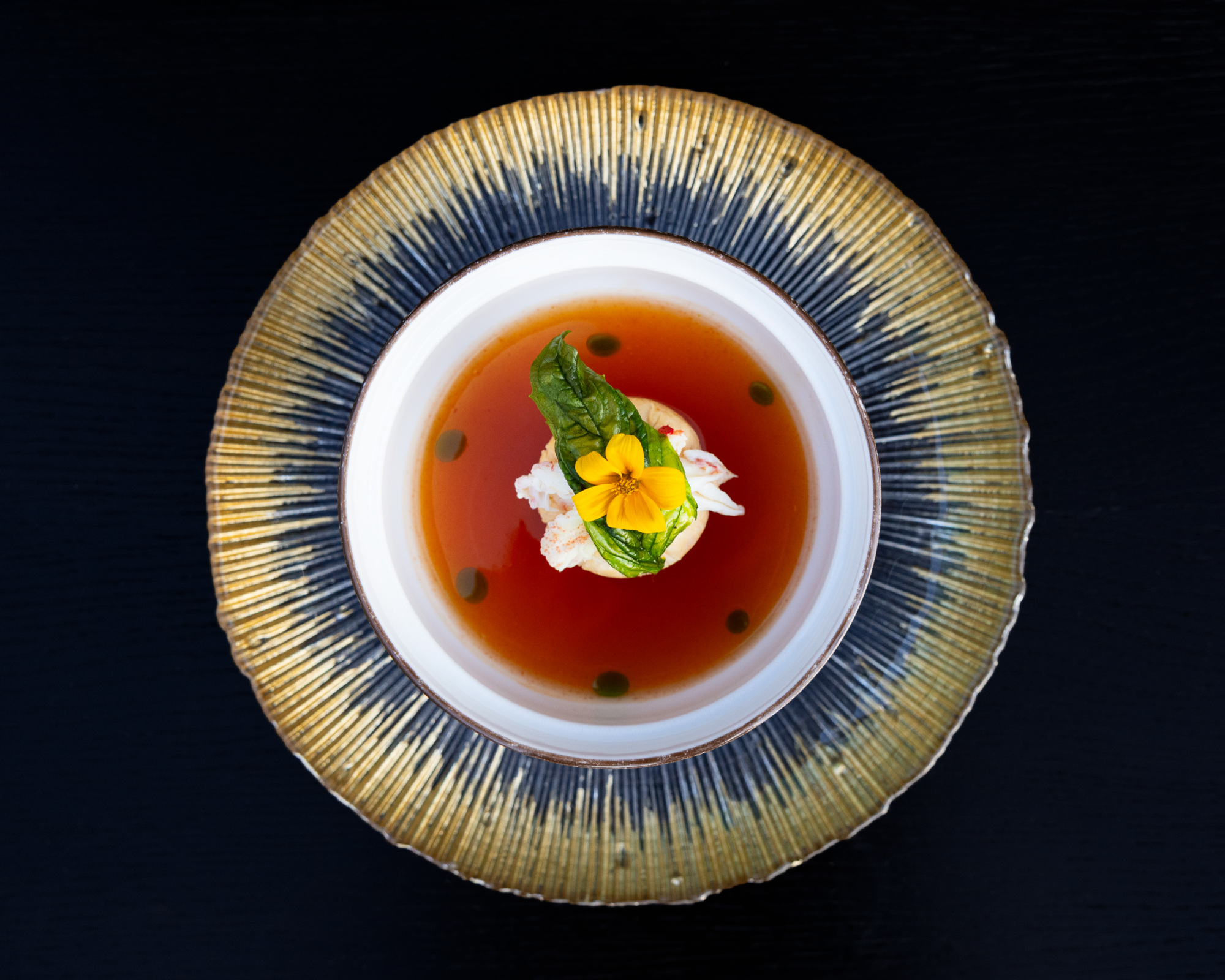
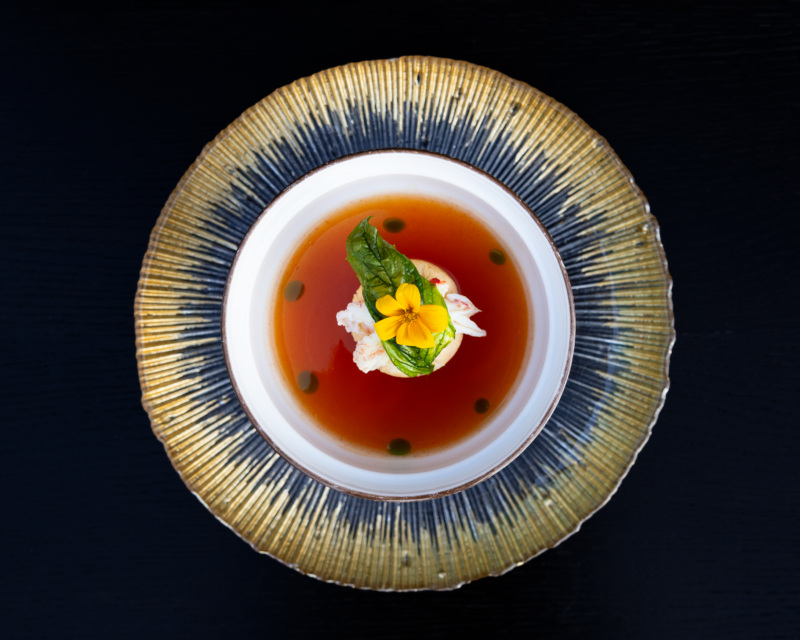
Tomato Dashi Broth with Tomato Mochi
“The original iteration was a lobster dumpling served with fennel. The broth was a dashi and tomato purée. In the new process, the dashi has become much more refined with a hint of lemongrass, in line with the multicultural influences of California. In its current version, it clicked in my brain that lemongrass is an ingredient that brightens the tomato but doesn’t take anything away. Whatever is left over [after clarifying the tomato dashi broth], we turn into mochi so people can enjoy the full context of the tomato as a whole. I think it’s one of the best versions of this tomato soup that we’ve done.”
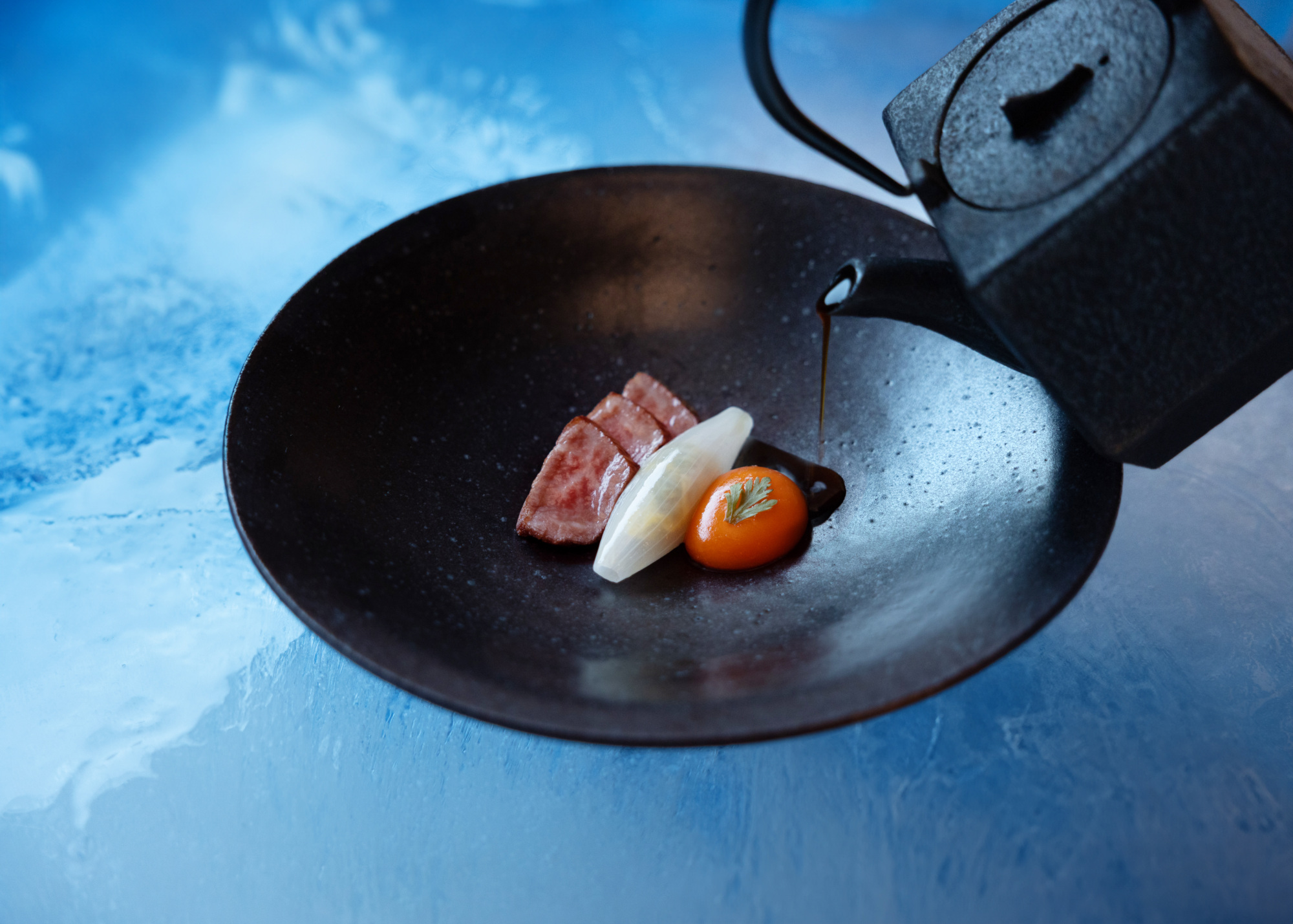
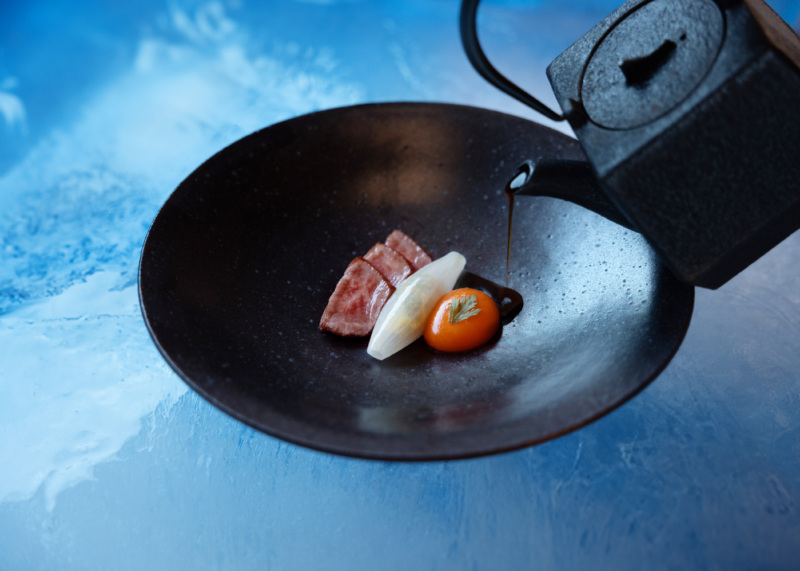
Wagyu Course
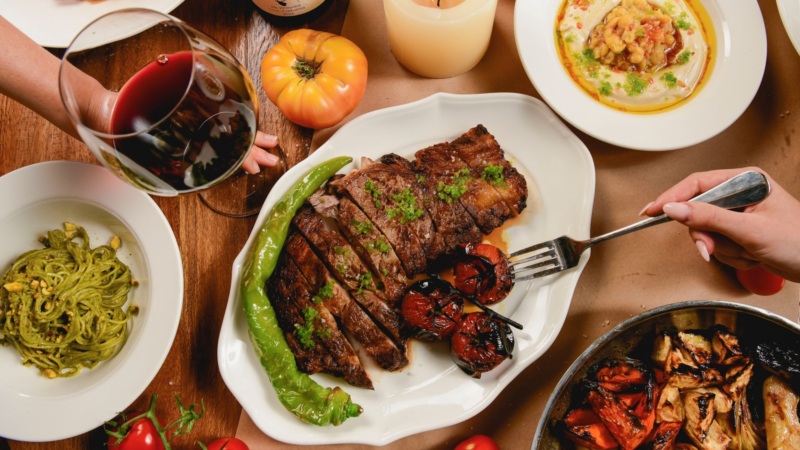
“When we first opened, wagyu was not as readily available as it is now. Back then, it was so unique and special. That’s the reason why we’ve always had wagyu on the menu. Plus, our menu is so heavy on seafood that a break with something meaty is really enjoyable. Our job [as chefs] is to create these co-stars next to the star ingredient that results in an equally satisfying and amazing experience. The challenge becomes, ‘What would make the wagyu shine?’ and shows how much care we put into this course. There’s still a composed idea and a complete dish.”
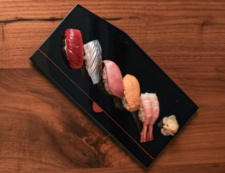
Sushi Course
“We have the sushi course because that’s where everything that I’ve done started. It’s all about sushi. In Los Angeles, a lot of people’s first experience with Japanese food is going to a sushi restaurant. While it’s not traditionally served at the end of a kaiseki course, [here at n/naka] we’re trying to talk about being in Los Angeles. To have a[n end-of-meal] rice course that is sushi made a lot of sense for me.
“The fish changes seasonally. I might change the handroll based on what else we have to match the set. A lot of people just love blue crab, but there’s a desire in me to give them other things. I worry about disappointing people. But I do change it sometimes.”
“Over the years, we’ve tried so many things to show the love, the care goes into making the nigiri. Now, I feel like we’re at a good place and know how to serve simple, very honest sushi without overdressing it. It’s a great way to end the meal.”