Hommali Is a Love Letter to Thailand in the West Village
Published:
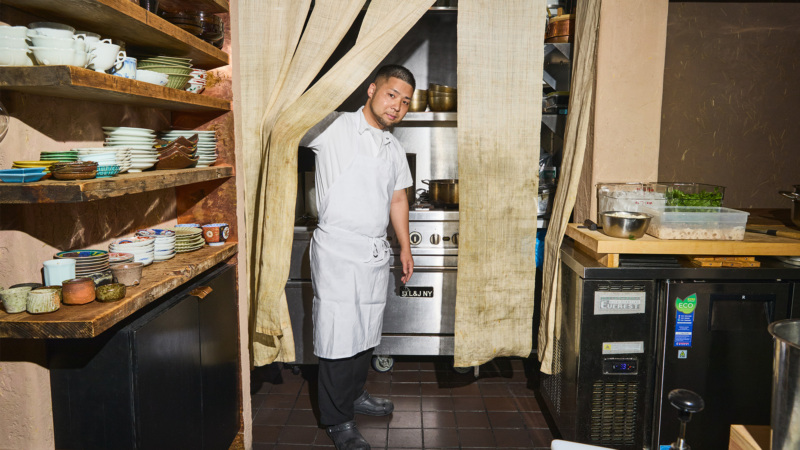
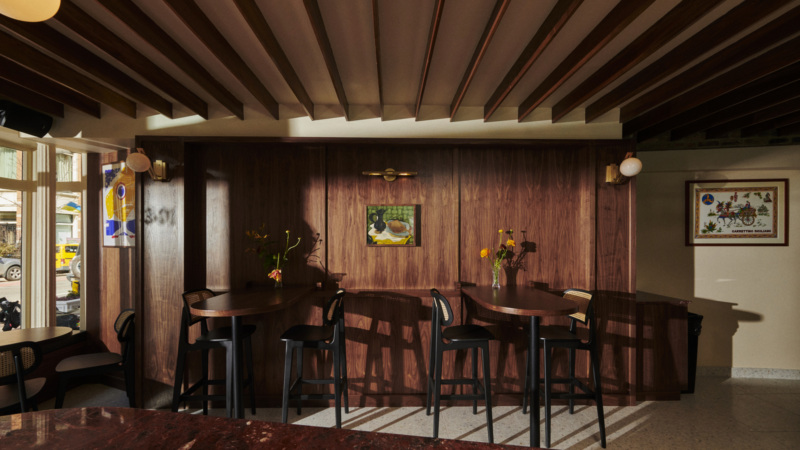
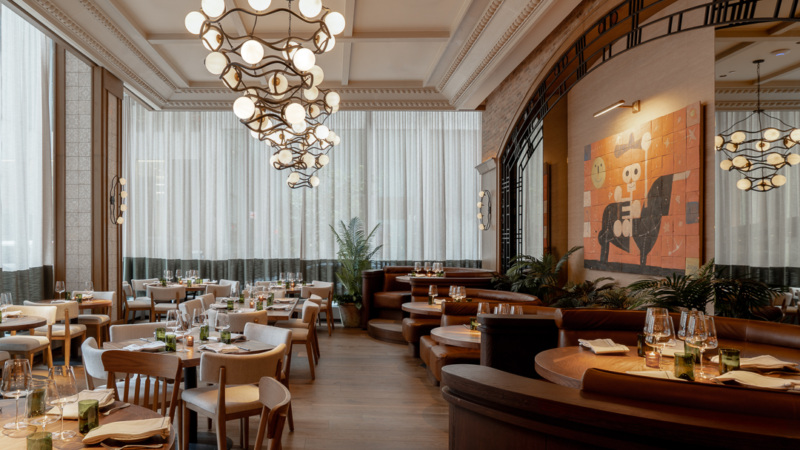
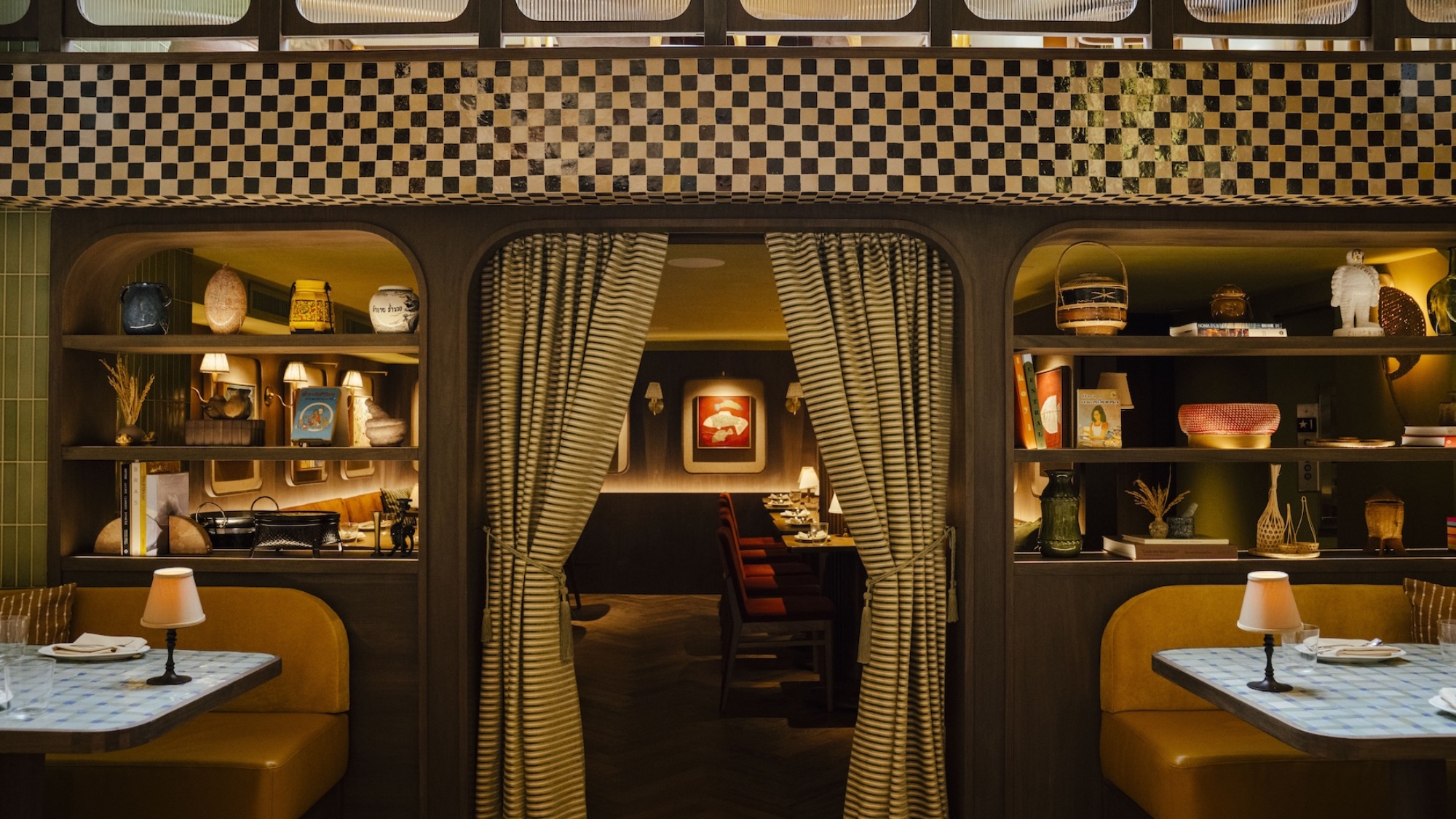
The West Village’s newest Thai restaurant, Hommali, is a deeply personal project for a trio of Bangkok natives. Chattchakorn “Benz” Khajornchaisan, Kritayanee “Air” Promsarin, and Pichalak “Picha” Srigungvarl want the space to feel like a Thai home — complete with artwork and family heirlooms the team brought back to New York from Thailand. “We try to represent Thailand the way that we grew up,” says Srigungvarl, Hommali’s operations lead.
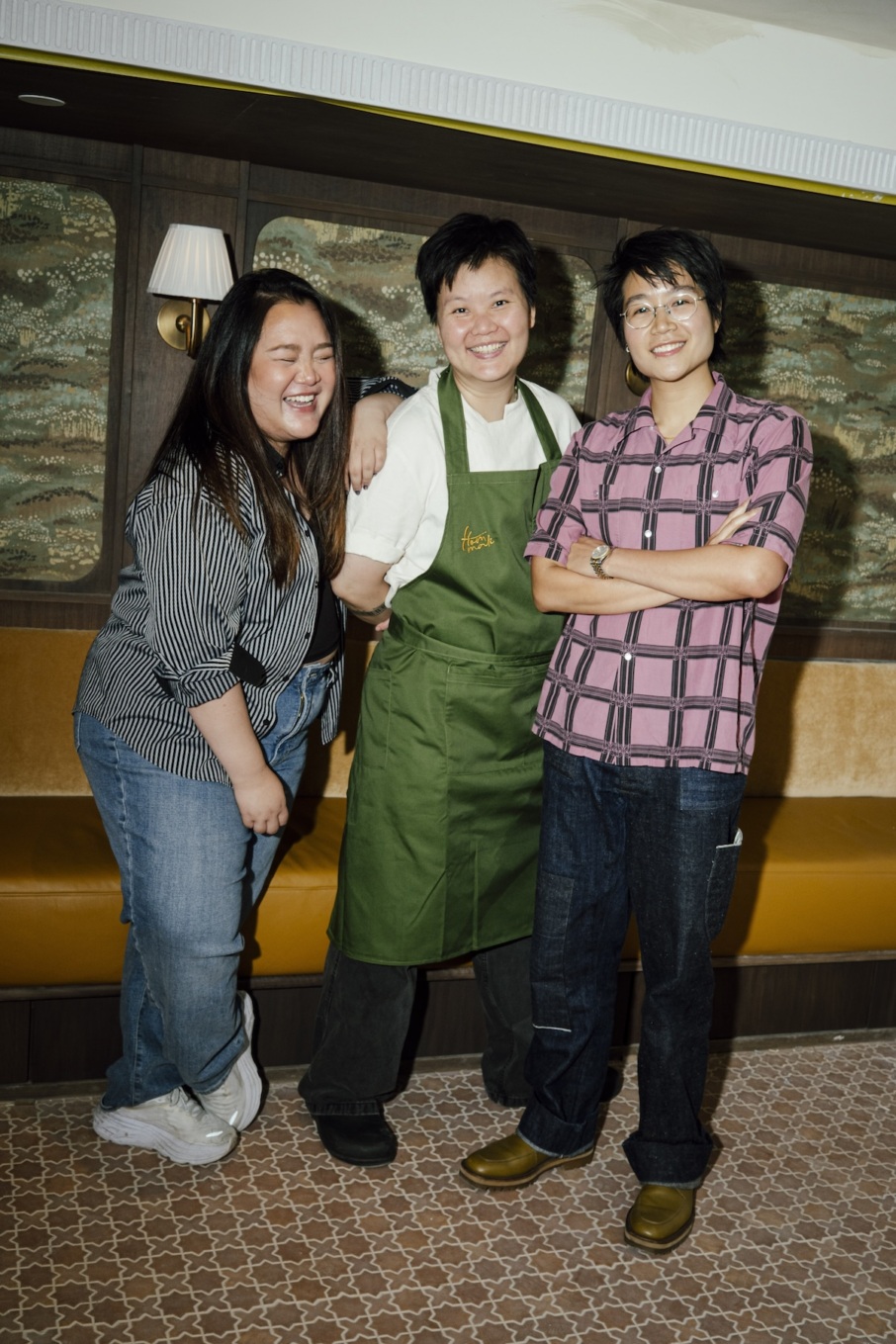
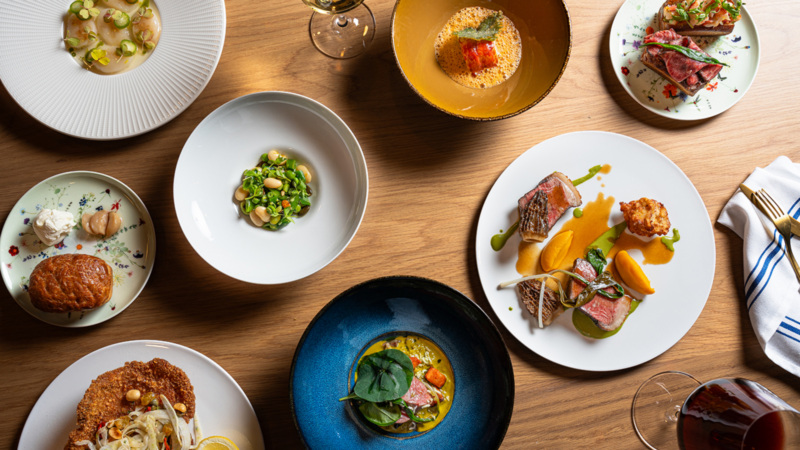
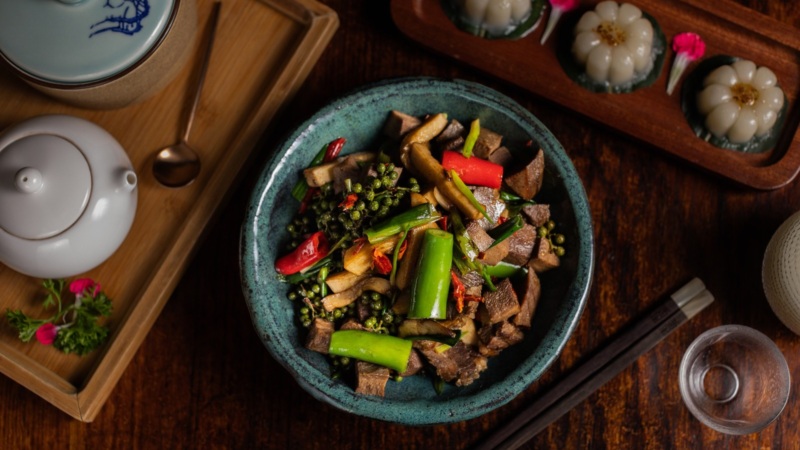
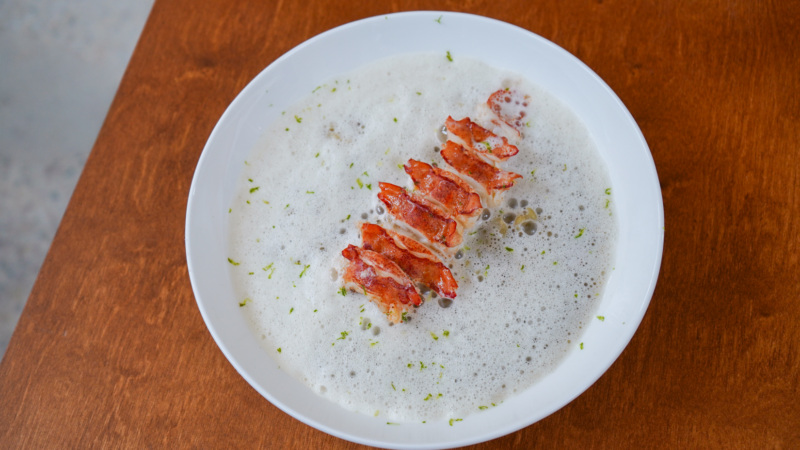
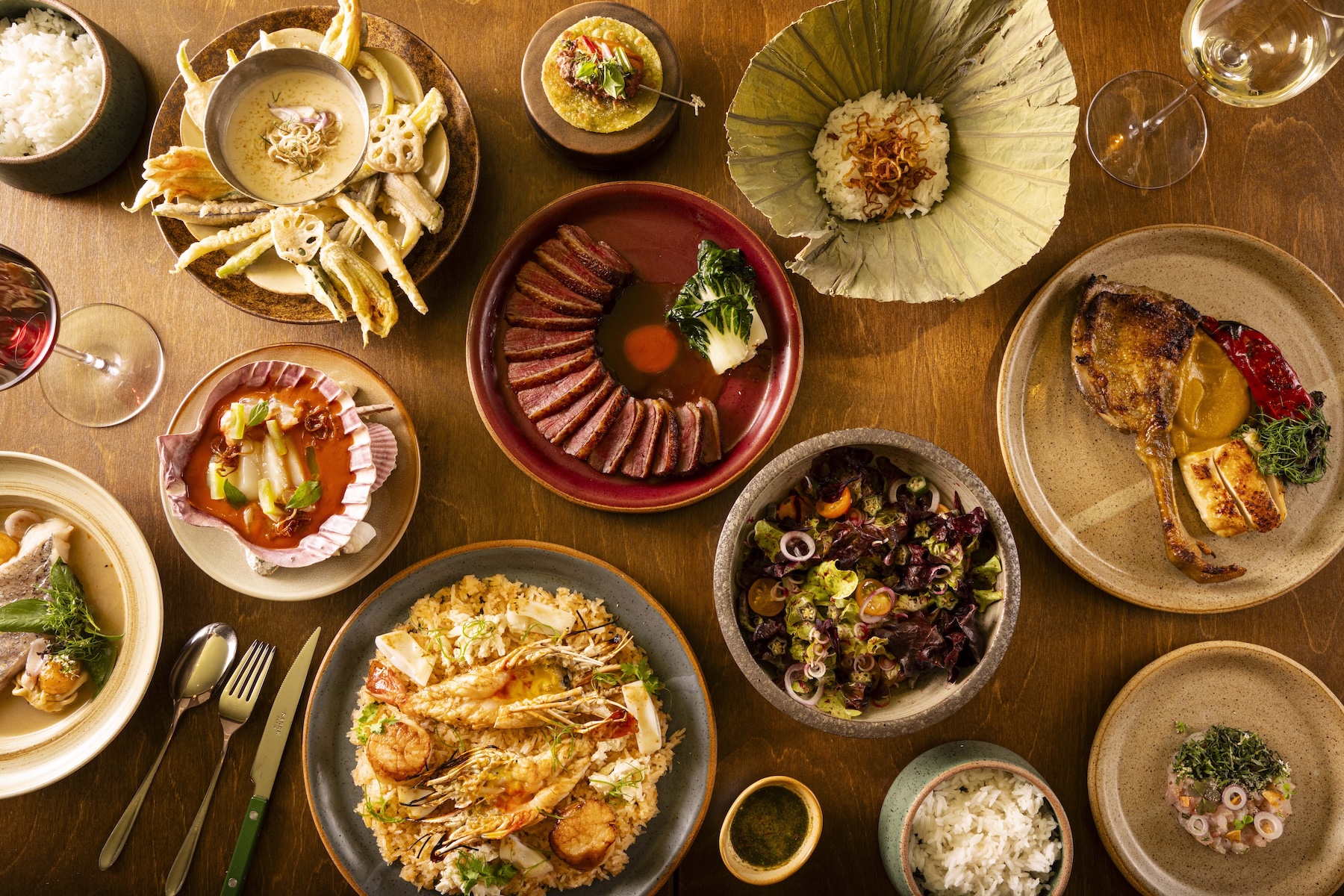
“The flavor is gonna really surprise you,” adds general manager Promsarin. Chef Khajornchaisan, who worked with Promsarin at Eleven Madison Park, will serve her interpretation of Thai cooking, inspired by Bangkok’s contemporary restaurant scene, vintage Thai cookbooks, and neo bistros in Paris. Expect dishes like tom yum seafood cocktail, duck breast that’s aged in a curing room you can see as you walk to your table, and a hot sauce that’s fermented in house.
Hommali opens its doors on Sept. 2 and reservations are available now. Here’s everything you need to know before you go.
The Resy Rundown
Hommali
-
Why We Like It
A trio of Bangkok natives brings a heady taste of their hometown to New York with heirloom rice, housemade ferments, and artwork from Bangkok’s legendary weekend street market. -
Essential Dishes
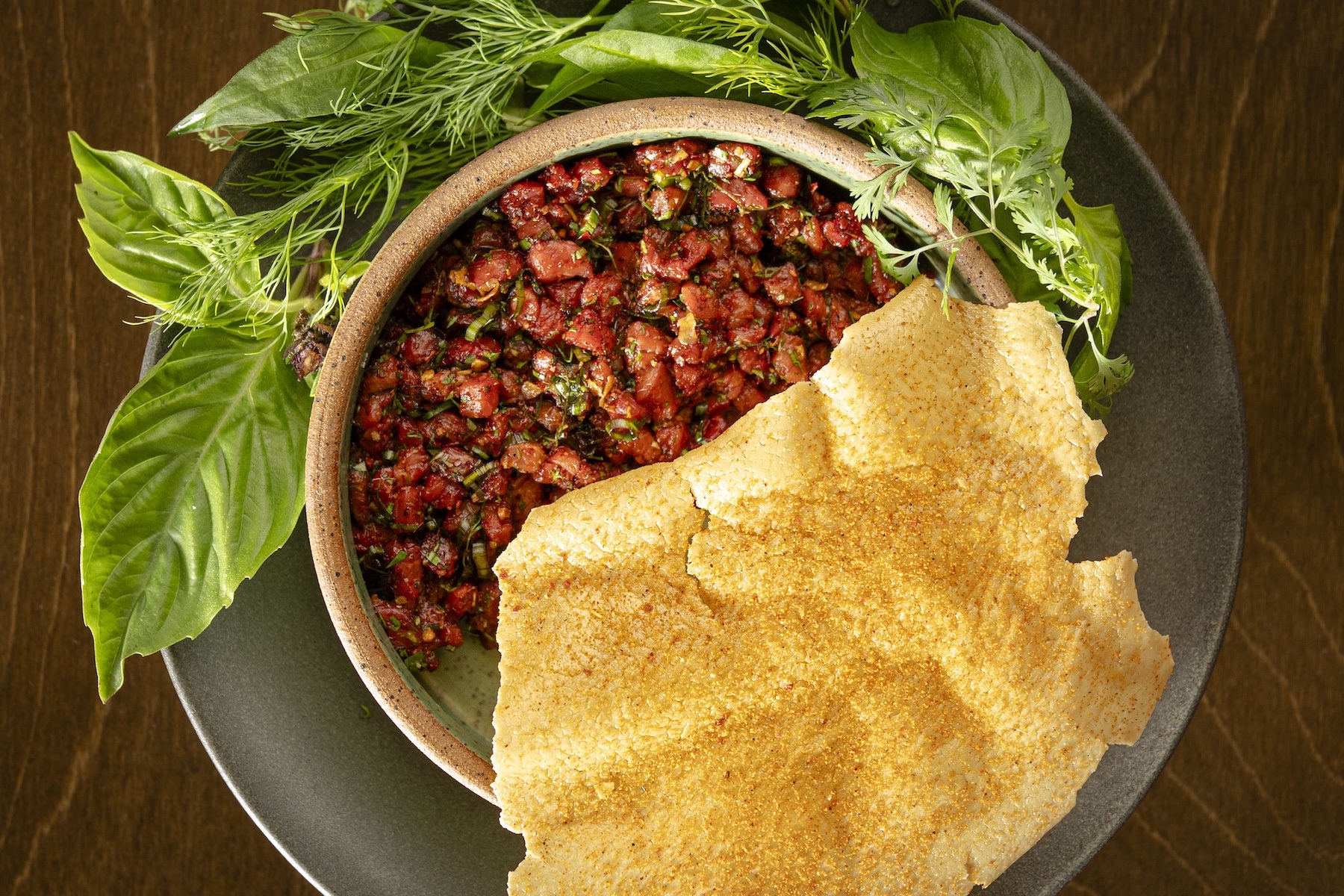
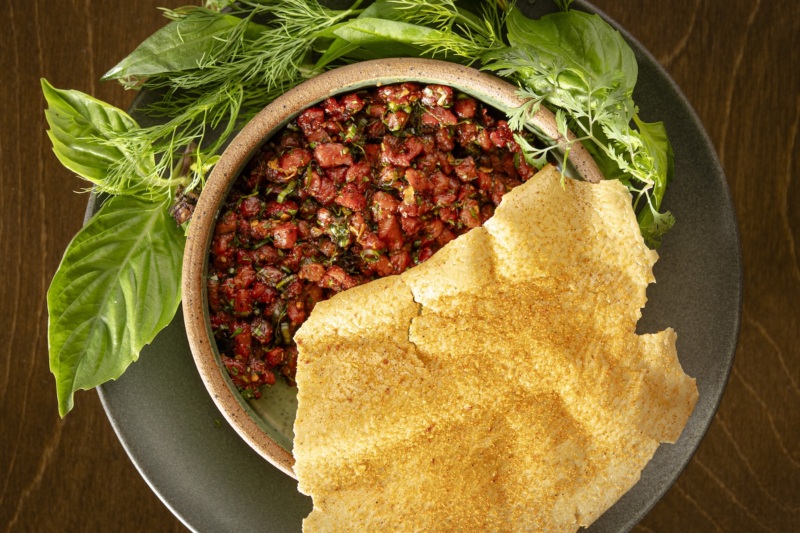
Tom yum seafood cocktail; beef tartare with dry-aged beef heart and tripe crackers; beef cheek Panang curry; and lots of rice, including heirloom varieties. -
Must-Order Drinks
Rice is a key ingredient behind the bar, too. Expect a tomato Michelada-esque drink with vodka, tomato cordial, Singaporean rice wine, and a chile tincture; a banana cocktail with rice-infused whiskey; and Saltfields Rice Lager.
-
Who and What It’s For
Diners eager to explore a range of Thai flavors that stretches far beyond pad Thai, and those who like to linger over dinner. Even parties of two get the table for two hours. -
How to Get In
Reservations drop 14 days out at 10:30 a.m. There’s also space for walk-ins. -
Pro Tip
Do make a pit stop during your visit; the colorful bathrooms are worth seeing.
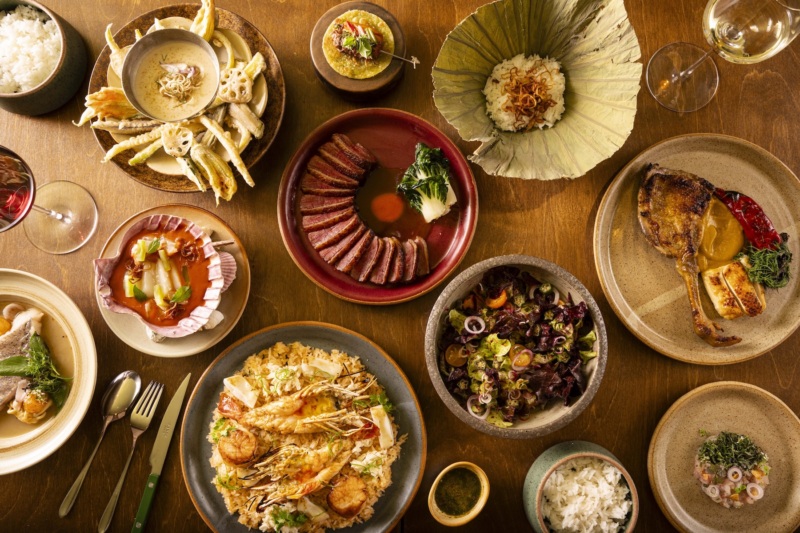
1. Rice, rice, rice, everywhere.
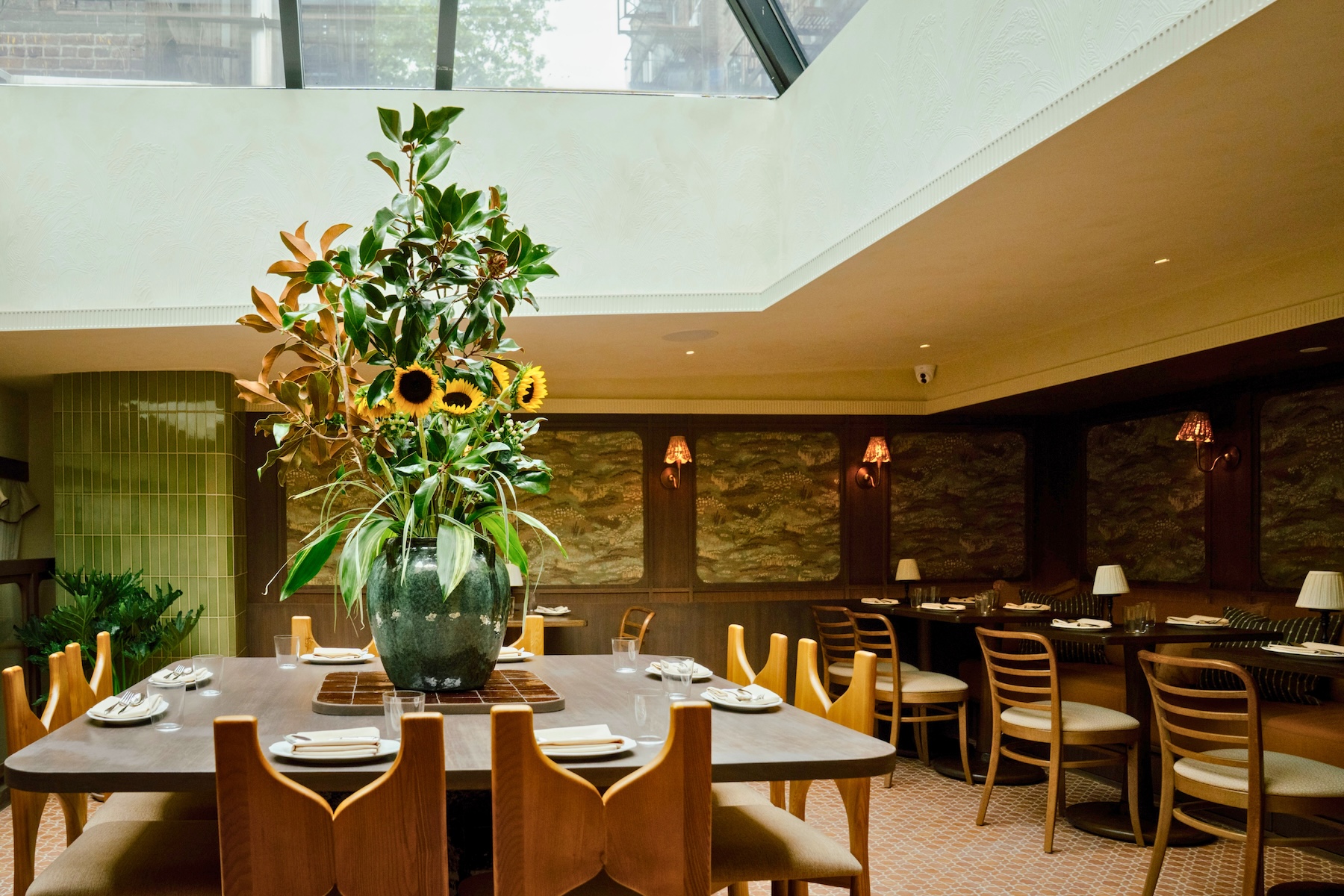
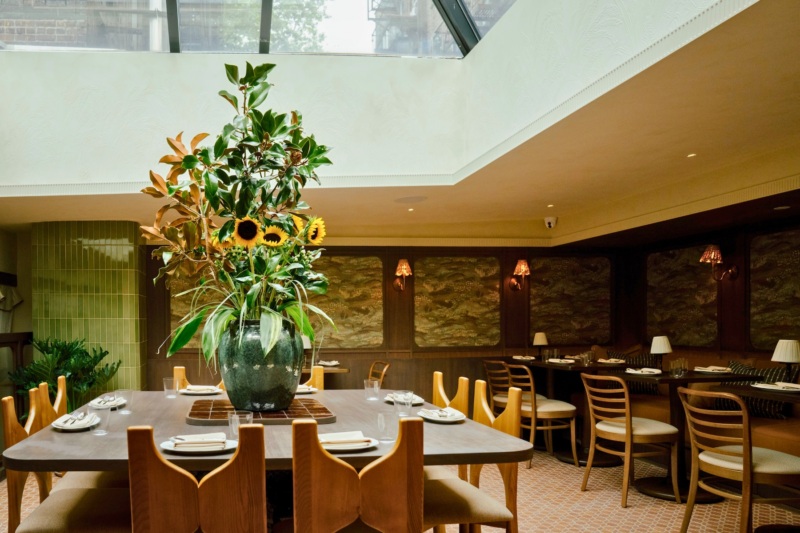
2. Chef Khajornchaisan is looking to Bangkok’s food scene for inspiration.
Historically, Thai cooking wasn’t given its due in Thailand; it was seen as simply something to eat every day, Khajornchaisan says. But that’s changed with the help of a new generation of chefs. “Right now, the food scene in Thailand is amazing,” she adds. The chefs she looks up to are working to create something new, while still respecting tradition and drawing ideas from older recipes.
Before opening Hommali, Khajornchaisan returned to Bangkok to train at two-Michelin starred Baan Tepa, run by chef Chudaree “Tam” Debhakam, who previously worked at New York’s Blue Hill at Stone Barns. Debhakam’s emphasis on local ingredients and fermentation continues to inspire Khajornchaisan, who is fermenting her own pineapple hot sauce to pair with dry aged duck and experimenting with several other ferments that might join the menu down the line.
Vintage Thai cookbooks that Khajornchaisan references call for ingredients she says are no longer available in Thailand, like types of fish or foods that grow wild. Yet even without those ingredients, she’s applying what she’s learned from the books. “It’s very simple, but I think we can use that approach to do something new today — this is my passion,” she says.
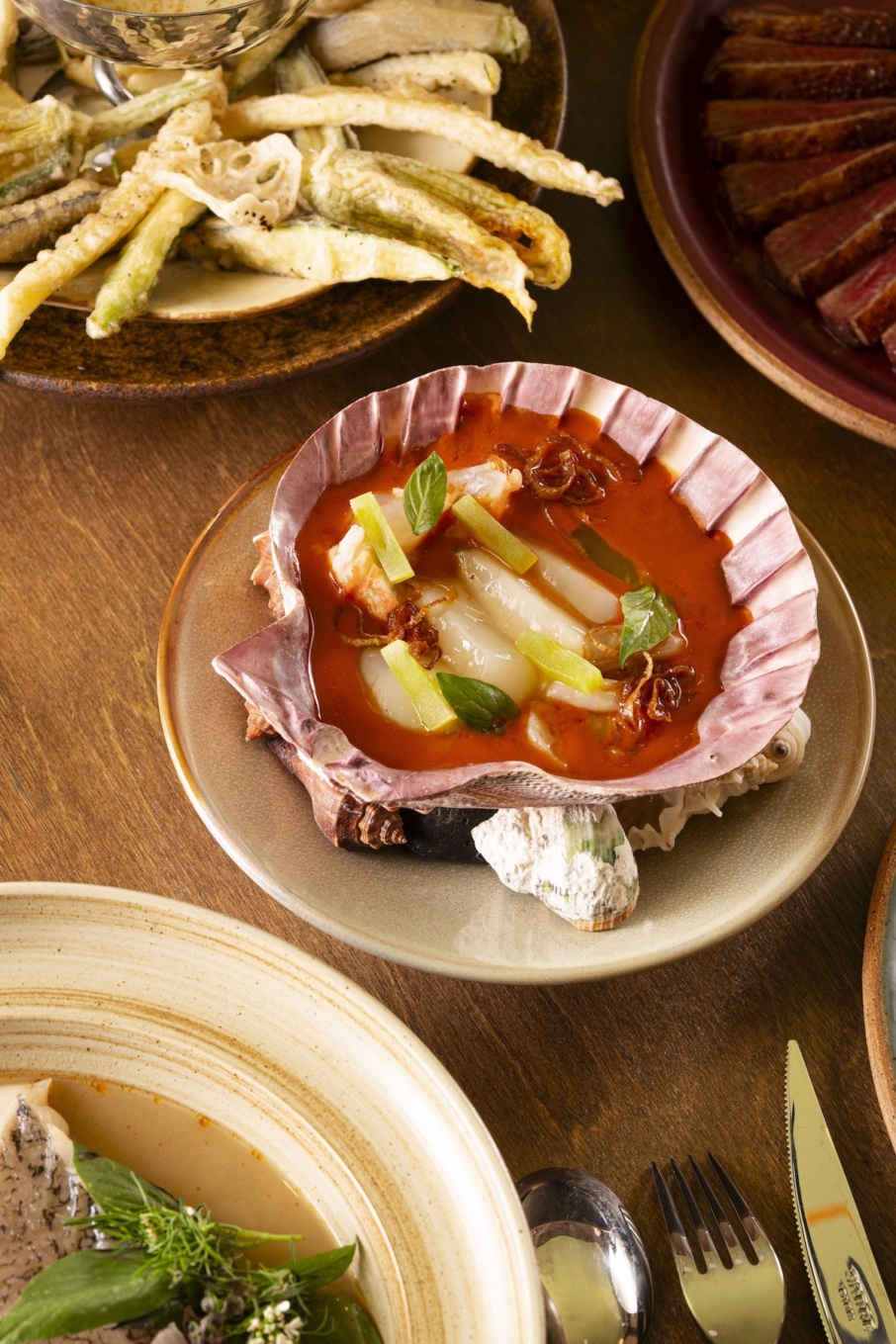
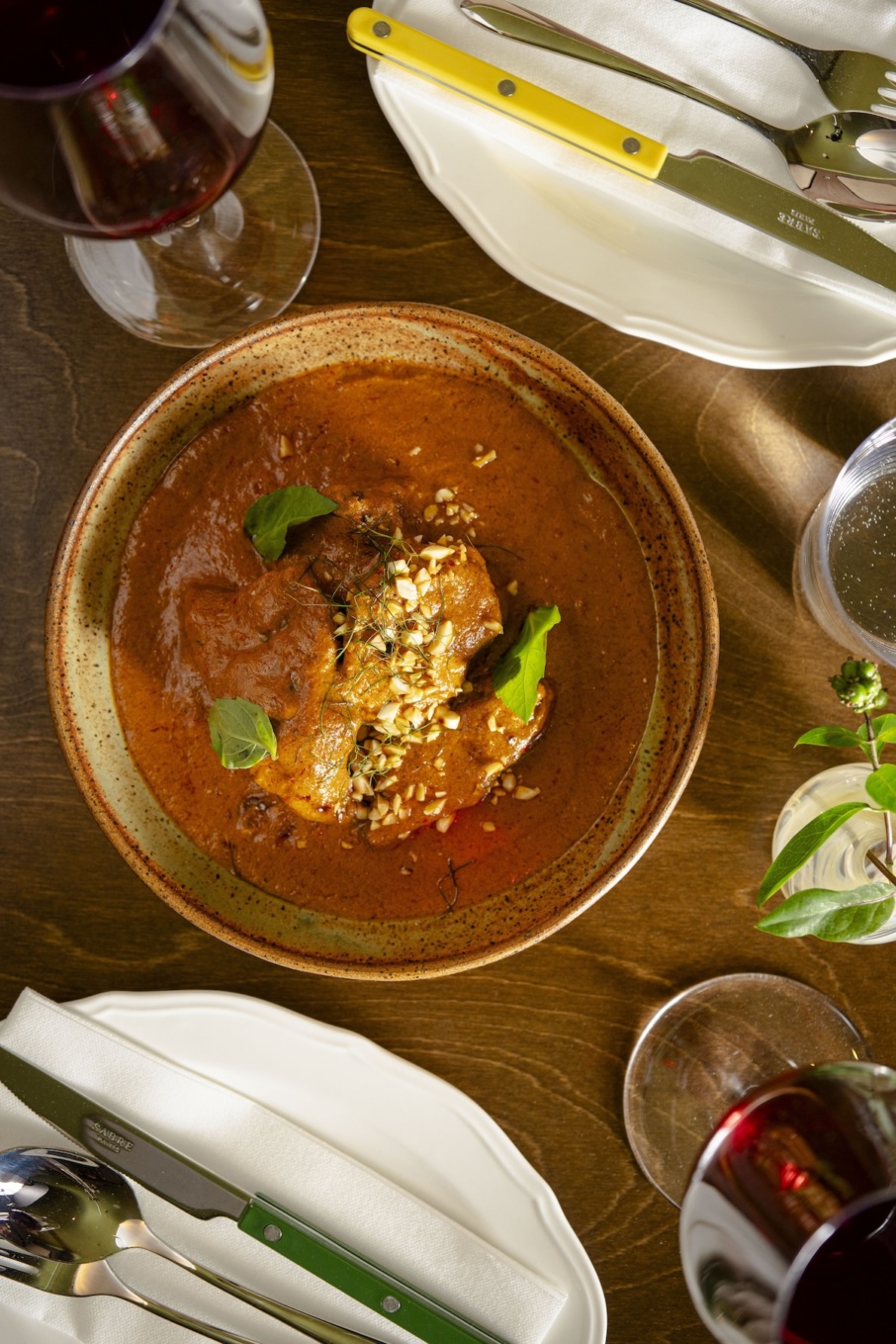
3. Don’t expect pad Thai or to customize how spicy dishes will be.
4. Yes, rice even shows up on the drinks menu.
Rice wine or rice liquor shows up in most of the cocktails, which are overseen by Patrick Cura, who previously worked at Tonchin with Srigungvarl. A drink simply called “tomato” is inspired by a Michelada and prepared with Singaporean rice wine. It’s mixed with vodka, tomato cordial, poblano liqueur, and tamarind. Another number, dubbed “banana,” is made with rice-infused whiskey, banana syrup, and hazelnut liqueur. And in addition to two Thai beers, there’s Saltfields Rice Lager, from Brooklyn.
For wines, “I’m focusing on producers that are making honest and delicious wine at a reasonable price,” Promsarin says. There are glasses of Chilean cinsault from Pedro Parra, who holds a PhD in terroir. And expect an off dry Riesling from A.J. Adam in Germany.
5. Don’t miss the art, vintage cookbooks, and knick knacks the team carried back from Thailand.
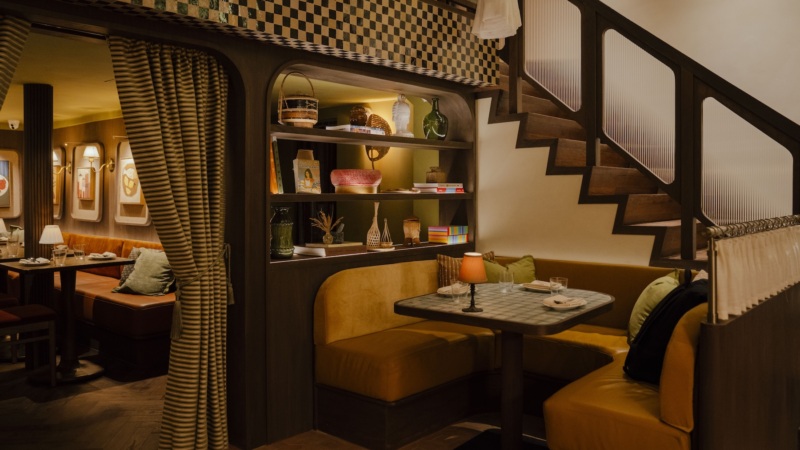
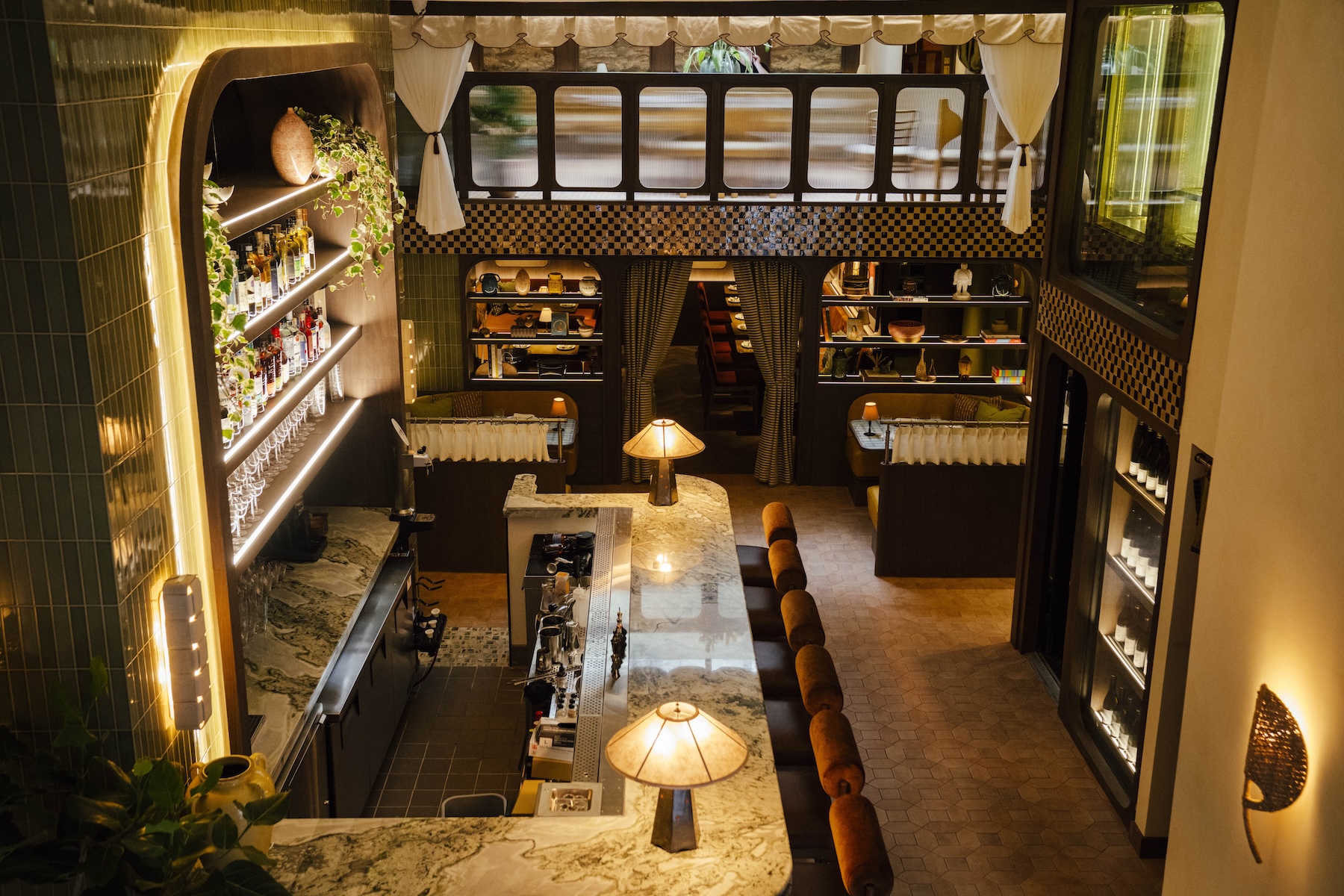
Floating wooden book shelves next to the first floor’s dining room, which the team calls the “living room den,” are lined with items from Thailand ranging from a rice basket shaped like a rocket that Promsarin rescued from a dust bin to a cat statue from her late grandmother’s home. There are also vintage Thai cookbooks from the late 1960s and early 1970s that Khajornchaisan picked up at a flea market, and contemporary ones like “Septime: La Cave, Clamato, D’une île” that inspire her. The walls of the den are lined with paintings of fish and fruit from Bangkok’s Chatuchak Weekend Market, known as JJ Market by locals.
Hommali is open Wednesday through Sunday from 5 p.m. until the last seating at 10 p.m.
Devra Ferst is a Brooklyn-based food and travel writer who has contributed to The New York Times, Bon Appétit, Eater, NPR, and numerous other publications. She is co-author of “The Jewish Holiday Table: A World of Recipes, Traditions & Stories to Celebrate All Year Long.” Follow her on Instagram. Follow Resy, too.