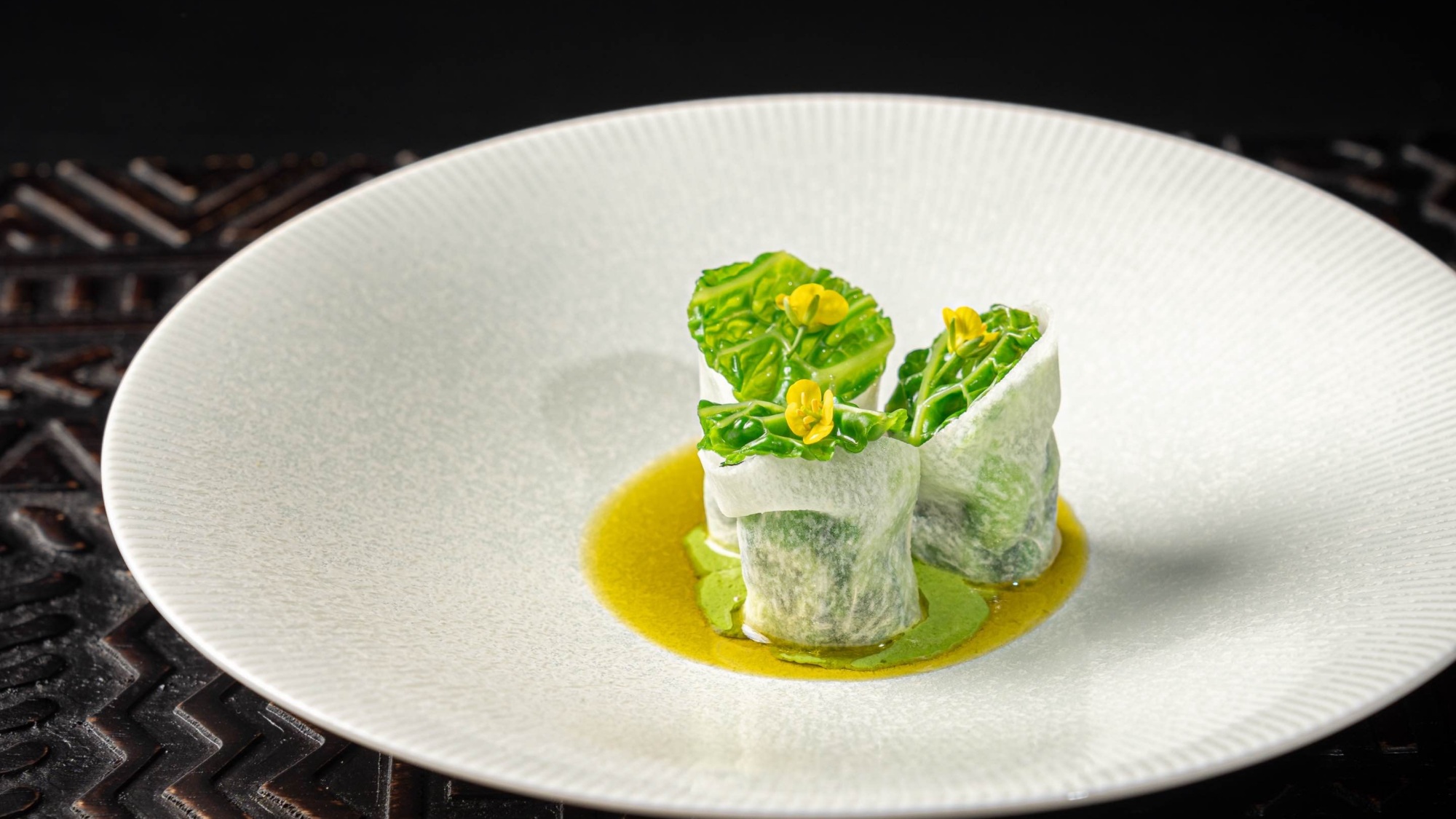
Bodai’s Vegan Tasting Menu Draws From the Historic Royal Courts of China
Published:
While there are a handful of exceptional vegan tasting menu experiences to be found in New York — such as Dirt Candy’s vegetarian/vegan menu and Eleven Madison Park, who expanded their plant-based menu to offer animal products — you’ll have a hard time finding fully vegan tasting menus across New York City restaurants. In general, many existing vegan restaurants do not lean toward fine dining. But behind a little door on 135 E 50th Street in Midtown East lies one such exception: Bodai.
Bodai is spearheaded by chef Guo Wenjun and located right beside his eponymous restaurant, Chef Guo. Both restaurants focus on Chinese imperial cuisine, Guo’s largest area of expertise, but Bodai stands apart for its unique blend of influences and techniques.
We sat down with chef Guo, as well as Bodai’s general manager Irene Qin, to discuss his background and what diners can expect during an evening here.
Tock Tips
Bodai
-
Why We Like It
It’s an entirely vegan tasting menu that’s hard to come by in New York City, drawing from, among other influences, Shaolin and Chinese imperial cuisine, all in an intimate and peaceful space. -
Essential Dishes
From the seasonal nine-course tasting menu, a dish that appears often is the Buddha jumps over the wall, traditionally a seafood soup but here made with a layered blend of numerous vegetables and mushrooms. -
Must-Order Drinks
Go for the tea pairing, curated by chef Guo himself, which features four different teas. There’s also a wine pairing option, if that’s more your speed.
-
Who and What It’s For
Diners looking for vegan fare from a chef who trained from masters in centuries-long culinary traditions, that also salutes mindful eating and quiet reflection in a tranquil oasis within Midtown’s bustle. -
How to Get In
Reservations drop on Tock on the first of each month for the following month. -
Fun Fact
Chef Guo actually maintains his own greenhouse, growing some of the ingredients he uses at Bodai.
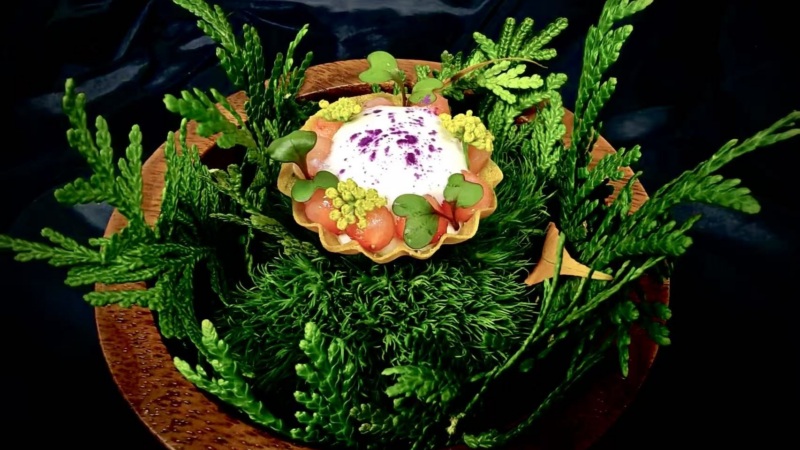
Photo courtesy of chef Guo
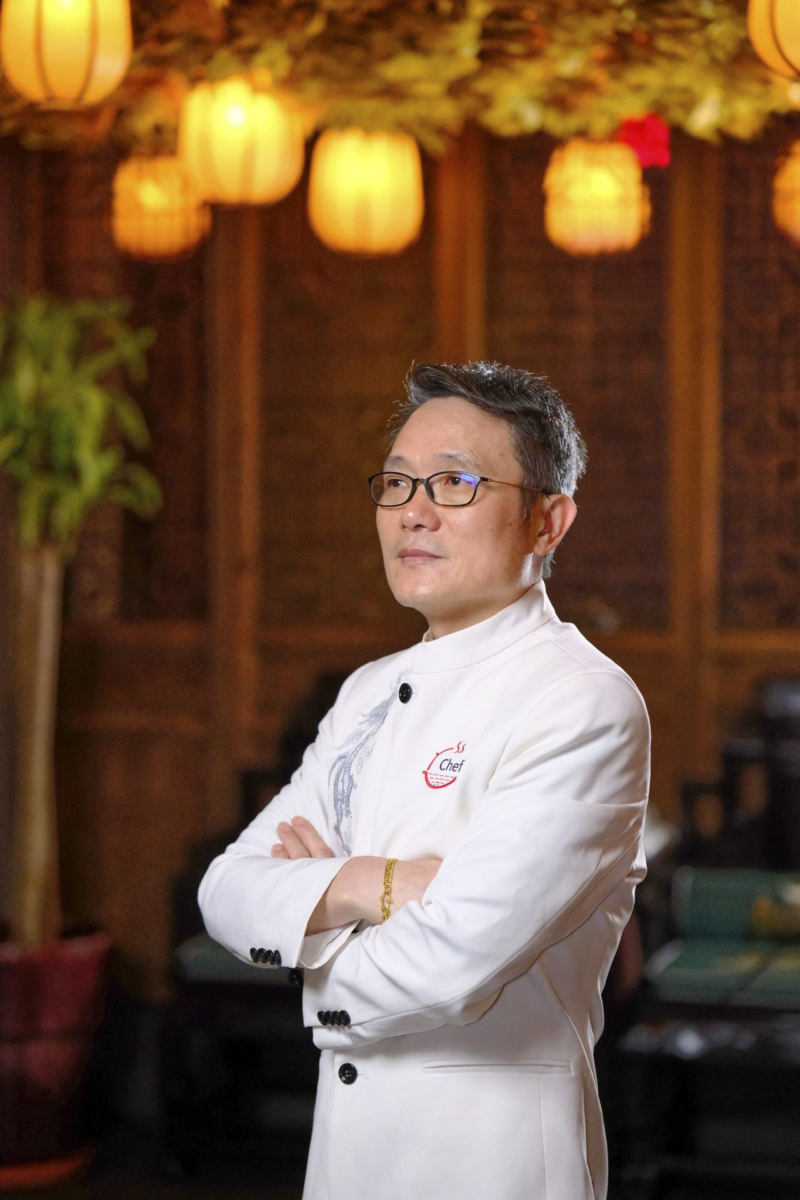
1. It’s a peaceful oasis in the middle of Midtown.
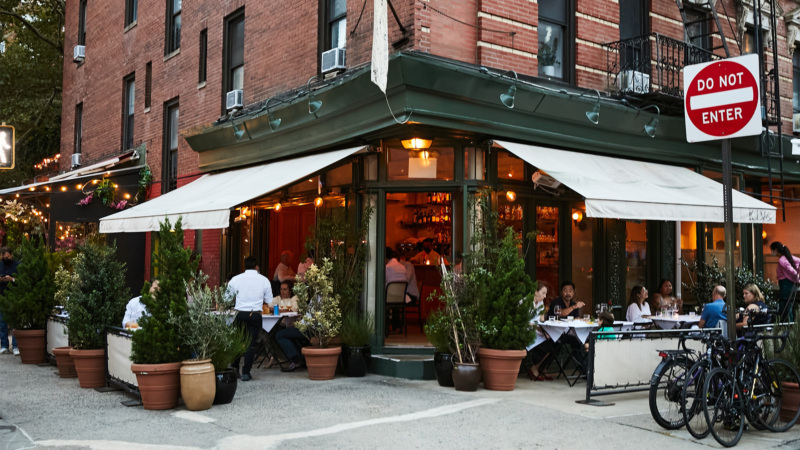
Despite being smacked in the middle of Midtown, Bodai succeeds in feeling intentionally tucked away in a peaceful little alcove just a few avenues east of Rockefeller Center.
The restaurant is by reservation only and must be accessed through a doorbell. There are just three seatings each evening, at 5, 6, and 7 p.m. With only 12 seats in the house, the dinner experience feels intimate and the modestly sized space isn’t overwhelmed with people or noise.
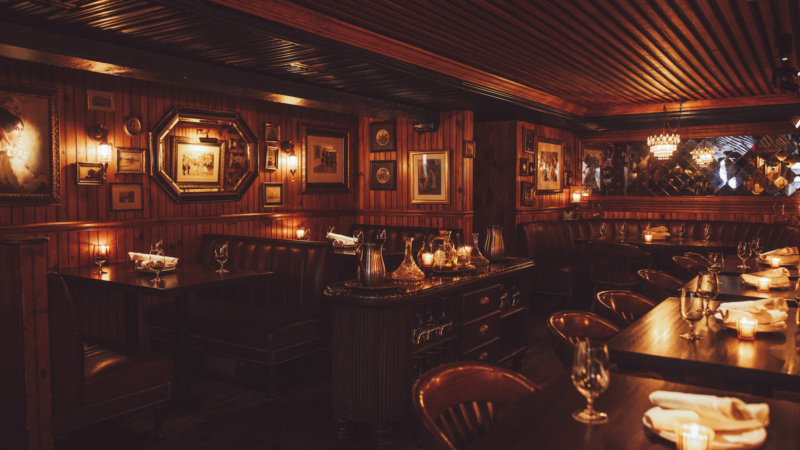
Once inside, diners will immediately know that they’re in the right spot. The interior is heavily decorated with traditional Chinese dynastic art, decor, and furniture; a fountain burbles and Chinese classical music plays softly. Suffice it to say, it’s a quiet spot, giving the impression of an almost reverent space that encourages guests to eat mindfully mindfully and provide each bite its due attention. This is typical for fine dining, but also an appropriate accompaniment to the food, which draws in part from Chinese Buddhist culture.
2. Guo trained from masters skilled in centuries-long culinary traditions.
Chef Guo’s core area of expertise is in Chinese imperial cuisine, the types of dishes that are historically served to emperors and the royal family. Starting at just 14 years old, Guo began studying under a seventh-generation master of imperial cuisine, chef Ding Guangzhou, and followed this up with more formal training in China and Hong Kong.
Quin, translating for chef Guo, says, “Chef has had a dream of serving pure, plant-based cuisine since he was young, studying at the Shaolin temple in Henan province,” which is said to be the birthplace of Chan Buddhism.
Shaolin monks eat a famously simple diet, absent of meat and fish but also of spices and alliums that produce strong flavors, like garlic, ginger, and leeks. Meat and other animal products are excluded on the principle of non-violence, but the reason for avoiding strong flavors is that they’re said to excite the senses and stir passions — not conducive to the calm, balance-seeking life of a monk.
But don’t worry, you can expect your passions to be plenty stirred at Bodai. The cuisine draws from, but is definitely not limited by, the parameters of Zen cooking. Or in other words: Chef Guo uses spices, alliums, and other flavorful ingredients freely.
Guo actually has a name for the style he’s developed, or as he calls it, a system: Royal Health Cuisine. It’s vegan, mainly relies on lighter, low-oil cooking methods, and includes many nutrient-dense ingredients like vegetables and mushrooms.
“Our bodies need balance,” Irene says. “Vegetarian food can be very tasty and also very balanced, nutrition-wise. This is what inspires him: he wants to do Bodai as chef Guo.”
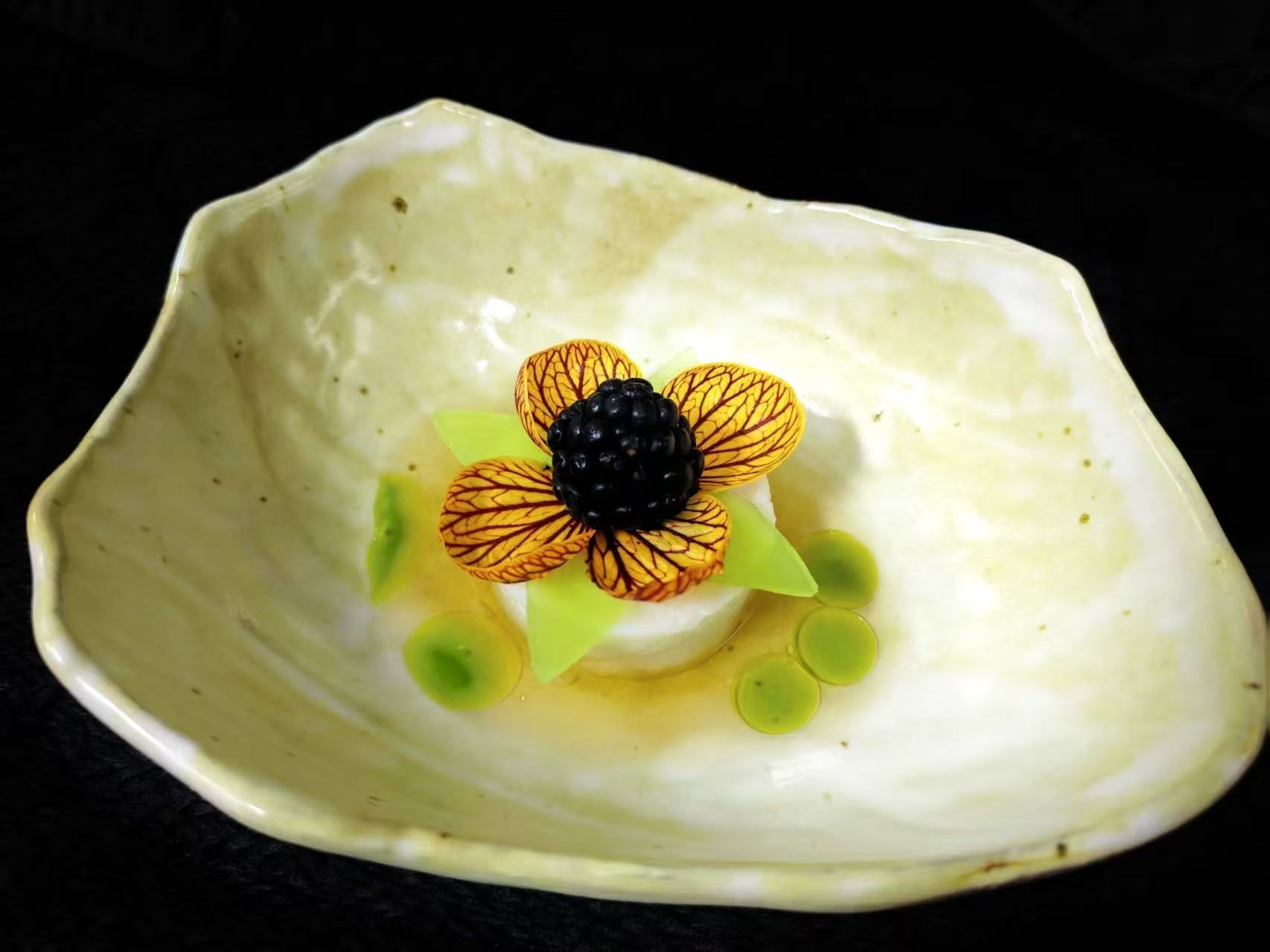
3. The tasting menus’s signature dishes come with their own rich stories.
You might find yourself particularly glad for chef Guo’s signature health-conscious style when it arrives in the form of an elaborate, nine-course meal.
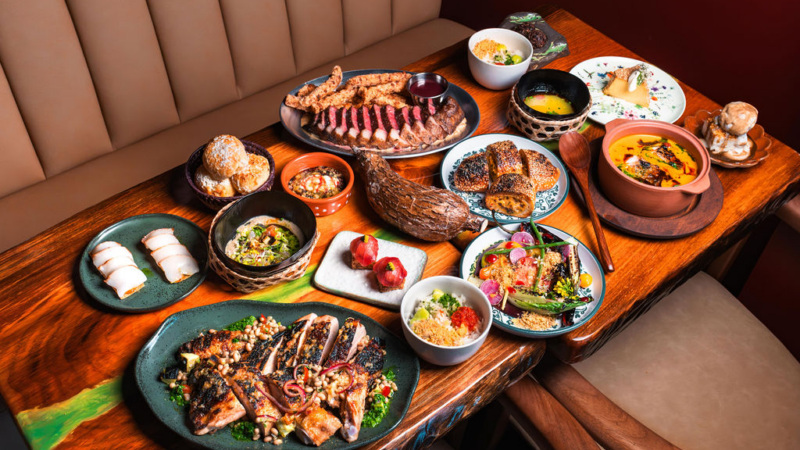
At $99 per person, the experience consists of nine small, intricately prepared courses, including dessert. And optional beverage pairings include a course with both tea or wine. The four teas paired with courses are hand-selected by chef Guo, and consist of floral, fruity, and black teas; the wine pairing accompanies five courses and includes mostly European varietals chosen by the house sommelier.
The menu changes seasonally and according to chef Guo’s creative interests, but certain dishes tend to appear frequently.
The introductory dish is what they call the Life of Enlightenment, or five-flavor plate, which showcases bites of five basic flavors: Sour, salty, sweet, bitter, and spicy — each representing the different “flavors” of life (joy, sadness, so on).
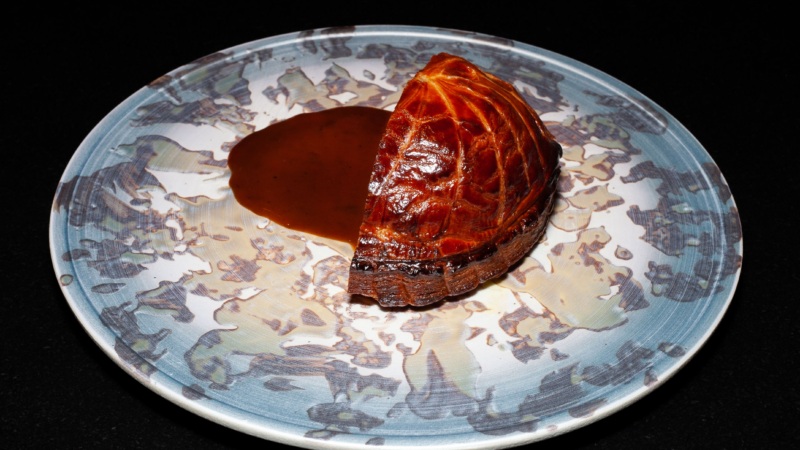
Buddha Jumps Over the Wall is inspired by Chinese shark’s fin soup, and comes from a legend in which a monk, despite his vegetarianism, was so tempted by the scent of the soup that he climbed over a wall in search of it. Bodai’s version is one of their most popular dishes. Guo’s interpretation is, of course, vegan, but similarly relies on diverse ingredients (over 20 different organic vegetables and nine or 10 different mushrooms) and slow cooking (nine hours of simmering) to create layered flavor.
The use of narrative makes sense considering chef Guo’s historically influenced background. “He wants to use his 40 years of experience to highlight the perfectness of each ingredient, of each presentation,” Quin says. “The ‘traditional’ is the procedure, the ‘fashionable’ is the outcome. It’s the most beautiful presentation of the tastiest food we can serve to our customer.”
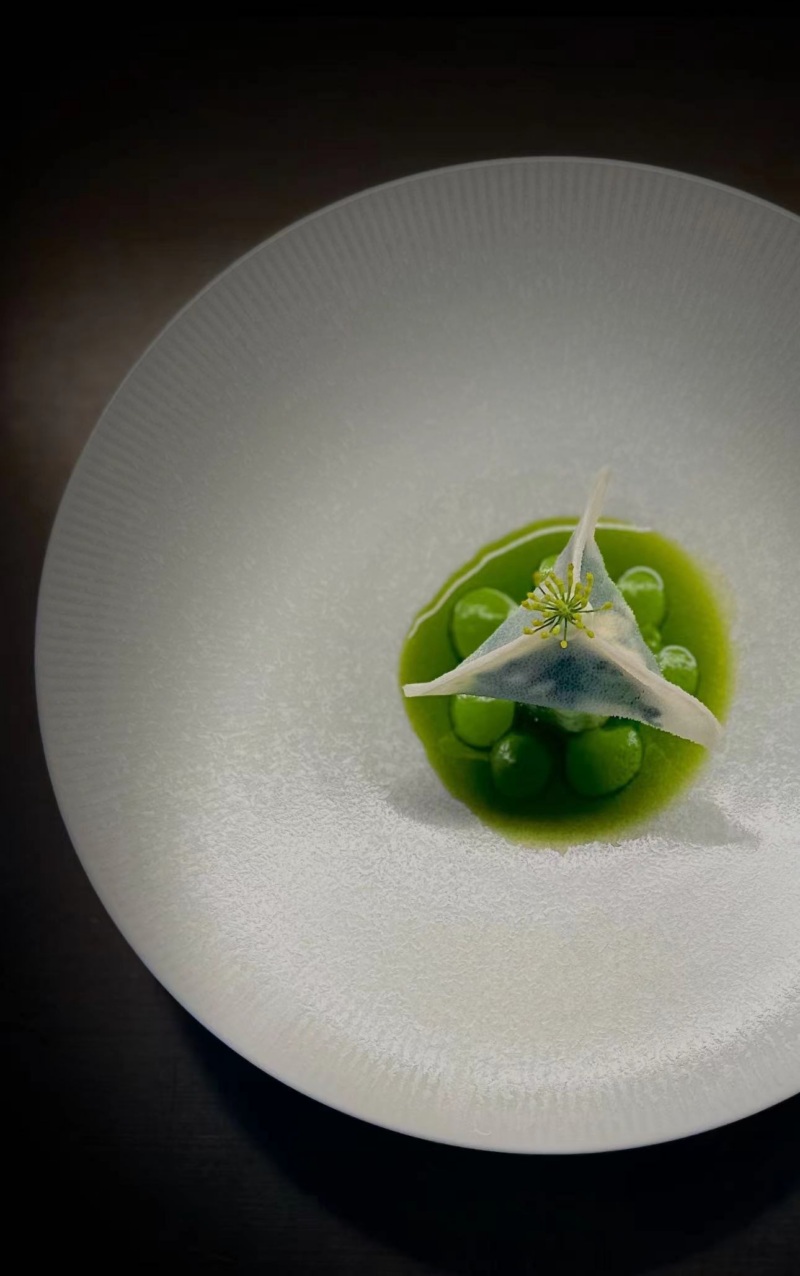
4. Expect modern interpretations, not historical recreations.
One of the phrases Guo and his team frequently use to describe Bodai’s fare is “fashionable and traditional,” which Quin says mainly refers to technique and presentation, respectively. The knife skills and cooking methods may date back centuries, but it’s not a historical recreation.
Guo doesn’t shy away from using ingredients that don’t originate from China and wouldn’t have been used in historical cooking. The mushrooms used, for example, include Italian truffle and other breeds grown in Europe and North America. “Chef is very open to ingredients, as long as they’re tasty,” Quin says.
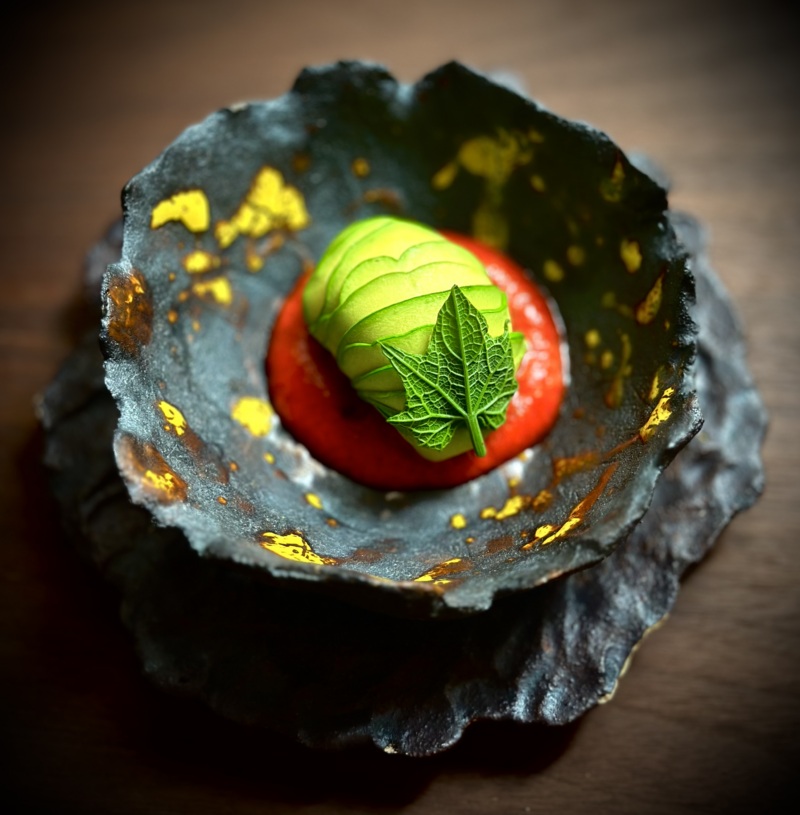
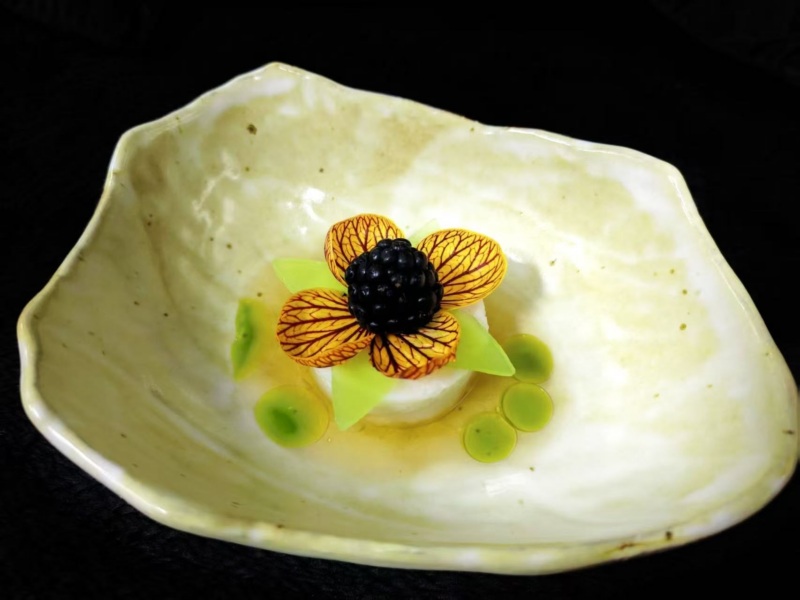
As far as the “fashionable,” the presentation is beautiful and carefully considered by present-day New York City standards. With each dish comes a bit of theater. Different tableware sets the scene for each course, some of which feature presentational elements like dry ice for a dramatic mist effect.
Ariana DiValentino is a writer, filmmaker, and actor based in Brooklyn. Follow her on Instagram, Bluesky, and TikTok. Follow Resy, too.