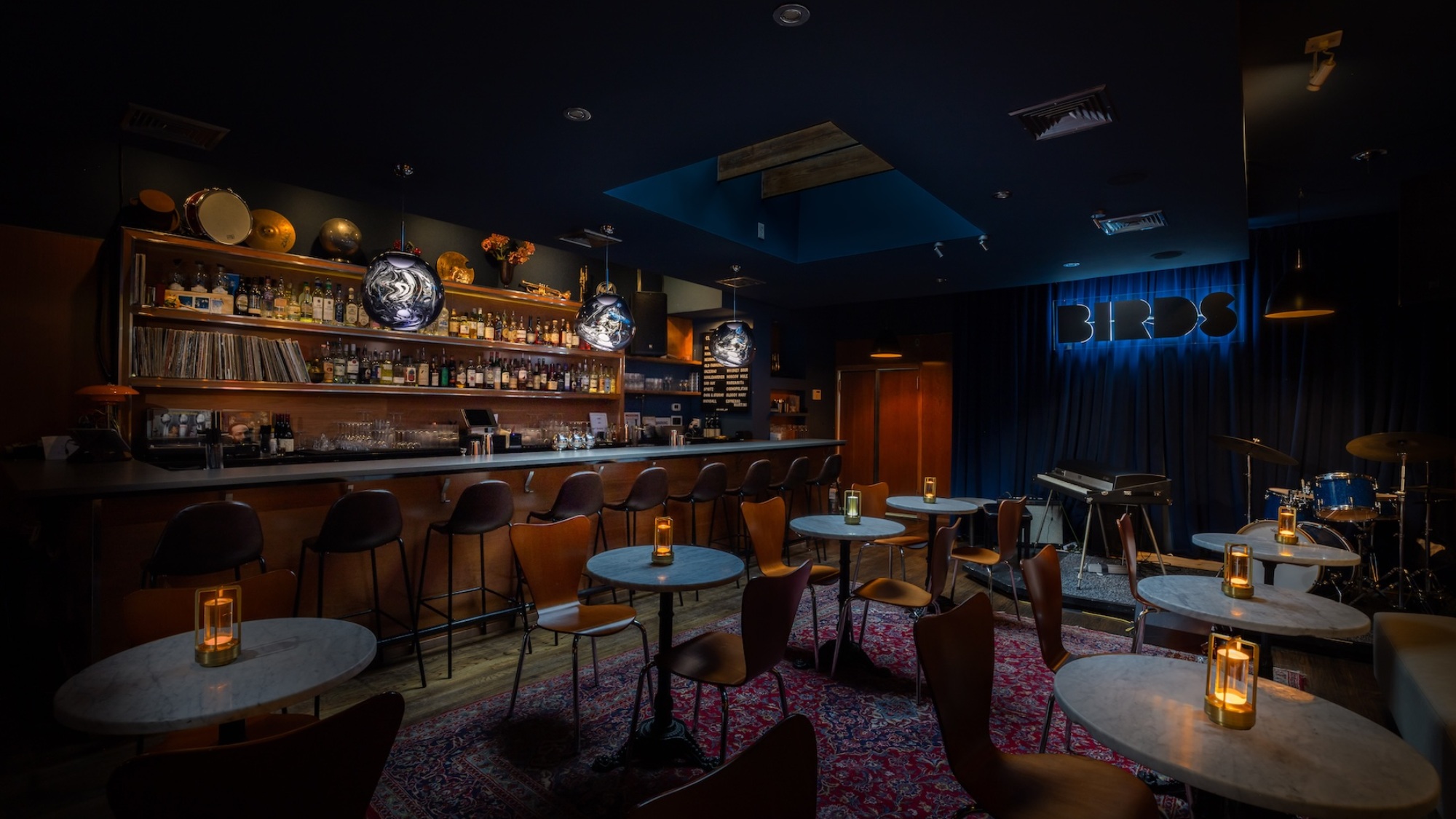
Birds Is a Music Bar for Musicians
Published:
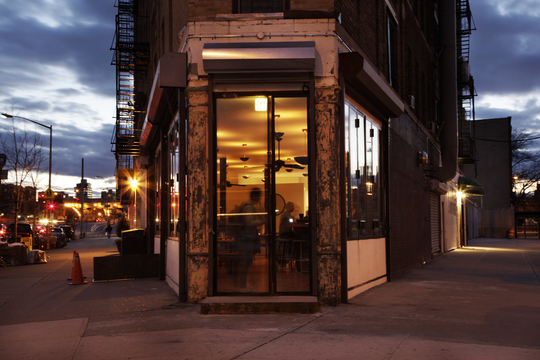
You could call Birds a jazz bar, a piano bar, or a listening bar, and each would only be half-right. The truth is that the new performance venue on 64 Downing Street combines the best elements of all three spaces. It’s more vibey than your standard piano bar and more dance-y than a jazz bar, with a mix of mellow sets and late-night dance parties. There’s also a concise, thoughtful food menu courtesy of co-founders Assaf and Naama Tamir, the sibling duo behind Lighthouse and Messy. Above all, it’s a really good time.
“We love music. For years, we’ve had live music at Lighthouse for our anniversary, for New Year’s, and we’ve always had musicians working there,” Naama says. “It was something we were passionate about, that maybe we wanted a place in Manhattan that we haven’t found for ourselves yet.”
Here’s what to expect on your next visit to Birds.
The Resy Rundown
Birds
-
Why We Like It
It’s a grown-up music bar that takes the details seriously without ever being too pretentious. Come for the kind of acoustics that allow you to really take in the tunes, stay for the immaculate vibes. -
Essential Dishes
Steak tartare; fish tartare; marinated beans; shrimp cocktail; olive oil cake. -
Must-Order Drink
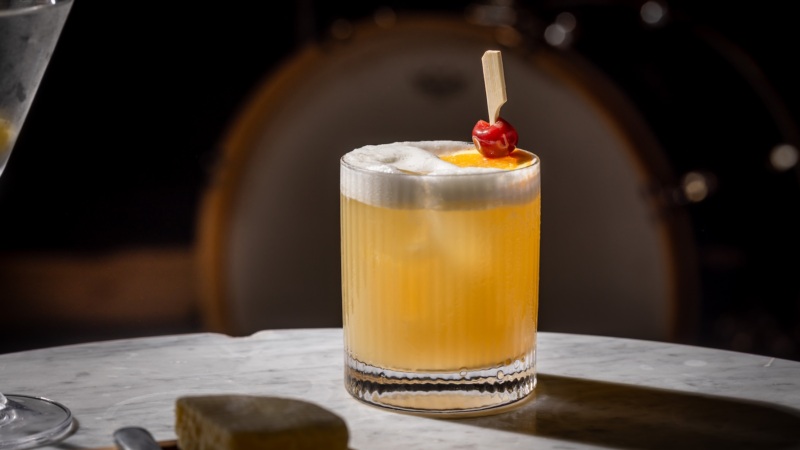
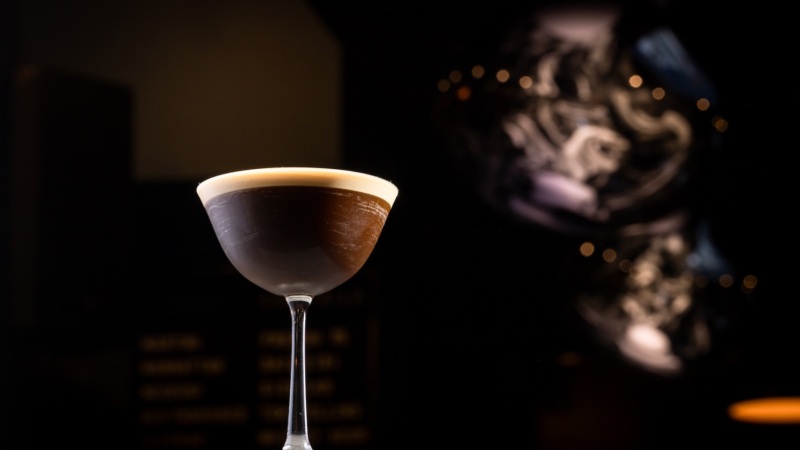
Keep it classic with a textbook martini or Manhattan, done right.
-
Who and What It’s For
This one’s for music-lovers of all stripes, whether they’re in the industry or just a real fan of funk. With conversation-friendly noise levels and flattering lighting, it’s also a second-date power move. -
How to Get In
Reservations go live 30 days in advance. Check the website for details on the upcoming music lineup.
1. Think of this as a bar by and for musicians.
According to Assaf, the idea for Birds came from talking with musician friends over the years. “They come [to Lighthouse] after a gig, because they can have a beer and something to eat for a decent price, which doesn’t happen a lot,” he says. “I hear a lot of complaints about the equipment and how uncomfortable they are in so many places.”
The issues run from lousy paychecks to cacophonous rooms with unreliable equipment. “I wanted to create a really fun place where musicians want to play, a place that they feel is for them,” Assaf says.
That means there’s a greenroom for performers to take a beat between sets. It also means offering better compensation. “There will be a reservation fee which will allow us to pay the musicians very well,” Naama says. “One of the reasons we wanted to do this is because musicians are not often treated well in the city, and we wanted to have a place that was very thoughtful about how important it is.”
2. That means the acoustics and equipment will be stellar.
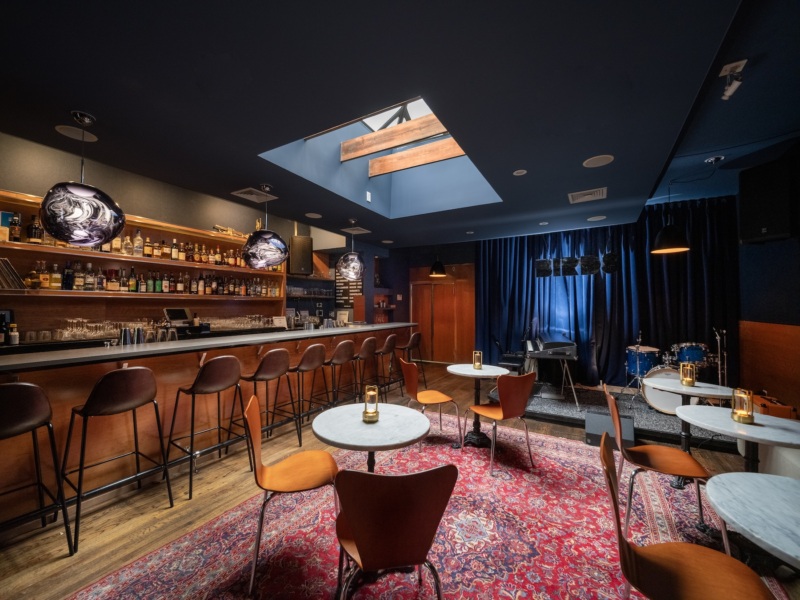
New York bars and restaurants are loud, often soaring past 90 decibels. With their merciless array of hard surfaces and clanging glassware, many venues have musicians fighting just to be heard. Since acoustics were a primary recurring complaint among their friends, the crew prioritized getting the sound of the room itself just right. That means felt, wood-paneling, and strategically placed insulation so the thrum of conversation never rises to a din.
“You ever sit in a bar and you’re yelling at the person next to you?” Schneider says. “The room is going to minimize a lot of the noise so you can focus on the person you’re with and the music. You can hear it all, the stirring of a martini, the cracking of the ice.”
Guests will be able to hear a litany of things coming out of the Electro Voice speakers. “The idea is to have one, two, three performances in the evening and then listen to records,” Assaf says. The genre-spanning selection will cover jazz, blues, and funk, among others.
While the bar doesn’t fetishize the past, there’s an analog feel to much of it, from the crackle of vinyl to the resonant chimes of the Fender Rhodes piano, which is rarely heard in venues today. Roughly a quarter of a million of these instruments were produced up until 1984, and no one knows how many are still in play.
“The Rhodes is the one thing that sets the tone apart from, let’s say, a piano bar,” Assaf says. “Whenever I go to a piano bar in the city, it’s a very austere vibe. It’s not really dance-y, it’s not really fun, funky. I wanted a place for people like me who are past their 20s to go to what used to be a nightclub in the ’70s or ’80s.”

3. Expect a lineup of cocktail classics stirred and shaken by industry vets.
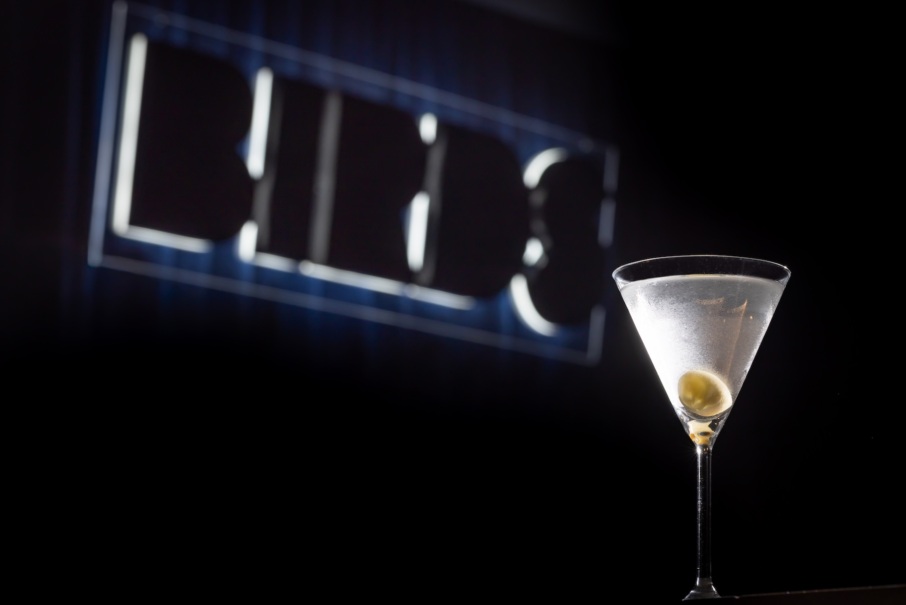
Don’t expect high-key concept cocktails à la the Cold Pizza margarita riff at The Coop at Double Chicken Please. “We’re just going to focus on the classics,” Schneider says. “We want it to be a place where it’s easy to drop in and just grab a nice martini, Manhattan, Negroni, or espresso martini and listen to music.”
Part of the rationale for sticking to tried-and-true drinks was that just about any battle-hardened mixologist could man the bar for an evening. “We’ll have a lot of industry veterans pulling shifts,” Schneider says. “I want it to be a go-to, with classic drinks that we all know and love by bartenders that can command the room and guide you as the music takes you to wherever you’ve got to go.”
While West Village rent rules out dirt-cheap drinks, Schneider was determined to keep the menu as affordable as possible in order to make everybody feel welcome. Well cocktails are all priced at $16, although customers looking for more premium spirits can opt for $19 or $22 upgrades. There’s also a strong selection of reasonably priced wines by the glass, both natural and otherwise.
“Before the band starts, we’ll have early bird specials,” Schneider says. “Really inexpensive $10 martinis and Manhattans and the like. We’re really focusing on keeping it affordable for the West Village, but then also if you want to ball out, we’ll let you ball out.”
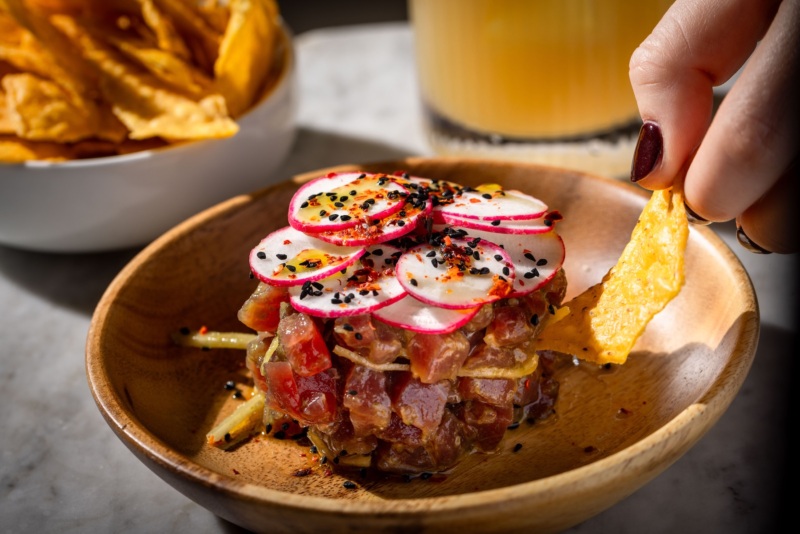
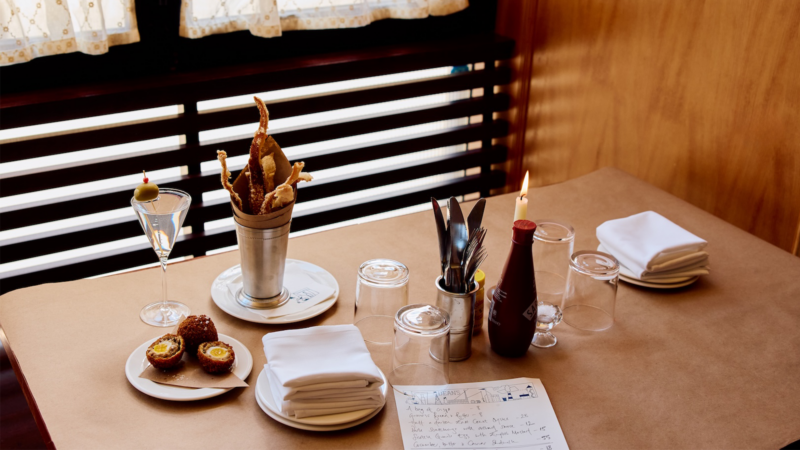
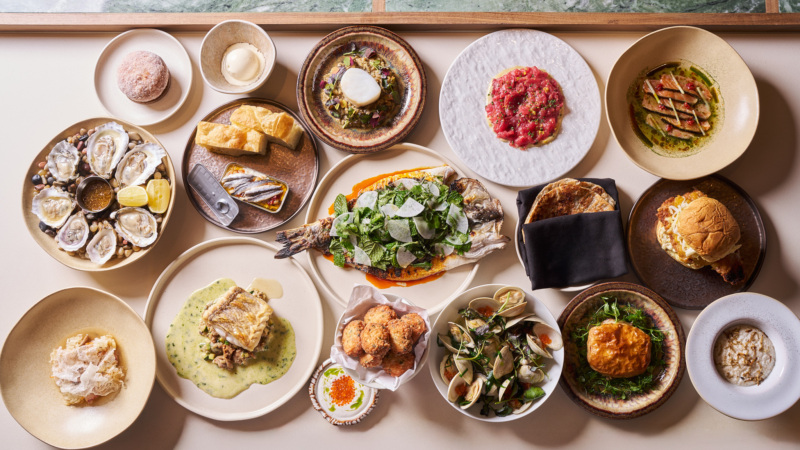
The fish tartare with salsa verde, yogurt, and ginger is served with tortilla chips.
Photo by Alex Staniloff, courtesy of Birds
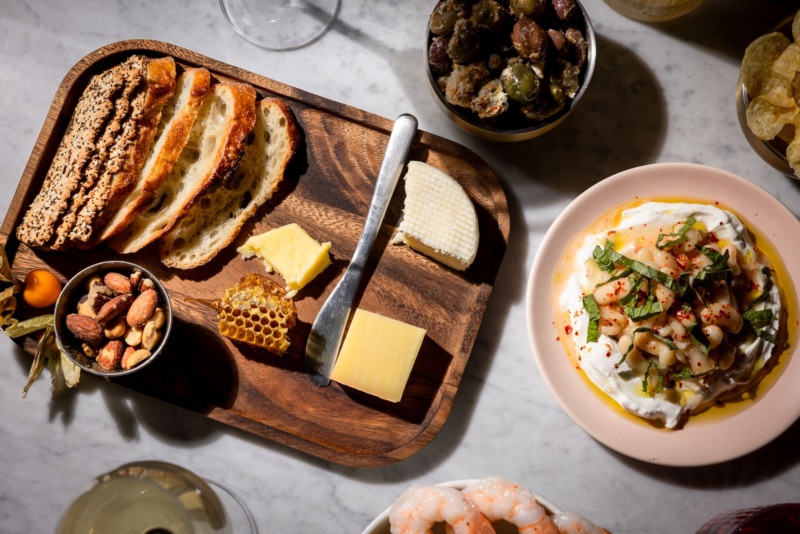
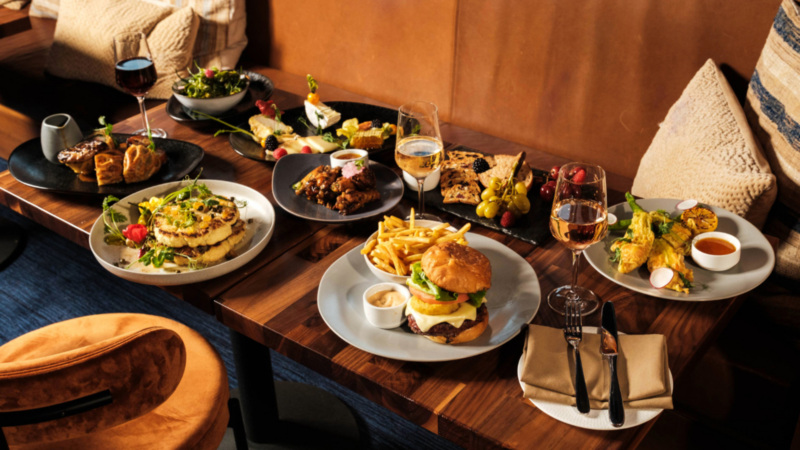
There’s soft goat, sheep, and cow’s cheese with nuts, honeycomb, crackers, and bread on the cheese board.
Photo by Alex Staniloff, courtesy of Birds

The marinated beans with smoked labne and herbs gets a side of bread.
Photo by Alex Staniloff, courtesy of Birds

Get your shrimp fix with the shrimp cocktail or shrimp salad.
Photo by Alex Staniloff, courtesy of Birds
4. It’s not really a restaurant, but the bar snacks are top-notch.
Much like the drinks, the food at Birds is unfussy by design. Think tartare, dips, meats and cheeses, and a few heartier items. “It’s nice bar snacks, but a little bit elevated, really delicious,” Naama says. “We want there to be something for everyone. Making sure to have something for every dietary preference is also part of the ethos at Lighthouse BK and Messy.”
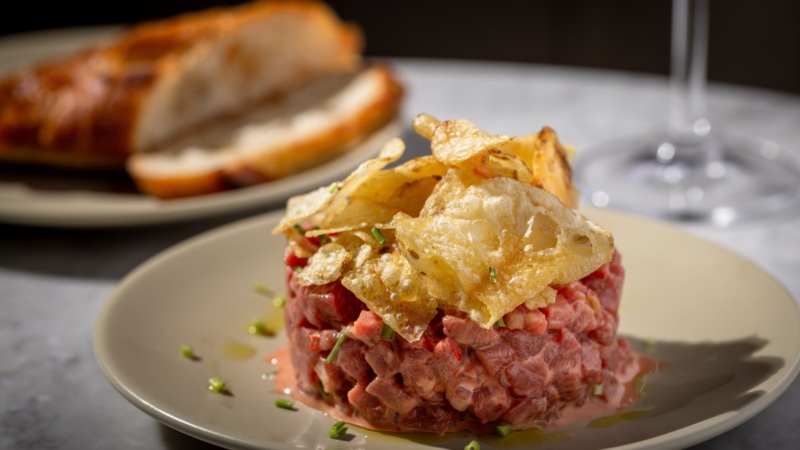
Although she stresses that this isn’t meant to be a full restaurant, each of the items on the succinct menu are made with care. The steak tartare uses hand-chopped, grass-fed and finished beef from Happy Valley. “You have full transparency on where the meat is coming from,” she says. “It’s a little bit chunkier and it definitely has a bit of spice from Calabrian chile. And then there’s pickles for acidity, plus sherry vinegar in the sauce. It comes with chips and some nice, crusty sourdough.”
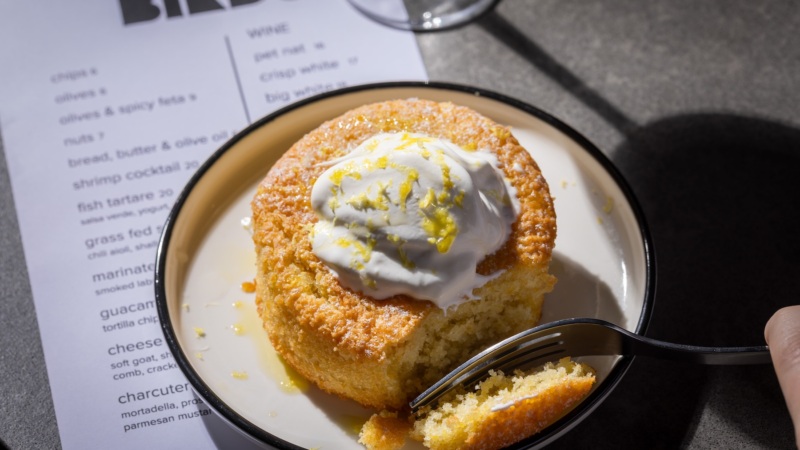
As with Lighthouse BK, just about everything that can be locally sourced here is. The vision is a concise lineup of sharable snacks and boards, with a special here and there that reflects the seasons. For dessert? A decadent olive oil cake topped with crème fraîche.
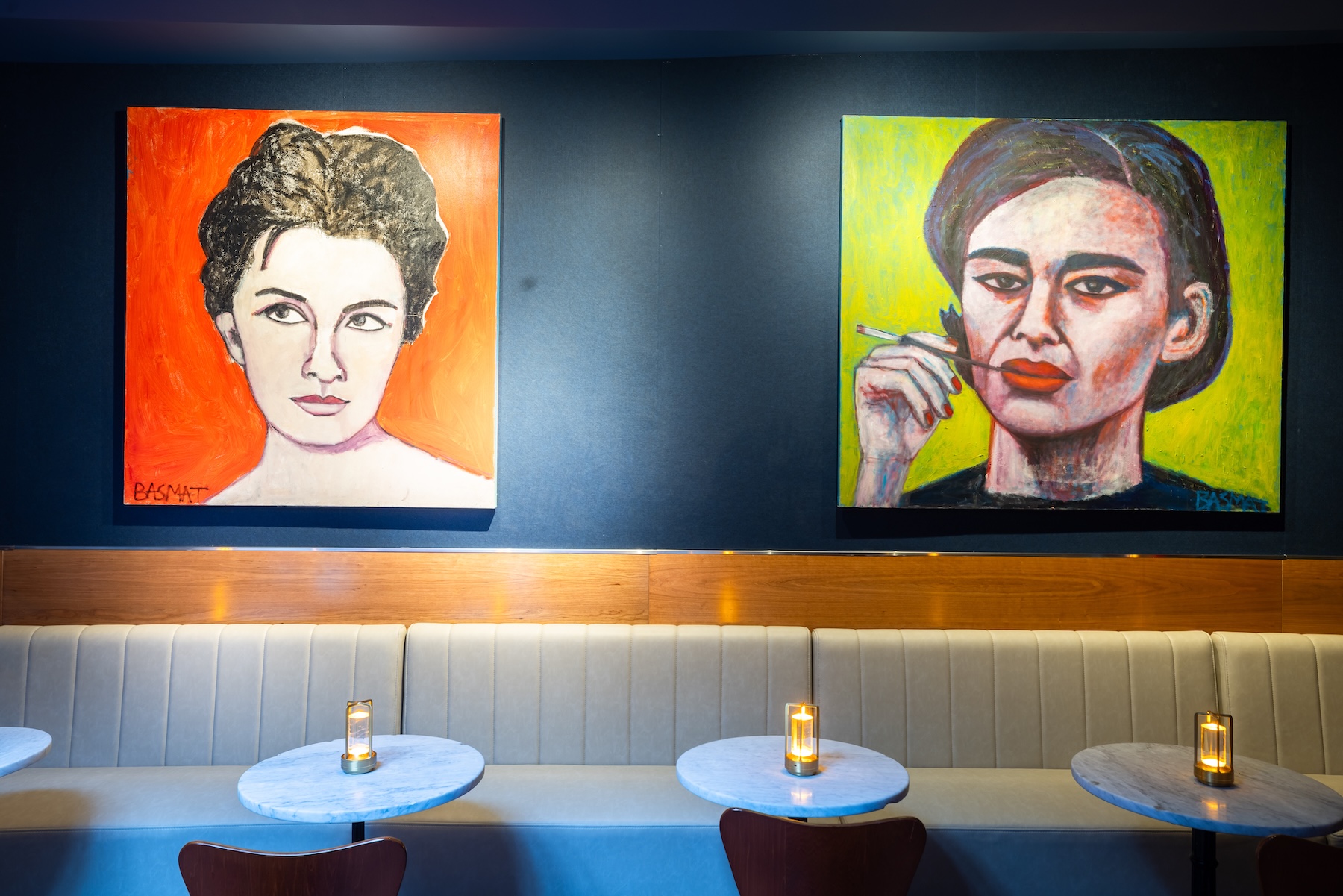
5. The sleek interior nods to ’60s French noir films.
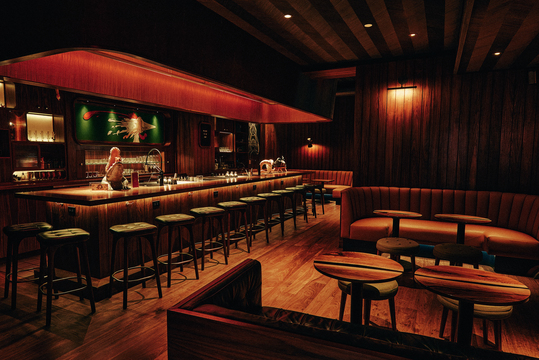
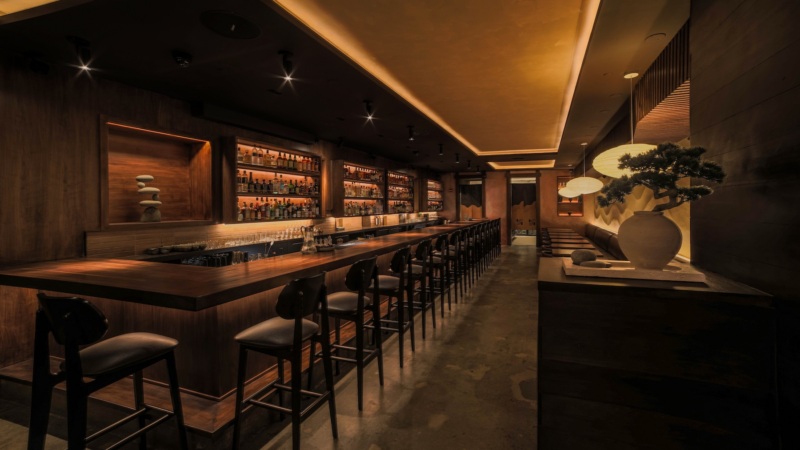
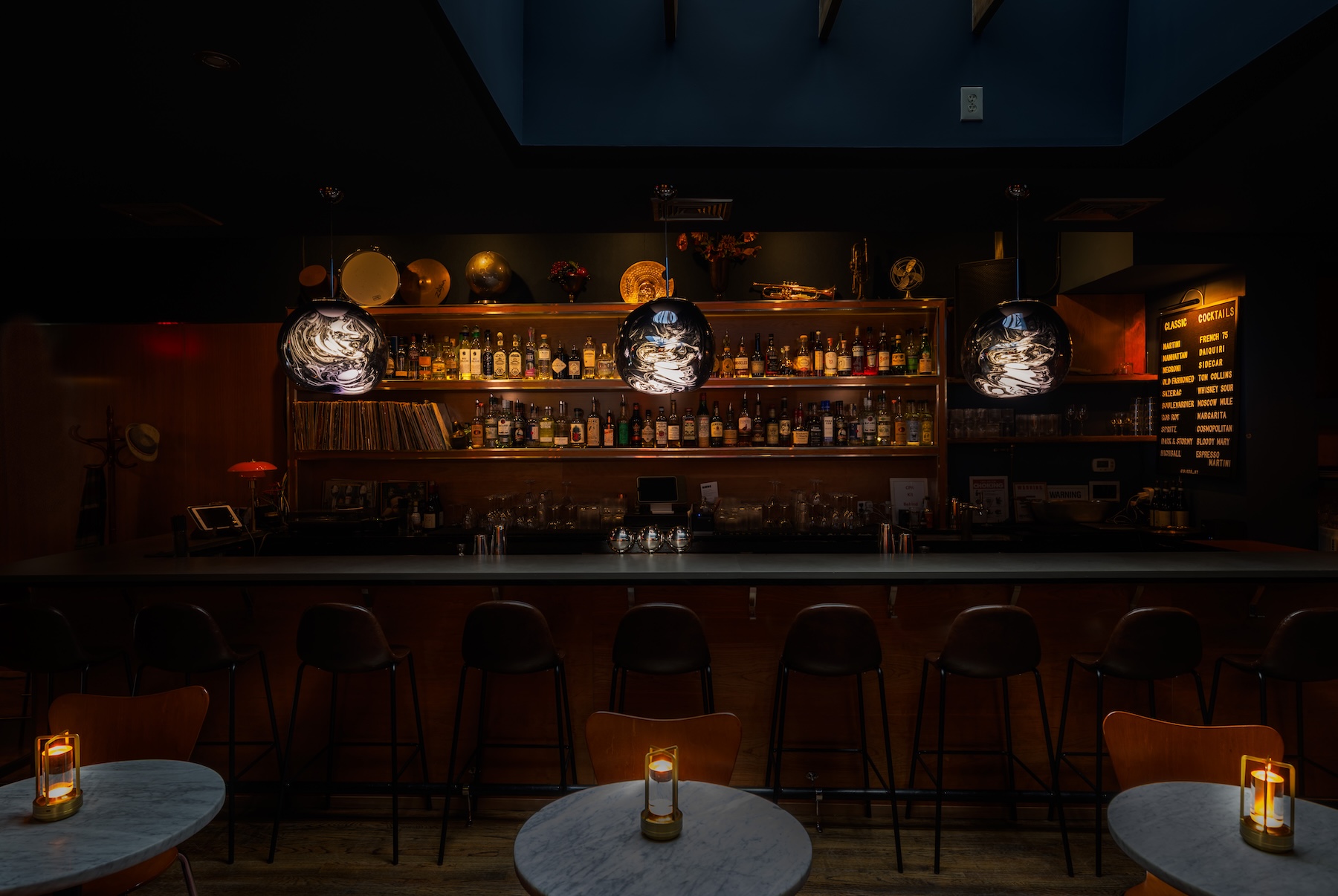
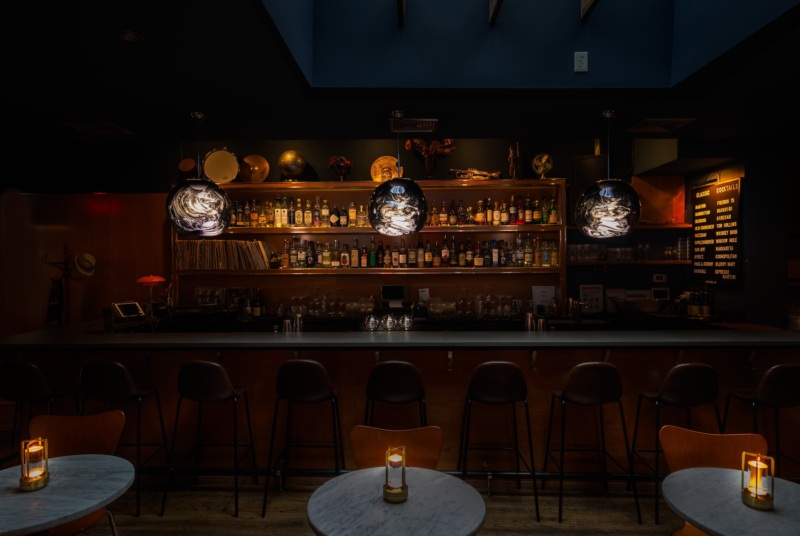
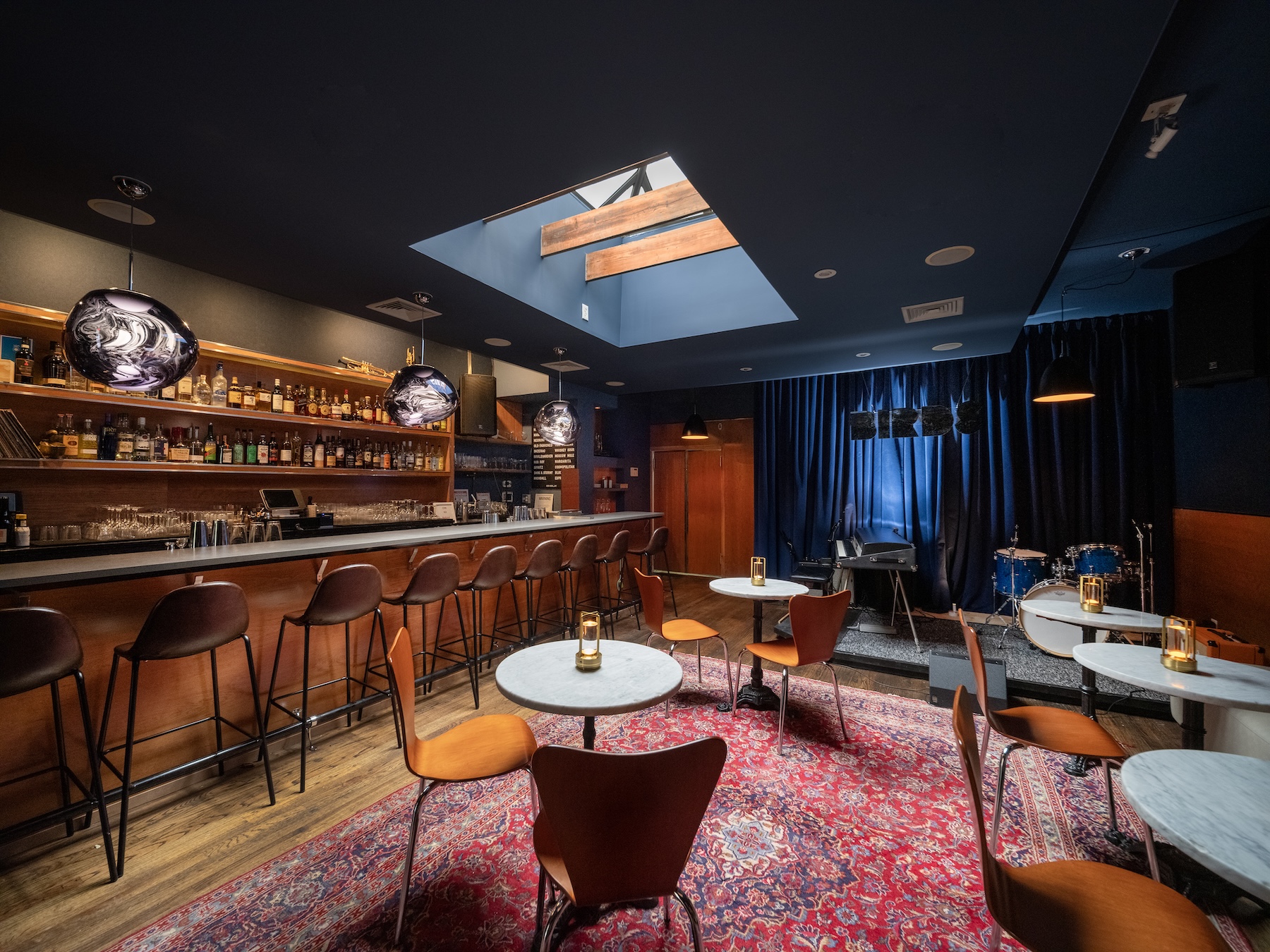
With its leather banquettes, dark blue walls, chrome accents, and low lighting, Birds looks like the kind of place where a dame in a trench coat could pull a fast one. “With the design, I went back to cinema from the late ’60s and early ’70s, especially the French crime noir ‘Le Samouraï’ and ‘Le Cercle Rouge,’” Assaf says. “It had to be a little moody, a little dark, but with pops of bright color. As you walk in, you really are transported to another time.”
The pops of color are courtesy of New York-based artist Basmat Levin. “We went to her studio the other day,” Naama says, “[Her paintings] are breathtaking and just really, really exciting.”
Beyond that, every aspect of the room points back to function. “There is a beautiful skylight so you can see the glow of the city shining right into the middle of the space,” Assaf says. “On your left, you’ll be this big, long bar. And then on the right, you’ll have that stage with a spotlight right on it. Walk in and immediately you know where you are, what you’re supposed to do.”
There’s plenty of comfortable seating, because grown-up club kids like lumbar support, but much of it can be shoved out of the way in case of a dance emergency. “If it gets rowdy and wild, let’s stick our boots there,” Assaf says. “That’s again, something that’s hard to find: a place for adults that like to shake their butt a little to really great music.”
Birds is open from Wednesday to Sunday starting at 6 p.m.
Diana Hubbell is a James Beard Award-winning food and travel journalist whose work has appeared in The Washington Post, The Guardian, Atlas Obscura, VICE, Eater, Condé Nast Traveler, Esquire, WIRED, and Travel + Leisure, among other places. Previously based in Berlin and Bangkok, she currently lives in Greenpoint, Brooklyn. Follow her on Instagram. Follow Resy, too.