Lapis Isn’t Just a Restaurant — It’s a Pillar of Afghan Culture in D.C.
Published:
As the youngest child in his family, Zubair Popal was doted on by his mother. Her constant prayer for him was “to have your food always warm and your water and drinks always cold.”
Today, with the help of his mother’s own recipes, Zubair and his family carry out that prayer for as many others as they can — through Lapis and the restaurants in their widely admired Popal Group, and through charitable work to support the Afghan community in D.C.
Zubair and his wife Shamim remember their childhood in Afghanistan fondly, and Zubair enjoyed a successful career in luxury hotel sales in Kabul. “We came from a very comfortable life,” Shamim says. “It was a beautiful country. We never thought we would leave.”
But when the political circumstances changed and Zubair’s life was in danger, they knew they had to find a new home for their young family.
He first fled to India, alone, but his family soon followed, moving to Bahrain, the United Arab Emirates, and Egypt for various roles with InterContinental before landing in the U.S. seeking political asylum.
“We as a family grew up in the hospitality industry,” his daughter Fatima recalls. “We lived in hotels.”
So when she and her brothers, Omar and Mustafa, graduated college and were ready to embark on their own careers, it was this background in hospitality that inspired them to launch a boutique restaurant group.
Related Stories
At first, her parents “wanted to have nothing to do with it,” Fatima says. “We came here as immigrants and worked our way up, so my parents always had this fear that whatever little that they had worked for, they could not take such a big risk on a restaurant.”
Eventually, the Popal kids led the charge on the first concept, a French creperie called Café Bonaparte in Georgetown, which was inspired by frequent trips to visit their mother’s family in Europe. The whole family quickly became involved, and of course, Zubair’s hotel background informed the way they operated — with clear procedures in place to uphold their high standards of service.
Another French concept soon followed, Napoleon in Adams Morgan. But the family always knew they would eventually open an Afghan restaurant serving the food they ate at their own dinner table.
The food is a reflection of my family’s recipes, my mom’s recipes, that go back generations.— Omar Popal
Comparing their early dining experiences in the U.S. to the 1996 classic film “Big Night,” Omar recalls an inaccurate representation of his family’s cuisine. “We’d go to a lot of these Afghan restaurants, and they weren’t Afghan. It was just a bastardization of the food,” he says.
He cites the massive emigration in the 1980s, which steered many Afghans into bordering Iran and Pakistan, and thus influenced their food.
“What my family had was these preserved recipes from a specific part of the country,” Omar says. “We have a slice of Afghan history from that perspective, and so when we would go out and dine in other places, we were just so distraught by the offerings and how people were being introduced, or they came to understand Afghan food, in a certain light, when it wasn’t the case.”
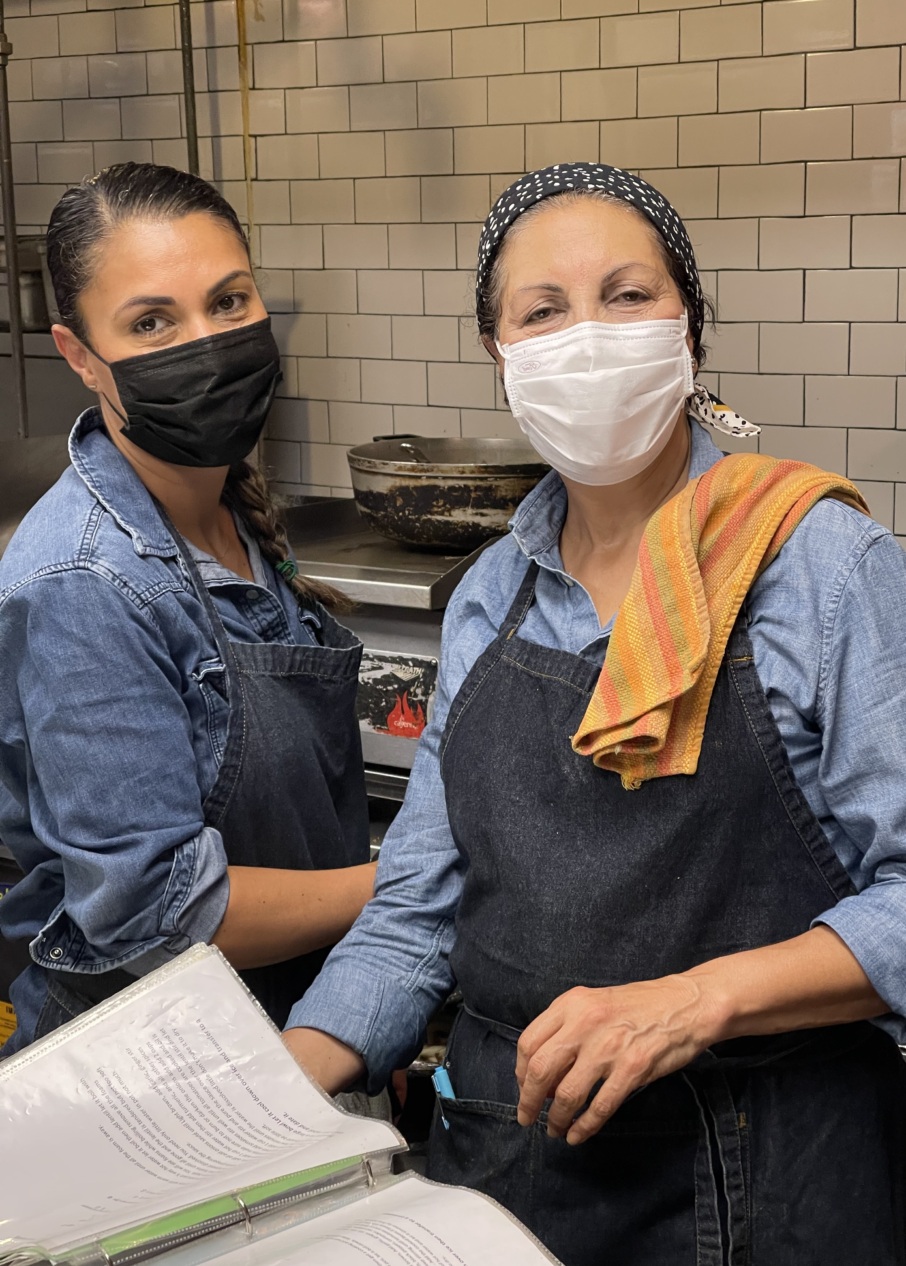
When the Popals were ready to turn their French concept into what eventually became Lapis, the family’s seminal Afghan restaurant, they pitched the idea to the family’s best cook, Shamim. “I was like, so who’s going to run this restaurant? Who will be the chef? And they all looked at me.”

“That was a big shock,” Shamim says. “I was like, no, there is no way I can run a restaurant. I just cook for you guys at home because I love to cook for my children. I just wanted them to eat healthy food, and it was a tradition for us to cook at home and eat around the table.”
“She walked out of the room,” Fatima adds.
But as Shamim considered it further, she realized this was an opportunity to share the culture of her home country, and she agreed. “The next day,” she says, “I sat there writing my recipes, and calling my mom, my sisters, my aunts, to get their original recipes.”
She was also heavily influenced by her mother-in-law, who lived with the family when they first moved to the U.S. “I was watching her and seeing all the original food that we used to cook in Afghanistan,” Shamim says. “[The menu] reminds me of my family and my husband’s family.”
In a span of ten days, the Popals transformed Napoleon into Lapis, which opened in 2015.
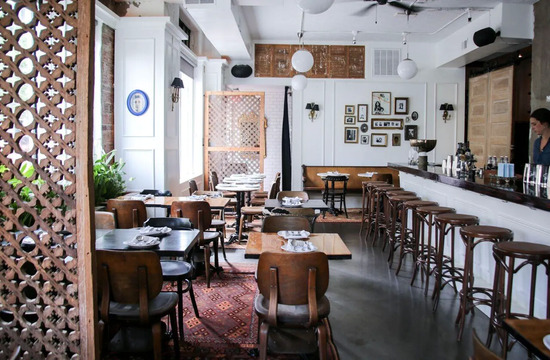
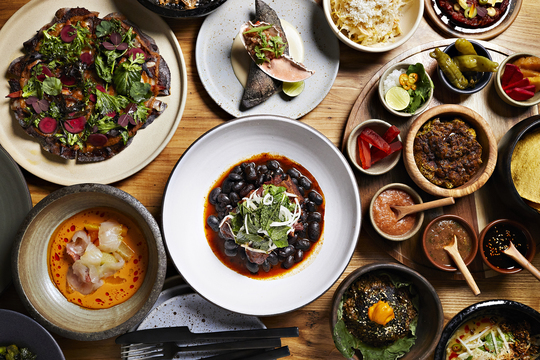
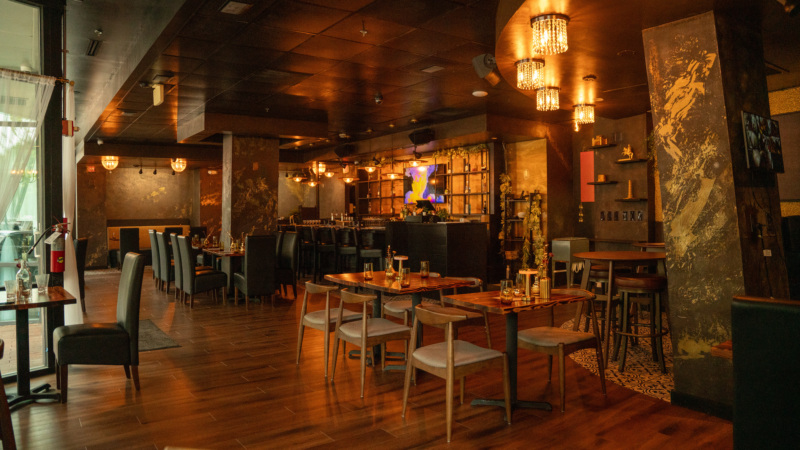
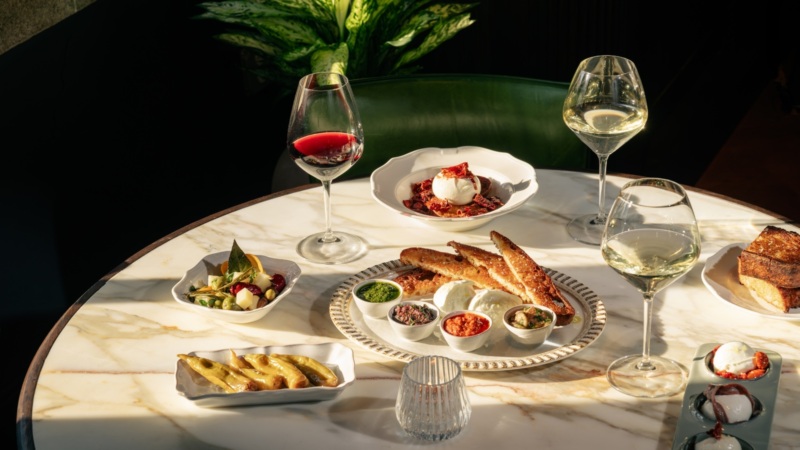
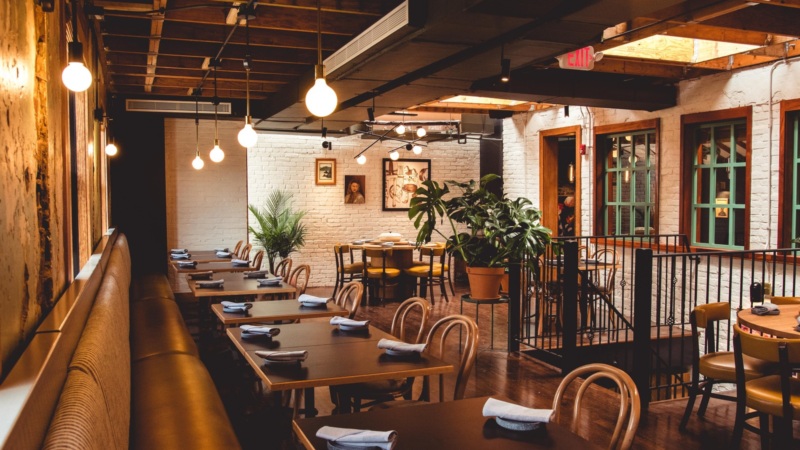
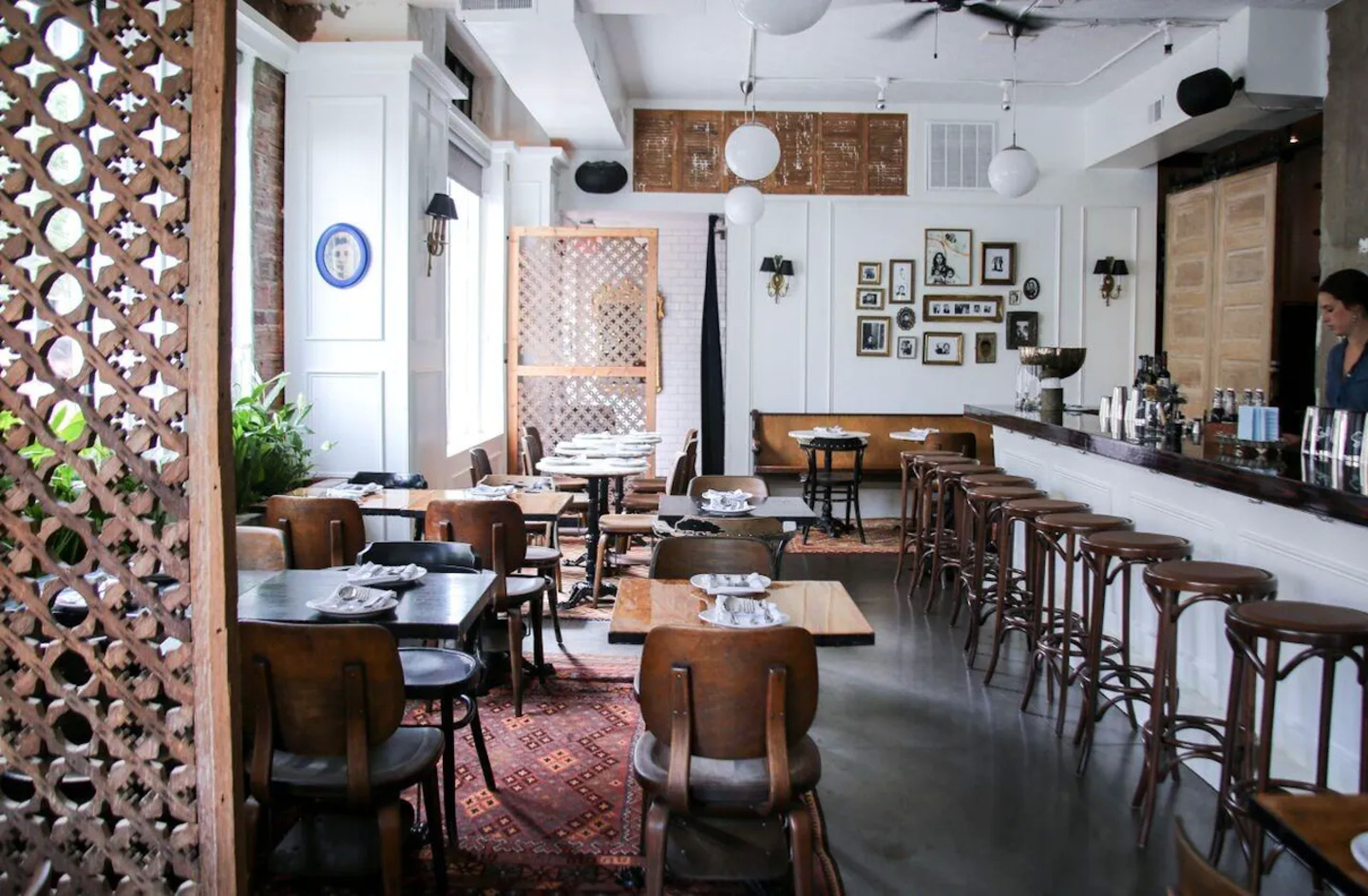
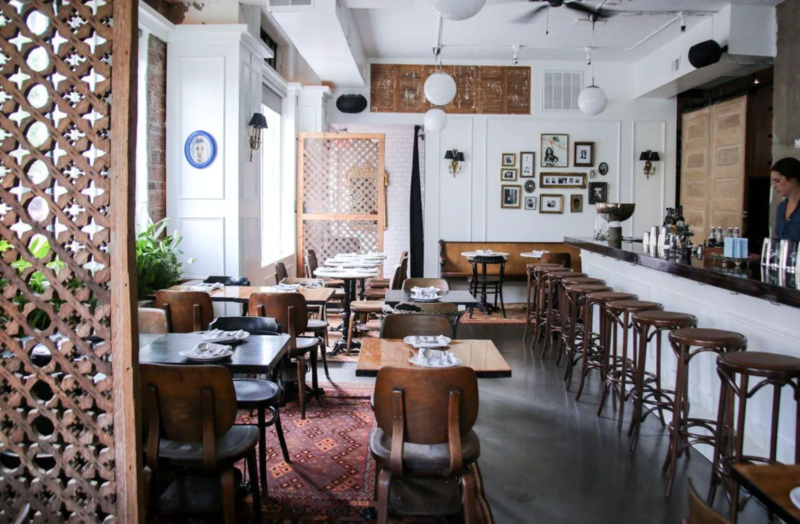
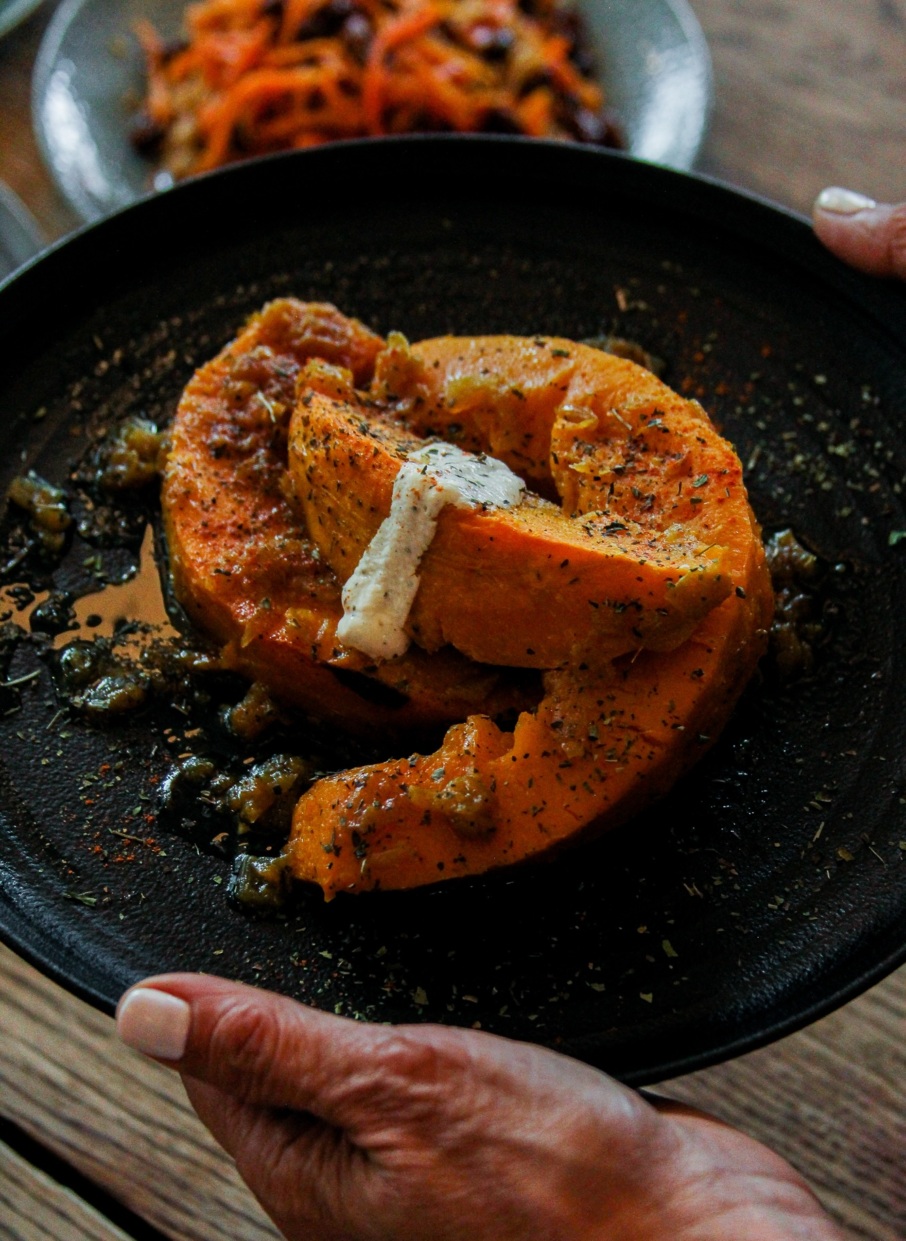
“This is like you’re coming into our home,” Omar says. “The interior is a reflection of us and our home. And the food is a reflection of my family’s recipes, my mom’s recipes, that go back generations.”
It was important for this reflection to be true to life, so you won’t find the cliché carpets hanging on the wall. “We have carpets on the floor,” Omar jokes.
Instead, the walls are adorned with black and white pictures of his parents— his mom in a miniskirt and his dad in a Boy Scout uniform. “It also helped enlighten other people to what Afghanistan was like prior to 40 years of destruction where things have gone backwards,” Omar says.
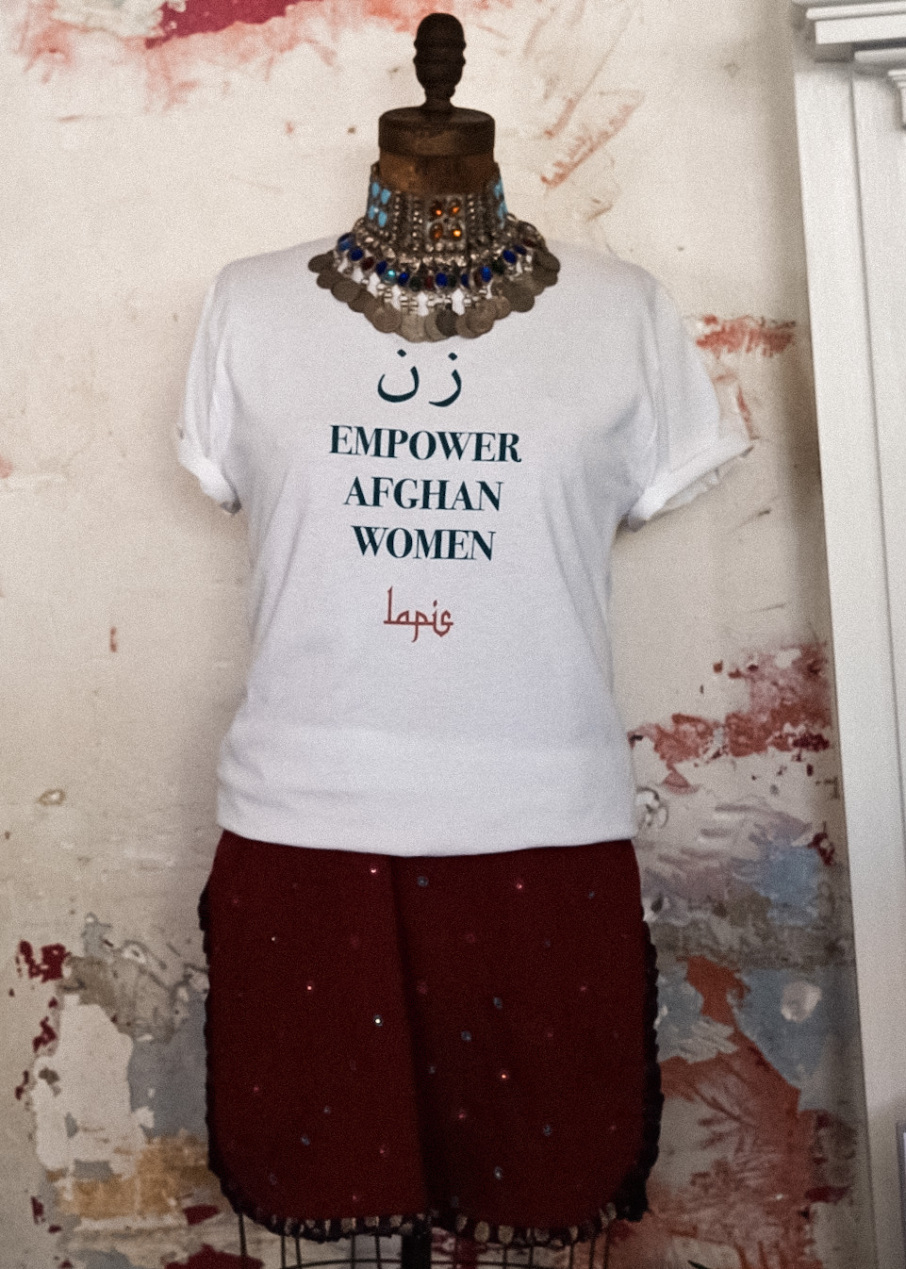
Lapis is now celebrating their 10th anniversary with a cultural bazaar across the weekend of Saturday 17 and Sunday 18 May to spotlight the talents of contemporary Afghan artists as well as the country’s rich history. The proceeds will benefit Women for Afghan Women, a human rights organization that protects and empowers Afghan women and girls.
Because their own family fled Afghanistan and struggled to find their way in the U.S., the Popals are passionate about helping those who are in their shoes today.
“In those days it was so, so hard for us,” Shamim says. “We wished there was someone who could help us, but there was nobody.”
We wanted the newcomers not to be lost like the way we were in the beginning.— Shamim Popal
Over the years, they have personally provided housing for refugees, as well as employment for young Afghans at Lapis, and broader support for the Afghan community by hosting donation drives and distributing essentials to families, as well as fundraisers like an ongoing partnership with The Lantern bookstore in Georgetown to support women’s education in the U.S. and Afghanistan.
“We wanted the newcomers not to be lost like the way we were in the beginning,” Shamim says.
The restaurant group is now marking 22 years with three celebrated restaurants (Lapis, Lutéce, and Pascual) and an event space (Lapop, beneath Lapis). And they’re not slowing down.
“We are in growing mode,” Zubair says. “We want to be busy.”
For all the warnings about working with family, the Popals seem to have it figured out. “We have to be in different lanes,” Fatima explains. “It allows everyone to have and work on their strengths. And we’re a family, so we do see each other all the time.”
Like when they gather around the table at Lapis, where they still celebrate family milestones together. “I’m so happy that even our grandchildren are eating our food,” Shamim says. “I’m glad they love the food that I used to love when I was a kid back home.”
Lapis will host an Afghan Cultural Bazaar on Saturday 17 May and Sunday 18 May to commemorate the 10th anniversary of the restaurant. Buy tickets for Saturday 17 May here and Sunday 18 May here.
Lani Furbank is a writer based outside of Washington, D.C. Her work has been featured in the Washington Post, CNN, BuzzFeed, Eater, Edible, Michelin.com, Thrillist, and Time Out. Follow her on Instagram. Follow Resy, too.