Inside New York’s Tiny Restaurant Kitchens
Published:
Nearly every New Yorker has lived with a claustrophobic kitchen at one point — perhaps with a stove that’s older than they are, or a bathtub steps from the refrigerator. Now, imagine cooking dinner for up to 100 guests a night in a space about that size, or maybe even smaller.
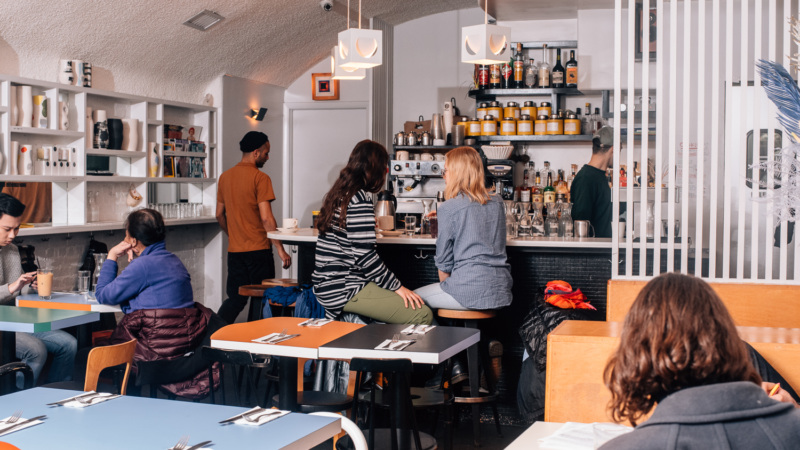
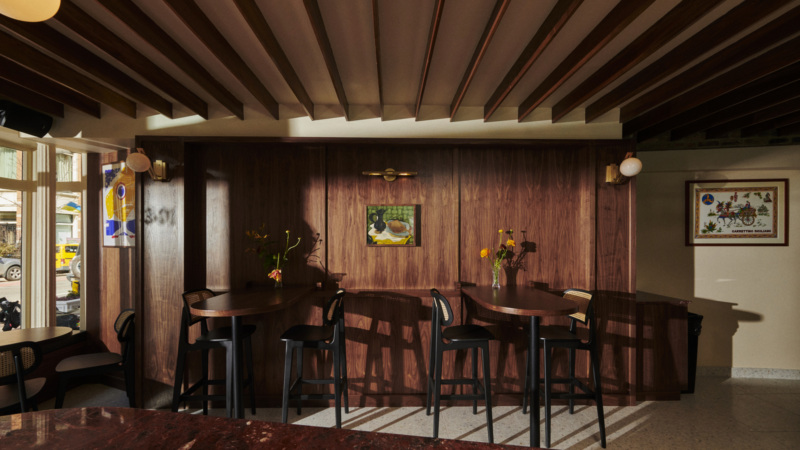
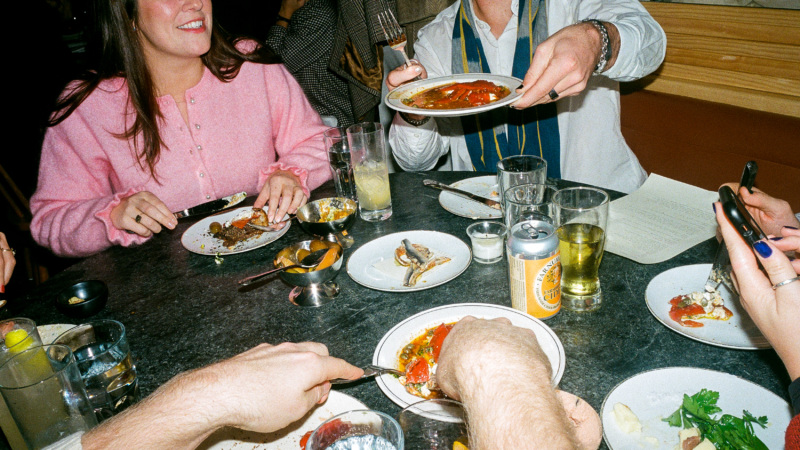
Petite restaurants with even smaller kitchens are a hallmark of the city’s dining scene. And while some are truly transportive, making you feel like you might be at a wine bar in Paris or inside someone’s home, they simultaneously feel in situ and uniquely New York, reminding us that the city’s restaurants are wonderfully resourceful and inventive.
These cramped spaces push chefs’ creative limits. At Bong in Crown Heights, chef and co-owner Chakriya Un adapts Cambodian dishes so they can be made in a102-square-foot kitchen. Over in Greenwich Village, Dame is never open for lunch because the dining room’s high top tables double as prep space during the day. Meanwhile, the teams at Jōji in Midtown and Odo East Village took a page from early aughts icon, Sex and the City’s Carrie Bradshaw, and use their ovens as storage space for things like plates, pans, and plastic wrap — not sweaters.
Opting for a small space was also a conscious choice for many of these restaurant owners who wanted to create an intimate experience between themselves and their diners and a place
We spoke to chefs, managers, and owners who work in six of these kitchens about how they make it work.
Dame
Kitchen size:
160 square feet
Number of chefs that can fit:
2 chefs
Plates sent out during a busy service:
300 to 400 plates
Number of customers served on a packed night:
100+ guests
The compromise:
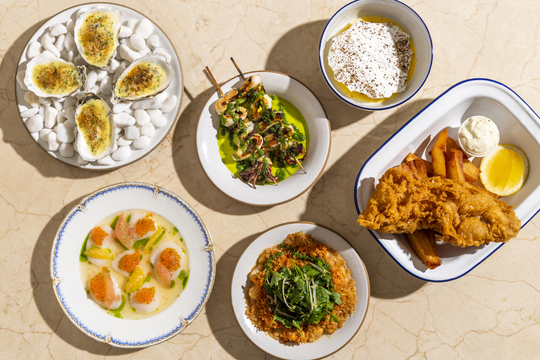
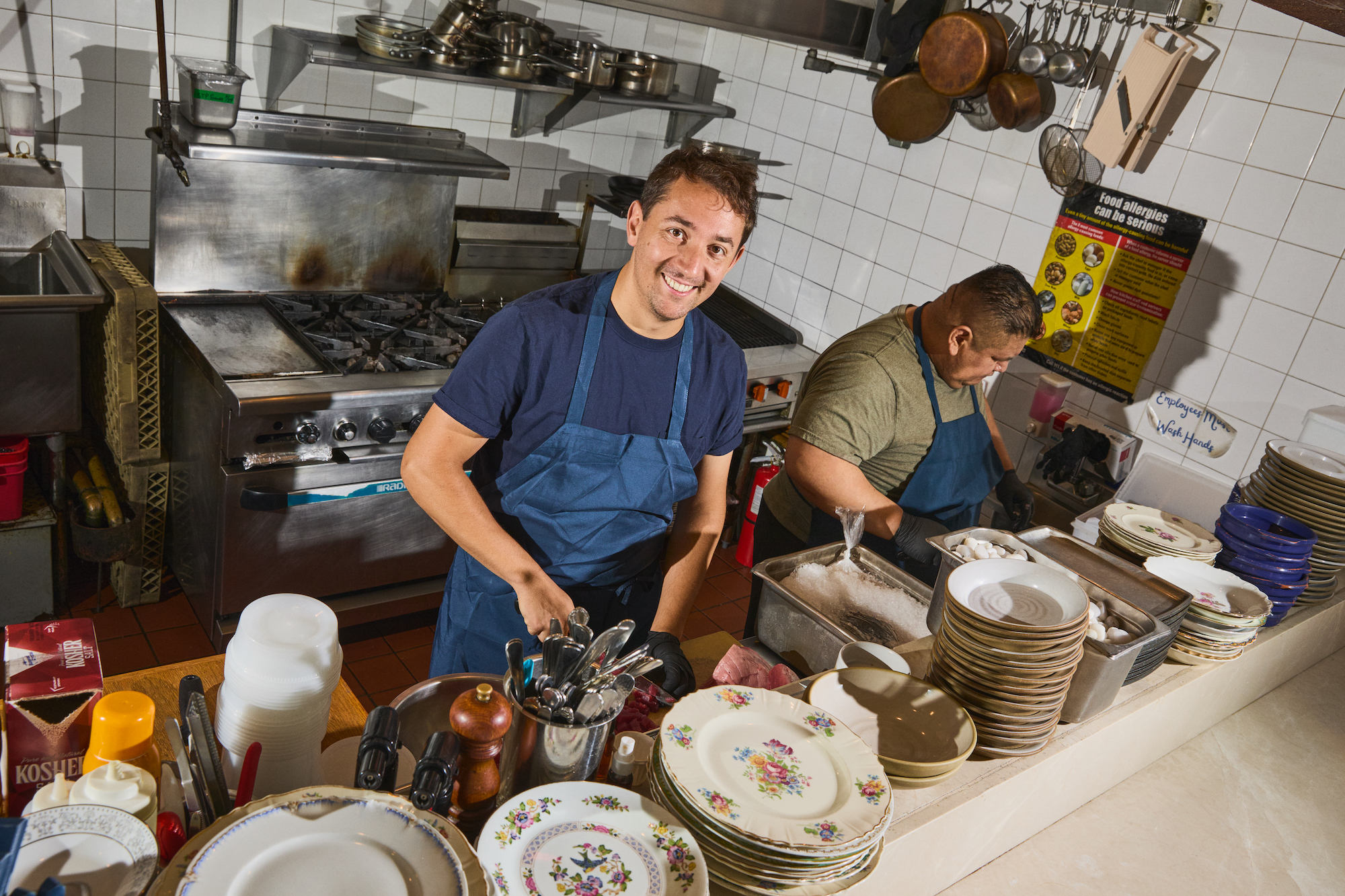
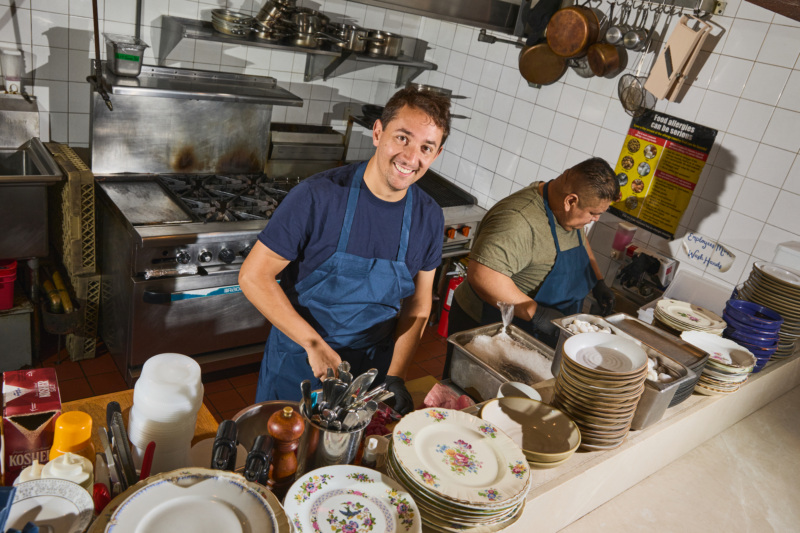
During the day, the equally compact dining room doubles as a prep area. “That’s why we’re not open for lunch,” says chef and co-owner Ed Szymanski. “We have high-top tables, not just because we like that style of dining, but because a high-top table is great for prepping on.”
When Ed Szymanski and his wife and co-owner Patricia Howard decided to transform their wildly popular COVID fish and chips pop-up into a brick-and-mortar restaurant, they weren’t looking for something expansive. “We leased a tiny space on purpose,” Szymanski says. They wanted it to feel European and casual, where a chef could personally hand a diner their food or top up their wine glass. “That really fits with who we are as people,” he adds.
There are, however, trade-offs. The entire kitchen consists of four burners, a fryer, a little grill, and a tiny plancha. “We only bite off as much as we can chew when it comes to the menu,” Szymanski explains. There’s no whole grilled fish at Dame because there’s nowhere to cook them, and there’s no grilled, buttery seafood, because it would smoke out the restaurant. These limitations are part of the reason they opened Lord’s and Crevette, both of which have roomier kitchens.
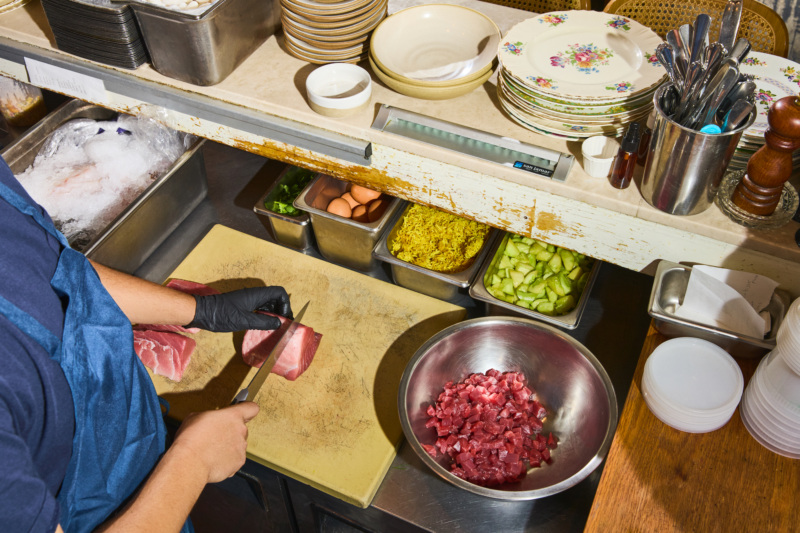
But even with larger restaurants, plus a fish and chips counter called Chippy’s on the way, Szymanski still appreciates the ability to hop into the kitchen at Dame on any given night, cook his guests’ dinner, and see them enjoy it. Doing that night after night during Dame’s first year, he says, “really laid the foundation for this openness that we have with our customers, and culture that we try to build with our staff.”
Bong
Kitchen size:
102 square feet
Number of chefs that can fit:
3 chefs
Plates sent out during a busy service:
300 to 350 plates
Number of customers served on a packed night:
110 guests
The compromise:
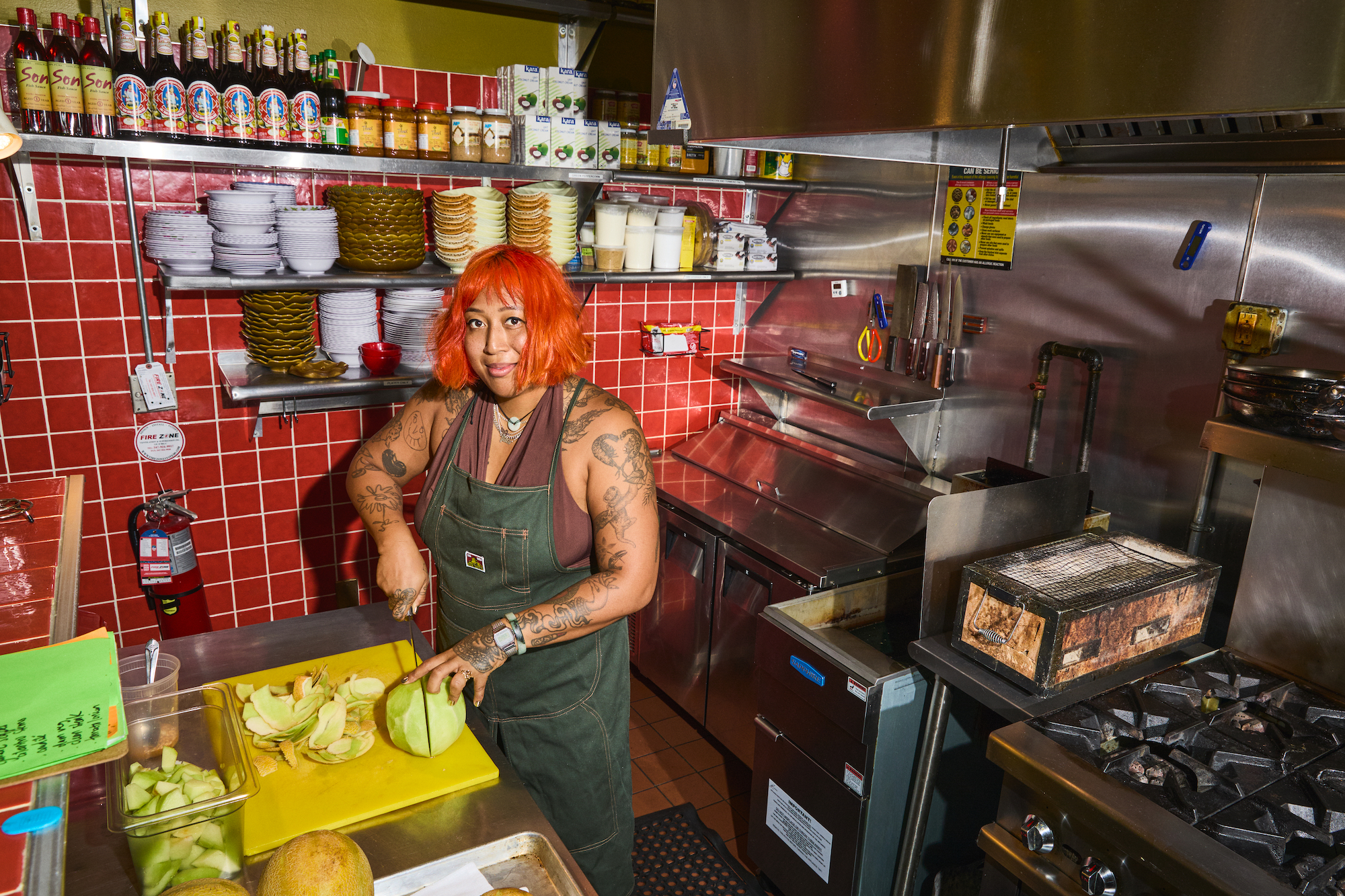
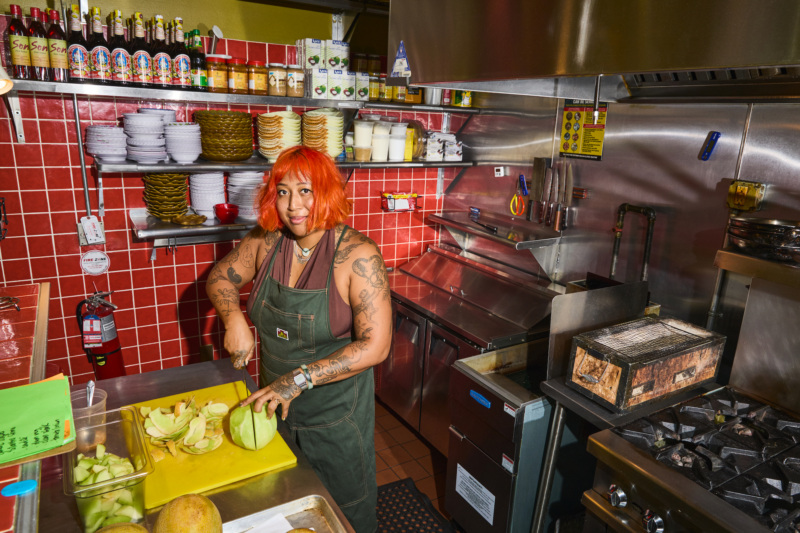
Some common Cambodian dishes are tweaked and made with different cuts of meat and cooking techniques that work in the space. Kreung, an essential paste in Khmer cooking that shows up in several dishes on the menu, is fried off before dinner service, to cut down on the cooking time for dishes.
When Chakriya Un and Alexander Chaparro took over the old Ursula space in Crown Heights, Brooklyn, they halved the kitchen space but left it open to the dining room. Two weeks before the first night of service, Un decided they needed to partially enclose it with a wall, making the kitchen even tinier. Chaparro was hesitant, but Un said, “Trust me.”
“I like working in smaller spaces,” Un shares. “You have to really force yourself to be very organized. Being able to pivot behind you for a tool, pivot to the left, pivot to the right — that feels efficient.” They also created a hidden storage space they refer to as their “bodega.”
The Khmer food they cook, however, presents unique challenges. It relies on layered and complex sauces and pastes like kreung, which is made from lemongrass, turmeric, lime leaves, galangal, shallots, and garlic. At Bong, they fry it in advance. “On the pickup, it’s already seasoned and cooked down, but you’re still getting the flavor of the kreung,” explains Un. “You really just have to toss in the vegetables and the clams. It decreases the cook time from what would be maybe 20 minutes to five.”
The team has also adapted dishes to work with the equipment they have (or don’t have), which consists of a six-burner stove, an oven, and a fryer. The chefs at Bong sear pork chops and serve them with a dipping sauce of tomatoes and fish sauce.
But the accommodations come with their upsides. “I think that’s the fun part — making things happen, just being resourceful. I really find joy in that. I feel like that is cooking,” she says.
Ramen by Ra
Kitchen size:
88 square feet
Number of chefs that can fit:
2 chefs
Plates sent out during a busy service:
70 to 100 plates
Number of customers served on a packed night:
40 to 50 guests
The compromise:
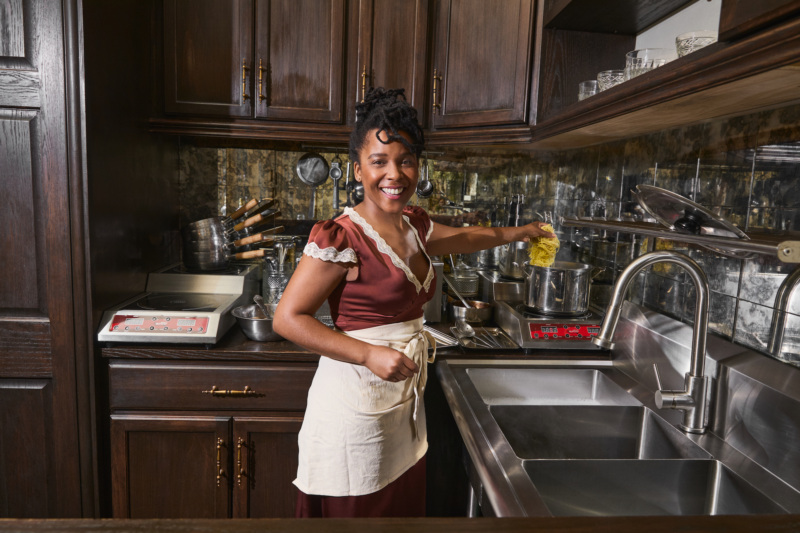
Chef and owner Rasheeda Purdie gave up on her plans for a wine license, which would have required her to have a restroom for customers. She used the space for a bigger kitchen.
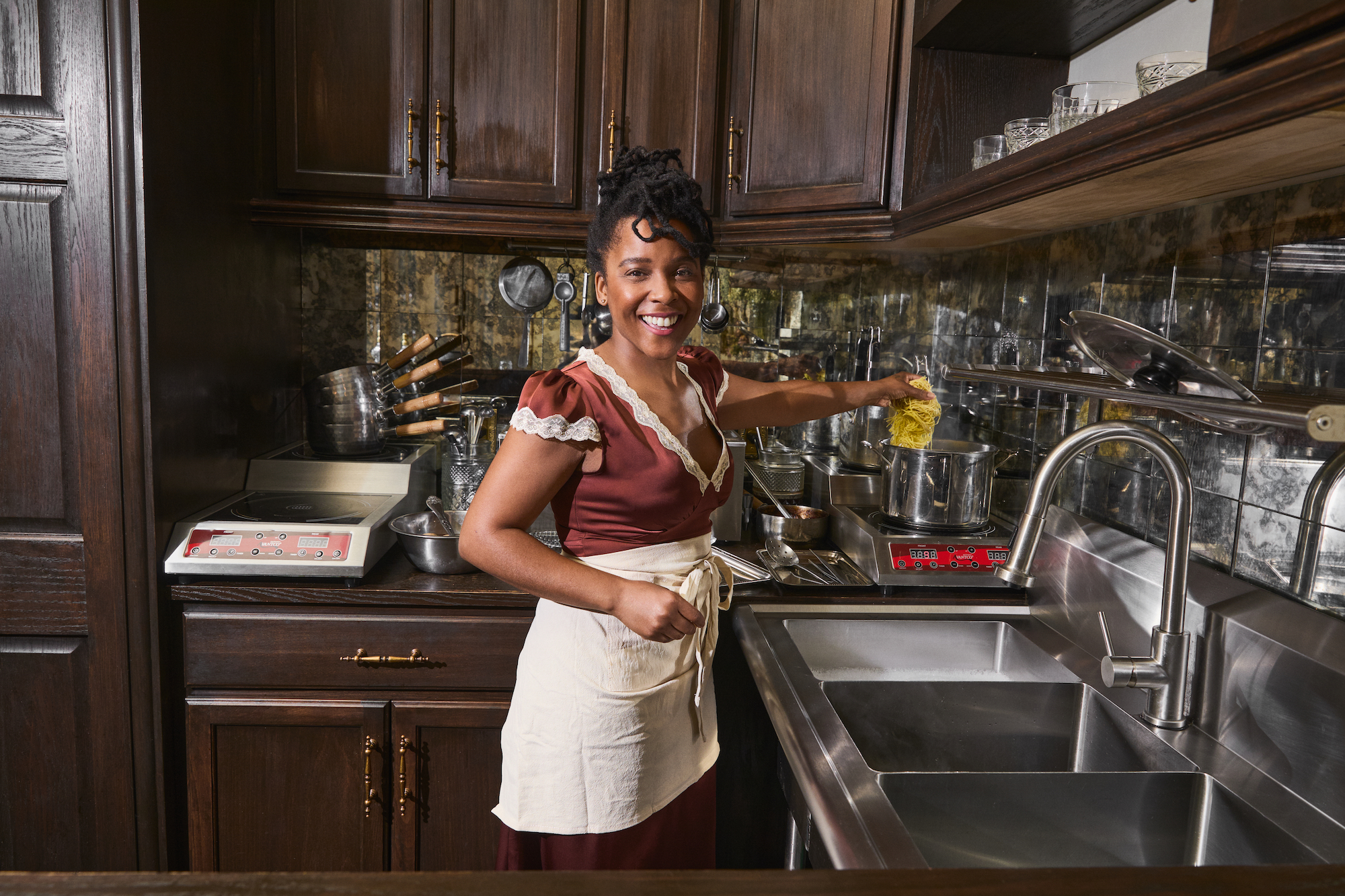
“She’s tiny, but it was meant to be this small,” explains Rasheeda Purdie of her East Village breakfast ramen destination Ramen By Ra. Inspired by ramen shops in Japan and her first location in The Bowery Market, Purdie wanted her restaurant, which also operates a takeout window, to feel like diners were eating in a home.
Fittingly, the space only seats about as many guests as an intimate dinner party. Previously six diners could slurp noodles here, but Purdie recently lowered the seat count to just four, so she could increase the shop’s window service, where guests can order everything from cups of broth and teas to breakfast bao and open-faced ramen cups. Everyone places their order when they make their reservation, so she only cooks what she needs and she does it by herself, even though the kitchen can fit two.
The petite space, which has a distinctly feminine feeling, allows Purdie to interact with her guests from her open kitchen. “Being the first Black-owned ramen shop in the country, people are interested in meeting me, talking and having that communal experience,” she adds.
Jōji
Kitchen size:
56 square feet
Number of chefs that can fit:
3 chefs
Plates sent out during a busy service:
160 plates
Number of customers served on a packed night:
40 guests
The compromise:
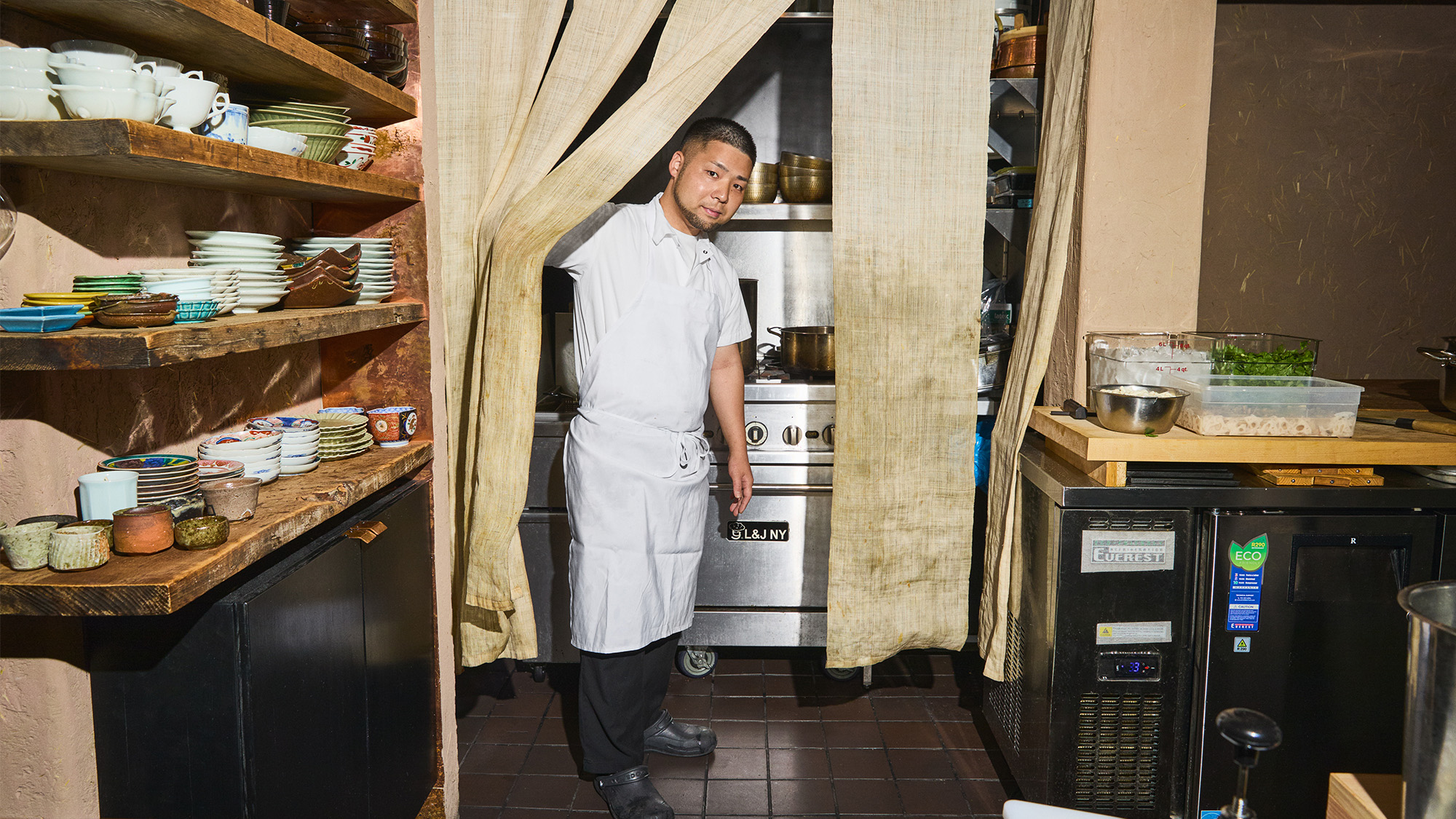
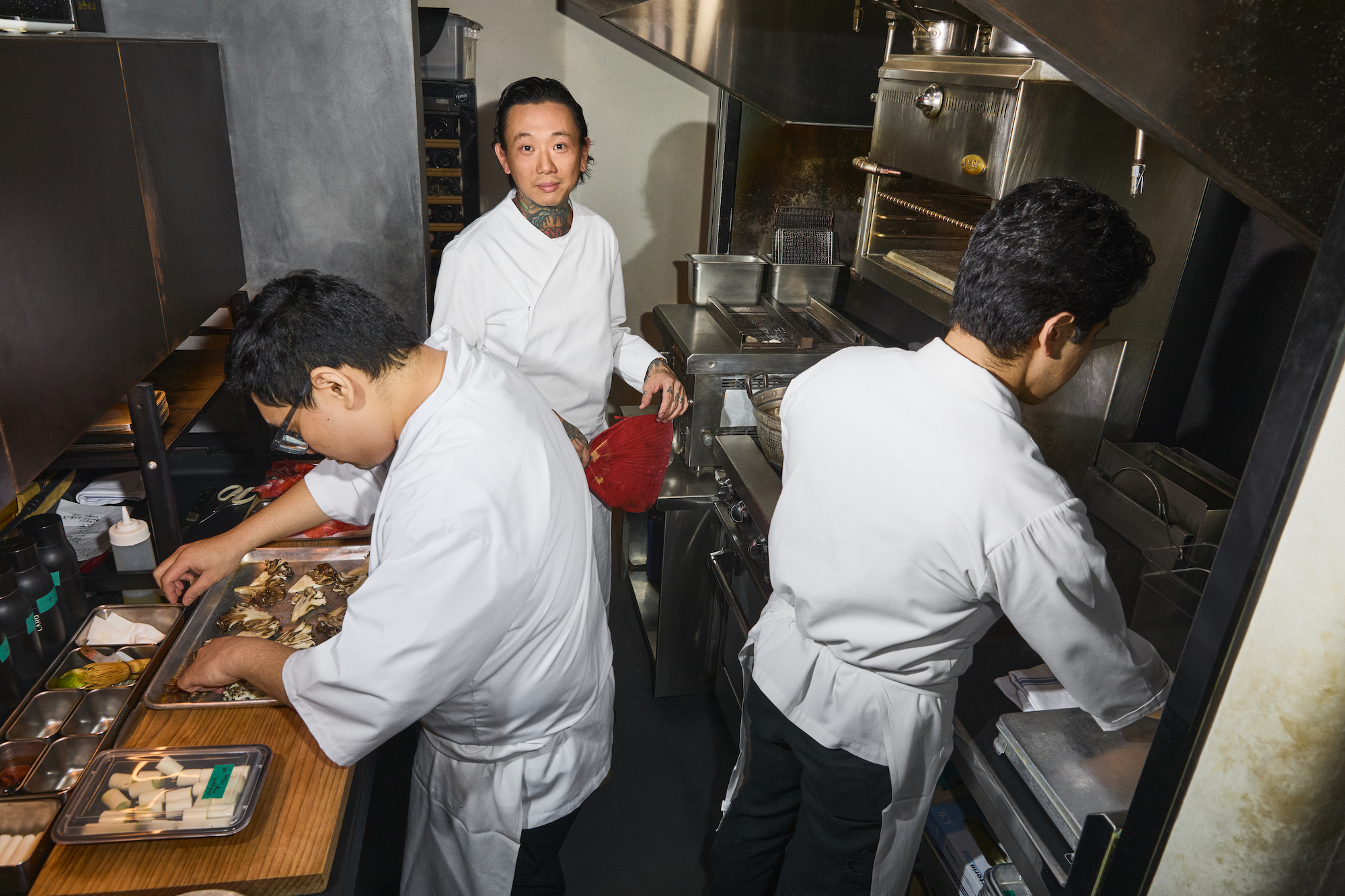
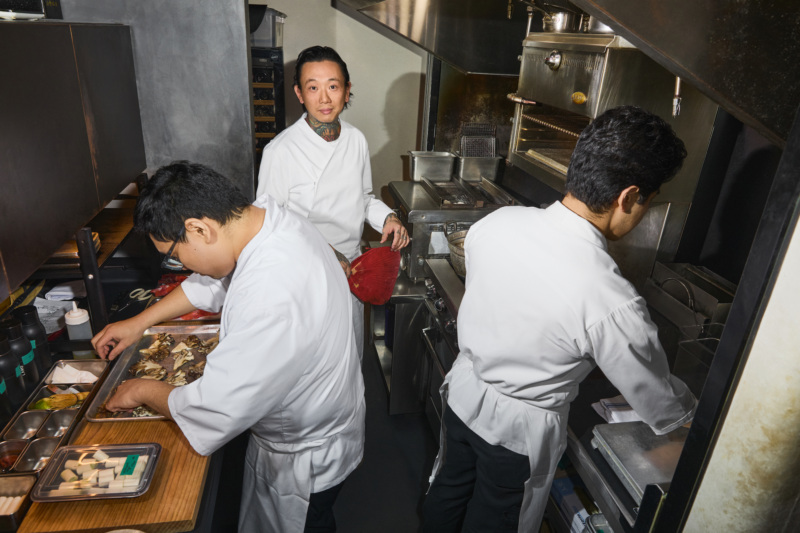
The tiny kitchen didn’t have enough storage space, “So we shut down one of our ovens for plateware,” explains chef-partner Wayne Cheng.
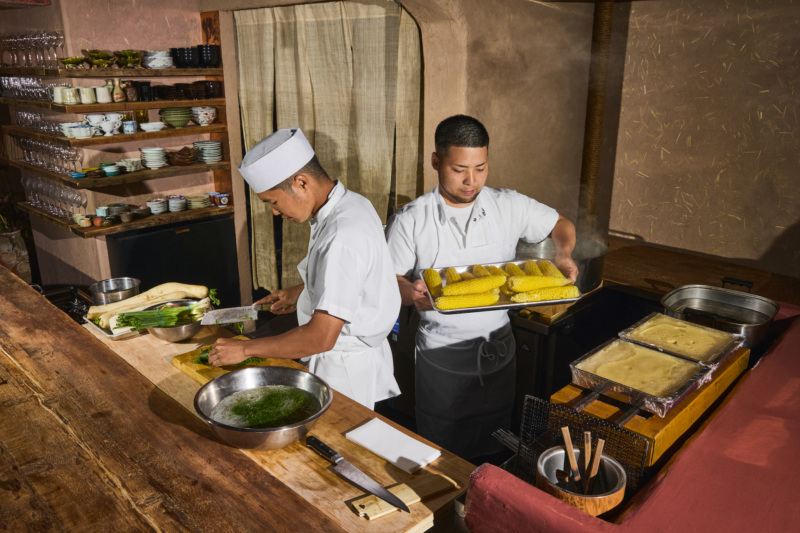
Tucked into the soaring One Vanderbilt next to Grand Central, New York omakase restaurant Jōji has ambitions far beyond its size. Only 11 diners can be seated at the one-Michelin-starred counter during one lunch service and two dinner services. And while everyone is served a 19-course meal, plus supplements, the dishes aren’t the same from one party to another. “We customize the menu to each customer,” Cheng says. For return guests, the team refers to what the diner was served previously, so each time, they experience a new menu.
To maximize the ways dishes can be cooked while still leaving space for the chefs, the appliances here are petite — the fryer is the smallest size on the market, Cheng notes. During the day, the private dining room, which can seat up to eight additional guests, becomes a mix of an office, storage, and prep area — all of which has to be cleared before guests arrive. And once service starts, there’s little clearance space for the team. When the oven door or the under-counter fridge is open, no one can pass by.
“The biggest benefit is we don’t waste space,” Cheng notes. “Everything is so focused.”
Odo East Village
Kitchen size:
53 square feet
Number of chefs that can fit:
3 chefs
Plates sent out during a busy service:
250 to 300 plates
Number of customers served on a packed night:
40 to 42 guests
The compromise:
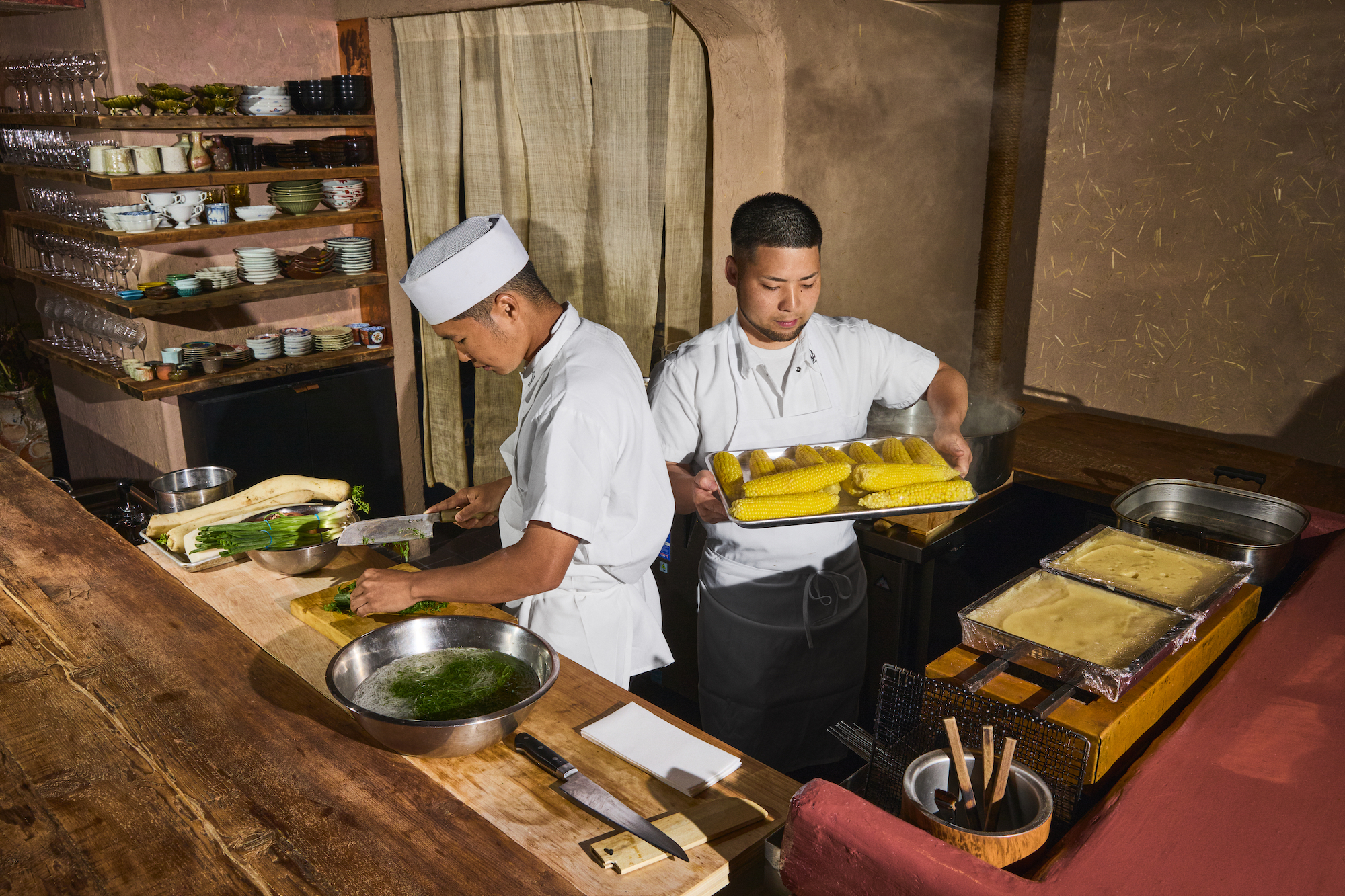
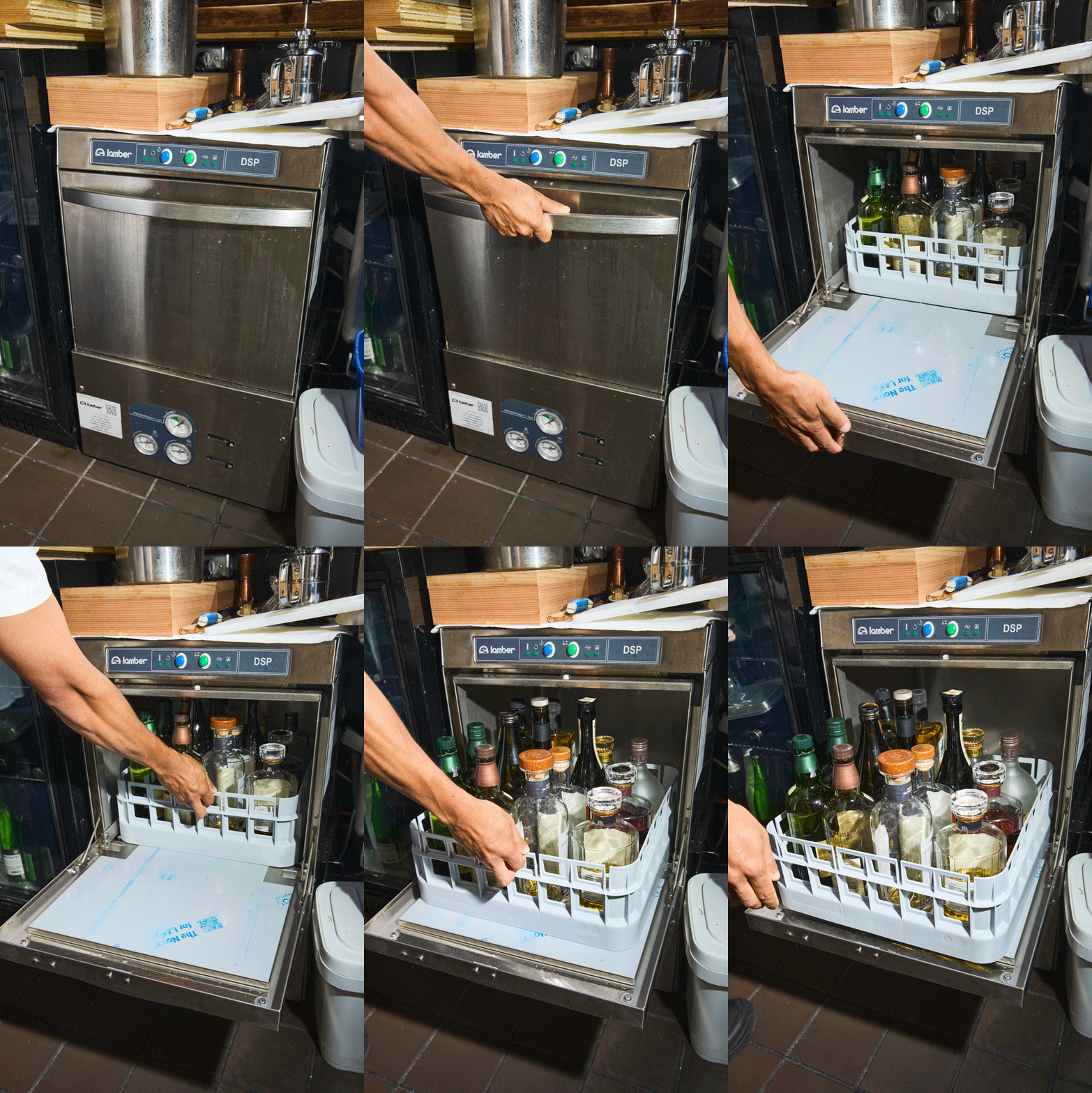
Every dish and glass gets washed by hand so the team can use the dishwasher for liquor storage.
When chef Hiroki Odo chose the old Minca Ramen space for his combined kaiseki and izakaya concept, his executive manager Brian Saito was a bit hesitant. “I personally thought it was going to be impossible, but we’re making it work right now,” Saito says. Odo, who also owns the two-Michelin starred Odo, wanted the space to be small and cozy, like classic izakaya spots in Japan.
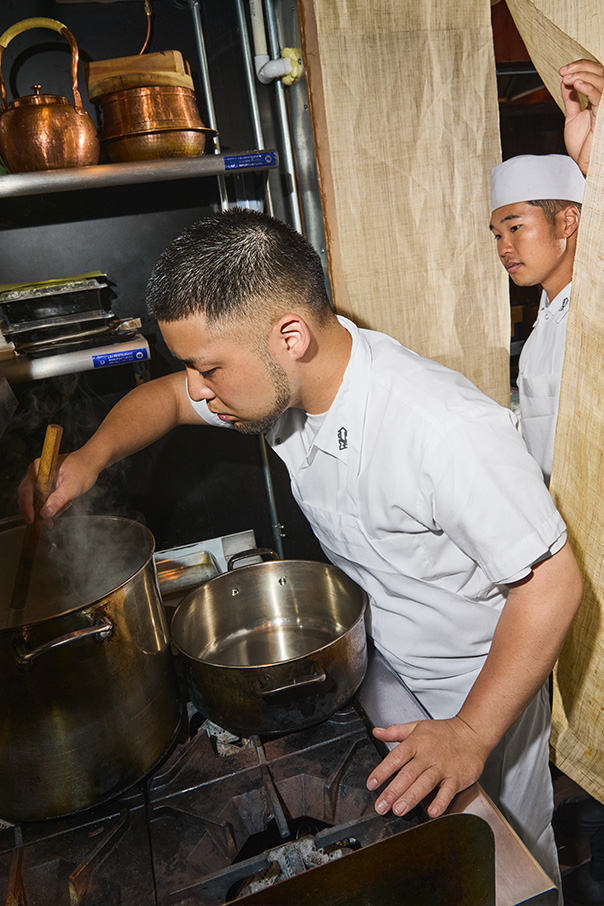
The small footprint isn’t the only challenge, either. While kaiseki is typically presented as a tasting menu, which lets chefs prepare a more precise quantity of food before service, the menu at Odo East Village is à la carte. During dinner, it’s not uncommon for one of the three chefs working to run outside and downstairs to retrieve things five or six times a night.
The team optimized the upstairs space as much as possible: They cut off the legs from shelving units so they fit into a specific spot, built their own shelves to display the plateware and glasses, and decided to use both an oven and a dishwasher for storage space. “Everything you need is where you’re at already,” Saito says. And chef Koji Toyoda, who runs the kitchen here, can get dishes to diners within 15 to 20 seconds from when they come off of the charcoal grill or out of the fryer at the precise temperature he likes.
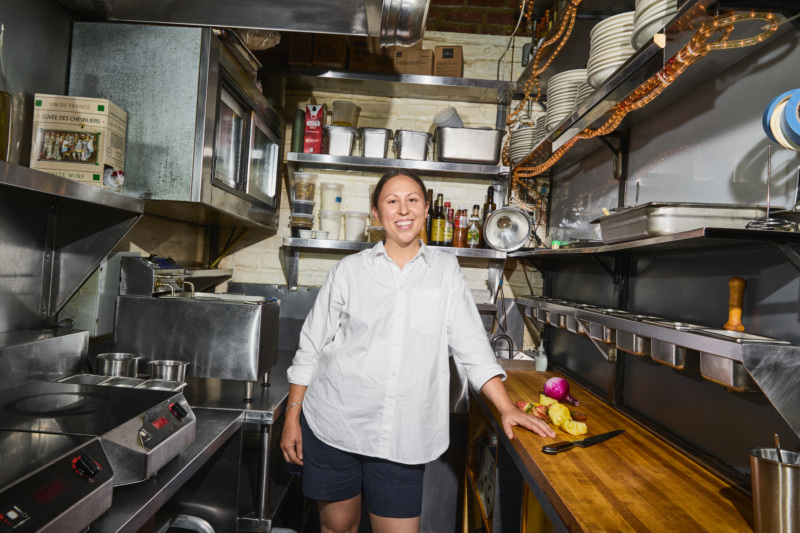
Hart’s
Kitchen size:
35 square feet
Number of chefs that can fit:
3 chefs
Plates sent out during a busy service:
350 plates
Number of customers served on a packed night:
100 guests
The compromise:
Prep work is vital at Hart’s. “[Approximately] 80% of our dishes have a major component that is prepared before service or in larger batches during service,” says chef and partner Gillian Graham.
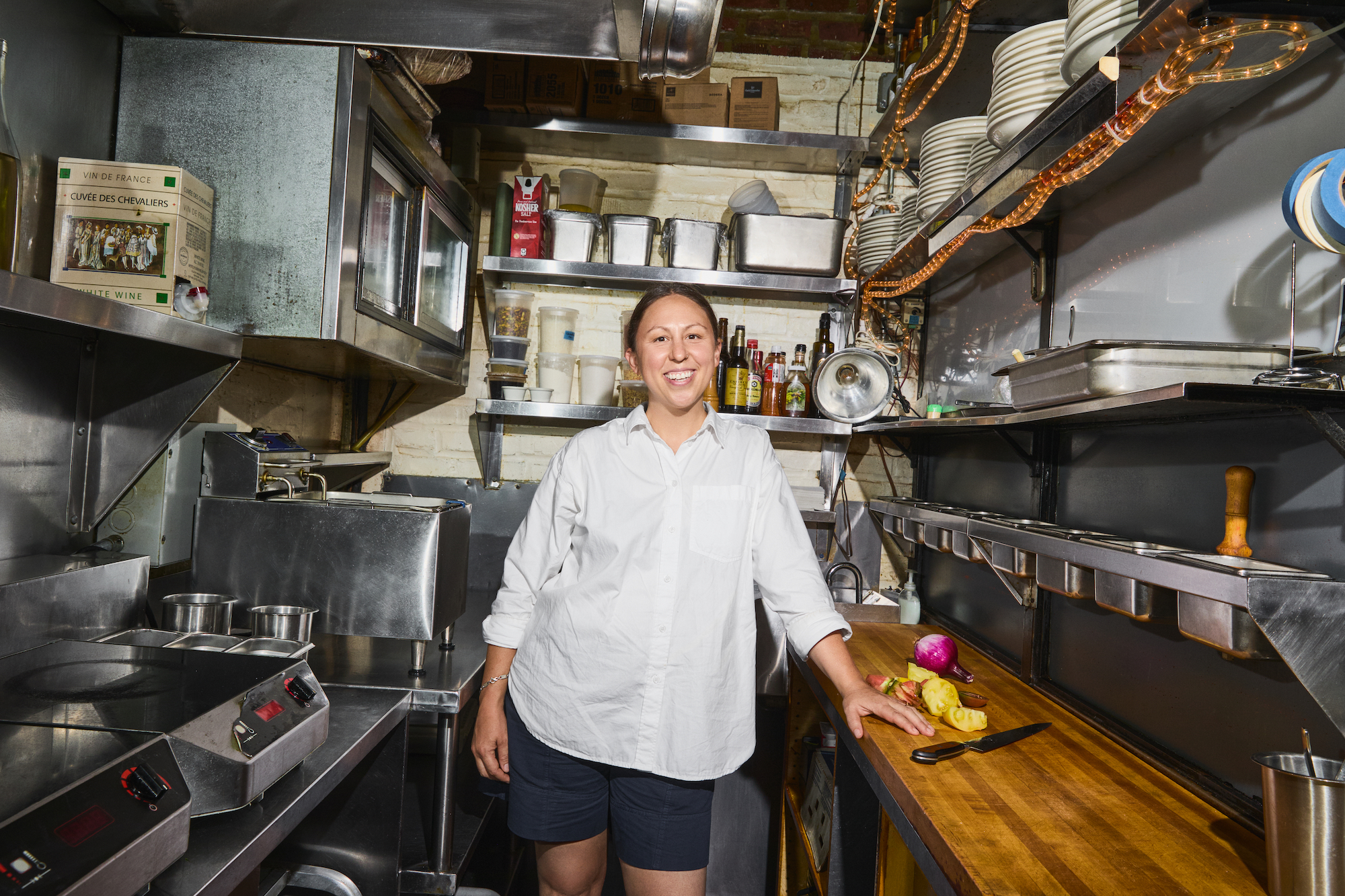
The galley kitchen at Hart’s is tucked behind a towering, illuminated bar lined almost to the ceiling with wine bottles. On the other side of the glass, vertical space is optimized, too. Plates and bowls are stacked neatly atop each other, and custom rails hold onto containers of mise en place. During the day, only one person can prep here, with another one or two in the basement. But, by dinnertime, it’s like a submarine, explains founding chef-partner Nick Perkins. “Everybody comes up, finds their stations, and then is kind of locked into their little station.”
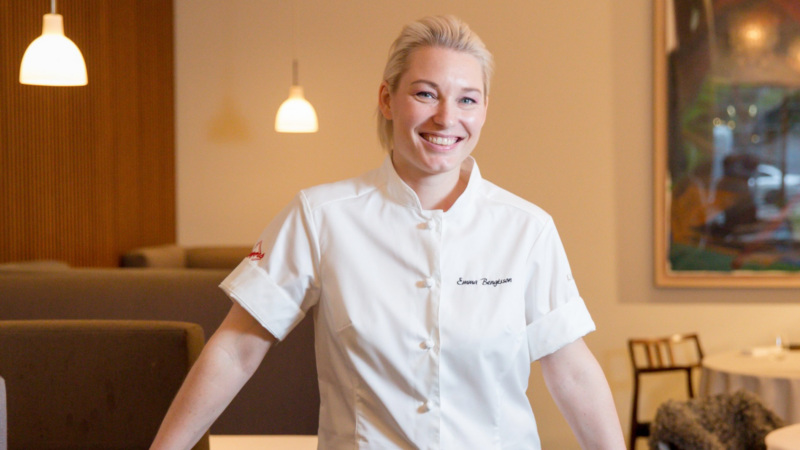
While Hart’s was the team’s first restaurant, small spaces have become a hallmark of the group, which includes Cervo’s, The Fly, Eel Bar, and Zig Zag Oyster Bar. “All of these restaurants operate on limits. I think creativity needs limits,” Perkins says. The tight menu evolves seasonally and dishes with elements that can be prepped in advance are essential to the restaurant. Case in point: The key to their signature clam toast is a rich sofrito with pancetta, fennel, onion, celery, and wine that is cooked down before service. “We just take a spoonful of that and steam your clams open in it — and it’s so full of flavor,” says chef and partner Gillian Graham.
Ultimately, working in the kitchen at Hart’s is akin to an old adage about New York: “If you can cook and be organized at Hart’s, you can do it anywhere,” Perkins adds.
Devra Ferst is a Brooklyn-based food and travel writer who has contributed to The New York Times, Bon Appétit, Eater, NPR, and numerous other publications. She is co-author of “The Jewish Holiday Table: A World of Recipes, Traditions & Stories to Celebrate All Year Long.” Follow her on Instagram.
Aaron Richter is a Philadelphia-based photographer who has shot for The New York Times, Esquire, The Times of London, and many other outlets. He also hosts “A Shot” podcast. Follow him on Instagram. Follow Resy, too.