One of Venice’s Most Romantic Restaurants Is Hiding in Plain Sight
Published:
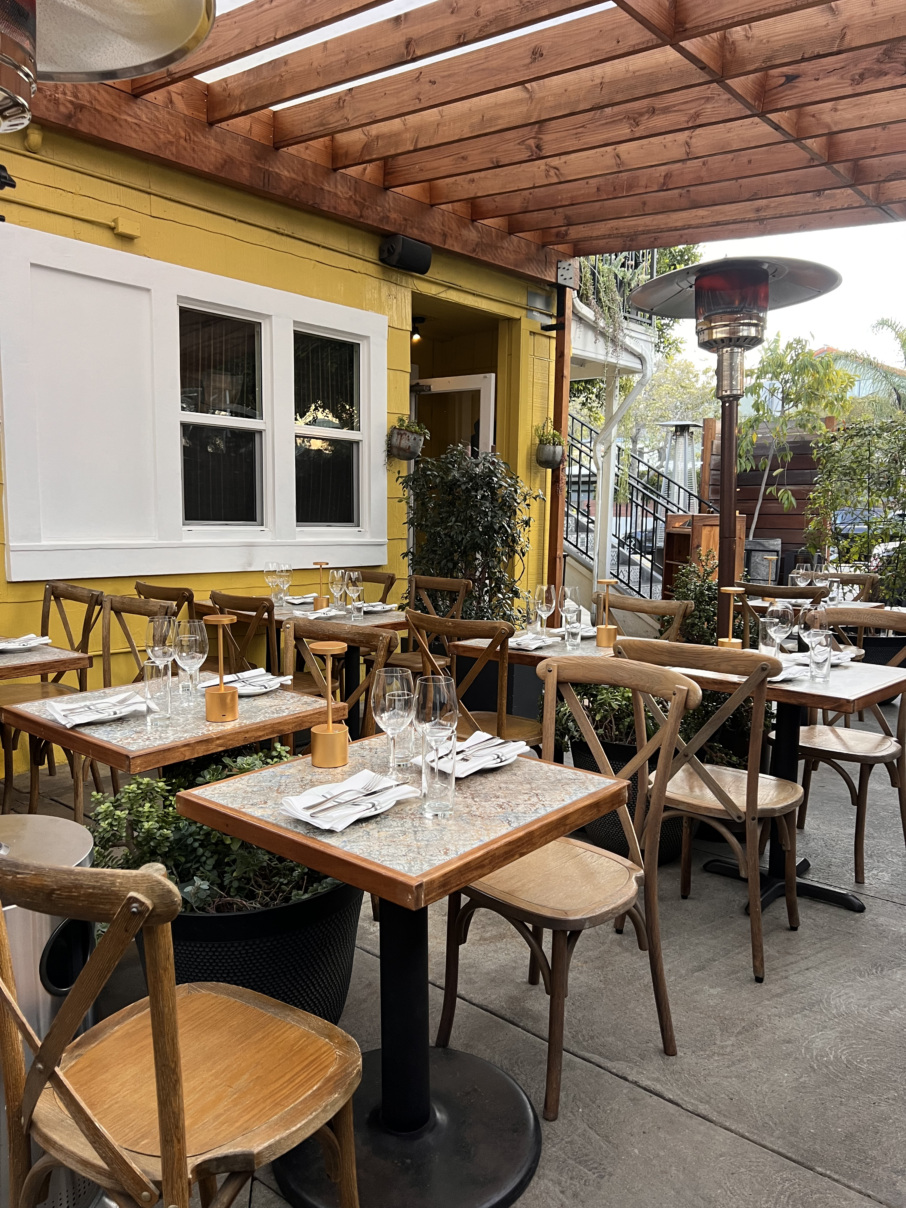
Barrique doesn’t announce itself. It hides in plain sight, looking like a beach cottage that wandered onto Main Street and decided to stick around. Tucked a few blocks off Abbot Kinney, the two-story bungalow, which locals call the Little Yellow House, is more than a century old. For close to two decades, it has quietly been one of the coziest places to eat dinner in Venice.
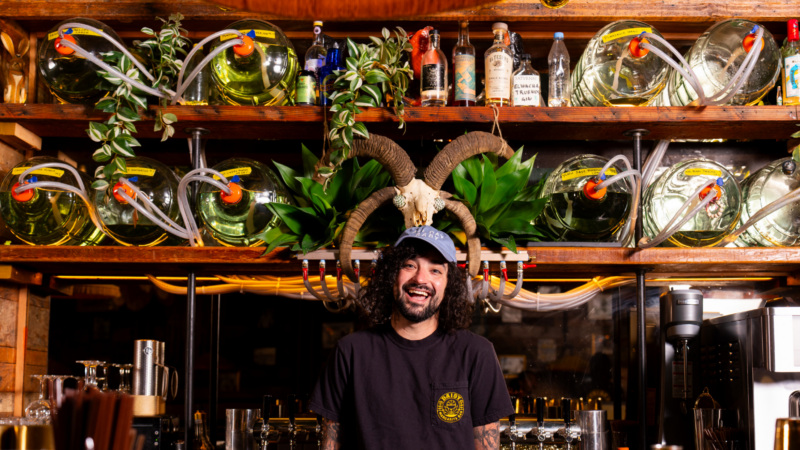
Behind it is Antonio Murè, a Sicilian-born, Parma-raised chef who had already worked at a Michelin-starred restaurant in the Italian Alps by the time he arrived in Los Angeles. His wife, Francesca Falchi, serves as “the brains in the back,” overseeing management and operations. Here’s what you should know before you go.
MORE FROM RESY
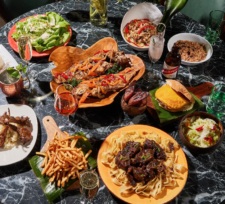

The house has been feeding Venice for decades.
Barrique’s building dates to 1908, and was originally the home of a train conductor, back when Main and Rose sat along an old electric rail line that ran from downtown Los Angeles to the Marina and Long Beach. “There is still a little piece of rail track on the floor right there in the parking lot,” Murè says. When he and his original partners found the space around 2008, the building’s yellow paint job was non-negotiable. “The landlord says, ‘Absolutely not,'” Murè recalls of asking whether he could repaint it. “Actually, it’s on the lease.” The landlord even supplied the paint himself, a specialty color Murè says comes from Montana.
The space once housed a charming cafe known as Van Gogh’s Ear (a personal favorite of this writer), but in 2009, it opened as Ado, a partnership between Murè and two others. When Ado wound down in 2015, Murè and a former Ado server kept the space and renamed the restaurant Barrique. Today, Murè and Falchi are the sole owners.
The menu is a tug-of-war between Sicily, Parma, and Murè’s imagination.
Murè was born in Sicily and raised in Parma, in Emilia-Romagna, arguably Italy’s most food-obsessed region. He spent summers back in Sicily, helping his five aunts in the kitchen from a young age. Their cooking was decidedly old-school: “In Parma, it’s much heavier — lots of homemade pasta, braised meat, and strong flavors,” he says “In Sicily, because of the weather, everything is lighter and more delicate.” That split shows up on Barrique’s menu, which contrasts rich, ragù-driven pastas with lighter, seafood-forward dishes. Ultimately, Murè isn’t beholden to regionality or to convention. “It’s Italian roots in my own way,” he says.
Coming to America.
Murè attended culinary school in Italy, and in 1995, at 25 years old, he came to Los Angeles for “a season.” He worked in the kitchens of Il Moro and Allegria, plus a stint at Valentino in Las Vegas, before opening his own restaurant, Piccolo, in 2004. Two years later, his follow-up restaurant, La Botte, earned him a Michelin star. At the West L.A. restaurant Il Moro, he met Falchi, who was then a UCLA graduate student studying Italian language and literature while working as a server. They stayed friends for years — by Murè’s telling, as long as 15; Falchi puts it closer to five or seven — before they started dating, and have been together ever since.
Barrique’s tiny kitchen shaped its menu.
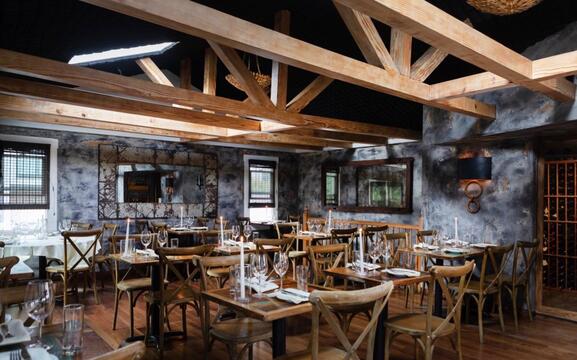
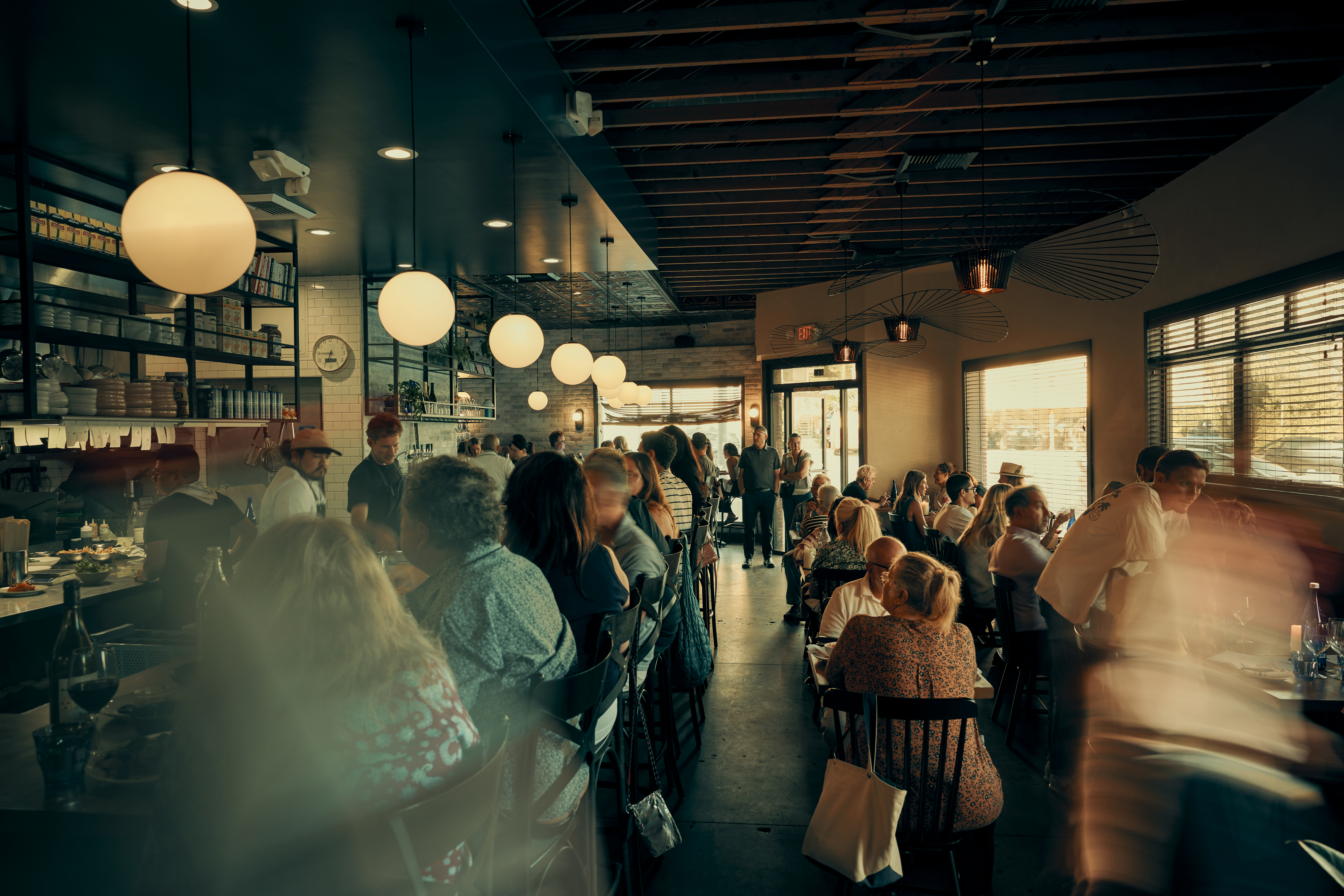
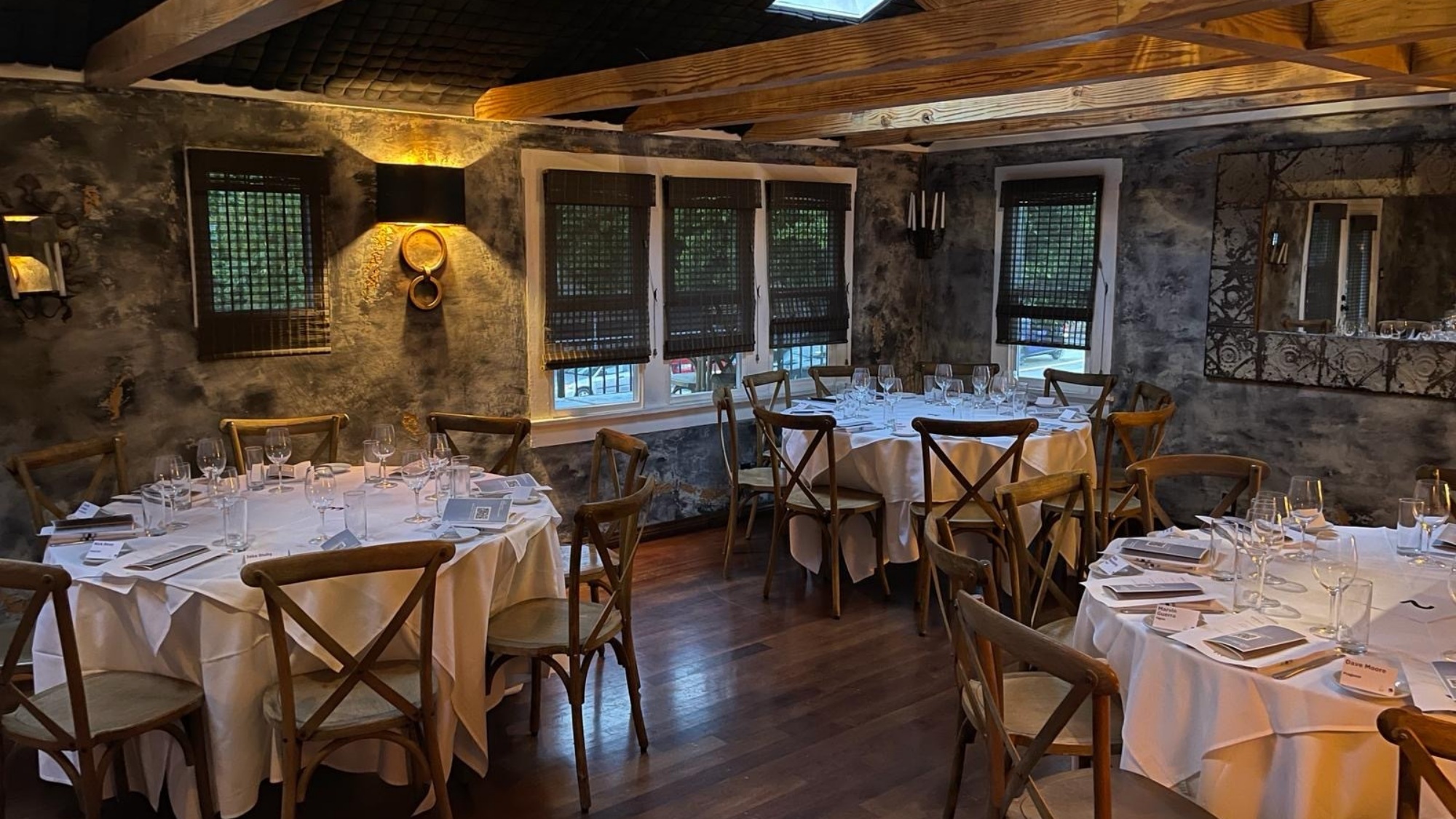
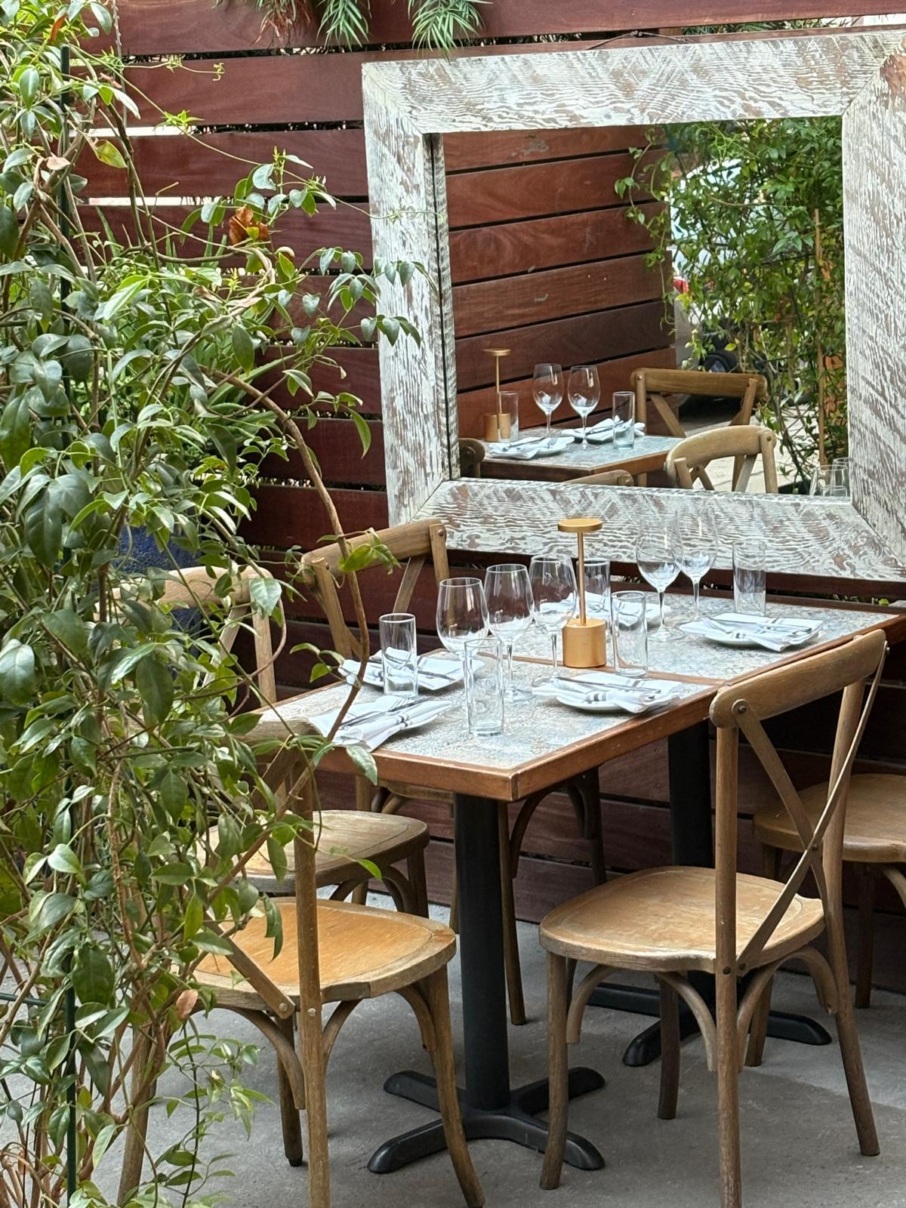
When you walk in, you see how small Barrique is. You’re greeted at the host stand on the first floor and ushered either to a table on the patio or in the intimate upstairs dining room. The kitchen is even smaller, roughly 14 by 9 feet. “Shoe box! We are one on top of the other!” Murè says. Because the kitchen is so minuscolo, Murè rents a commissary kitchen in Downtown L.A. where much of the prep takes place. There, a dedicated pasta chef spends four or five days each week making almost all of the restaurant’s fresh pastas, sauces, and desserts from scratch (more on that in a minute).
The handmade pastas are standouts.
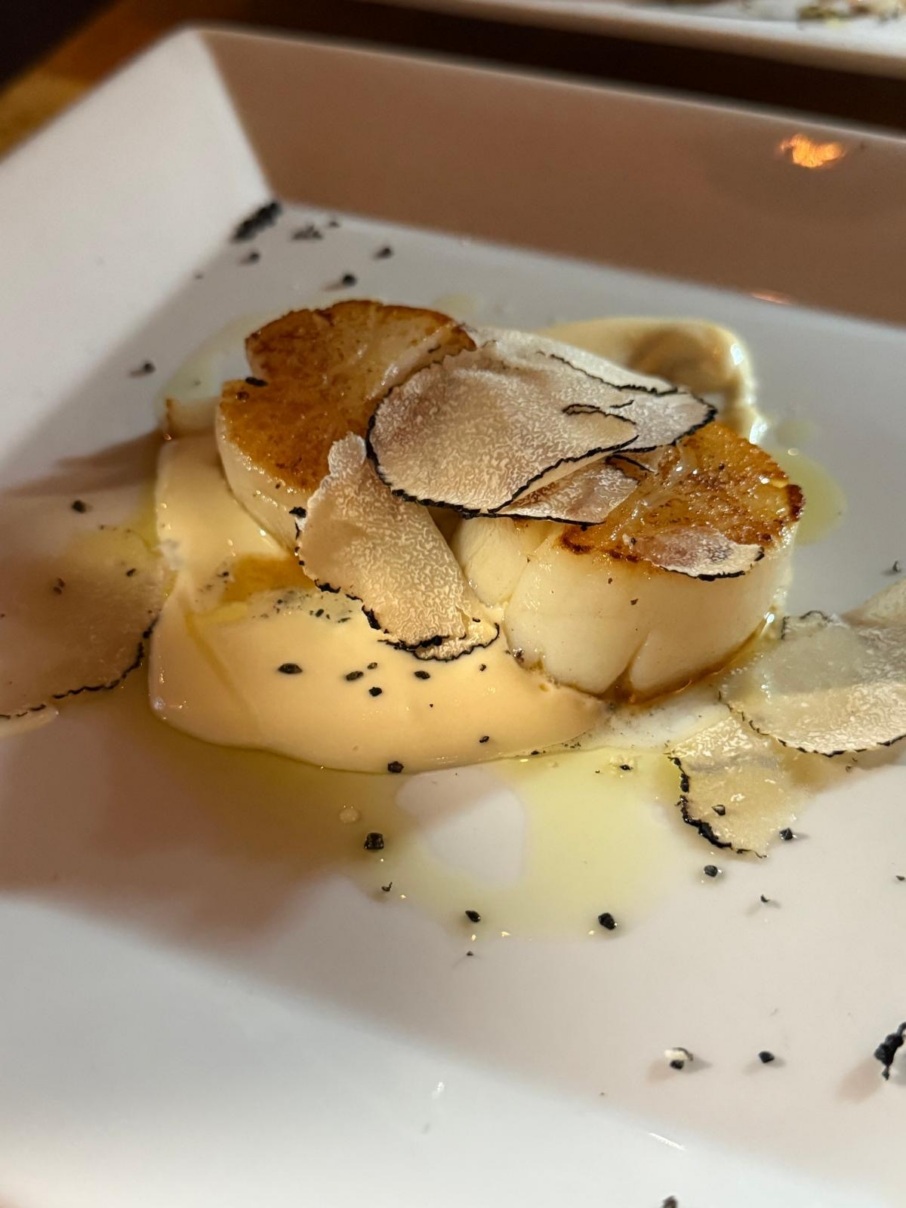
Pasta is serious business at Barrique. Highlights include pici (a thick, eggless Tuscan-style noodle), black pepper tagliatelle, cacao fettuccine, pappardelle, squid-ink tagliolini, spinach-and-beef green ravioli, ricotta-and-spinach gnocchi, and potato-fig tortelli. Then there are specials like Fontina “plin” ravioli, a Piedmontese speciality meaning “pinch,” which refers to the way the pasta is sealed by hand rather than cut into squares. Murè fills his with Fontina cheese and serves them with a truffle butter sauce and shaved truffles when they’re in season.
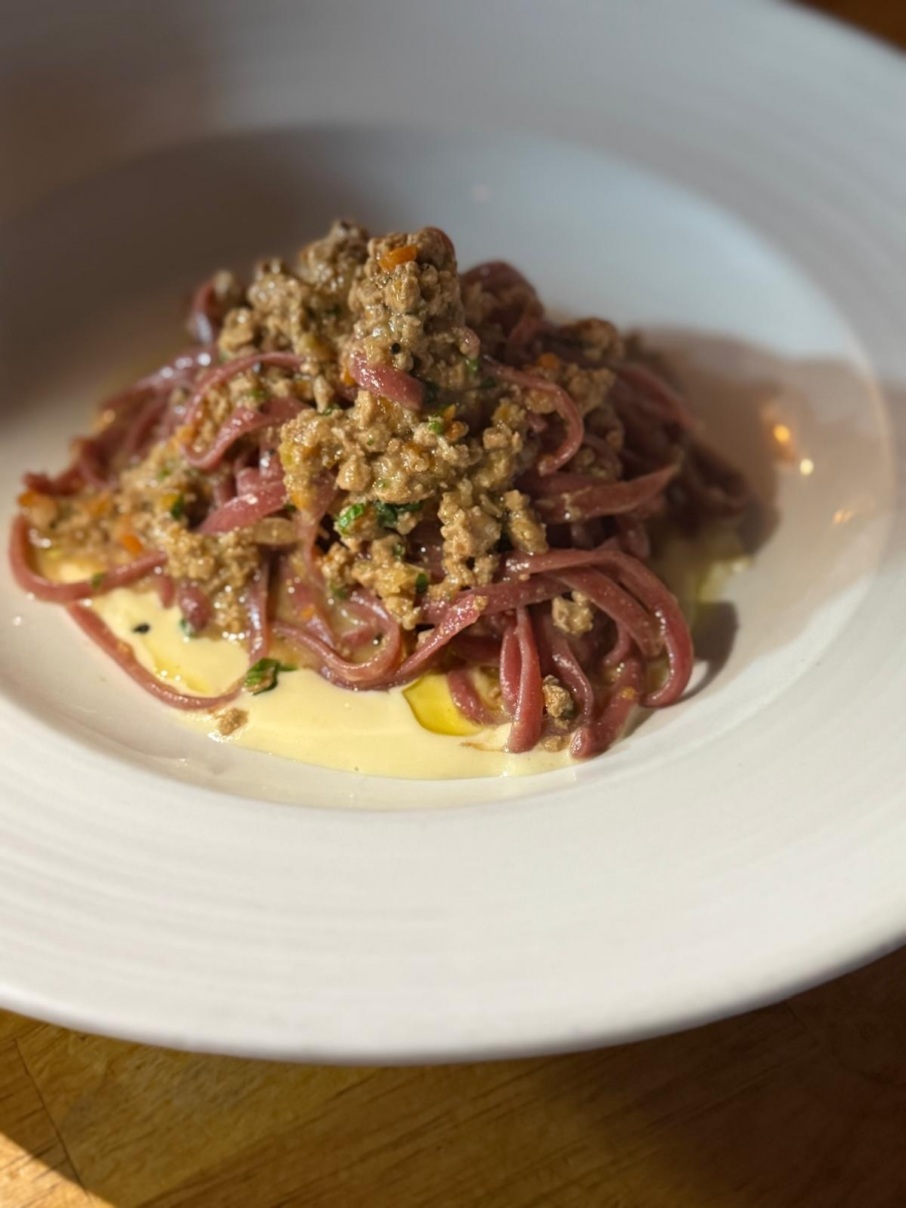
Murè’s most popular dish, the red beet tagliolini with quail ragù, has been on the menu since Barrique opened. “People come over and say, ‘Hey, Antonio, I need your tagliolini… I have to fix my addiction,'” Murè says, laughing. The pasta itself is made with pureed boiled beets, semolina, and flour, giving it a color that shifts with the seasons. It’s brighter red in fall and winter, and more of a mauve or dusty rose in summer as the beets lose their pigment. It’s served with a quail ragù that’s cooked down with Marsala wine and chicken stock, and finished with a Taleggio fondue made by lightly caramelizing reduced cream before melting in the cheese, and tossing it with slow-roasted garlic.
But don’t skip the rest of the menu, either.
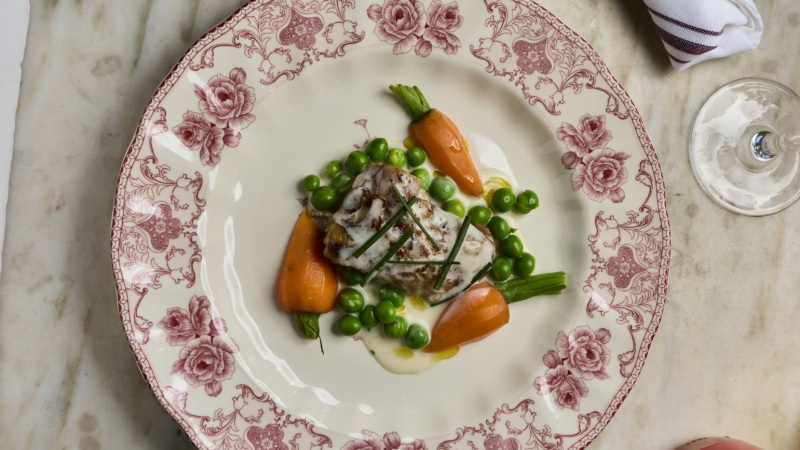
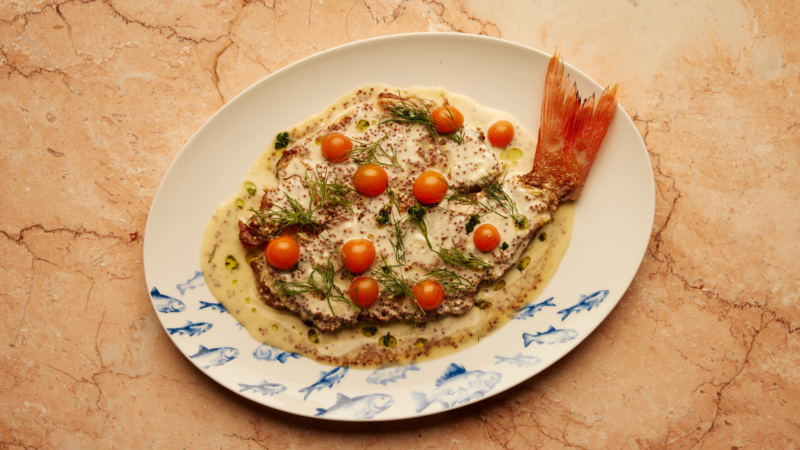
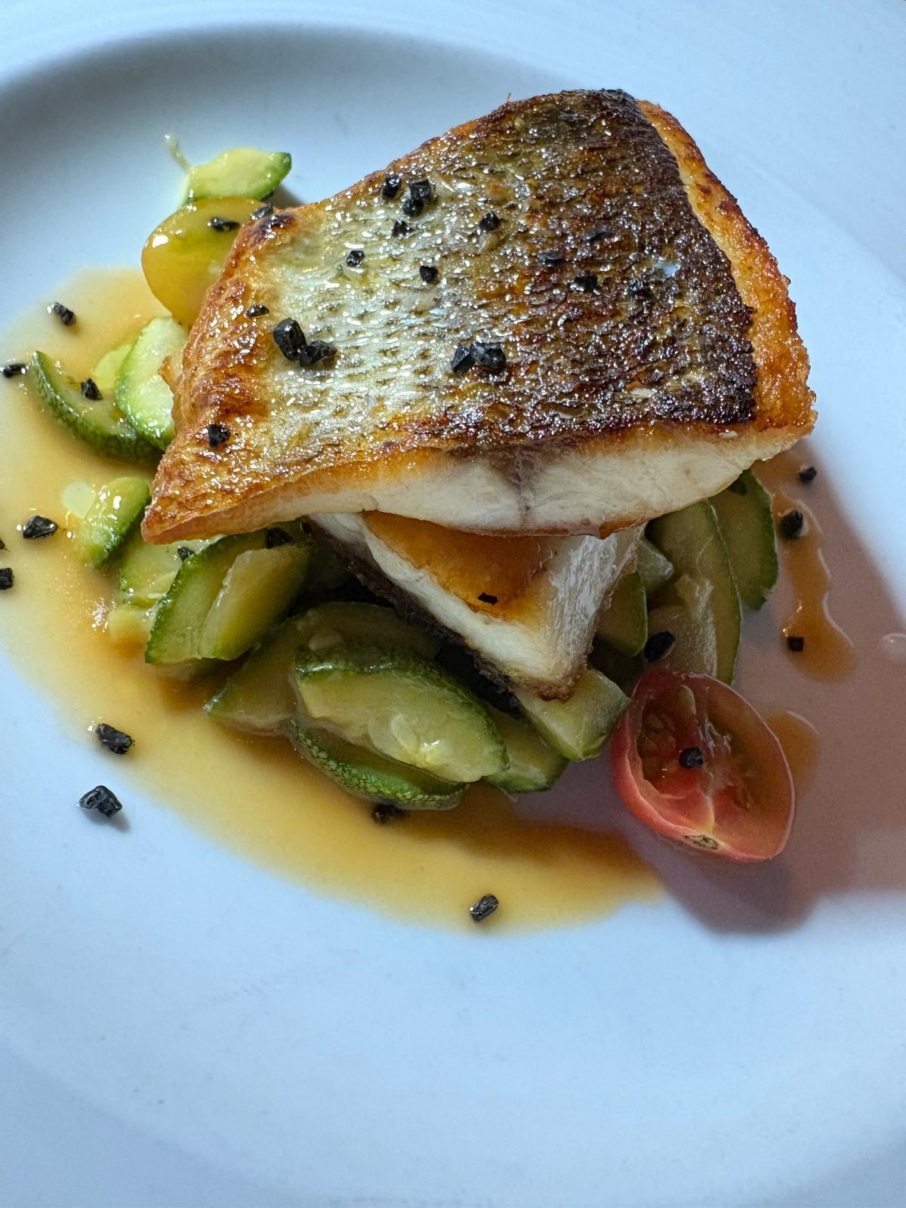
The secondi section of the menu is small but carefully thought out. The headliner is Barrique’s branzino. Grilled skin-on until crackling (“my kids fight for the skin,” which looks like potato chips, Murè says), it comes with what he calls Sicilian “cucuzza,” better known in L.A. as Mexican squash. In his youth, Murè only encountered it during summers in Sicily although never in the north. He uses just the outer flesh, braised with Maui onions and finished with fresh mint, alongside a blood orange sauce made with fresh-squeezed juice and butter.
You’ll also find tender Australian lamb chops served with a ratatouille that’s heavy on the peppers, a smoked duck breast drizzled with a caramelized onion and balsamic reduction, and a filet mignon with a rich truffle butter sauce deepened by Barolo.
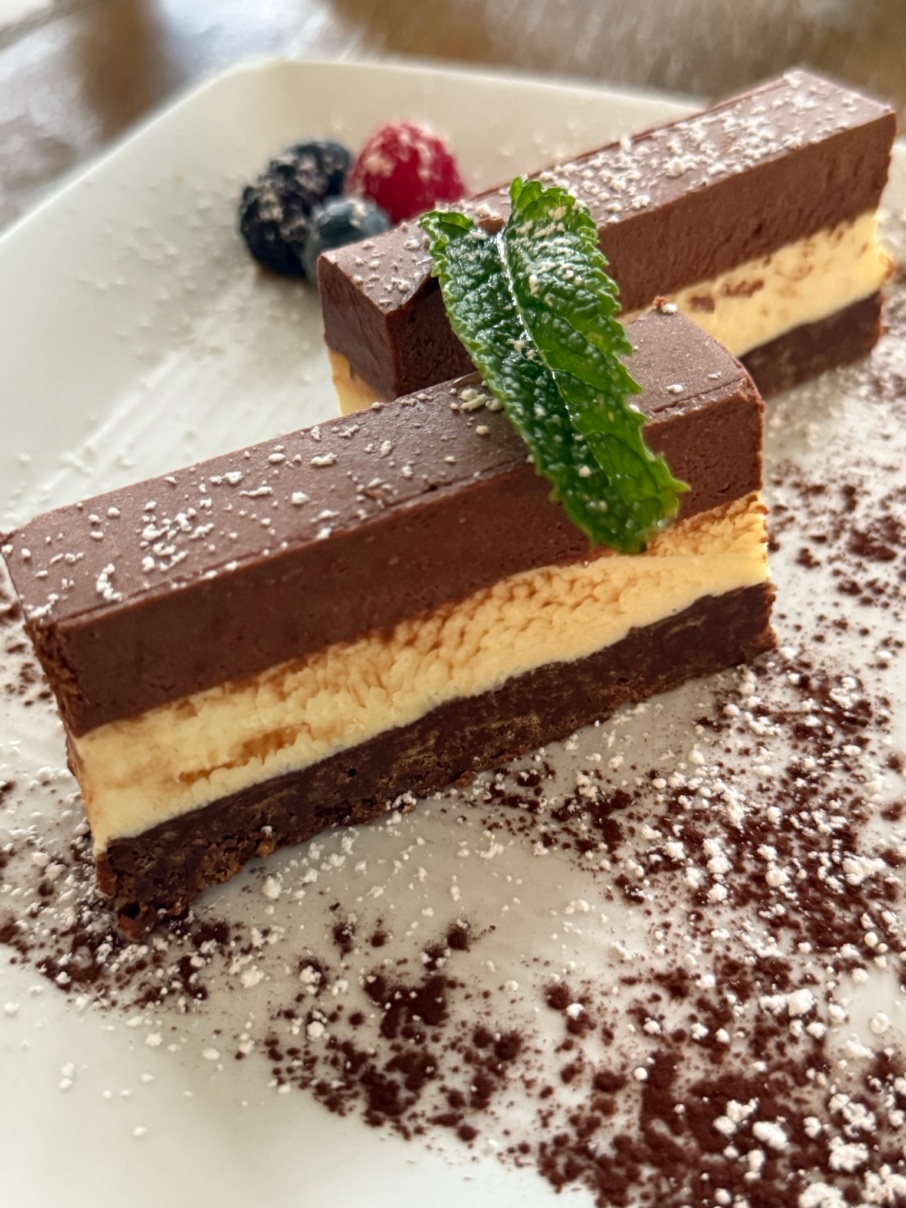
The desserts are no less deliberate.
The dessert menu is small and classic but includes some of Murè’s playful touches. Known as “the Italian KitKat,” the Tronchetto, a layered dark and white chocolate mousse bar over a crunchy hazelnut-praline base, is the top seller. “I call it the chocolate triumph,” he says. “Chocolate lovers, they die.”
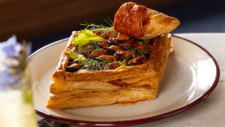
To make the Crema di Vaniglia, Murè takes a standard custard and reduces it so much it firms up like cream cheese, then layers it between sheets of phyllo brushed with butter and corn syrup, bakes it, and finishes it with caramel sauce. Panna cotta gets reworked into a lighter mousse with vanilla-cherry sauce and toasted almonds for crunch, while the seasonal Pastiera Napoletana — a traditional Neapolitan Easter dessert of cooked grain, ricotta, orange blossom water, and candied orange zest — rotates onto the menu in winter and spring in place of a summer espresso semifreddo. And, of course, Barrique serves tiramisu.
Barrique is serious about its wine list.
So serious that Murè named the restaurant after it. “Barrique is the 55-gallon wine barrel oak used to age wine,” he explains. His interest deepened while cooking for a private client with an extensive collection and expanded once he started buying directly from producers during his time at Ado. There, he learned firsthand how soil and barrel choice shape a bottle. He never had time for formal sommelier coursework but built his palate while running multiple restaurants.
Today, Barrique’s wine list runs about 150 labels, mostly Italian, with a handful of French and California bottles. Murè favors Super Tuscan blends and Amarone. Murè also ages wine himself, in a private cellar under his house, buying young vintages and holding them for years before selling them through the restaurant. He has a 2023 Sassicaia that he doesn’t plan to release until 2030. “If you buy already aged wine, they charge you more,” he says. “I do it by myself.”