Mūje From Jungsik Yim Journeys All Across Asia for Inspiration
Published:
In early May, chef Jungsik Yim quietly closed Sea by Jungsik, his two-year-old Southeast Asian restaurant near Penn Station. Two months later, on July 2, he reopened the space as Mūje, which he describes as a borderless Asian restaurant. Fittingly, the Korean name translates to “untitled.”
Yim doesn’t want to confine his team to a single cuisine here. “All of our chefs are from different countries — we have Chinese chefs and Korean chefs. So, why not utilize all of our traditions and cultures?” he shares through a translator. Leaning on the team’s strengths in fine dining, honed at Yim’s three Michelin-starred restaurant Jungsik in Tribeca, they are pivoting to an eight-course tasting menu with an à la carte option available for a few diners at the bar.
But don’t expect Mūje to be another Jungsik: The space is more relaxed and the tasting menu is a more gently priced $150, compared to Jungsik’s $335.
Here’s everything you need to know about Mūje before you go.
Tock Tips
Mūje
-
Why We Like It
Chef Jungsik Yim kicked off New York’s contemporary upscale Korean dining scene when he opened his eponymous Jungsik in 2011. At Mūje, he’s serving an eight-course $150 tasting menu featuring flavors from across Asia. -
Essential Dishes
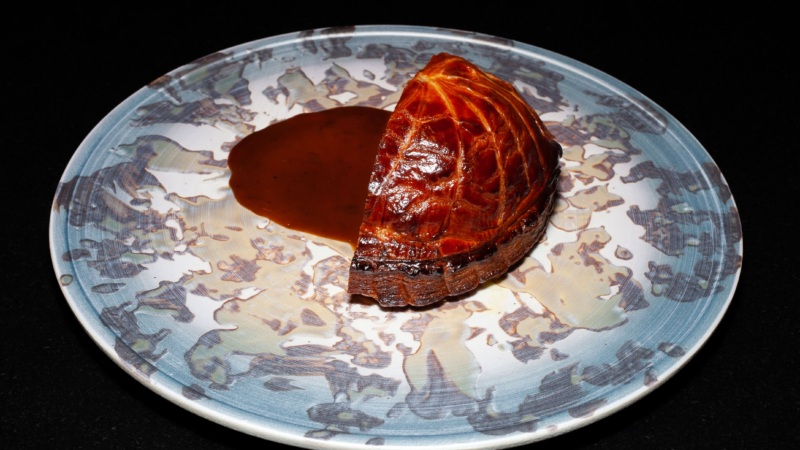
Most diners are served a tasting menu that features Yim’s interpretation of kongguksu, which he prepares warm and tops with mentaiko. Meanwhile, slow-cooked short rib is presented with four different wraps, each nodding to a different Asian country. -
Must-Order Drinks
The $115 wine pairing was created with the help of Jungsik’s wine director Cameron Dellinger, but there are also plenty of options by the glass or bottle, many of them French. Plus, a handful of Asian-inspired cocktails like a Seoul mule with soju, ginseng, and ginger beer, and liquors like soju and baijiu.
-
Who and What It’s For
Mūje is somewhere between the formality of Jungsik and Sea — the casual restaurant Yim operated here until May — offering an affordable tasting menu from a team accustomed to shooting for multiple Michelin stars. -
How to Get In
Reservations are available on Tock one month in advance at 10 a.m. -
Pro Tip
Diners who want to order à la carte should snag one of the six bar seats. -
Fun Fact
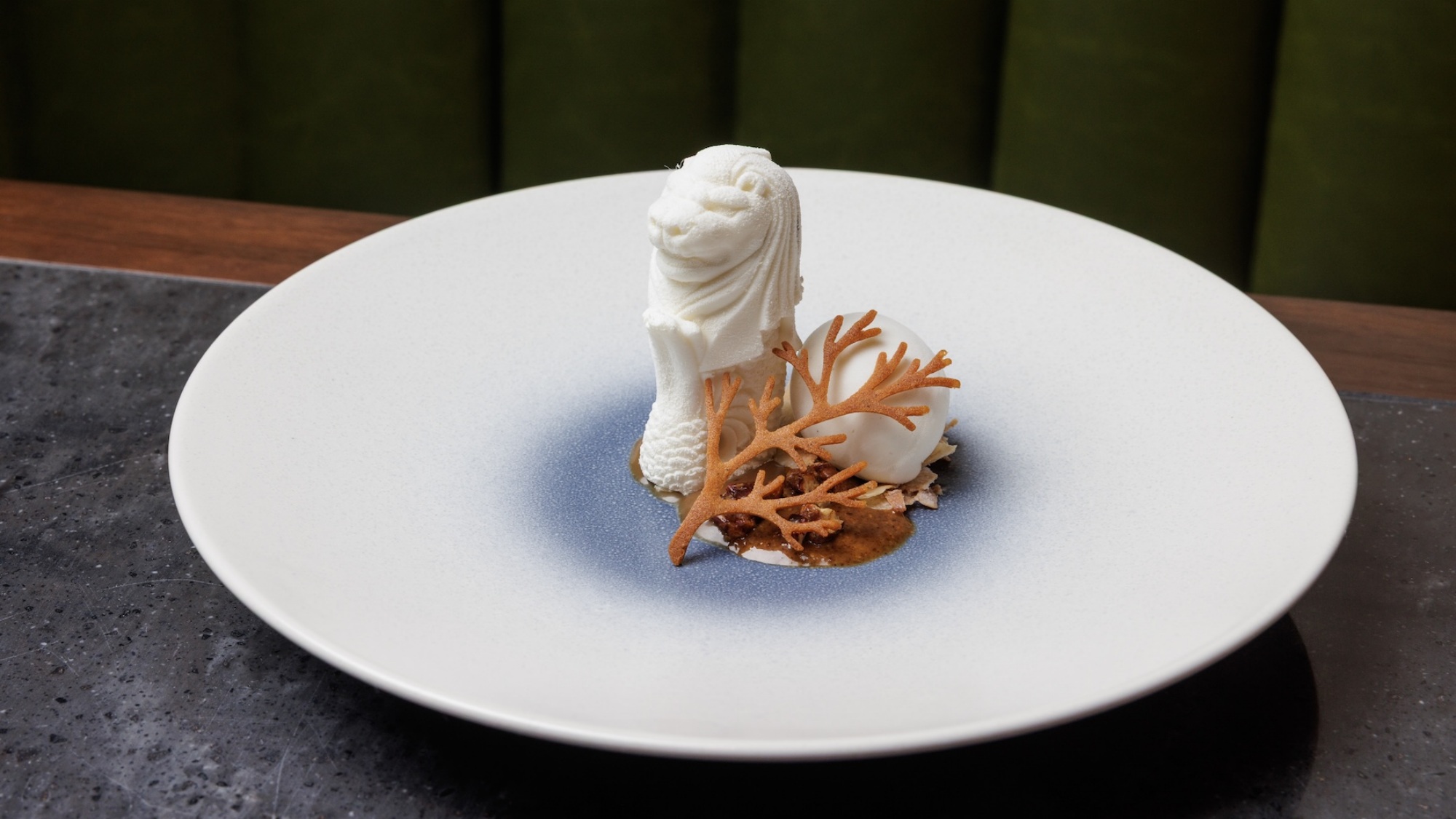
Like the dessert at Jungsik, the final course at Mūje is a miniature, edible statue. Here, the coconut and coffee dessert arrives in the shape of Singapore’s mascot, the Merlion, a mythical creature with the head of a lion and the body of a fish.
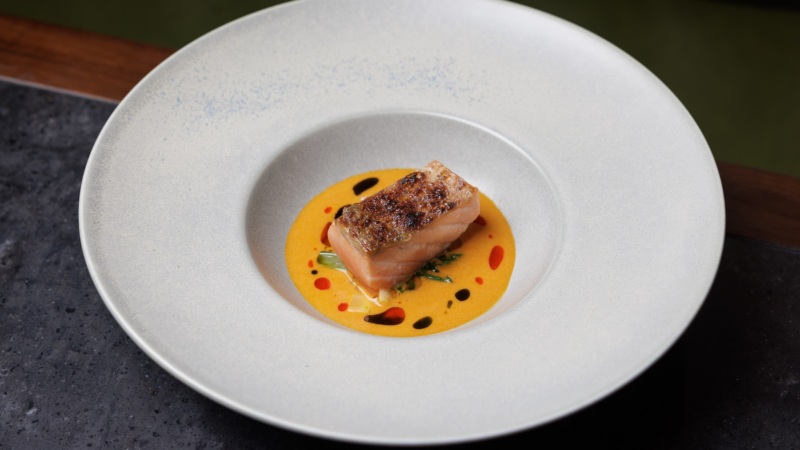
Photo by Alexander Stein, courtesy of Mūje
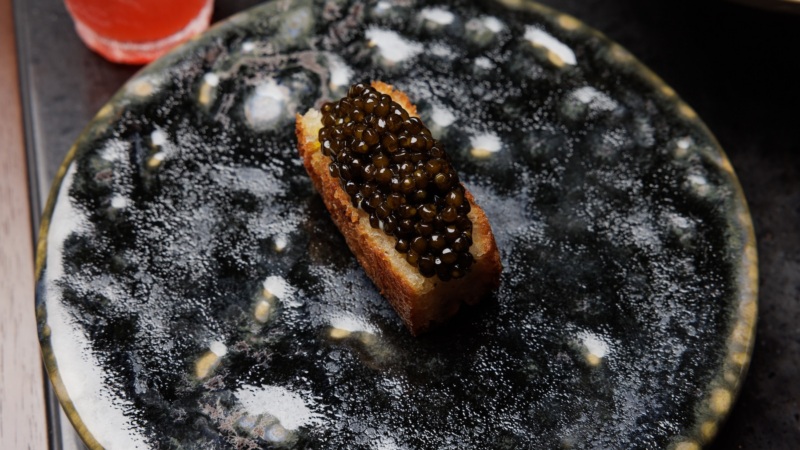
Photo by Alexander Stein, courtesy of Mūje
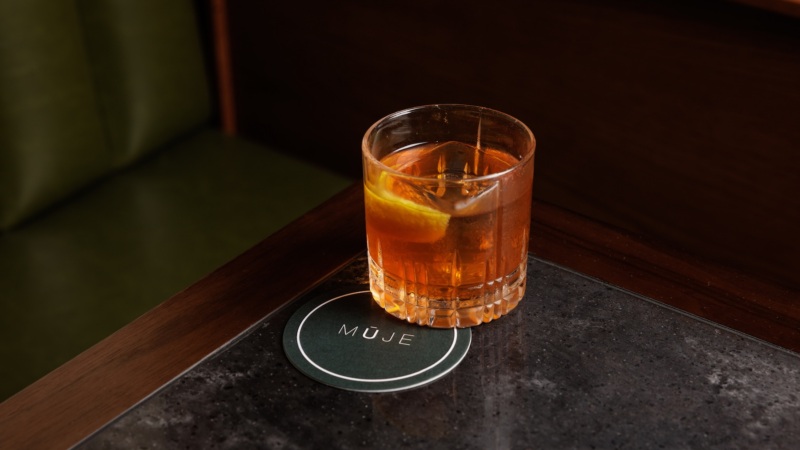
Photo by Alexander Stein, courtesy of Mūje
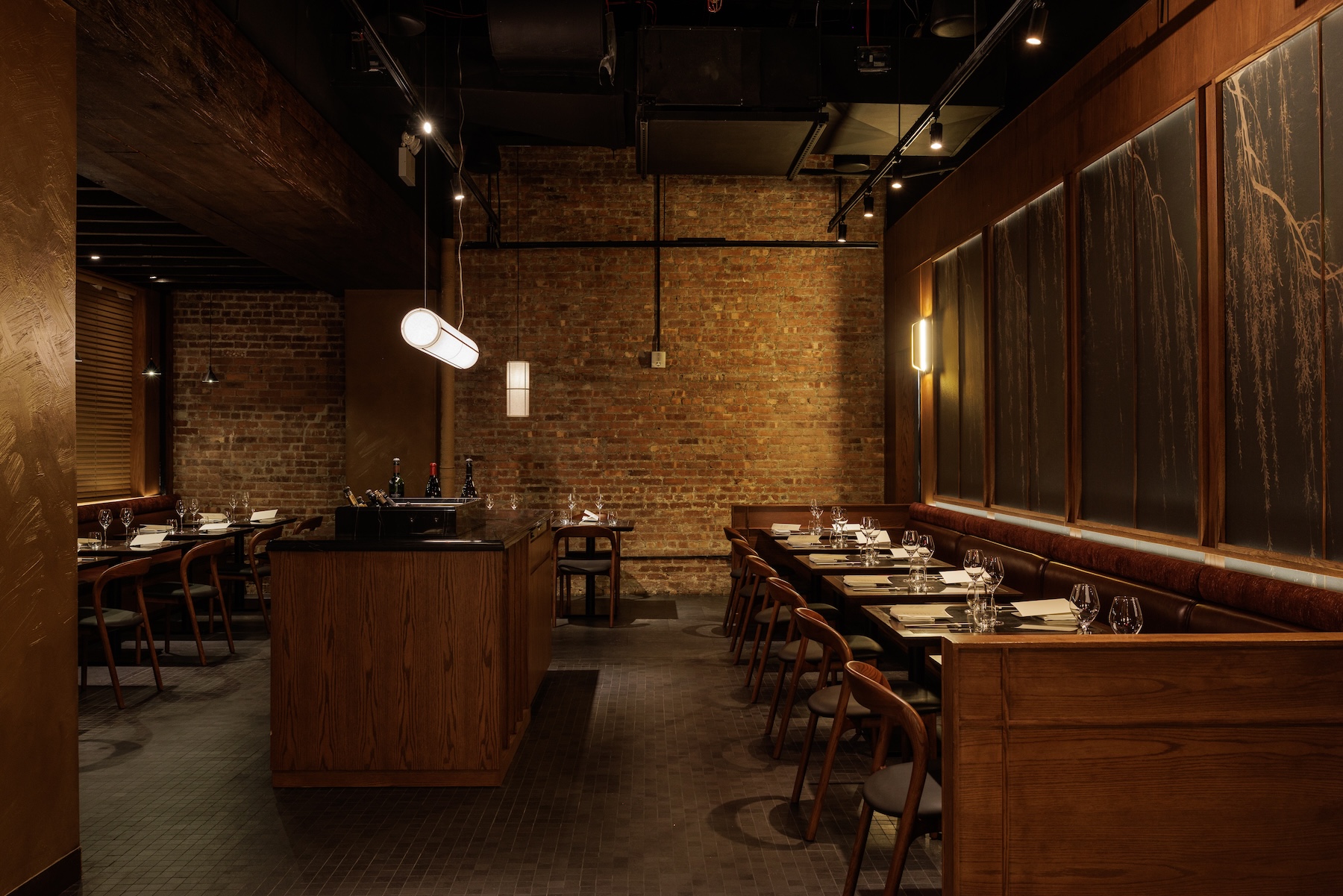
1. Yim may be the godfather of high-end Korean cuisine in New York, but he didn’t want to open another Korean restaurant right now.
When Yim opened Jungsik in 2011, Korean restaurants in the city were largely confined to Koreatown. There were few Korean fine dining or contemporary interpretations of the cuisine to speak of. Today, Korean restaurants offer some of the most exciting dining experiences in the city — and America — from downtown favorite Kisa to Simon Kim’s growing empire with Cote.
Much of this scene can be traced back to Yim. Junghyun Park of two Michelin-starred Atomix, Eunji Lee of pastry palace Lysée, and Hoyoung Kim of Korean wood-fire restaurant Jua, all worked with Yim before opening their own restaurants. Yim says he is proud of the ripple effect, but with a crowded scene, he didn’t want to open a Korean restaurant right now, particularly a more casual one.
2. The menu at Mūje looks across Asia for inspiration.
Based in Seoul, Yim says it’s easy for him to travel around Asia to eat in Japan, Thailand, and China. He first traveled to Southeast Asia for culinary events shortly after Jungsik opened in Seoul in 2009. “I got really, really obsessed” with the flavors he says. So, “When I came back from the events, I started cooking Southeast Asian food myself.” He then served his creations for staff meals, which helped lay the groundwork for Sea more than a decade later, and ultimately Mūje, he adds.
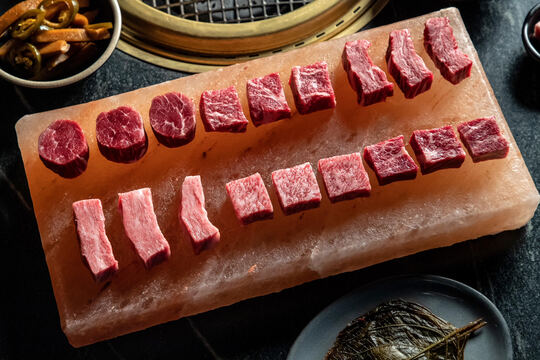
For the opening menu, expect dishes like slow-cooked short rib that’s grilled over charcoal and served with four different wraps, each nodding to a different part of Asia like one inspired by Japan with daikon, shiso, and umeboshi and another with a Chinese scallion pancake wrap.
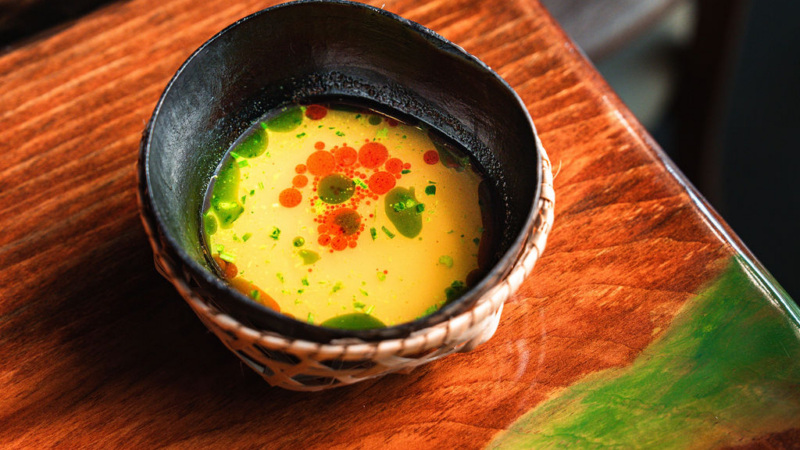
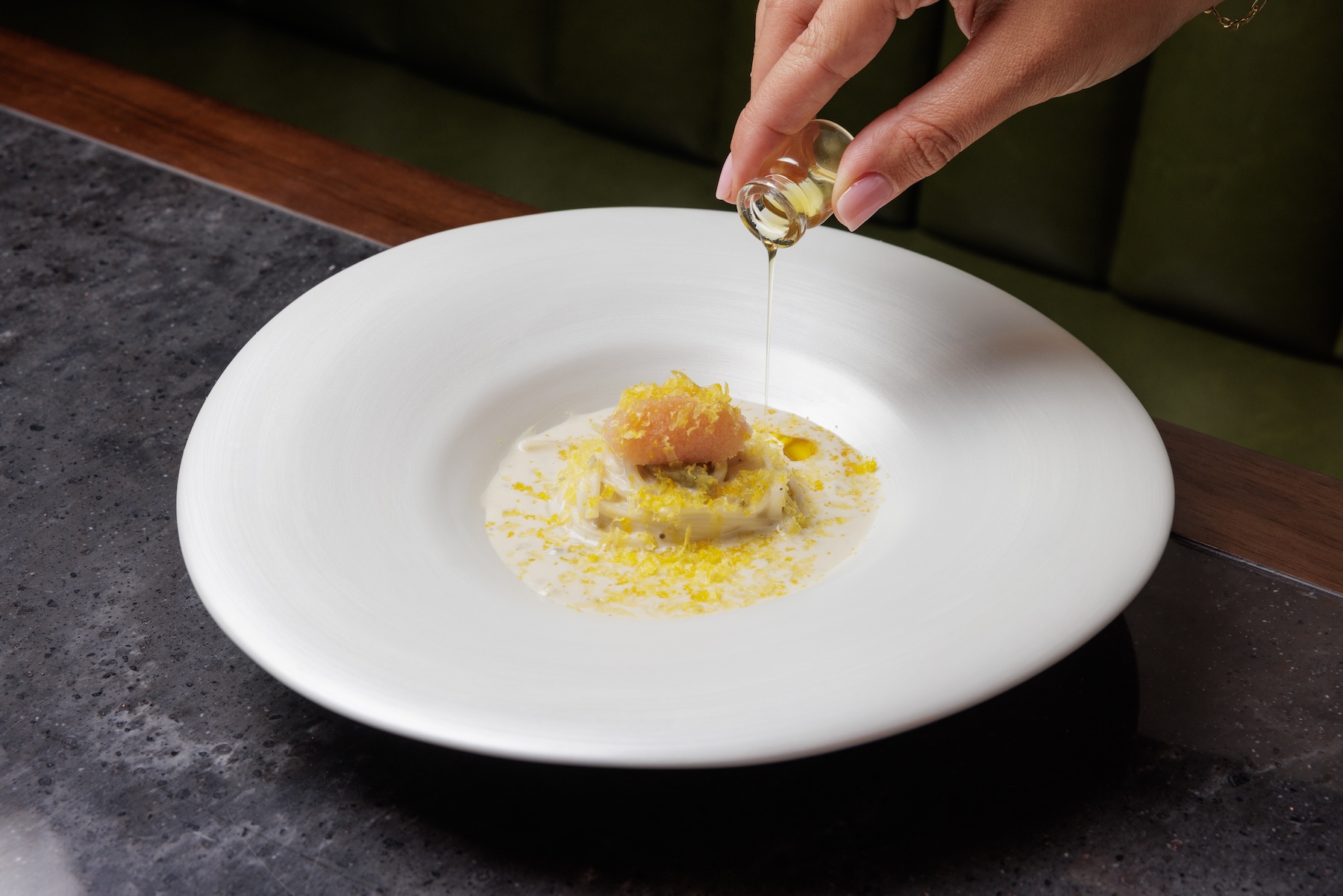
The menu also draws on Yim’s Korean heritage with dishes like kongguksu, a summertime noodle dish that’s traditionally served cold, which, ironically, Yim admits isn’t his favorite because he considers it bland. “I reinvented it, so it’s more to my taste. [At Mūje] it’s warm instead of cold, and then I added more flavor to it,” he says. Yim serves it in a creamy sauce made with soybean and lard and topped with mentaiko or pollock roe, bottarga, and cured egg yolk. The final flourish includes a drizzle of fragrant perilla oil.
Chef de cuisine Zhaojin Dai, who was born in Shanghai and raised in the U.S., added his touch with chicken wings that are deboned and stuffed with pork, a technique that’s popular in Chinese cooking. The wings are finished with prinkle seasoning, a sweet, savory, and cheesy powder that’s a popular addition to fried chicken in Korea, and the accompanying sauce draws influences from Thailand.
Dessert takes its inspiration from Singapore’s mascot, the Merlion, a mythical creature with a lion’s head and the body of a fish. Yim bought a toy replica of the statue — like one would find of the Statue of Liberty at a souvenir shop in New York, he says — and used it to create a mold for white chocolate that’s filled with coconut espresso mousse. The team uses a similar technique for its dessert at Jungsik that’s shaped to resemble Dolhareubang, statues made from volcanic rocks on South Korea’s Jeju Island. Molding the dessert into these shapes, Yim says, is “the best way to express our culture.”
For guests who don’t want to have the tasting menu, six bar seats are available for à la carte ordering. During the restaurant’s debut, the offerings will be dishes from the tasting menu. But with time, the à la carte menu will feature a range of dishes from the evolving tasting menu, so returning guests can still find previous dishes they loved.
3. For drinks, there are Asian cocktails and French wines.
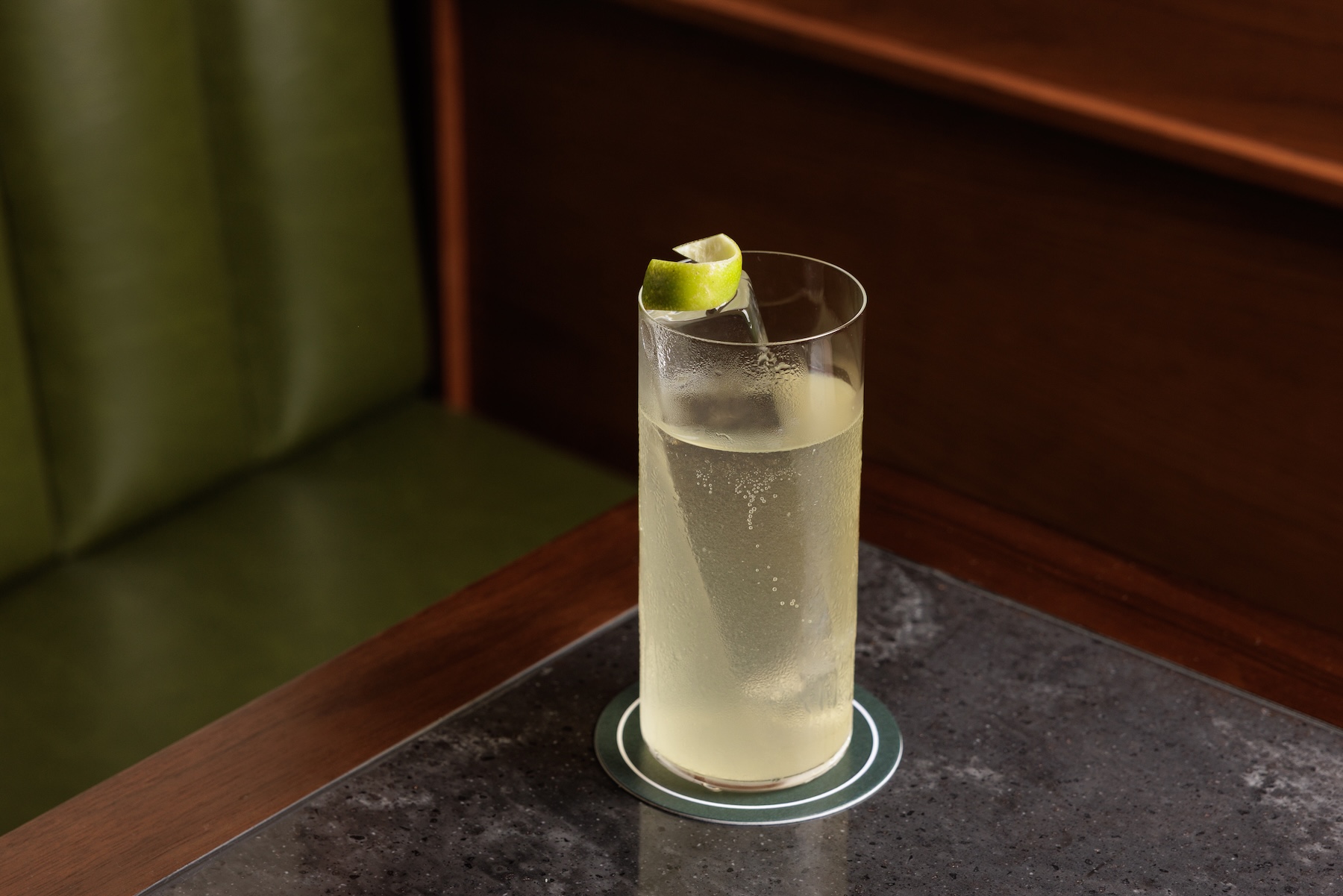
Following the lead of the kitchen, the small cocktail selection scans Asia for inspiration. There’s the Seoul Mule with Tokki Black Label soju, ginseng, and ginger beer; as well as La Cà Phê, a nod to Vietnamese coffee made with Santa Teresa rum, espresso, and coffee liqueur. There are a few soju options and one baijui for now, but Yim hopes to expand the Asian alcohol offerings soon.
For the opening, the team tapped Jungsik’s wine director Cameron Dellinger to help craft the menu, which leans French, with a dedicated section for Burgundy. The $115 wine pairing starts off with Tement Sauvignon Blanc Ehrenhausen Korallenkalf, which has strong fruit notes of citrus and black currant. It also features a Riesling from Alsace and Chablis, and concludes with a Chilean Cinsault.
4. For fans of Sea, there will be touches of the past at Mūje.
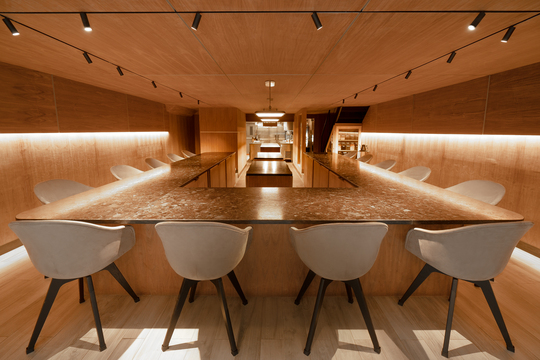
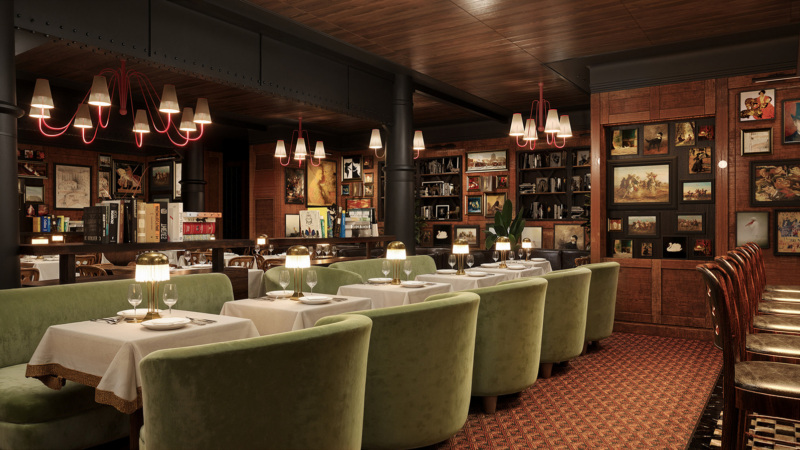
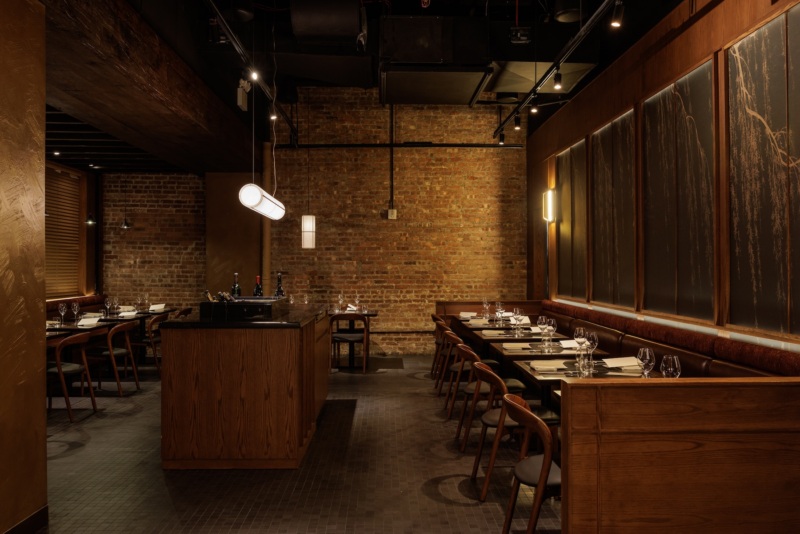
The deep space, which seats 66, including six at the bar, wasn’t entirely overhauled, but rather given a significant refresh to make the dining experience more comfortable since dinner is now an hour-and-a-half to two hours to accommodate the tasting menu. The team swapped in larger tables, replaced rattan chairs with ones that sport upholstered seats and dark wooden backs, and installed a long banquette in an area they’re calling the lounge. The space is also moodier with a dark earthtone palette, and no art on the walls, so the focus stays on the food.
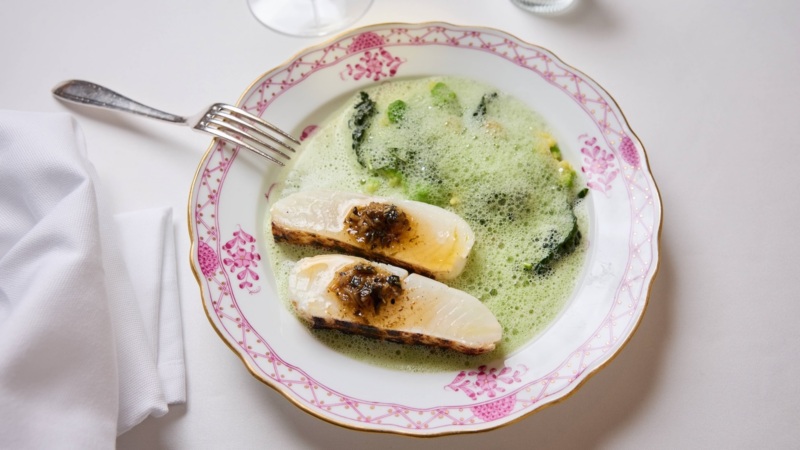
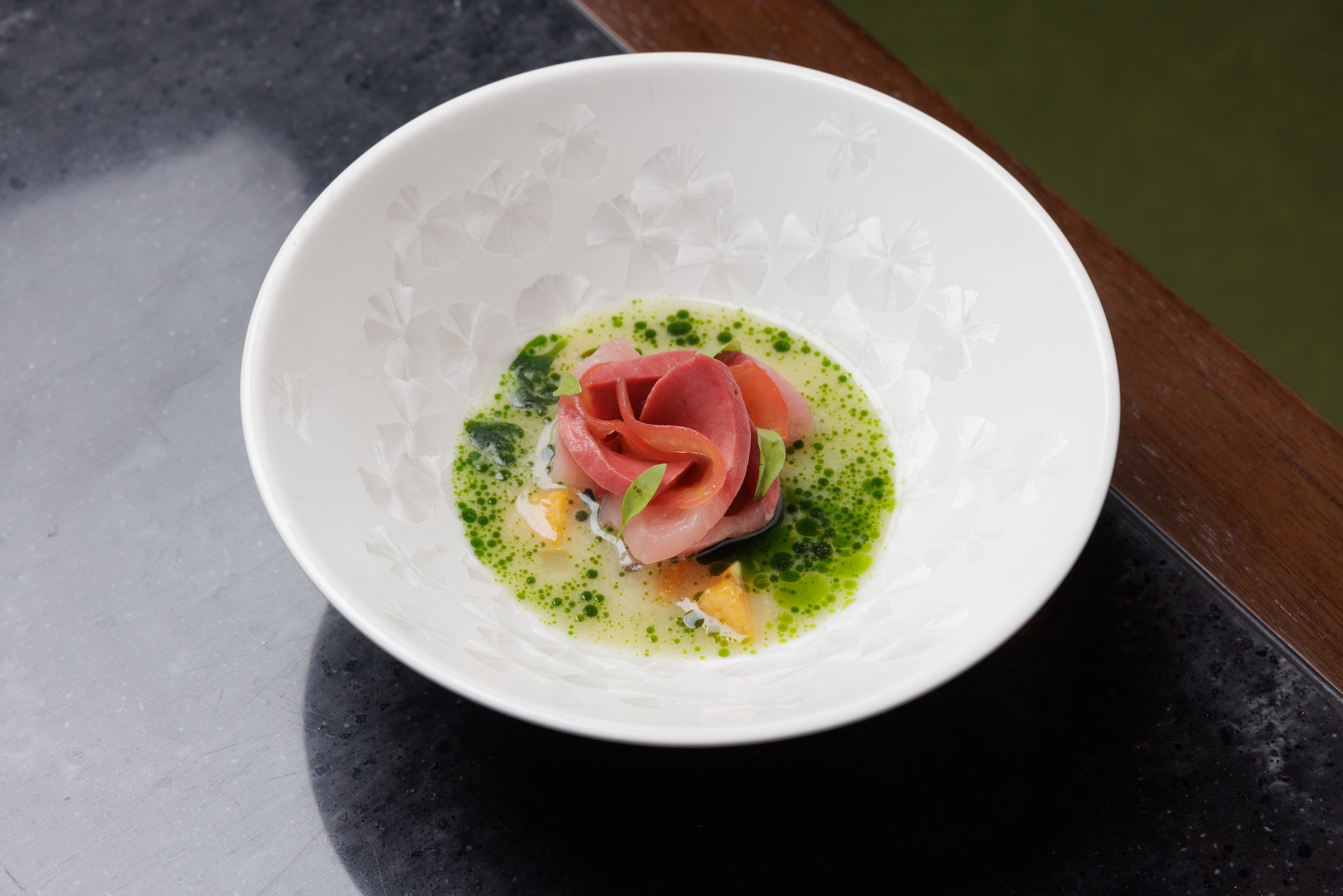
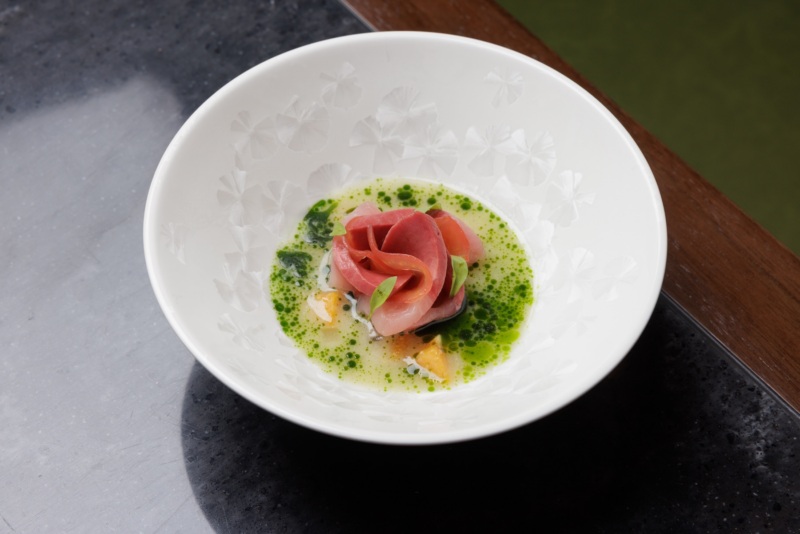
Still, there are some hallmarks of Sea at Mūje, including a scallop dish that was reimagined with yellowtail. “We elevated it,” Yim says. “We changed the portion to fit the fine-dining restaurant and we added more details to the flavor.” The fish is paired with pickled tomatoes that are dressed with a coconut sauce made with lime juice and fish sauce.
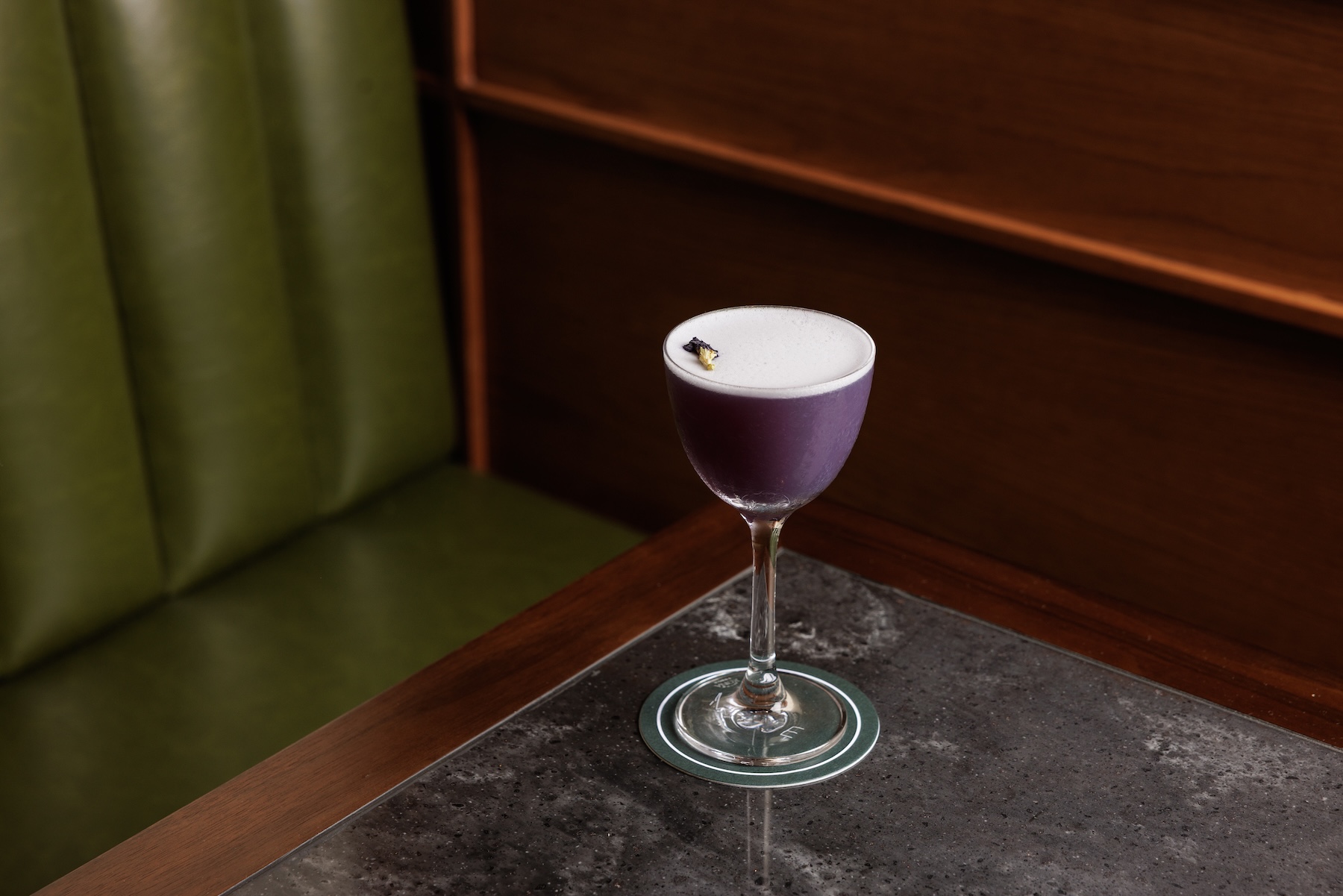
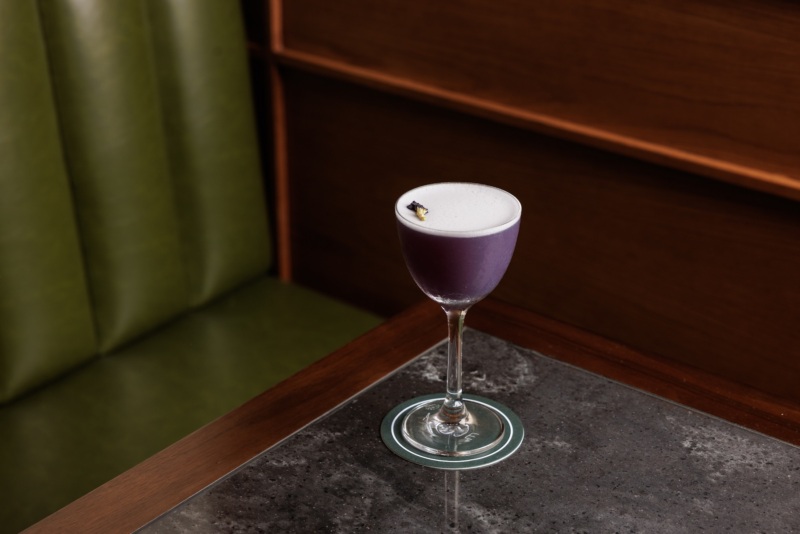
Meanwhile, the popular Midnight in Samui cocktail will remain on the menu. Made with rum and Makrut agave, it gets its vibrant purple color from the butterfly pea flower.
5. Look out for more restaurants from Yim down the line in Korea, and hopefully, New York.
In addition to the original Jungsik location, Yim operates Gomtang Lab in Seoul, which serves its namesake dish, a brothy Korean soup that’s an “everyman” food. “That’s something I want to expand globally in the future,” he says. “I might bring it to New York someday,” Yim adds.
He also wants to open a seafood restaurant, ideally seaside in Korea, that’s focused on sustainability where shells serve as the plates, so there’s no waste. “That’s something I’m always dreaming about,” he says.
Mūje is open Thursday to Monday from 5:30 to 8:30 p.m.
Devra Ferst is a Brooklyn-based food and travel writer who has contributed to The New York Times, Bon Appétit, Eater, NPR, and numerous other publications. She is co-author of “The Jewish Holiday Table: A World of Recipes, Traditions & Stories to Celebrate All Year Long.” Follow her on Instagram. Follow Resy, too.