Stir Crazy Does Things a Little Differently — And That’s Very Much the Point
Published:
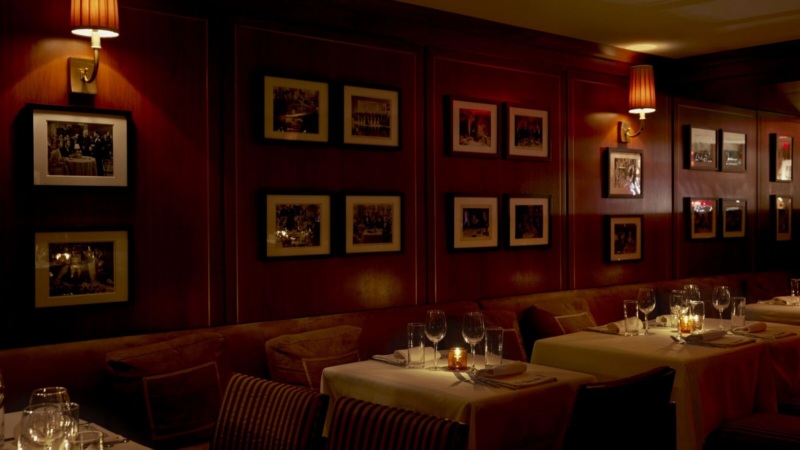
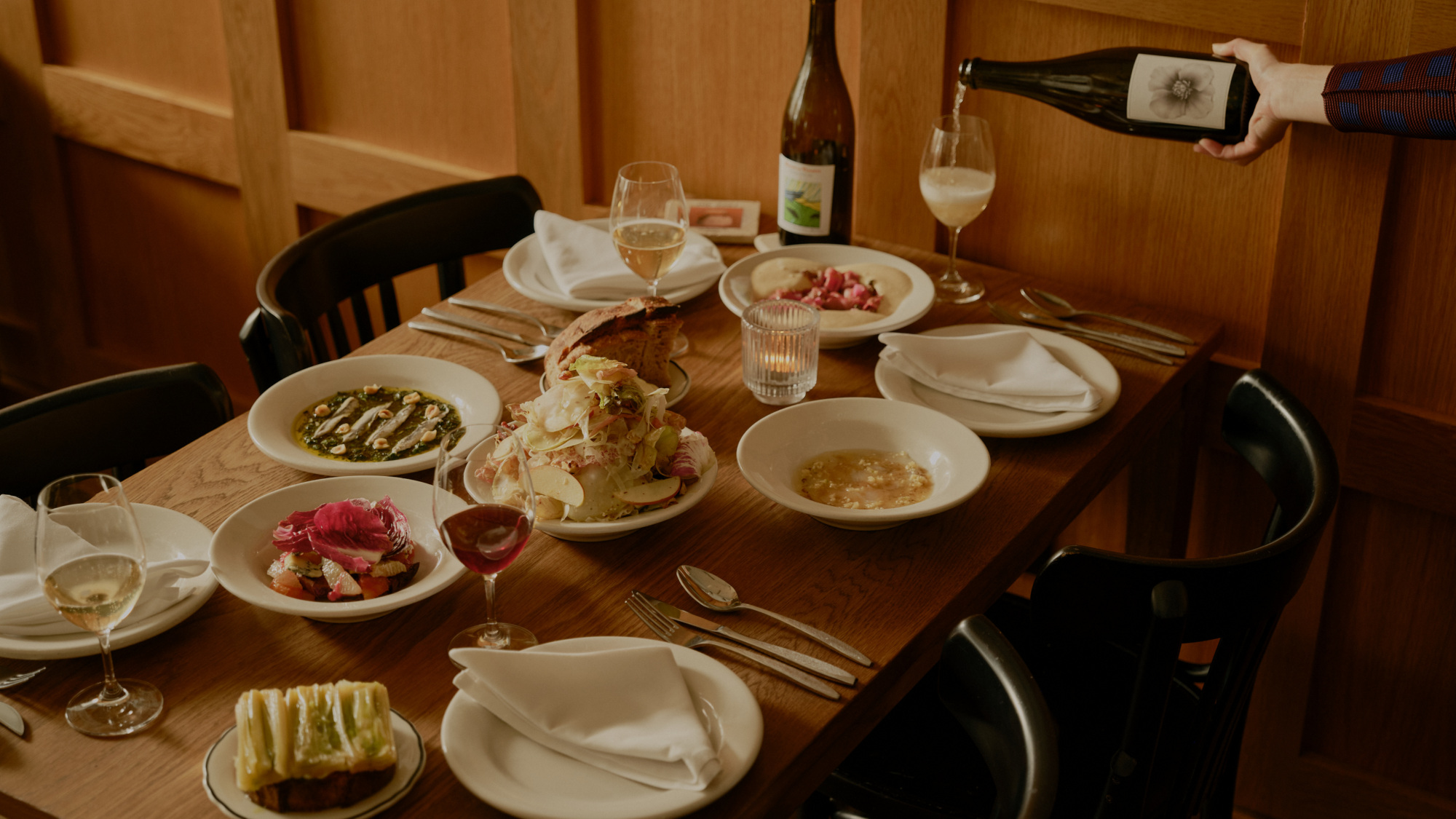
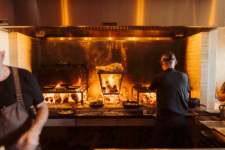
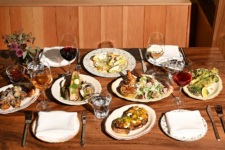
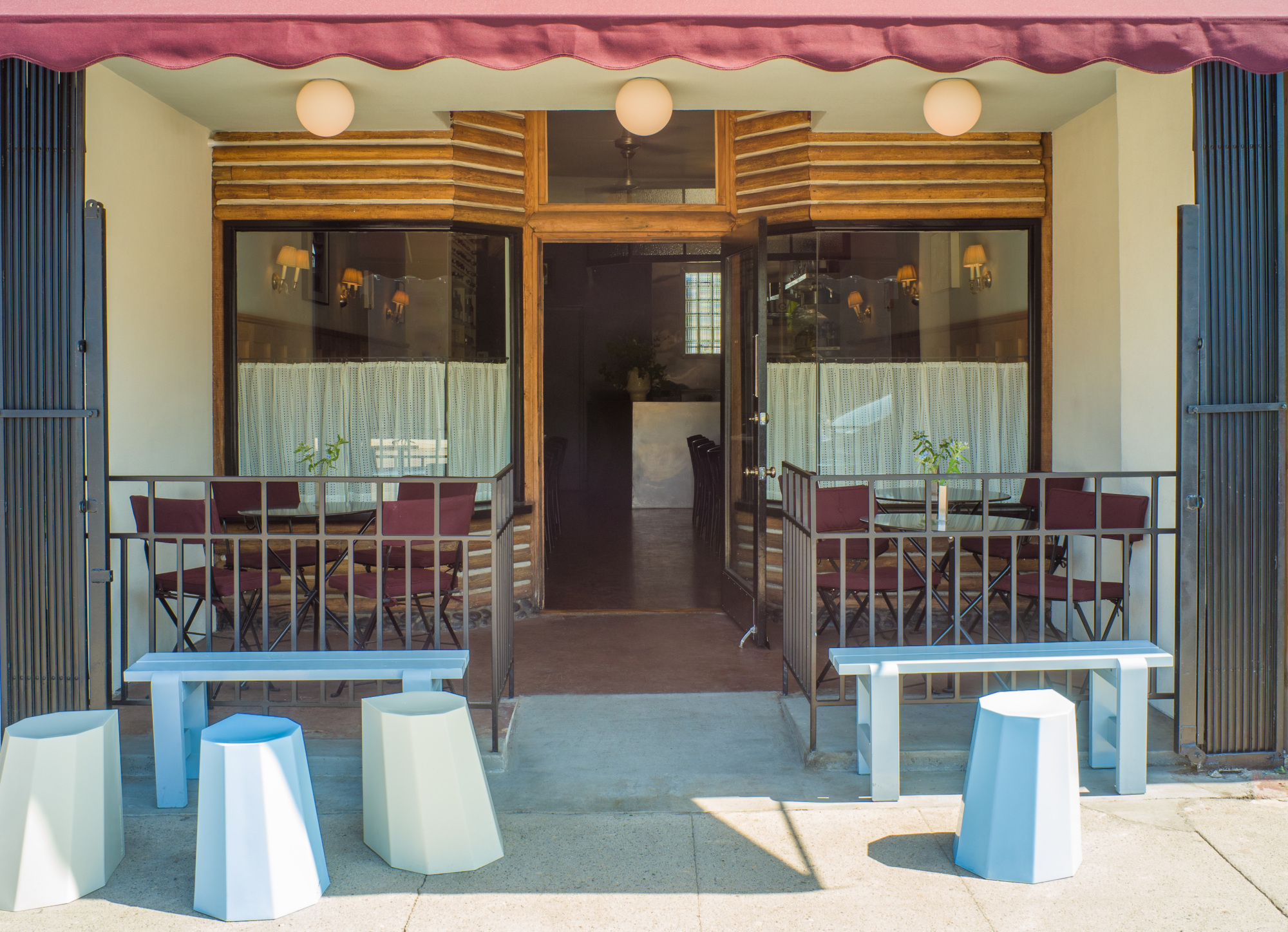
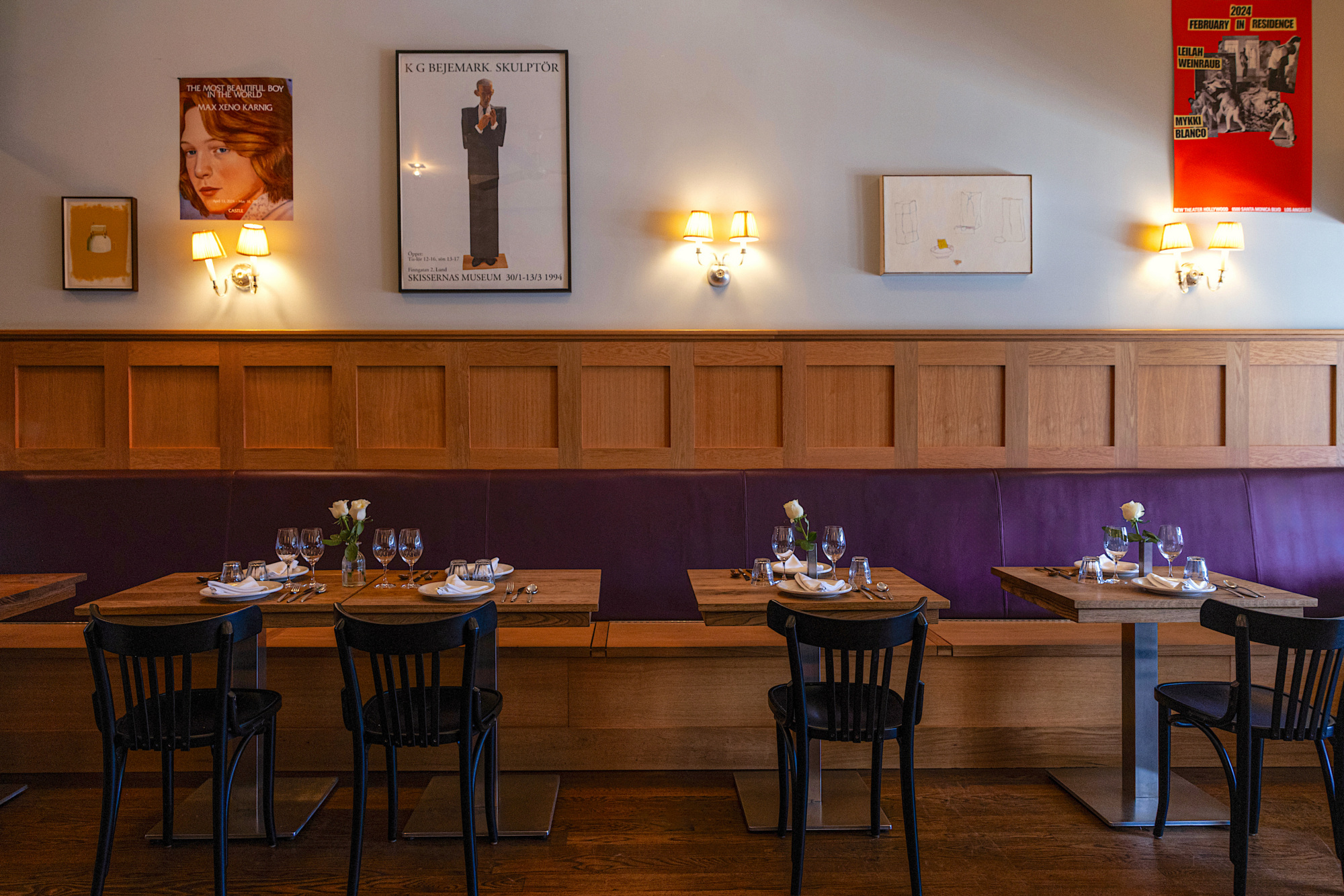
It’s a balmy spring evening at Stir Crazy, a cozy neighborhood restaurant on Melrose Avenue. Diners casually saunter in, debuting their pre-summer attire, enjoying the warmth of the lingering sun on the patio or opting for the comfort of the cooled interior. Just past the welcoming wood banquets and art-lined walls sits a modest but mighty kitchen, which turns out seasonal dishes that cleverly showcase the restaurant’s extensive wine collection, with enough offerings to please novices and aficionados alike.
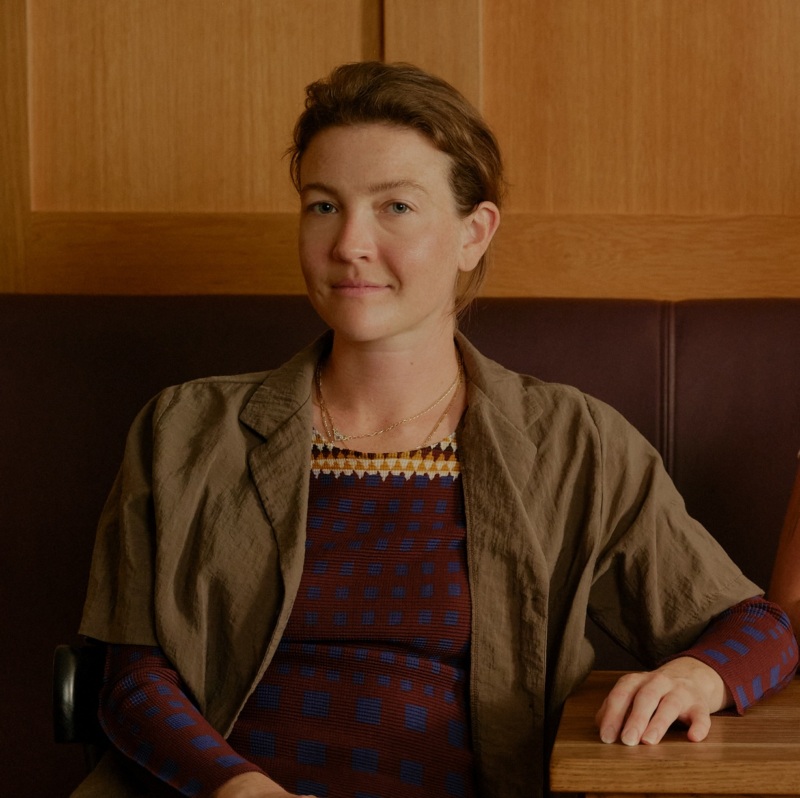
Opened in May 2023 by Mackenzie Hoffman, Harley Wertheimer, and Macklin Casnoff, Stir Crazy has taken the last few years to settle into itself. Regulars are, well, regular, alongside newcomers—a young couple with a newborn, two friends catching up, a single diner who stopped in for a glass of wine. It’s all very charming and copacetic, and behind the scenes, the team has an innovative approach to service and operations to keep it so.
We sat down with co-owner Mackenzie Hoffman to discuss where Stir Crazy finds itself today, how she helms the restaurant’s mighty wine list, and more.
MORE FROM RESY

Resy: Stir Crazy has been open for three years. For diners meeting you for the first time, can you talk about your opening and operations to date?
Mackenzie Hoffman: From the beginning, we were intentionally unintentional about labeling ourselves, and that flexibility has allowed us to be dynamic. The core idea was always to create a space for wine lovers to enjoy great wine and food. A review from Bill Addison during our first year helped us sink into our identity as a restaurant, as opposed to dancing around the label of something like a wine bar with bites.
Our ethos of responsible farming and winemaking always extended to food as well. We naturally grew relationships with farmers, purveyors and vendors, alongside our local community. Now, our return guest rate accounts for over a third of our guests, which is a testament to how we’ve grown into the space, the neighborhood, and our offerings.
How would you situate the restaurant’s identity today among the greater Los Angeles dining landscape?
We steer a small ship, but now that we have our routines and staff in place alongside regular guests who want to take risks with us, whether it be trying new wines or ingredients, we really see ourselves as a place where you can casually stop by for a glass of wine and a snack just as easily as you can come sit for a three hour dinner. We find that exciting because it makes each table different, and allows more guests to come through the door because we’re offering multiple price points and experiences.
I also see us as being distinctly L.A. We exist in the Melrose Arts District in the center of the city, not necessarily on the east or west side, in a place that’s functionally accessible. On the menu, we’re hyperlocal and hyperseasonal, but also pull from global flavors that draw inspiration from various culinary pockets of the city.
You’re only open on weekdays, which reflects a different model from most restaurants. Can you speak a bit about that and Stir Crazy’s operations generally?
I have high aspirations and expectations for our team, so something I put a lot of energy into is systematizing our hospitality. Hospitality requires a lot of emotional intelligence, and both physical and mental energy, so if I can alleviate pressure points by systematizing operations to then free up space to put our energy elsewhere, like perfecting our steps of service and increasing knowledge of our wine list, that’s something I’m going to seek out.
Our opening matrix of Monday to Friday has a lot to do with that. We want to recharge on the weekends so that we can lock in during the week. The impact is that our team works a reasonable schedule, and we don’t stretch our limits. These choices turn into opportunities for us to refresh ourselves and stay resilient if and when we need to problem solve. That then comes with the expectation that when we’re here, we’re energized and present.
The menu has expanded and reinvented itself since you opened. How does the team think about menu ideation?
We’re not hyper-focused on reinvention. Rather, we’re considering how we can be thoughtful and intentional in a style that’s recognizable, but uses an ingredient or preparation that is distinct. We like to be nostalgic or reminiscent yet playful.
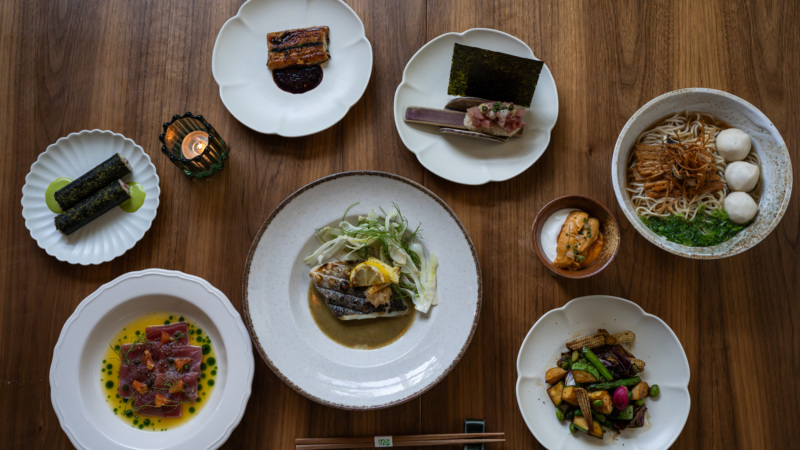
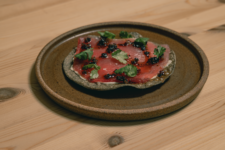
Two examples: one, our roast beef with tuna tonnato, pickled radish and fennel pollen. That dish could easily have been a tartare or another carpaccio or crudo option. Instead, it’s based on a regional and historic dish from Piedmont, Italy called vitello tonnato. The cut and preparation of beef is distinctly American, the pickled radish is inspired by Korean banchan, and the pollen is our way of using a different part of the plant. Put all together, the dish has elements that are known to most guests and reflect our spin.
Similarly, for dessert we recently served a carrot granita trifle with blood orange and toasty meringue. Granita is something everyone wants on a hot day. The carrot gives it a fiery orange color that is visually appealing. That said, we typically choose an ingredient that can be a bit polarizing. Prior granita iterations had celery or beet.
There’s a throughline with the wine: we focus on approachable styles while highlighting unknown grape varieties or unique places in the world. Overall this is how we stay intentional yet lighthearted with our ideating. We also cite our sourcing at the bottom of our menu rather than in line with each item. We want to highlight the provenance story of an ingredient without distraction. Since we seek out locality, if a guest really loves a sweet potato that we’re serving, for example, the server can then point down on the menu, show the farmer’s name, and tell the guest where to get it at the weekend market. That accessibility and support of resilient food systems are an important pillar of the Stir Crazy hospitality mindset.
You have over 350 distinct wine offerings now. Working in a small space, how do you approach building such a monumental list?
Wine is my craft. I’m so passionate about it, and not just what’s in the glass but really the whole dang thing. We could offer a tighter wine list, but my passion for wine drives me to push the limits to see what we can achieve. Saying that we’re a 500 square foot space with over 350 wine SKUs is something very measurable and tangible that we’re all proud of and want to keep cultivating for ourselves and our guests.
I consider the wine menus as living documents. While our bottle list is reprinted weekly, wines by the glass do not change as often, which is also where I lean heavily into Californian wines. That sourcing is on theme for us because it’s in line with how we source other local beverages and food.
We also have house wines. We recently released our second; our third will be from the 2026 harvest and our fourth is currently being made. We help fund the wine from inception and it works for everyone’s benefit—the winemaker wins because we’ve committed up front to a project together, and we support the farmer and distributor. We win because we’re offering something proprietary. The guests win because they’re experiencing something unique at an approachable price point. We just started serving our house white: a 2025 Redwood Valley colombard from winemaker Rosalind Reynolds of Emme wines.
I like to shake up classic models. With pressures like tariffs or inflation, we want to consider how we can reverse engineer the larger systems that make everything vulnerable. If we can make every touchpoint more resilient then we’ll collectively be that much better off. The house wine is an example of that.
How have you seen guests’ wine tastes fluctuate over the years? If so, how is that reflected on your menus?
The pandemic felt like a real turning point for so many things and wine was no exception. Since then, we’ve seen people gravitate consistently to familiarity. This of course is not to imply that people aren’t curious, but with so many points of friction in our daily lives, people seem to find comfort in classic styles of wine.
I have a saying: “democratically delicious,” which is something I especially strive toward for our by-the-glass list. With such an expansive inventory, I can offer democratically delicious wines that touch on points of comfort. I can also use this as an avenue to offer a particular grape or style that is similar to something familiar, but specifically new to the guest. This allows guests to exhale and feel comfortable, and then join us on our “Stir Crazy” ride.
Sharon Brenner is an L.A.-based food writer, home cook, and immigration lawyer. Follow her @recordsintheden, and follow @Resy, too.