Anako Melds Modern Filipino Cooking with Lots of Southeast Asian Flair
Published:
For chef Leicel Ros, welcoming guests with warm and generous hospitality is second nature, a tradition passed down from her mother. It’s that same sense of warmth she and her wife, fellow chef Nancy Dominguez, are bringing to Anako, their new restaurant opening in Little River on October 22.
The couple met while working at the now-closed Jean-Georges in Los Angeles. Ros’ kitchen background includes Nobu, while Dominguez worked at the former Jean-Georges Beverly Hills and in Joël Robuchon’s kitchens. During the pandemic, they began hosting Miami pop-ups centered around the Southeast Asian flavors they craved from Los Angeles, blending Ros’ Filipino heritage with the Thai food Dominguez grew up around in East Hollywood. “This is the cuisine we really love and crave,” says Ros.
Following their pop-ups, they co-founded Sili together at Wynwood’s 1-800-Lucky food hall. Now, alongside partner Nidal Barake, they’re opening the restaurant they’ve always envisioned for themselves from the start. Anako takes its name from “anak ko,” the Tagalog phrase for “my child” that Ros’ mother uses to address her. Her mother’s influence reaches onto the menu, including the oxtail kare-kare that Dominguez fell in love with after trying her version.
Here’s what you need to know about the new restaurant.
The Resy Rundown
Anako
-
Why We Like It
Chefs Leicel Ros and Nancy Dominguez cook the Filipino and Southeast Asian dishes they love, drawing on family recipes, their travels, and years in the industry. After co-founding Sili, Anako marks their first sit-down venture and is the restaurant they’ve always envisioned opening together. -
Essential Dishes
Pork-and-shrimp lumpia; kinilaw crudo; oxtail kare-kare; and banana fritters with sesame caramel. -
Must-Order Drink
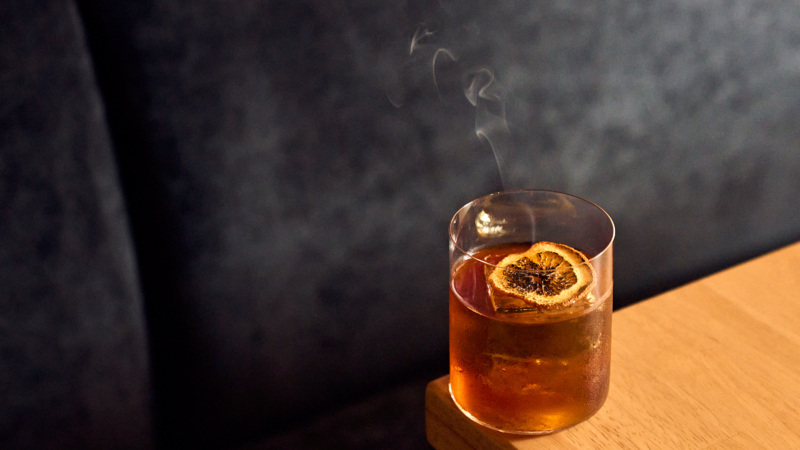
The Night Shift, a shaken, carajillo-inspired coffee cocktail with cold brew, condensed milk, tawny port, Amontillado sherry, and Maldon salt.
-
Who and What It’s For
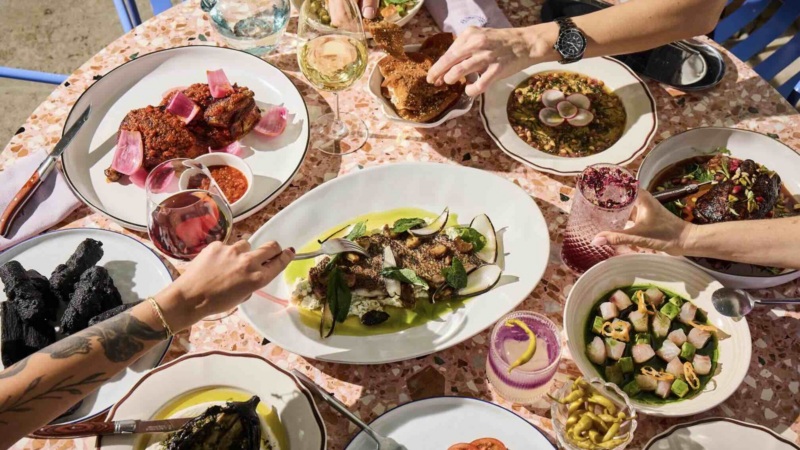
For those looking to dine on modern Filipino cooking with touches of inspiration from Southeast Asian from two established chefs. The environment is casual with a dining room and a separate back bar, and the dishes are great for sharing. -
How to Get In
Reservations drop one month in advance at midnight. The team will hold some dining room space for walk-ins, and the back bar will also take walk-ins. -
Fun Fact
Anako combines “anak ko,” Tagalog for “my child,” the way Ros’ mother addresses her.
1. Imprints of their families and years of working in kitchens are everywhere.
Ros’ family originally immigrated to the United States through her uncle’s Navy service, which then gave her mother the opportunity to come over. Born in the Philippines, Ros grew up in Virginia Beach, Va., and studied at Johnson & Wales in North Carolina. Dominguez was raised in Los Angeles in a Guatemalan family, and her aunt has operated a Guatemalan bakery there for decades. For Ros, Anako is a tribute to both sets of parents and the opportunities they created for their children.
Both chefs will develop the menu, but they’ll divide responsibilities at opening: Dominguez will run the kitchen, while Ros oversees front-of-house and hospitality, though Ros eventually hopes to bring on staff to lead the dining room so she can spend more time devising dishes. She spent four years at Cote Miami and taught at Miami Culinary Institute, and has brought on one of her former students as part of the Anako team. Having benefited from mentors herself, Ros wants teaching to remain part of her work, helping employees prepare for whatever comes next in their careers.
2. The menu’s modern Filipino cooking is heavily influenced by travels through Southeast Asia.
Ros began exploring Southeast Asian cooking beyond her family’s kitchen while studying in Singapore and Thailand. Further discoveries during later trips to Vietnam added more dishes and flavors she wanted to cook, all of which inform a menu she describes as their personal take on Filipino cuisine.
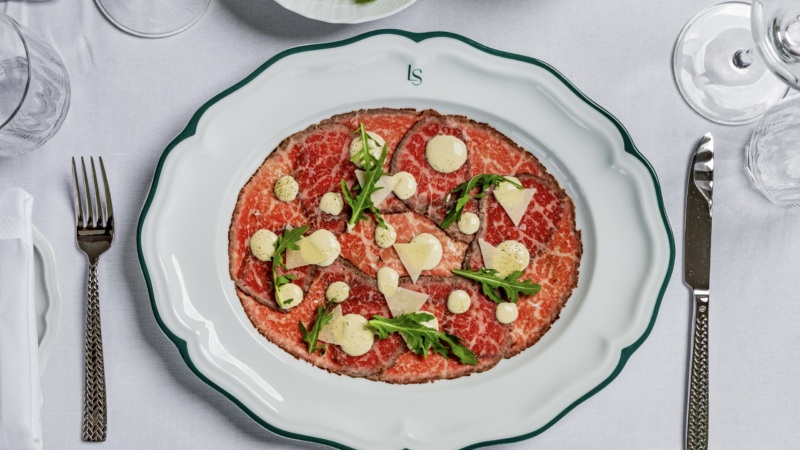
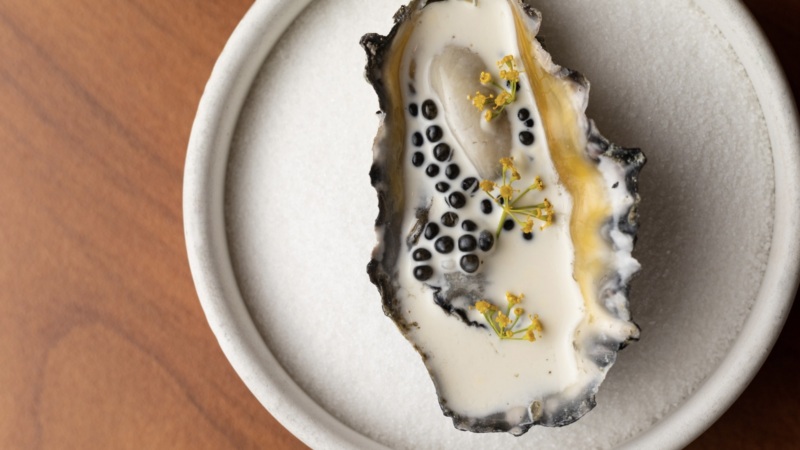
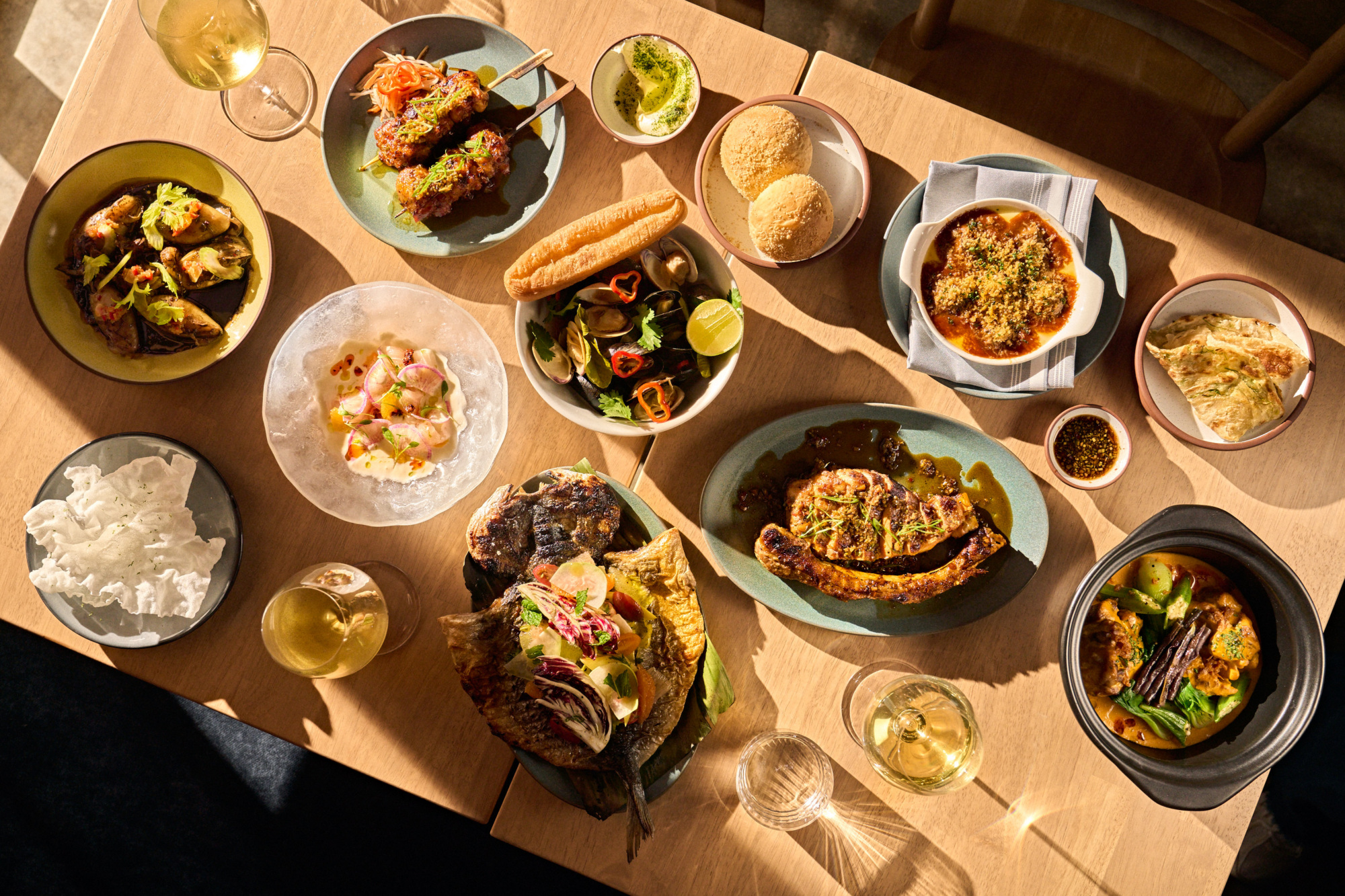
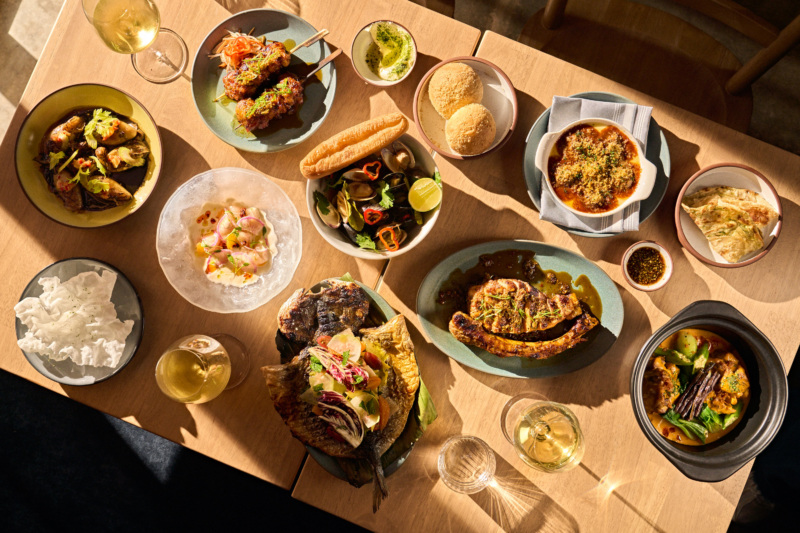
Take the lumpia, for instance. At first glance, it appears like the classic fried Filipino roll, except for the shrimp tail peeking out of one end. Inside, the chefs combine heritage pork with a whole Gulf shrimp, drawing on Japanese techniques, and serve it with chile lime. For the kinilaw crudo, they use Japanese hiramasa with coconut-calamansi, chile, radish, and a rice cracker. There’s also bistek tartare with Wagyu, chicken inasal with lemongrass marinated chicken, sisig with crispy pig ears, and pancit noodles with kohlrabi.
They intend to open with a succinct menu, adding dishes as the team settles into service.
3. One dish is a love letter to Ros’ mother’s cooking and Dominguez’s Guatemalan heritage.
Dominguez first tried kare-kare in Las Vegas. Later, Ros’ mother made it for the couple. “Her mother actually cooked it for us, and I just fell in love with the dish,” Dominguez says.
The savory peanut sauce reminded Dominguez of pepián, a Guatemalan braise she knew from her own background. At Anako, their kare-kare comes with slow-braised oxtail, Romano beans, pickled okra, and bagoong. Their banana fritters also combine traditions from different places. The chefs describe it as a Thai Filipino version made with baby bananas in a rice batter, crisp outside and soft inside, served with coconut and sesame caramel.
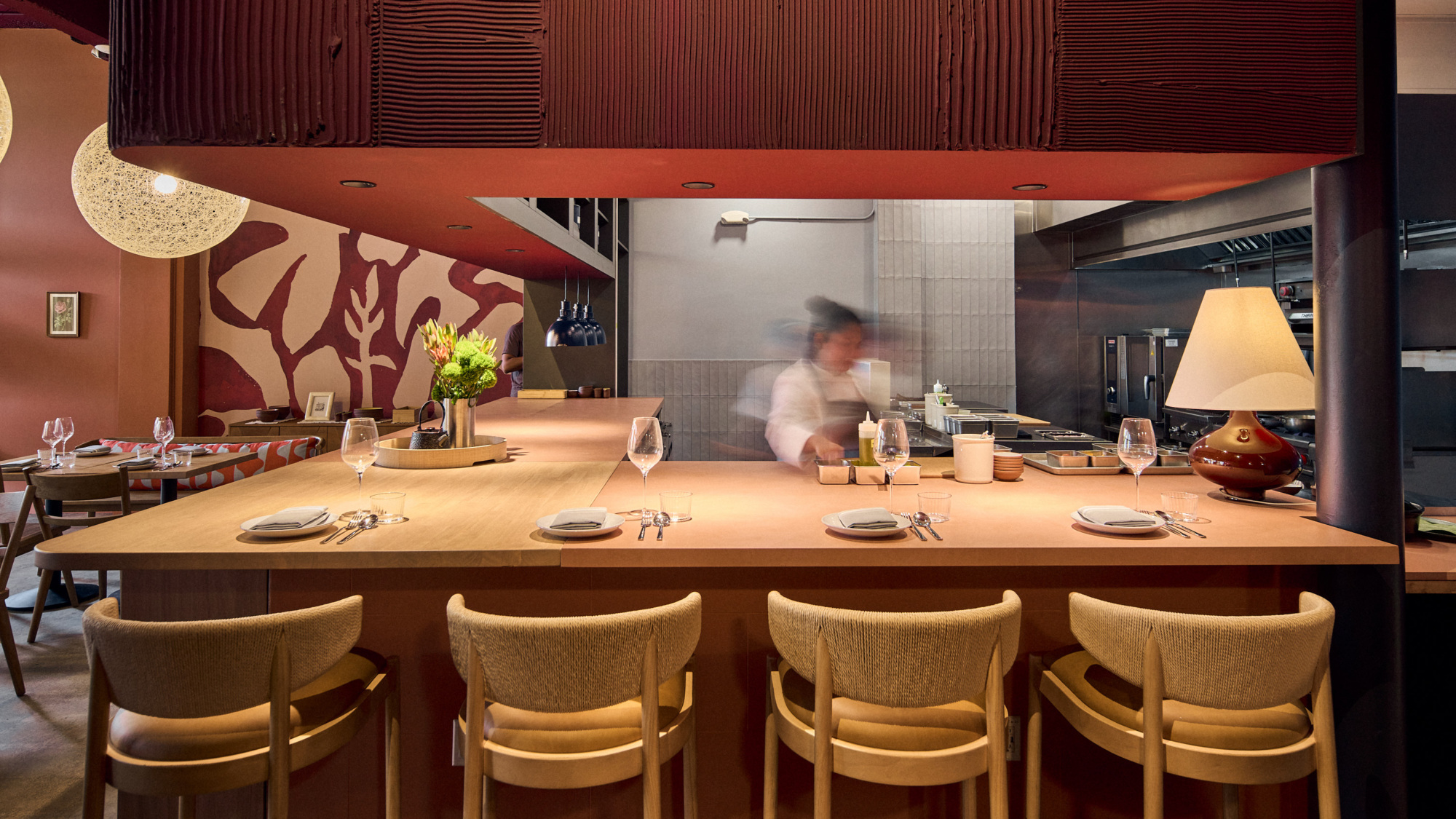
4. Explore two distinct spaces with an open kitchen in the front and a separate bar in the back room.
Before finding the space for Anako, Ros and Dominguez moved from downtown Miami to Little River. They were already spending much of their leisurely time at local places like Off Site and the Citadel and had visited Sunny’s when it was a pop-up. They wanted to open among businesses they knew and admired in their own neighborhood.
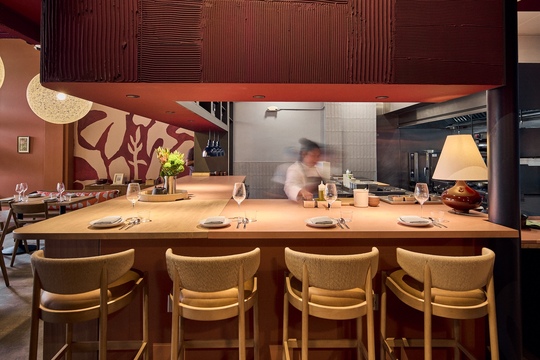
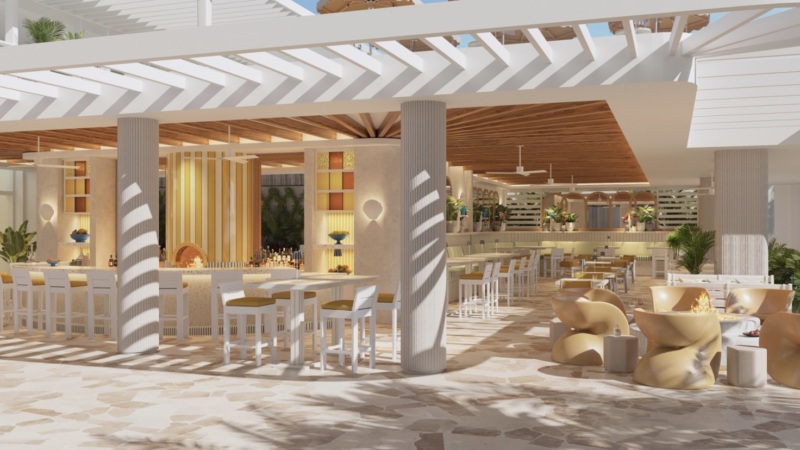
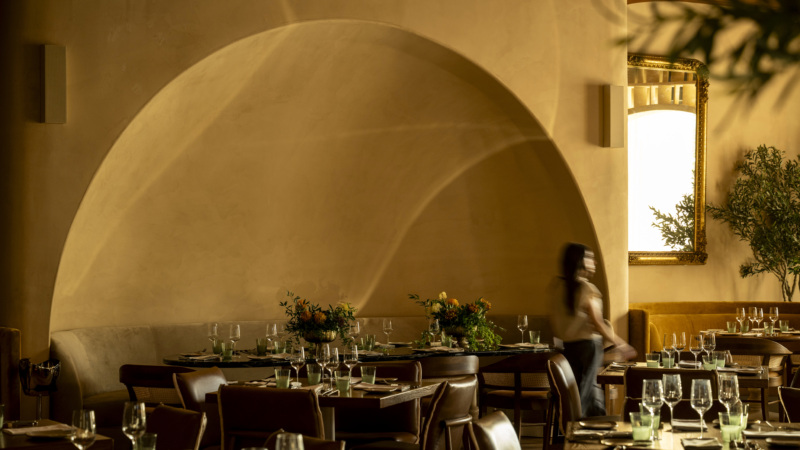
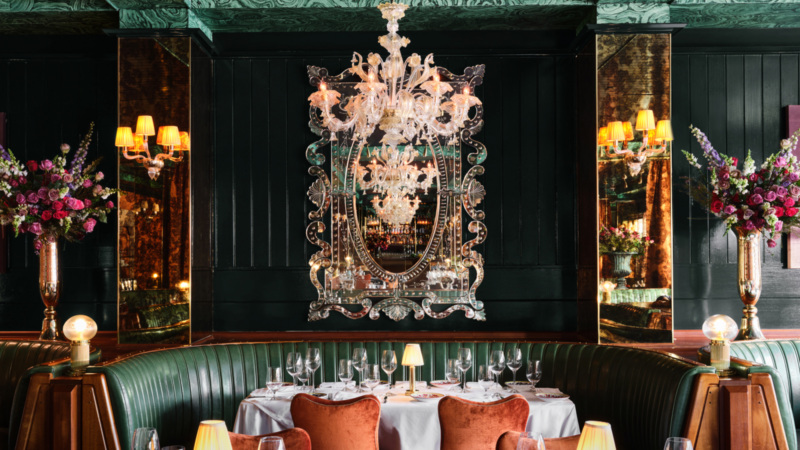
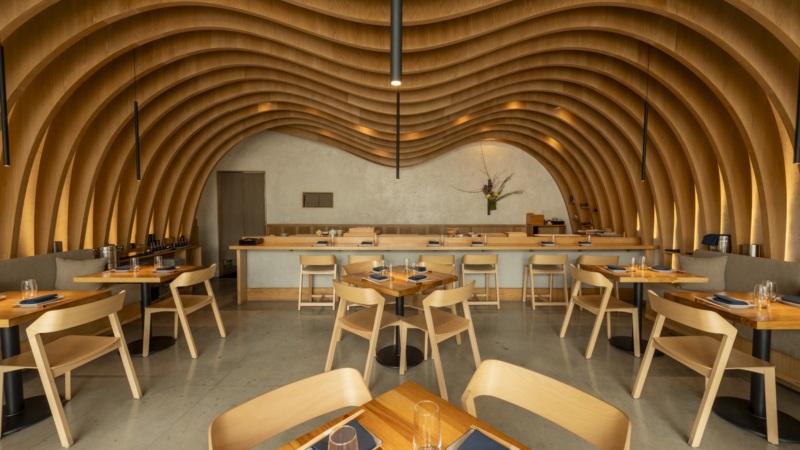
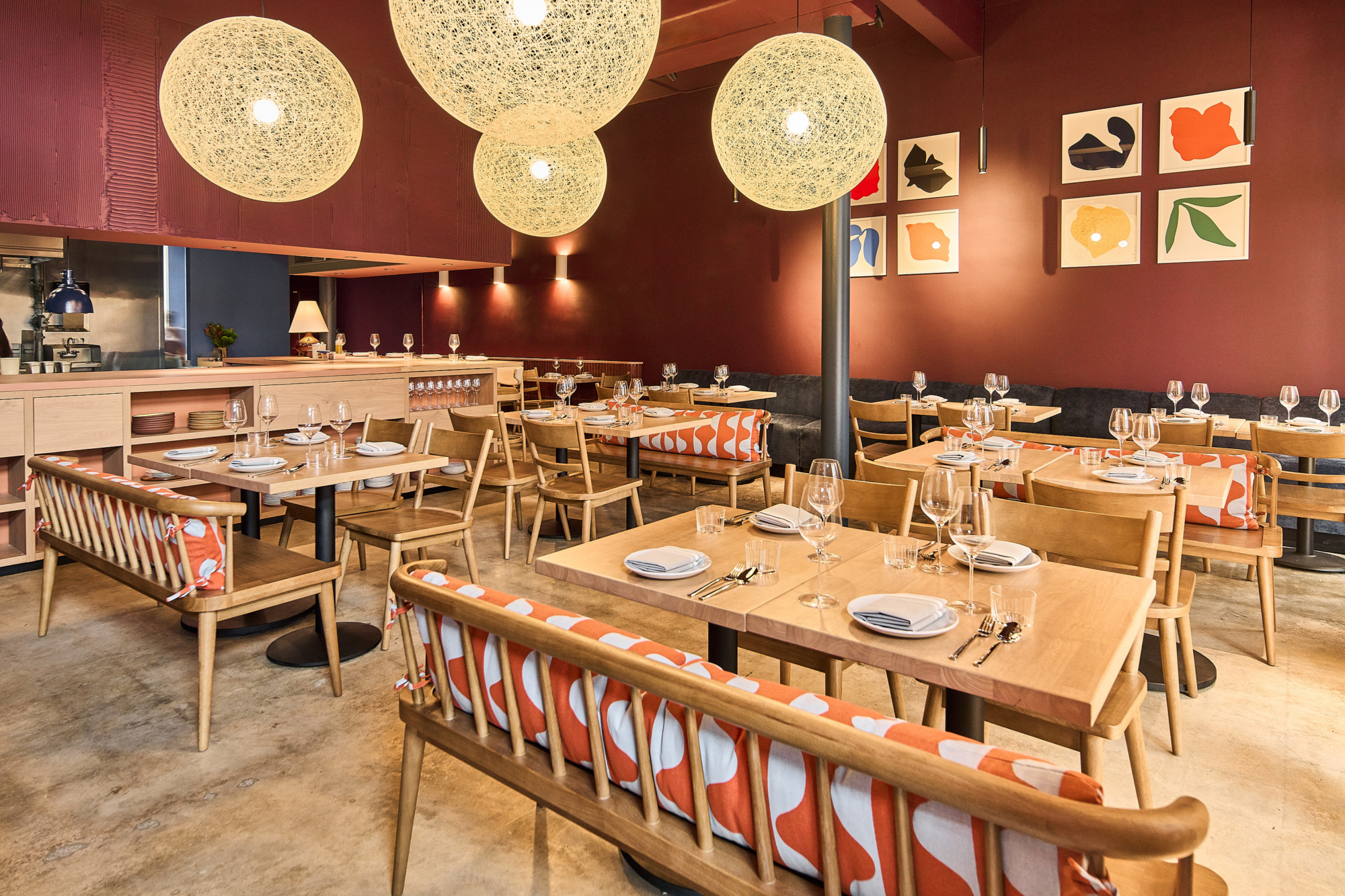
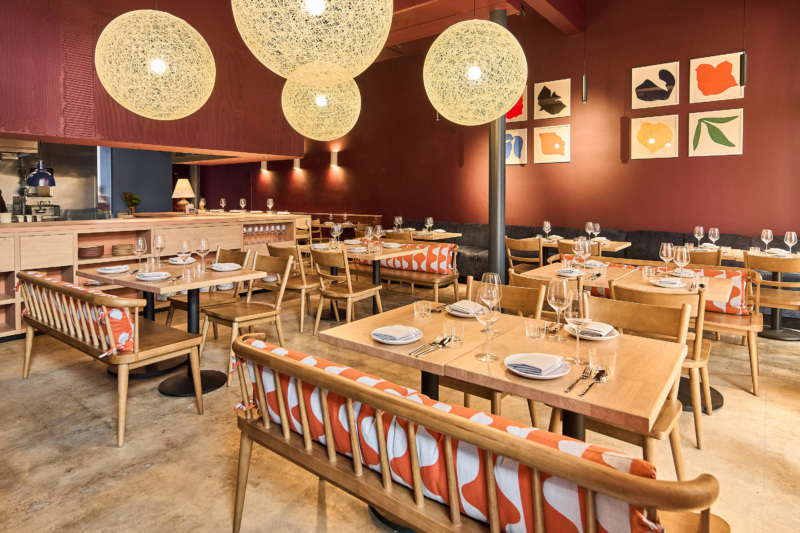
The restaurant seats anywhere from 38 to 43 diners at a time, and the front dining area features an open kitchen, a size Ros says felt right for their first sit-down restaurant. Areatonic designed the interior with natural wood, earthy terracotta and deep burgundy tones, sculptural lighting, and an aesthetic of clean lines. Barake describes woven textures, bold patterns, and organic forms as subtle references to Filipino heritage in a room the team wanted to feel warm and modern.
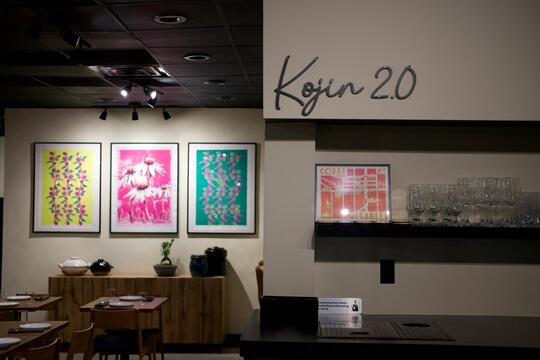
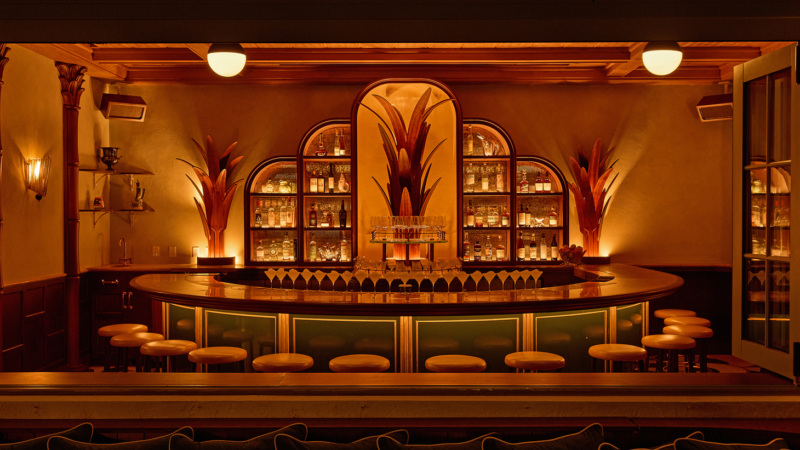
In the back room, formerly home to an early version of Kojin, a walk-in wine bar will offer low-ABV drinks, craft cocktails, natural wines, and beer alongside appetizers from the main menu. Guests can drop in for a drink and a bite — with a dedicated bar menu planned for later down the line — for cocktails like the Night Shift, a shaken coffee cocktail inspired by a carajillo, combining cold brew, condensed milk, tawny port, Amontillado sherry, and Maldon salt.
5. Pulling up a seat to the chef’s counter is highly encouraged.
When Ros and Dominguez dine out, they enjoy sitting where they can watch the chefs cook and talk with them during the meal. They want to offer that at Anako, too, with four seats at a chef’s counter reserved for a tasting experience they’ll introduce soon after opening.
Called the Anako Experience, it will be a set multi-course menu with an optional wine pairing. Ros and Dominguez envision multiple seatings a night, giving a few guests at a time the chance to eat at the counter and spend the meal in conversation with the chefs.
Anako will be open Thursdays to Mondays starting at 5 p.m. and will eventually be open six days a week.
A fourth-generation Miamian, Olee Fowler knows every corner of the city. She spent a decade as the editor of Eater Miami, and now as a freelance writer, she captures the stories that make Miami unique. When she’s not exploring Miami’s newest restaurants and bars, you can find her at home with her dogs, Foster and Peanut, or cheering on her beloved Florida Gators. And yes, that’s probably a Coke Zero on her desk. Follow her on Instagram. Follow Resy, too.