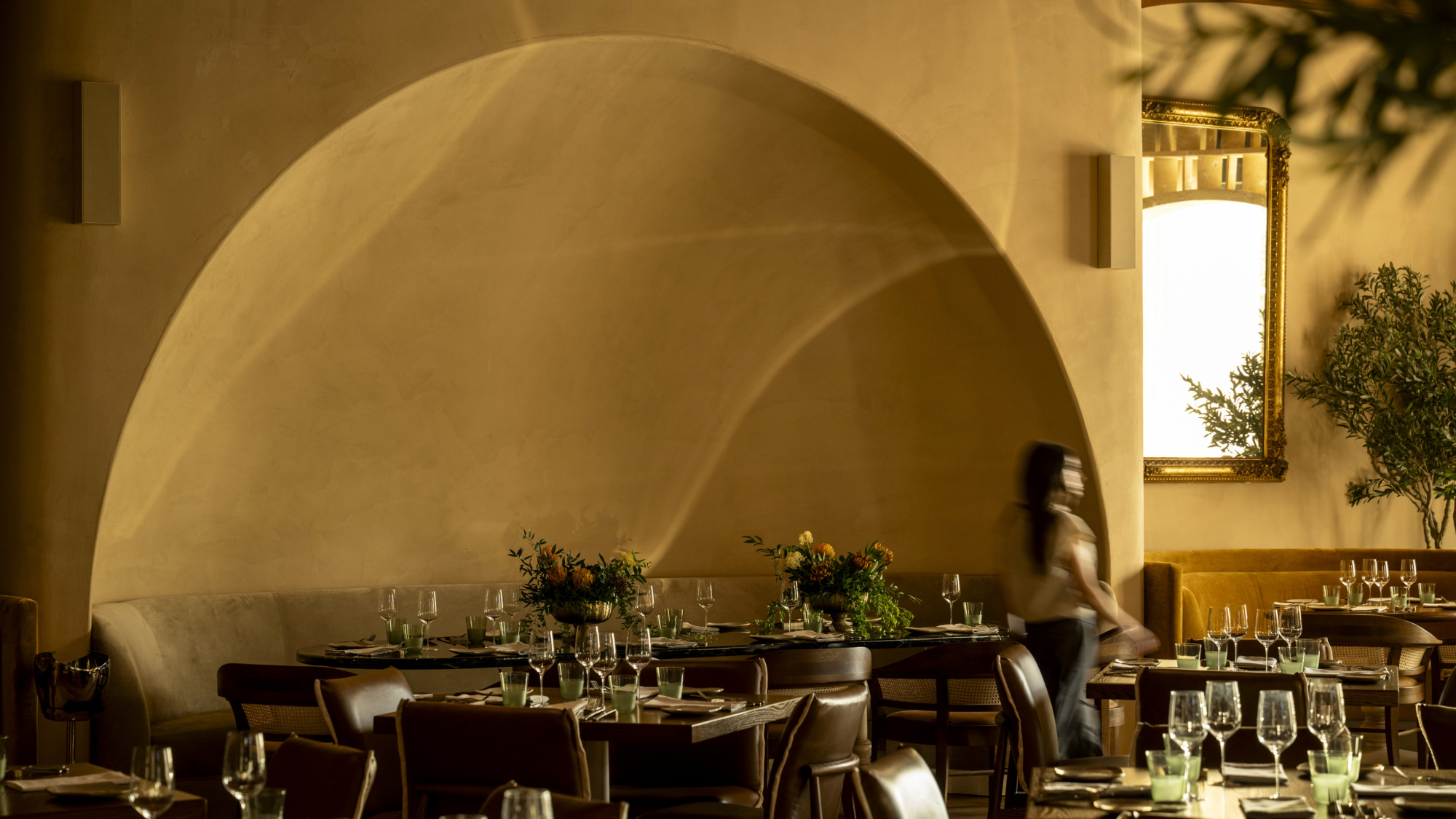
The Essential Dishes of Mika, Chef Michael White’s Ode to the French Riviera
Published:
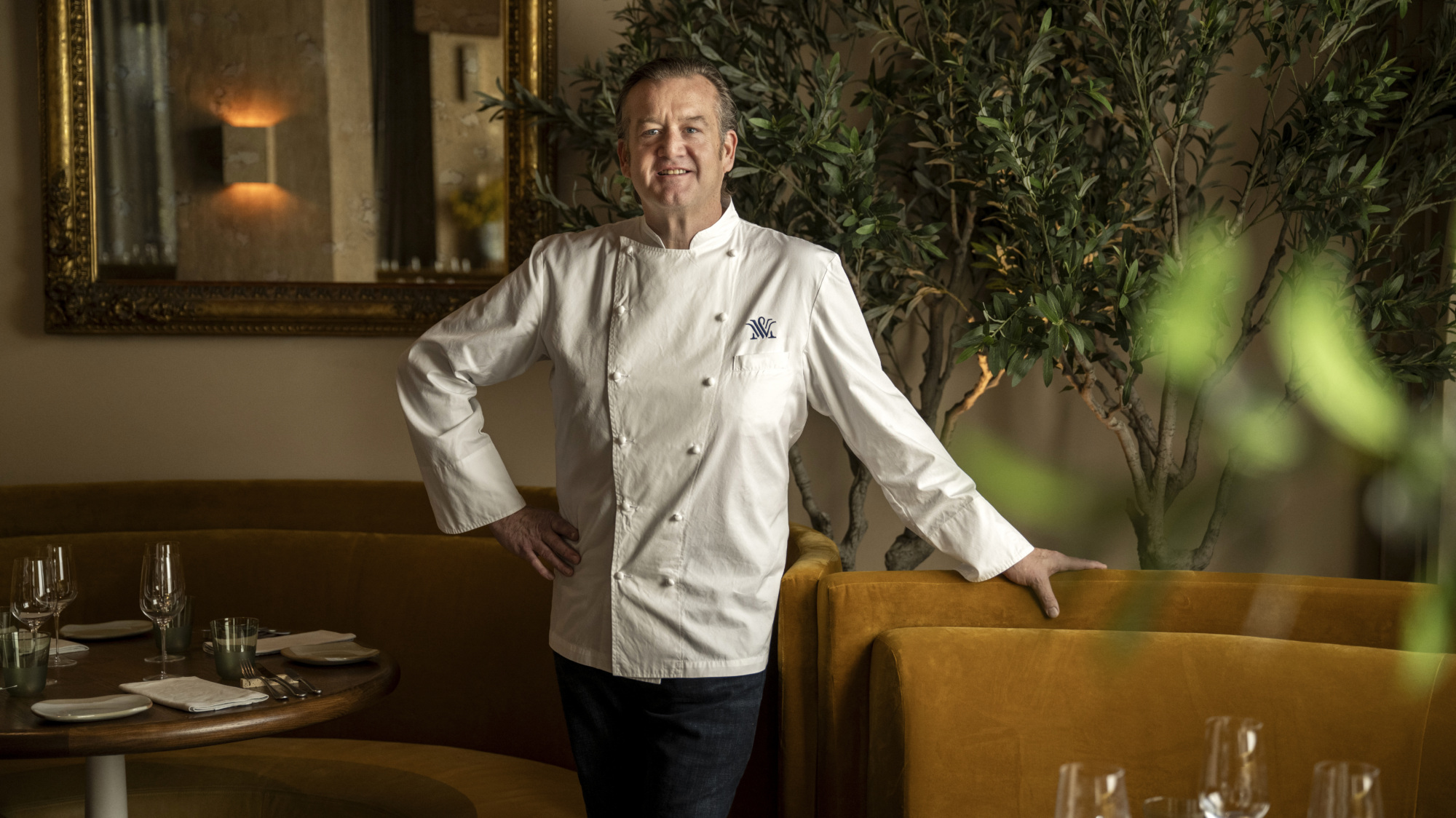
Throughout his decades-long career, chef Michael White’s time at Marea in New York is often regarded as a significant chapter, where he earned the restaurant two Michelin stars and created a fusilli with octopus and bone marrow dish that’s become a part of his legacy.
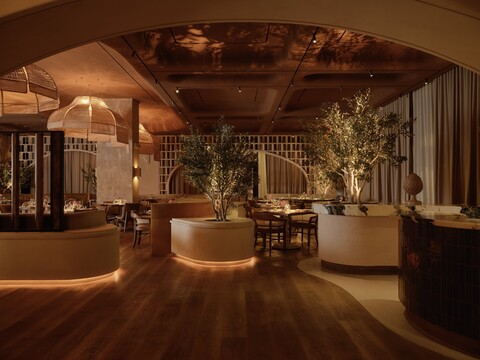
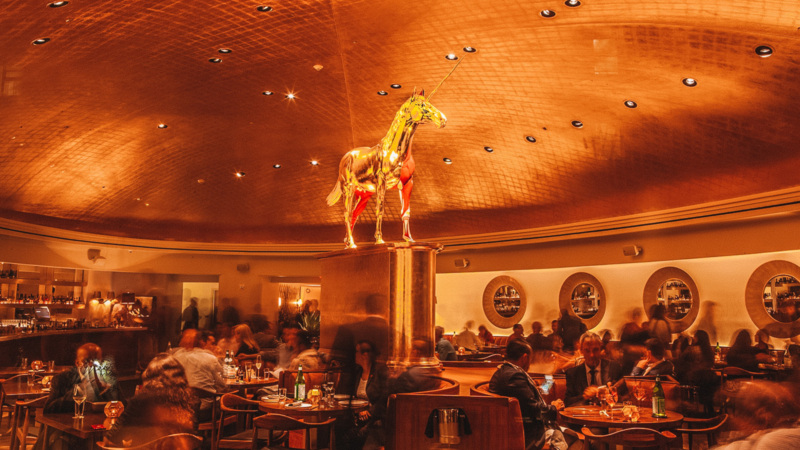
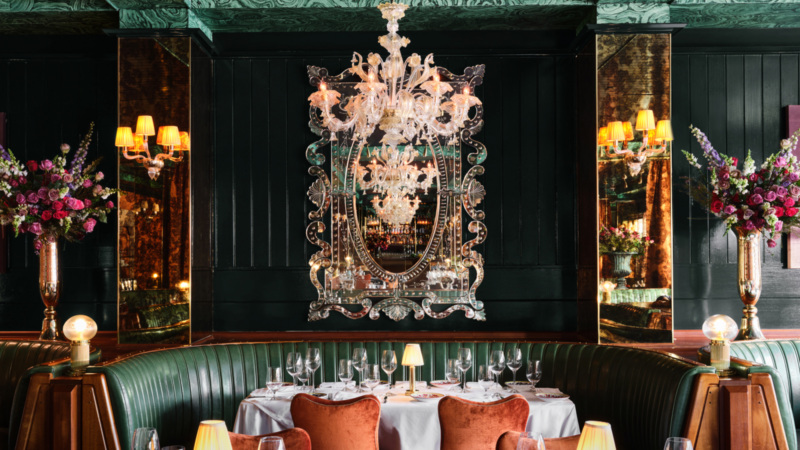
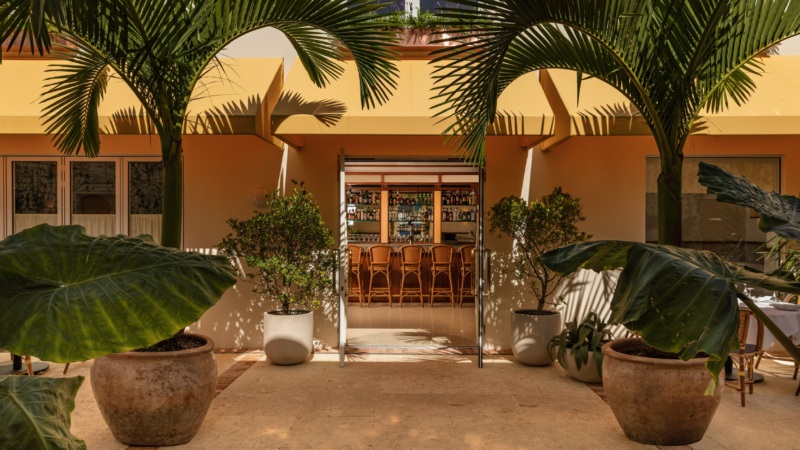
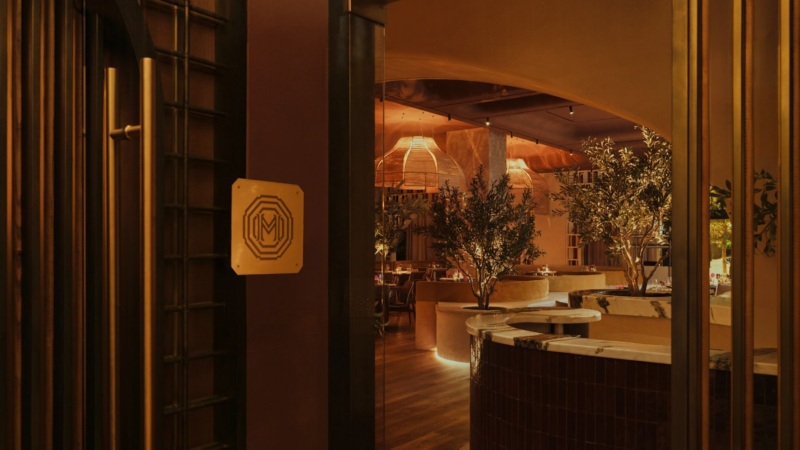
At Mika, his first standalone Florida restaurant, White wanted to bring that same essence of cooking to Coral Gables in a place where people could return to on a typical weekday night. When it opened at The Plaza in December 2024, White described the idea as “truffles and blue jeans.”
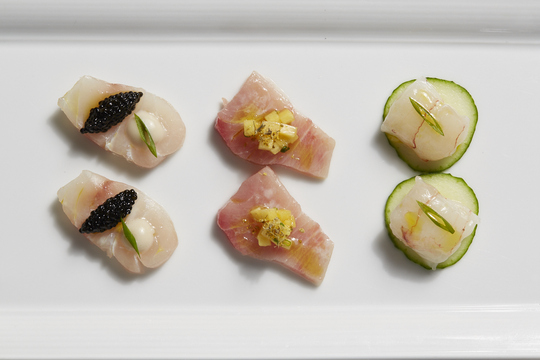
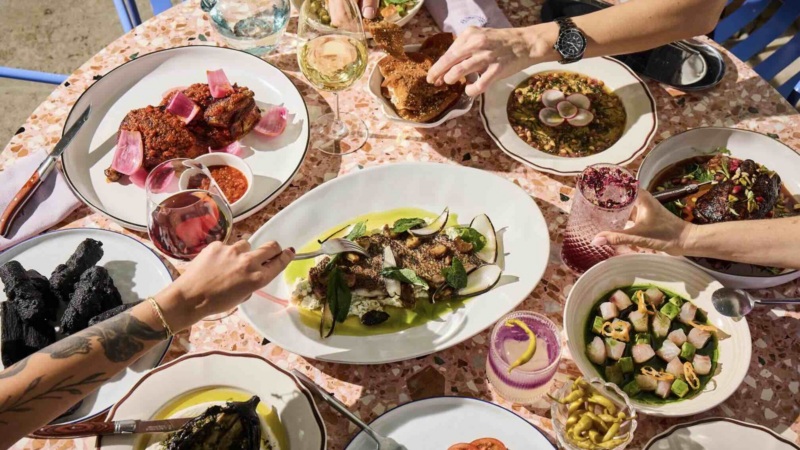
The decadent menu is dedicated to the coastal flavors of the French Riviera and features caviar, a 1.5-pound lobster risotto, and steaks large enough for the table, alongside a Caesar salad and ricotta gnocchi that have become two of the kitchen’s most popular dishes.
White expected the lobster and his fusilli to sell well, but the popularity of the gnocchi and tagliatelle caught him off guard. “The customer really dictates what’s popular and what’s not,” he says.
Mika now draws crowds ranging from office workers during lunch and to Coral Gables regulars for dinner. Here’s what to try on your next visit.
The Resy Rundown
Mika
-
Why We Like It
It’s the vision of chef Michael White, who made his name at New York’s Marea and Ai Fiori. As his first standalone Florida restaurant, Mika is an homage to the coastal flavors of the French Riviera and has become a Coral Gables staple since opening in 2024. -
Essential Dishes
The little gem Caesar; Wagyu carpaccio; ricotta gnocchi; tagliatelle Bolognese; and lobster risotto. -
Must-Order Drinks
A spritz or a glass of Valdobbiadene prosecco during weekday aperitivo.
-
Who It’s For
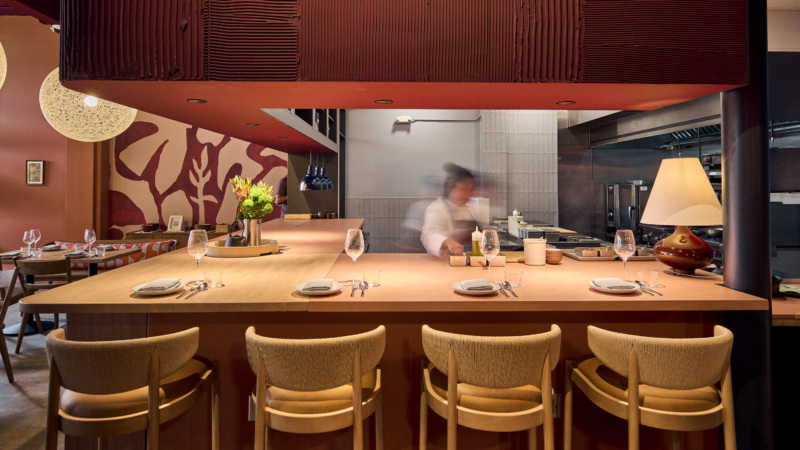
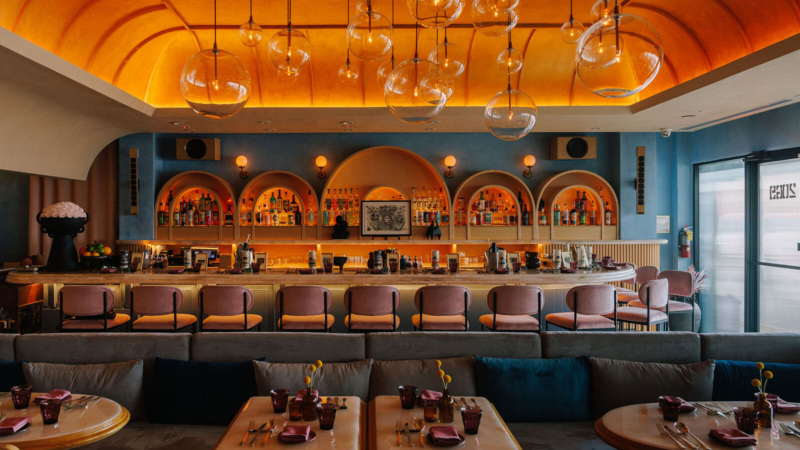
Coral Gables neighbors, business lunches, and groups for celebrations both big and small. The restaurant’s bar seating is also great on a weekday for an unfussy night out to enjoy White’s signature pastas. -
How to Get In
Reservations drop 90 days in advance. -
Pro Tip
The weekday lunch prix-fixe is $42 for two courses or $48 for three. Both the ricotta gnocchi and tagliatelle Bolognese are among the entrée choices.
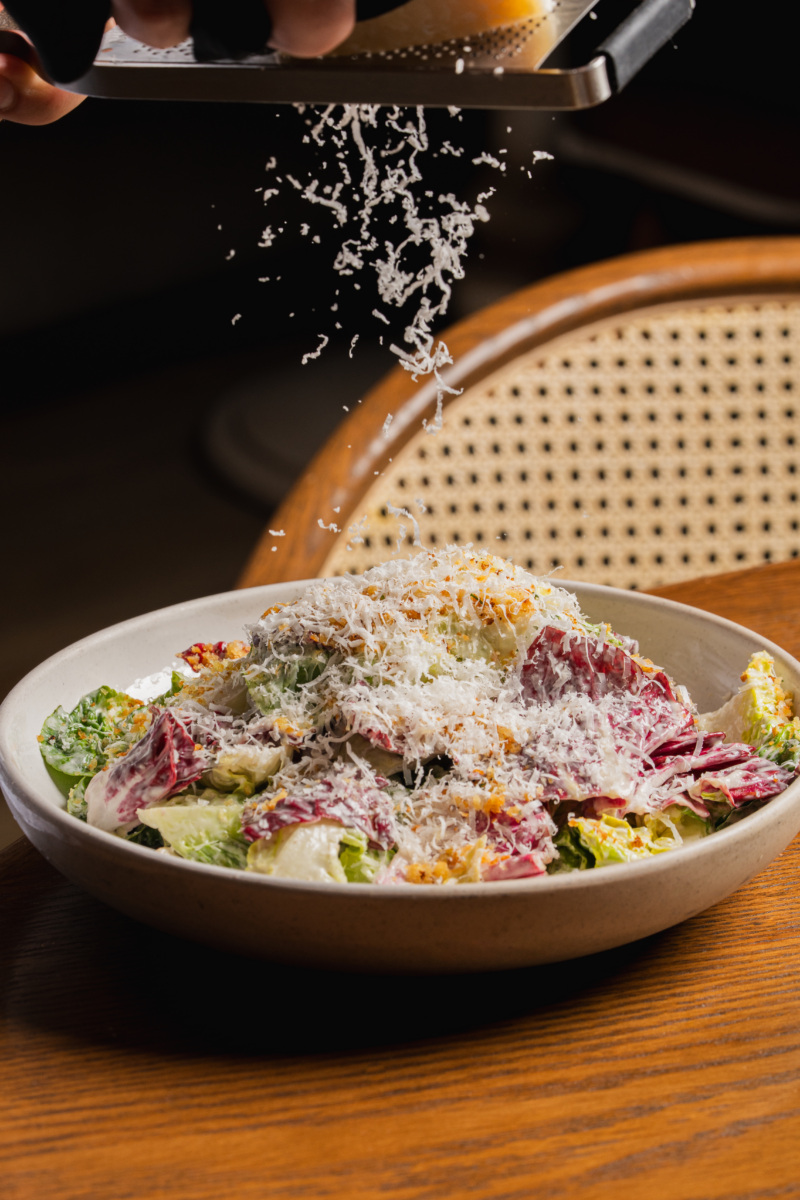
Little Gem Cesar
White is amused that a Caesar salad has become one of Mika’s most sought-after dishes, though he has given the dressing plenty of thought. He uses Agostino Recca anchovies rather than paste, Parmigiano-Reggiano, and Pecorino Romano, and freshly microplaned garlic. Lemon juice and red wine vinegar provide two kinds of acidity, while a mix of grapeseed and extra virgin olive oils keeps the dressing from overwhelming the little gem lettuce.
The spicy breadcrumbs take a cue from Sicilian pastas, where crisp crumbs add texture and put leftover bread to use. Mika’s kitchen sprinkles them between layers of dressed leaves, so the crunch continues down through the salad. “A chef at this stage doesn’t want to be famous for making great Caesar salads,” White says, “but I’ll take it.”
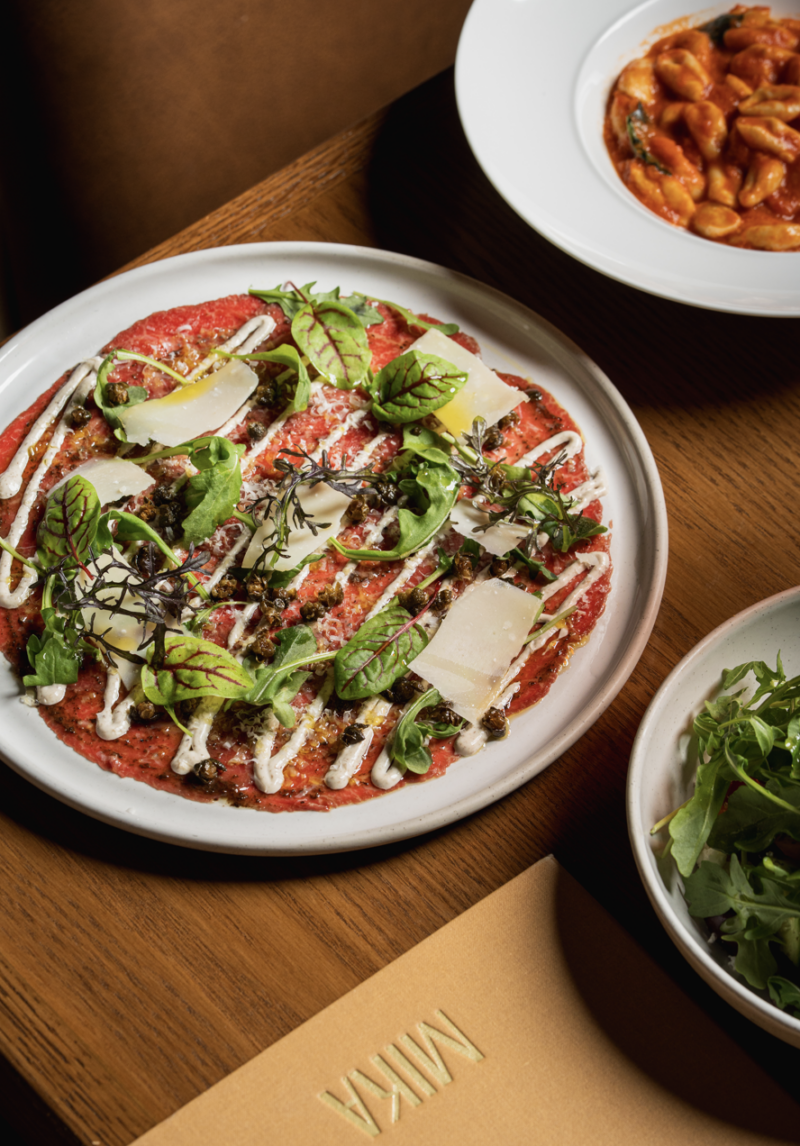
Wagyu Carpaccio
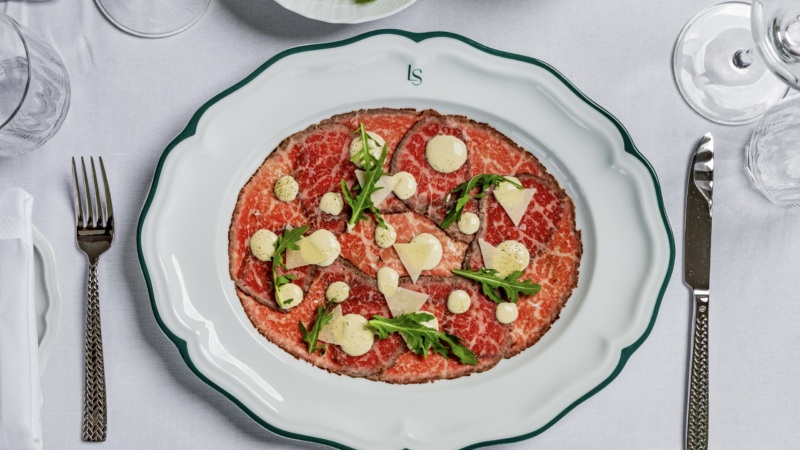
Mika sells about 80 carpaccios daily between lunch and dinner, enough to keep one member of his kitchen staff slicing Wagyu eye of round for much of the day, White estimates. White’s version spreads the thin beef with a brown butter and truffle vinaigrette, then adds Parmigiano-Reggiano, wild arugula, and dots of black truffle aioli. A little balsamic in the vinaigrette cuts the richness of the beef and butter.
White remembers a time when cooks zigzagged balsamic across everything. He calls them “the balsamic drizzlers.” At Mika, there’s no drizzling and the vinegar stays in the dressing, while the arugula brings pepper and bitterness to a plate he recommends sharing.
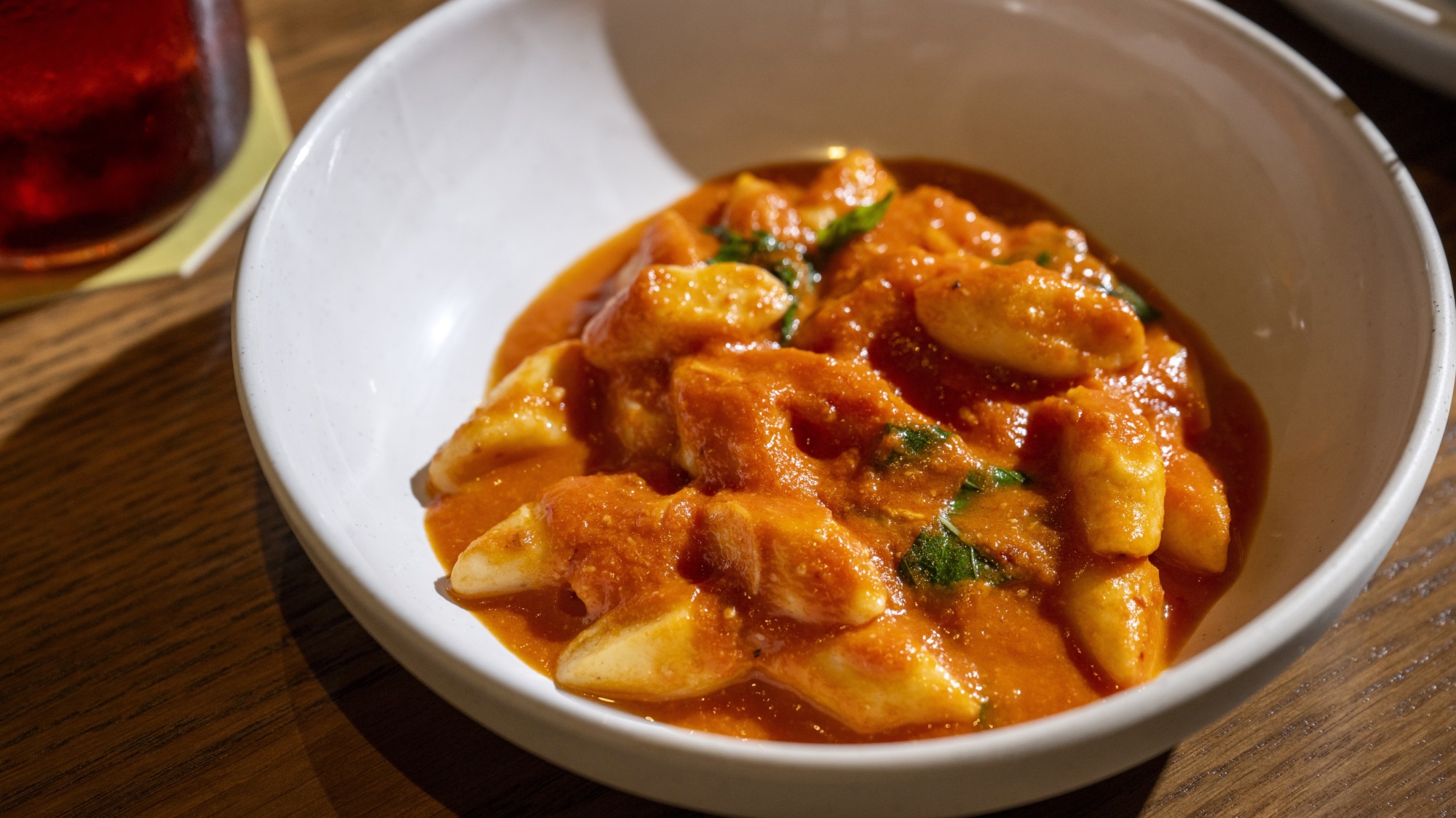
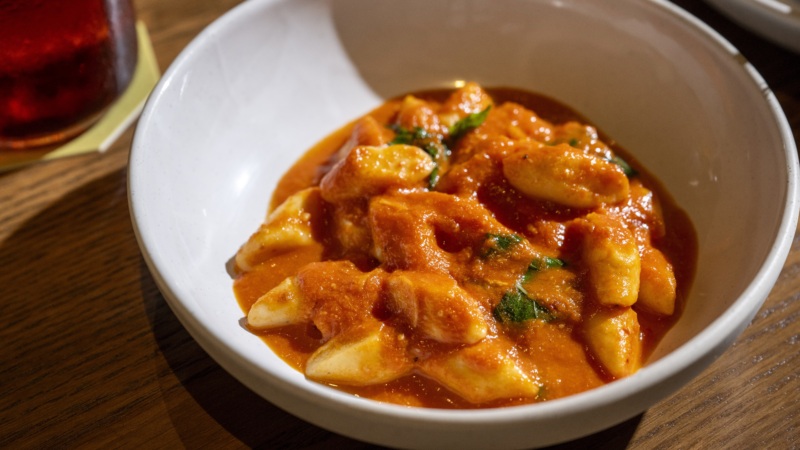
Gnocchi
Mika’s incredibly popular gnocchi contains more ricotta than flour and Parmigiano-Reggiano, a southern Italian style from the part of the country where White’s wife is from. He finds ricotta more forgiving than potatoes, which change in starch content throughout the year. The dough is rolled by hand with minimum handling as possible afterwards to keep the dumplings light — with the kitchen now making at least 15 pounds of gnocchi a day.
White cooks the tomato sauce for the dish for about an hour, then infuses it with a large sachet of basil. Each order is sautéed with garlic and chile before the sauce and fresh basil is added with the gnocchi then tossed in. “Some people cook tomato sauce for a hundred years,” White says. He sees no reason to do that when working with good tomatoes.
Tagliatelle
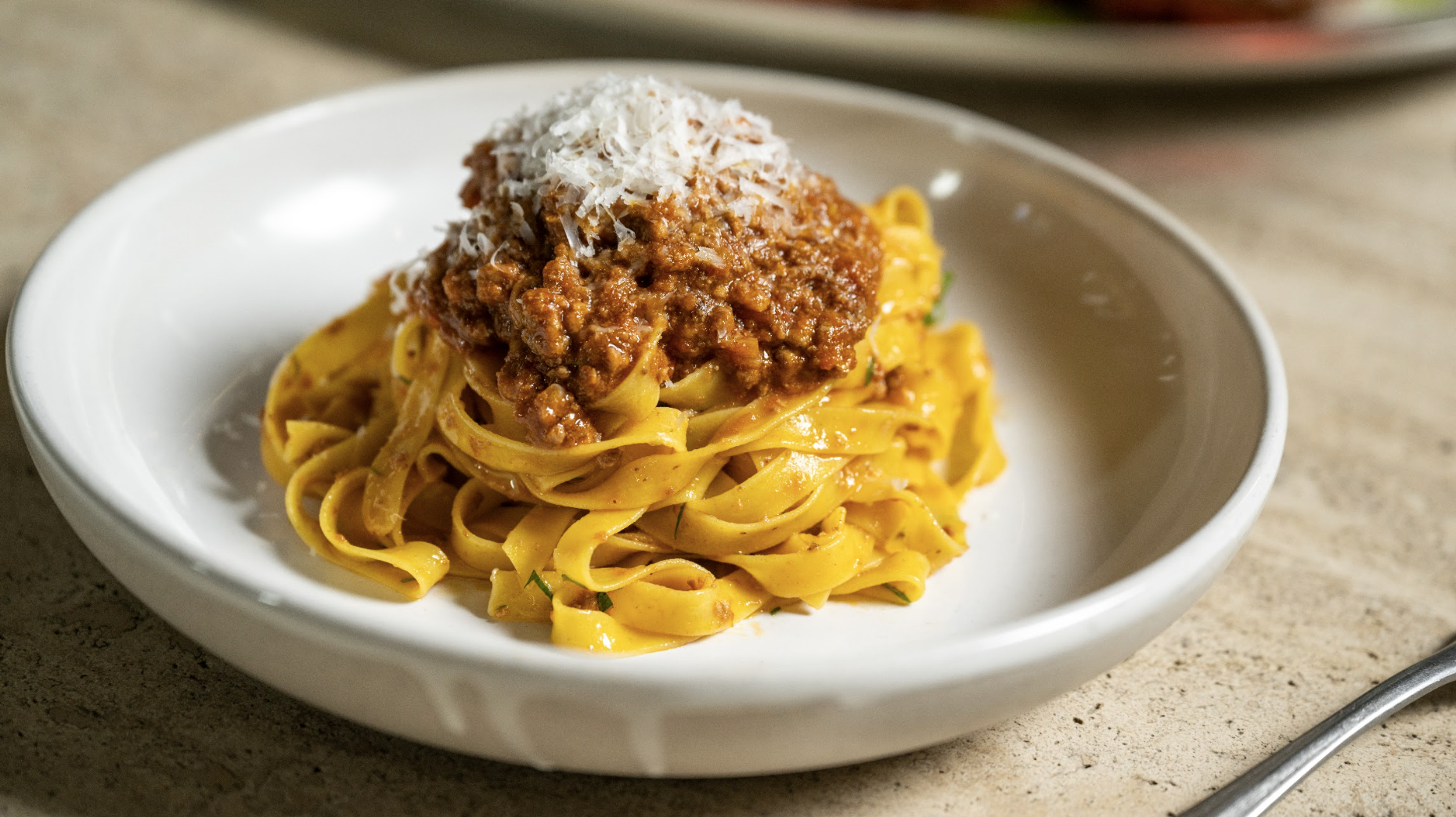
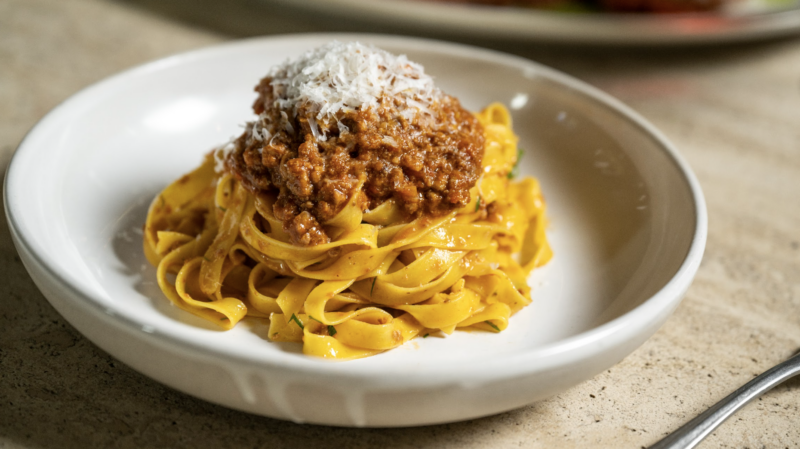
White arrived in Emilia-Romagna in 1993 to work at the renowned two-Michelin-starred restaurant San Domenico. “I learned how to make Bolognese there,” he says, and Mikas ragù still follows the techniques he learned in that kitchen.
The meat is coarsely ground so it holds its texture through three to three and a half hours of cooking with carrots, celery, and wine. Near the end, they add their secret ingredient — a little chicken liver blended with milk — and cook the sauce for another half hour. The milk helps soften the meat, White says, while the liver gives a richness to the dish that’s purposely hard to place. The sauce reduces down to an auburn, almost mahogany color before serving the ragù over tagliatelle with butter and Parmigiano-Reggiano.
Filet Mignon
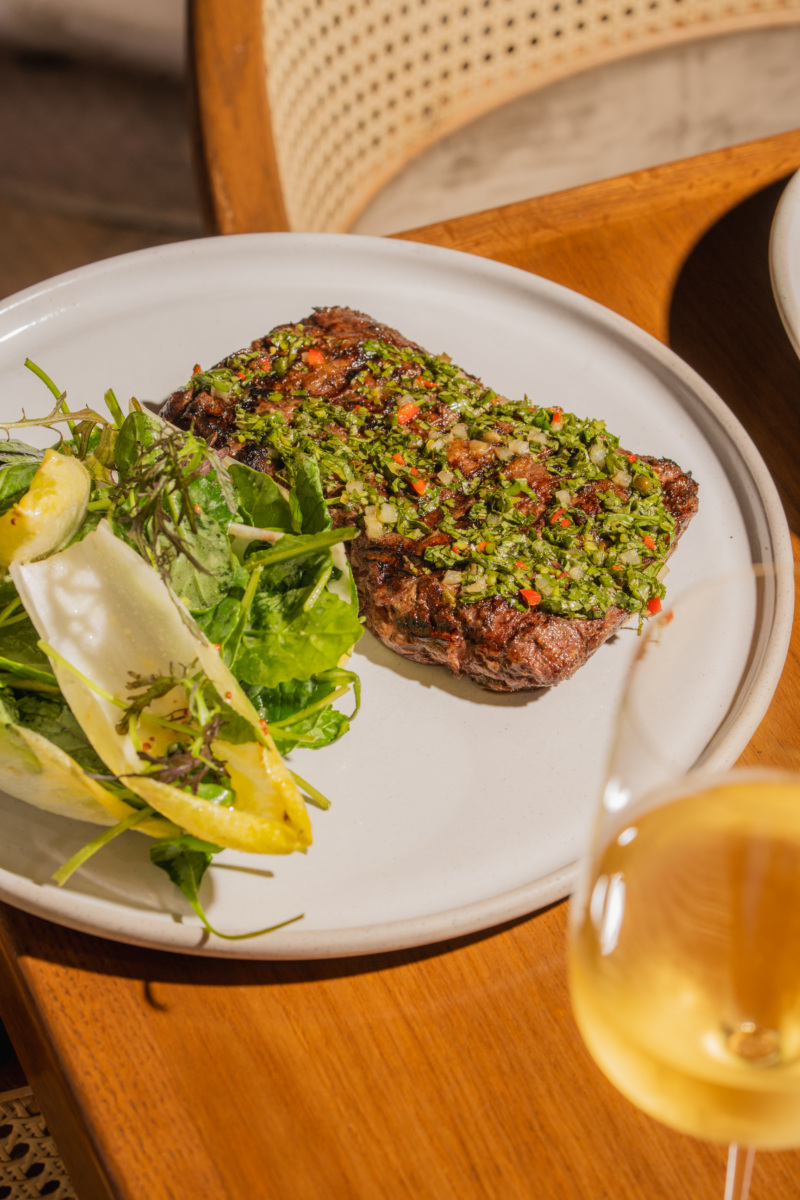
The eight-ounce filet is a wet-aged Certified Angus cut from DemKota in North Dakota, served with wild mushrooms, celeriac, and Parmigiano-Reggiano. White says filet remains tender without a Prime grade because it comes from a nonworking muscle.
Nowadays, he can also source a broader range of beef for Mika’s ribeye, Wagyu strip, and Fiorentina. “It was not always this easy-to-get meat in Miami,” he says of the purveyors now operating in Florida. White suggests crispy potatoes alongside the steak, which features cooked salt baked large potatoes that are then cooled, broken apart, and fried yet again.
Lobster Risotto
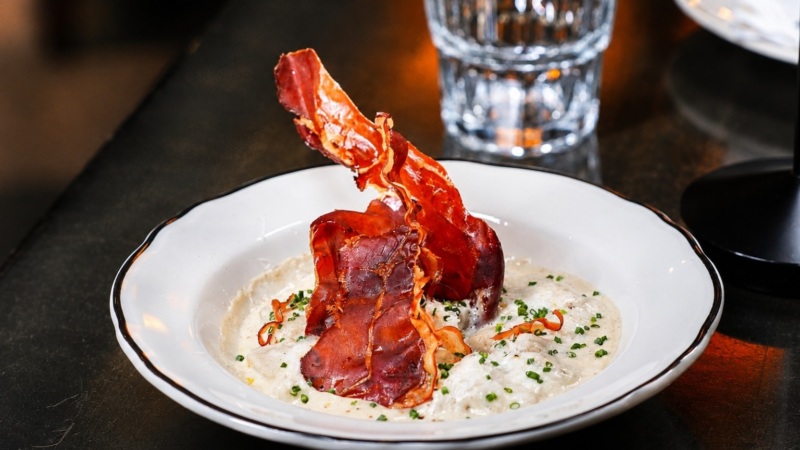
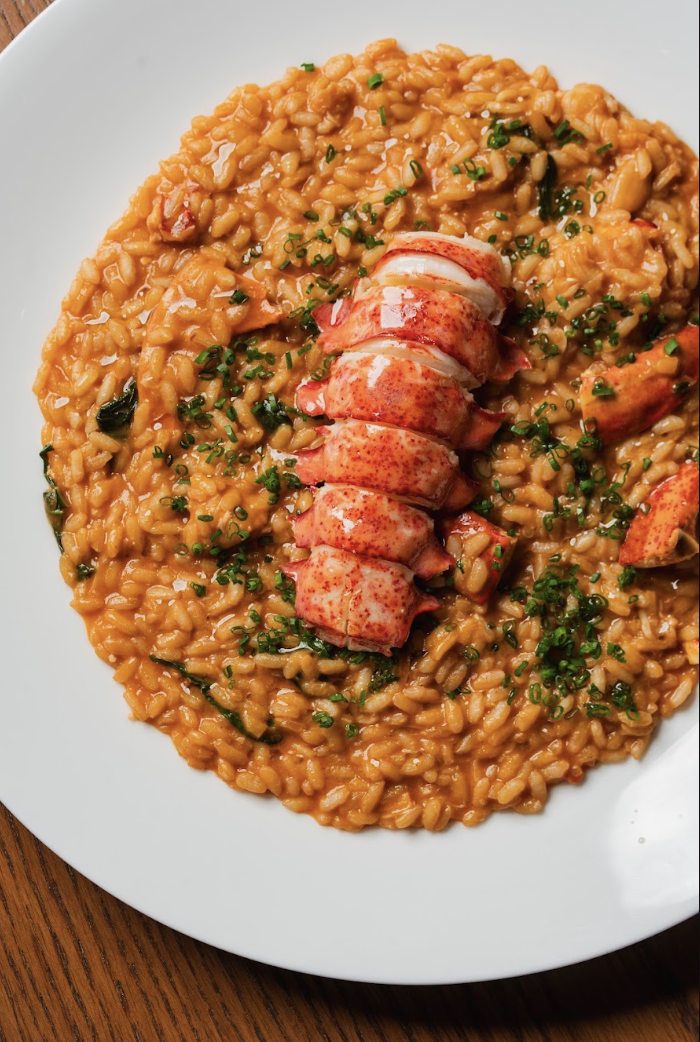
White calls the lobster risotto “beautiful” before explaining the butter that gives it its bright signature color.
Mika pairs a 1.5-pound Maine lobster with aged Carnaroli rice and whisks in lobster coral butter toward the end. “When you apply heat to it, it turns bright red,” White says of the coral. It deepens the lobster flavor, too, while lemon and basil finish the dish.
Mika is open daily for dinner along with lunch on weekdays and for brunch on Sunday.
A fourth-generation Miamian, Olee Fowler knows every corner of the city. She spent a decade as the editor of Eater Miami, and now as a freelance writer, she captures the stories that make Miami unique. When she’s not exploring Miami’s newest restaurants and bars, you can find her at home with her dogs, Foster and Peanut, or cheering on her beloved Florida Gators. And yes, that’s probably a Coke Zero on her desk. Follow her on Instagram. Follow Resy, too.