At Elder, a British Indian Chophouse Takes Shape in New York
Published:
Back in 2023, following the success of Indienne, his progressive fine dining Indian restaurant in Chicago, chef Sujan Sarkar toyed with the idea of a British Indian steakhouse. But he wasn’t convinced the concept would resonate with diners. “It would’ve been too soon,” he shares.
Three years later, the landscape looks different. Modern British restaurants like Lord’s and Dean’s have found an audience in New York, while globally influenced steakhouses such as Cuerno and Gui have become some of the city’s hottest reservations. Indian restaurants, including Ambassadors Clubhouse New York, Bungalow, and Kidilum are some of the most sought after in the city. Sarkar, who owns a handful of restaurants across the country, believes the timing is finally right. Following the opening of Indienne New York earlier this summer, he debuted Elder — his take on a British Indian chophouse — on August 6.
Here’s everything you need to know before you go.
The Resy Rundown
Elder
-
Why We Like It
It’s a fresh take on a steakhouse from chef Sujan Sarkar of Indienne, who draws from the London chophouses of his early career, imbuing a familiar format with Indian flavors. -
Essential Dishes
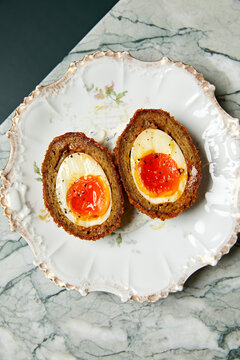
A ravioli-shaped English pea and fava samosa; chicken liver choux buns; quail Scotch eggs; a chicken and leek gustaba; beet Wellington; and a pathar kebab hangar steak. -
Must-Order Drinks
Signature cocktails like the Elder Gibson, Chelsea Roast, and London Fog, alongside wines from Bordeaux, Brunello di Montalcino, the Napa Valley, and more.
-
Who and What It’s For
Date nights and group hangs to share the caviar and crumpet service and mighty cuts of meat — which the menu has plenty of — along with thoughtful vegetarian options. -
How to Get In
Reservations drop 30 days in advance at 9 a.m. Walk-ins are welcome, too. -
Pro Tip
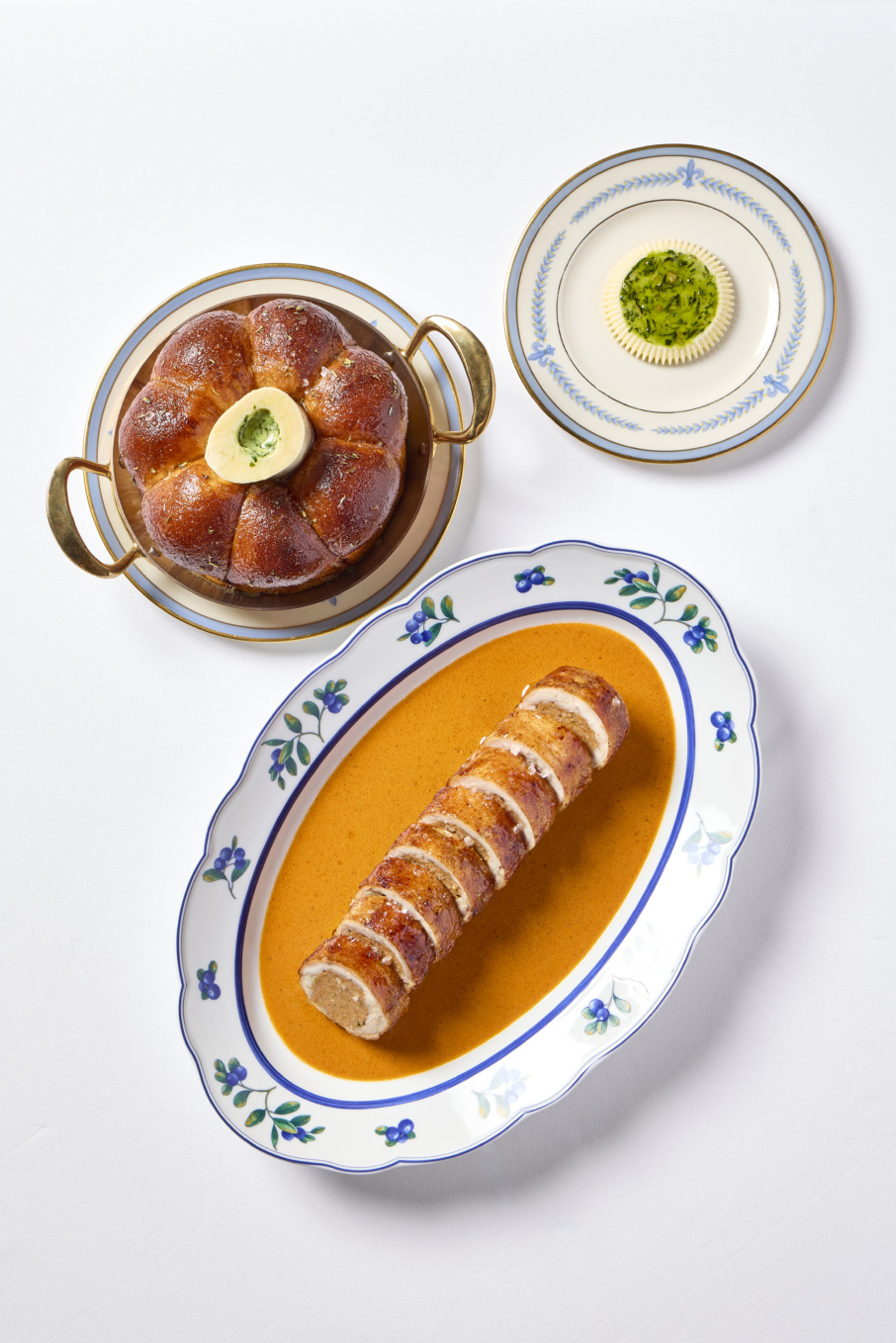
If you’re ordering the brioche rolls, instead of choosing from the bone marrow and snail butter and the cultured butter, order both for the ultimate rip-and-dip experience.
1. Its name comes from the elderflower, which is native to both India and England.
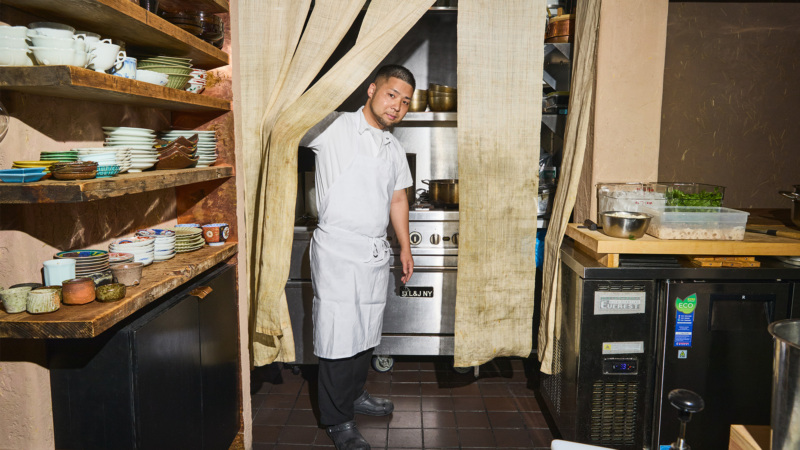
Sarkar recounts his time as a young chef in London, where he lived and worked for 11 years, through the menu at Elder. The concept is built around chophouses, or pared-down steakhouses that serve working-class Londoners, such as Quality Chop House in Mayfair. “You usually have two chops and two big cuts of steak,” he says. “You have your fish, your sides, and your puddings. That’s what I wanted to bring to New York.” While he uses steakhouse and chophouse interchangeably, Sarkar insists Elder draws from both genres.
Here, he expands on his classical training and the signature style of progressive Indian cooking that earned him accolades, while creating a quintessential steakhouse experience. “There are no big surprises; diners know exactly what they’re in for,” he says.
2. Elder almost opened in Chicago.
It may seem as though Sarkar is on a winning streak in New York, but his relationship with the city began nearly a decade ago. In 2017, he opened Baar Baar, a modern Indian restaurant and cocktail bar on the Lower East Side (which has since closed), that he now considers ahead of its time. That same year, he also launched Roop in Chicago, marking the beginning of a period of rapid expansion. Before becoming a restaurateur himself, Sarkar honed his craft at restaurants including Automat in London and Trèsind in Dubai.
In 2022, he opened Indienne in Chicago, which became the city’s first Indian restaurant to earn a Michelin star the following year. He followed with a Los Angeles outpost of Baar Baar in 2023, then expanded his portfolio with Sifr, a Mediterranean restaurant in Chicago, and Tiya, an Indian-inspired restaurant in San Francisco, in 2024. Last year, he added Nadu, a regional Indian restaurant in Chicago, to the mix. Earlier this summer, Sarkar brought Indienne to New York — a restaurant that needed little introduction.
While both Chicago and New York are home to legendary steakhouses, he believed the latter would set the perfect stage for Elder. Sarkar credits Cote as a “direct reference” to what of what he hopes to achieve with this style of steakhouse, except with modern Indian flavors.
3. This isn’t a British restaurant, or even an Indian one.
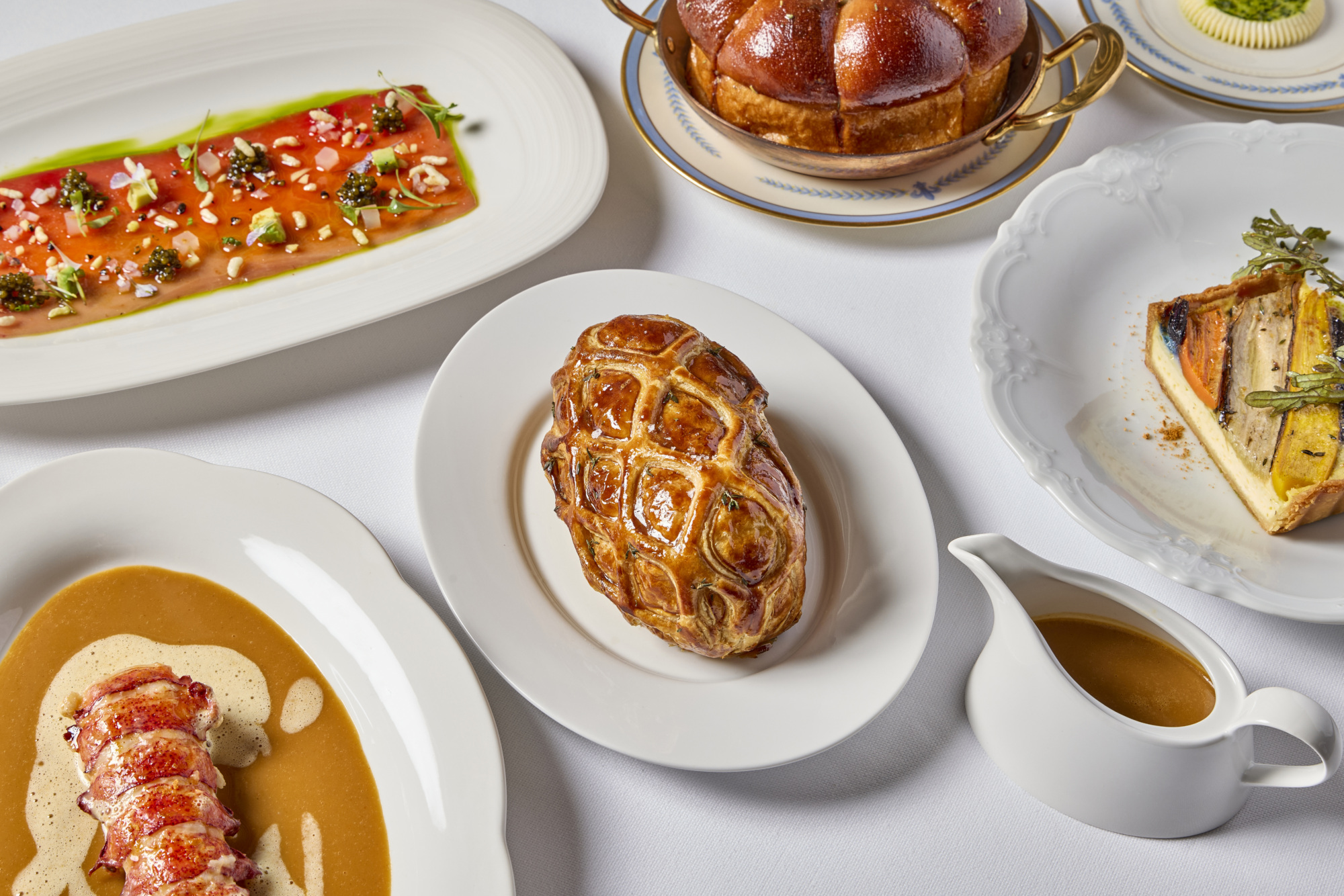
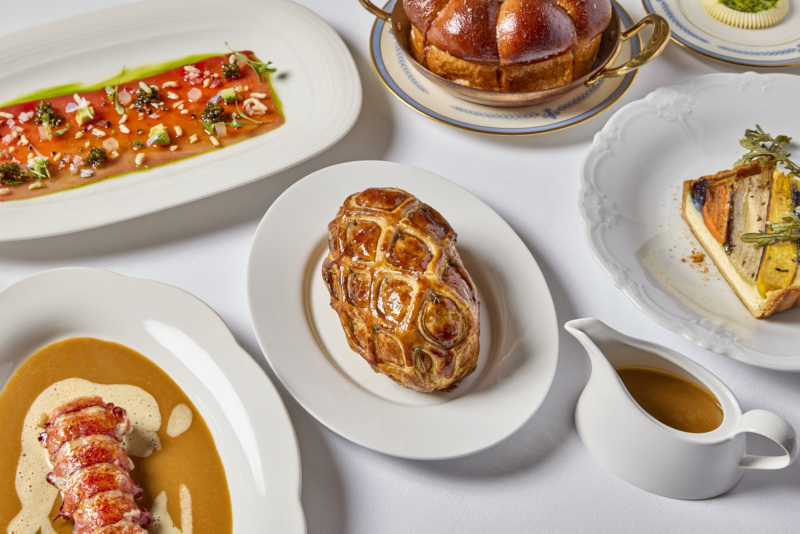
Instead, Elder exists in a category of its own that Sarkar says has “never been done before,” while acknowledging that the recent wave of meat-forward Indian restaurants like Ambassadors Clubhouse and Adda helped lay the groundwork in the city. But unlike the Indian-driven tasting menu at Indienne, Elder’s third culture menu is à la carte, organized like that of a steakhouse: appetizers, entrées, chops and steaks, sides, and desserts.
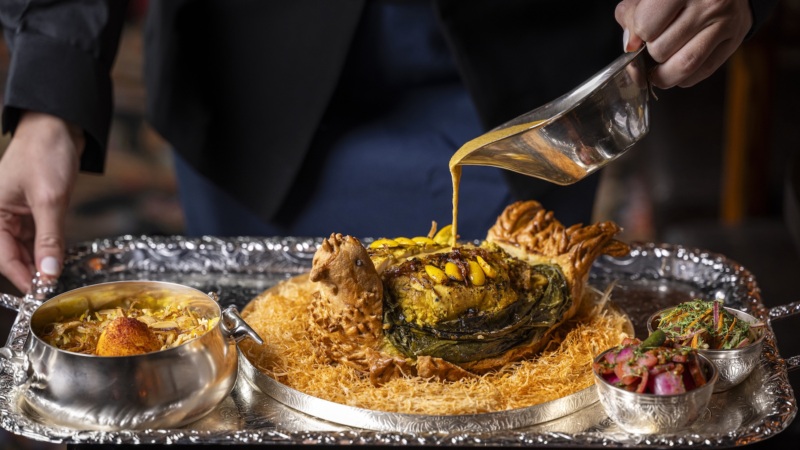
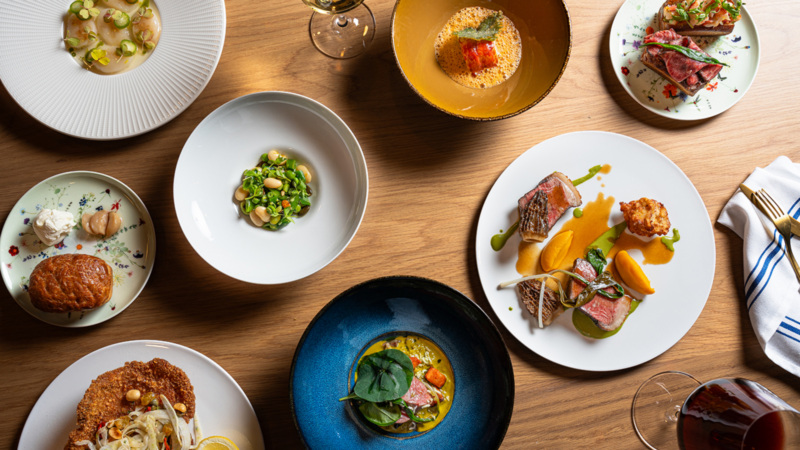
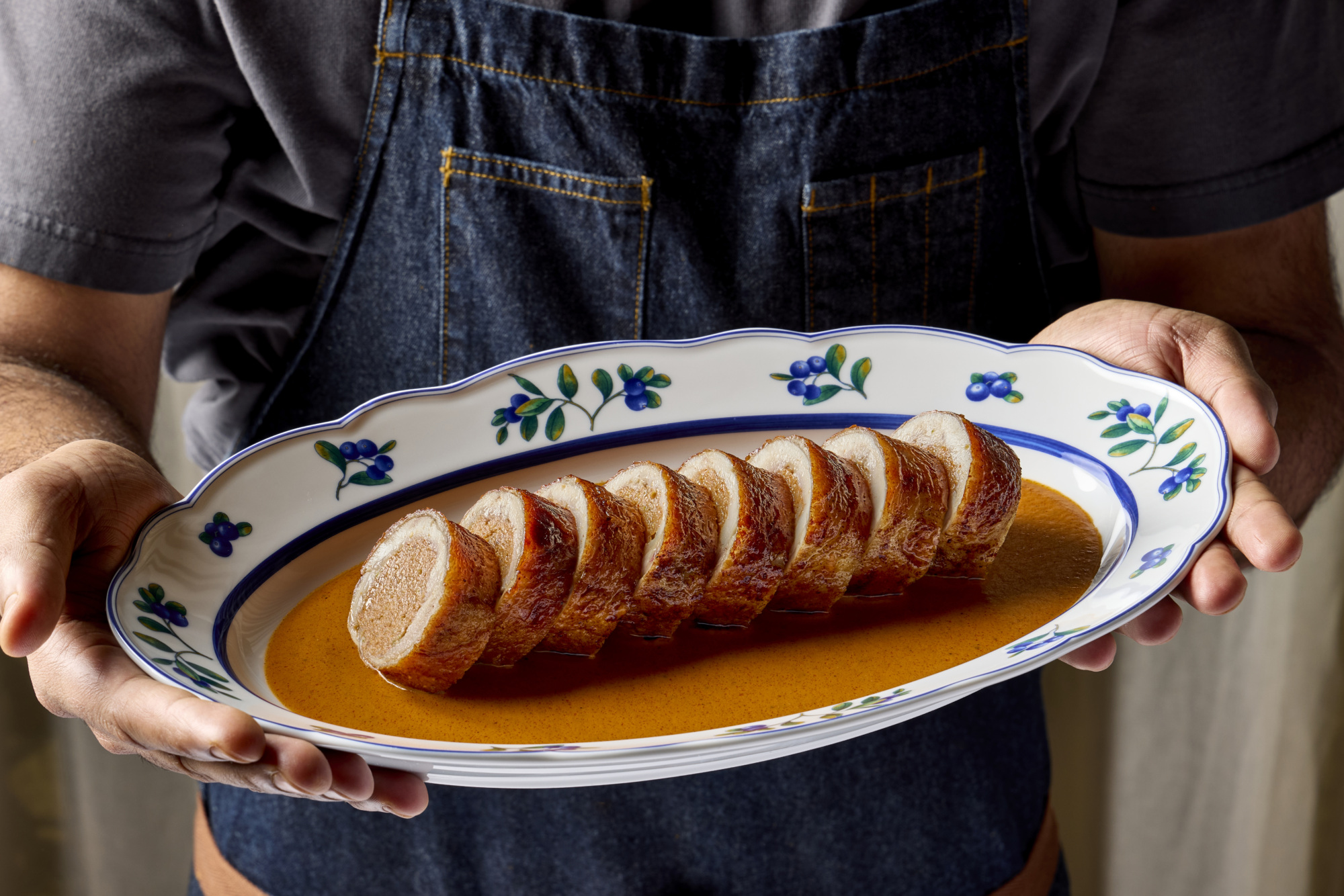
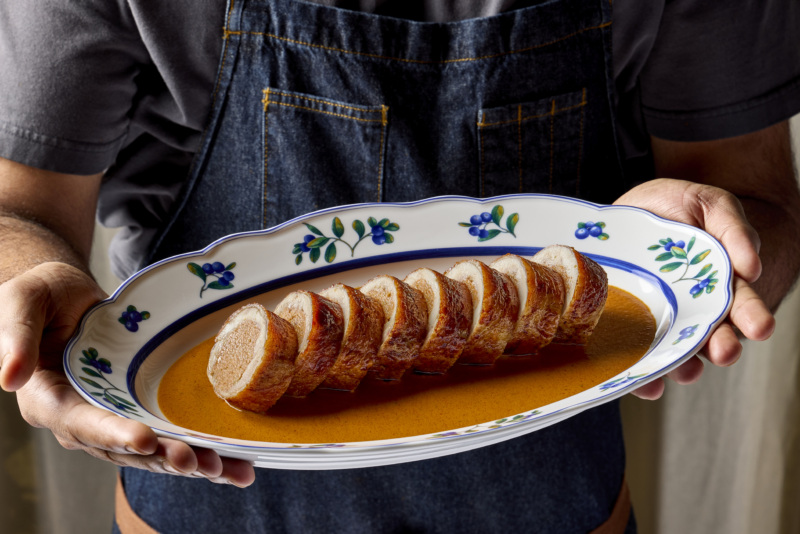
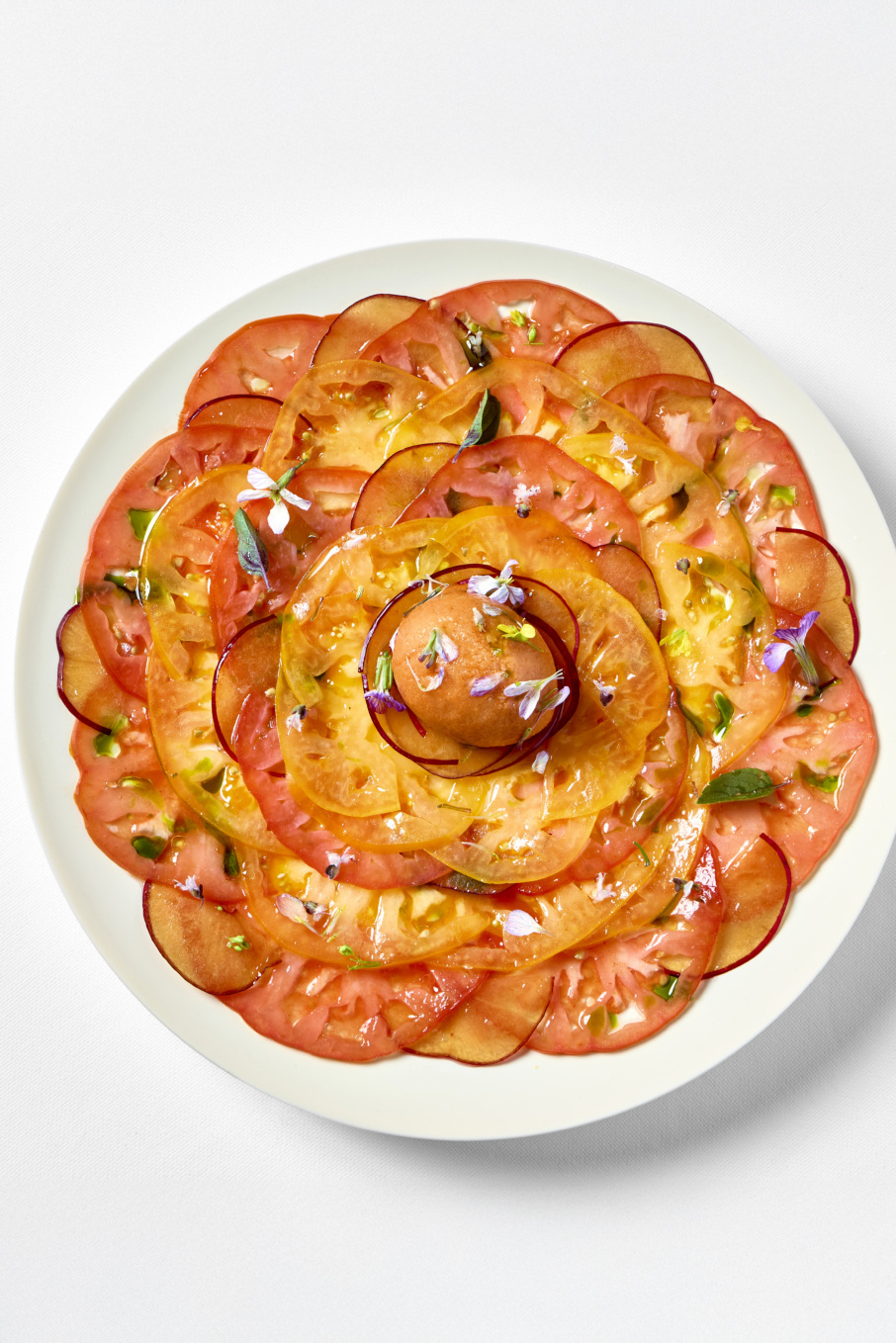
First bites feature quail Scotch eggs; a ravioli-shaped English pea and fava samosa inspired by nimki, an Indian bar snack; and a crackly chicken liver choux bun with spiced cherry chutney. The beans on toast arrive over a sourdough kulcha, crowned with a poached egg, while dishes like the twice-baked soufflé and crab croustade anchor the menu in the traditions of American steakhouses. There are also dishes you wouldn’t find at a typical steakhouse or chophouse, like chicken and leek gushtaba — an airy, matzo ball-like dumpling suspended in a cheddar and walnut broth — or delicate duck seekh kebabs.
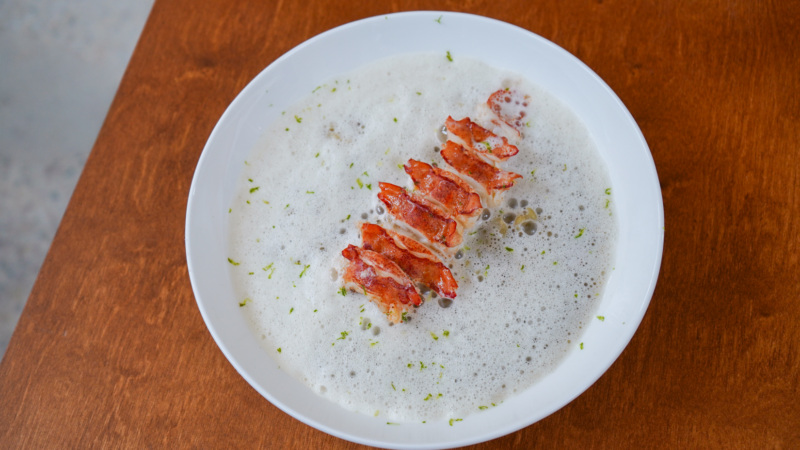
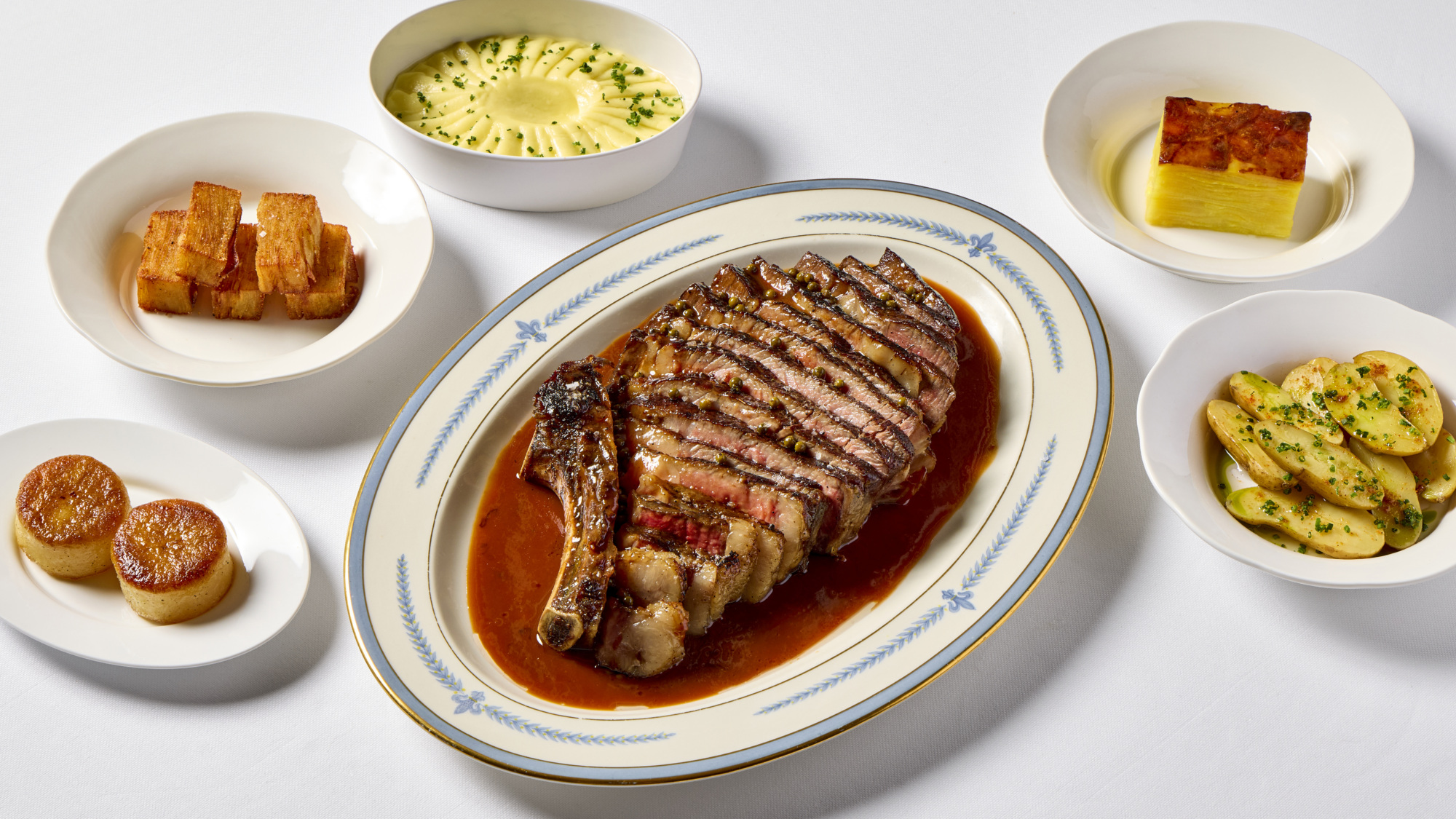
Entrées include Cornish turbot with clam mulligatawny, hake kedgeree — a British dish inspired by Indian khichari — and a vegetarian beet Wellington stuffed with mushroom and goat cheese cream. The chops and steaks section is where Elder’s chophouse identity comes through most clearly: a pounded hanger steak that takes cues from pathar, a stone-ground kebab; a Vindaloo-spiced Berkshire pork chop; and a 32-day aged, bone-in ribeye.
4. As with any great steakhouse, don’t sleep on the sides.
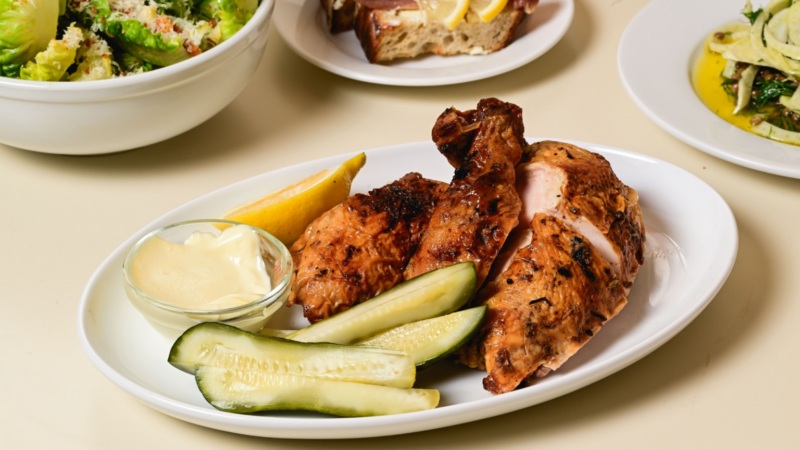
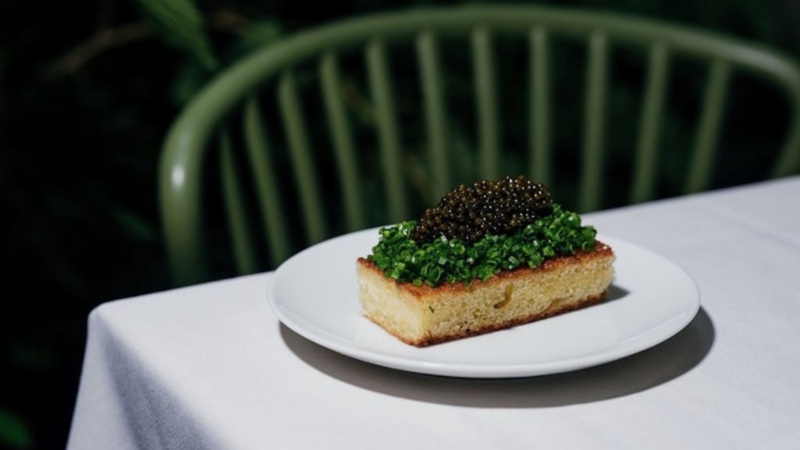
Meat may be the main event at Elder, but the supporting cast is anything but an afterthought. The brioche rolls alone — served with a choice of bone marrow and snail butter, or cultured butter — are enough to make you reconsider everything you’ve been told about not filling up on bread. If you’re splurging, there’s also the $95 caviar and crumpet service.
A dedicated potato section turns the humble tuber into a centerpiece, with preparations like a 30-layer pavé, Comté dauphinoise with saffron, and masala fries with malt vinegar aioli. Sauces also get their moment, from a peppery Varuval sauce and rich marrow nihari gravy to a cooling horseradish raita.
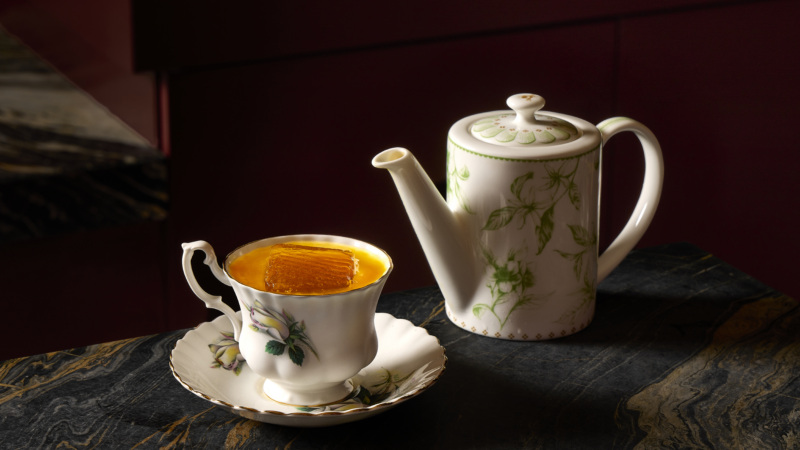
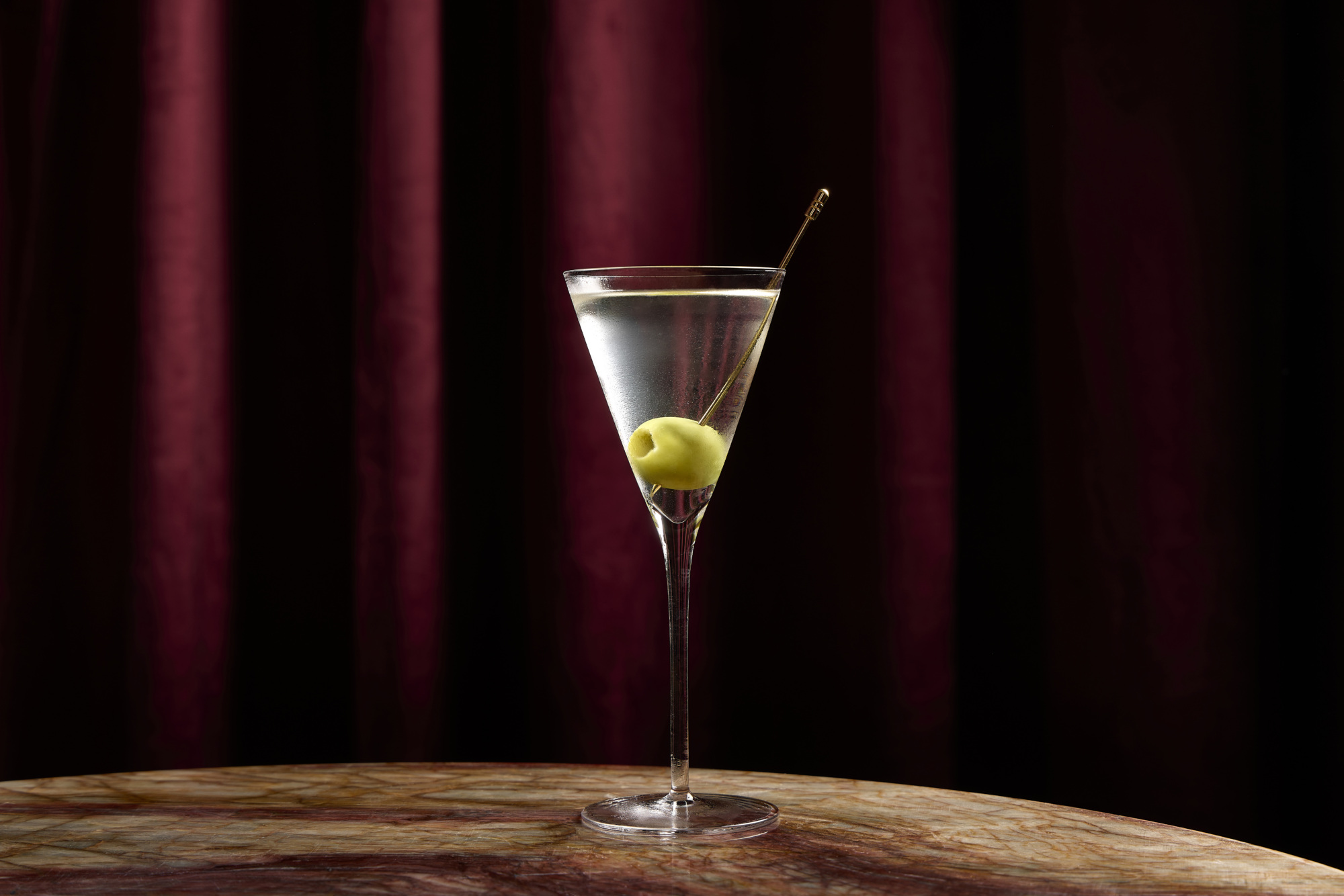
The drinks program, led by wine director, Christian DiNello (formerly of Bâtard, The NoMad, Estela), and beverage manager, Erik Delanoy (formerly of The NoMad), follows the restaurant’s cross-cultural approach. A tapered, gin-forward cocktail list includes the Elder Gibson, made with London dry gin, pearl onion, and gooseberries; the London Fog, with Earl Grey-infused gin, coconut, and vanilla; and the Chelsea Roast with vodka, cold brew, and cardamom. The wine list spans Bordeaux, Brunello di Montalcino, and the Napa Valley, with established and emerging producers.
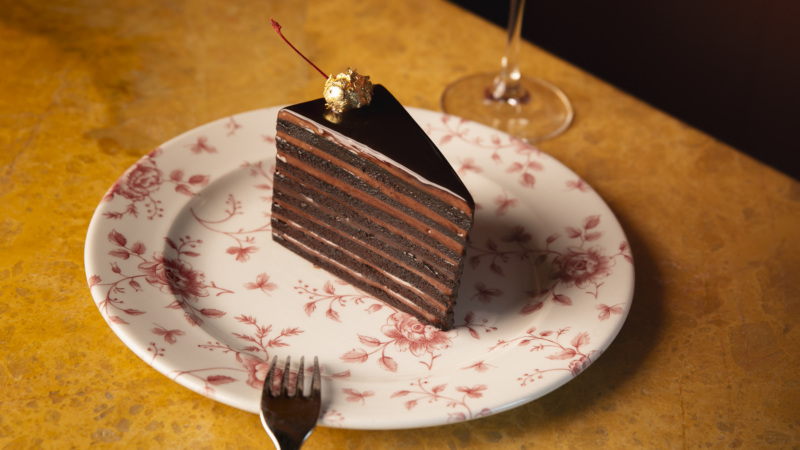
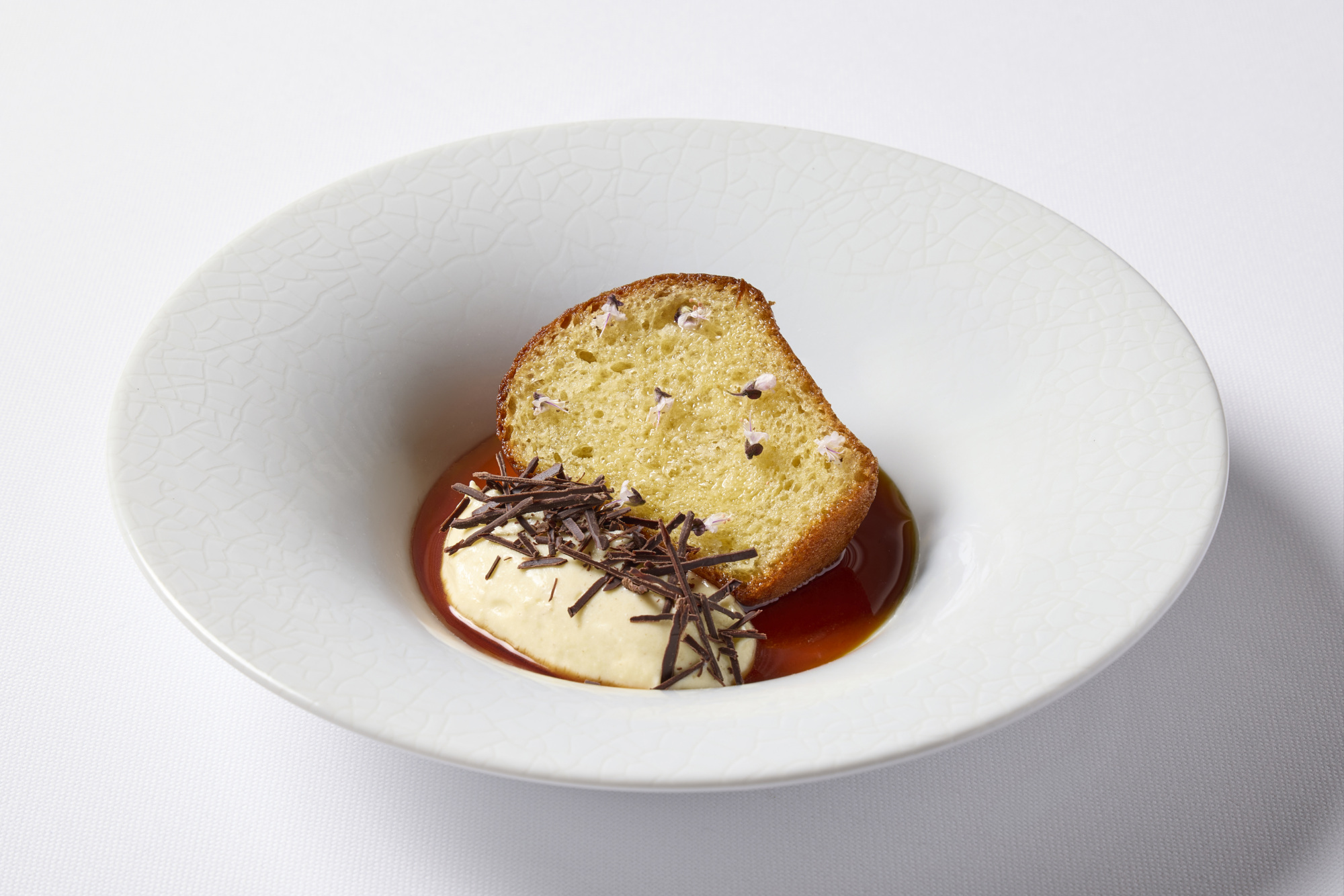
End your meal with desserts like a strawberry Eton Mess, banana baba au rhum, sticky toffee sundae with date caramel, or Elder’s house-churned ice creams and sorbets. If you’re feeling fancy, opt for the cheese course featuring English cheeses paired with seasonal chutneys.
5. It’s in the same building as its sister restaurant, but with moodier settings.
Henry Hall, a luxury residential building in Hudson Yards, was previously home to Legacy Records, a restaurant with an upstairs event space. Sarkar had initially been in talks to bring the New York outpost of Indienne to a major hotel, but this location presented a different opportunity: a two-concept destination with Indienne upstairs and Elder downstairs, each with its own entrance. “Not many Indian restaurants have that kind of infrastructure,” he says. “It ticked all our boxes.”
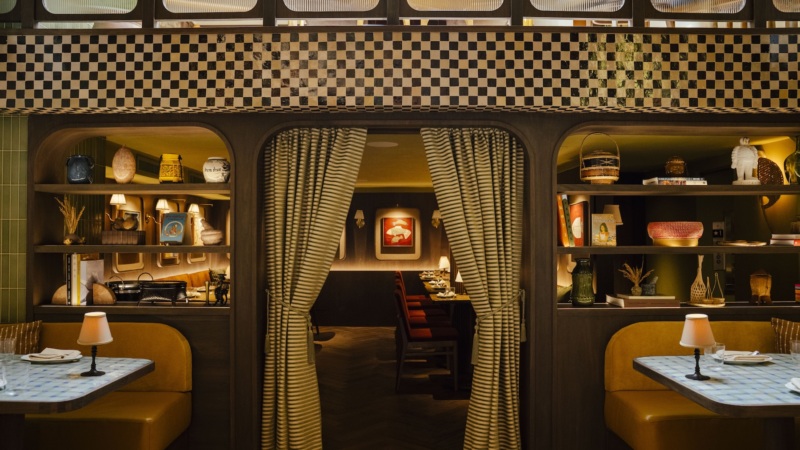
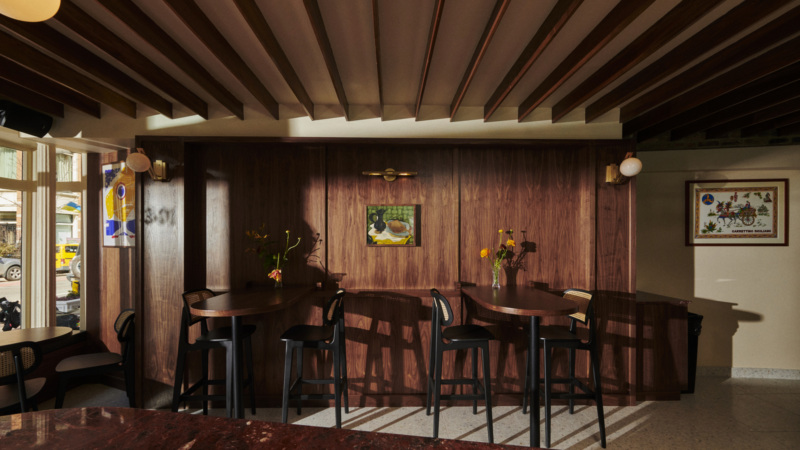
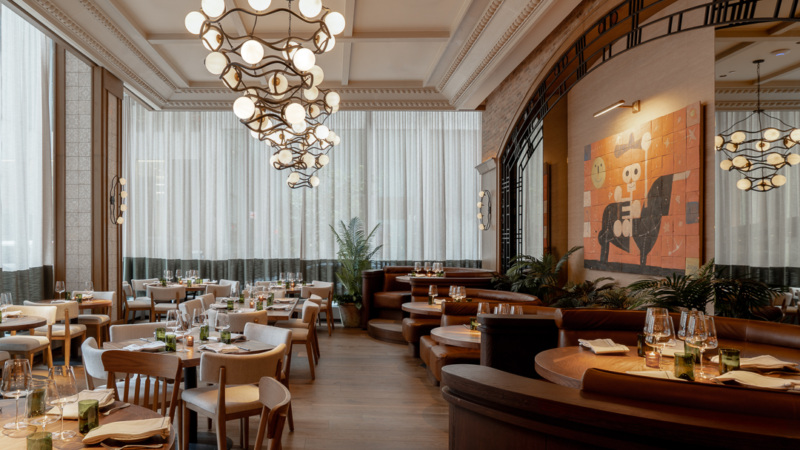
Designed in collaboration with interior designer Mapa Mueller, Elder centers around a large, oasis-like circular bar and seats 100 across its bar, dining room, and outdoor patio. Hunter green walls, walnut wainscoting, velvet banquettes, and Indian textiles lend the space the feel of an English club. The goal, Sarkar says, was to evoke the grandeur of a classic steakhouse without making it feel like a place reserved only for special occasions.
Later this year, Sarkar will complete the trio with Apas, an Indian cocktail bar, also located in Henry Hall. It’s a scale of ambition he believes could only come together in New York, even if the city demands more in return. “I still think New York is the greatest food city in the world,” he says. “To be successful in New York, it takes time and patience. But we are not going anywhere.”