Resy Spotlight Washington D.C.
Meet the Chef Bringing a National Spotlight to Nepalese Cuisine
Published:
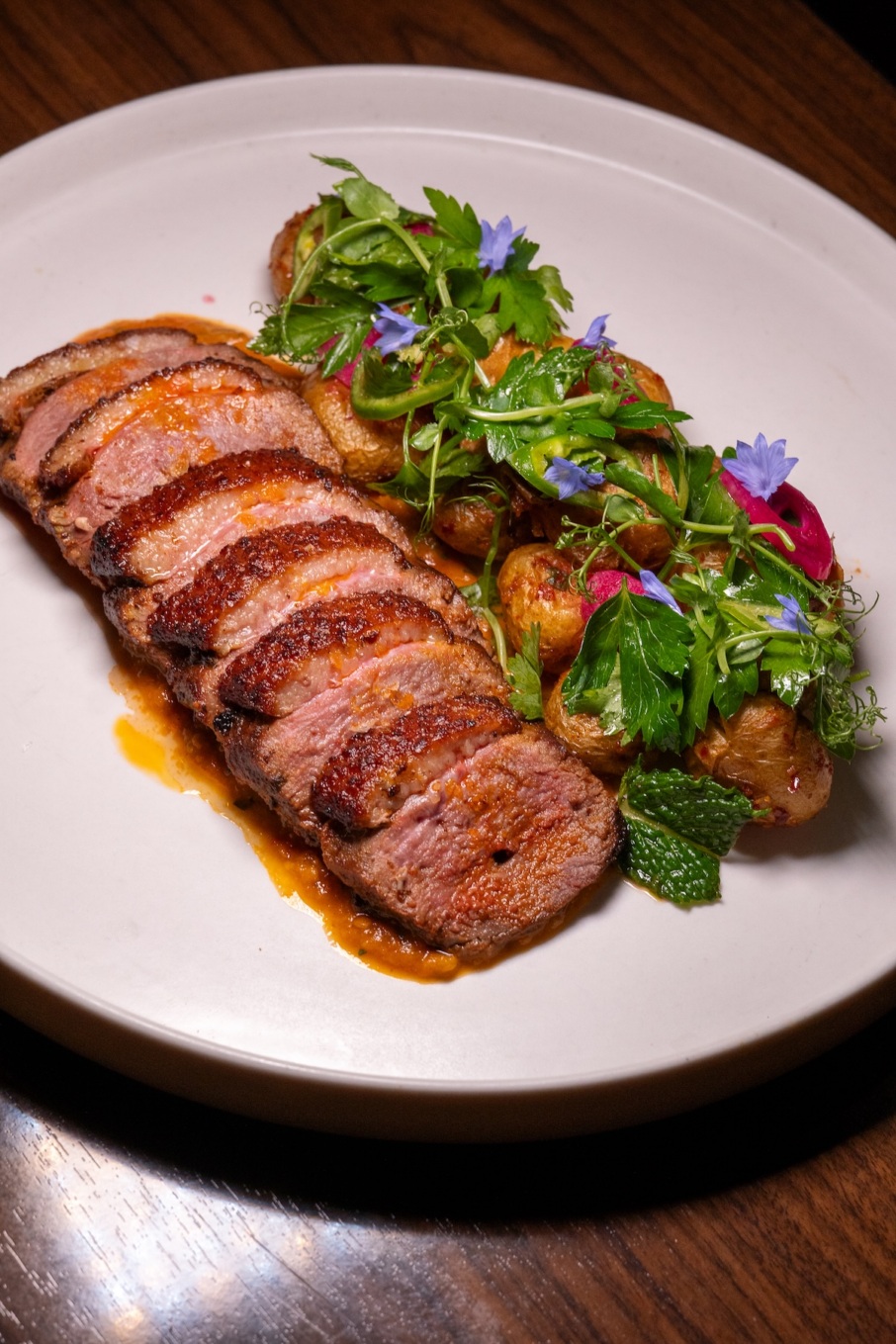
Duck choila, known as haas ko choila in Nepal, arrives on tables at Tapori blanketed in smoke. A server lifts and swirls the glass dome enclosing the dish, letting tendrils of vapor rise, as they slowly reveal slabs of Hudson Valley Rohan duck breast, reposed on a thick-lipped white plate.
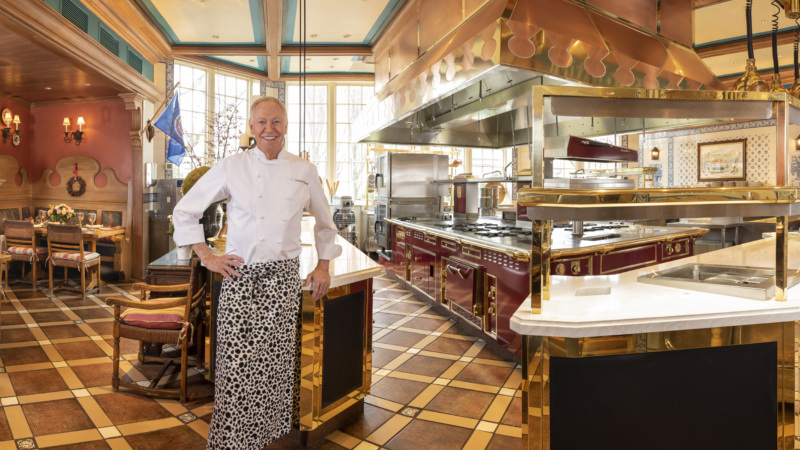
This, admittedly, is not how Tapori chef Suresh Sundas first learned to prepare choila, even though his culinary career began in earnest at a hotel at age 16. “In my village, there was no gas, no electricity. Growing up, we used to go to the jungle near the village, and that’s the only way we could cook our meals,” he recalls of crafting dinner over lapping flames.
Today, the urban jungle of H Street is Sundas’ new culinary home. The flavors echo his childhood but nearly everything else has changed for the earnest chef.
To anyone dining at Tapori, or his first restaurant, Daru, it’s clear that what separates him from the pack is his ease with bringing Nepali cuisine into the fine-dining conversation. While his restaurants are relaxed, jovial experiences, there’s no arguing against the fact that they are intensely technique-driven.
Sundas left his native Nepal for America in 2007, and in the years since, he has opened two restaurants: Daru, known for its creative Indian fusion, and Tapori, which pays homage to Desi street food, both of which feature inventive Nepali dishes. Following his first year in the States, spent working at a 7-Eleven, he trained on the job at Indian restaurants across the mid-Atlantic region, followed by stints at Rasika and Maydān, that propelled Sundas’ desire to share his own cuisine in new ways.
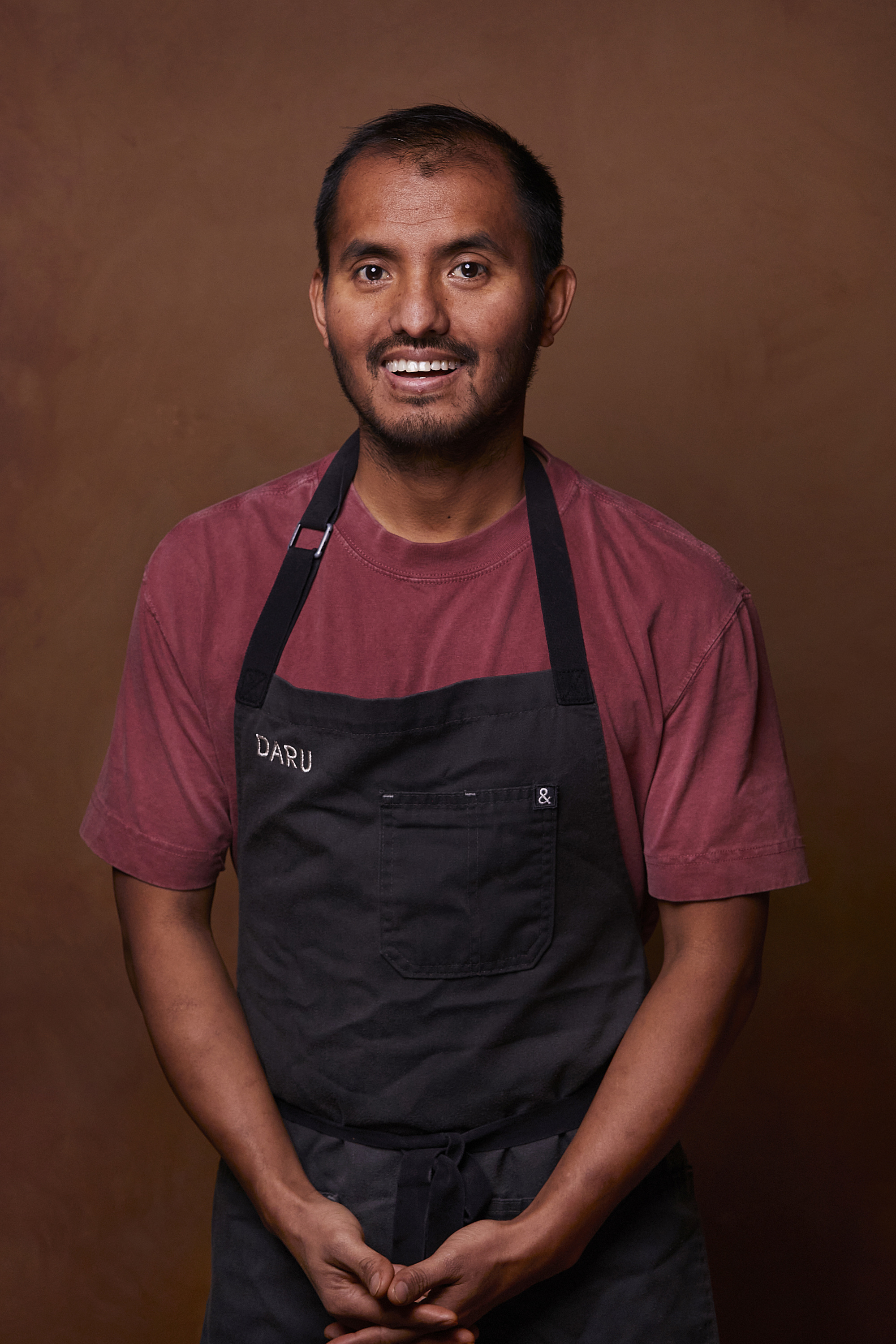
This year, Sundas became the first Nepali chef to be nominated for a James Beard Foundation Award. He was also D.C.’s only 2026 nominee in the Best Chef: Mid-Atlantic category. Acclaim or not, Sundas sees it as his mission to grant Nepali food a place beside the Indian cuisine that’s more familiar to many D.C. locals.
Despite Sundas’ success serving his native Nepali food, he, like many Nepali American chefs, serves primarily Indian cuisine in his restaurants, something that allows him to more easily connect with diners who might be more familiar with Indian cuisine, but also giving him an opportunity to introduce them to Nepalese cooking traditions.
Sundas’ friend Arjun Ranabhat, the corporate executive chef for sous-vide company Cuisine Solutions, also runs the US-Nepal Gastronomy Exchange, a diverse group of American and Nepali chefs devoted to sharing opportunities across continents, selected Tapori as the location for his association’s gala this year, comparing Sundas’ work there to what Michelin-starred chef Michael Rafidi has done for Palestinian food at Albi.
Nonetheless, he says he understands Sundas’ decision to have Indian items share menu space with Nepali ones. “India and Nepal have so many common spices,” Ranabhat explains. “They use coriander seed, we use coriander seed, they use cumin, garam masala. In Nepal, we just use a little less.”
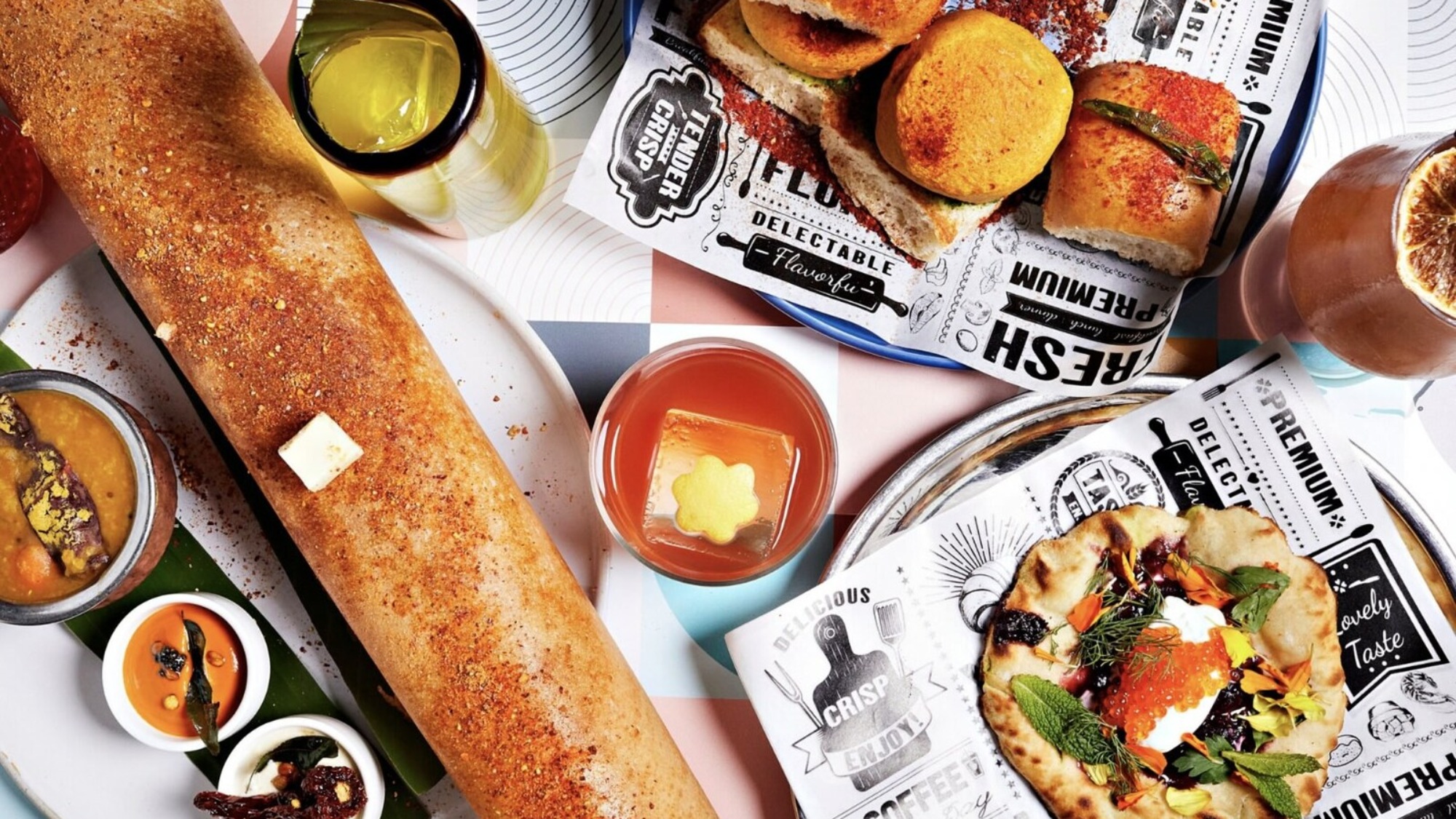
Sundas hails from Pathari in the Terai region of the country, the lowlands that border India, meaning he grew up with dishes like the lotus root chaat, pani puri and dosa that he prepares at Tapori. The last of these is especially notable — the fermented rice and lentil crêpe batter is aged until its ghee-fried body tastes more like aged cheddar than an ordinary, tangy dosa.
You see that approach in each of his dishes: how he builds on the foundations of what he knows from childhood, and adapts them. Take, for example, the aforementioned duck choila. In Nepal, the dish would traditionally be cooked over a live fire, but at the restaurant, health department restrictions against hay-smoked duck prevail.
So, Sundas marinates the duck with smoked fenugreek and mustard oil overnight, then slow-cooked sous-vide before sending it to the tandoor to crisp the skin, leaving the center a rosy pink. It’s sunken into a garlicky hot sauce that singes the tongue just to the brink before it has a chance to generate real pain.
The numbing sensation? It’s timur, a close Nepali cousin to Sichuan peppercorn, which Sundas uses liberally across his cuisine, along with lapsi, or dry hog plum. The latter is a powder that bestows a zippy acidity anywhere it’s applied. The overall effect, coupled with the dramatic presentation, is a lasting one for any diner who comes to Tapori.
And then there’s his approach to the iconic momo, a staple of Nepali cuisine and arguably, one of its most well-known dishes. Sundas’ earliest food memory involves crying to his mother for the dumplings. She took him to a tiny stall for the treat. “I can smell that fragrance and the stuffing inside — the freshness of that — I’ve eaten lots of other delicious momos, but never like that. [I remember] when she opened that steamer, the smell, and the meat flavor, the onions, and the very tiny fillings, because you know meat was expensive,” he recalls.
I’m not doing 100% Nepali dishes. One day, I will — I promise myself.
At Tapori, Sundas uses traditional stoneground buckwheat flour from a regional farm to make the slick skins for his dumplings. The most common filling in Nepal is water buffalo, which the chef finds difficult to source consistently in the U.S. His luxe solution? “I found that wagyu is close, I think wagyu has a little more, more like a fattiness, and why not? Wagyu is catchy and popular in America, right? So, I tried it and it went very good,” he says.
The result is a bowl of five bite-sized, puckered dumplings. The rendered wagyu fat provides each center with a liquid gush, flavored with sweet onions. The sauce changes seasonally — some devotees miss this winter’s tomato broth, or jhol, but the creamy, lightly smoky version for summer is mouthwatering, with a sizzle of timur. Daru has its own luxury momo. Besides the bison version, Sundas also pleats up dumplings filled with Maryland blue crab for an unusually briny bite.
In the wake of Sundas’ success, and continued immigration of talented chefs thanks to efforts like the US-Nepal Gastronomy Exchange, D.C. is seeing rapid growth in the category of Himalayan cuisine. H Street, where Daru and Tapori are located, is even becoming a small Nepali corridor.
“Before Daru, there was none,” says Dante Datta, co-owner of Tapori and Daru. “Now there’s four, including Daru, Tapori and these other two, all within a mile.” Those include Tempo Shack, from founder Dipesh Acharya, who also recently opened Kathmandu Tapas & Cocktails on U Street.
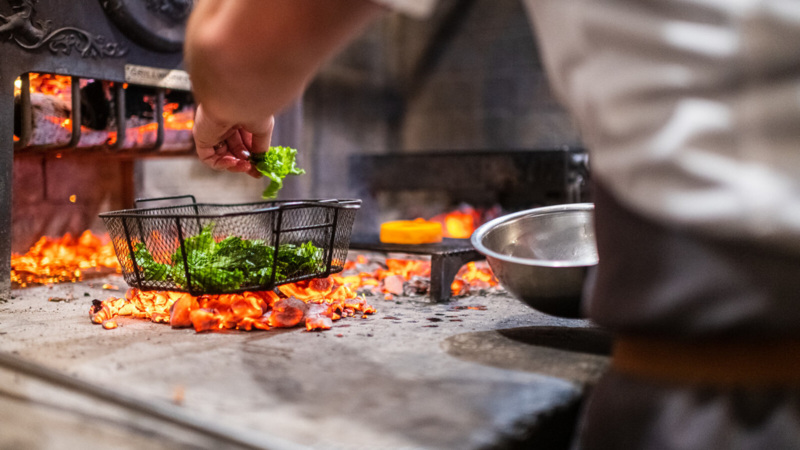
Sundas has considered debuting his own Nepali-inspired cocktail bar, but for now, he’s dreaming up an ambitious new restaurant that will focus on the hearth-based cooking that’s equally inspired by his Nepali childhood and his time at Maydān.
“I’m not doing 100% Nepali dishes. One day, I will — I promise myself,” he reflects. “I want to explore my cuisine, my heritage. There are many communities in Nepal, and so there is a lot of food that has to be explored.”
Alice Levitt is an award-winning restaurant critic and food editor also known for her writing in the worlds of travel and medical technology. Besides her role as contributing critic at Northern Virginia Magazine, some of her favorite bylines include Vox, EatingWell, Reader’s Digest, Atlas Obscura, Allrecipes, and Simply Recipes.