Indienne Is One of Chicago’s Most Ambitious Restaurants — And Sujan Sarkar is Just Getting Started
Published:
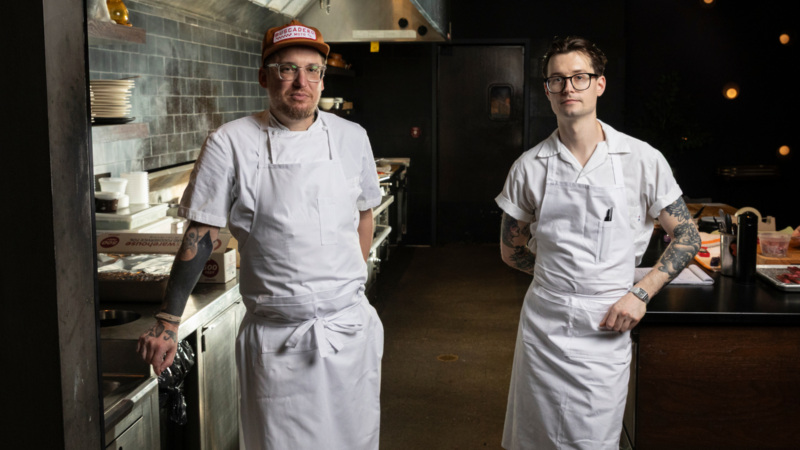
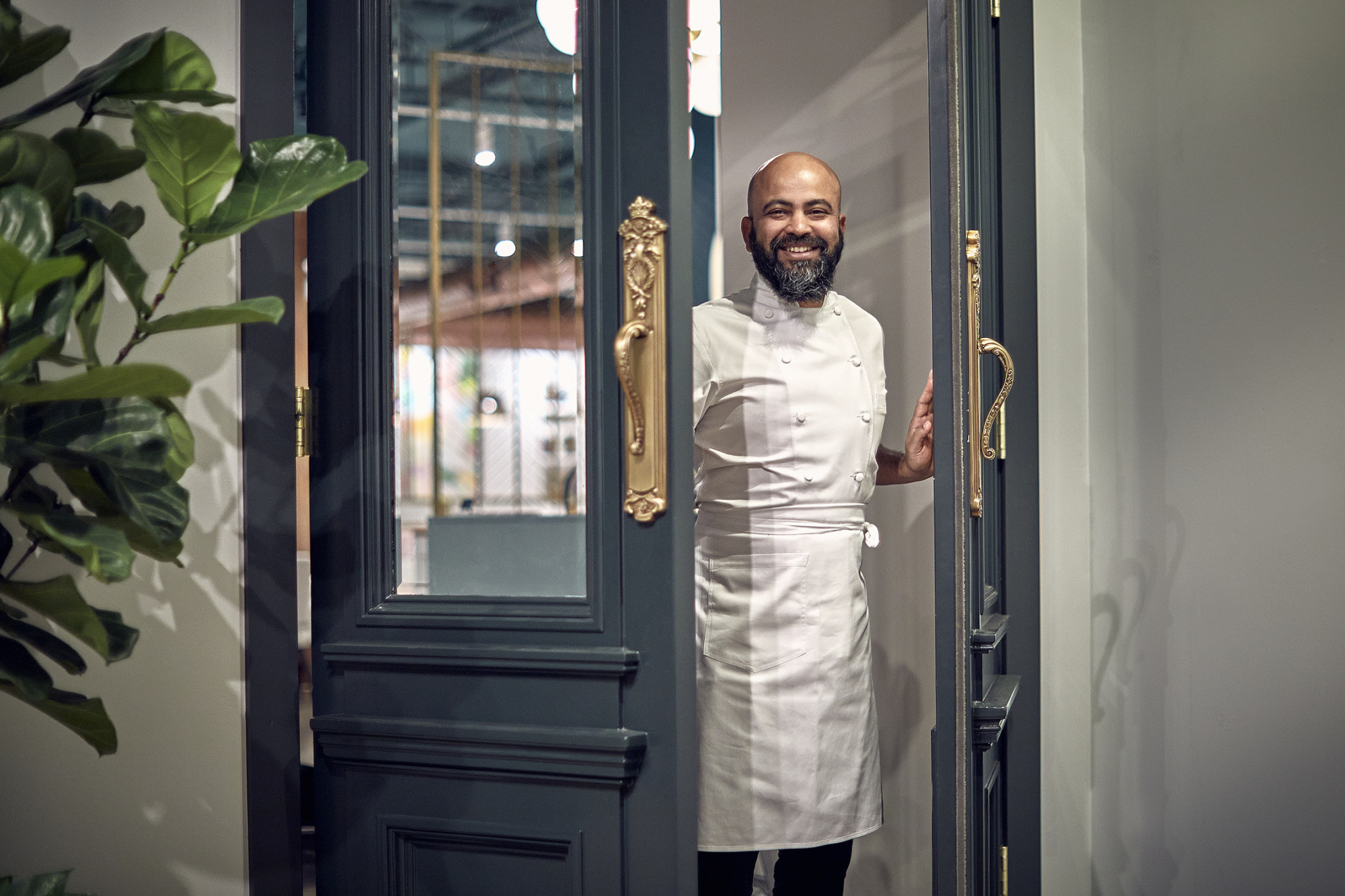
When speaking to chef-owner Sujan Sarkar about the journey he’s been on with his progressive Indian tasting menu restaurant Indienne in River North, he uses the words “momentum” and “evolution” a lot. Nearly four years and a Michelin star later, he’s clearly found a cadence with both, listening to his customers, slowly adjusting his wine offerings, and adding everything from a fully vegan menu to a nonalcoholic beverage pairing along the way. Today the restaurant does 650 to 670 covers a week, and has come into its own with a team of capable chefs and regulars that come for the multiple tasting menu options and à la carte bites at the bar.
Sarkar has since expanded his Windy City footprint, opening Sifr and Nadu, and South Asian bakery Swadesi, each with their own executive chefs at the helm. But the Kolkata-native’s personal culinary evolution started long before landing in Chicago in 2017 to open his first restaurant, Rooh (now called Roop and under new ownership). He also cooked in London, Dubai, San Francisco, and India, and opened Baar Baar in the East Village in 2017 before departing a few years later. This spring, he landed back in New York, bringing a second location of Indienne to Hudson Yards.
“We’ve established our food philosophy so I don’t want to change too much,” he says. “But I want to take one step ahead and try to include the kitchen team into the service because they can present their dishes and talk about them.” Along with two more New York concepts in the works, Sarkar will no doubt be going back and forth (he calls it “a very easy commute”) but he still considers Chicago, and the original Indienne, home.
There’s a tasting menu for that
Sarkar describes his food as “progressive Indian,” with technique honed from his French cooking background, but never fusion. “I try to follow how we eat in India. Maybe visually the dishes look different, but when you eat them, it reminds you of the real flavors of India, and that’s our strength,” he says. Indienne offers four seven-course tasting menu options: non-vegetarian, vegetarian, pescatarian, and vegan.
“When we opened it was the end of COVID. The sentiment, the mood, everything was different,” he says. They originally aimed to balance tasting menu sales with à la carte options, but after about eight months, the team noticed more of a demand for prix-fixe dining, and nixed the à la carte menu (though they eventually brought it back for walk-ins looking for smaller, snacky options at the bar).
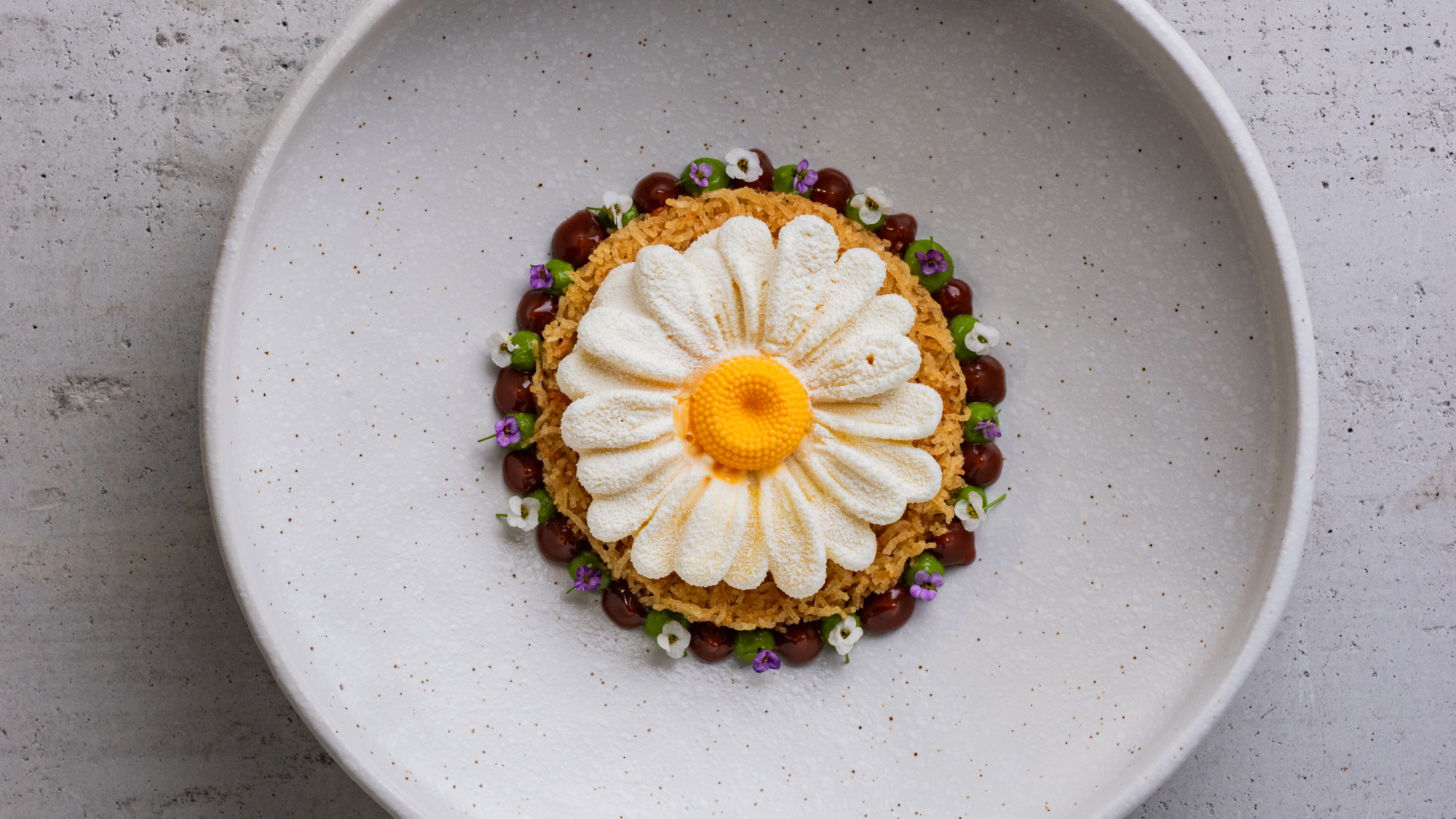
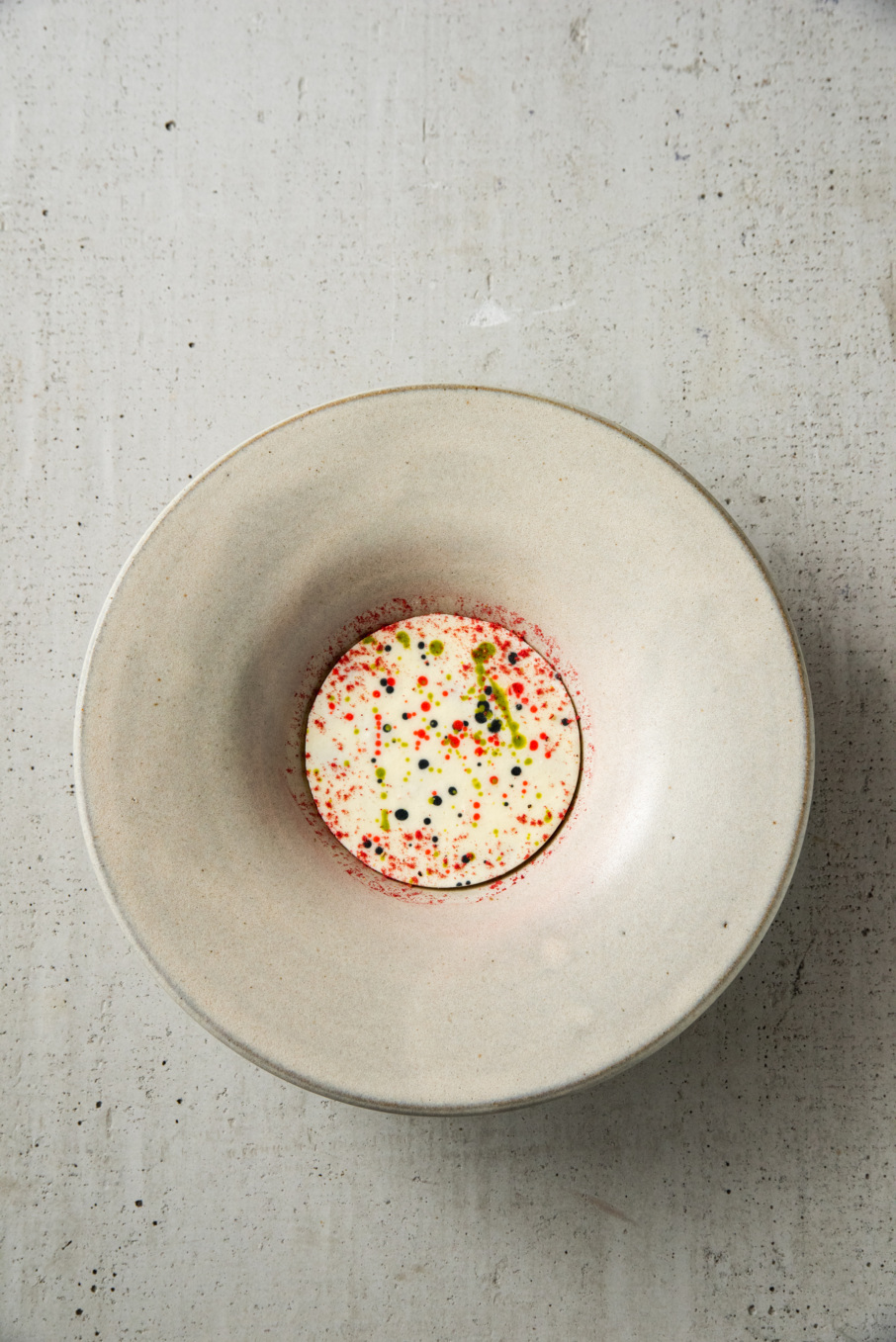
The menu changes twice a year but a few signatures regularly show up on each of the tasting menus. The yogurt chaat with strawberry, mint, and tamarind was inspired by the Eton mess (a mix of crushed meringue, strawberries and cream) Sarkar learned to make while cooking in London, but he’s taken it to different flavors. “In some parts of the country, we start with something sweet, and in others it’s bitter or there’s a sweet-sour-tangy thing going on, and our yogurt chaat is a true representation of that,” he says. He also makes a warm chicken terrine with truffles and cheese fondue that looks like the popular Indian cashew dessert, kaju katli, as well as vegan dishes like morel samosas, jackfruit katsu, and more.
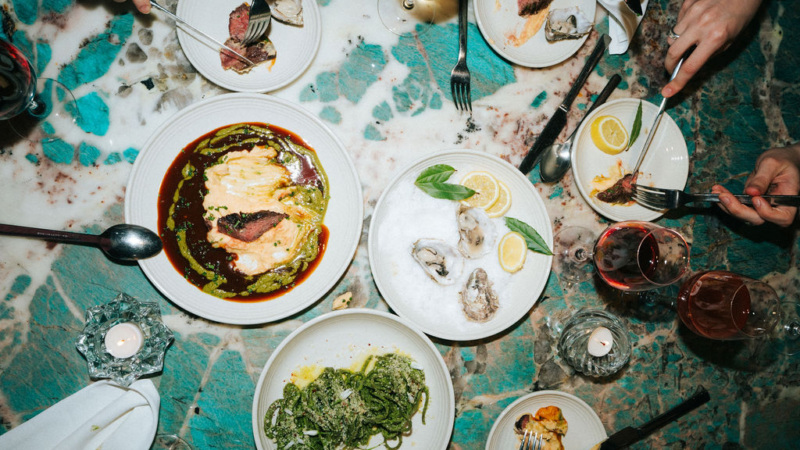
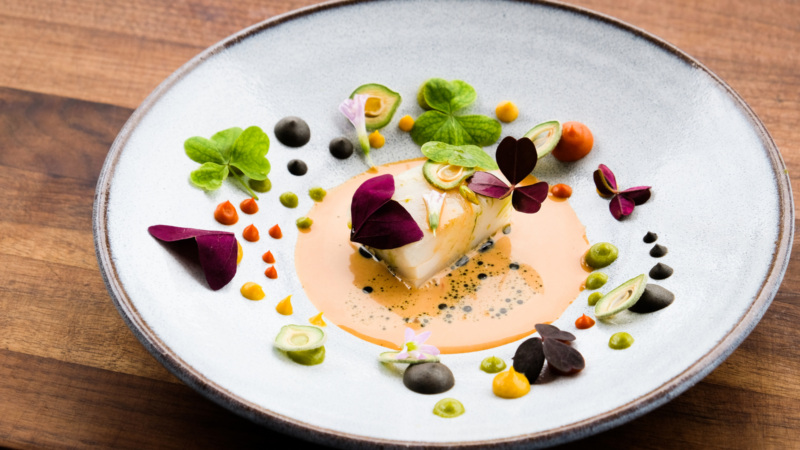
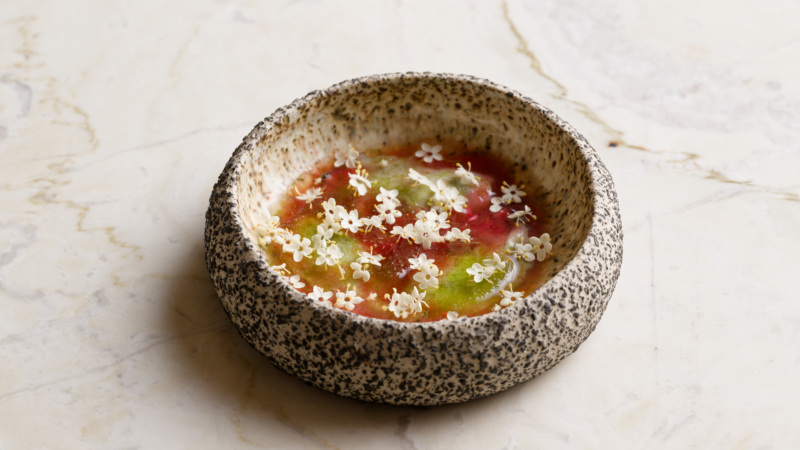
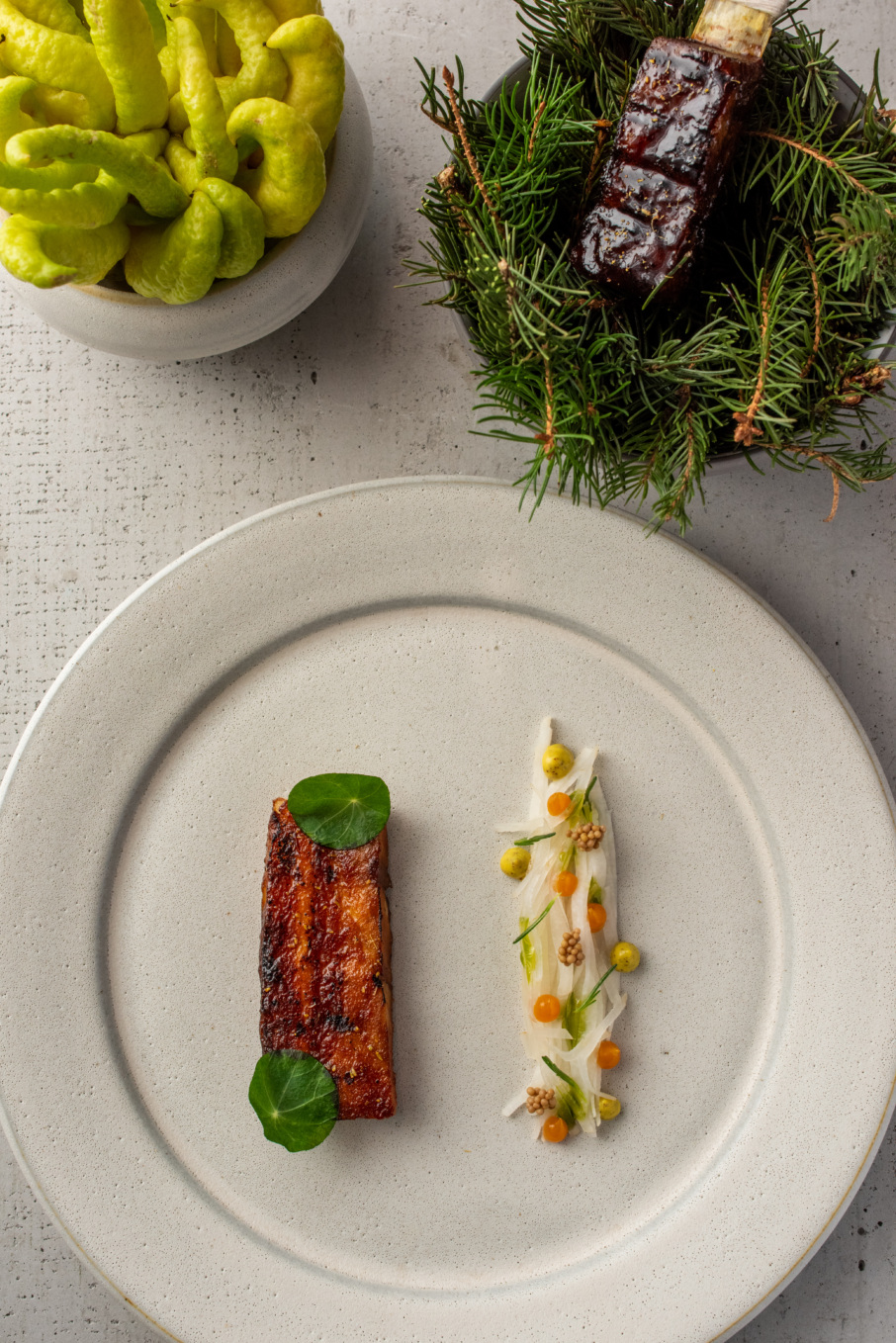
From pani puri to fully composed dishes, everything looks like a work of art, presented on textured stone plates, some with small pedestals that pop up from the plate like wooden mushrooms, rock beds, or ice pebbles (“but you won’t see fire or smoke coming out of anything,” laughs Sarkar. “We want it to be to the point and not overwhelming.”). There are add-on options for things like lobster tail, and Sarkar says with notice, he can accommodate most allergies, from egg to alliums. Priced from $135-$155, the tasting menus are a relative steal compared to others around town. “Sometimes you dine in a tasting menu restaurant where there are a lot of courses, but at the end, you don’t feel full. In India, when you eat, we have to be satisfied in terms of quantity and quality,” he says.
But don’t sleep on the excellent bar menu
Indienne brought their bar menu back in 2024, offering simplified dishes found on the tasting menu. It’s a nice option for casual walk-ins, and dishes are $15-$18. Sarkar learned how to beautifully layer tiles of thinly sliced avocado for the bhel from a collaborative dinner with Lucho Martínez at Em in Mexico City (it also comes with ponk — smoked green millet eaten as a snack in Western India — green apple, and tamarind).
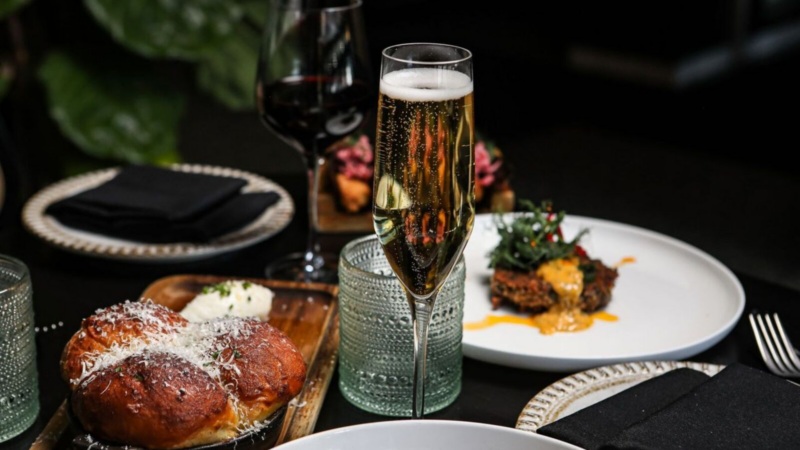
The made-to-order kulcha changes out seasonally — in the spring, the fluffy bread was stuffed with green peas and goat cheese and covered with a shower of black Umbria truffles. The chicken gustaba might be the best chicken meatball we’ve ever had; it’s slow-poached in yogurt gravy and parmesan rind, served in -parmesan foam, and covered in truffles. The cauliflower koliwada is a carry over from the vegan menu with curry leaf and carrot pachadi. Sarkar says he’ll see regulars once a month ordering the entire bar menu, and sometimes multiple orders of the same dish.
The wine and cocktail program keeps evolving
Sarkar has simplified the wine program, offering a base pairing at $95 and optional $50 upgrade, where guests can upgrade three glasses instead of committing to the full reserve pairing. Sarkar says he’s especially proud of the $70 spirit-free pairing that’s been gaining momentum since it launched in January of 2025. “When we started, we used to do spirit-free drinks by the glass, but the numbers of guests ordering the full pairing are growing,” he says. “But you really have to work on your pantry, your condiments to do it right.”
Recent hits from the NA menu include everything from a mushroom tea-based drink with green apples to hazelnut with jasmine, apple, and soda cream. And there’s a nonalcoholic carbonated version of the restaurant’s famous gin and tonics, with citrus, soda, and a choice of housemade cordials, from pickled mango to spicy guava.
The room is a stunning as the food
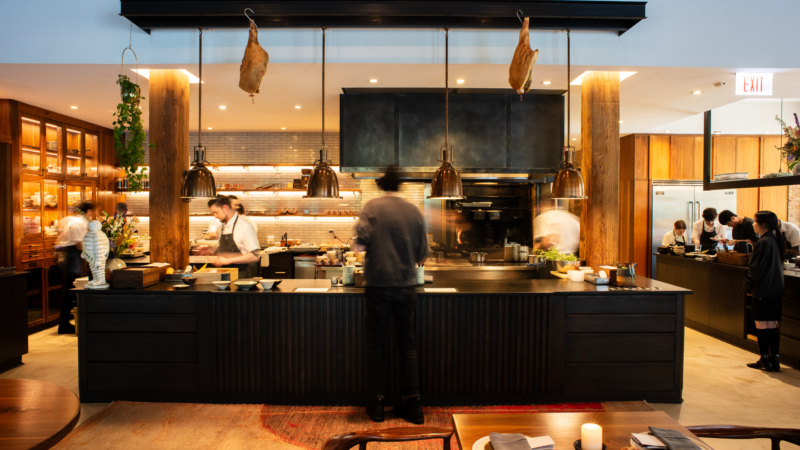
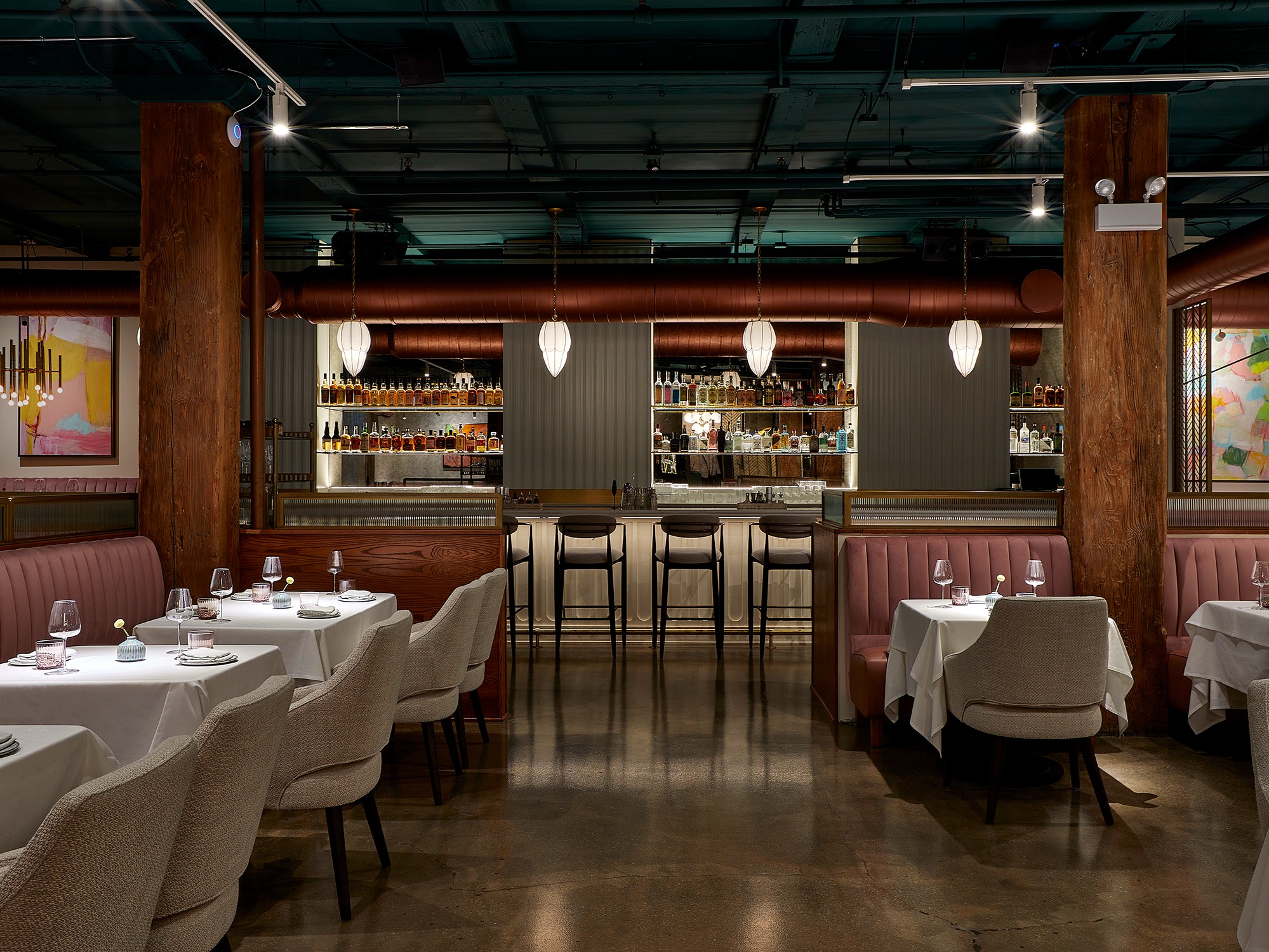
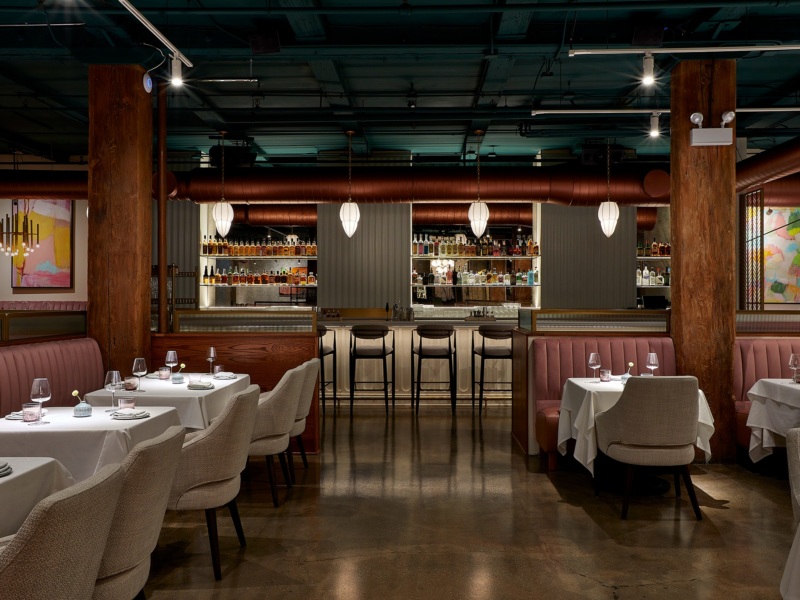
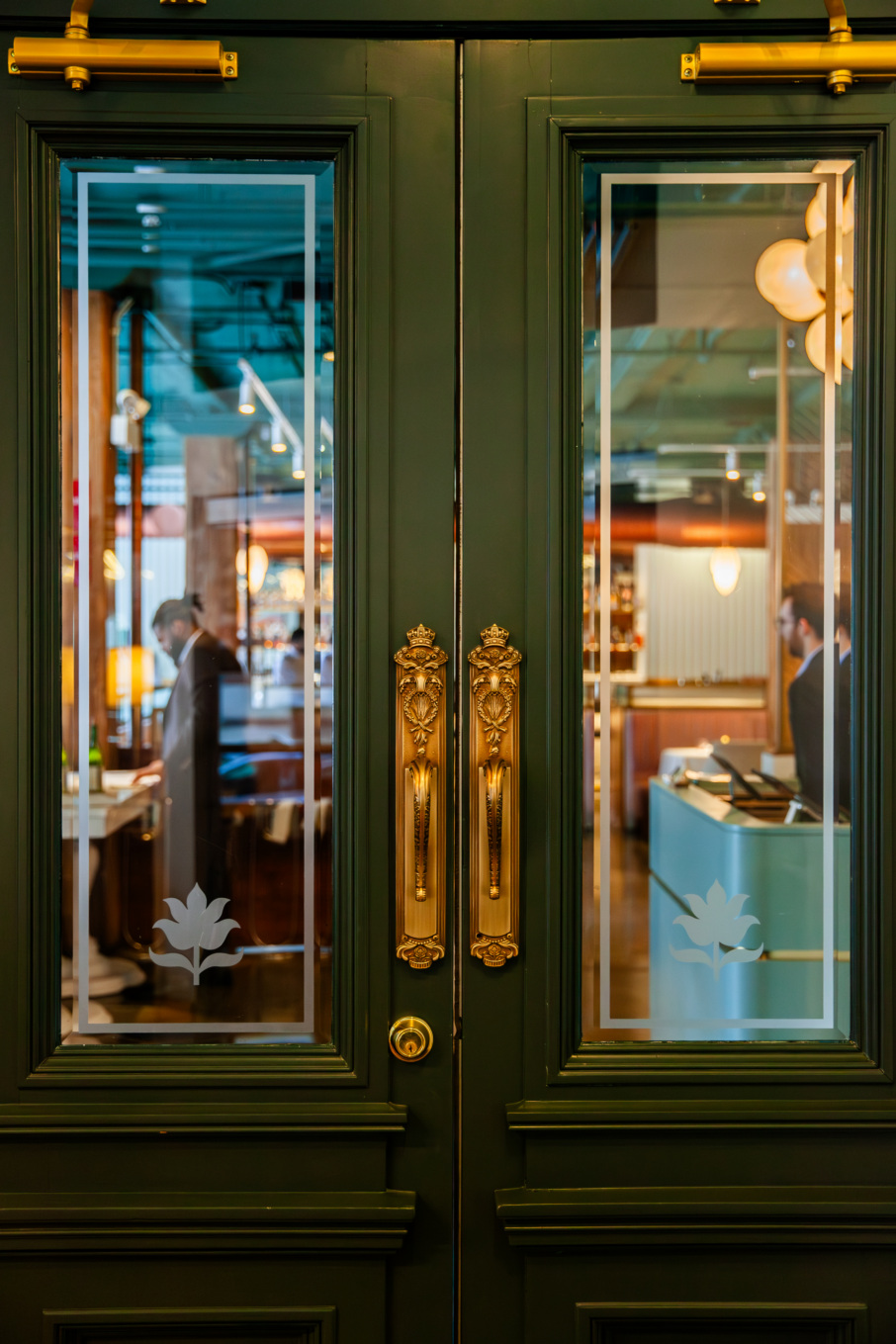
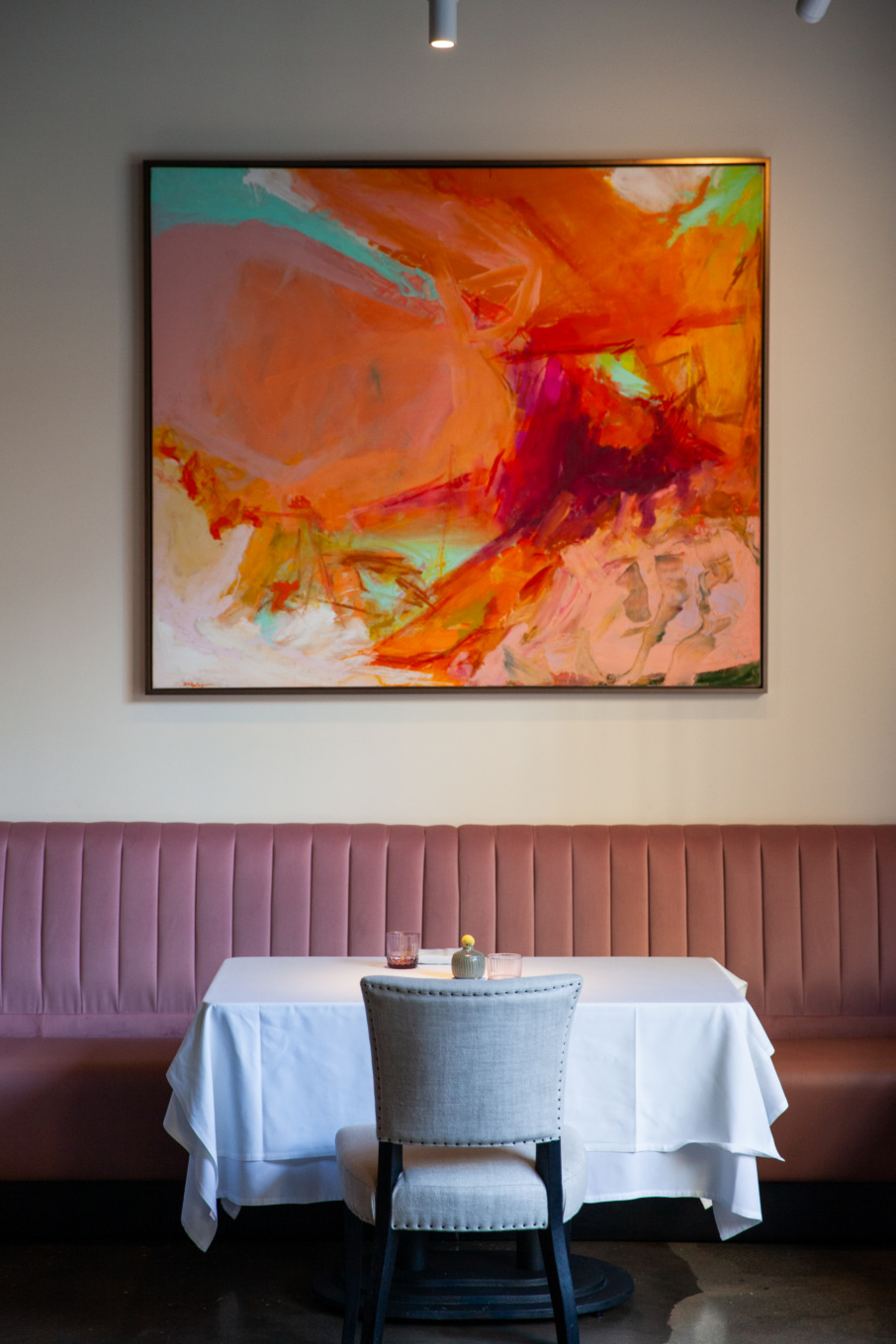
Built inside an almost 6,000-square-foot 19th-century printing warehouse, Indienne is spacious, accommodating 93 seats, including a nine-seat marble bar, booths, banquettes, and intimate tables for two. But the dining room still manages to convey a cozy, warm vibe, with calming hues of dusty rose and green, floor-to-ceiling windows partly covered by sheer drapery, exposed brick, and soft lighting from modern pendants and fixtures. The music, which Sarkar says he lets his staff curate, is up-tempo, balancing out any pretension or formality. “Fine dining is changing, it’s not going to be that stiff anymore, where you go and are at someone else’s mercy,” says Sarkar. “We keep it elegant but still to the point and real.”
Liz Grossman has been a Chicago-based writer, editor and storyteller for 25 years. She’s the former editor-in-chief of Plate magazine and co-founder of the nonprofit storytelling series, Between Bites. Her writing has appeared in Newsweek, Chicago, Robb Report, Flavor & the Menu, and more. Follow her @elizabites_Chi, and follow @Resy while you’re at it.