Letter of Recommendation New York
These New York Restaurants Embrace the Art of Japanese Home Cooking
Published:
Back when both her wit and tongue were at their sharpest, my mother would jokingly remind me that however closely I followed family recipes, my cooking still tasted like Japanese food made by a gaijin — an outsider.
I’d protest, of course. After all, on a good day, my rendition of my grandmother’s chawanmushi, or savory egg custard, is so silky, it quivers at the touch of a spoon. My miso dengaku, chargrilled eggplant brushed with sweet miso, is nearly as good as my mom’s. But admittedly, there’s some truth behind her jest. No matter how much I try, there’s a certain ineffable Japaneseness my cooking has always lacked — a shortcoming I feel acutely as I watch my mother, and her cooking, fade into the frailty and haze of age.
This blind spot for Japanese home cooking isn’t mine alone, naturally. It mirrors the American understanding of Japanese cuisine itself. Sushi and ramen have become fixtures of the American mainstream, while the quiet, sustaining foods of everyday Japanese life remain largely invisible.
Which is why Ootoya, the Japanese teishoku-ya, or teishoku specialist, is such a rarity in America. And for me, it’s a touchstone to the kind of ordinary, comforting meals that long defined my family’s table.
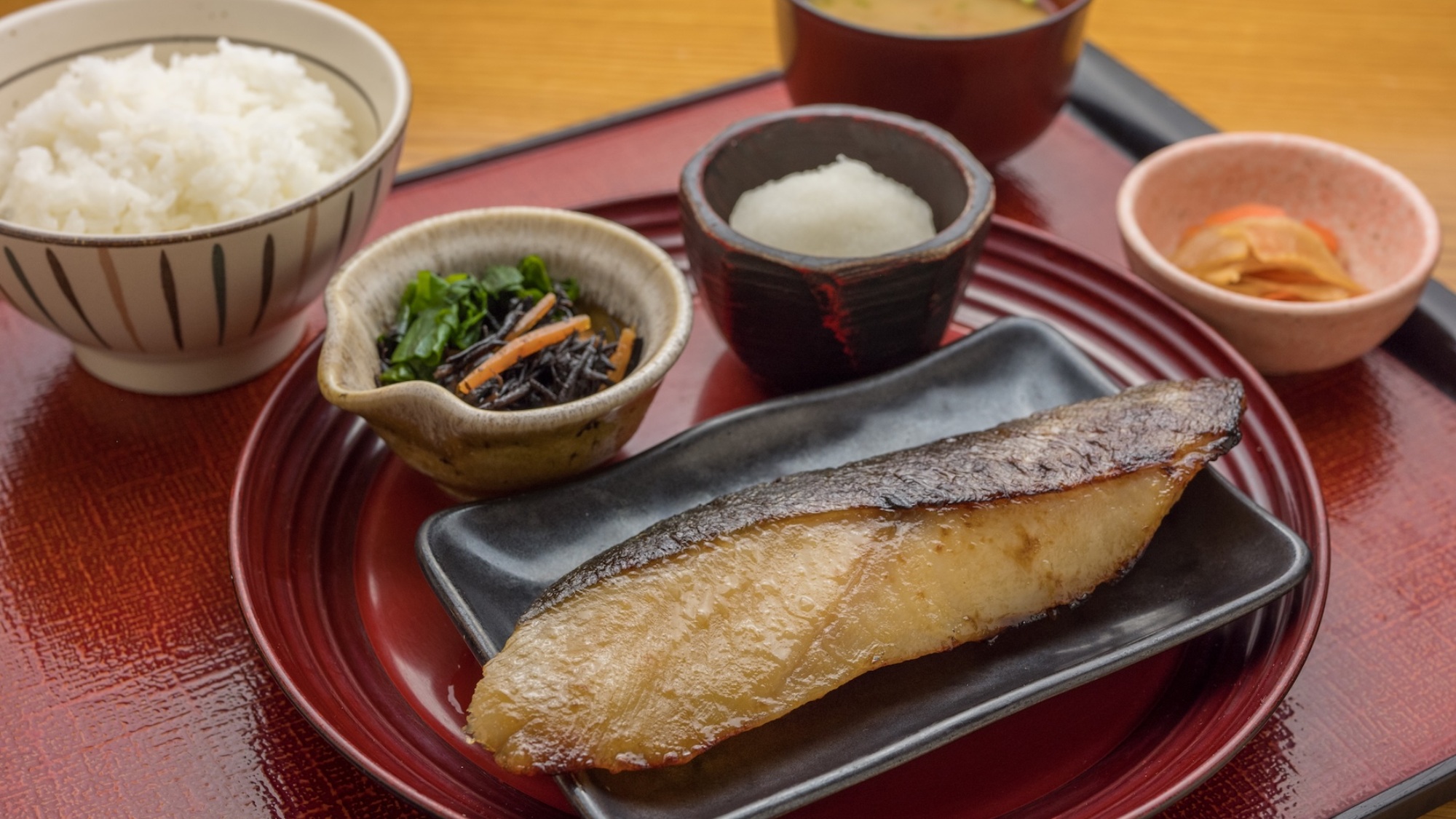
Outside of Japan, teishoku, the set meal, is often misunderstood as synonymous with the Japanese breakfast. It’s a familiar tableau in the Instagram era — a modular arrangement of bowls and dishes composed like a puzzle on a tray. Fish like grilled salmon or mackerel are common, accompanied by rice, miso soup, pickles, and a petite salad, too, perhaps.
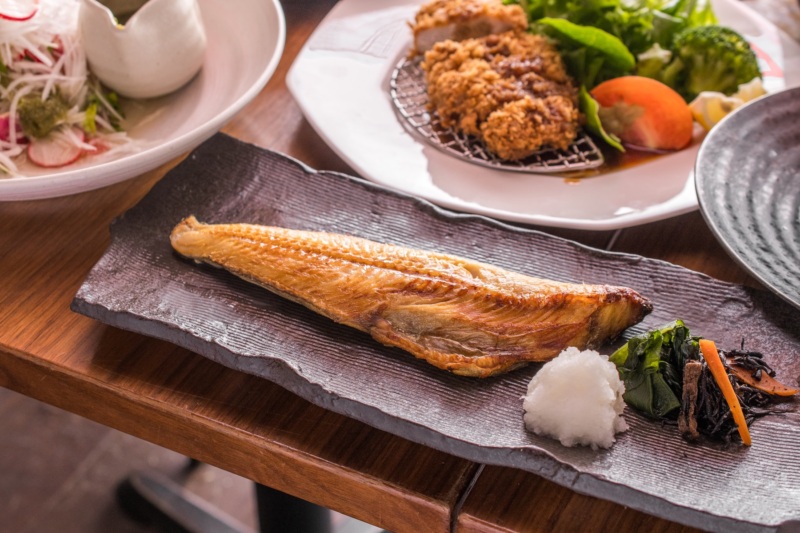
But teishoku isn’t particular to breakfast at all. Just as common at lunch or dinner, it’s a far broader framework for an endlessly variable style of home cooking. It’s the Japanese equivalent of a combo meal, but it’s grounded in ichiju-sansai. This centuries-old principle of “one soup, three dishes” is a blueprint for balance, nutrition and seasonality. For many traditional Japanese, my mom included, it’s simply the norm, so much so that the idea of Americans having only pasta, or just a salad for dinner would strike her as shockingly, tragically meager.
No restaurant in America is as deeply rooted in the ethos of teishoku as Ootoya, the Japanese chain founded in 1958 in Ikebukuro, then one of Tokyo’s grittier, working-class neighborhoods. Styled as a shokudo, or canteen, it served simple, homey meals to students and laborers at affordable prices. Today, it’s a franchise boasting more than 400 locations, including three American flagships in Manhattan: Chelsea, Times Square, and Union Square, each situated in a neighborhood awash with high-end omakase and izakaya spots.
“Ootoya wasn’t meant to be fancy,” says Ryuichi Shimakura, the company’s general manager. Teishoku isn’t special occasion food, and it’s the polar opposite of a trend. Instead, “Teishoku is rooted in this mindfulness,” he explains, “a sense of care and duty for the health and wellbeing of the person being fed.” It’s a quiet, steadfast attentiveness that strikes me as almost parental.
Guests choose their main, but the meal arrives rounded out with a warming soup, vegetables for fiber, and fermented foods like miso or pickles for gut health. Each component of the teishoku is intended to build a meal that’s nutritionally complete.
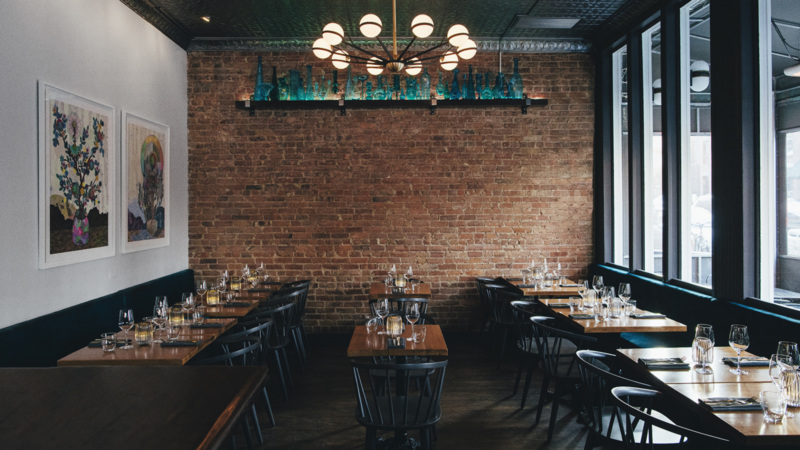
In Japan, Ootoya is a no-fuss venue, ideal for solo dining in between workday meetings, or for a Sunday dinner with grandparents and kids. It’s comfortable and efficient, but not the kind of place I’d ever meet friends for drinks in the evening. Beverage-wise, they offer little more than a utilitarian selection of soft drinks and draft beer.
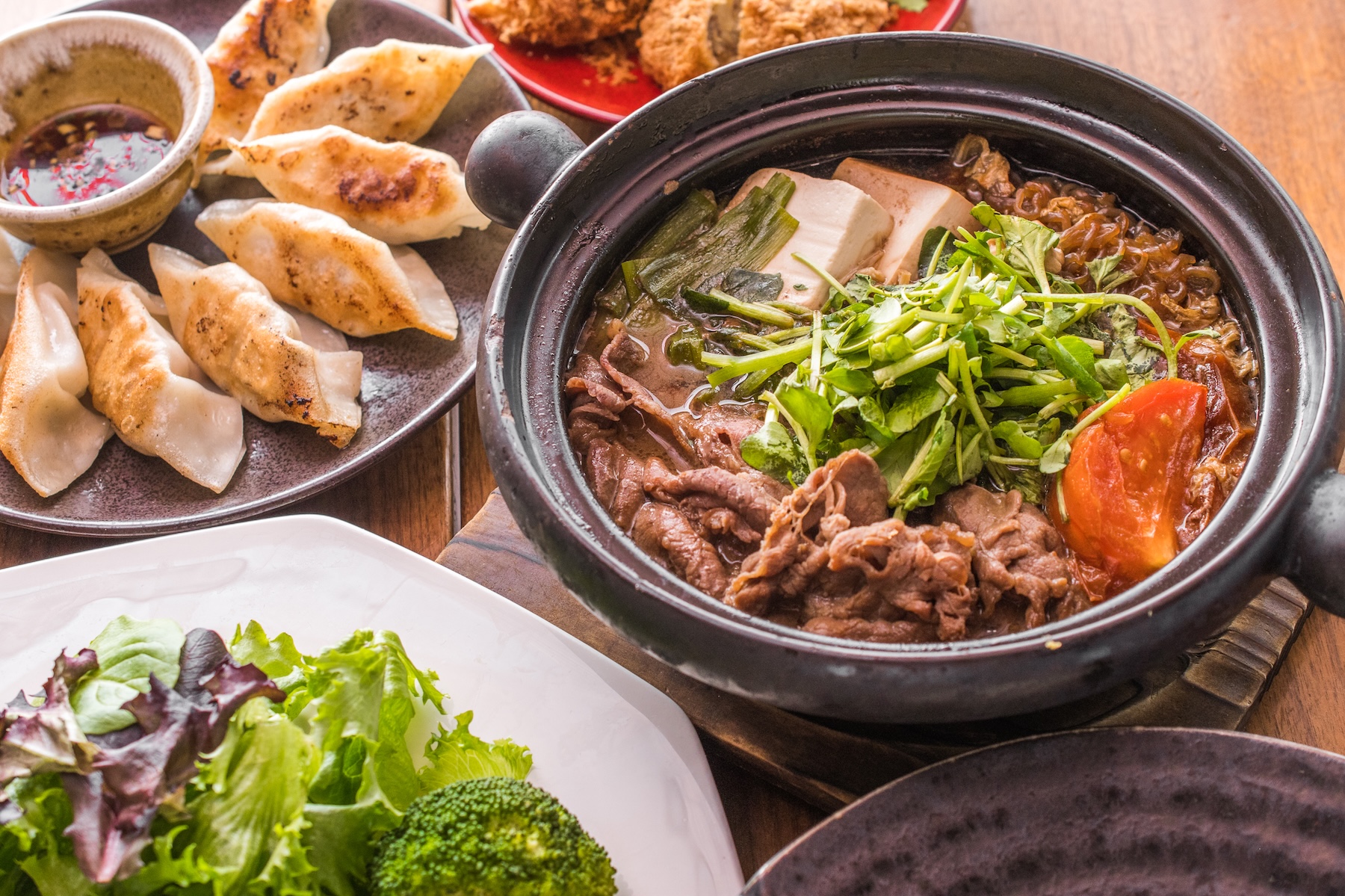

In New York, however, the Ootoya team quickly realized that American diners had different expectations of a Japanese restaurant. New Yorkers, in particular, demanded a more social atmosphere and an elevated experience.
In response, Ootoya pivoted, with teishoku at heart, to a slightly more upscale izakaya vibe and a substantially expanded menu. For starters, Americans couldn’t fathom a Japanese restaurant without sushi. So, Ootoya introduced their own style of crispy sushi: steamed rice topped with fresh seafood and a crunchy layer of crisped rice sandwiched in between. A full beverage program of sake, beer, wine, and cocktails was introduced, as well as a selection of shareable, snacky appetizers. Higher-end selections like sashimi, steak, and unagi rice bowls were also added to the menu, alongside a greatest-hits list of Japan’s beloved B-kyū gurume (“B-class gourmet”) curry rice, yakitori and pan-fried gyoza dumplings.
The sheer breadth of their American menu creates a slightly frenetic feel, but Shimakura likens the evolution to that of another great American favorite, The Cheesecake Factory. It’s a comparison that did actually make Ootoya’s publicist wince, but it’s clear that Shimakura means it in the best way possible. “We want Ootoya to be the kind of restaurant that has something for everyone, where you’ll find nearly anything you associate with Japanese cuisine,” he says.
Despite the vastness of the menu, Ootoya’s most nondescript, even mundane items are often the most eye-opening. Every bowl of rice they serve is the Japanese-grown Nanatsuboshi variety, a sweet and fragrant grain with a glossy sheen milled locally by The Rice Factory in Scarsdale, N.Y., and delivered twice weekly for freshness. It’s the kind of unexpected luxury that would have made my mom swoon.
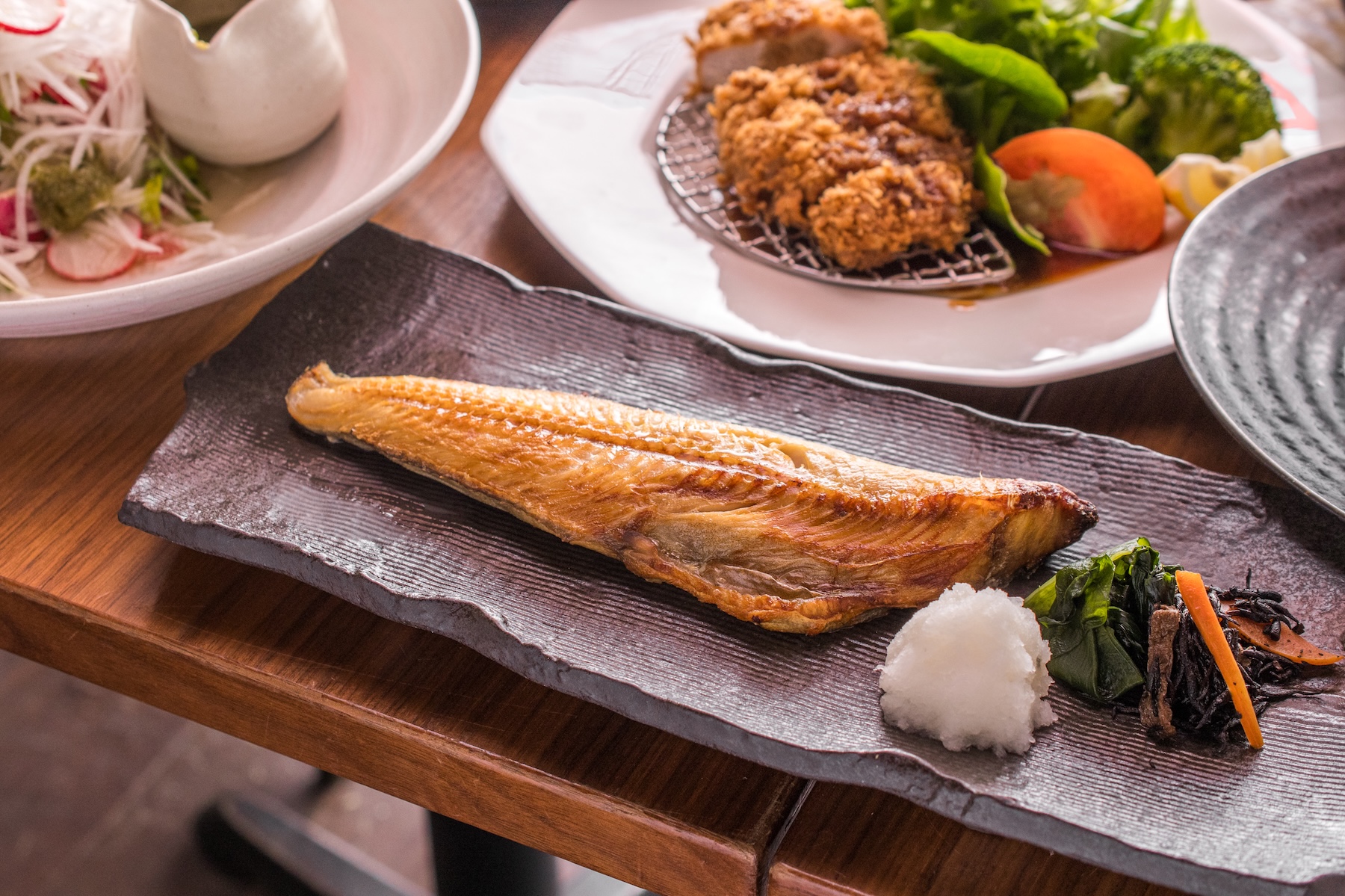
Their selection of yakizakana, or grilled fish — including rarities like Japanese hokke, but also salmon, butterfish, and mackerel — represents a rustic, venerated culinary form in Japan. Pungent, smoky, and often riddled with pin bones, they’re not the most approachable choice, but they epitomize the kind of humble, soulful foods that I crave more often than anything else.
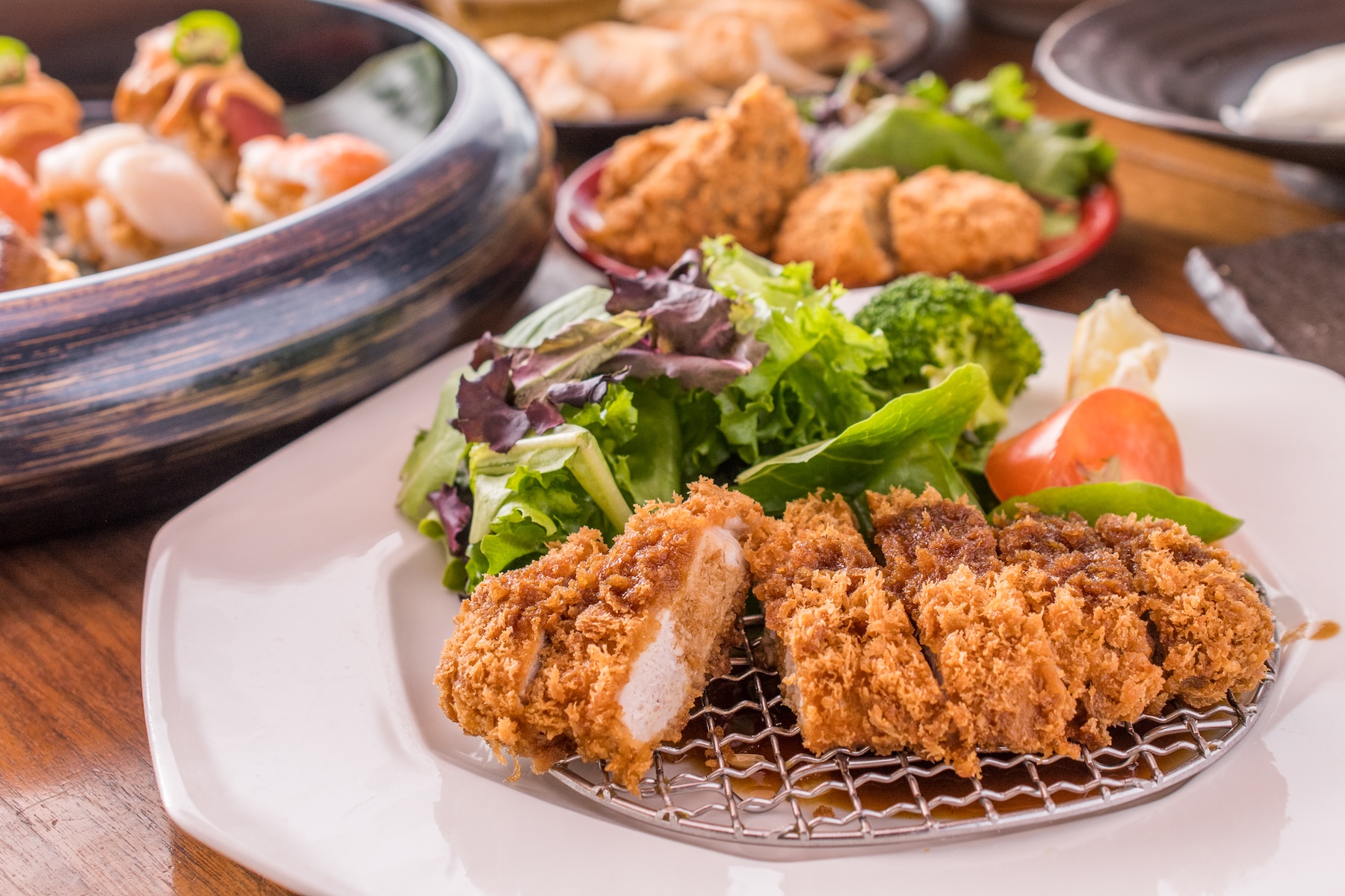
Tonkatsu, too, might seem commonplace, but Ootoya takes particular care, offering a tender pork cutlet that’s juicy, flavorful, and crisped to a featherlight crackle. Their simple chawanmushi, almost as silken as my grandmother’s, is a steal at just $3.
For families, Ootoya offers a child-friendliness rarely seen in more formal restaurants. At lunchtime, it’s not uncommon to encounter groups of moms dining, babies and strollers in tow. It’s also one of the few places in the city serving okosama sets — the delightfully colorful, kid-sized meals I used to obsess over in Japan’s many famiresu, or family-oriented restaurants.
It’s an approach that feels worlds apart from New York’s increasingly rarified Japanese dining scene. It’s also reassuring to know that as the city’s access to Japanese cuisine continues to deepen, so too does the opportunity for a quieter, more personal understanding of how Japanese people eat day-to-day.
For me, Ootoya will never replace my mother’s home cooking, of course. But how wonderful it is to feel it stirring my memory, reminding me, if only fleetingly, of what it feels like to come home.
Ootoya is open daily for lunch and dinner.
Anna Lee C. Iijima is a Japanese and American journalist and wine critic. She’s a regional editor for The New Wine Review, and writes frequently for the Decanter, Chicago Tribune and other publications. In a previous life she was a corporate lawyer. Follow her on Instagram. Follow Resy, too.