To Understand the Greatness of Boia De, Start With the Beef Tartare
Published:
Like any great restaurant, Boia De has its musts. Baked clams. Luci’s chopped salad. The tagliolini nero. And, always, the beef tartare, a dish ordered again and again.
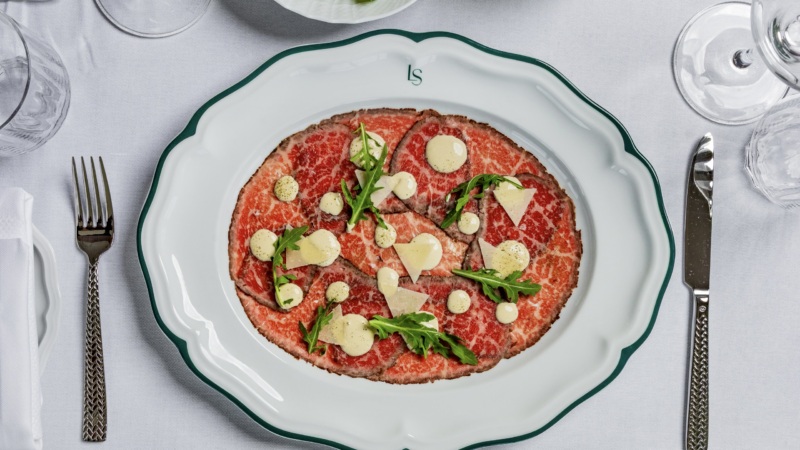
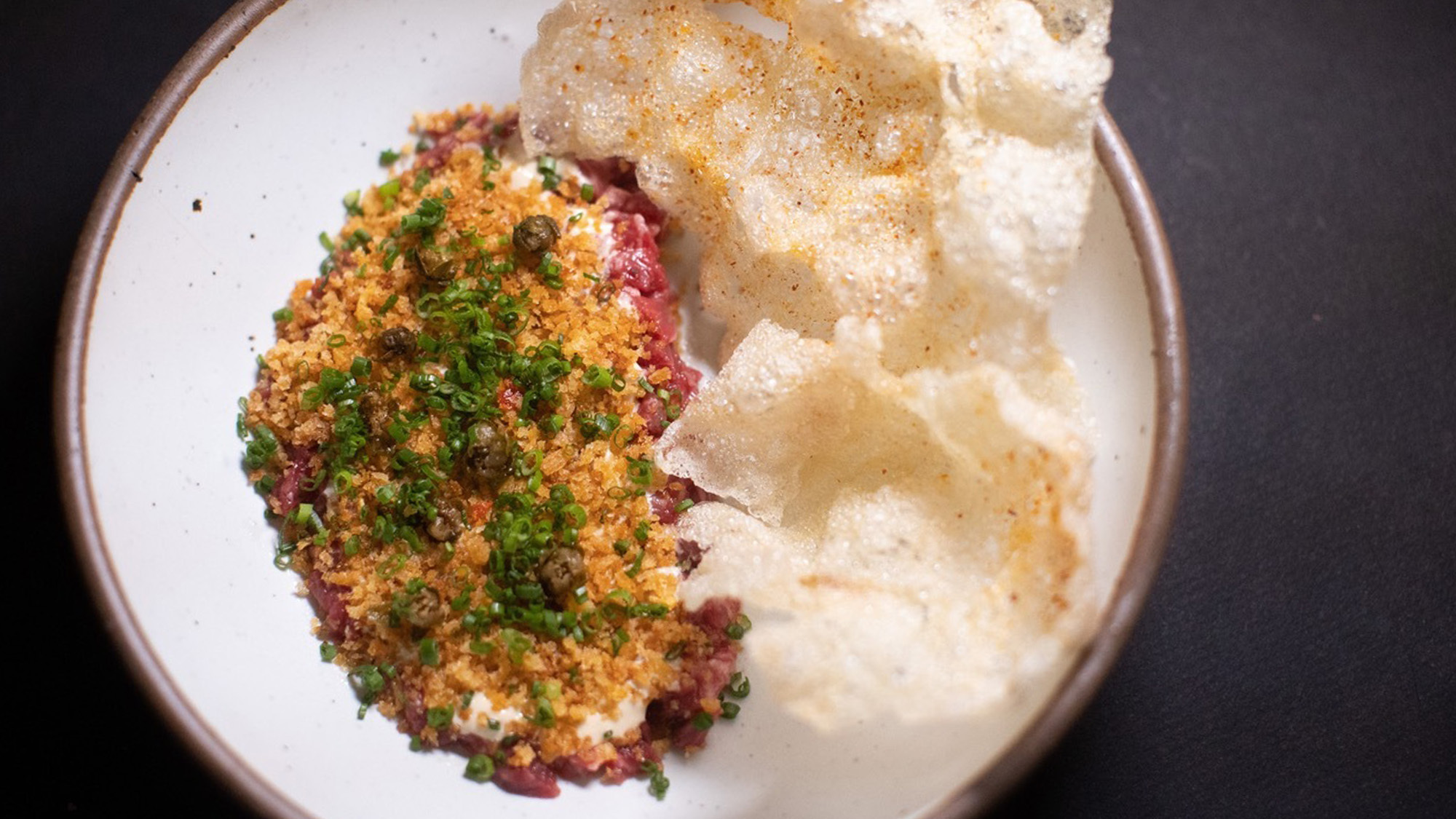
The beef tartare at Boia De isn’t a standard tartare. Here, raw hanger steak is diced into precise cubes, chewy enough to have presence, tender enough to melt. It is dressed in a silky tonnato sauce. Garlic-shallot crumbs, fried capers, and chives bring crunch and lift. On the side are puffed beef tendon chips that shatter on impact, their airy texture making the beef taste even more luxurious.
“It’s been on the menu since day one,” says co-owner and chef Luciana Giangrandi. “We used to serve it with grilled bread, but once we switched to tendon chips, that stuck.”
The dish’s DNA goes back a few years earlier. Giangrandi and co-owner and chef Alex Meyer tested hanger steak tartare with tonnato at a pop-up Italian dinner in 2016. “It was a big hit,” she recalls. The idea lingered, refined bit by bit, until they opened Boia De in 2019. The tartare became one of the restaurant’s first anchors.
Related Stories
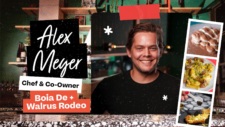

The base is simplicity itself: hand-cut beef, sea salt, fruity olive oil, and raw shallot. Over it goes the tonnato, built from scratch with the structure of a mayonnaise but layered with Worcestershire, Tabasco, and tuna. Then comes a topping of crispy garlic, shallot, and Calabrian chile folded into breadcrumbs. “It’s work intensive,” Giangrandi says, “but people always light up when they taste it.”
The tendon chips were Meyer’s idea, sparked by a version he saw years earlier in Los Angeles. “We realized too many dishes had grilled bread,” he says. “The tendon chips felt more fun, more complete, beef on beef.” The move turned out to be more than a substitution — it gave the dish its identity.
The tartare quickly became a signature. Regulars order it without hesitation, while first timers treat it as a rite of passage. “We’ve been some people’s first tartare,” Giangrandi says. “They trust us because their friends insist it’s a must.” Couples have even been known to order one each rather than share.
It’s work intensive, but people always light up when they taste it.— Co-owner and chef Luciana Giangrandi
The numbers tell the same story. The restaurant sells around 200 each week, adding up to several thousand a year. “We even tried taking it off once,” Giangrandi admits. “Guests weren’t having it. They wanted the tartare back.”
So why does it endure? The answer may lie in consistency and surprise. Each bite delivers something familiar — raw beef and crunch and salt — but in a sharper, more layered way. Even the staff still look forward to it. “After six years, I still enjoy eating it,” Meyer says. “That’s a good sign.”
The best way to experience it is with a glass from Boia De’s natural wine list. A crisp Italian white cuts the richness, while a chilled red plays into its depth. Pair it with one of the house pastas, like the rabbit pappardelle, and you have the kind of meal that explains how a tiny strip mall restaurant earned a Michelin star.
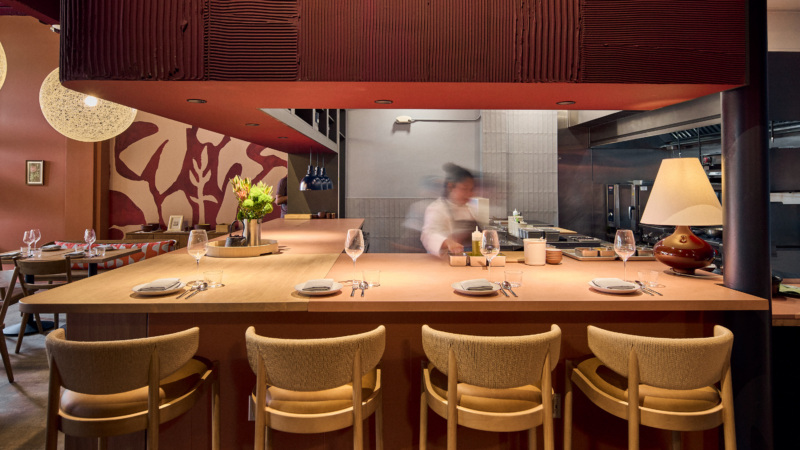
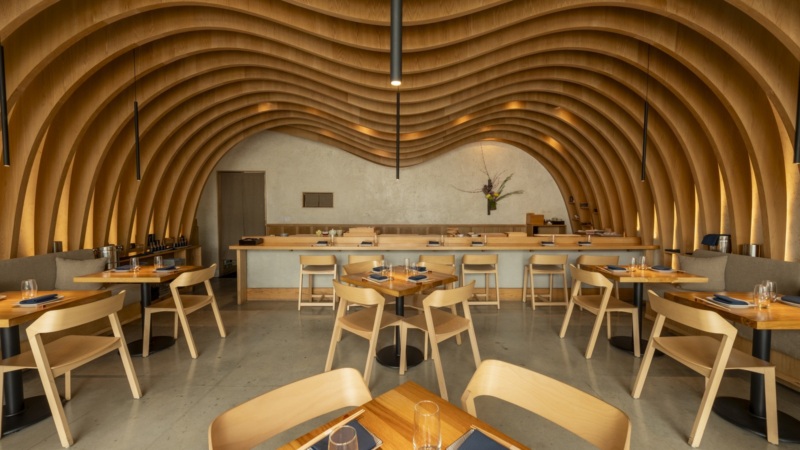
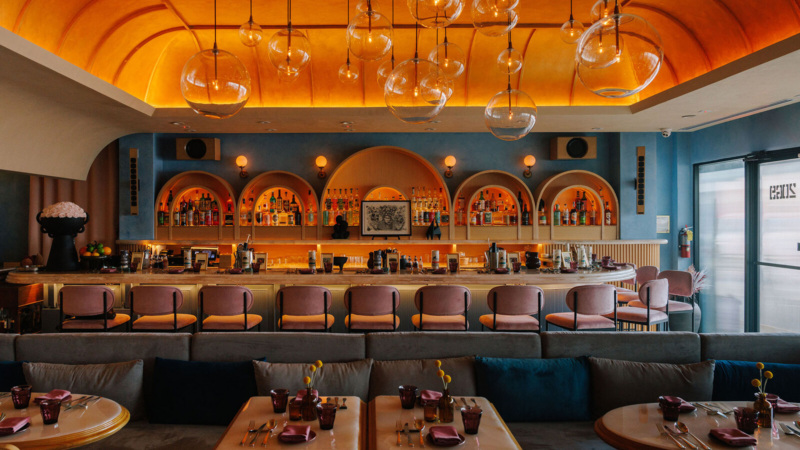
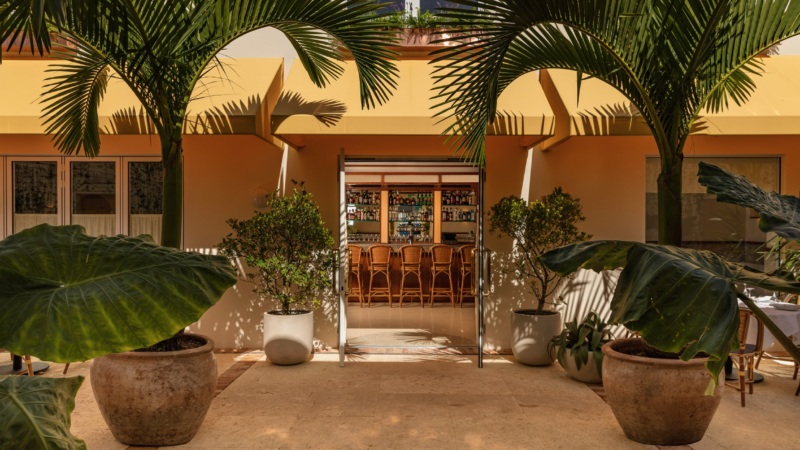
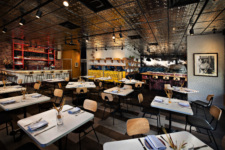
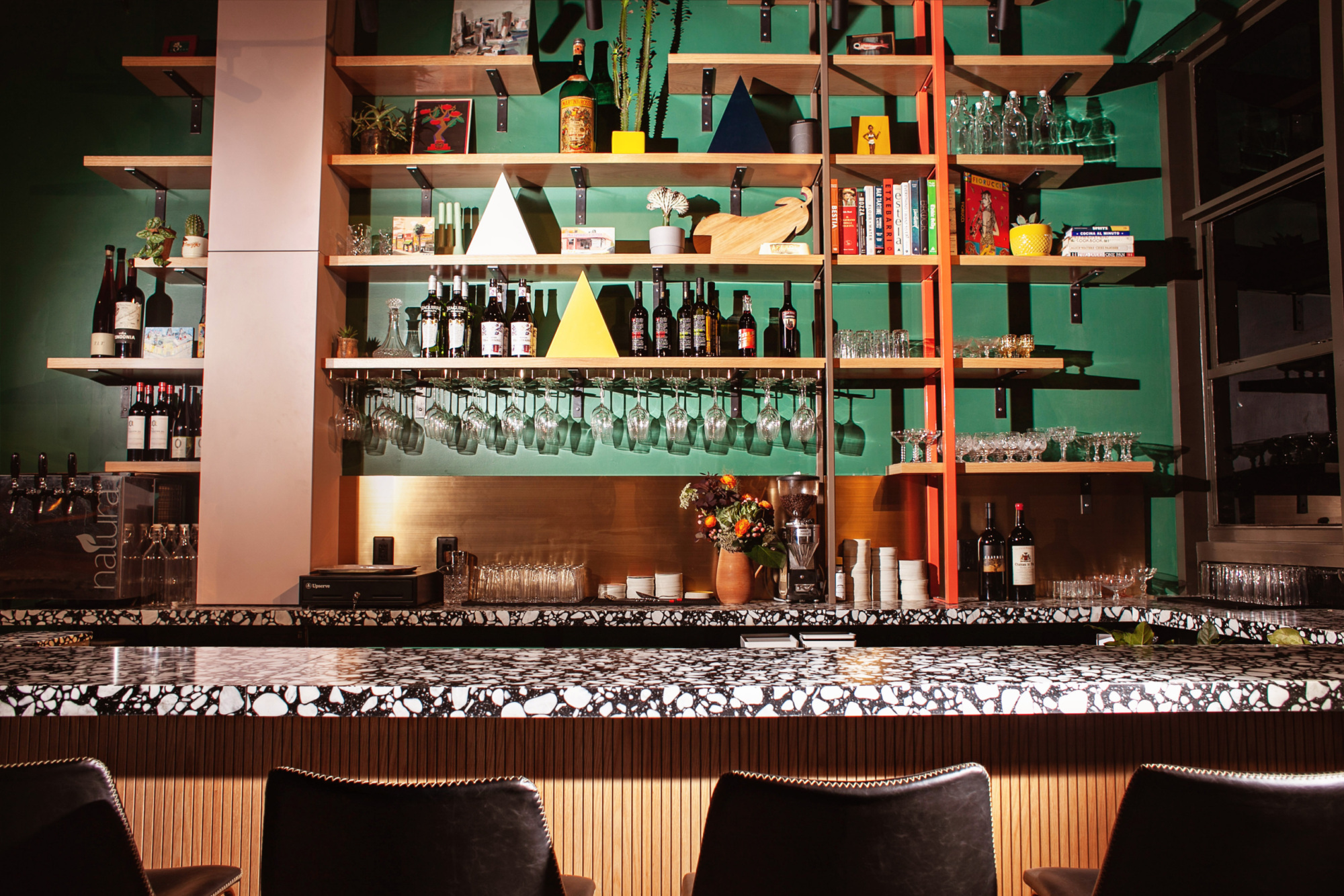
Boia De itself is part of the dish’s story. Opened in 2019, the 27-seat room quickly became a destination for cooking that feels both personal and precise. Giangrandi and Meyer trained in New York fine dining before heading south, and their cooking — Italian inspiration filtered through Miami flavors — has given the city one of its most beloved dining rooms. The space is unpretentious, with a steady mix of loyal locals and out-of-towners who make it a destination.
The tartare shows why Boia De has endured. It takes a classic dish, gives it new energy, and keeps people returning. Guests may come for pasta, wine, or dessert, but they leave talking about raw beef on a puffed tendon chip. “The goal is satisfaction,” Meyer says. “We want it to be interesting, but mostly, we want people happy when they eat it.”
And judging by the numbers, they are.
A fourth-generation Miamian, Olee Fowler knows every corner of the city. She spent a decade as the editor of Eater Miami, and now as a freelance writer, she captures the stories that make Miami unique. When she’s not exploring Miami’s newest restaurants and bars, you can find her at home with her dogs, Foster and Peanut, or cheering on her beloved Florida Gators. And yes, that’s probably a Coke Zero on her desk.