Extolling the Charms of Osteria Radisa in Carroll Gardens
Published:
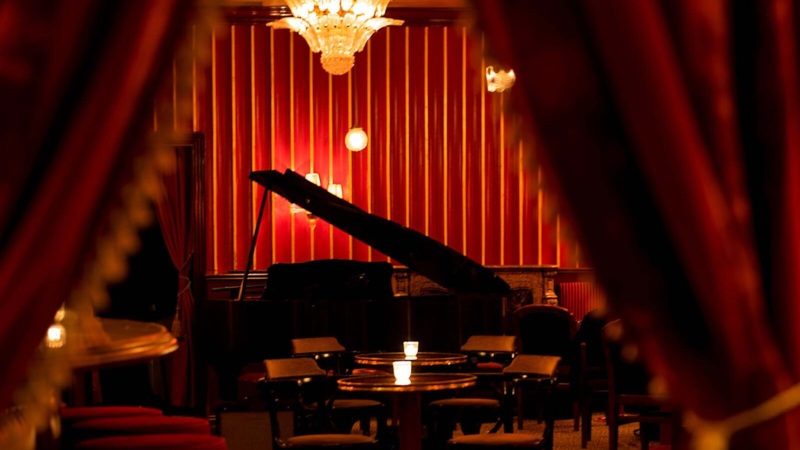
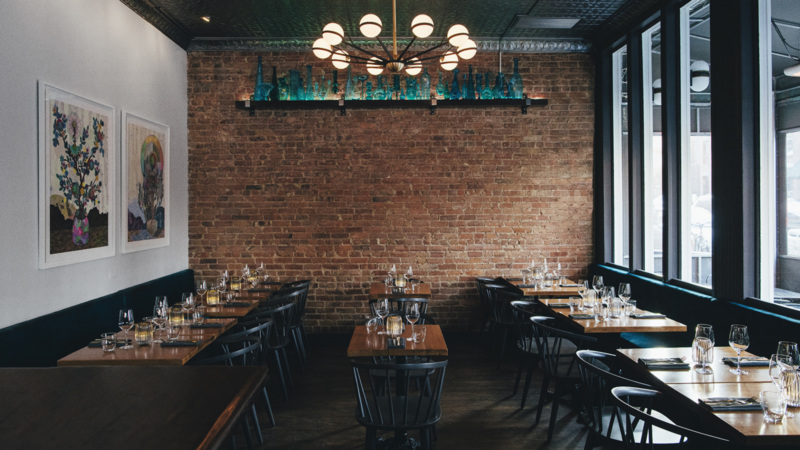
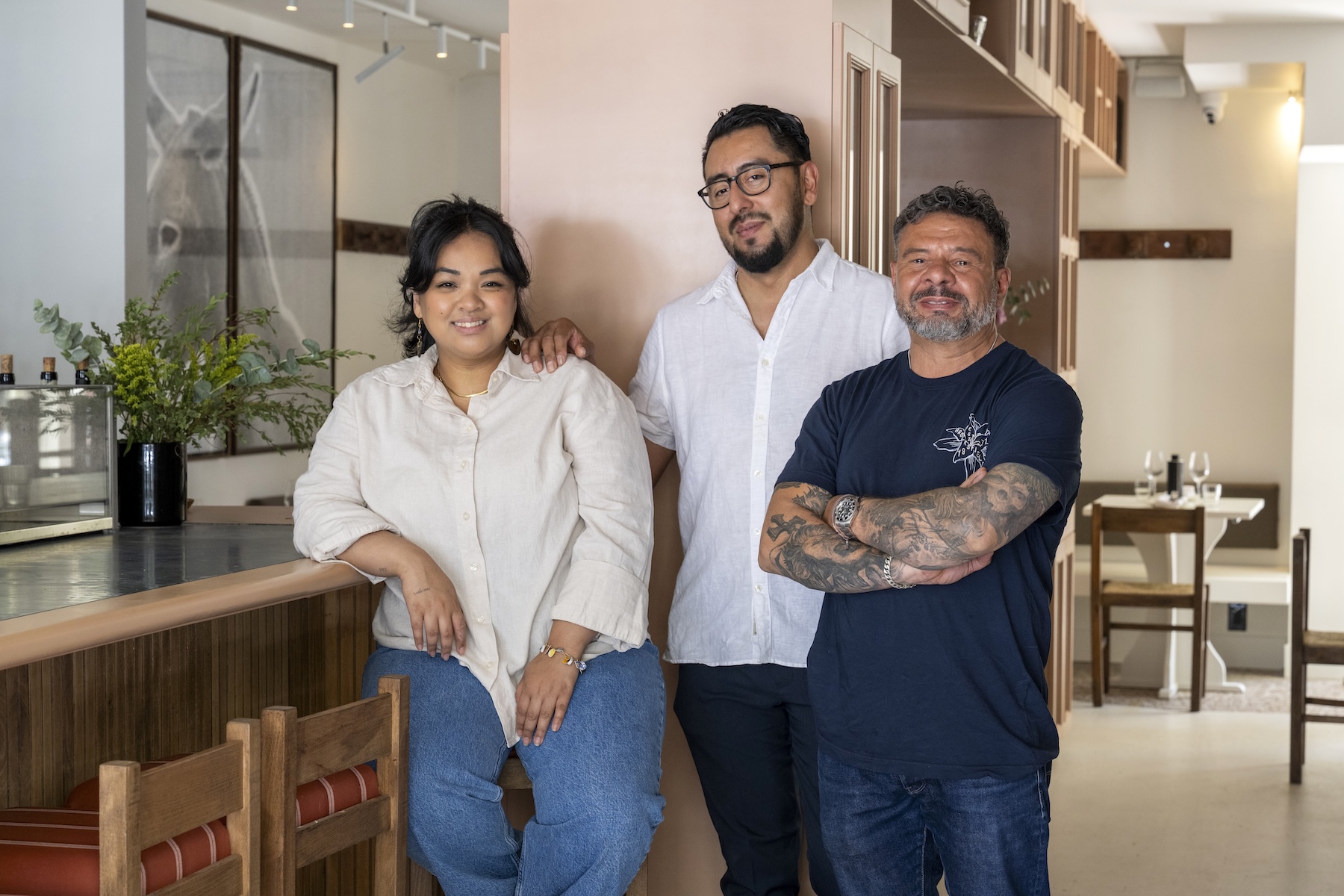
Fans of Italian food (and really, who among us isn’t?), take note: Brooklyn recently welcomed a new spot that serves elegant but comforting fare influenced by the Emilia-Romagna region of northern Italy. Osteria Radisa is the latest effort from the team behind Aita Restaurant — another Italian restaurant and natural wine bar in nearby Clinton Hill. Its all-star team includes chef Roberto Aita, beverage director Althea Codamon, and her husband, Fernando Trujillo, leading the front of house, and sibling co-founders Giulia and Luca Pelliccioni.
We sat down with Codamon to talk about the origin of Osteria Radisa, what exactly Romagnol cuisine is, and what diners should expect when they visit.
The Resy Rundown
Osteria Radisa
-
Why We Like It
This contemporary, stylish, non-fussy spot serves comforting Italian food and unique, culinary-driven cocktails. -
Essential Dishes
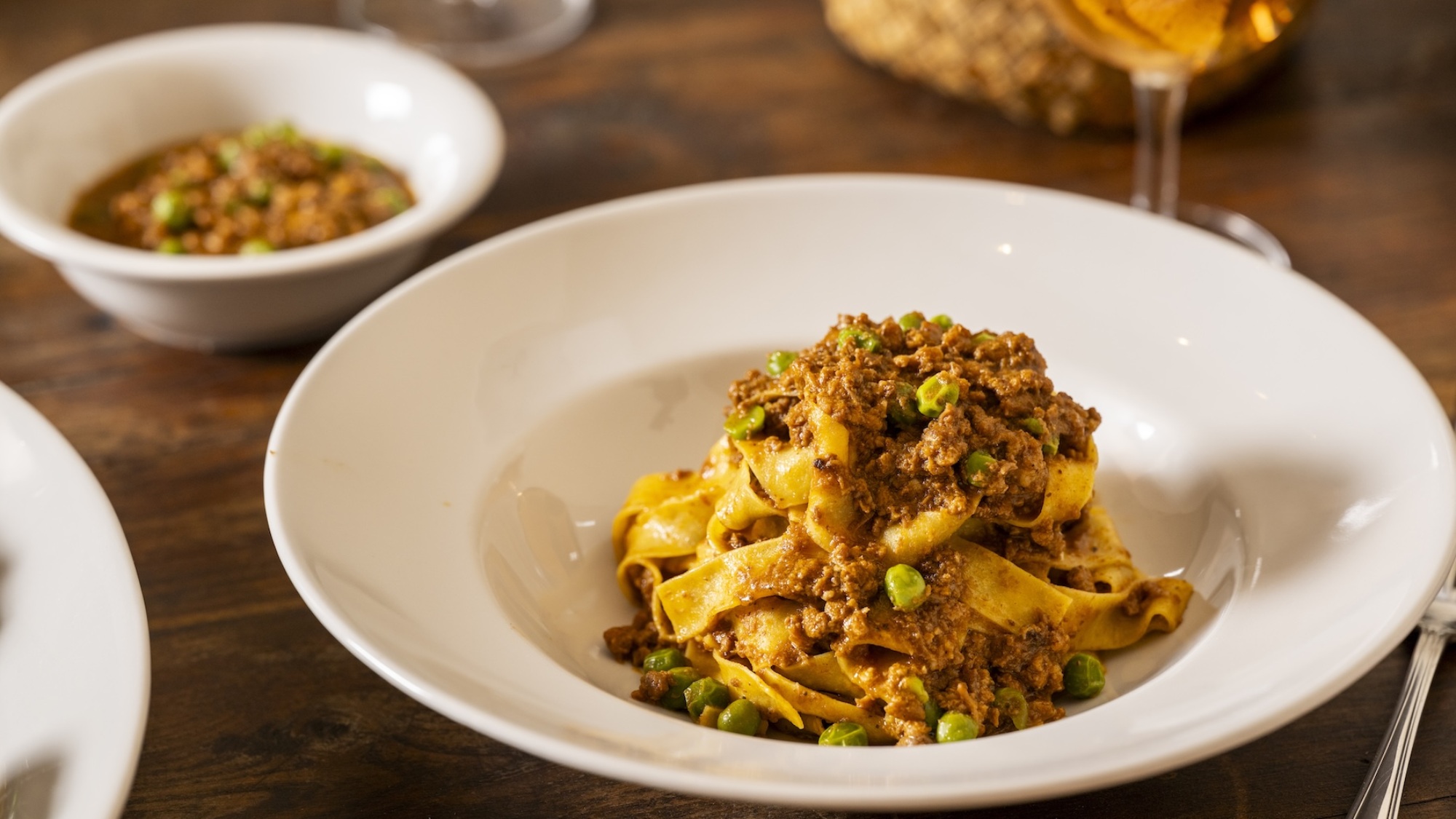
For those who can never get enough sauce, the tagliatelle al ragu comes with what the menu calls “diritto di sugo,” or, the right to sauce — an extra dish of ragu on the side, just in case. -
Must-Order Drinks
The Never For Money is Codamon’s signature cocktail, consisting of coconut-washed Philippine gin, pomelo-calamansi juice, dry vermouth, and basil — the acidity of the citrus is balanced out by the fat from the coconut and the herbaceous flavor of the vermouth.
-
Who and What It’s For
Neighborhood parents toting babies and/or dogs, pasta fanatics, post-work cocktails and celebratory dinners, and anyone who’s too hungry for small plates. -
How to Get In
Reservations drop 21 days in advance at midnight, but half the seats are reserved for walk-ins, so don’t hesitate to visit on a whim. -
Fun Fact
One of the pasta dishes uses strozzapreti, a traditional hand-rolled pasta shape that translates to “priest choker.”

1. The menu is traditional, with some contemporary polish.
Osteria Radisa’s founders knew they wanted their next restaurant to serve Italian food, but they didn’t initially have a specific subgenre in mind. Giulia, who grew up in Emilia-Romagna and was living there at the time, suggested they focus on the region’s cuisine.
“Emilia-Romagna is known for its history of culinary excellence,” Codamon says. The team pulled from the Pelliccionis’ and Aita’s personal heritages, but they also conducted a lot of research to inform their menu, which consists of what Codamon calls “forgotten” and “generational” recipes. The dishes are served simply and in hearty portions, with rustic-ness being a point of pride.
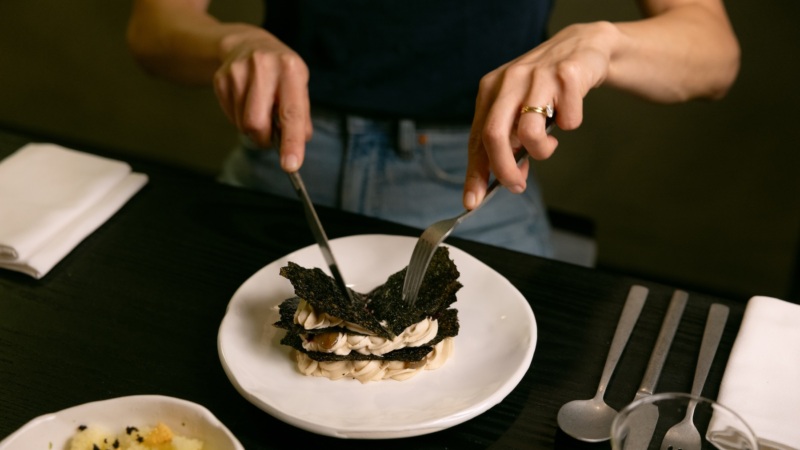
“We’re calling it contemporary, but there are so many things that are plated the way that they would have been plated generations ago,” she said. “Maybe they’re just a little bit more vibrant or a little bit cleaner around the edges. But the manfrigoli is exactly how you would see it plated by your grandmother or great-grandmother in generations past.”

2. Romagnol cuisine is lighter than standard Italian fare … except for when it’s heavier.
Many New Yorkers are familiar with hearty plates that come out of Italian American red-sauce joints, Neapolitan-style pizza, and elaborate antipasti from trendy Tuscan spots. But far fewer people have a reference point for Romagnol regional cuisine, and the category resists definition. Emilia-Romagna stretches between the mountains, river, and sea, and the geographic diversity makes its food difficult to neatly summarize. The cuisine draws influences from France, Switzerland, and Austria — its neighbors to the north and west — and you’ll find both meat and seafood alongside delicately treated vegetables and creamy sauces alike.
“It’s so difficult when people are like, ‘Is it lighter fare, or is it richer? How would you define food from Emilia-Romagna?’ All I know is, it tastes really good,” Codamon says with a laugh.
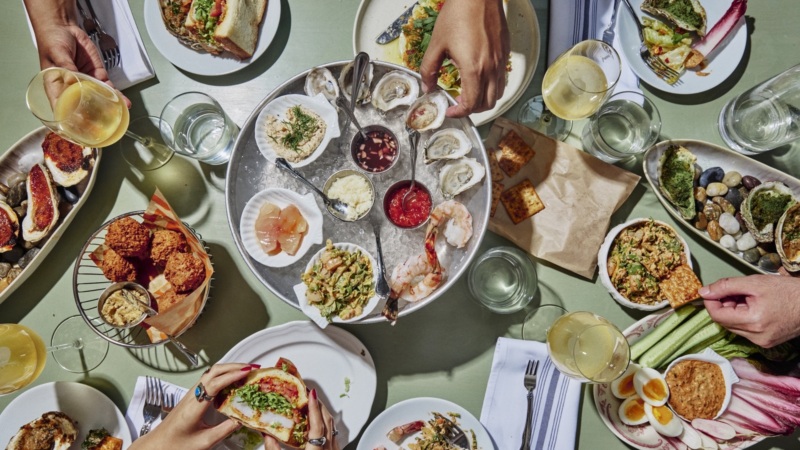
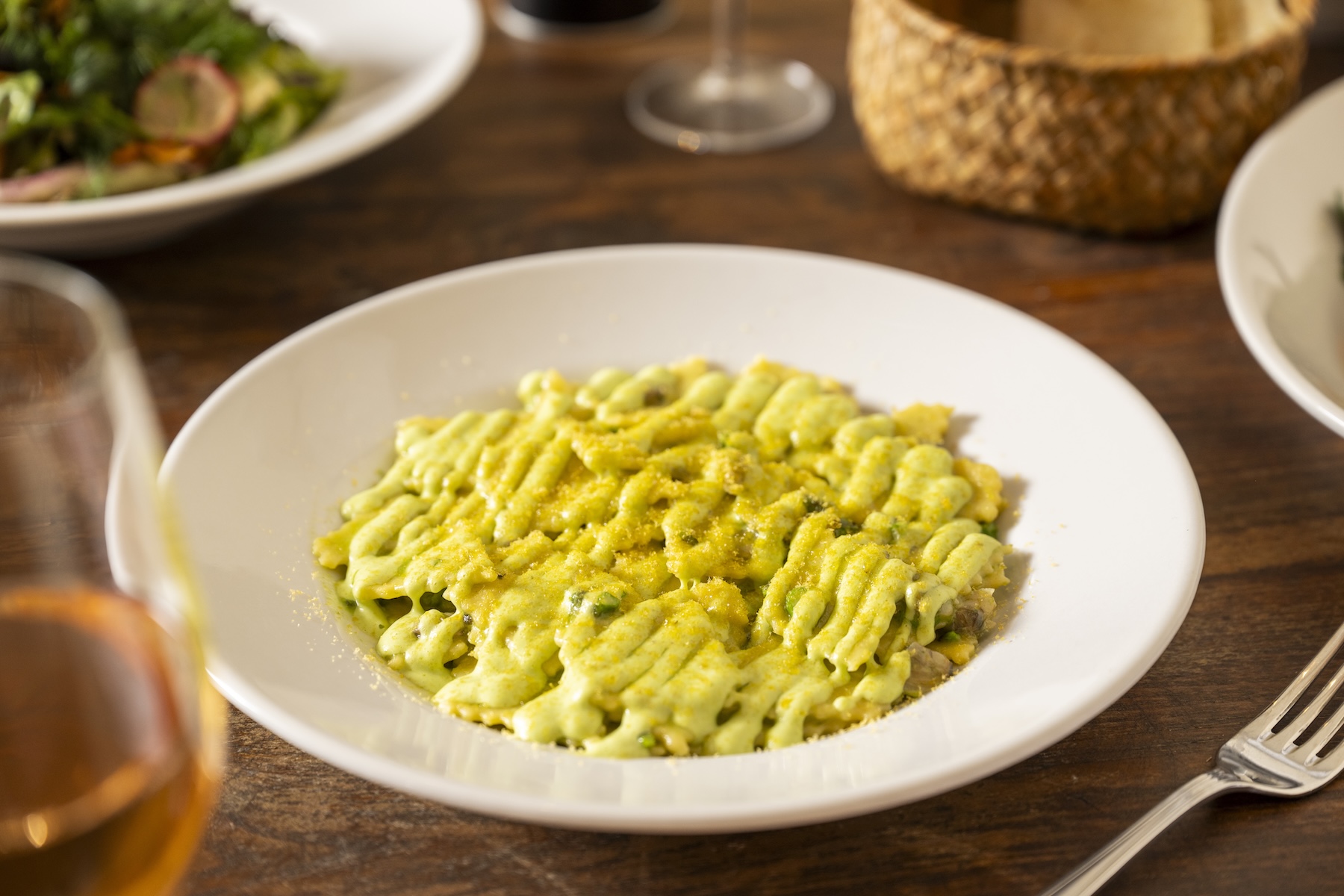
Definitions aside, there’s plenty of pasta on the menu at Ostera Radisa, many of which come served in bechamel- or velouté-based sauces. Look out for the spoia lorda, which means “dirty sponge” (a reference to the dough being “dirtied” with pesto and ricotta before assuming a ravioli-like shape.) The manfrigoli, made with pasta dough cut into small, rice-like pieces, showcases shrimp, mussels, and clams. There are numerous seafood dishes, nodding to Emilia-Romagna’s coastline, and ingredients are meticulously sourced, from the hand-selected olive oil imported from Puglia to the Adriatic clams. If there’s a through-line, Codamon says, it’s simply letting the ingredients speak for themselves.
3. The cocktail program is particularly eclectic.
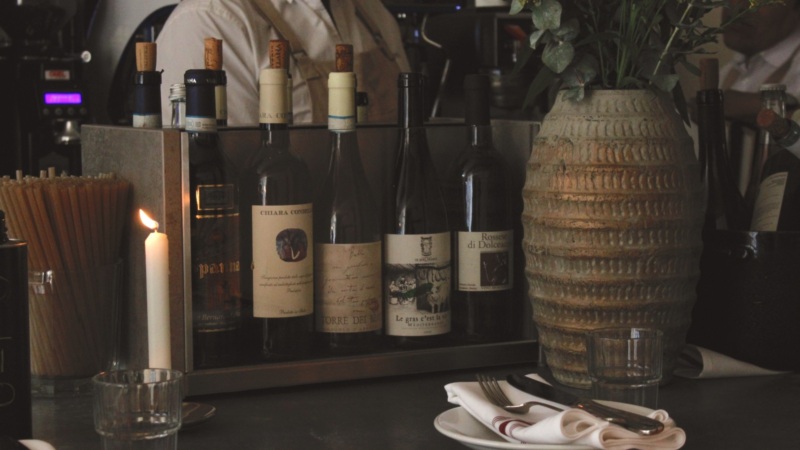
While the food at Osteria Radisa leans traditional, the drink menu takes a bit of a departure. Of course, the major bases are covered – about half of the wine list comes from Italy; the other half comes from elsewhere in Europe, including France, Germany, and Portugal. The selection skews low-intervention and unoaked, with an eye towards ethical and sustainable producers. All options are below 14% ABV, so the wines don’t, in Codamon’s words, “fatigue the palate” or overpower delicate flavors.
“The lower the proof, the more you can drink, the more wine you can pass around, and the more you can hang and enjoy,” Codamon says.
But it’s the cocktail menu that’s really full of surprises, particularly in the meeting of flavors from entirely different cuisines. The spirits hail from producers all over the world, with an emphasis on local and BIPOC-owned brands. Codamon’s Filipino heritage is represented by an array of Philippine rums and gins, and Mexican spirits nod to Trujillo’s background. Ingredients from both cultures show up unexpectedly in the I Think It Was Madonna, a mezcal cocktail brightened with spiced vinegar — a condiment commonly used in Filipino food — alongside Italian ginger falernum and amaro.
Codamon’s creative ethos is all about the places of overlap between cultural foodways. “What initially began as a place to transport people to Emilia-Romagna, ended up becoming a place where you’re transported to somewhere you’ve never been to before. So although the heart and soul is of Romagna, there are just so many different elements that make up this restaurant,” Codamon says.


4. When you’re here, you’re family.
Osteria Radisa may not be a family restaurant in the strictest sense, but it gives the phrase “work family” renewed meaning: A wife-and-husband team who met working in restaurants lead the front of house. Two of the founding partners are siblings. Part of what drew Codamon to the Aita team was their flexibility and focus on family – Giulia was expecting when Codamon, then a new mom, came onboard. And having all worked at Aita, the team was synchronous enough to embark on a second restaurant venture together.
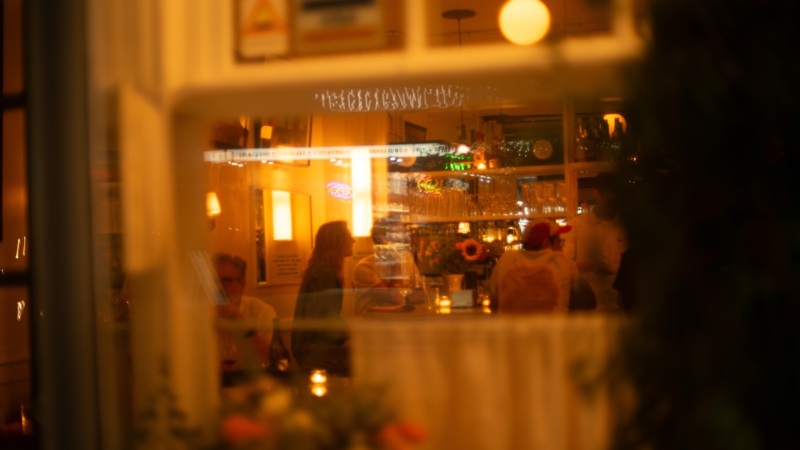
Being situated in Carroll Gardens, the restaurant is almost automatically a family-friendly space – don’t be surprised if you see the restaurateurs’ own kids flitting around, or well-behaved dogs accompanying their moms for spritzes. But the hope is that Radisa can be a place for all sorts of camaraderie and celebration, from 21st birthdays to longtime couples’ wedding anniversaries. And while Codamon can’t predict the mood on a nightly basis (the aim is “positive vibes all around, all the time”), if she had to sum it up in a word, she’d choose the broad definition of family.
“That was our goal. We wanted to be a place for family.”
Osteria Radisa is open for dinner from Sunday to Thursday from 5 to 10 p.m., and on Friday and Saturday from 5 to 10:30 p.m.
Ariana DiValentino is a writer, filmmaker, and actor based in Brooklyn. Follow her on Instagram, Bluesky, and TikTok. Follow Resy, too.