Binondo Shines a Light on Filipino Chinese Cuisine
Published:
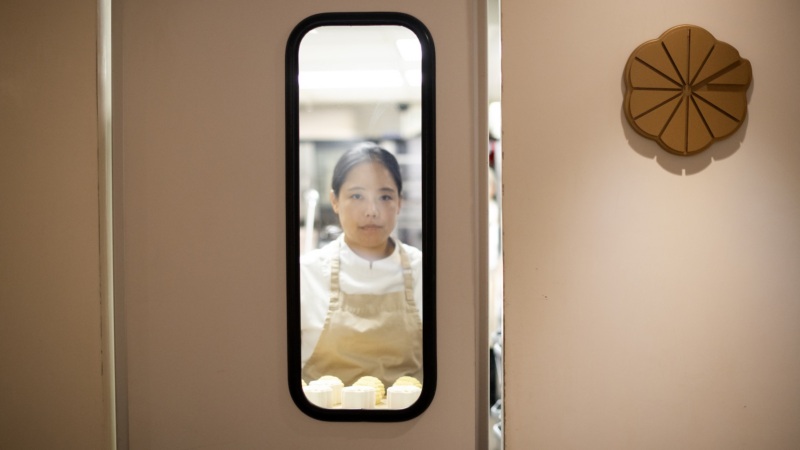
In 2025, Filipino food is becoming much more well known and beloved across the United States. Many of us have bitten into a crunchy lumpia, tucked into a fortifying bowl of chicken adobo, or indulged in halo-halo. But chef and owner of Binondo, Augelyn Francisco, wanted to showcase a more specific style of cooking found in the Philippines.
Her restaurant, Binondo by Kabisera, named after Manila’s historic Chinatown (considered by many as the world’s first), is an homage to a unique culinary expression: food that Chinese immigrants to the Philippines cooked for each other and eventually for Filipinos and those of mixed heritage in their shared homeland.
We spoke with Francisco to find out everything you need to know about Binondo by Kabisera, from its Chinatown location to the must-order dishes on its menu.
The Resy Rundown
Binondo by Kabisera
-
Why We Like It
Binondo highlights the unique culinary expression that resulted from Chinese immigration to the Philippines, but executive chef Elvis Robles cooks beyond those limits. You’ll find pancit and lumpia, but also morcón, a braised beef roulade stuffed with hard boiled eggs and pickles. -
Essential Dishes
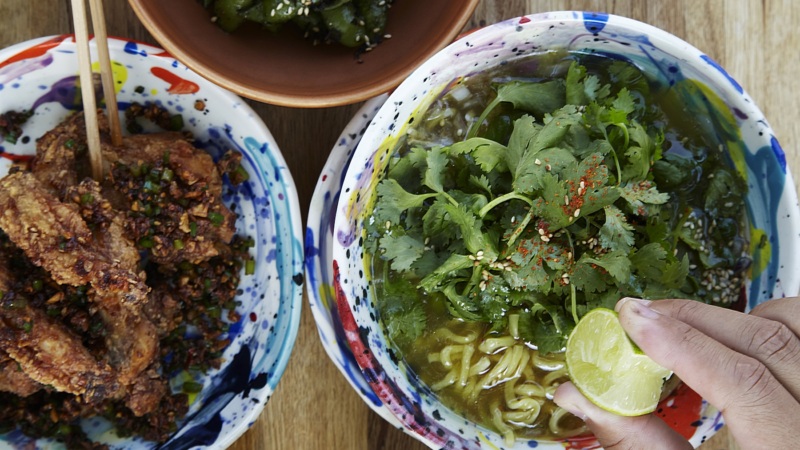
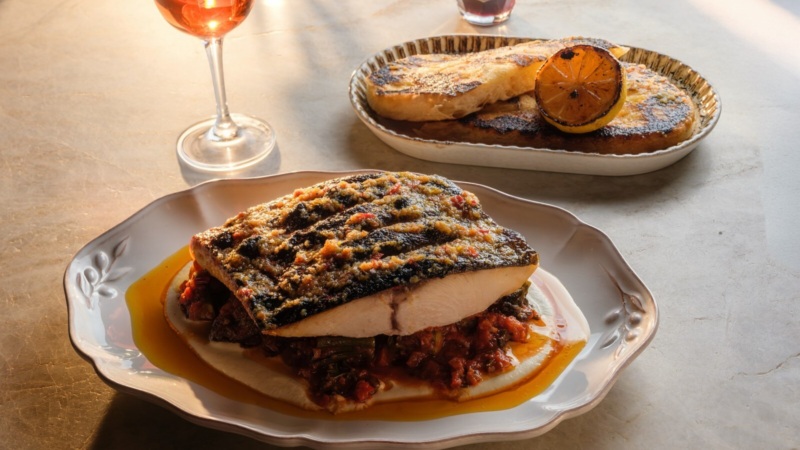
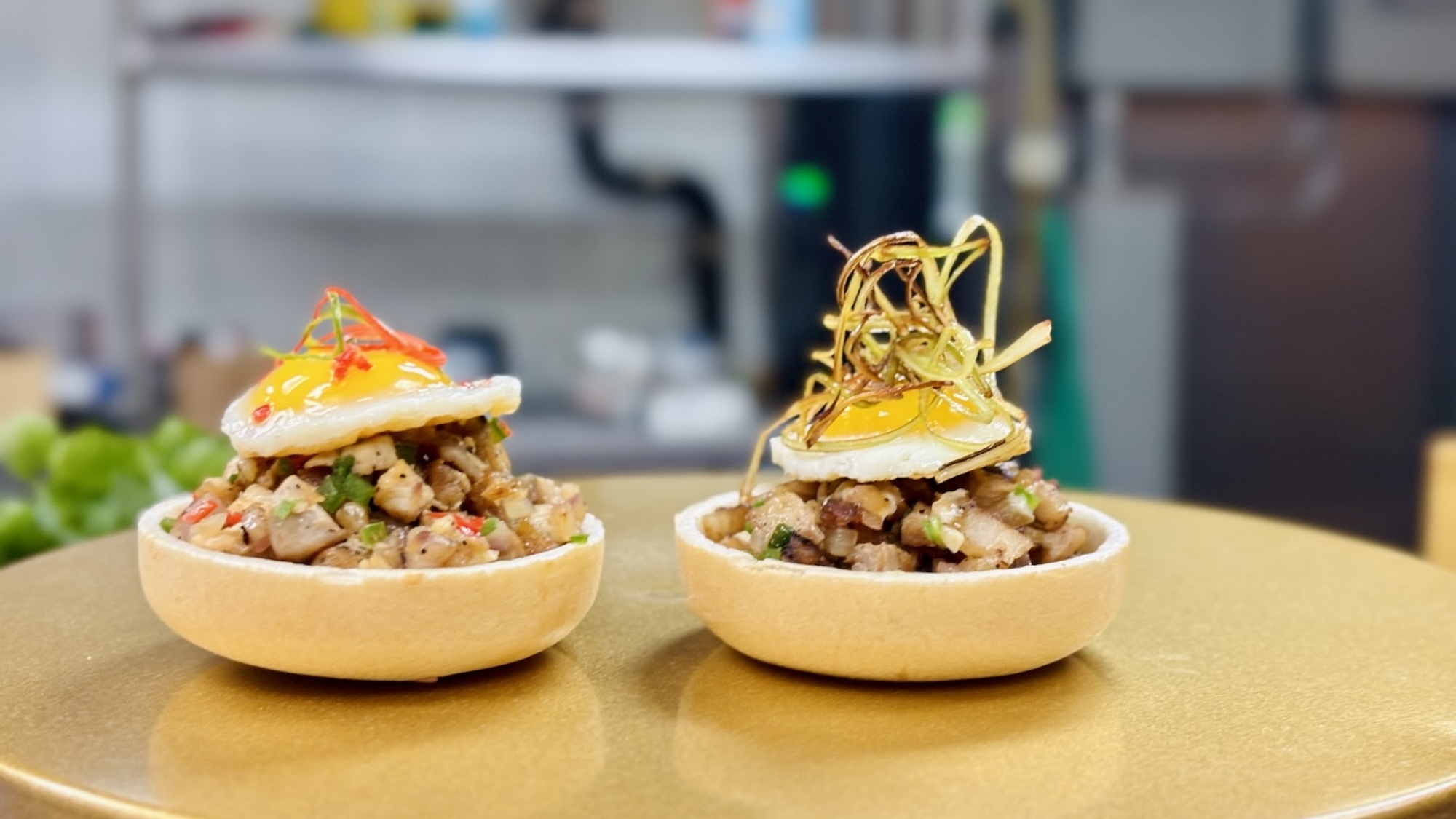
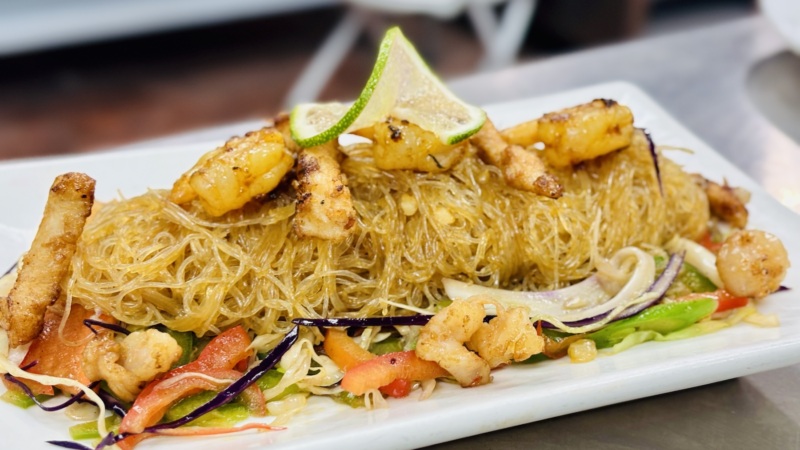
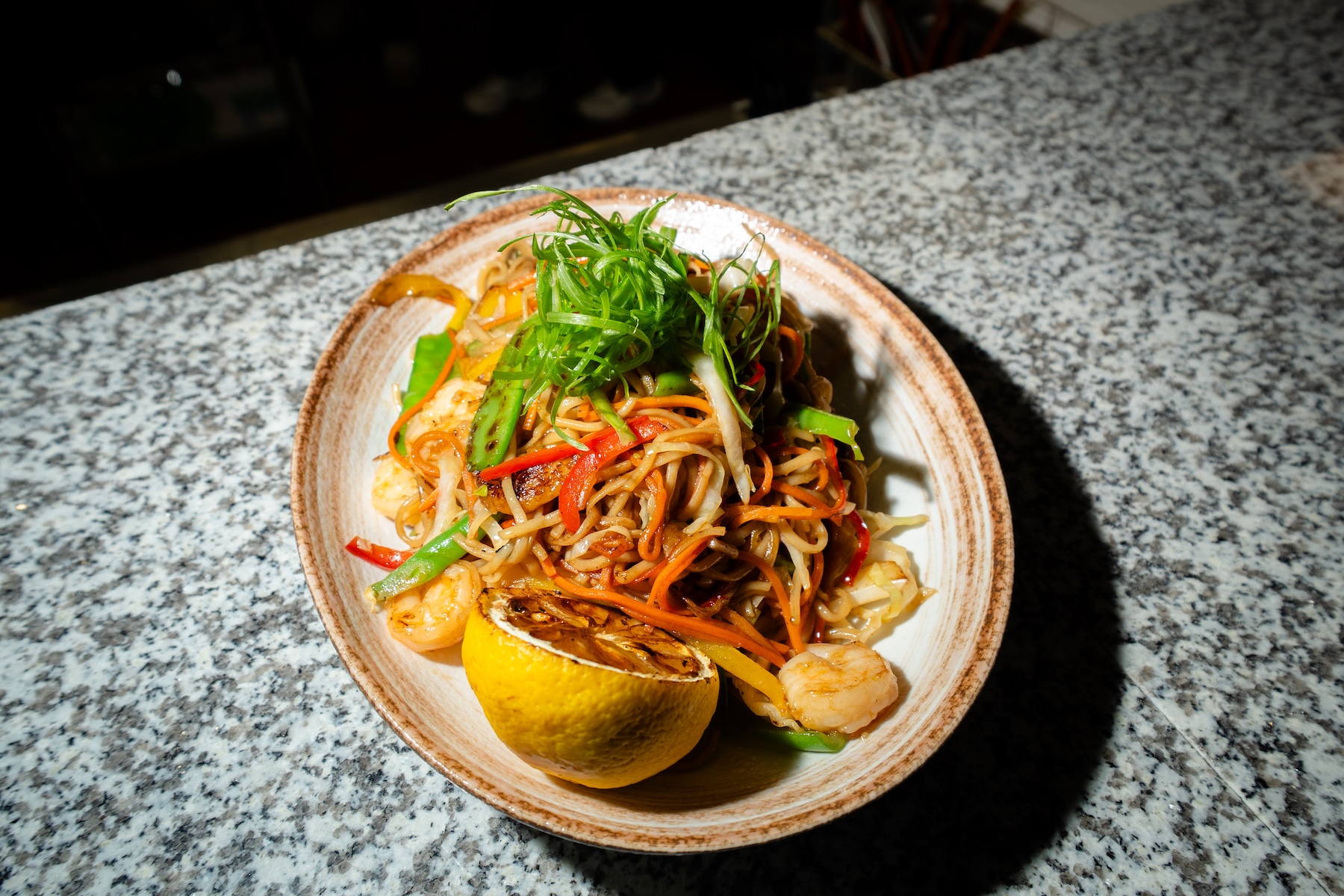
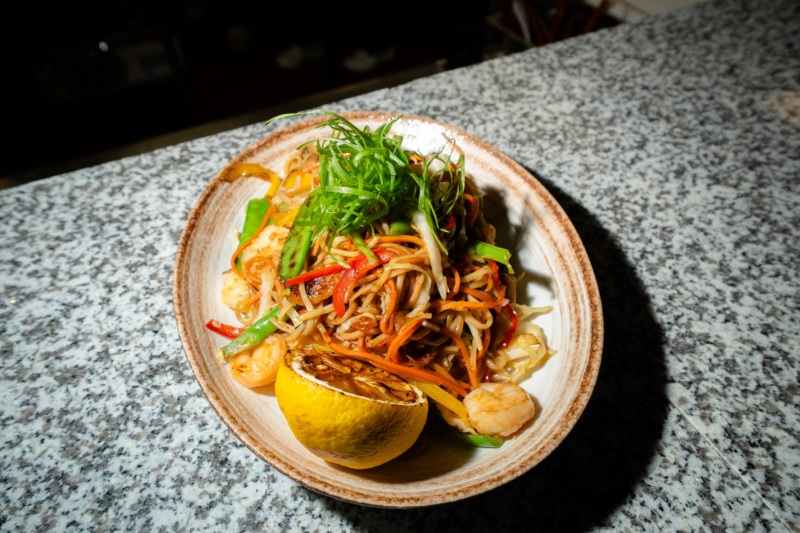
Sisig, paksiw sa gata (fish cooked in coconut milk), and any of the noodles, which include different takes on pancit. If you have a sweet tooth, try the turon, a fried spring roll stuffed with bananas. -
Must-Order Drinks
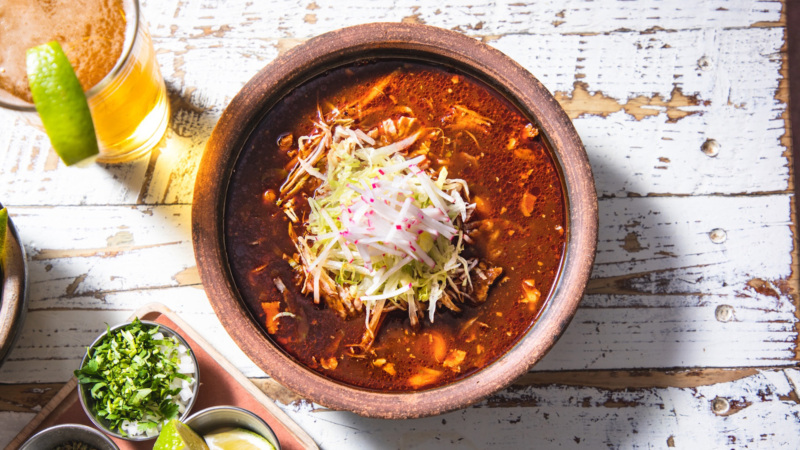
Try the non-alcoholic sago’t gulaman, a sweet drink with vanilla syrup, boba, and chunks of grass jelly. It’s a beloved street food order in the Philippines, but at Binondo, they add caramel syrup. At the moment, there’s only a soft-liquor license, so expect wine, beer, and cocktails featuring sake and soju.
-
Who and What It’s For
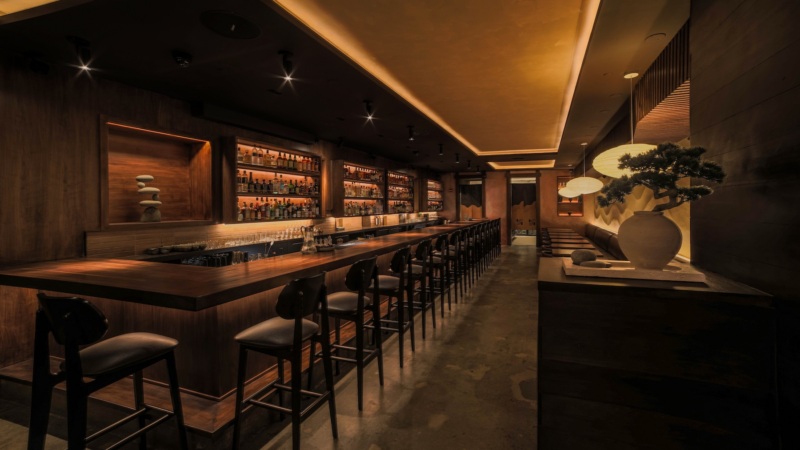
Binondo is meant to be a celebratory (but casual) dining destination, like a Filipino party. Bring family and friends, and work your way through the sizable menu. -
How to Get In
Reservations are on Resy, but walk-ins are welcome. -
Fun Fact
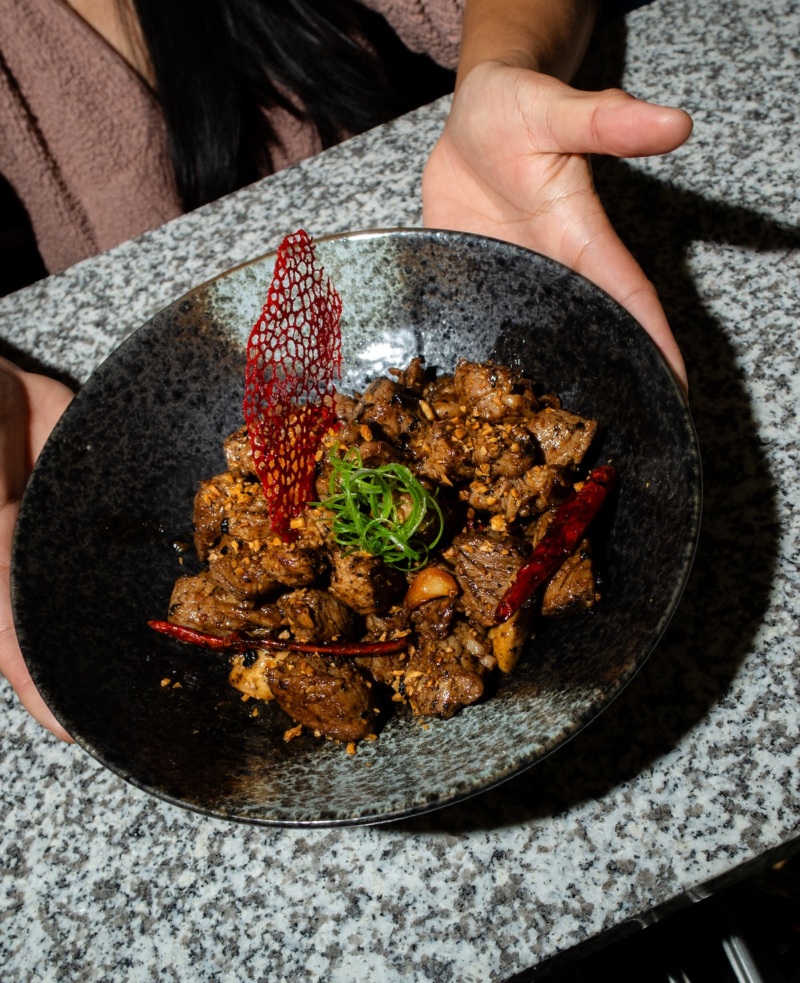
There’s beef salpicao on the menu, which has no real relationship to the Chinese community in the Philippines. According to Francisco, many of the Chinese people she knows who have visited the Philippines often rave about trying the dish there. So, as an homage to them, it’s now served at Binondo by Kabisera.
1. From nurse to stay-at-home mom to restaurateur.
Augelyn Francisco didn’t initially plan to be a chef or restaurateur. Like many Filipinos in the United States, Francisco, who hails from the mountainous region of Nueva Ecija and moved to New York in 2013, was a nurse for many years.
“I didn’t find myself in the culinary field until we started a coffee shop in the Lower East Side in 2017,” she says, adding that she went into the industry as a hobby when her son started going to school full time. “My husband and I really love coffee. We used to go around the city looking for great coffee”
So they launched Kabisera Cafe, a three-table joint on Allen Street, which turned into a larger concept called Kabisera, where Francisco served snacks, desserts, and locally roasted coffee. Success eventually allowed the couple to expand the concept to Canal Street Market and Gotham West. As the business continued to grow, Francisco started taking courses at the Institute of Culinary Education and began working with and learning from local chefs like the late, great King Phojanakong of Kuma Inn, whom she considers both a mentor and inspiration for pioneering Filipino food in New York.
“Whenever he used to have events, I would try to tag along to try and learn as much as I can,” she recalls.
Then the opportunity to open a full-service dining room crept up on her when both Canal Street Market and Gotham West announced their respective closures. “I thought, maybe these were the signs to finally open a restaurant.”
2. It serves Tsinoy food — or whatever you want to call it.
Francisco said she found what would later become Binondo by Kabisera while driving around East Broadway, and it was this specific Chinatown location that informed their new concept. Kabisera in Canal featured more Japanese influences, while Kabisera West was more specifically Filipino. “But because we are now in Chinatown, we wanted something relatable to Chinese food, too,” she adds. And thankfully, there’s an entire history of Chinese food in the Philippine culinary canon. After all, Chinese immigrants have been living in the Philippines since the 16th century, and many Filipinos today are of Chinese heritage.
“We want to bring awareness to the idea that Tsinoy cuisine — or Chinese Filipino food or Chi-Fil food or whatever you want to call it — is actually a marriage of two cultures,” Francisco explains. “This is the food that Chinese immigrants were cooking in their new land.”

3. Just don’t call it fusion.
In partnership with Elvis Robles, who serves as the executive chef, Francisco is adamant that the food they’re serving “is not fusion.”
“It’s an original cuisine brought on by migration,” she says. And with a bit of a history lesson, she adds that for as long as the Chinese have been in the Philippines, they’ve been cooking in their own style using the local ingredients. Many examples of this cuisine are quite obvious, like fried rice and pancit. But unless you know the history behind them, some of the dishes Francisco and Robles are serving have become so embedded in Filipino cuisine that it might be easy to overlook their origins.
For instance, pork humba, a sweet-and-savory dish of vinegar-braised pork with beans and oyster sauce, is popular in the southern regions of the Philippines. It’s considered a staple of Visayan cooking, but its origins can be traced to the dish hong-bah, most likely introduced to the area by Hokkien traders.
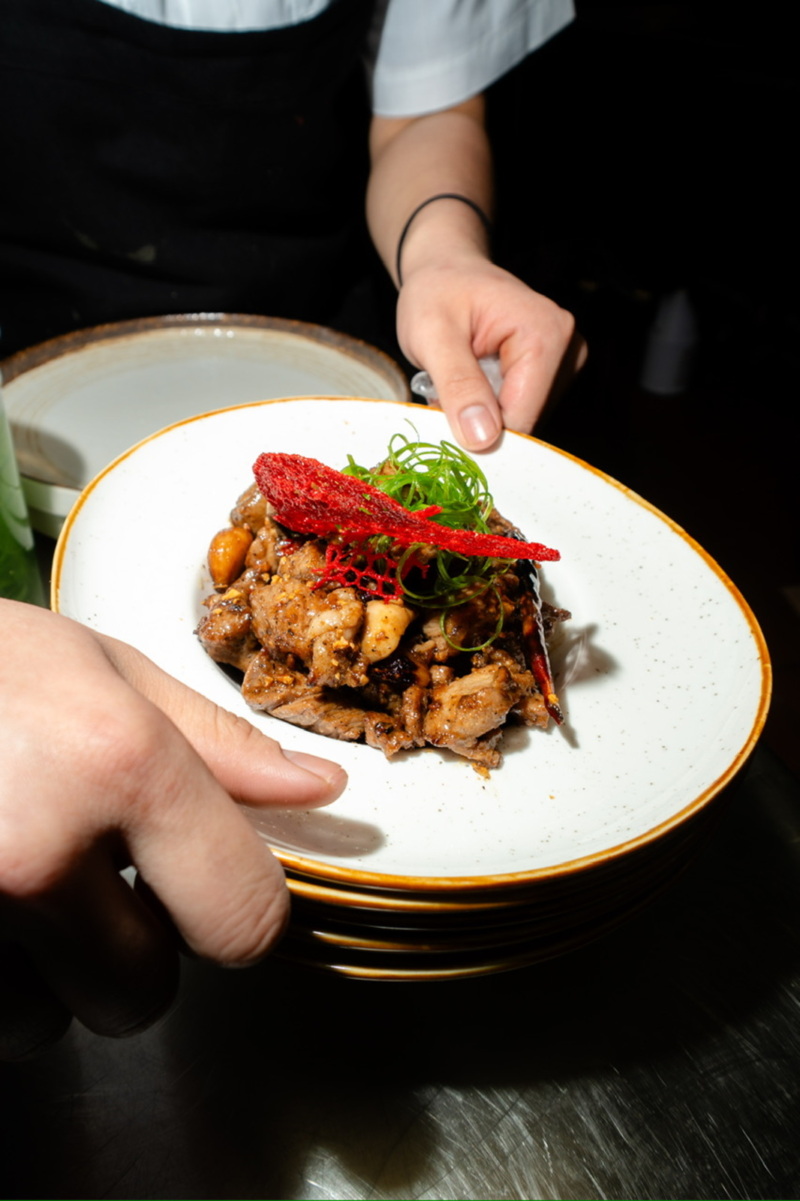
While the focus of the restaurant is Chinese Filipino culinary tradition, Binondo by Kabisera’s menu is vast, and therefore also includes dishes outside this influence. Classic Filipino favorites like sisig and kare-kare are in there; so is morcón, a type of Filipino beef roulade, which has a Spanish connection.
4. It’s more familiar than you think.
“Most Americans already know Chinese food,” Francisco says. “So a lot of what they’ll find here — even if we call it something a bit different — is recognizable.”
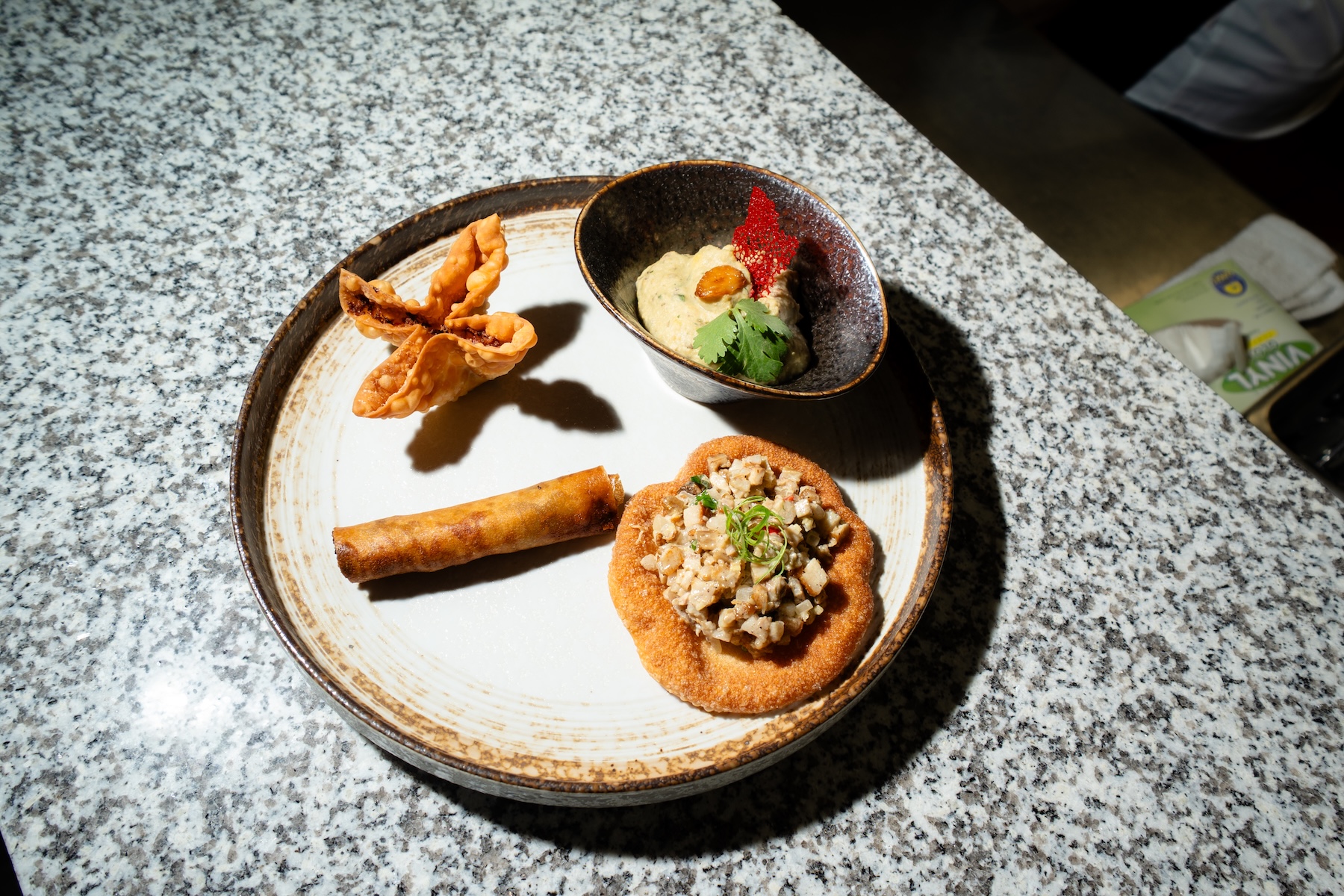
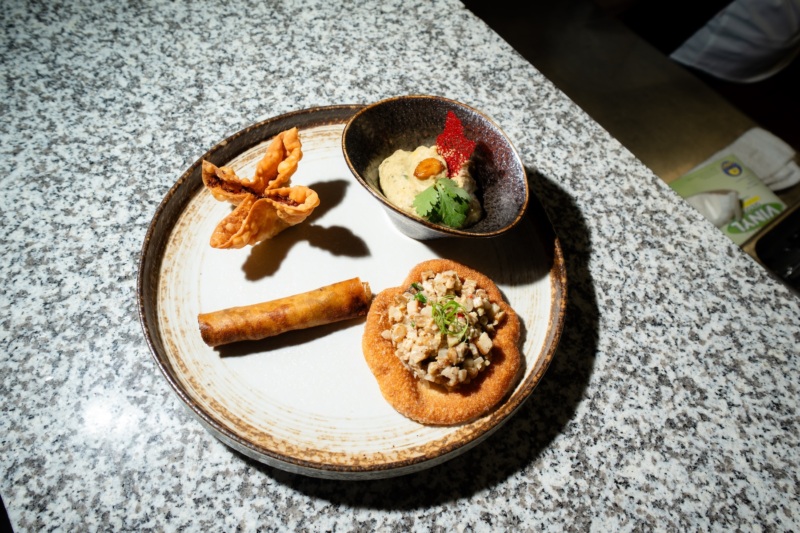
Indeed, the menu at Binondo by Kabisera is full of dishes that won’t look out of place at a Chinese restaurant. Lumpiang Shanghai are meat-stuffed deep-fried spring rolls (the Chinese version is often vegetarian). Shumai here may be filled with a different combination of ingredients, but look very similar to what you’d find in a dim sum parlor. (The Tsinoy version’s dipping sauce is usually calamansi-based, too.) Pancit is a twin of any stir-fried Asian noodle you can think of, and if you want to get even closer to Chinese cooking, there’s bok choy sautéed with oyster sauce.
5. Geography lessons abound in cocktail format.
The beverage menu here features cocktails named after streets you might find all over Manila, and more specifically the neighborhood of Binondo, like Ongpin — one of its most important thoroughfares. This drink mixes sake with pineapple and coconut juice and is crowned with an ube foam. Manila Sunset’s ingredients (strawberry puree, orange juice, soju, and soda water) deliver the colors of the sky over the Philippine capital during sundown.
Binondo by Kabisera is open Wednesdays through Saturdays from 11 a.m. to 10:30 p.m.
Chadner Navarro is a journalist from Jersey City, N.J. Follow him on Instagram. Follow Resy, too.