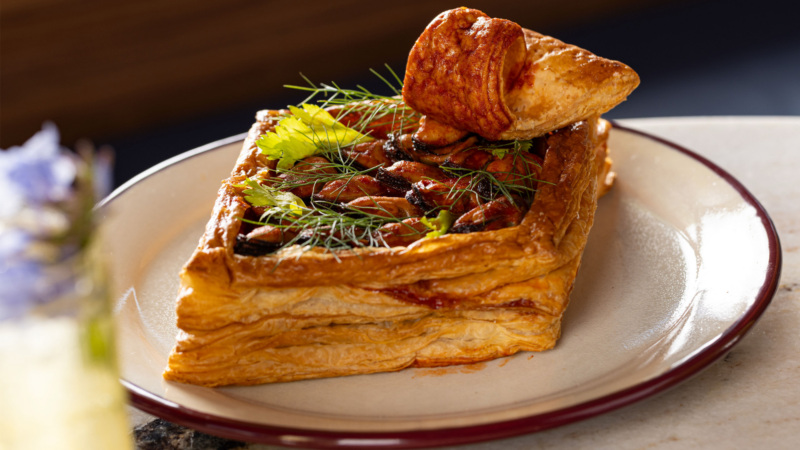
Scopa Italian Roots
Venice
Published:
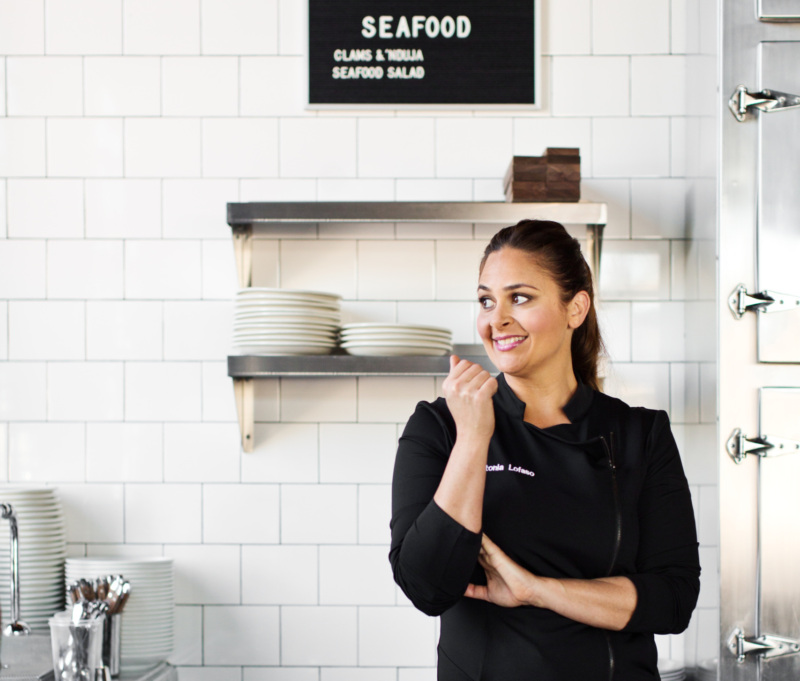
Antonia Lofaso is the executive chef and restaurateur of three restaurants around Los Angeles — Scopa Italian Roots in Venice, Dama in Downtown L.A. and Black Market in Studio City. Her Italian American restaurant, Scopa, with almost 200 seats, opened more than a decade ago and has been a hit pretty much from the get-go. Despite all the passing trends, Scopa, and Lofaso’s vision for it, have stayed consistent.
Lofaso grew up in Long Island until she was 11 then moved to Los Angeles with her parents. As a teenager, she worked at Hot Dog On A Stick at the Sherman Oaks Galleria. After studying at the French Culinary Institute in Manhattan, she worked for Wolfgang Puck at Spago for more than a decade. But what really launched her career was competing on season four of Top Chef, where she came in fourth place.
Her no-nonsense, tell-it-like-it-is approach combined with her culinary creativity and her business sense has helped her succeed in a tough industry facing one of its toughest times. If there’s one thing she doesn’t do, it’s hold back. We sat down for a wide-ranging conversation about restaurant longevity, crafting a crowd-pleasing menu, and what’s next.
Resy: Scopa has been open since 2014, over a decade, now. In restaurant years, and specifically Los Angeles restaurant years, it’s like having a…
Antonia Lofaso: Yeah, it’s like having a dog that’s 105.
What have you done to make Scopa last for more than a decade when so many other restaurants have come and gone?
Here’s the thing with the restaurant industry, right? There needs to be the concept, the creativity of the menu, the service, the bar, and the build-out of the restaurant, and that needs to make sense economically. I always like to say, a very successful restaurant is the marriage of someone who’s really paying attention to the finances and someone who’s really paying attention to the creativity and preserving the concept to its utmost. Those two worlds really need to match.
I worked with Joe Bastianich for many years. He used to have a great saying: “If you’re not making money in the restaurant industry, you just have a very expensive hobby.” That starts from the build-out. [At] Scopa, we really paid attention to how much money we spent on our build-out. We also paid attention to how much money we were able to pay in rent. That really dictates our price point.
So as you start to build a menu, you start to try to build around the concept. And the concept at Scopa is American Italian food. You try to have a mix of things that cost less but people order all the time and things that are more expensive. That’s really how you build the crux of a business.
On top of the math and science and creativity behind the building of a restaurant, you then go into building a team that has a strong culture — a team that wants to be there and work hard. You have to give people all the tools that they need in order to succeed in that kind of a way.
Once you have those things in order, once you have people who are excited to work for you, then there’s consistency with service, there’s consistency with food, and you’re able to weather a storm like COVID or any of the other things that we’ve seen. Because when people choose to eat out, which is a lot less these days, unfortunately, they’re choosing you.
Do you make a hard distinction between Italian cuisine and Italian American cuisine?
I don’t make a hard distinction about anything in cooking. I think when someone says, “I’ll never put cheese on a pasta with fish,” I’m like, you have too many rules in your life. I don’t make a hard distinction in anything. Cooking is fluid. Cooking is for everyone. Anyone can cook anything, as far as I’m concerned, as long as you do it well and as long as you care about it.
The name of your restaurant is Scopa Italian Roots. Tell me about the “Italian Roots” part of the name. Why put that in? How is that reflected in the menu?
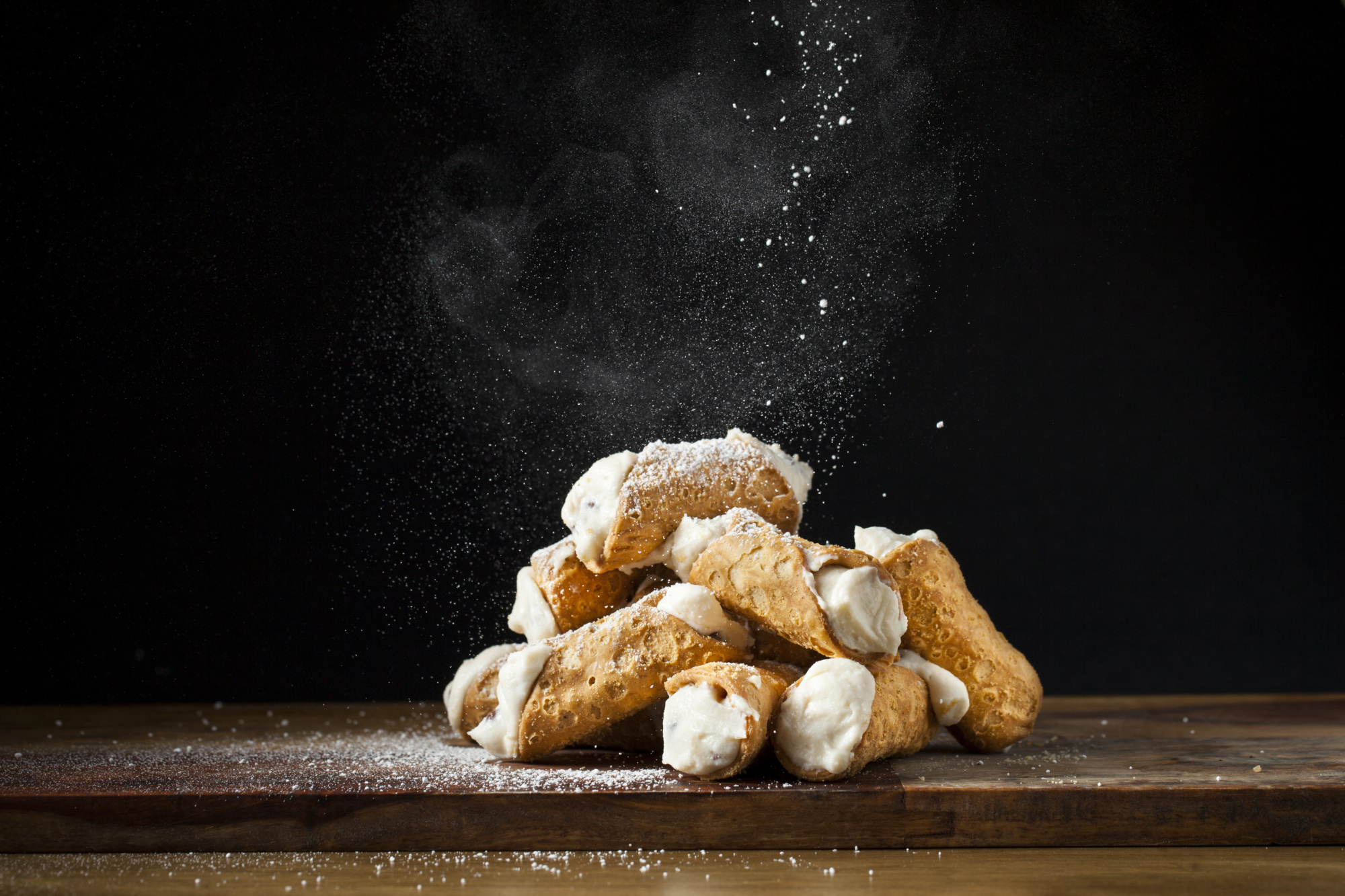
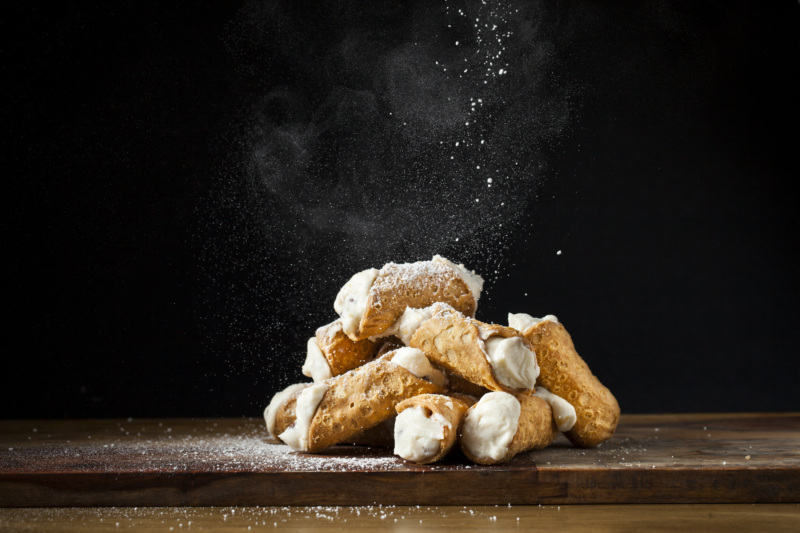
Scopa means a couple different things. Scopa is an Italian card game. It’s this idea of your uncles and aunts sitting around, drinking an espresso, eating cannoli, and playing a game of scopa. That’s the vibe that we really wanted to instill in the restaurant, somewhere that people felt comfortable to sit and have their favorite Italian American specialties.
The reason we say “Italian Roots” is very specific. There’s a lot of regional Italian cooking. When you look at what Evan Funke does at Felix or Mother Wolf or what Nancy Silverton does at Mozza, they’re [offering] very specific regional Italian cooking, whether it’s Roman or from Bologna or from the Amalfi Coast or Naples.
Scopa is a reflection of American Italian, which is not necessarily off-the-boat Italian. If you look at the classic chicken parm or a rigatoni à la vodka, you’re not finding that in Italy. There’s no chicken parm out there. There are versions of it, but a lot of these dishes came from Staten Island, from Brooklyn, from Long Island. They came from a mish-mosh of Sicilian men marrying women from Naples. That’s essentially my mom and dad.
My mother’s family is from Naples. My father’s family is from Calabria. You want to have a conversation with them about eggplant parm? They get into a horrid fight. Should it be breaded? Should it be unbreaded? Are there peas used in a ragu for a rice ball? Is it a rice ball or is it arancini? So when we say “Italian Roots,” it means our roots are in Italy. My grandparents, my great-grandparents, are from Italy, but I was born in the United States.
You have three restaurants in three different neighborhoods. How did you make Scopa work for its particular neighborhood?
I own property in Venice, so I understand the neighborhood as a community member. For me, it’s really understanding the neighborhood and knowing the community and what’s going to fit.
As far as I’m concerned, you can put Scopa anywhere. Everyone wants chicken parm, everyone wants fried calamari. As Italians, we always make a joke — you either are Italian or you wish you were Italian. I just think Italian food is always a win. It’s always so heartfelt, it’s always so delicious, and it’s something that you want to eat seven days a week.
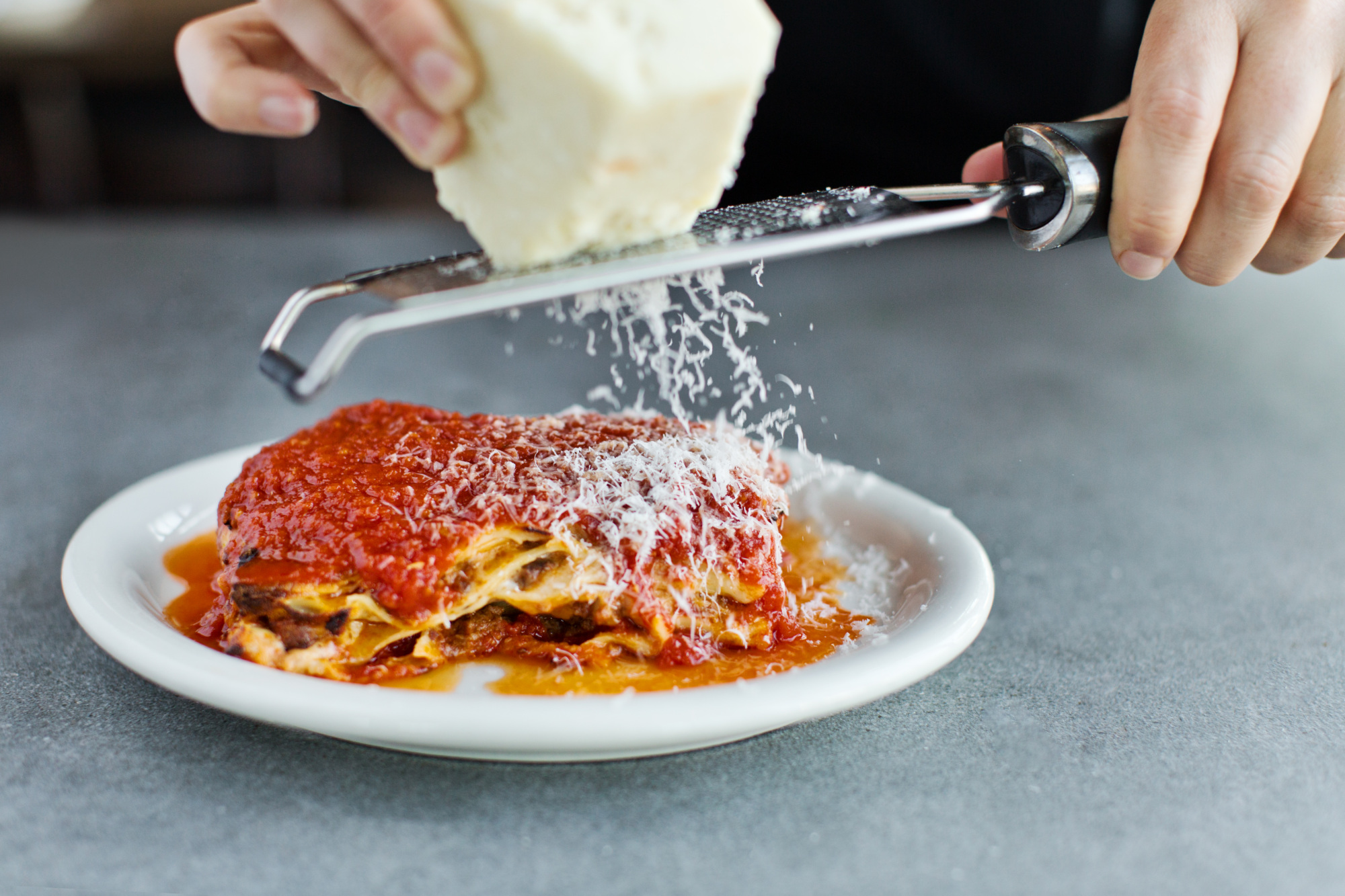
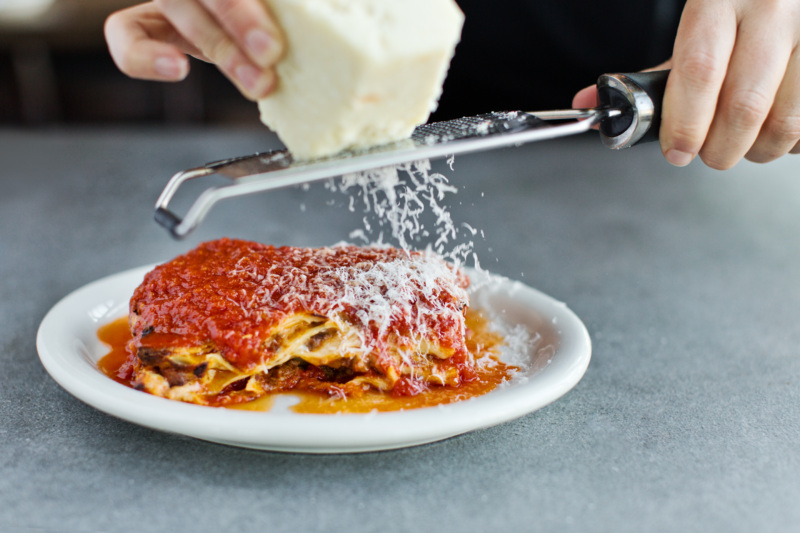
You don’t want to cook for your family on Monday night? Lasagna is good. You want to go out and celebrate with a glass of Barolo on Friday night? Lasagna is good. To me, Scopa is one of those places that’s universal. You can drop it in the middle of anywhere and people are going to like it.
How would you describe the vibe of Scopa?
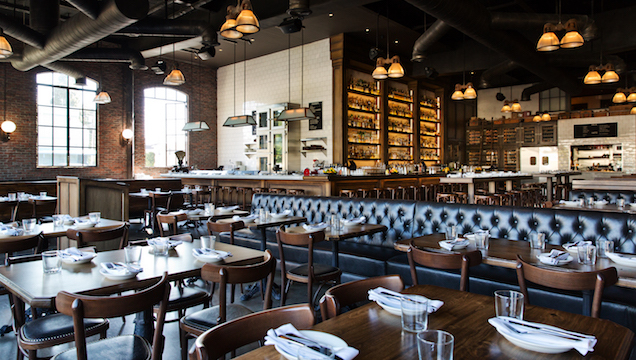
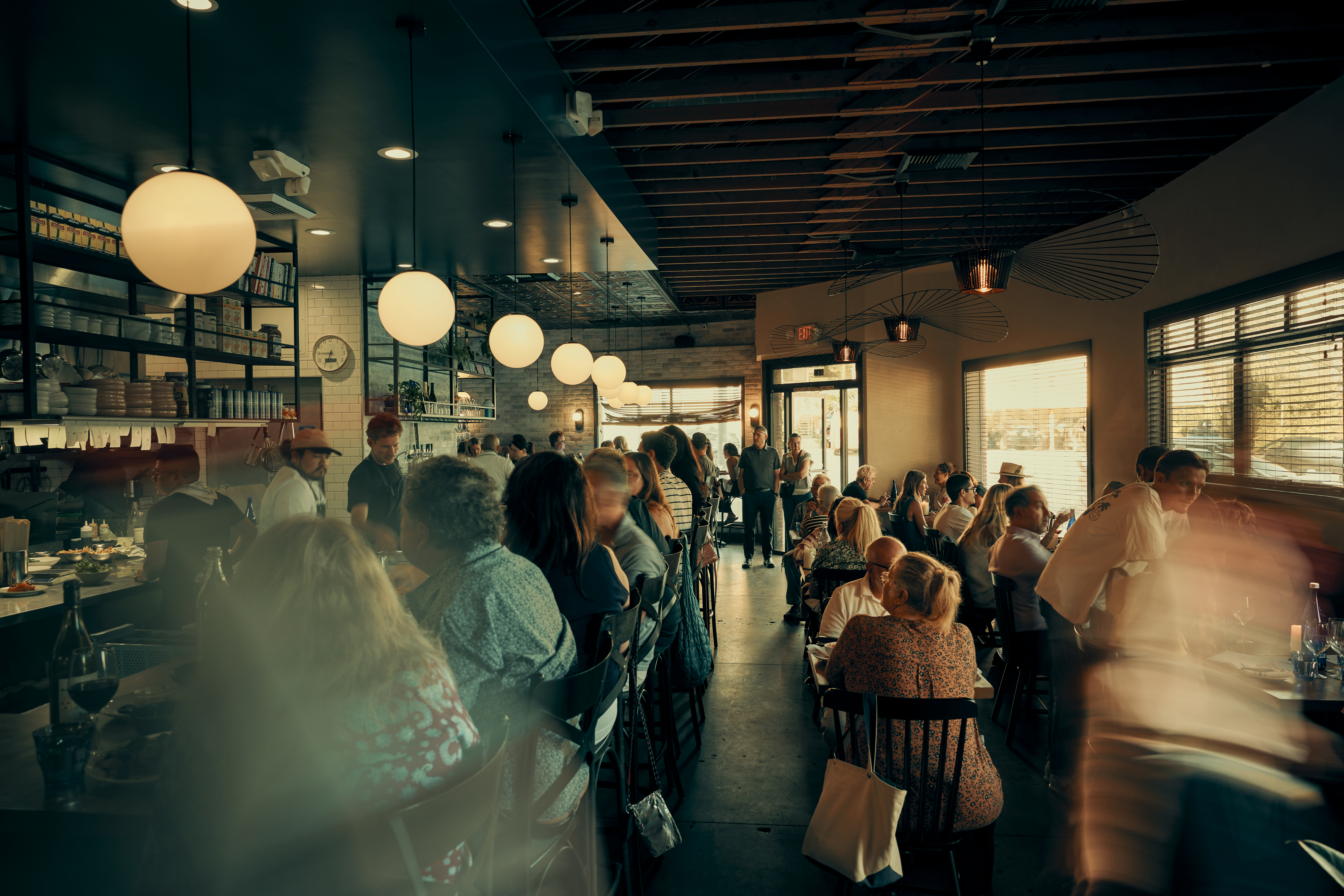
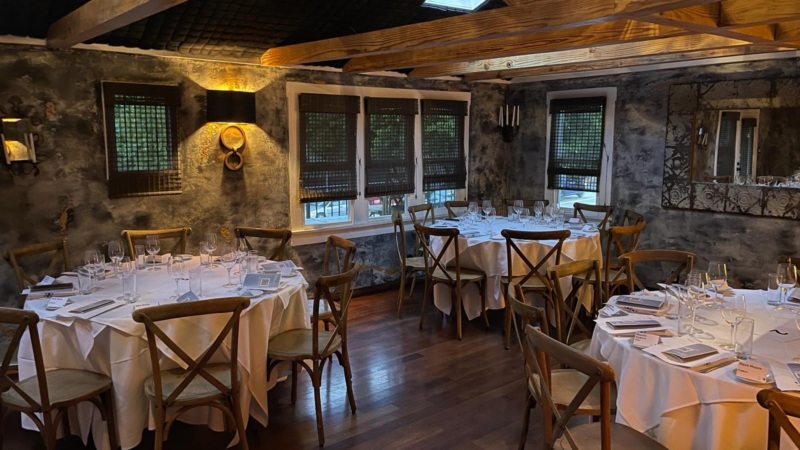
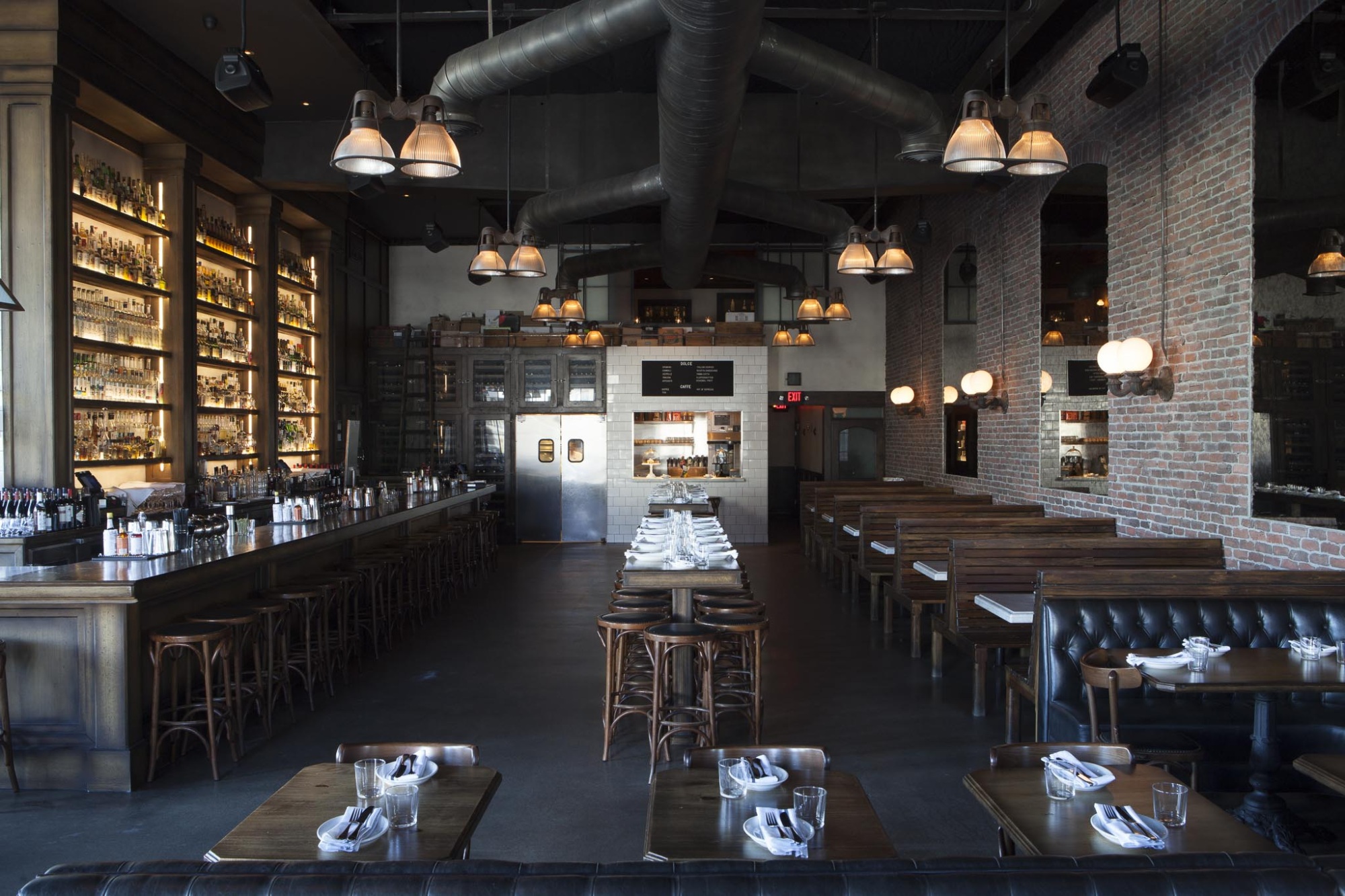
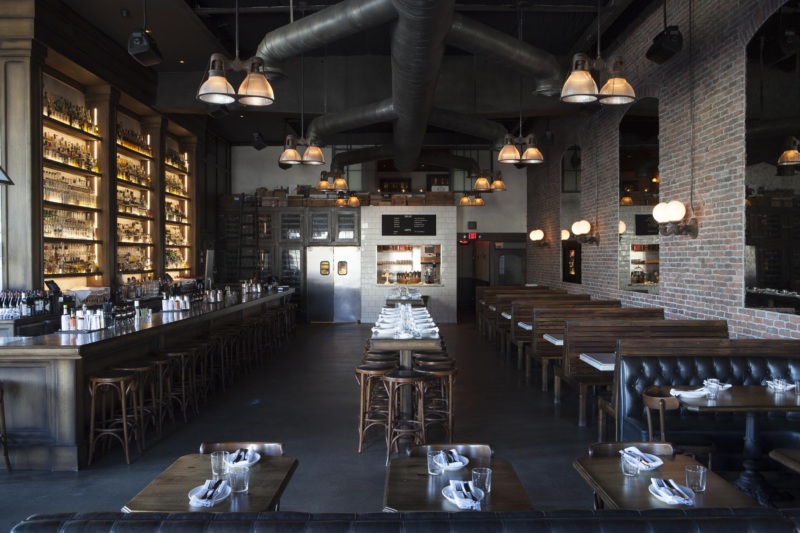
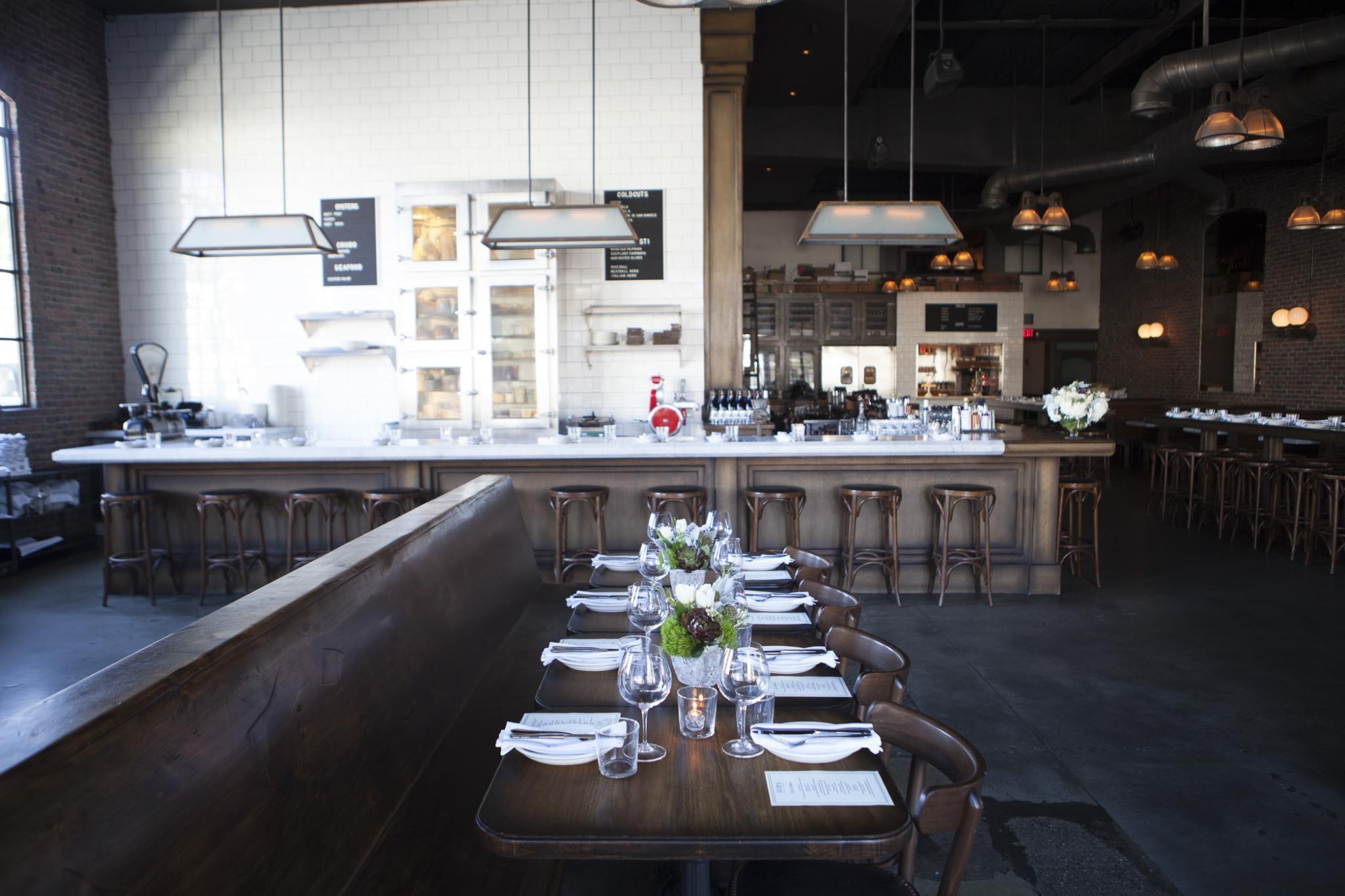
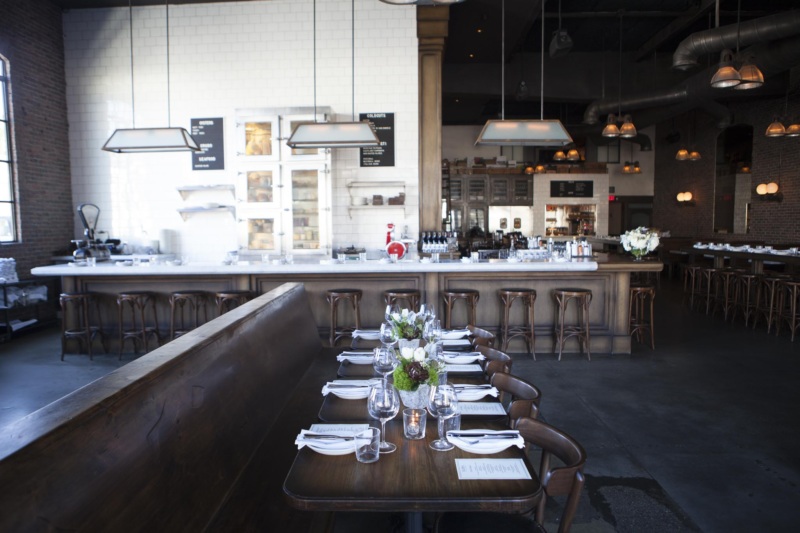
My business partners and I are from the East Coast, so Scopa has that deep New York vibe. Leather banquettes, cement floor, exposed brick, very industrial. The tables have that old beveled wood. You would look at it and think, this table reminds me of a table my grandfather had in his basement with the leather chairs that have brushed brass pins that hold the leather down. It feels like The Sopranos.
How much has the menu changed over the past decade?
This will be 12 years and I have not changed much. The Scopa menu has 52 items. We have space for the classics as well as a rotating seasonal change on a lot of dishes. The staples on the menus will never go anywhere.
When I’ve tried to move or change things or I’ve had a fryer go down and had to take something off the menu, I’ve literally heard screeching come from the dining room. I had a server tell a guest that we had no rice balls on the menu that night and, I’m not kidding you, I heard someone scream. I ran out of the kitchen thinking something had happened. Then, of course, I laughed about it and I explained why we, unfortunately, weren’t serving rice balls. They were like, “We can’t, we’re leaving. We’ll come back tomorrow.”
Where I leave the creativity and the seasonality is in a couple different pasta changes. The staple pastas are there all the time — macaroni and meat sauce, rigatoni à la vodka, cavatelli with sausage and broccoli rabe. Then, when zucchini is in season, we do a bucatini with zucchini. The ravioli changes with the season, whether we use peas in the spring or kabocha squash during the winter or corn in the summer. A lot of the desserts will change when there’s stone fruit, when there’s strawberries.
You don’t want to cook for your family on Monday night? Lasagna is good. You want to go out and celebrate with a glass of Barolo on Friday night? Lasagna is good.— Antonia Lofaso
What are the absolute favorites at Scopa, the top three to five dishes?
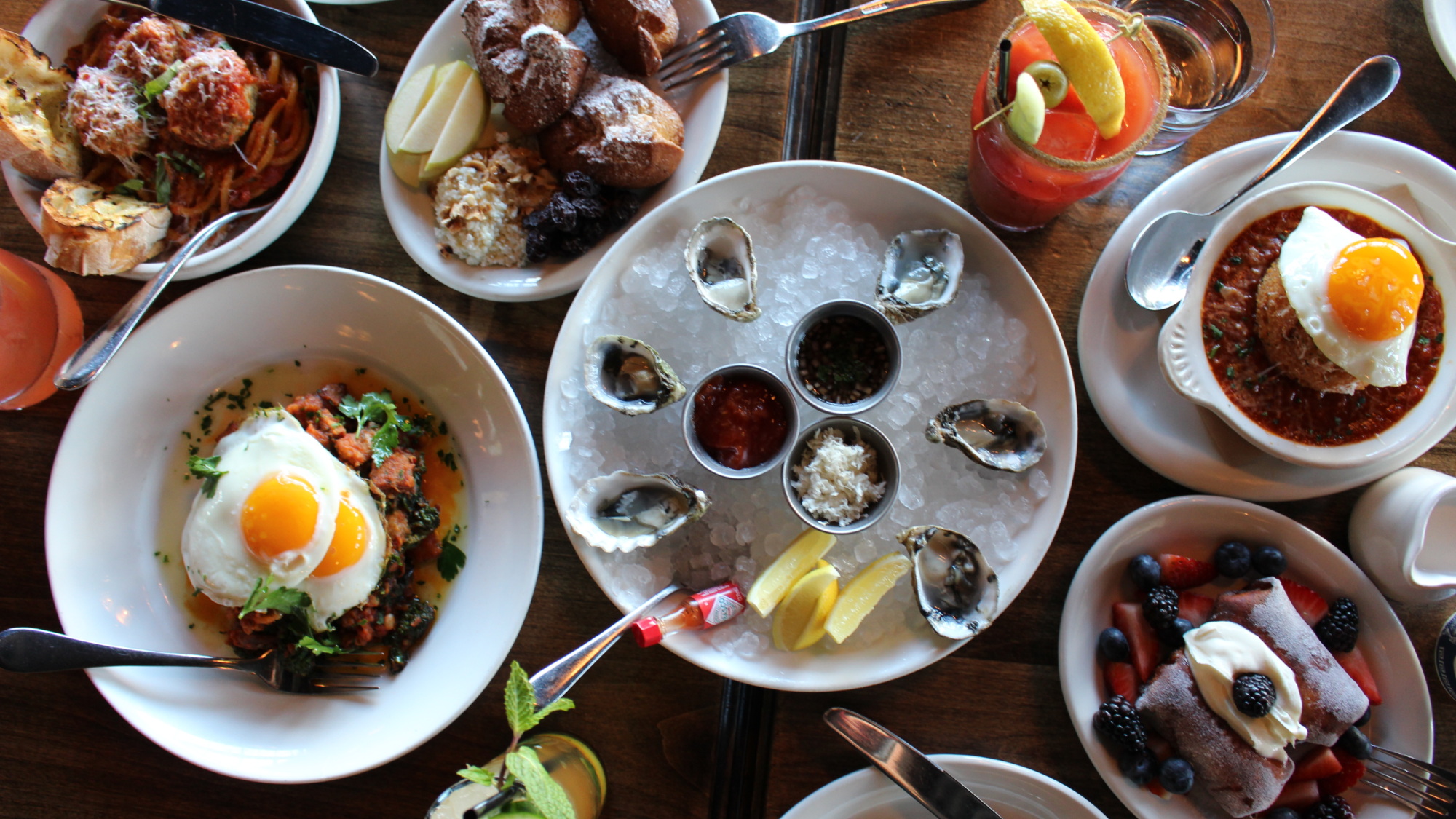
Without question, the ricotta crostini. The restaurant was built on that. It’s a fresh cheese that we make. It’s got a little bit of parsley, chili flake, rosemary, a beautiful Italian finishing oil, sea salt, and it’s served with an overly charred bread that’s been doused in a ton of Italian olive oil and sea salt.
The squid ink calamari, which is essentially a tempura-style batter that has been flavored with squid ink so the calamari is actually black, is very popular. The rigatoni à la vodka is a favorite.
People love the chicken parm and the eggplant parm. The rice ball is a staple. When soft shell crabs are in season, we do a crispy soft shell fra diavolo that people love. Those are the dishes that people can’t live without.
When Scopa opened, was it an immediate hit or did it take time to find its audience?
We were well received from day one. I was a little nervous because Venice is a very particular neighborhood. It’s very community-driven and they love their spots that have been open.
Our restaurant group has not paid for a single dollar in PR. I do some stuff on television, so people are inherently curious but we have a very old school way of business — word of mouth. We’ve built the business in the old fashioned way and people have really embraced it.
How do you go about pleasing an audience organically in an era of PR firms and social media influencers?
The restaurant industry was around before there were PR agents and social media influencers, so for me, that is the answer. We open, people eat, they tell their friends, some more people come and eat. They like it, they tell their friends, more people come in and eat.
We get people who come in from other states and eat here and love it and post about it. We so appreciate that and love it but that is not what sustains businesses. I need someone who’s going to come and eat at Scopa a couple times a week or have Scopa be their place of refuge. Again, that comes from being consistent with our service and our food and making dishes that people like.
I like to say that the restaurants we have built have been for the people. I’m not a chef who has an ideology of “watch this really cool thing that I can do and I hope you like it.” This is like, what are the crowd pleasers that people love? So that when they come in, they feel taken care of, they feel seen, and they get to eat the food that makes them feel happy. That’s it. It’s super simple.
Given the state of the restaurant industry and Los Angeles currently, what do you foresee in the near future for your restaurants and the L.A. restaurant industry as a whole?
All I can say is that since 2020, we have persevered. We have lost a lot of restaurants along the way, which is the most heartbreaking thing to see, but we are doing our best to persevere. That’s all that we can do right now. Keep our costs as lean as possible and try to weather this storm. That’s it because we’re really all in this together. Everyone’s hurting.