With Noury, the Kiko Team Brings a Modern Izakaya to SoHo
Published:
The team behind Kiko — the Hudson Square restaurant that earned two stars from the New York Times and a spot on Esquire’s Best New Restaurants in America list in 2025 — is opening a new project this month. Noury lands in SoHo, in a 39-seat room at 137 Sullivan Street, with something to prove: The izakaya, a classic format in Japanese dining, is ripe for reimagining.
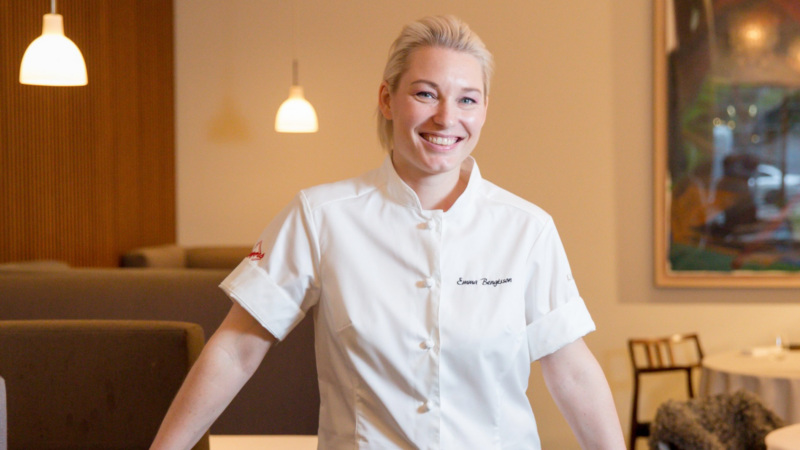
The name sounds like nori, the seaweed that holds a rice roll together. It’s also the name of sommelier and co-owner Lina Goujjane‘s father, a French Moroccan restaurateur who raised a daughter with a Parisian palate and a New Yorker’s sense of place. That kind of double meaning is exactly what Goujjane and her husband and co-owner, Alex Chang, are after.
Here’s what you need to know about Noury before you visit.
The Rundown
Noury
-
Why We Like It
Imagine a Parisian wine bar swapped its reds for sakes and its cheeses for futomaki, and you’d have this SoHo izakaya with a rotating, seasonal menu, backed by a team that already knows how to run a room. -
Essential Dishes
The saba sandwich; steak haché; grilled bluefin tuna belly; and vegetable futomaki. -
Must-Order Drinks
Any of the shochu-based cocktails and whatever’s new on the sake list that week.
-
Who and What It’s For
Curious drinkers who want to go deep on sake and standout wines; anyone who loves Japanese food but doesn’t want to commit to a tasting menu; SoHo regulars looking for a neighborhood spot with heart. Goujjane calls it “a New York modern izakaya.” -
How to Get In
Reservations drop 14 days in advance, but most tables are held for walk-ins. One table for six diners is released per night. -
Fun Fact
Come ready to let Goujjane, a seasoned sommelier, steer you through the sake list.
1. SoHo needs this more than you might think.
SoHo is teeming with global fashion house flagships, luxury boutiques, and corporate retail outlets. What it doesn’t have — or hasn’t had in a while — is an abundance of dining that feels genuinely rooted in a place and a moment.
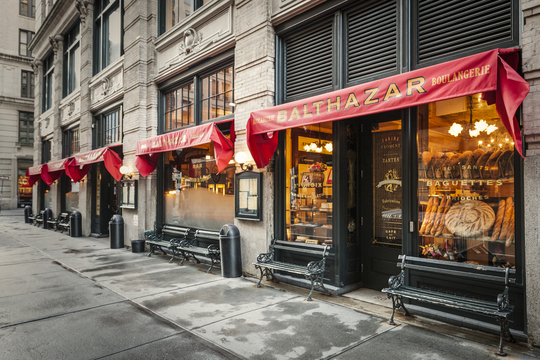
Goujjane grew up in downtown Manhattan, so opening in SoHo isn’t just a real estate decision — it’s a place she’s watched grow and change over the decades. The neighborhood is anchored by some of her old-school favorites: Raoul’s, Blue Ribbon, Balthazar. But when it comes to drinks-driven Japanese dining, there’s real room to do something new.
That something is sake. As a sommelier, Goujjane has long believed it’s one of the most food-friendly pours going — under loved, under ordered, and overdue for a serious showcase in New York. “I love sake,” she says. “I think sake is such a great pairing for food.”
2. The whole team grew up between worlds.
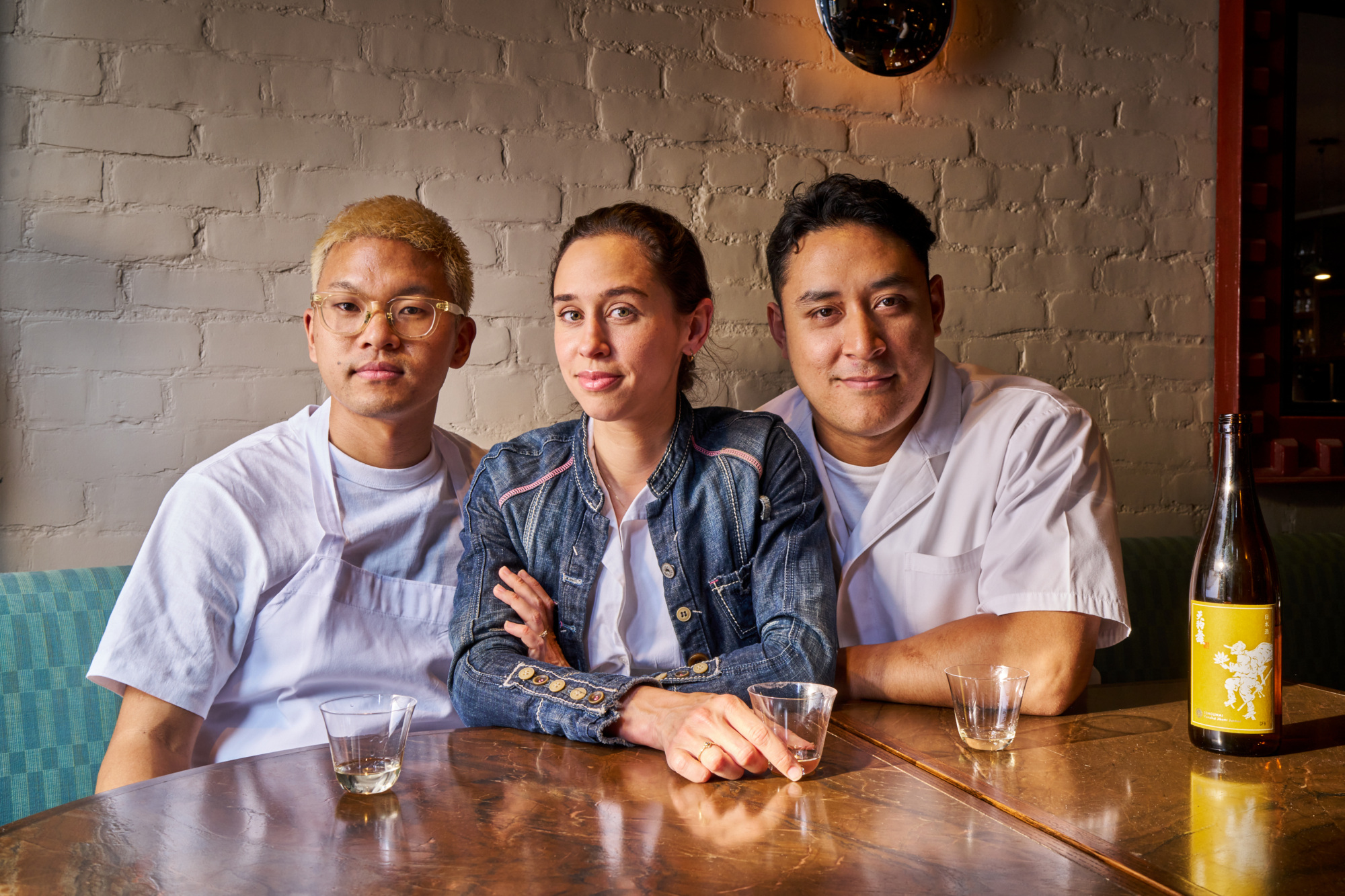
Goujjane was born in Paris to French Moroccan parents and grew up in Manhattan. Chang is half Chinese, half Mexican, and spent formative years visiting his father in Tokyo. Chef de cuisine Joji Miwa is Japanese American and from the Bay Area, and spent three years cooking in Japan. The design firm they chose to oversee Noury, Studio Tre — namely, principals Whitley Esteban and Ernesto Gloria — also share similar multicultural backgrounds.
It’s not an accident that they all work well together.
“We all have, in one way or another, one or two immigrant parents from different cultures,” Goujjane says. “But somehow we’re all American.” That line, she explains, is a thread that has run through Kiko and carries directly into Noury. The question the room and the menu are both trying to answer is: How do you make someone from any cultural background feel at home while staying true to what you’re cooking and serving?
3. The menu leans Japanese, but isn’t defined by it.
Chang and chef de cuisine Joji Miwa built the menu around izakaya logic — small, seasonal, rotating — applied to the best of what’s local. At Noury, fresh fish from just off the Atlantic coast stands in where some Japanese kitchens might reach across the Pacific.
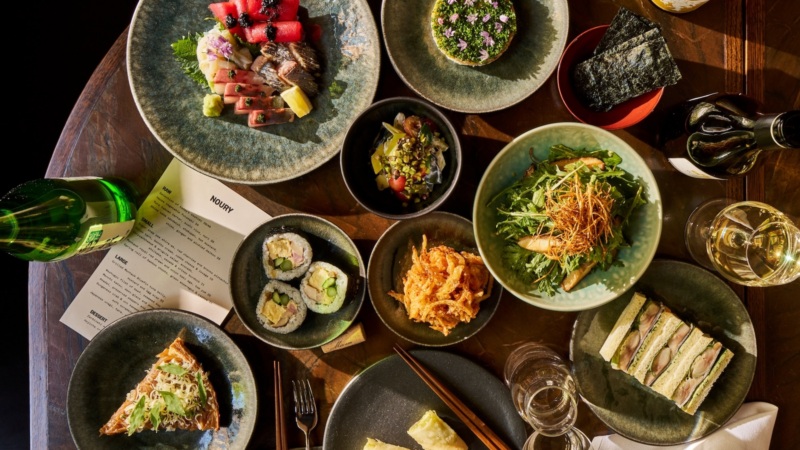
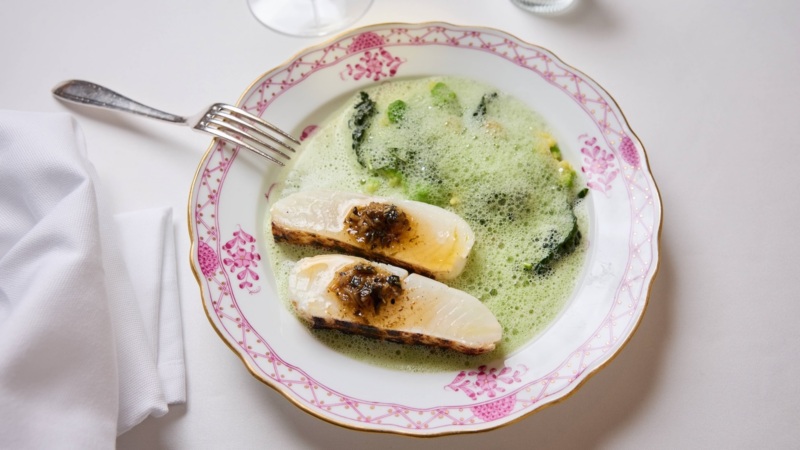
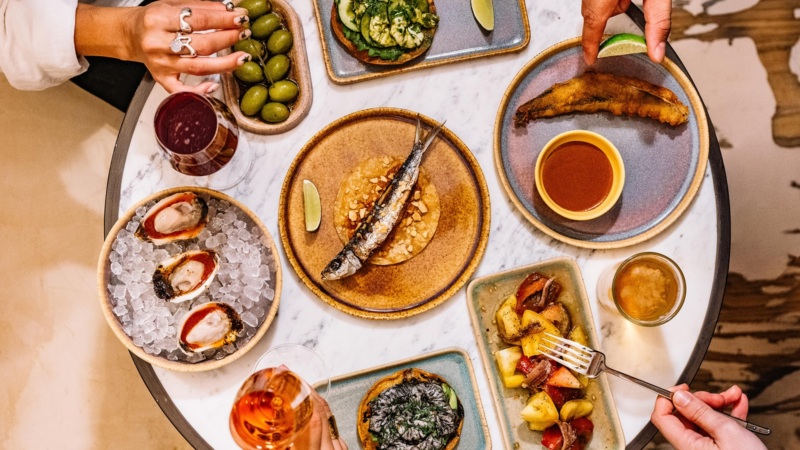
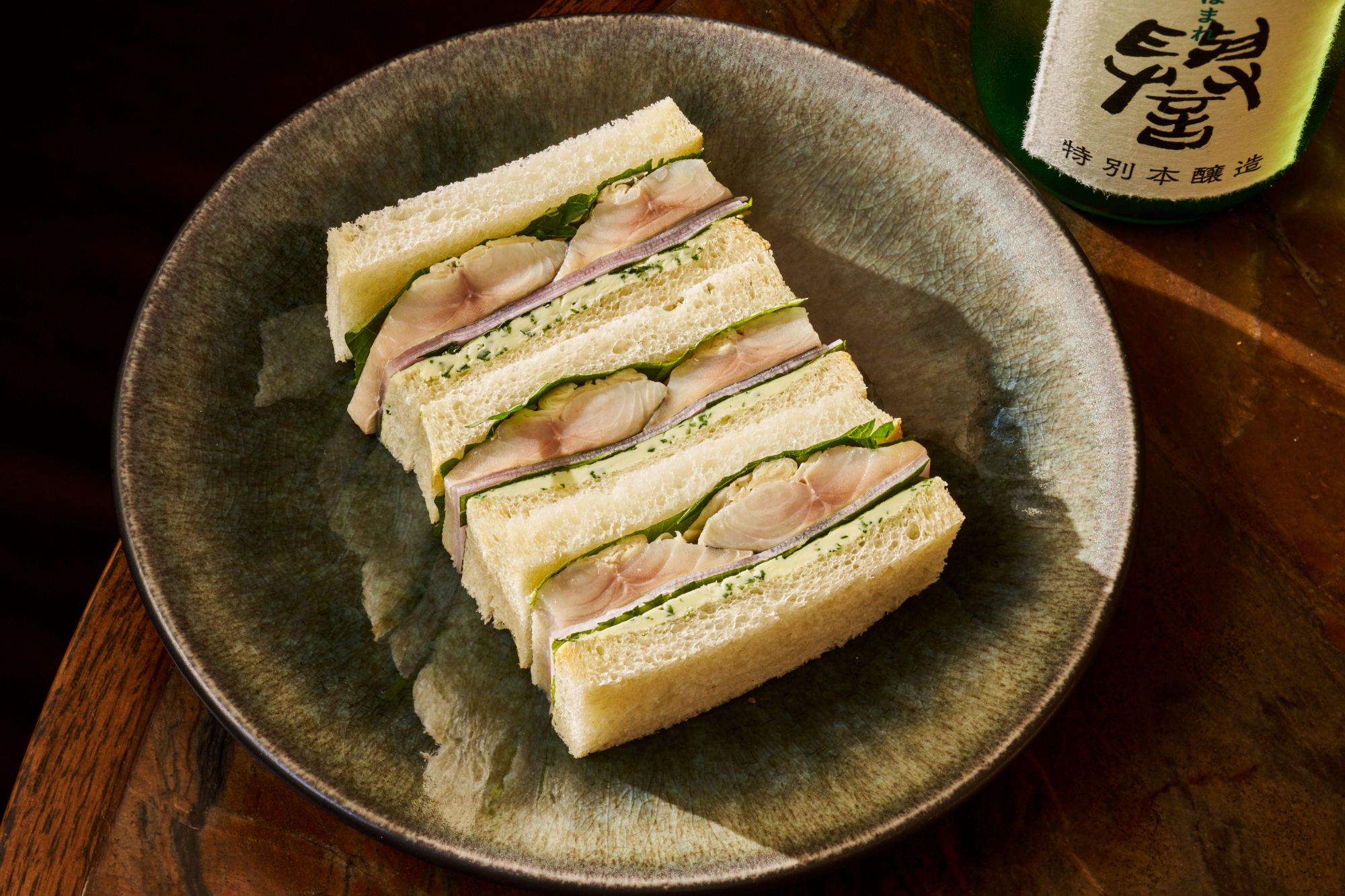
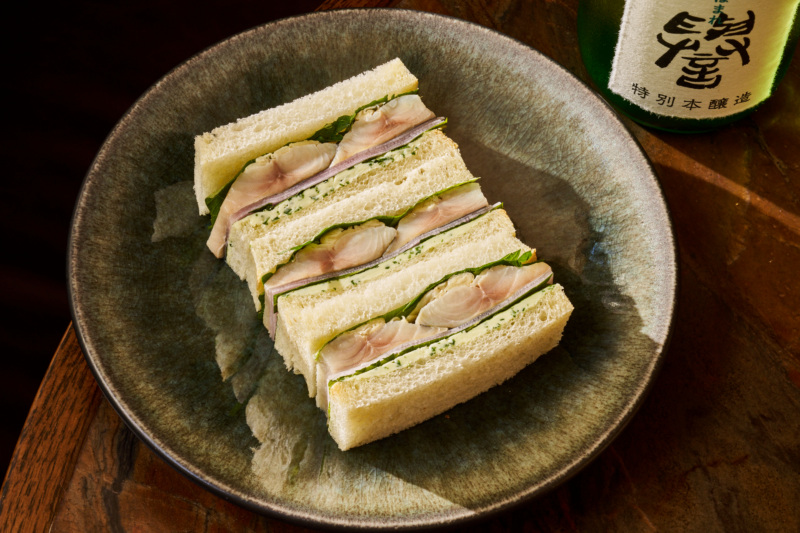
His approach to sourcing reflects that philosophy: “The excess in terms of what Japanese restaurants source from Japan is a little extreme — unless you’re paying $1,000 a person,” Chang says. At Noury, the philosophy is to fuse local ingredients with premium Japanese ones: Boston mackerel is one of Chang’s favorite fishes — hence the saba sandwich, cured in-house and served on Japanese milk bread from Papa d’Amour with chive butter and pickled vegetables. “European wine bars have their anchovy butter and their gilda — this is our sake snack,” he says.
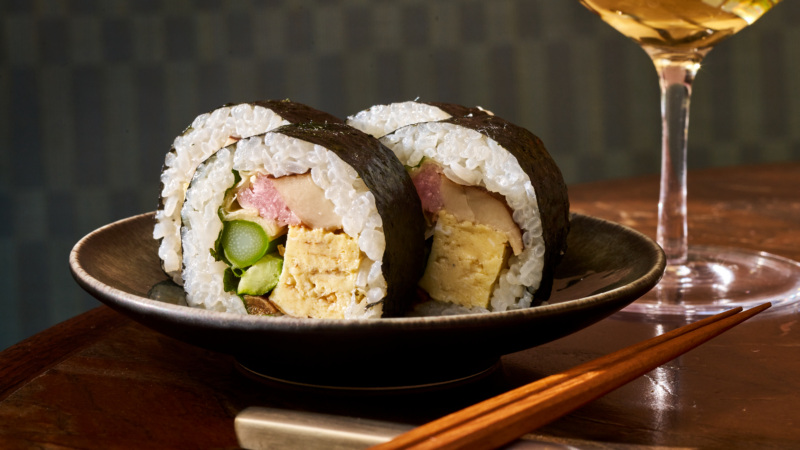
Goujjane nominates the vegetable futomaki among Noury’s essential dishes. It’s a thick roll she first encountered working with chef Miwa at Sushi Noz, where the kitchen would combine all the best ingredients in a single large maki at the end of the night. Noury’s version is vegetable-forward — stuffed with tamago, pickled shiitake, asparagus, shiso, and cucumber — and is one dish that Goujjane describes, with candor, as one she could eat every day and feel genuinely good about.
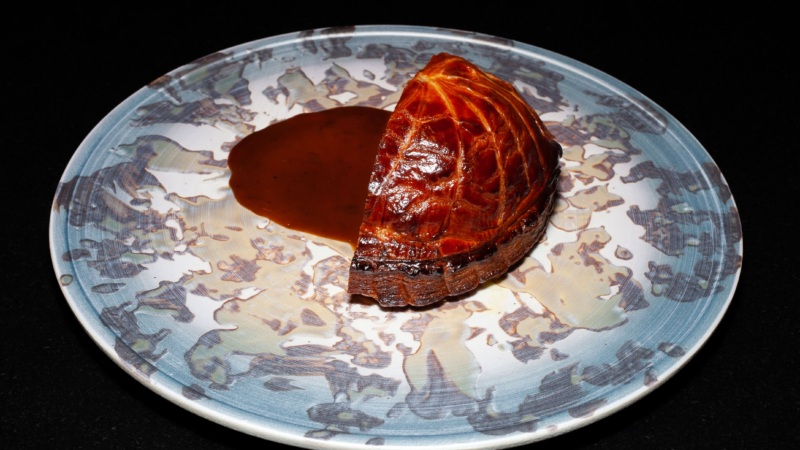
Noury’s steak haché, which features a demi glacé seasoned with Japan’s beloved “bulldog sauce,” was inspired by a Japanese hamburger, a yoshoku-style dish in which western-style dishes are reinvented. And their take on kakiage, or mixed tempura, made with royal red prawns and onions, showcases Thai tom yum spices (makrut lime, lemongrass, galangal) that coat the airy batter that’s fried to a crisp.
4. The bar program is built around shochu.
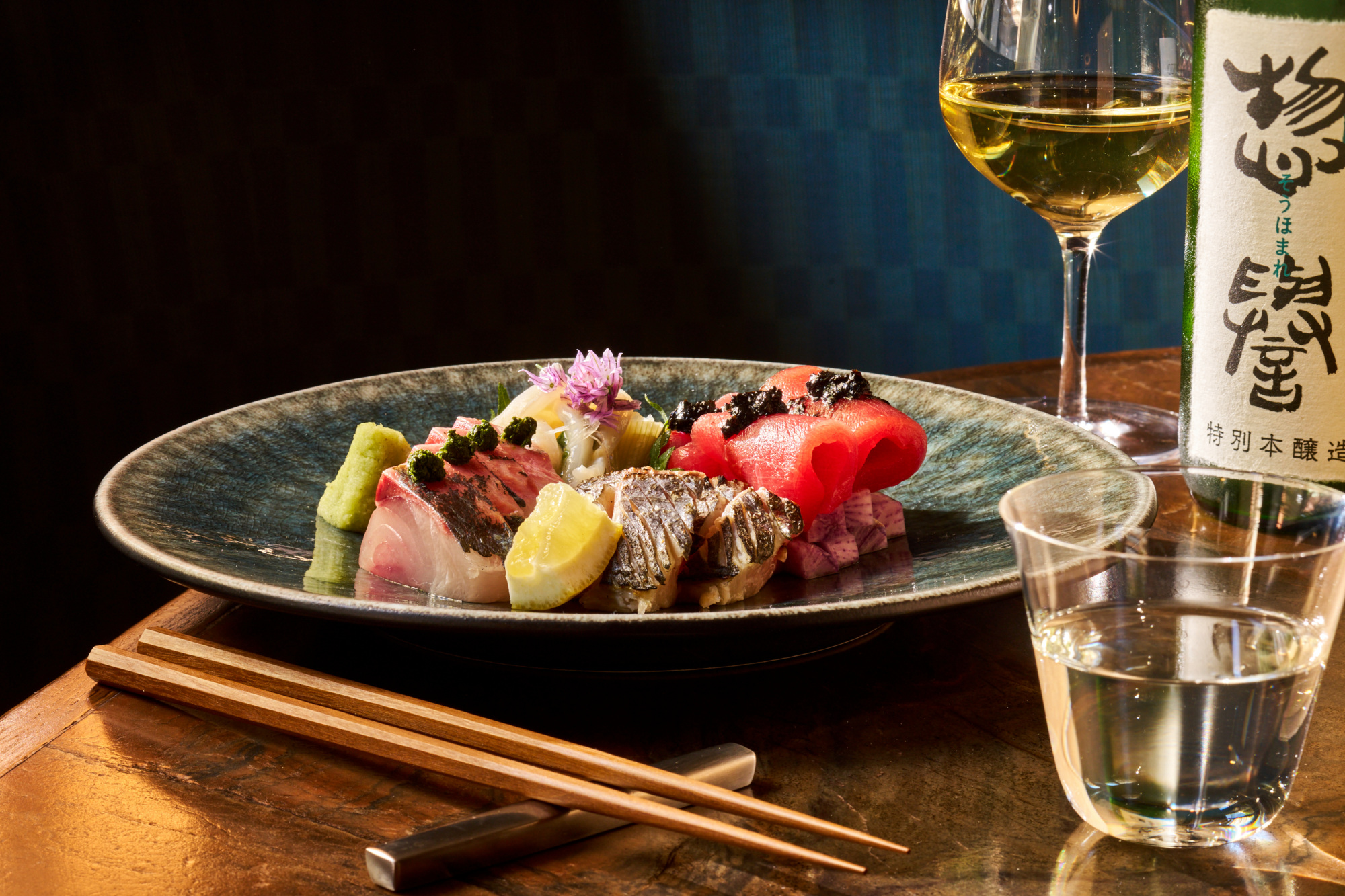
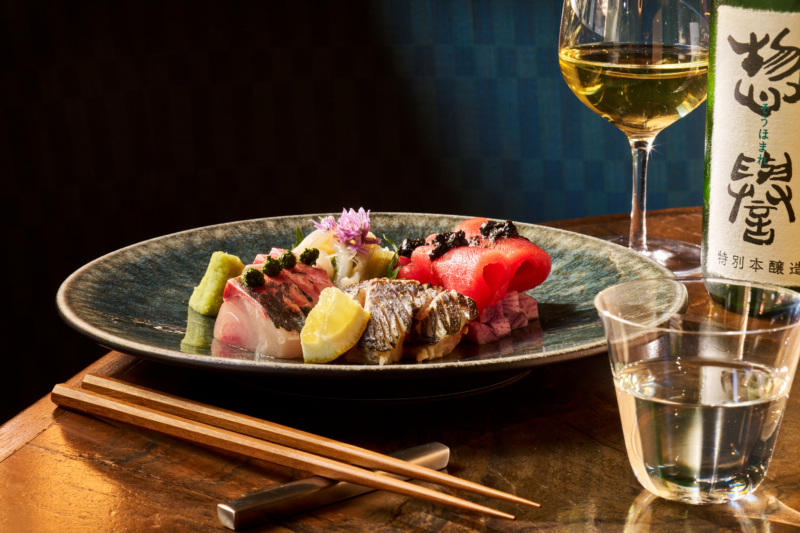
Noury operates on a beer and wine license, which means no hard liquor. The sake list is sourced with the seriousness of a wine program — rare rice varieties, labor-intensive brewing, bottles you’d need to spend years searching for. Choose from a range of sake like the Pride of the Seashore Junmai Ginzo produced by Isojman, and a curated list of offerings from distinguished producers like Chitosetsuru, Emishki, Masumi, and Kenbishi. There’s also sparkling, red and white wines, and rosé.

5. The design elements were sourced from far and wide.
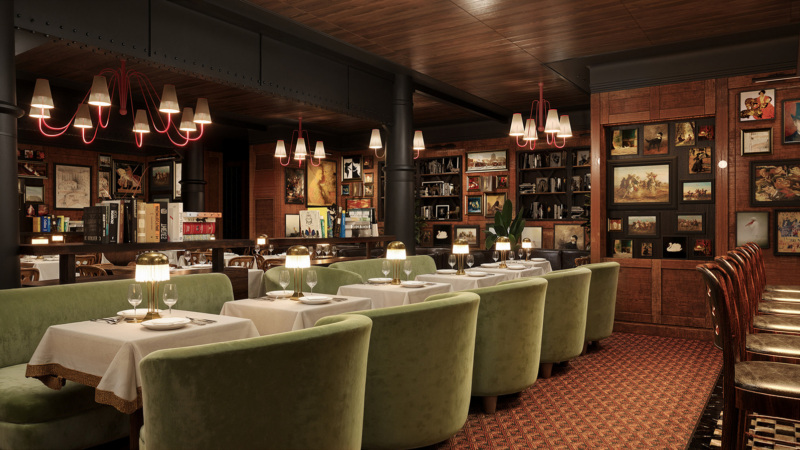
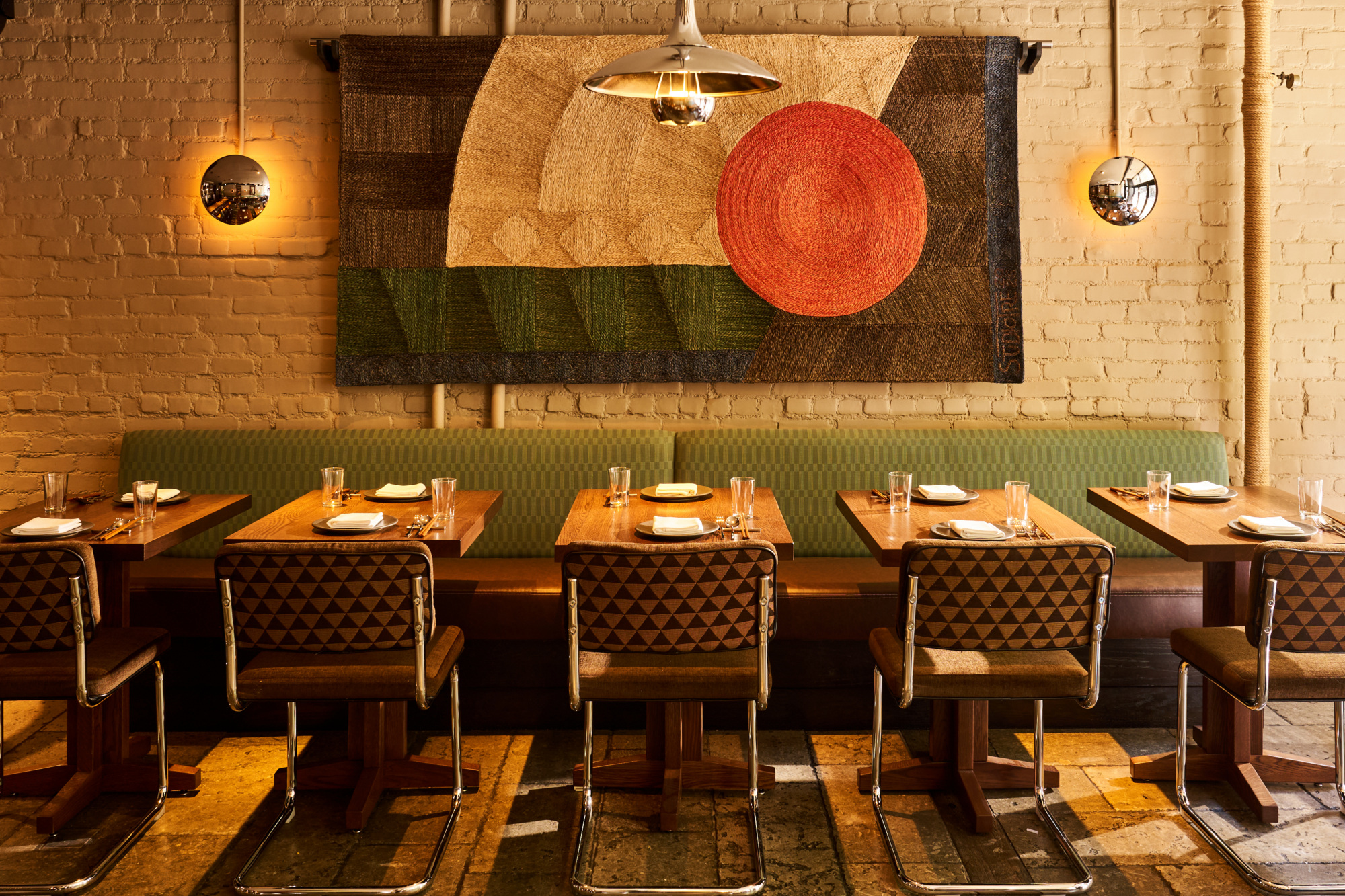
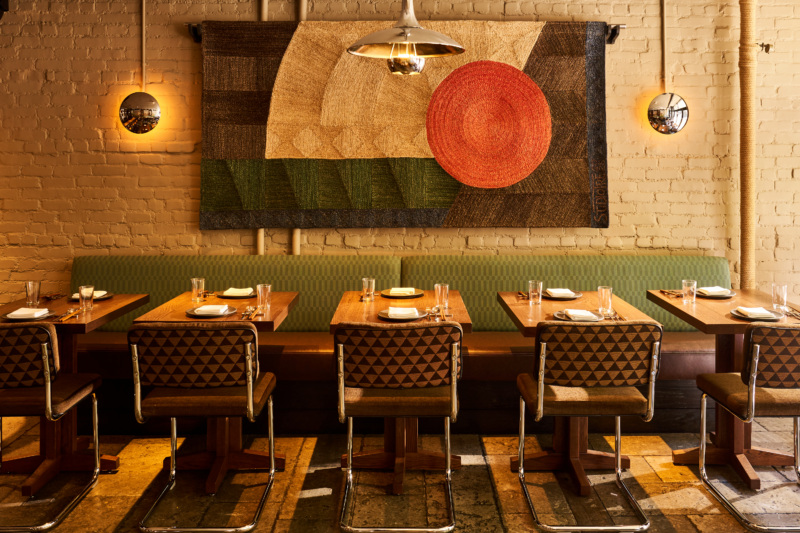
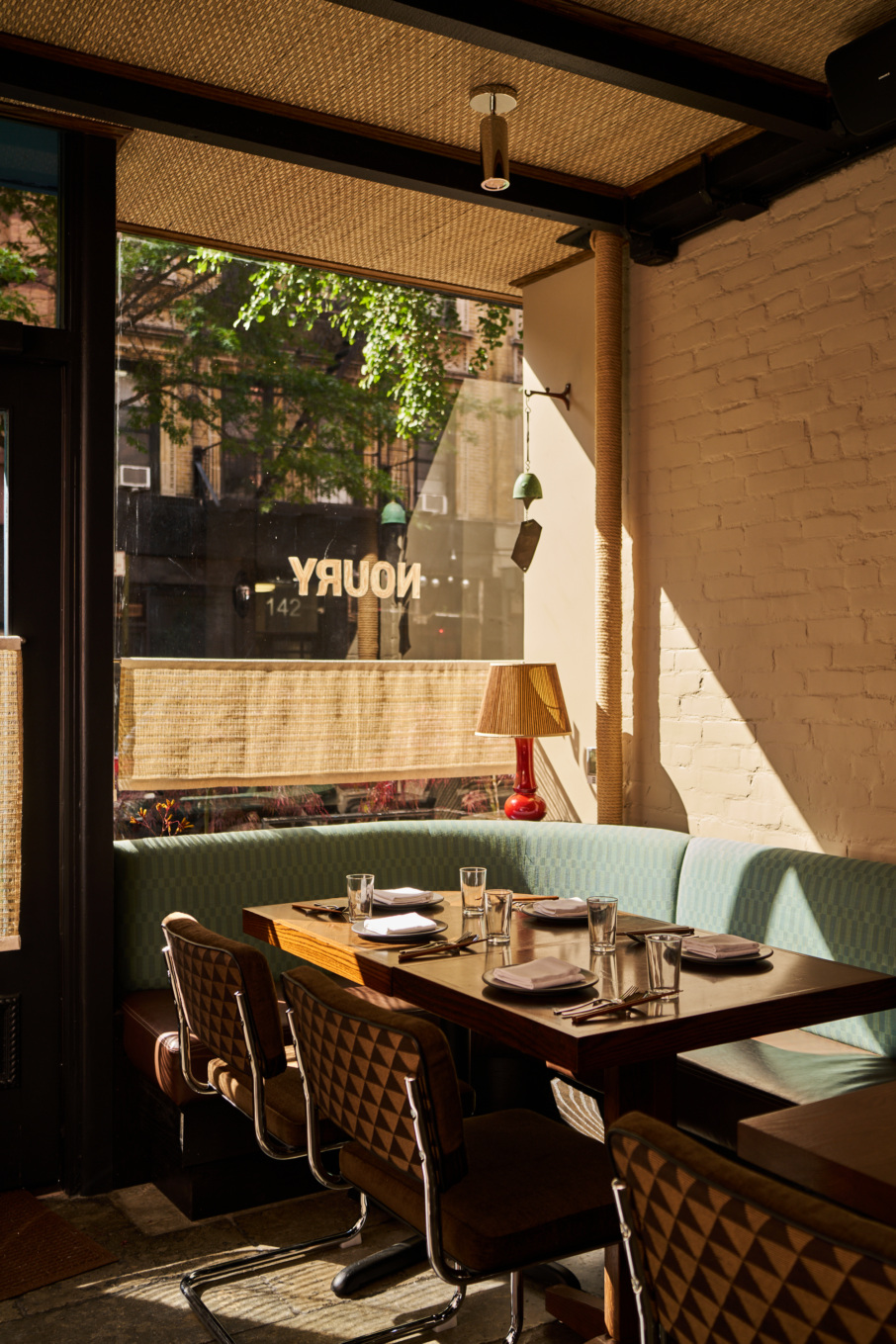
Studio Tre designed the space around a simple idea: natural, muted tones — stone colors, dark wood, an espresso-colored bar — while the food and drink packs a more colorful punch. The focal point when you walk in is a volcanic ash stone wall with an ikebana floral arrangement. Look closer at the materials and you’ll start to realize the distances they traveled: woven tapestries from the Philippines, chair fabrics from Senegal. “You really wouldn’t know where they’re coming from,” Goujjane says of Studio Tre’s sourcing instincts. “You’re always in awe when you find out — but it all feels like it’s singing the same note.”
Noury is open for dinner from Tuesday through Saturday from 5 to 10 p.m. Lunch and extended dinner service are planned for the fall.
Rachel Rummel co-wrote the New York Times-bestselling Gastro Obscura book and was a founding member of Atlas Obscura’s James Beard Award-winning food vertical. She has spent over a decade exploring and covering restaurant scenes.