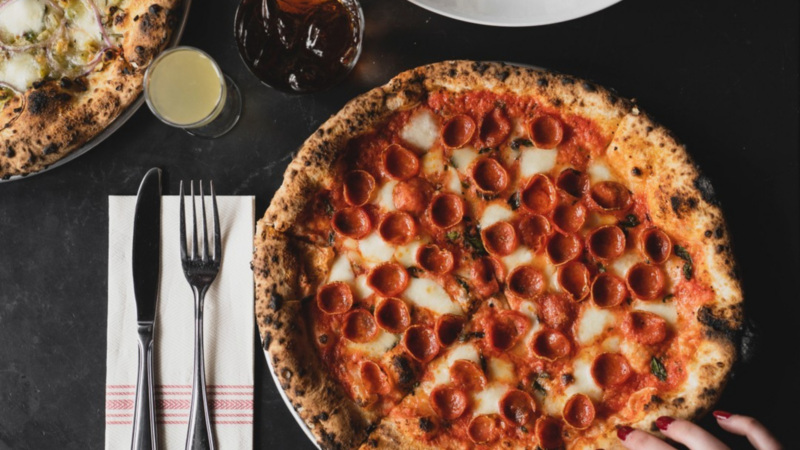
Portraits of Philly: How Philly Stays Philly
Published:
When I first started following the Philadelphia food scene nearly 20 years ago, the city’s potential was obvious for anyone who took the time to look. World-class Italian, Spanish, and Middle Eastern food was making waves, and updated takes on fine dining were vying to bring Philly the recognition it deserved from the rest of the world.
In the end, the key to the city receiving its rightly deserved international acclaim was to let Philly simply be Philly. The city’s diversity, scrappy personality, and hometown pride shone, and the world took notice, clamoring for barbacoa, creative tasting menus, exceptional cocktails in neighborhood restaurants, and bold, unapologetic flavors drawn from Southeast Asia.
This was food made for neighbors, not tourists.
Since then, however, awards and accolades have poured in, deservedly, and the floodgates have opened. The Michelin Guide has arrived, and The World’s 50 Best has recognized local restaurants as being among the best on the continent. In the last year alone, more than a hundred new restaurants opened and there are more to come.
With all these new voices, and with all this critical scrutiny, the question now is: How does Philly’s dining scene retain the heart that made it so special in the first place? How does Philly stay Philly? That’s what I set out to find from local chefs and restaurant owners with decades of collective experience in the Philly food scene, and here’s what they had to share.
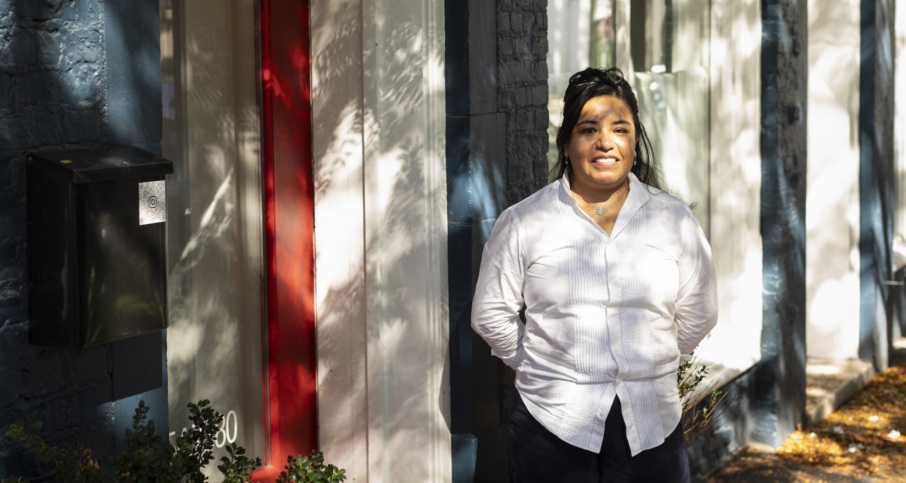
What, in your opinion, is a quintessentially Philly restaurant?
Jezabel Careaga, owner, Jezabel’s: “Zahav. I’ve been dining there since 2010 — back when an ex-boyfriend couldn’t quite wrap his head around the small-plates concept, and I was completely in love with it. What amazes me is that every meal somehow feels better than the last. I don’t know how the Zahav team does it, but they do, time and time again. I keep going back, and I keep bringing guests, because it always leaves me wanting to return.”
Angie Brown, chef, restaurateur, and former culinary director, Rex at the Royal: “A place that feels like a second living room, not a special occasion.”
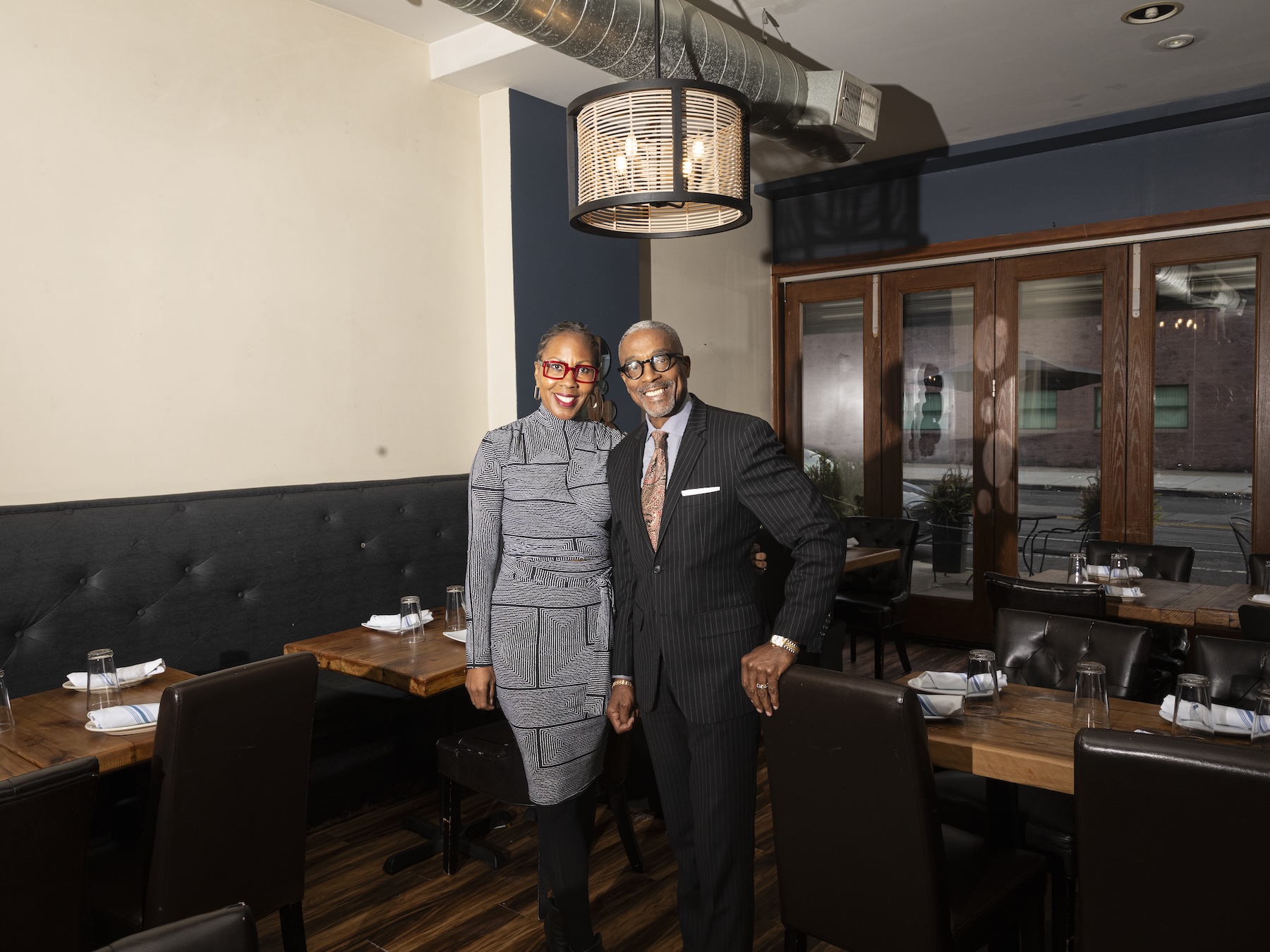
Greg Vernick, chef and owner, Vernick Food & Drink, Vernick Wine, Vernick Fish, Vernick Coffee Bar, and Emilia: “Saloon for an old-school spot, and Fork where my former chef and friend, Sam Henzy, is cooking.”
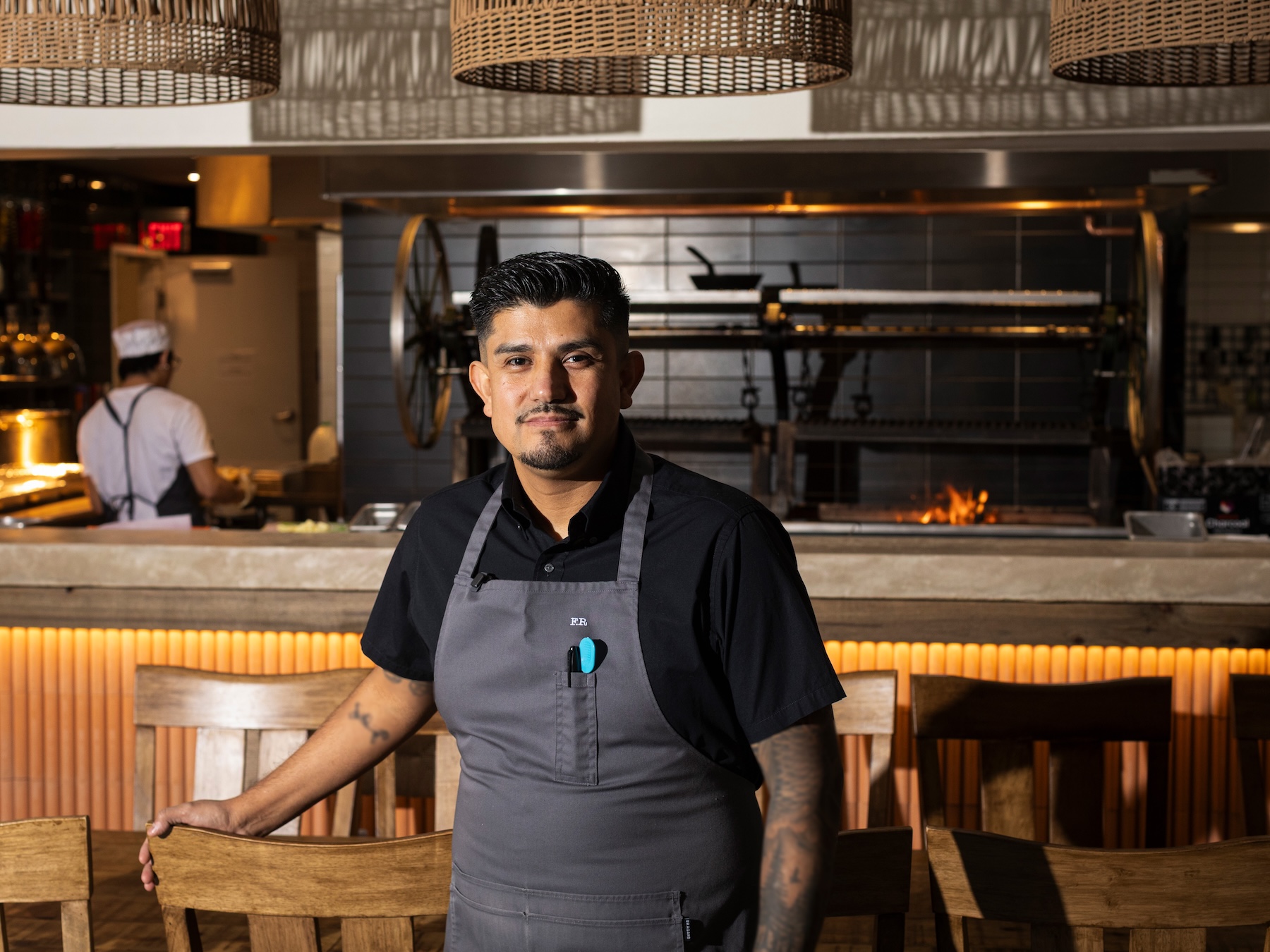
Frankie Ramirez, chef and owner, Amá: “I couldn’t pick just one place; Philly has too much to offer. For me, it’s the whole city — the flavors, the neighborhoods, the people — that make it feel so alive and special. It will be unfair to just name one place. But if I have to say the one place you must visit in Philly, it’s Reading Terminal Market.”
Marina de Oliveira, co-owner, Ambra and Southwark: “Oyster House. It’s timeless, consistent, and most importantly, fun.”
George Sabatino, chef and owner, Fleur’s: “Zahav has always been it for me. Recently, I also have to say Meetinghouse; what Drew [DiTomo] and his team are doing is just incredible. And Cafe Nhan.”
Cheri Syphax, owner, Booker’s Restaurant & Bar: “I love food too much and date nights are a regular part of our life, so I don’t have just one quintessential Philly restaurant. My favorites really depend on the experience I’m looking for. For seafood, Vernick Fish is a standout, and cocktails at the SkyHigh Lounge in the Four Seasons Hotel are always a treat. The views are unmatched and an experience within itself.
“If live music is part of the evening, South Jazz Kitchen is my go-to. When I’m craving a great fish hoagie, it’s Bella’s Breakfast and Lunch on Ridge Avenue. I also love Mediterranean food, so Suraya is often our choice when that craving hits, and while I’m in the area, the cocktail program at Philadelphia Distilling is consistently creative and thoughtfully curated to appeal to a wide range of tastes.”
Where do you go on your nights off from the restaurant?
Careaga: “Palizzi Social Club. Not just on my nights off, but as often as I can. In the most endearing way, it feels like stepping into a South Philly Italian grandmother’s home. The food is simple and deeply ambrosial, the cocktails are spot on, and the hospitality is exceptional. Their team makes the experience feel truly special every single time.”
Sabatino: “Admittedly I don’t get out much these days and have a list of places I’m trying to get to. Overall, Nan Zhou [Hand Drawn Noodle House] for roast pork noodle soup and dry-fried string beans. Irwin’s and Her Place Supper Club are always really enjoyable, too, if I can swing it.”
Vernick: “Palizzi Social Club, Khyber Pass Pub, Royal Tavern, and The Library in Voorhees, N.J.”
Ramirez: “Los Gallos, Sang Kee Peking Duck House, Terakawa, Thai Lake, Blue Corn Restaurant and Bar, Phở 75, Villa di Roma, Angelo’s Pizzeria, Oregon Diner, John’s Roast Pork, Pizzeria Stella, and Stina. We really are spoiled for choice. I feel lucky every day to be part of this city and to call Philly home.”
De Oliveria: “I feel like any chance we get, we either go to Nam Phuong or Blue Corn. That’s the only place I want to be ever. And Palizzi for late night.”
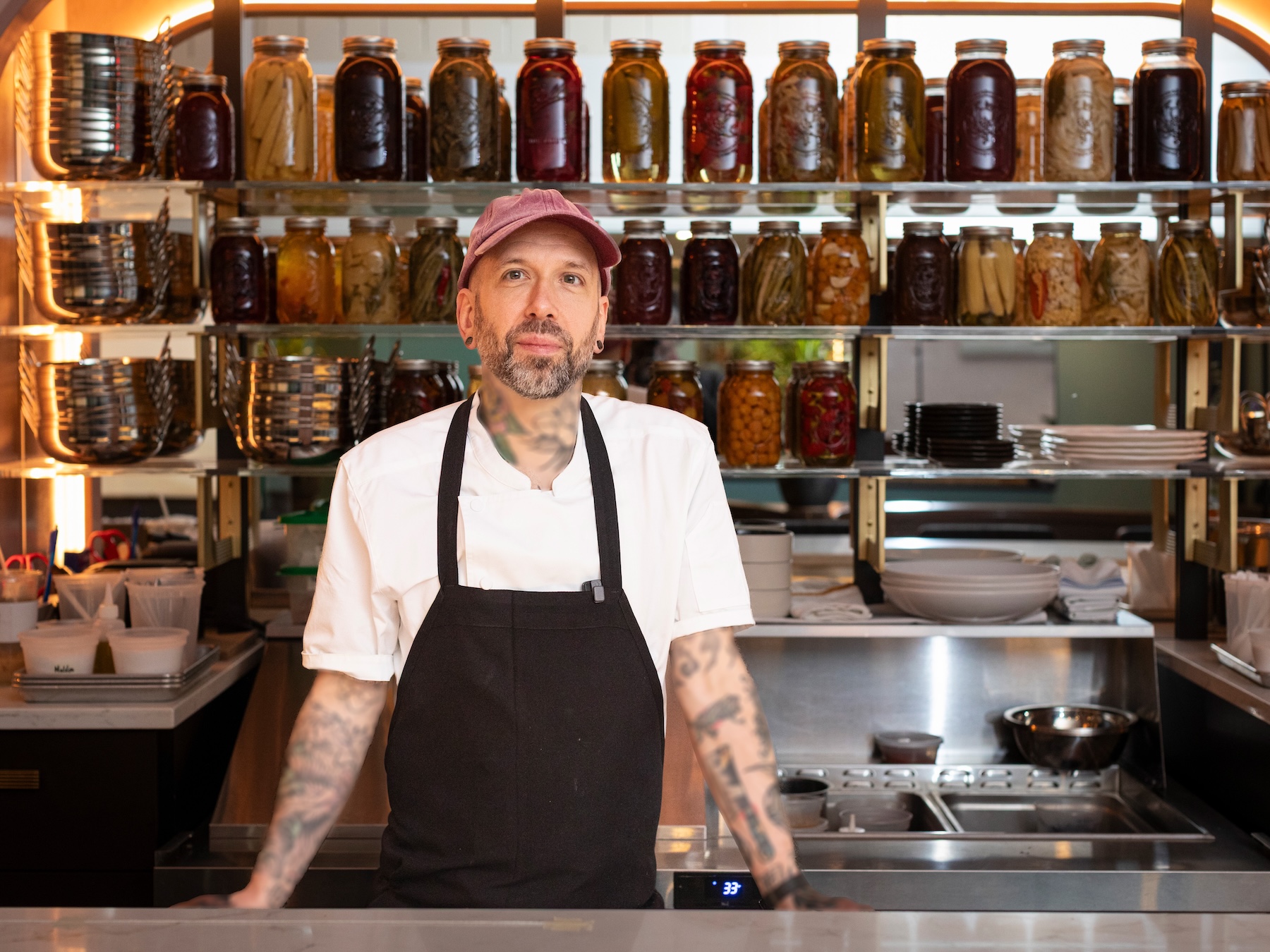
What would you say makes Philly so special and unique?
Vernick: “Its walkability, the blending of old school and new school, and being historic but not ‘stuck’ in the past.”
Careaga: “Philadelphia is approachable from every angle. It’s competitive, yes, but it’s also deeply collaborative. You get to know chefs, restaurateurs, bakers, and farmers, often on a first-name basis. That sense of closeness creates space for advice, mentorship, and real companionship.
“The food scene here is also incredibly diverse, vibrant, and informed. You can eat very well at an accessible price point, or you can go all out and have a refined, special night. Whatever mood you’re in, Philly meets you there, and does it with heart.”
Sabatino: “I would say the community that exists within our industry here. Some of my closest relationships have come from working here over the years. There is a true sense of caring that exists amongst folks in hospitality in Philly. I believe that translates to the dining experience for guests, too. That and the diversity of styles of cuisine and cooking — but all rooted in taking great care.”
Ramirez: “Respect for heritage, neighborhood energy, high-level food, creativity, and a tight chef community and culture.”
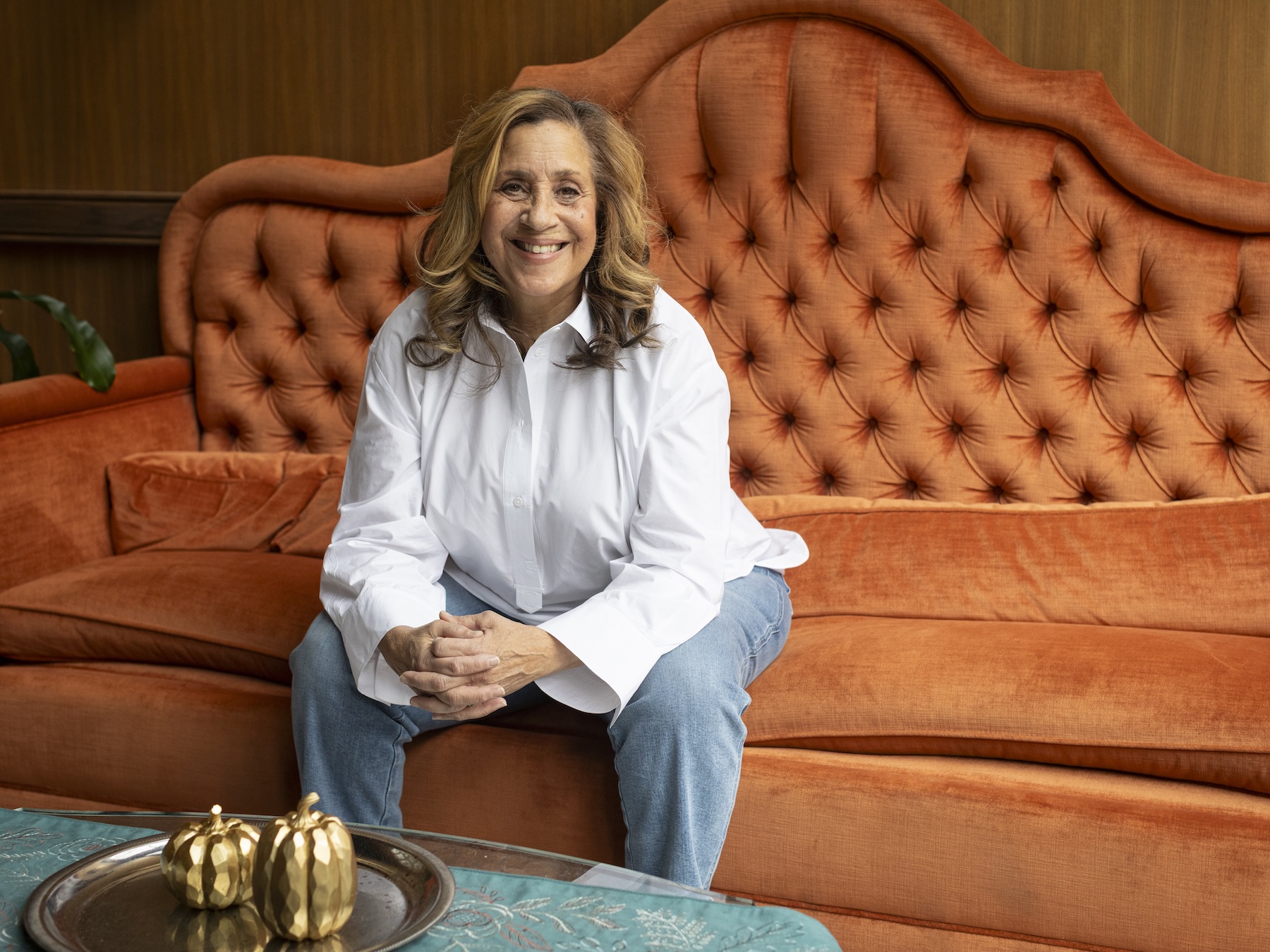
Brown: “Philly is a very diverse place. And the special thing about Philly is that it’s got iconic places. Like this building right here. This building right here was the Royal Theater. So, when my mom, who’s 98 years old, grew up, her mother and father used to bring her here. They had talent shows on Sundays. Everybody who was anybody sung in this spot. People like Billie Holiday. I mean, every Black entertainer that came through Philly came through the Royal Theater. We are the first capital.
“We’re also a neighborhood town. Where I’m from, in Mount Airy, there are so many good restaurants and neighborhood mom-and-pops. Homes surround our restaurants, even in Center City. Our city is built like that. We’ll always be a neighborhood town.”
Chris D’Ambro, chef and co-owner, Southwark and Ambra: “I think it’s our access to a range of ethnicities and different cuisines. I feel like there are a ton of mom-and-pop shops, and it just feels more accessible to me. And I don’t know if that’s a product of me having spent so much time in Philly and being in the scene, but it feels accessible and people know the chefs and the operators and guests come in and feel a connection to the people actually running the place. And I think there’s a really strong community between restaurants. Everybody’s very collaborative and supportive of one another, for the most part.”
Syphax: “When I first came to Philadelphia from the San Francisco Bay Area, I was struck by how expansive and diverse the food scene was. The range is impressive, from upscale vegan restaurants to iconic neighborhood cheesesteaks, and cuisine representing cultures from around the world. You can find exceptional dining at every level, from casual, hole-in-the-wall establishments to refined, high-end restaurants, making the city accessible and welcoming to a wide audience.
“Philadelphia also has a strong tradition of pairing dining with culture and entertainment. Restaurants like Time and the former Warm Daddy’s helped establish dinner and live music as a core part of the city’s hospitality identity. When Zahav was named the best restaurant in the country, it reinforced what many already recognized — that Philadelphia’s food scene is nationally competitive and capable of standing alongside any major dining city in the U.S.”
More Portraits of Philly



How has Philly changed over the years?
Careaga: “I truly believe that a rising tide lifts all boats. The more people talk about Philadelphia and visit the city, the more we all benefit. That visibility raises the bar — not just for food, but for hospitality.”
Brown: “The success of so many Philly restaurants over the last few years has reshaped the community in some meaningful ways, mostly positive, but with trade-offs. It’s strengthened neighborhood identity restaurants tend to be deeply rooted in their blocks, not just destination spots. When Fishtown, South Philly, or West Philly, and Mount Airy succeed, they become gathering spaces where locals actually know the owners, chefs, and staff, and this builds a sense of pride and keeps the city’s food culture grounded in its community.”
Vernick: “Seeing a new community bring something exciting, seeing new neighborhoods pop up that maybe didn’t have restaurants 10 years ago — I think it’s all great for Philly. I think it’s great for people who are moving to Philly and relocating. I think it also brings more attention to the city.
“This city affords people an opportunity, maybe more than others. And there’s something very special about that, whether it’s through a neighborhood or even our BYOB culture. Our BYOB culture is the best I’ve ever seen. And it’s still going strong and there’s something very unique and Philly about that.”
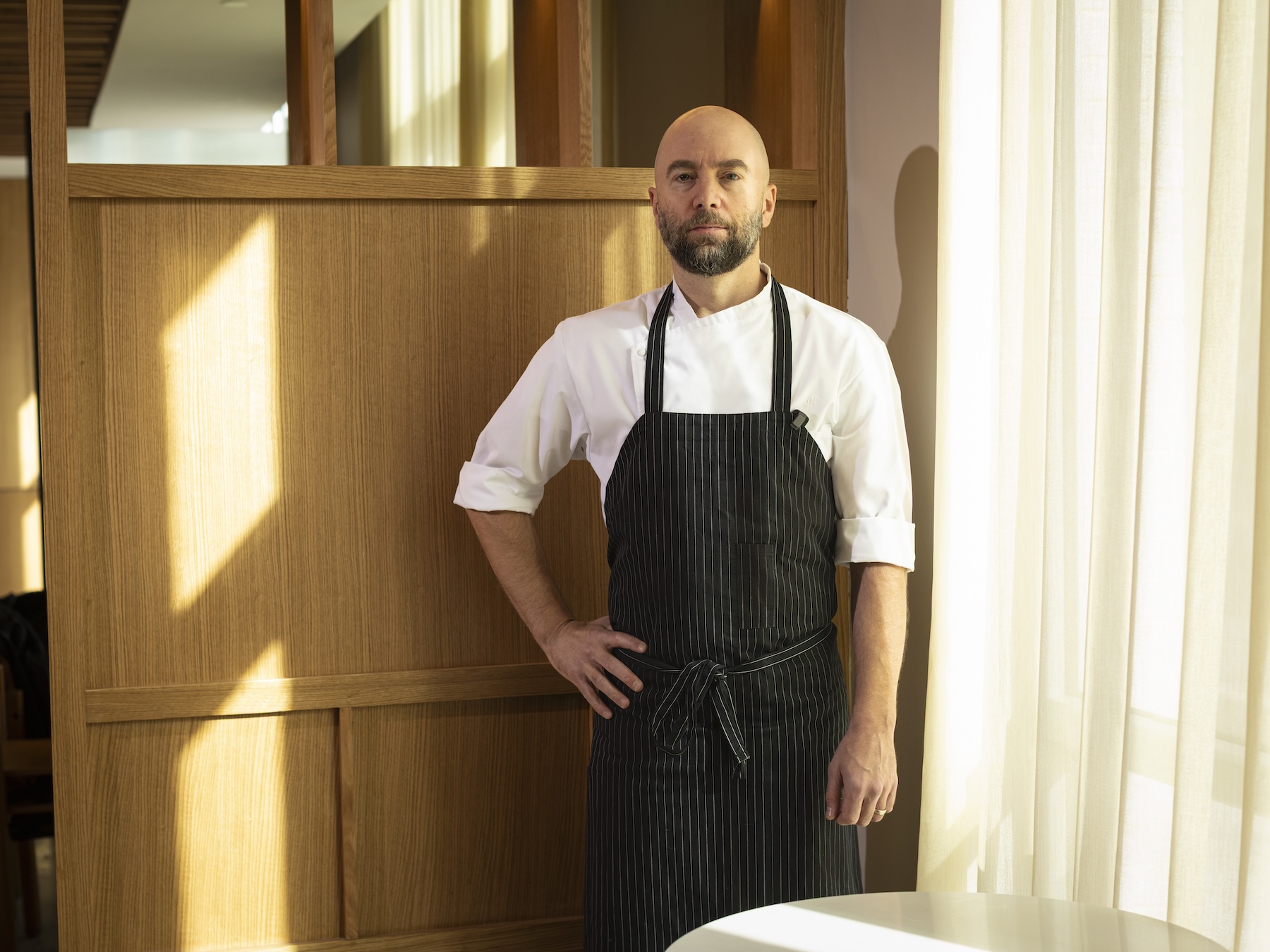
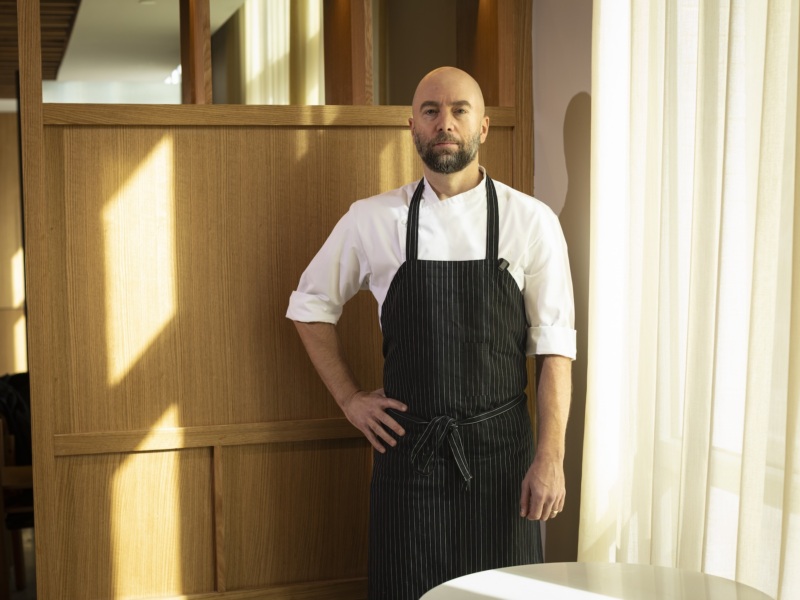
Ramirez: “The growth of Philly’s restaurant scene has changed us in the best way. You feel it in the kitchens, in the dining rooms, and in the way we show up for each other. When a restaurant here gets recognized, it lifts the whole community. It makes us proud, it makes us work harder, and it reminds us why we do this. We celebrate the wins together. Philly hasn’t lost its heart — if anything, we’ve grown closer. This city feels like one big family trying to do something special, one service at a time. Maybe now more than ever.
“With so many new restaurants opening, I think Philly stays special when we stay true to who we are. For me, that means cooking from the heart, honoring where we come from, and treating people like family from the moment they walk in. We don’t fake it, we don’t put on a show. We give you real flavor, real hospitality. As long as we keep our roots strong and our doors open to the community, Philly won’t lose its soul. We just keep adding more stories, more cultures, and more heart to the city.”
Philadelphia is a great food town. But, you know, we all knew how great it is. Everybody else is just catching up.— Chris D’Ambro, Chef and Owner, Ambra and Southwark
D’Ambro: “The success of so many restaurants in Philly over the past few years has really put a bigger spotlight on the city. We’re seeing more guests who travel from abroad to come dine here, which solidifies what we already knew — Philadelphia is a great food town. But, you know, we all knew how great it is. Everybody else is just catching up.”


How does Philly stay Philly?
De Oliveira: “Philly restaurants that push this city forward have their own, unique identities. Ultimately, it’s up to the guests. Guests are the driving force that keeps us true to our roots. Once you gain their trust and maintain that relationship, they’re in your corner.”
Careaga: “By staying rooted in community. Philly stays Philly when restaurants remain connected to their neighborhoods, support one another, and keep hospitality at the center of what they do. Trends come and go, but what lasts is authenticity, generosity, and showing up — day after day — for the people who walk through your doors.”
Syphax: “Philadelphia stays Philadelphia by remaining grounded in its neighborhoods and the people who sustain them. New restaurants can succeed without erasing what already exists by respecting local culture, hiring locally, and becoming part of the community rather than simply occupying space within it. The city has always valued substance over flash, and that sensibility continues to shape its dining scene.
“What makes Philly special is that it doesn’t chase trends for the sake of attention. Many of the most successful restaurants here are rooted in consistency, authenticity, and relationships built over time. As long as new operators understand that Philly rewards places that show up, contribute, and earn trust, the city’s character remains intact, even as the scene continues to grow.”
Trends come and go, but what lasts is authenticity, generosity, and showing up — day after day — for the people who walk through your doors.— Jezabel Careaga, Chef and Owner, Jezabel’s
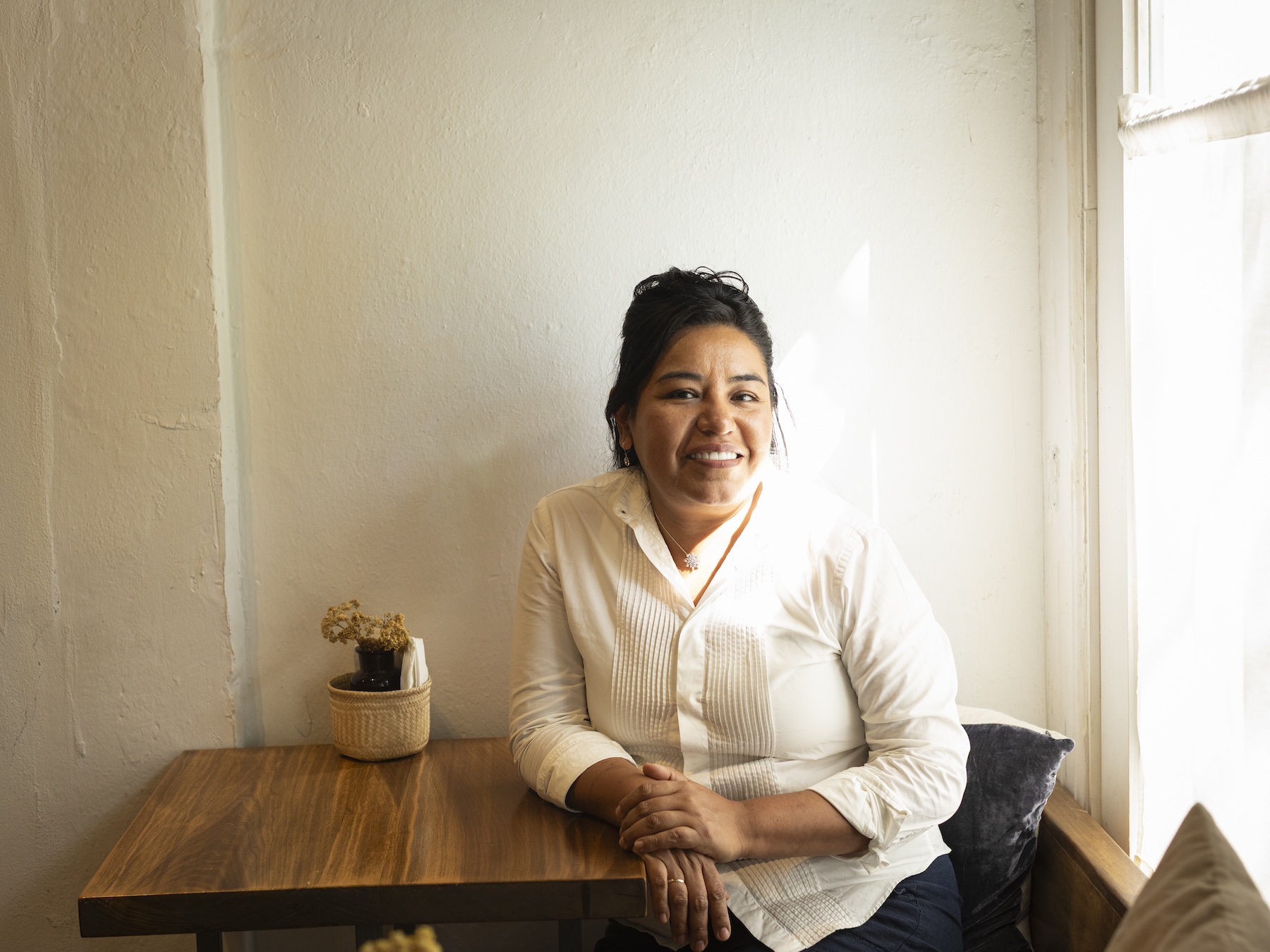
Sabatino: “Philly stays Philly because it’s a no B.S. town. Value and authenticity will always be what diners go for here. If we lose that, it wouldn’t work, in my opinion. Even with more and more places transplanting [here], Philly responds best to a strong sense of self and no proper effort.”
Brown: “New restaurants here don’t try to reinvent the wheel. It’s the city they plug into. Chefs cook the food they grew up with; it reflects the block they’re on and keeps things approachable. You can open a polished spot, but if it doesn’t feel honest or connected to the neighborhood, Philly diners won’t carry it. The city has a strong radar for anything that feels forced or overly trendy. Philly stays Philly because the soul of the food scene still belongs to the people who live here, not the trends passing through.”
Vernick: “Don’t compete, complement. As new restaurants come in, embrace them. Don’t feel like they’re competition. Be excited about what they bring. Go into a restaurant with an open mind.
“Also, Philly stays Philly by paying attention to the local community first, and then growing outward, and attracting the neighborhood, attracting the industry, attracting the people that live here, and making sure that they feel that the restaurant that they’re in is their restaurant. Let’s focus on the neighborhood we’re in and making them feel like this is their restaurant.”
Ramirez: “Philly stays Philly because we keep it real. We don’t try to be anyone else — we cook with heart, take care of our people, and show up for our neighborhoods. It’s the grit we put into everything that makes this city what it is. As long as we stay true to that, Philly will always be Philly.”
Clay Williams is a Brooklyn-based photographer whose work takes him across the country and beyond, documenting stories of food, culture, and community. Follow him at @ultraclay.
Peter Sherno is a Philadelphia-based photographer, director, and multimedia journalist. Follow him on Instagram. Follow Resy, too.
David DaCosta also contributed to this film.
The Ultimate Guide to Philly Dining
Our guide to discovering Philly’s must-visit restaurants, hidden gems, date night favorites, BYOB treasures, and so much more, especially during the upcoming Chef Assembly taking place from March 22 to 23.