What to Order at Palma’s New À La Carte Menu
Published:
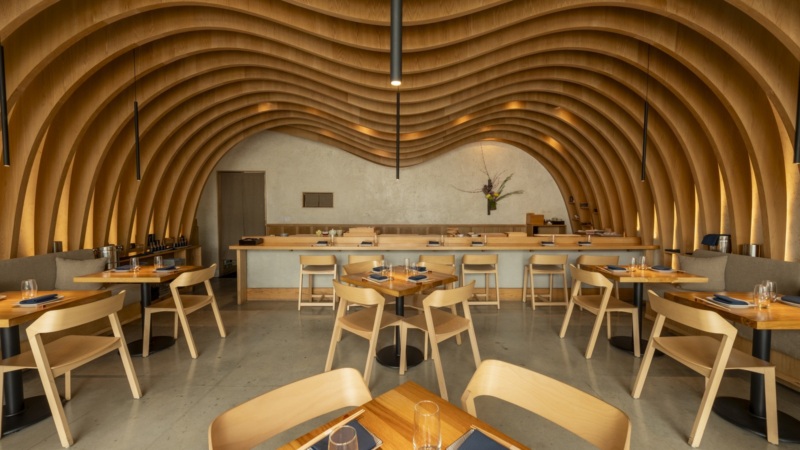
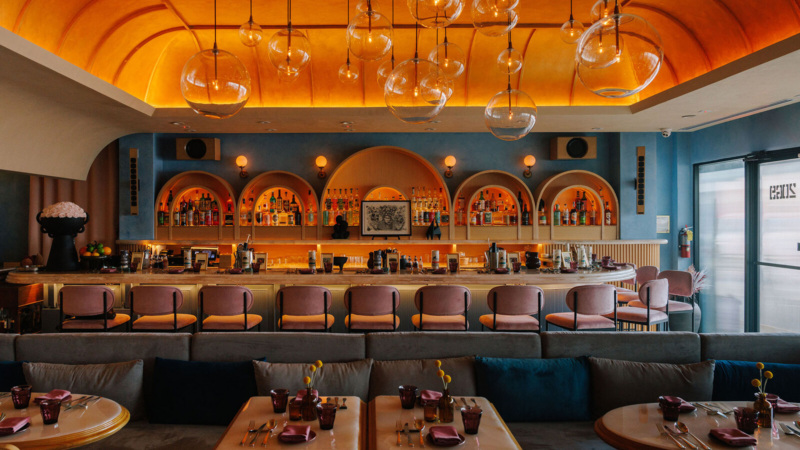
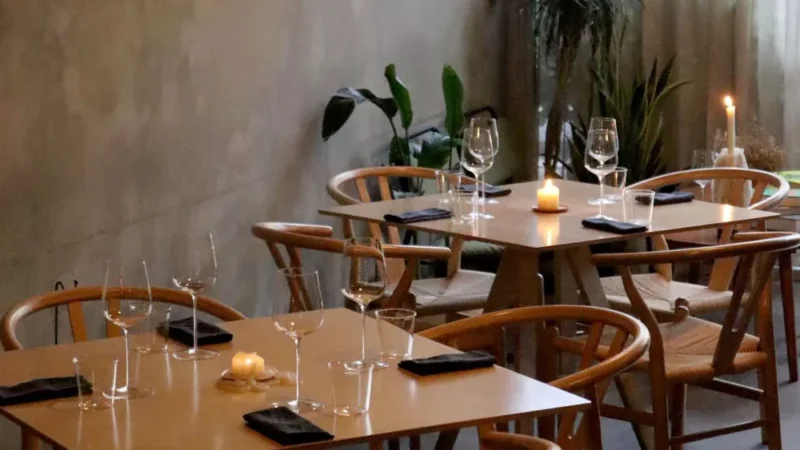
For nearly two years, Palma has focused on serving creative, envelope-pushing tasting menus in its small, candle-lit Little Havana dining room. Chef Juan Camilo Liscano and his five-person team cook in front of guests at the concrete bar, working in full view on food that pulls from Latin American flavors, European technique, and South Florida’s seasonal larder.
But about two months ago, the restaurant added something new: an à la carte menu.
“The à la carte really kind of started as a way for us to offer something that allowed people to stop in a bit more casually,” Liscano says. “I think a lot of the time when people hear the word tasting menu, they think it’s like a four-hour ordeal, which is not at all what it is here. A meal here averages 90 minutes.”
Shifting to à la carte demanded a different mindset in the kitchen. On the tasting menu, dishes flow from lighter seasoning at the start to richer, saltier flavors as the meal builds. “When you’re thinking about an à la carte, everything kind of has to be high acid, higher salt,” Liscano says. “Check all the boxes.”
Most of the new dishes are meant to be eaten with your hands. “I think it’s the most natural way to eat,” Liscano says. “It kind of makes people feel relaxed as soon as possible. The minute they start eating with their hands, they’re like, OK, I’m at home.”
While the tasting menu rotates monthly, the à la carte lineup is built for longevity.
“I don’t want to change it monthly like we do with the tasting menu,” Liscano says. “I think people like that. Especially if the dish is a knockout, they love knowing they can come back and it’s still there.”
But guests will definitely see (some) similarities between the menus.
“Sometimes these things do turn into tasting menu dishes and vice versa,” Liscano says.
For now, most guests still come for the tasting menu. “People definitely still mainly come in for tasting,” Liscano says. “We’ve been doing the tasting menu for almost two years, so I think we’ve built a following and people know us for that.”
Ultimately, the à la carte option offers the one thing the tasting menu can’t: flexibility.
“You can come in with a friend, have a glass of wine and a couple snacks,” Liscano says. “In and out.” Here, the chef takes us on a tour of the à la carte menu’s highlights.
The Resy Rundown
Palma
-
Why We Like It:
A tiny Little Havana dining room doing serious cooking, now with a more flexible way to experience it. -
Essential Dishes:
The wagyu tartare on seaweed focaccia, the 45-day dry-aged striploin, and the scallop crudo with fermented habanada and Buddha’s hand. -
Must-Order Drinks:
The restaurant’s cave à vin leanings are apparent in an erudite natural wine list that servers will be happy to recommend from.
-
Who It’s For:
Diners who want thoughtful cooking in an intimate setting, whether committing to the tasting menu or stopping in for a few plates. -
Pro Tip:
The à la carte menu lets you experience Palma without turning the night into a full event. -
Treasure Coast Oyster
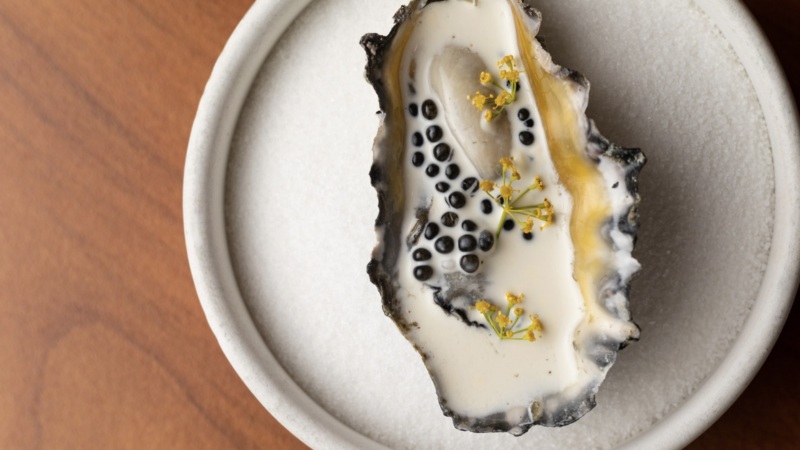
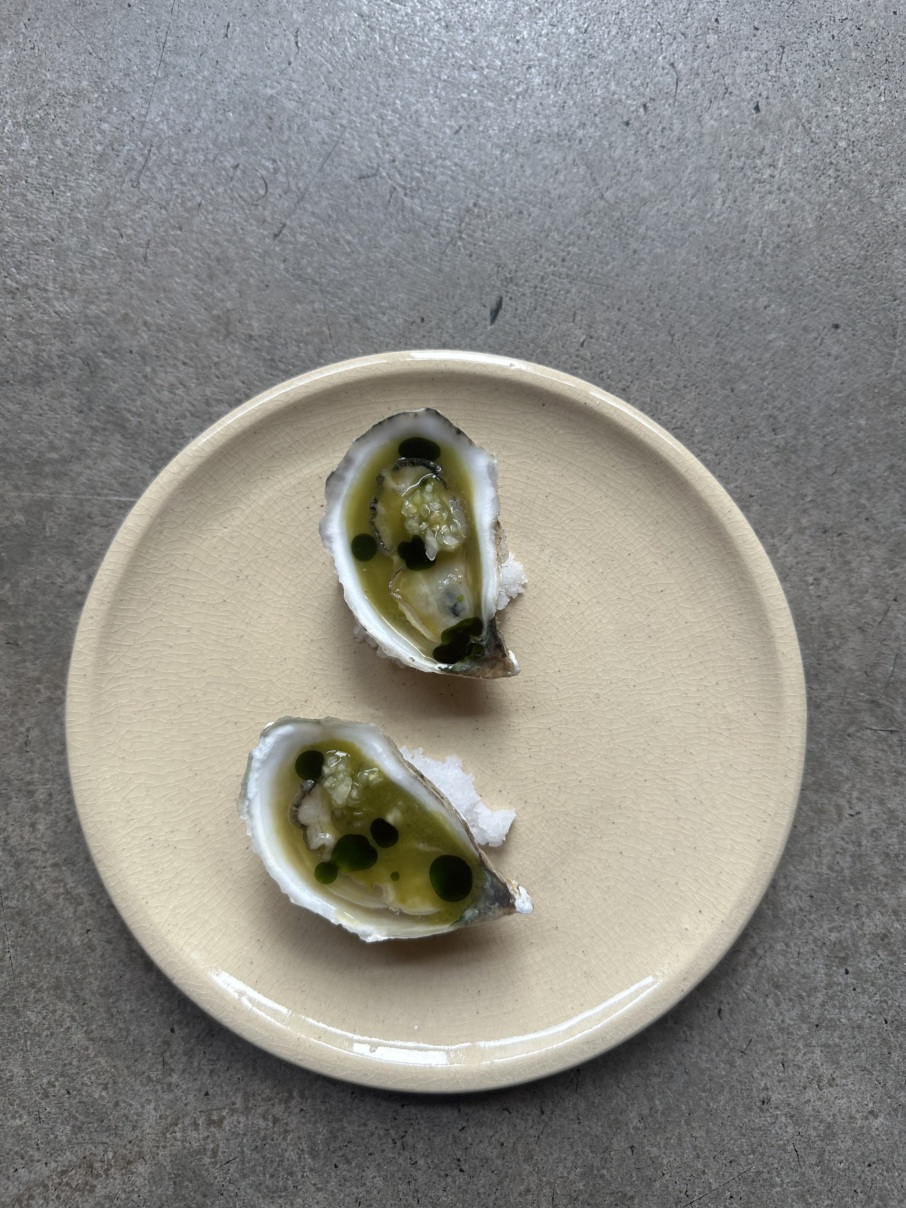
Start the à la carte menu with an oyster from Sebastian Inlet, dressed with aguachile verde seasoned with yuzu kosho. According to Liscano, the dish traces back to a birthday dinner.
“We all got together for Sean’s birthday and made aguachile,” he says. “I was like, OK, I want to make an aguachile verde for the oysters.”
The green aguachile is layered with pickled tomatillo and onion and finished with sawtooth coriander oil. The yuzu kosho adds heat and depth of flavor, pushing the oyster beyond your standard raw bar preparation.
“The yuzu kosho provides a little bit of extra boldness,” Liscano says.
It is meant to be eaten in a single sharp, briny, bite. On a recent visit, Thomas Keller was such a fan he asked for a second one with his meal. The oysters are served individually, though plenty of people end up ordering more than one, sometimes a dozen.
Scallop Crudo
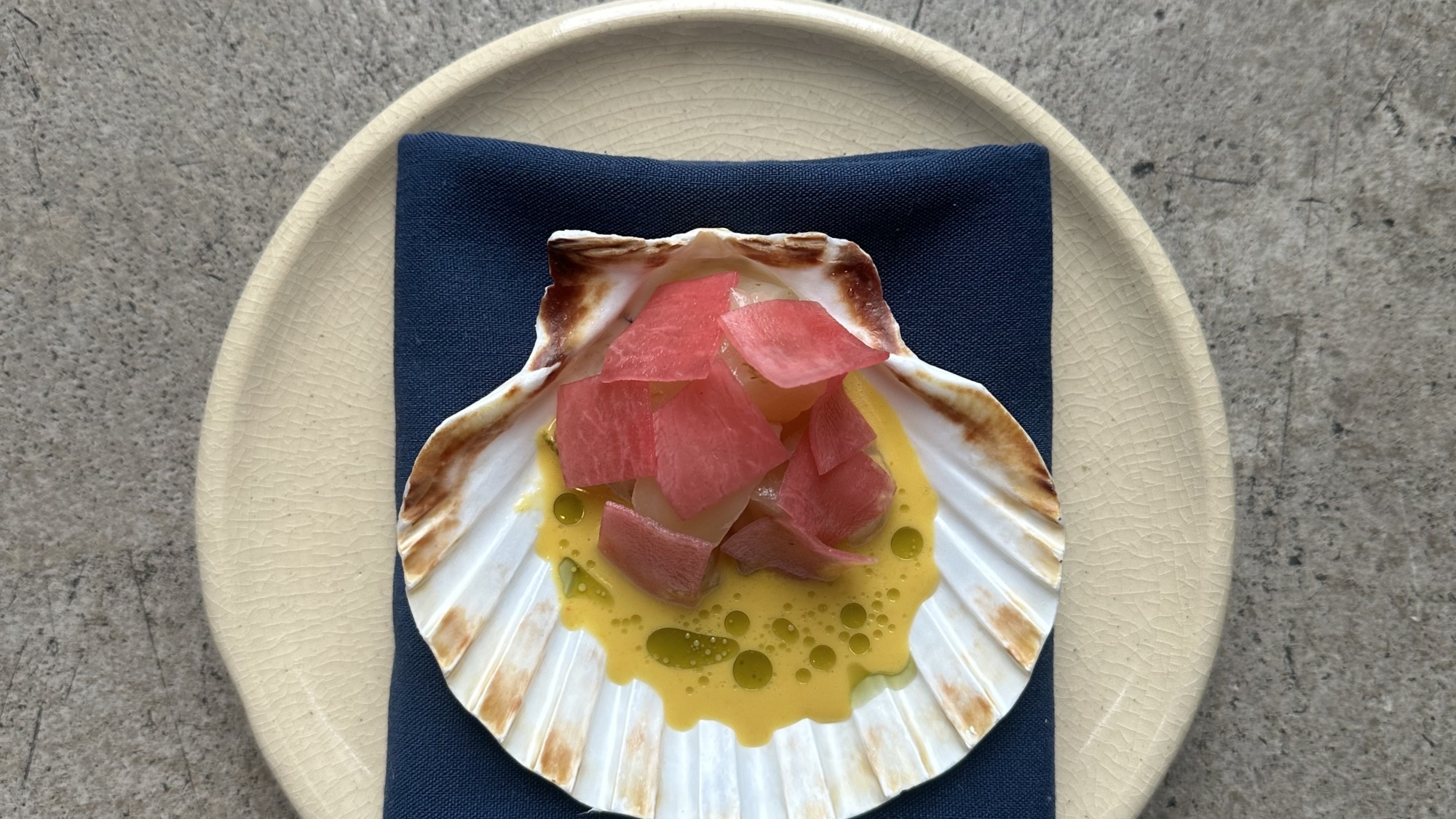
The scallop crudo leans lighter, made with raw Nantucket Bay scallops dressed with a vinaigrette of lime zest, lime juice, and shio koji. The star of the dish is a fermented kosho (a Japanese-style chile paste) that Liscano made with Buddha’s hand citrus and habanada peppers that took 45 days to ferment.
“I wanted to take all of the fragrant things that were going on in that late summer and kind of capture them in the vinaigrette,” Liscano says. The dish is finished with daikon radish pickled with hibiscus, adding crunch and acidity, and a drizzle of sawtooth coriander oil.
Wagyu Beef Tartare
Palma has been using olive-fed American wagyu on the tasting menu since its opening nearly two years ago — but the way the beef is trimmed leaves off-cuts that cannot be used for steaks.
“We end up with a lot of off pieces that we can’t use for the steaks necessarily,” Liscano says. “So we chop it up to a wagyu tartare for the à la carte.”
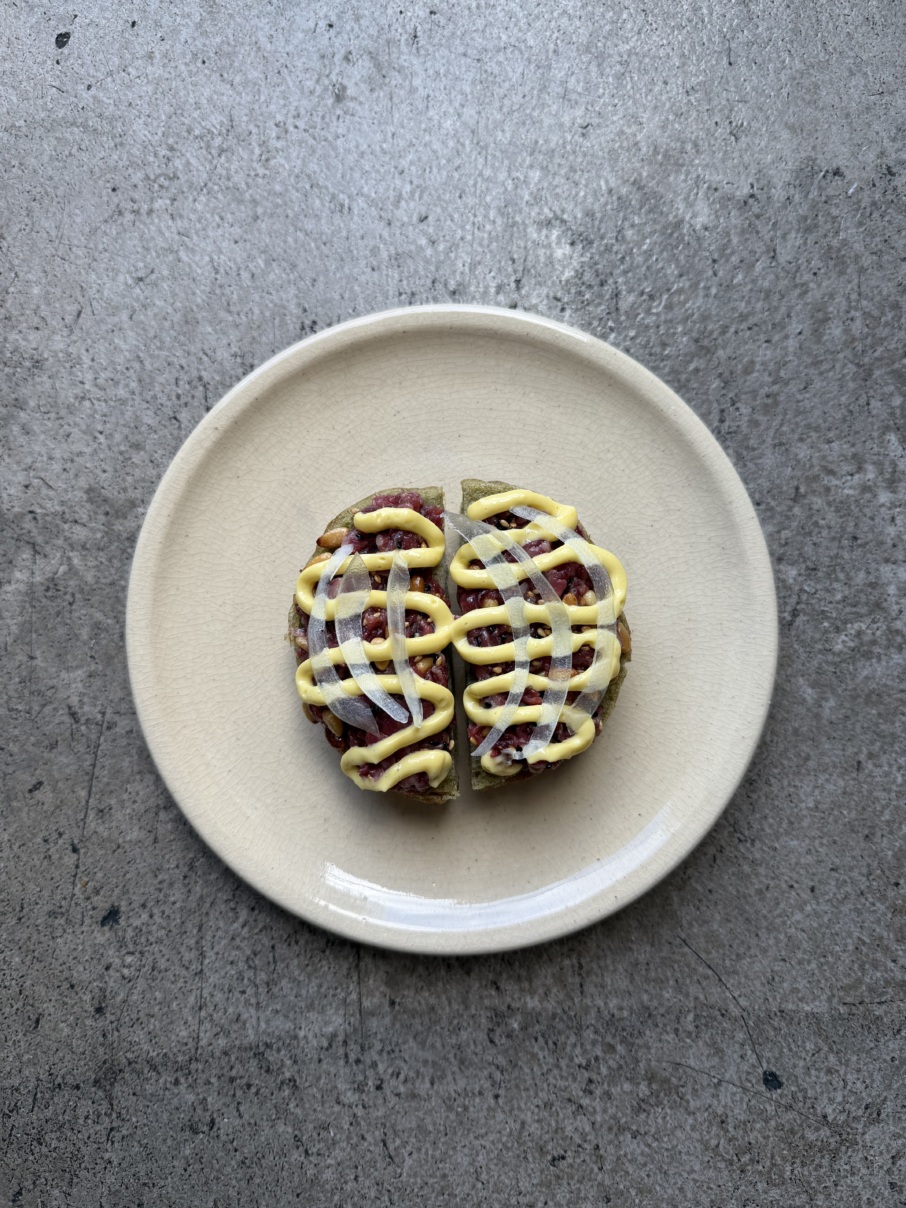
The tartare is dressed with smoked chile crisp, toasted pine nuts, toasted sesame, and yolk jam, then seasoned with fish sauce and raw onion. It is served on seaweed focaccia that has been charred and rubbed with garlic.
“It’s meant to be kind of finger food,” Liscano says. It’s a straightforward way to use what the kitchen already has, turning trim into something worth ordering on its own. It is also one of the most memorable tartares in the city, and the most unique take I have had in a long time.”
Related Stories


45-Day Dry-Aged Striploin
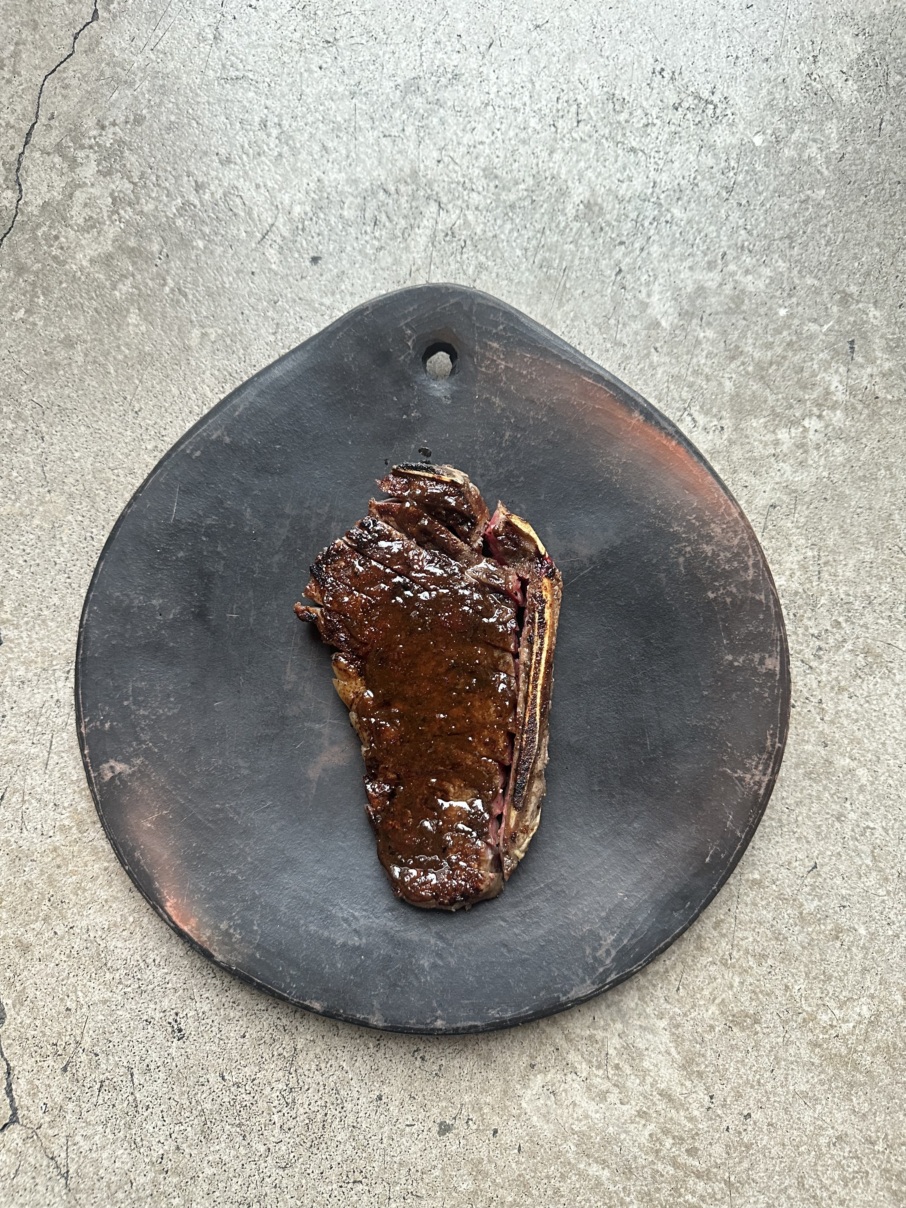
The largest dish on the new à la carte menu is a 45-day dry-aged striploin, cut one inch thick, Kansas City-style, with the bone still in.
“I really think the optimal size for a steak in a restaurant is like a one-inch cut,” Liscano says. “I think it’s the perfect amount of meat. If you want to come in and just eat this and a salad, it’s perfect. If you want to share this and a few other plates with another person, it’s also the perfect size.”
The steak is brushed with a mixture of brown butter, koji powder, dried porcini, and burnt garlic as it grills over charcoal, then finished with smoked salt. Parts of the cut turn into small, snackable nuggets, almost like beef wings, meant to be picked up and eaten with your hands.
“I want to serve it very simply, but in a way that kind of amplifies the beef,” Liscano says.
The technique evolved from the tasting menu, where the kitchen brushes beef with butter or beef fat depending on the sauces it is paired with.
“I really love the flavor and it kind of brings out a little bit more of that beefiness,” he says. “Sometimes that’s the whole point of eating this cut, because it has some of the best beef flavor on the entire cow.”
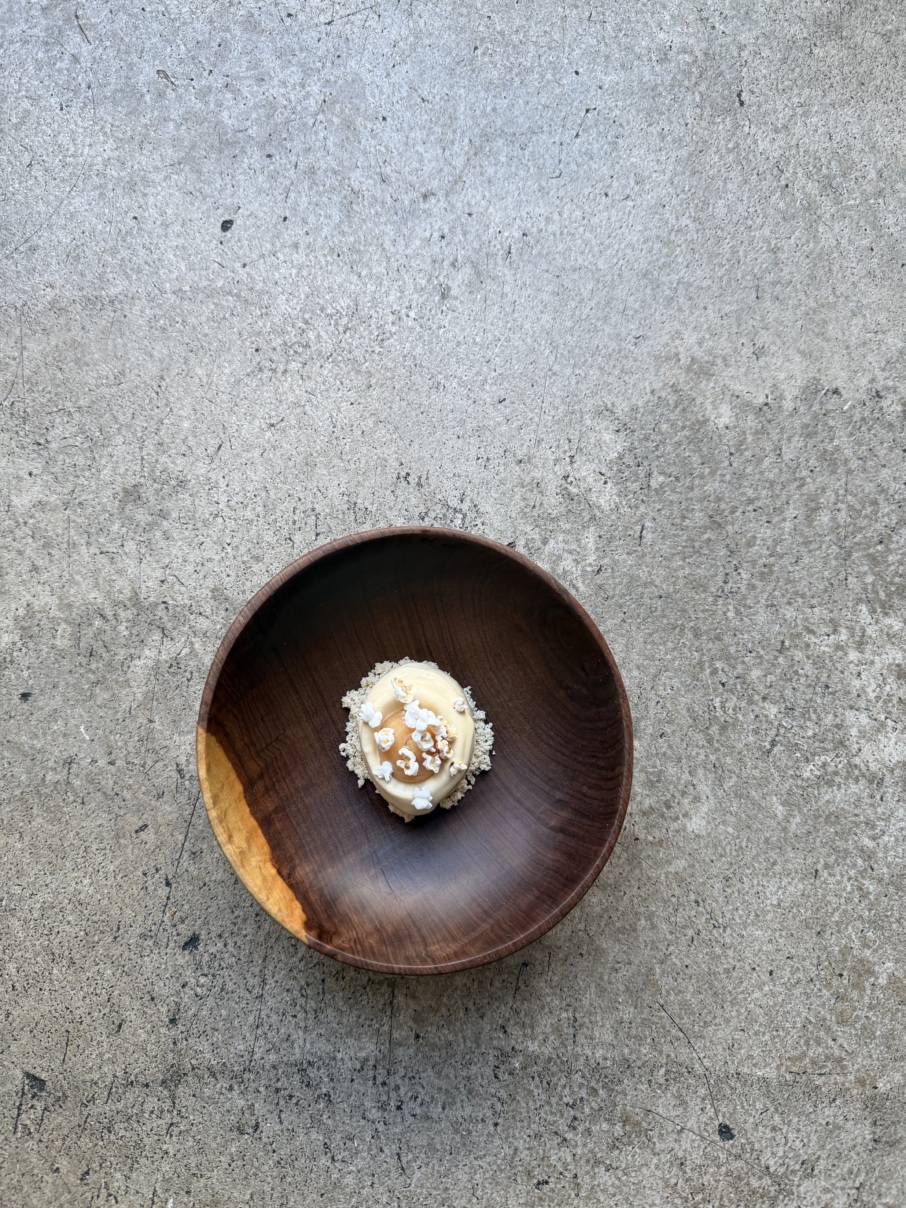
Popcorn Ice Cream
Dessert comes in the form of popcorn ice cream, which recently got an update. Liscano replaced the popcorn ganache with quince jam made from fruit that comes from a friend’s mother’s tree in Portland.
“She sends them boxes every single winter,” he says.
The jam is made with Yunnan Gold black tea, then layered with puffed sorghum and a brown butter crumble. The dish originally appeared on the tasting menu, where it earned enough fans to earn a spot on the à la carte lineup.
A fourth-generation Miamian, Olee Fowler knows every corner of the city. She spent a decade as the editor of Eater Miami, and now as a freelance writer, she captures the stories that make Miami unique. When she’s not exploring Miami’s newest restaurants and bars, you can find her at home with her dogs, Foster and Peanut, or cheering on her beloved Florida Gators. And yes, that’s probably a Coke Zero on her desk.