At Carbone Vino, the Carbone Kitchen’s Dream Dishes Find a Home
Published:
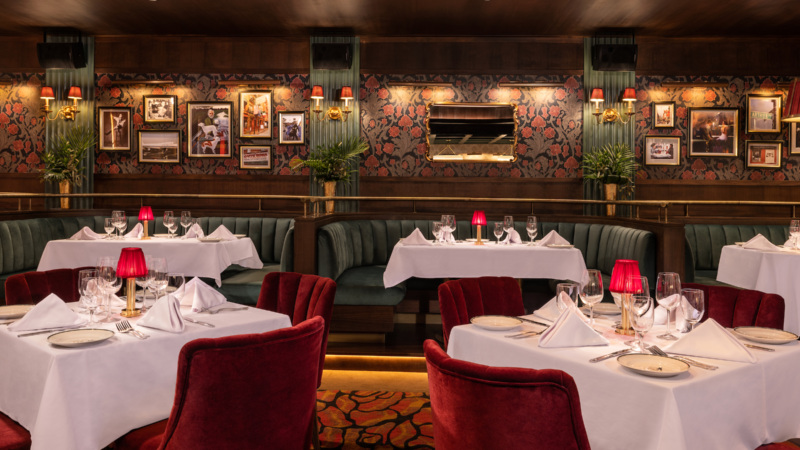
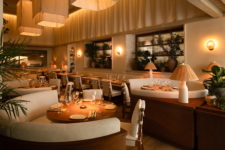
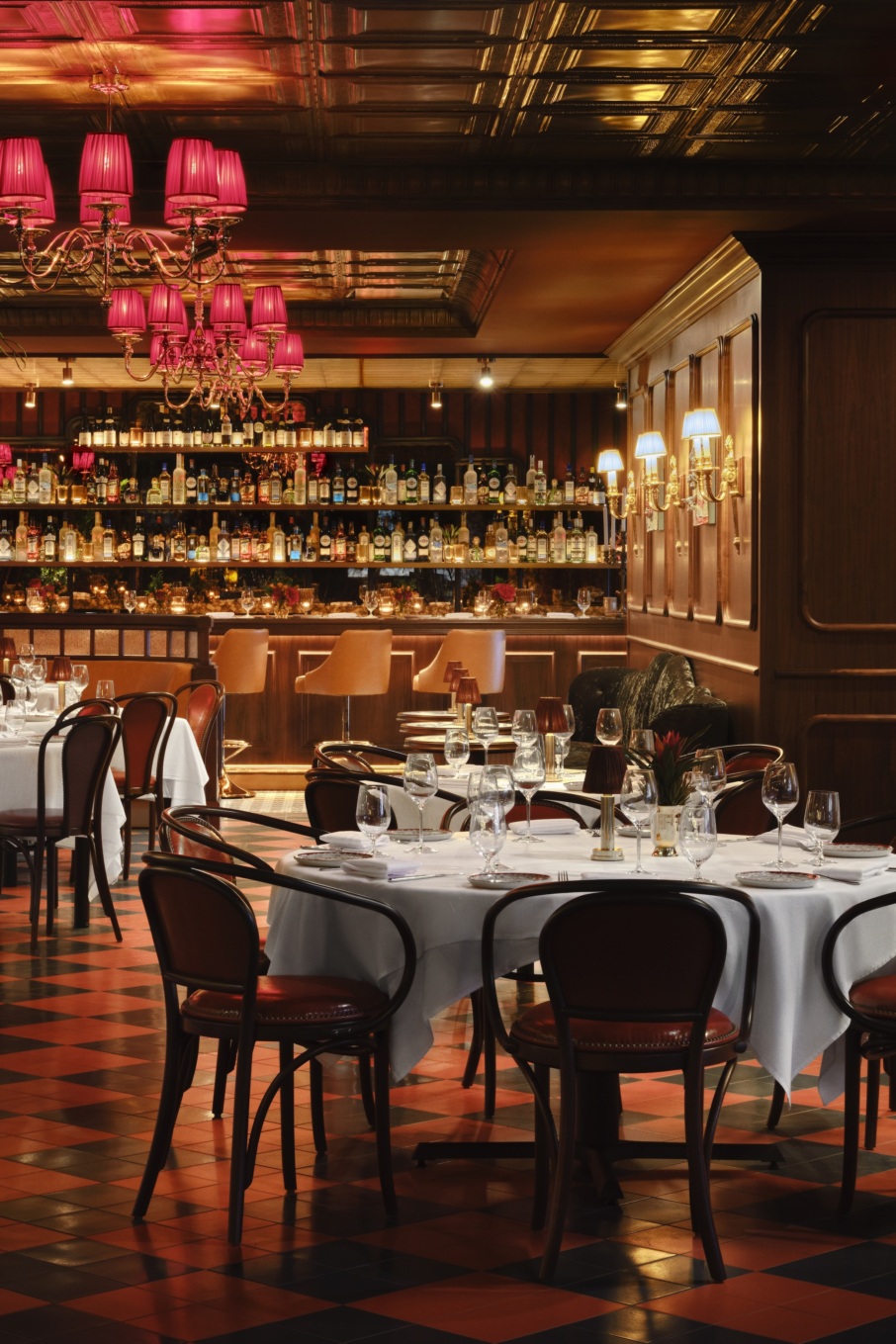
Rooted in the spirit of its iconic predecessor, Carbone Vino in Coconut Grove is both a natural extension of the Carbone universe and a deliberate reimagining of it. The restaurant carries the unmistakable DNA of the original: timeless Italian classics, spirited energy, and the enveloping hospitality that has made Carbone an institution. But from the moment you step inside, it’s clear that Vino is still a place of its own — an intimate, candlelit space with low ceilings, infused with Old World charm inspired by the original Carbone in Greenwich Village.
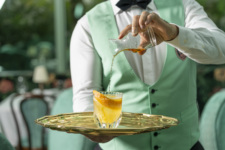
The “vino” in Carbone Vino signals one of the largest wine-by-the-glass programs in Florida and a cellar designed to make serious bottles feel approachable and ready to be explored. This emphasis on wine expands the Carbone experience into new territory, inviting guests to settle in, stay awhile, and discover pairings that shape the meal as much as the food itself.
“While it is very much Carbone, it is also something new — a place where you can sit at the bar for a full meal, get lost in the wine list, and explore dishes we have been developing for years that never quite had a home until now,” says chef and Major Food Group co-founder Mario Carbone.
“Carbone Vino became the perfect outlet for years of notebooks, ideas we have been cooking privately, and dishes we’ve wanted to add to the Carbone repertoire,” the chef continues. “The through-line is simple: everything has to feel like it belongs on the Carbone table — familiar, abundant, and meant to be shared — while still having its own story.”
With that balance of tradition and innovation in mind, here are five must-try dishes you’ll only find on the menu at Carbone Vino.
Related Stories

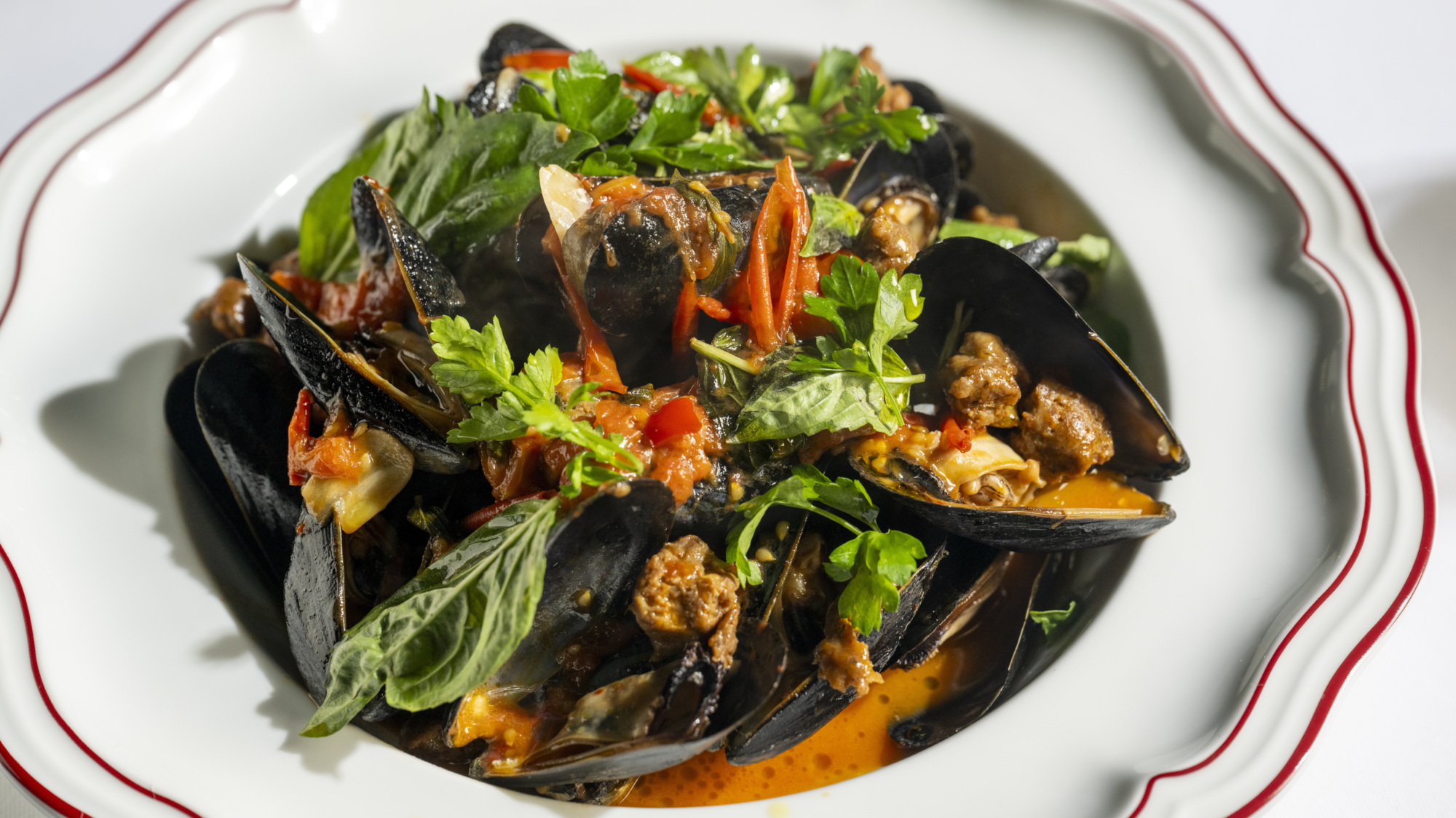
Zuppa di Mussels
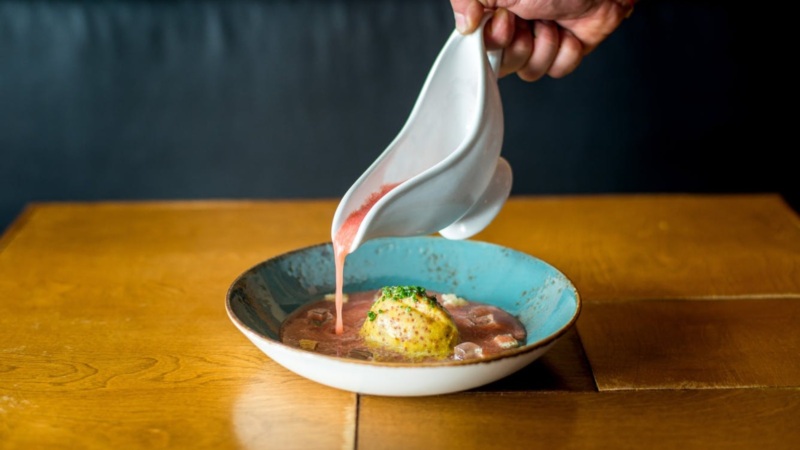
For Carbone, mussels feel like a natural starter because they’re light, refreshing, and incredibly communal. This classic Italian American dish offers a warming, aromatic start to the meal, and the bowl arrives with two pieces of grilled ciabatta — an essential accompaniment for dipping and scooping.
“Everyone reaches in, everyone shares the broth, and suddenly the table feels alive. That is exactly the kind of beginning we like,” Carbone says.
Carbone first developed the recipe that’s now used at Carbone Vino over a decade ago. They use plump Bangs Island Mussels from Maine, which are prized for their clean flavor and stand up well to the richness of the broth.
The preparation is almost like a pan roast, with a surprising ingredient that adds a spicy depth to the broth — sweet Italian sausage — as well as garlic, tomato, and white wine, which brings some brightness. The broth is finished with basil and a touch of cream, along with zucchini that softens into the sauce.
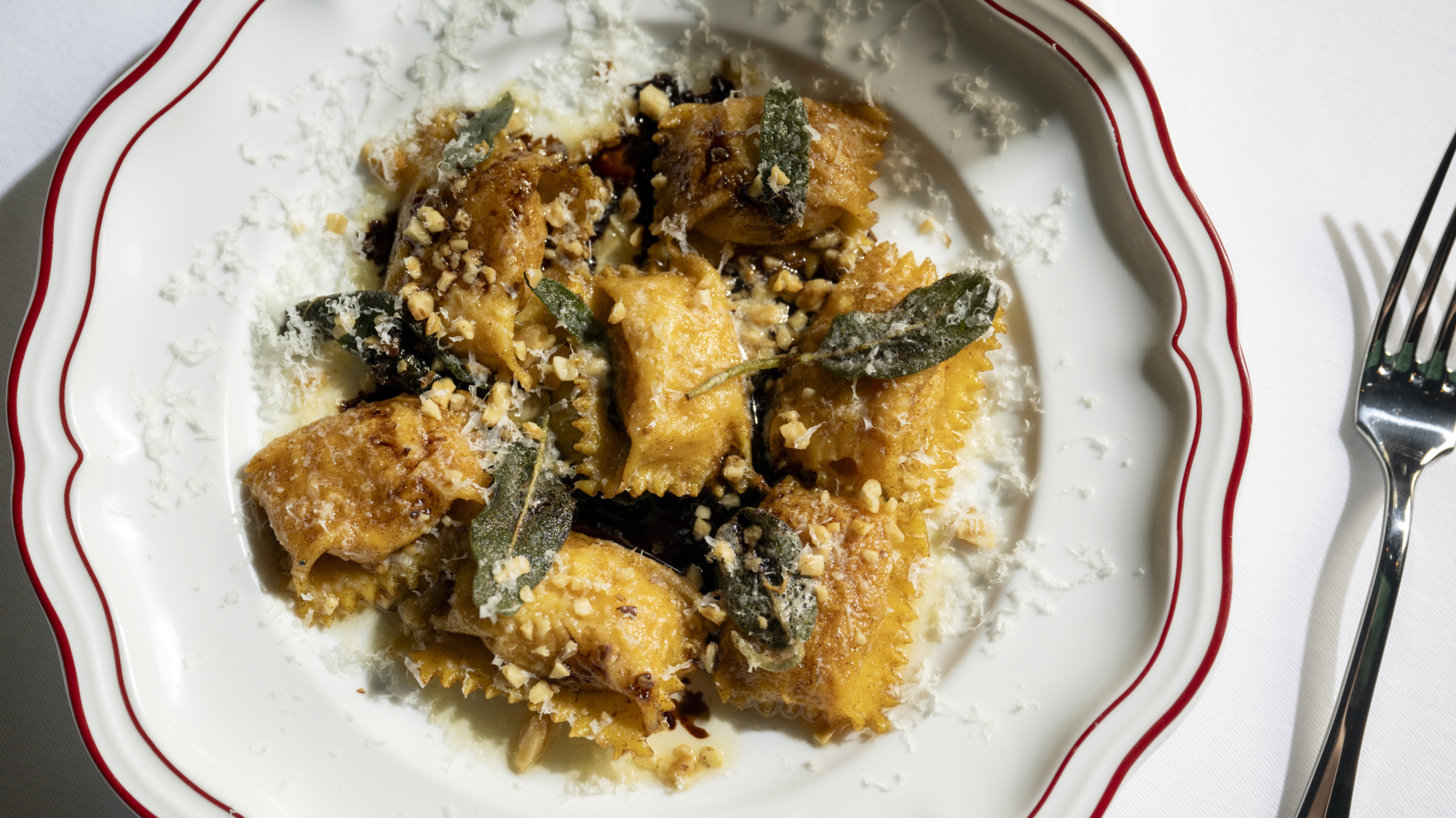
Pumpkin Agnolotti
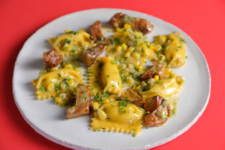
This dish stems from a classic Northern Italian preparation, and its appeal begins with the pasta itself. The Carbone team makes their egg yolk dough in-house, so the agnolotti are thin and delicate, yet just firm enough to hold a generous filling.
Inside the stuffed pasta, you’ll find a roasted squash puree mixed with mascarpone, warm spices, sage and 24-month Parmesan, which creates a silky center that balances sweet and earthy flavors. The agnolotti are served in a brown butter sauce that adds warmth and richness, and then finished with Villa Manodori aged balsamic, toasted hazelnuts, fried sage and grated Pecorino Toscano.
“The combination gives you a luscious, almost airy bite from the filling, contrasted with the crunch of the hazelnuts and a subtle sweetness from the balsamic,” Carbone says. “It is the kind of plate that reminds you why Italian cooking is often at its best when it is deceptively simple. Nothing is overthought — it is just executed with precision.”
Spaghettini Bambini
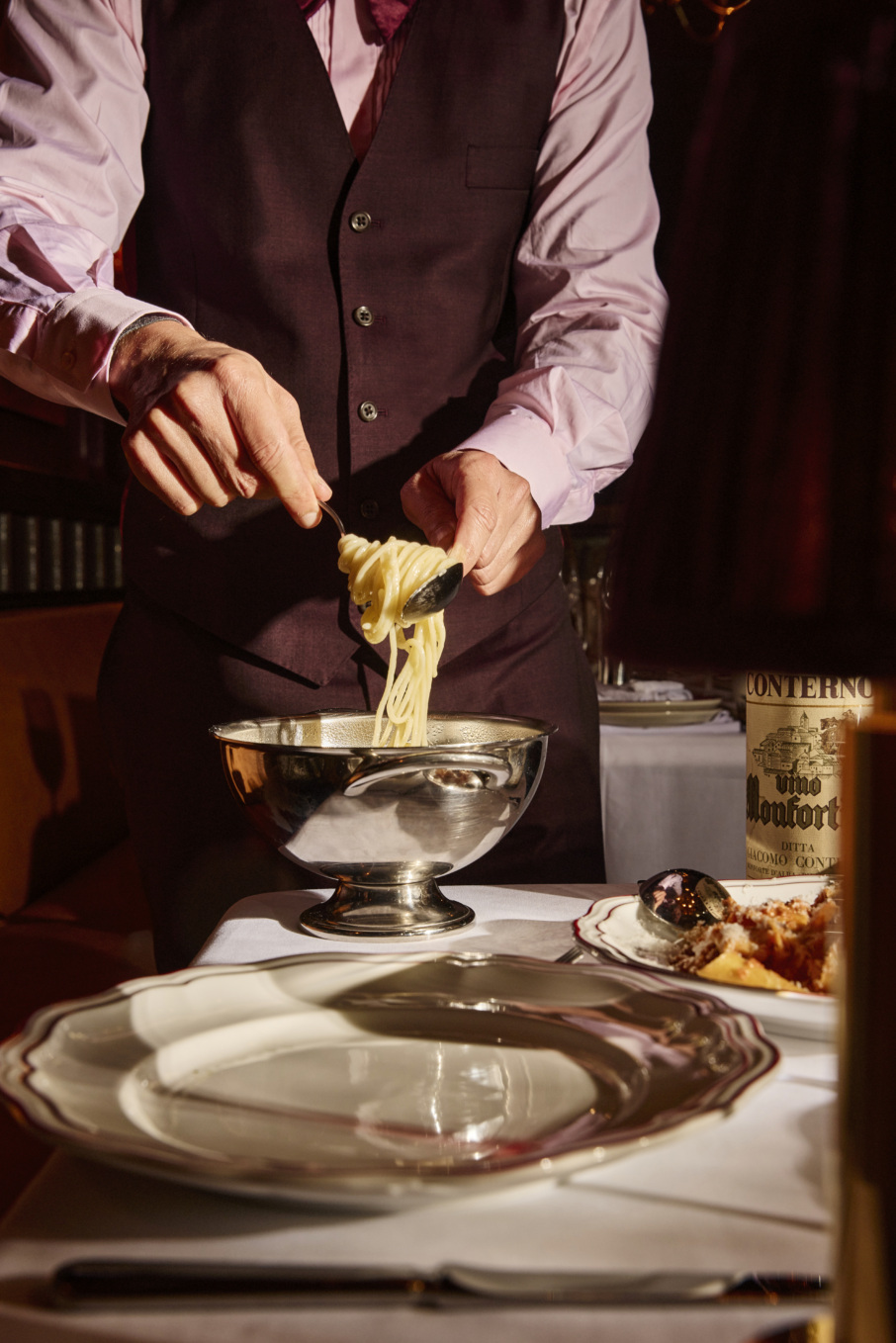
The Spaghetti Bambini is essentially a grown-up version of the buttered noodles everyone eats as a child. Carbone set out to make the best possible version of it by seeking out the highest quality versions of each of its key ingredients: grass-fed Delitia Butter of Parma, and a 36-month Vacche Rosse Parmesan from the prized red cows of Parma, known for its nutty sweetness and depth.
The pasta is prepared tableside because timing is everything: it needs to remain warm so the butter and cheese emulsify perfectly around each strand.
“The result is a comforting, elegant bowl that sits somewhere between Alfredo, mac and cheese, and pure childhood memory — except now the quality of the ingredients elevates it entirely and allows it to pair perfectly with a great glass of red wine. That is the adult part,” Carbone says.
Veal Saltimbocca
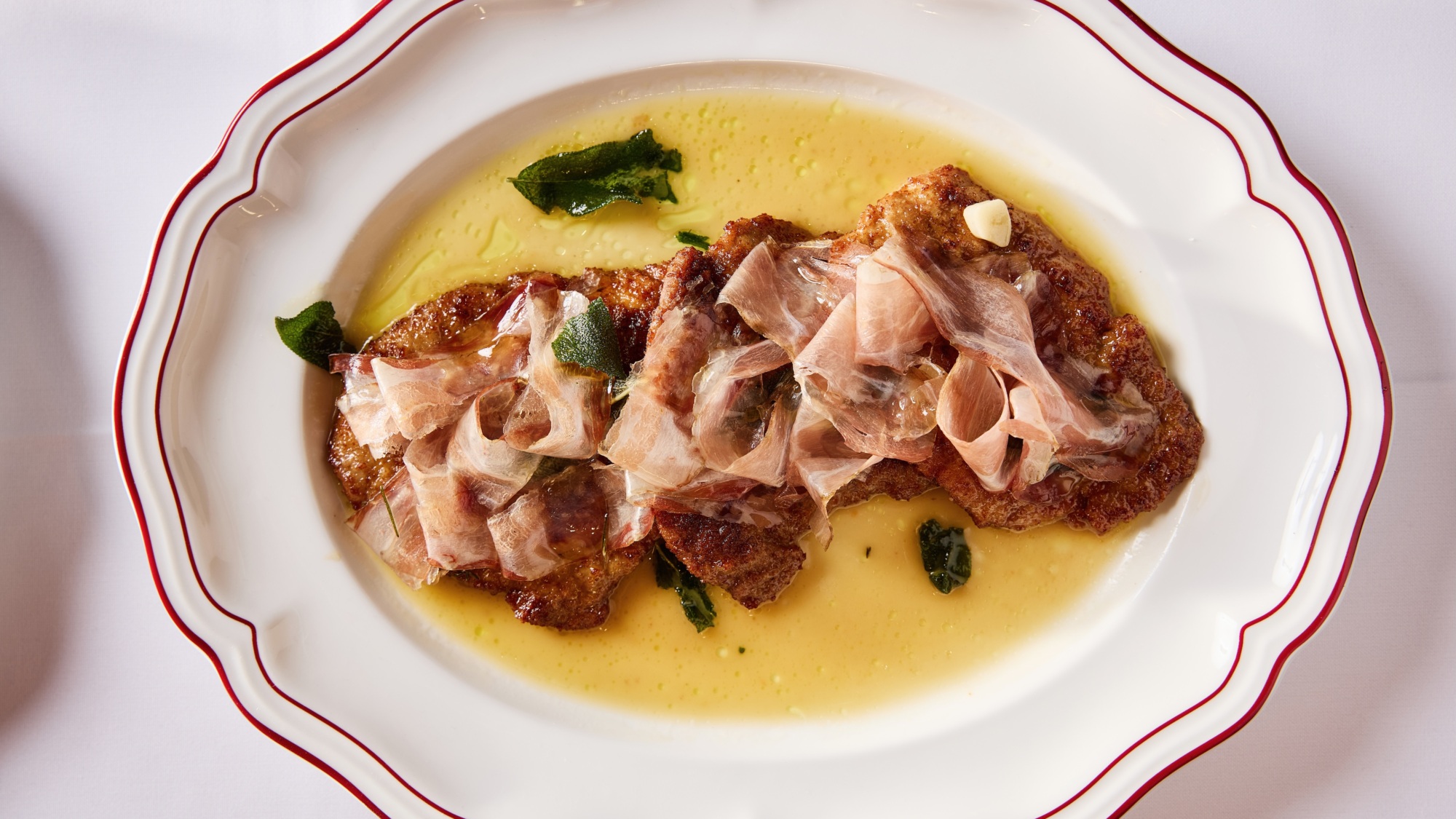
The Carbone team has cooked more veal parms than they can count, so for Carbone Vino, they wanted to explore an entirely new veal preparation: the saltimbocca. “It’s familiar but refined, a version we have been wanting to eat for years. Carbone Vino finally gave us the excuse,” Carbone says.
Their version maintains the spirit of a traditional veal saltimbocca, using thinly pounded veal tenderloin that gets lightly dusted in flour, pan seared, and finished with a pan sauce of white wine, sage, garlic and chicken stock.
However, the Carbone Vino version takes one important departure. Traditionally, the veal would be topped with prosciutto before cooking, but here the cured meat remains uncooked. Instead, they cook and sauce the veal first, then finish the dish with ultra-thin slices of uncooked pancetta pepato (cured pork belly coated with black peppercorns) that comes from Salumeria Biellese, a hundred-year-old deli in New York.
“The warmth of the sauce softens the pancetta without tightening it, preserving its delicate texture and peppery flavor. We love the contrast this creates: the beautifully seared veal beneath the savory, aromatic sauce, and the gentle richness of the pancetta melting into the dish,” Carbone says.
Cannoli Sundae
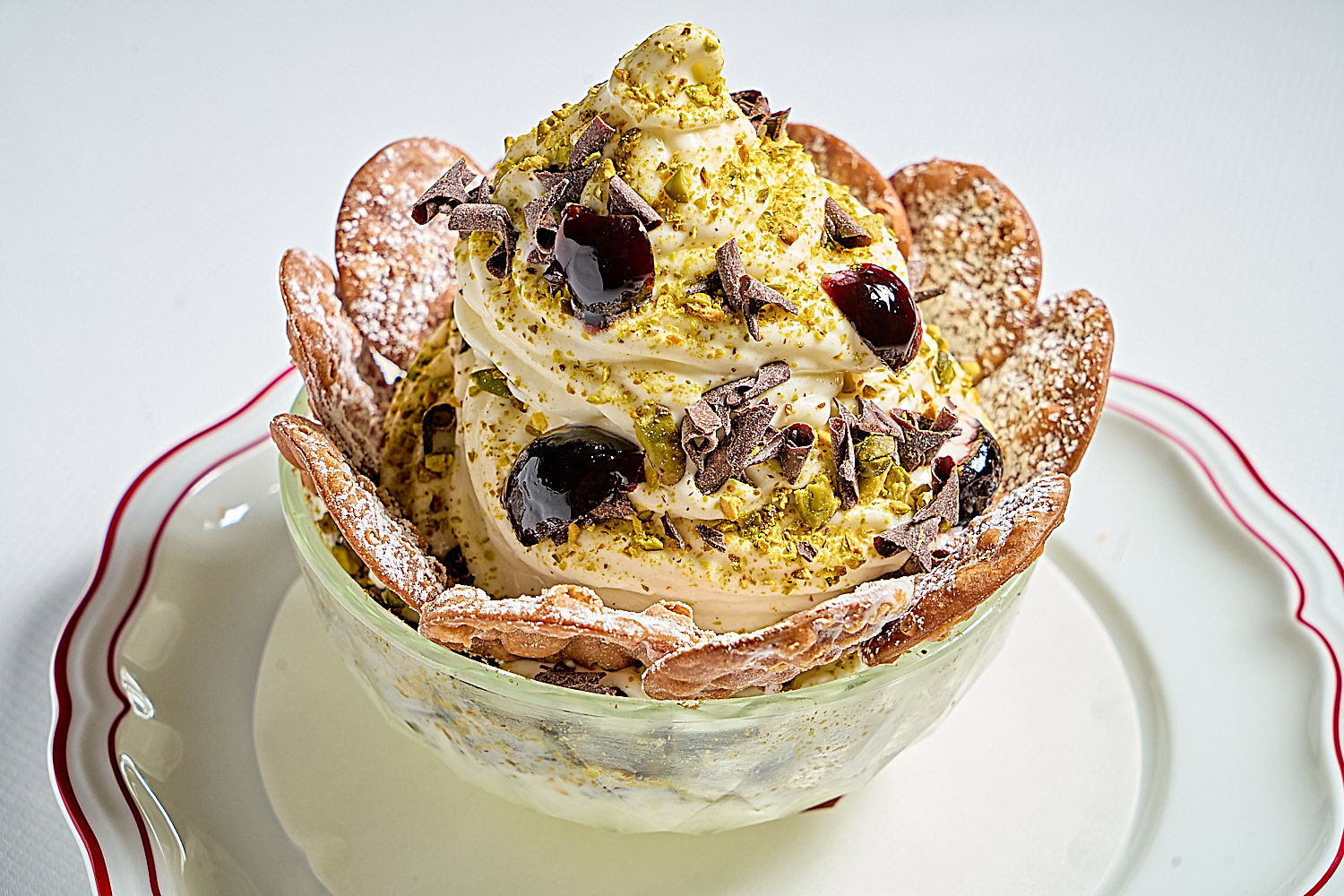
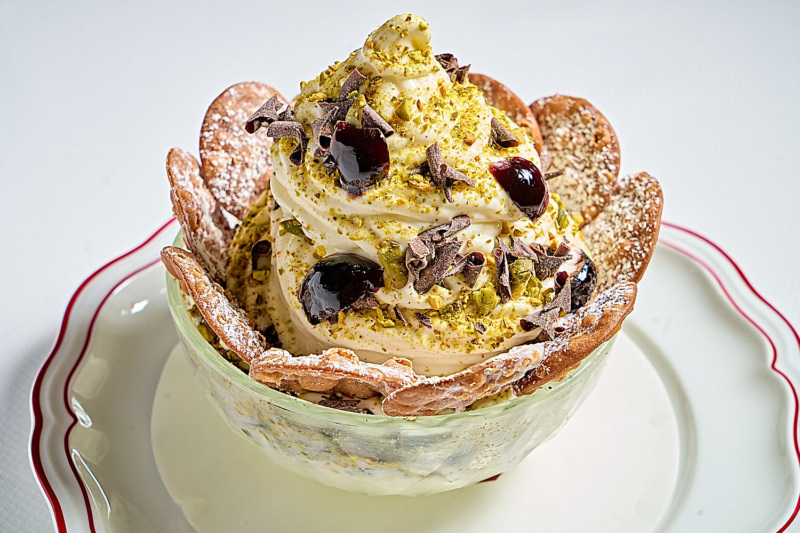
The idea for the Cannoli Sundae started out with a simple goal: take the flavors everyone loves in a classic cannoli and present them in a way that feels festive, generous, and perfect for the whole table.
So Corporate Pastry Chef Daniel Skurnick created a ricotta soft serve as the base, which gives the dessert its unmistakable cannoli character. The sundae gets topped with all the traditional elements you would expect: bittersweet chocolate, Sicilian pistachios, candied cherries, and orange zest. Then, it’s finished with fried cannoli dough shaped like chips, so guests can scoop up the ice cream or break the pieces apart to crumble over their own perfect bite.
“It is nostalgic in all the right ways, but what matters most is that it is delicious, highly shareable, and brings the meal to a joyful close. Ending on a high note is always the goal, and this dessert does exactly that,” Carbone says.