How the New Chef at Elia Is Redefining Mediterranean Food in Chicago
Published:
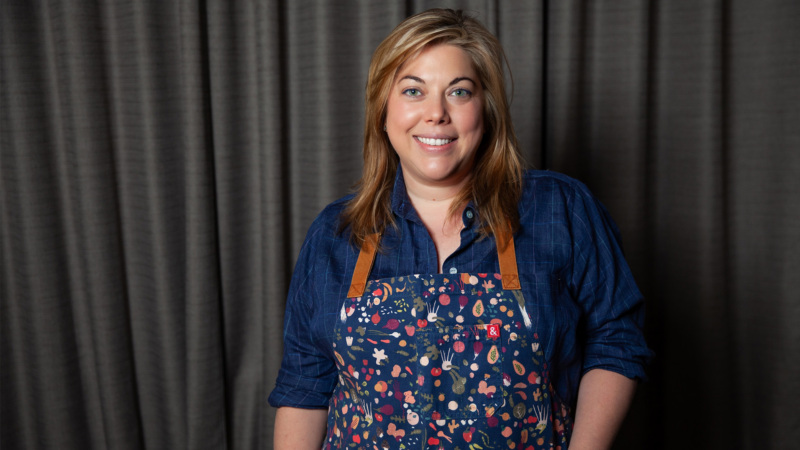
Chef Özgür “Ozzy” Yavuz has cooked across Turkey, Europe, Russia, Saudi Arabia, and most recently, Miami. But since landing at Elia in Wicker Park, he feels like he’s hit a new creative stride, which he credits to the city’s curious and confident diners. “Customers know what they want here — which is more difficult for me, but much more enjoyable,” he laughs. For a chef who thrives on experimentation and cross-cultural flavors, it’s the perfect match. Chicago gives Yavuz the freedom to push boundaries, and the pressure to get it right, all while staying rooted in tradition.
Originally leaning Greek-Italian, the Wicker Park restaurant has evolved since Yavuz came on board six months ago. He’s reworked the menu to reflect his Greek and Turkish heritage — and his restless instinct to tinker. The result: dishes that weave together flavors from both sides of the Aegean with a modern, personal twist. “I am obsessed with my job. Every detail matters to me,” Yavuz says.
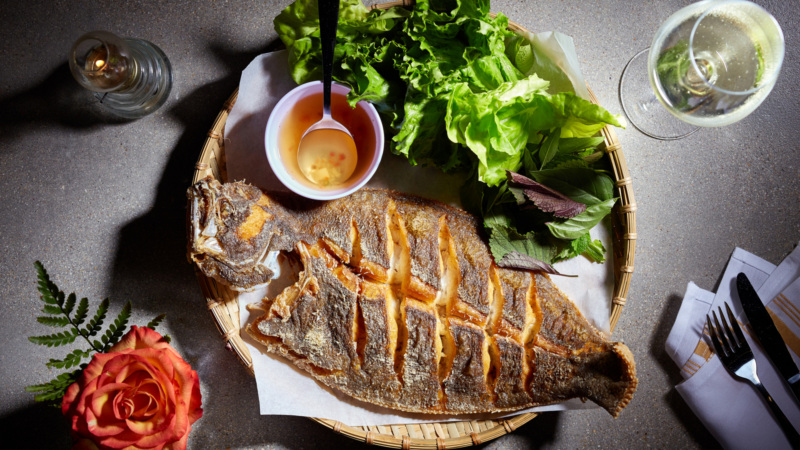
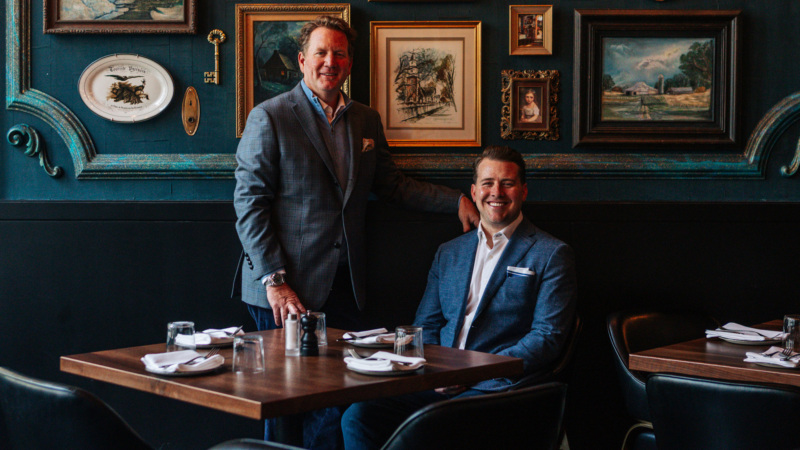
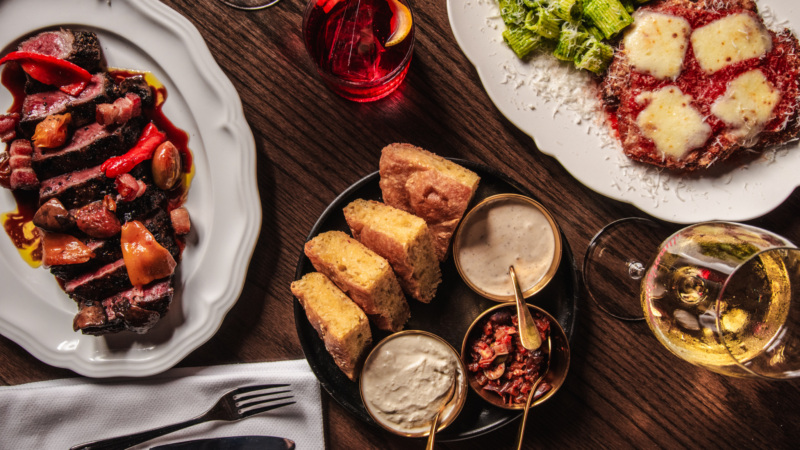
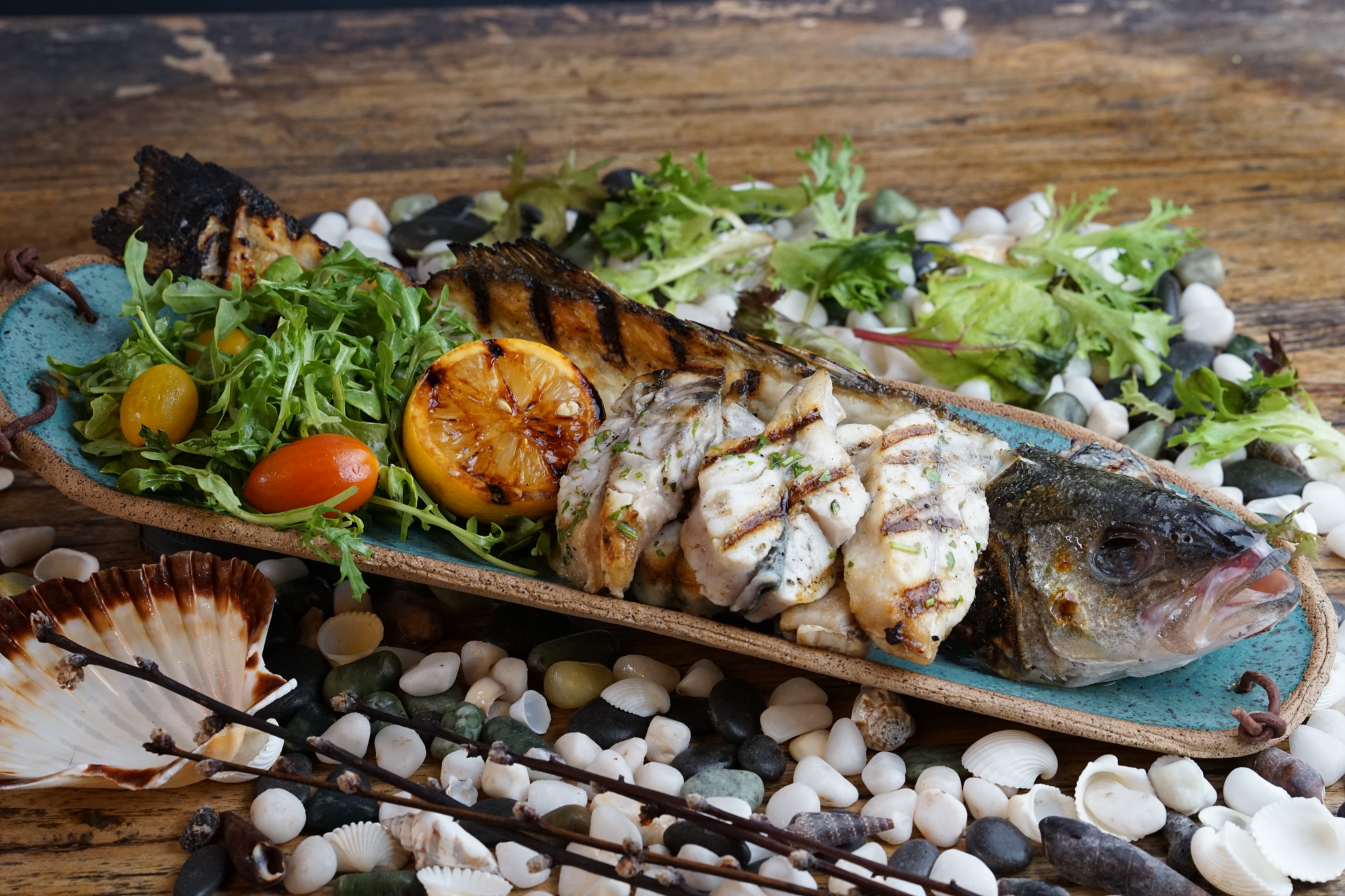
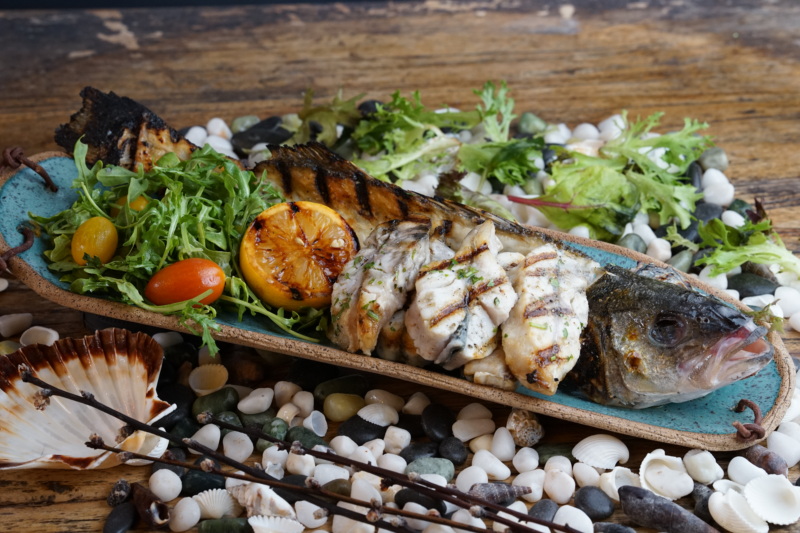
And he means it: the chef handcrafts ceramic serving plates, shoots the food photography himself, and is constantly riffing on new ideas. Expect lamb skewers, grilled branzino, smoky truffle saganaki, and a spread of hot and cold mezze alongside global wines. And the space? A dark matte ceiling and oversized portraits with gold accents create a dramatic backdrop, softened by irregularly shaped handmade ceramics, earthy wood tones, and warm lighting.
Specials change depending on what he finds at the morning market, and if you’re lucky, Yavuz might pop out mid-service just to make sure you’re ordering well. More than once during our conversation, he described a dish, paused, and said, “This makes me hungry.” Honestly? Same. If the chef can’t resist, what chance do the rest of us have?
Here’s everything you need to know about Elia, with Yavuz at the helm.
MORE FROM RESY



It’s Mediterranean … ish.
Having cooked his way across continents, Yavuz knows better than to box a cuisine into one neat label. “People say ‘Mediterranean,’ but what does that even mean? The Mediterranean is huge—50 cultures, 50 very different cuisines. Even in Turkey, if you change cities, the food changes completely. So just calling it ‘Mediterranean’ doesn’t really cut it,” he says.
Especially not when his inspirations go far beyond the region. In Miami, Yavuz applied to be both a dishwasher and a line cook at a Japanese restaurant—just to get close to the sushi counter. “I was very jealous of that kind of cooking,” he says. “So I wanted to learn by being up close. When I take what I learn into my own kitchen, it has to be my style.” Japanese techniques surface as subtle nods, not imitation. “There are already so many great Japanese chefs,” Yavuz says. “This is just my interpretation.” In one special, you might find a roll wrapped in grape leaves instead of nori, glazed with pomegranate molasses in place of teriyaki sauce, and topped with a pop of caviar. “You can’t find something like this in Turkey,” Yavuz says with a grin.
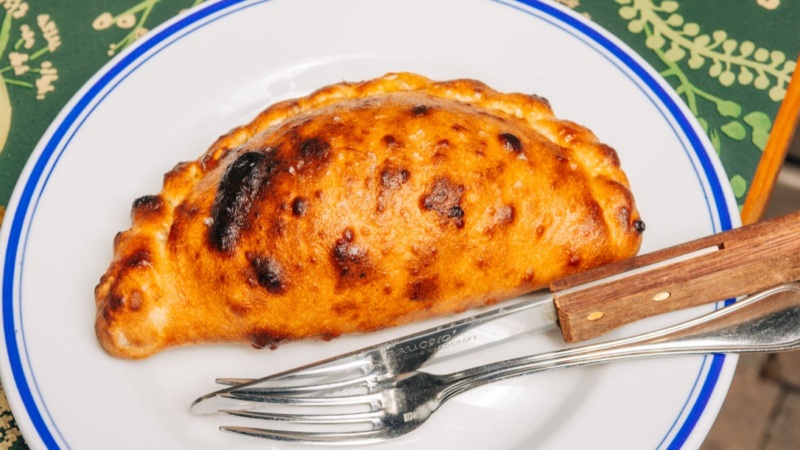
He also draws from his time in Naples, layering black truffle into Urfa-style pide and topping it with melty Graviera cheese. The dough? Another souvenir from Naples. For his twist on the Greek classic saganaki, he adds a jolt of dried habanero heat, tempered by truffle honey and lemon.

The mezze are mandatory. (Yes, all of them.)
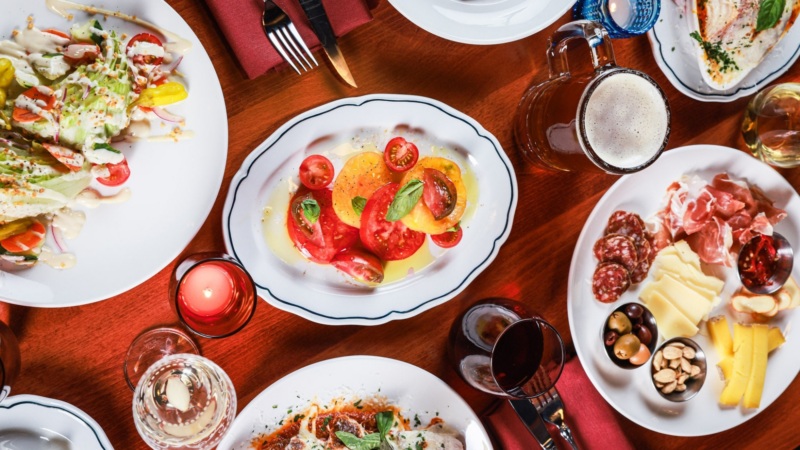
“You can’t come here without starting with the cold mezze,” Yavuz insists. “That’s the first step. A glass of wine, a few small plates—it sets the tone.” The mezze include htipiti, a dip made with roasted spicy red peppers and creamy feta cheese; muhammara, a vegan spread featuring roasted red peppers, walnuts, and pomegranate molasses; and smoked eggplant baba ganoush, drizzled with a turmeric sauce that adds a unique twist. One mezze that takes a creative turn is the octopus ceviche, inspired by a Peruvian classic.
“In Greece, they cure octopus in the sun with salt,” Yavuz said. “We can’t do that here, so we salt it for a day and then steam it for seven to eight hours. At the end, I burn mesquite wood underneath for a light smoky flavor.” Once finely chopped, it’s dressed with garlic, pickled vinegar, and a blend of Greek olive oils, then finished with Urfa flaked pepper from Turkey.
“It really is about the experience,” he continues. “If you’re sipping on a bottle of wine or enjoying traditional Turkish or Greek liquors like ouzo or raki, you have to get all the [cold] mezze. Eat it slowly before you move on to the hot mezze or entrées.”
Sharing is non-negotiable.
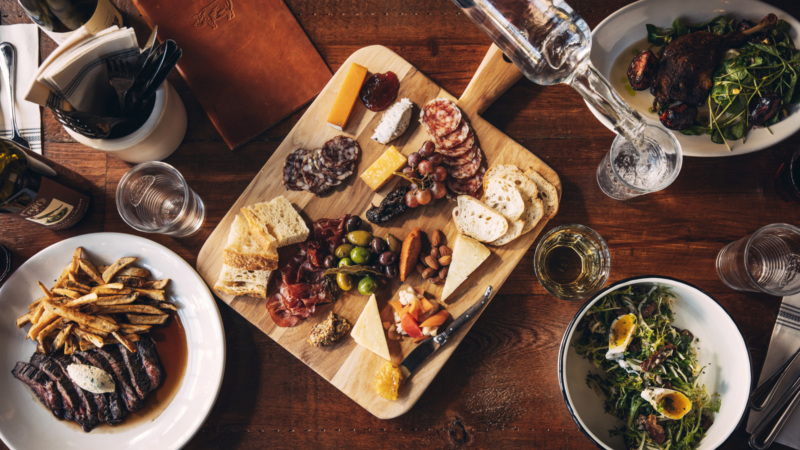
This isn’t the place to hoard your plate. Yavuz built the menu around communal mezze and shared entrées. “For two people or four, you have to share everything. One plate per person doesn’t work here,” he insists.
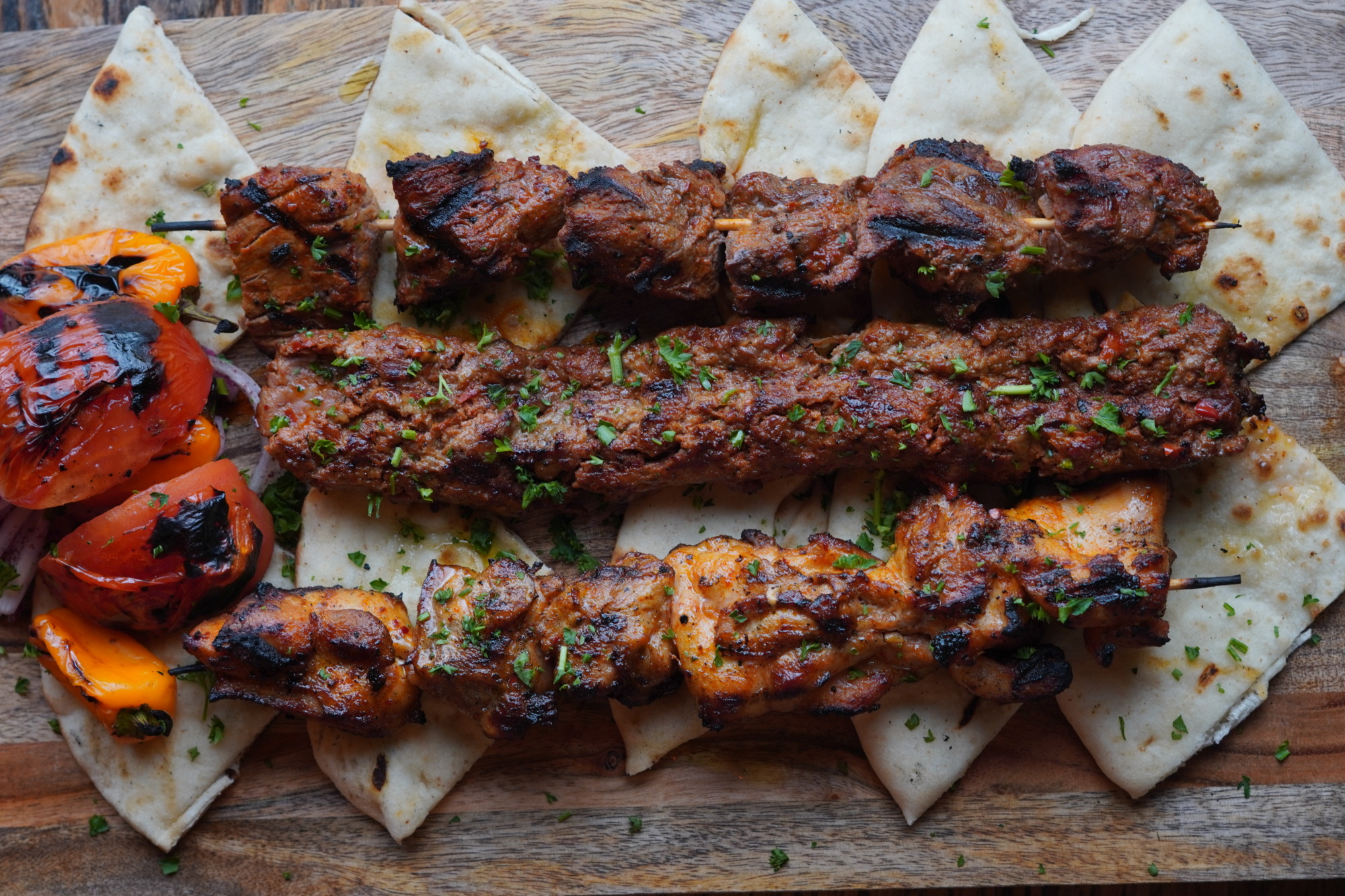
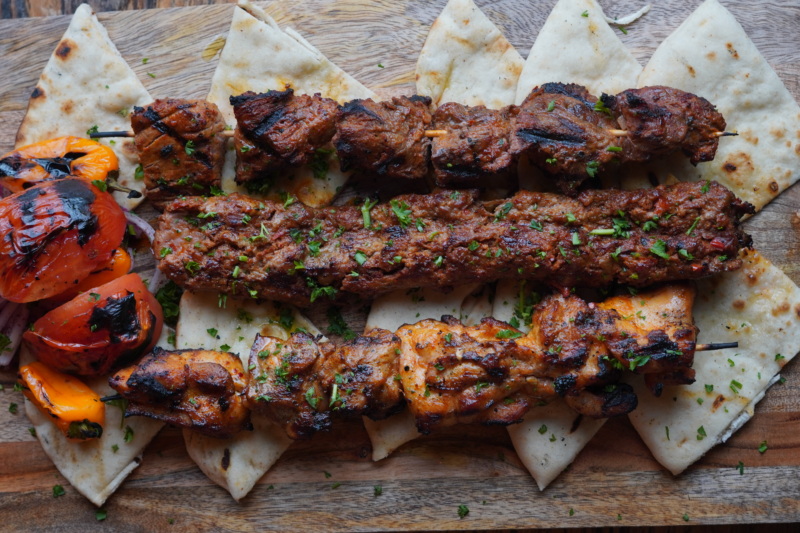
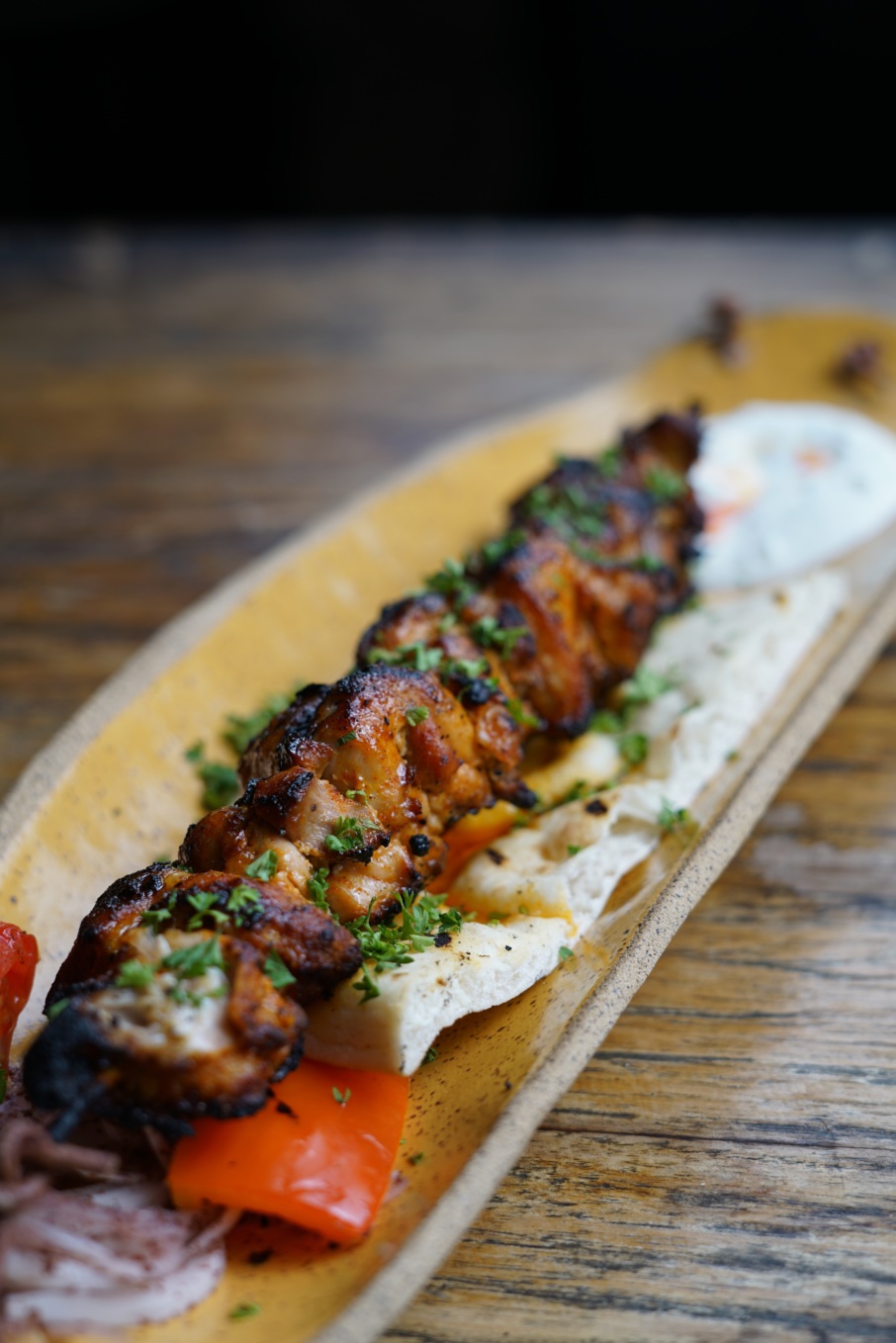
The rules are simple: Whether it’s the smoky Adana kebab, laced with Turkish spices and chopped red pepper, or the chicken shish — char-grilled thighs and vegetables with a side of tzatziki — everything’s meant to be passed around. “Dining is communication,” Yavuz says. “You need to see your friend, your wife, your husband, your kids. That means sharing what’s on the table. Trust me, the experience will be much better.”
Speaking of … trust the chef’s process.
If there’s one thing Yavuz wants diners to understand, it’s this: “You have to trust us.” Yavuz takes a purist approach to plating and pairings. If he notices guests ordering multiples of the same dish, he’ll personally step in to guide them toward a more balanced experience. “I’ll say, ‘Let me bring you something different. I think you’ll love it.’”
It’s all about tradition. “When I was growing up, my mom would never serve four of the same thing at the table. She’d always serve six or seven different mezzes. If there was only one hummus, there’d be a big problem.”
Yavuz is always tinkering. Every morning, he hits the market to see what speaks to him, and the specials reflect his creative process. For a recent lamb special, he slow-cooked the neck and shank confit-style for 12 hours, then seared the meat tableside for dramatic effect. The finished dish was meltingly tender, served with rice and seasoned simply with oregano, salt, and a pinch of smoky Urfa pepper.
Eating here is like a story.
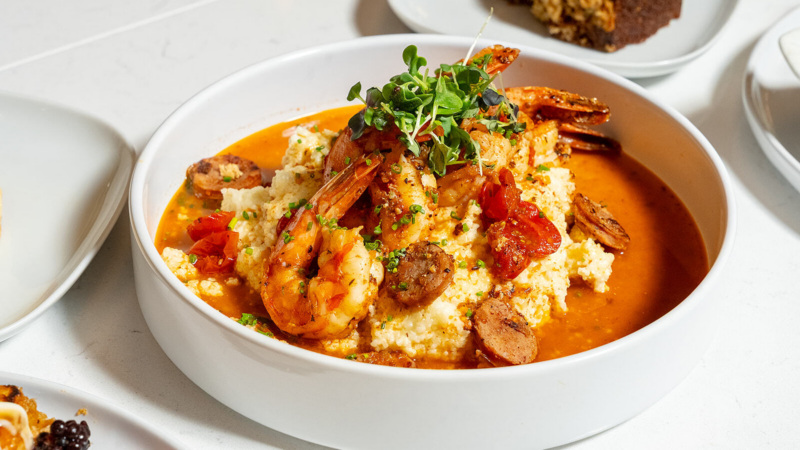
The meal at Elia unfolds in chapters. It starts with a cold mezze and something to drink (currently, beer and a list of wines from around the world, with cocktails to come later this year). From there, you move on to hot mezze and shared entrées (spiced minced lamb and cooked over a charcoal platter; seafood stew simmered in a rich house stock). And of course, no meal is complete without baklava to finish. Don’t worry—the pistachios are the real deal. As Yavuz says, “If the baklava’s pistachios aren’t from Turkey, throw it in the garbage.”