The New Look BeyBey Blends Music, Drinks, and Beiruti-Yucatecan Cooking
Published:
At its heart, BeyBey is about hospitality. The name is drawn from the Lebanese phrase “Beyte Beytak,” meaning “my home is your home,” and for founder Tiger Saliba, it’s a sentiment that’s deeply personal.
After immigrating to Miami in the wake of the 2020 Beirut Port explosion, Saliba found himself embraced by a new city during a moment of profound upheaval. BeyBey grew out of that feeling — a desire to create a place where everyone would feel welcome, in the city that welcomed him.
Conceived by the Lebanese-born hospitality entrepreneur, BeyBey was envisioned as a place rooted in warmth and connection — as much a cultural gathering spot as a place to eat.
“It was our long-term intention for BeyBey to be a food-forward, chef-driven restaurant, but the original kitchen simply wasn’t built to fully support that vision,” Saliba explains. “We opened first to establish proof of concept, feel the neighborhood’s response, and refine the experience.”
After pausing service to rework the space, the team rebuilt the restaurant around a state-of-the-art charcoal and wood-fired kitchen, reopening it as the full expression of what BeyBey was always meant to be. Now, BeyBey blends its Lebanese roots with Yucatán flavors in a sprawling Sunset Harbour space designed to feel like home. Here’s what to know.
More From Miami



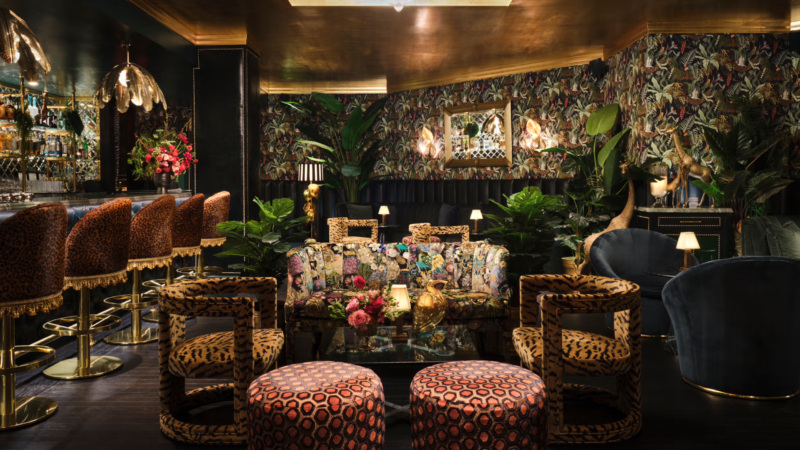
BeyBey feels like your most stylish friend’s home.
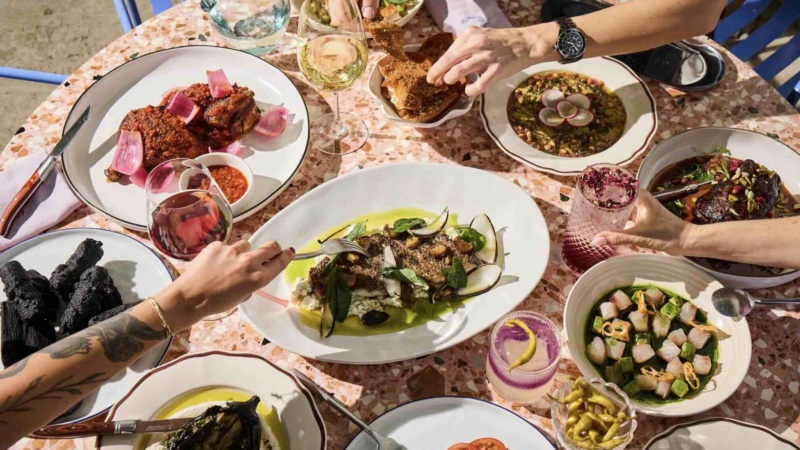
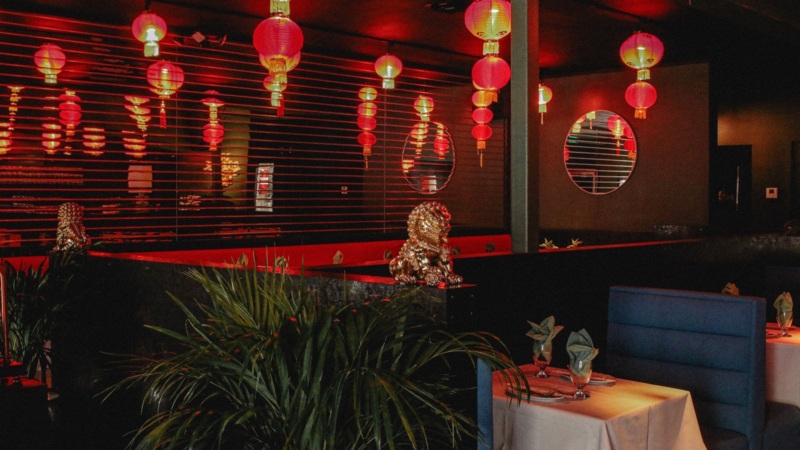
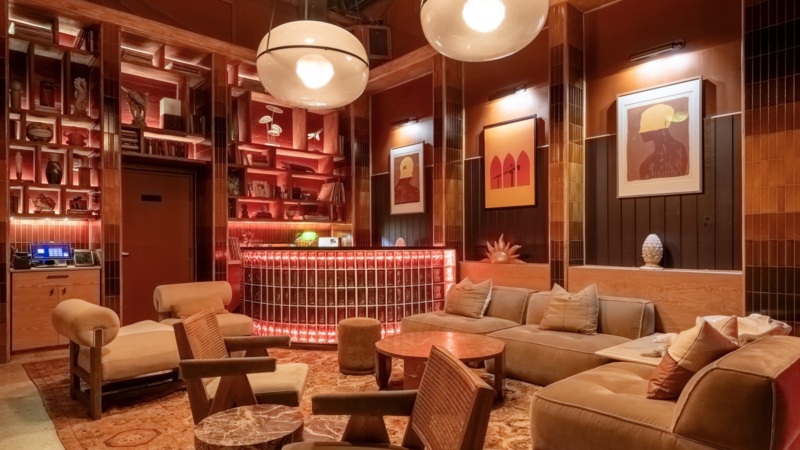
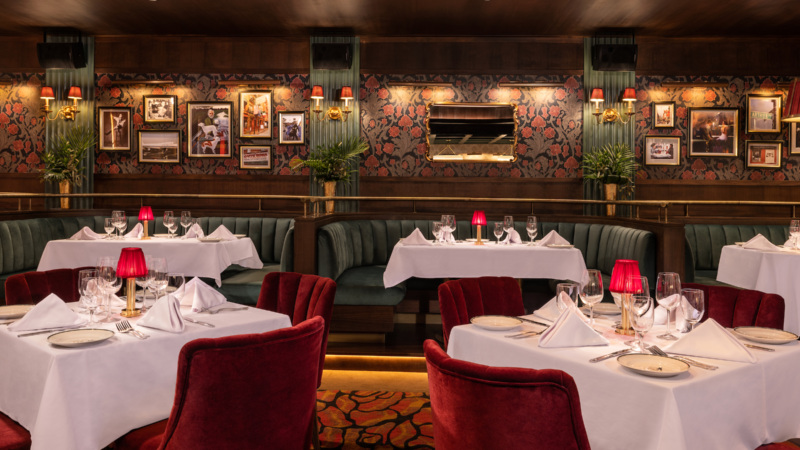
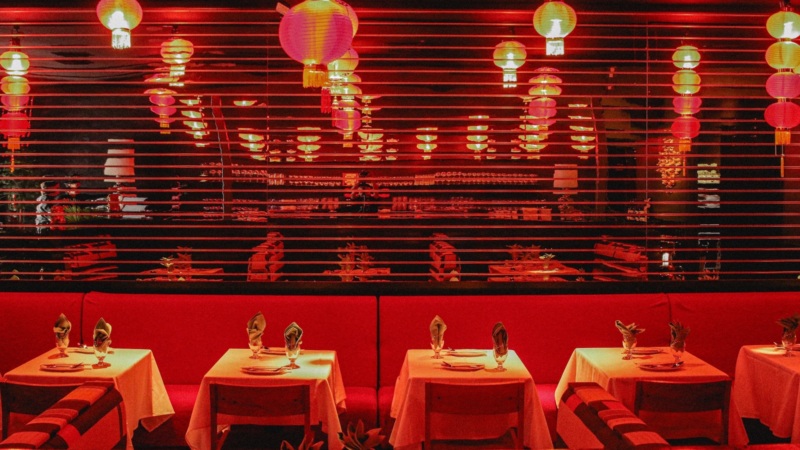
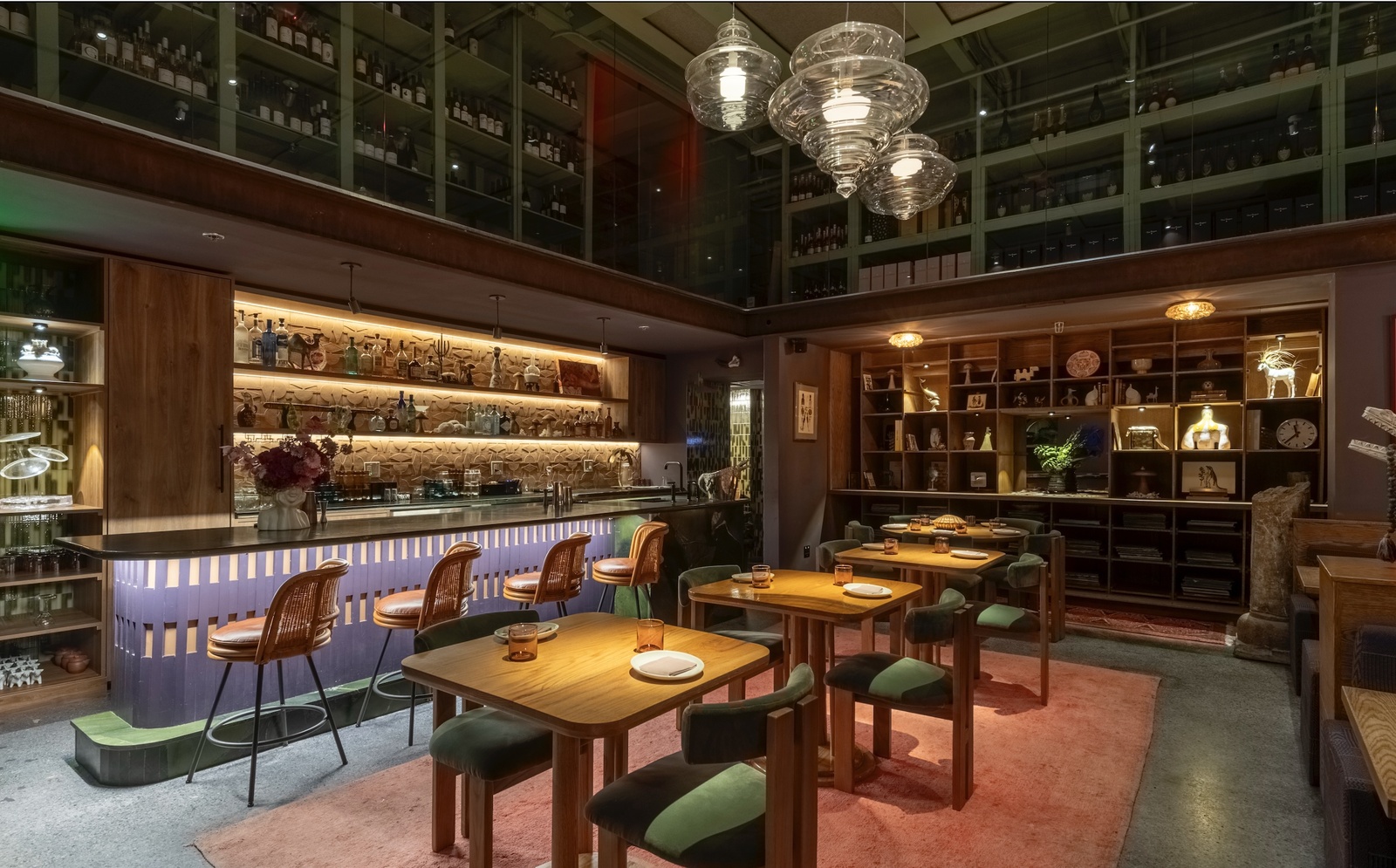
Designed by interior architect Michael Dolatowski, BeyBey’s interiors are intentionally transportive. The space centers around a lush garden courtyard, with a jewel-toned dining room that opens directly onto a counter-height bar, so it feels like you’re gathering in a friend’s kitchen.
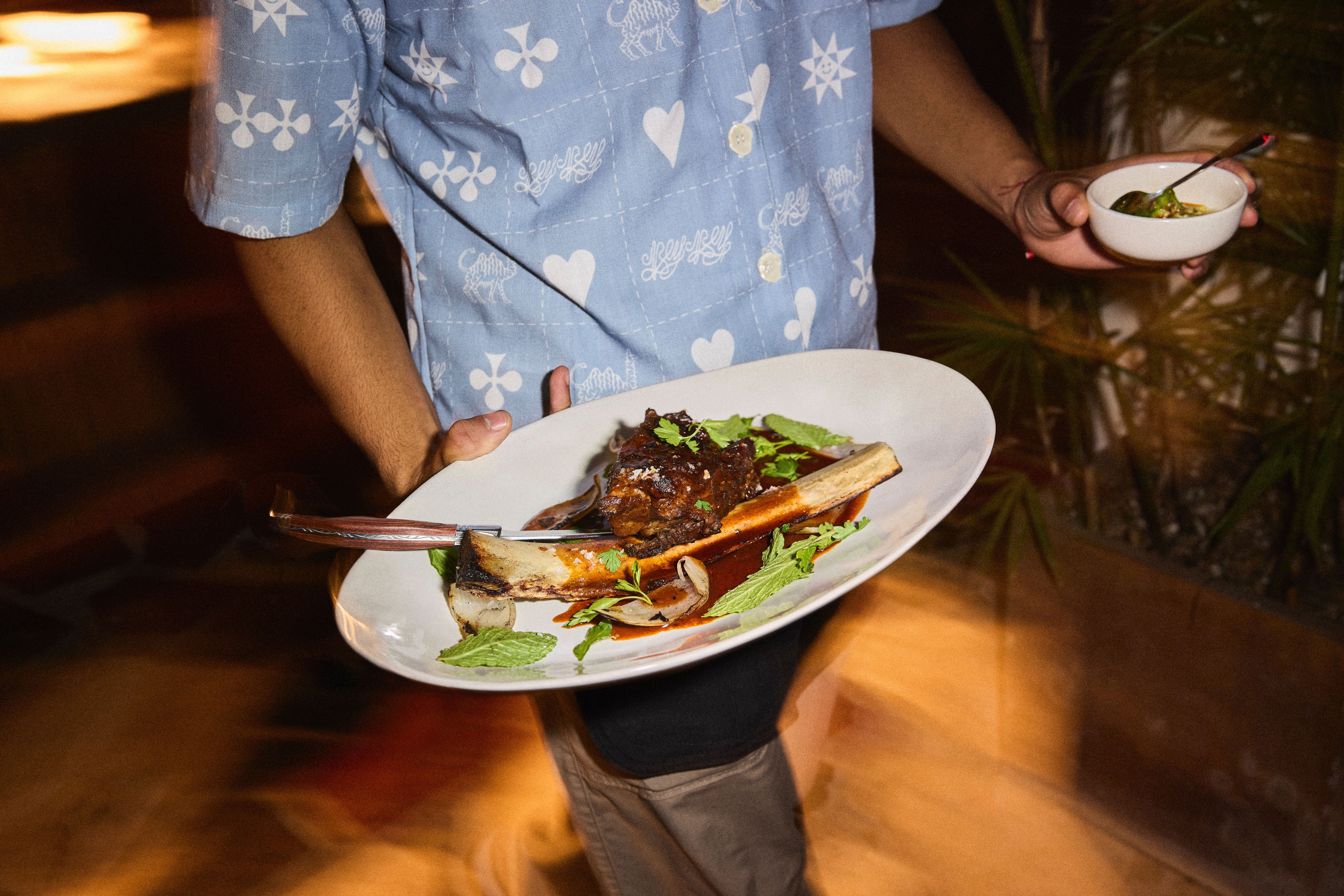
Menus look more like zines than traditional cards to evoke its narrative-driven brand identity, while layered lighting, greenery, and tactile finishes nod simultaneously to Miami, Beirut and the Yucatán. Even the custom uniforms designed by Miami brand Éliou reinforce the idea that BeyBey is upscale but easy.
“BeyBey is for locals first — and for the kind of visitors who travel like locals wherever they go,” Saliba says. “Since we’ve reopened, when I look around the dining room, I see a sophisticated, largely local crowd, and that’s exactly what we hoped for. We want Sunset Harbour neighbors, Miami’s creative and hospitality communities, and in-the-know travelers to feel like this is their spot: a place to bring friends, celebrate, or simply drop in and feel at home.”

Sound is an essential ingredient here.
For Saliba, music isn’t meant to be a simple background element. “Music is my life and was my background in Beirut,” he says. “A lot of restaurants treat music as an afterthought; for me, sound is one of the most important senses we have.”
While the flavors on guests’ plates are always the focus, so is how they feel, Saliba notes. “We start by asking, ‘How do we want our guests to feel?’ and then think through every element that creates that vibe.”
As the night goes on, BeyBey transforms into a listening lounge in its Living Room, programmed by music director Chloe Caillet alongside local curator Nikita Green. Each night has its own mood: Latin on Tuesdays, R&B and golden-era hip hop on Wednesdays, ’80s on Thursdays, and disco and house on Fridays and Saturdays — all designed to “feel like you’re at a swanky friend’s place with incredible taste in records,” Saliba says.
Beyond music, BeyBey’s programming is intentionally neighborhood focused. Expect guest chef dinners, sommelier-led wine tastings, and thoughtful collaborations — all reasons to keep coming back.
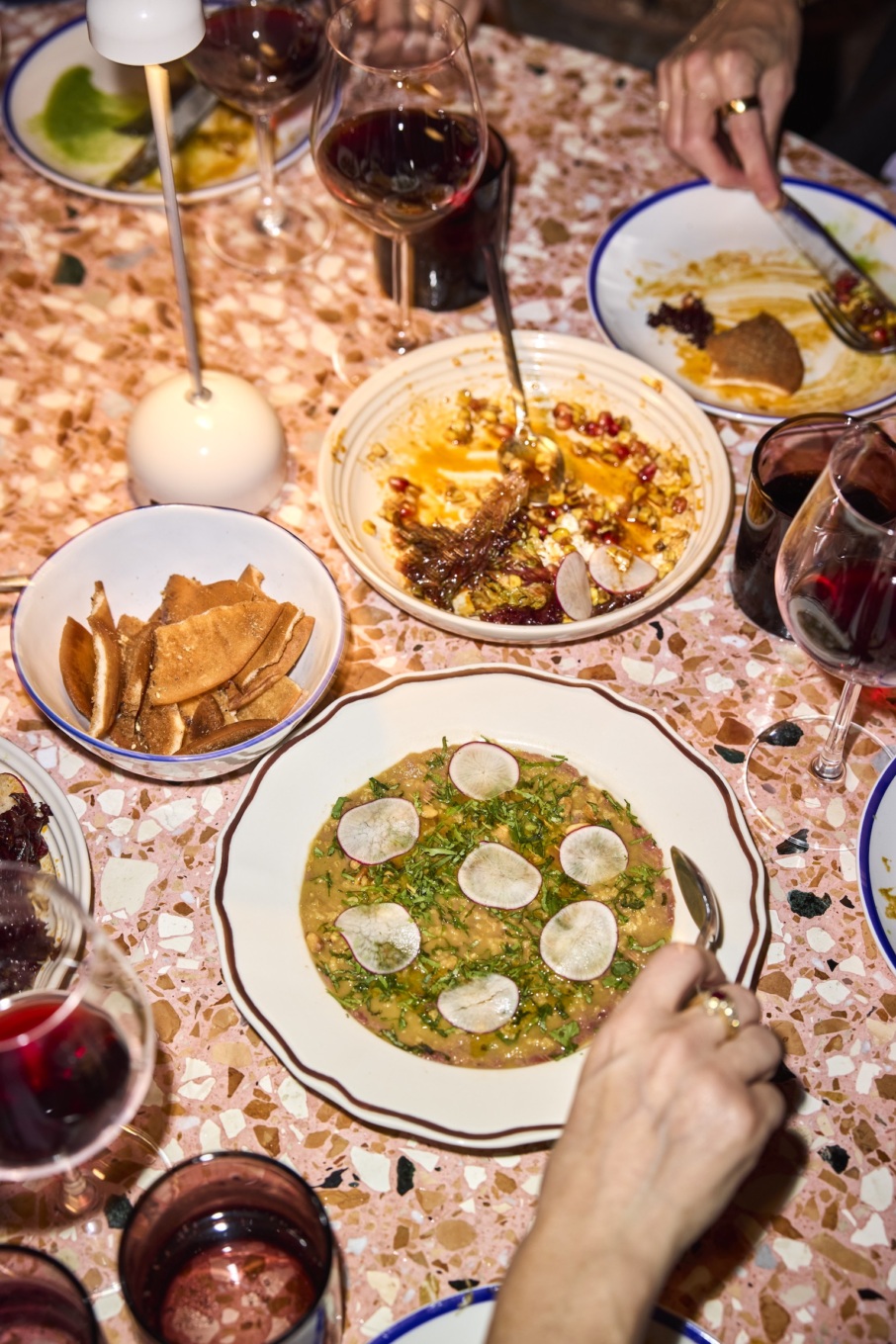

Lebanese and Yucatecan traditions converge over live fire.
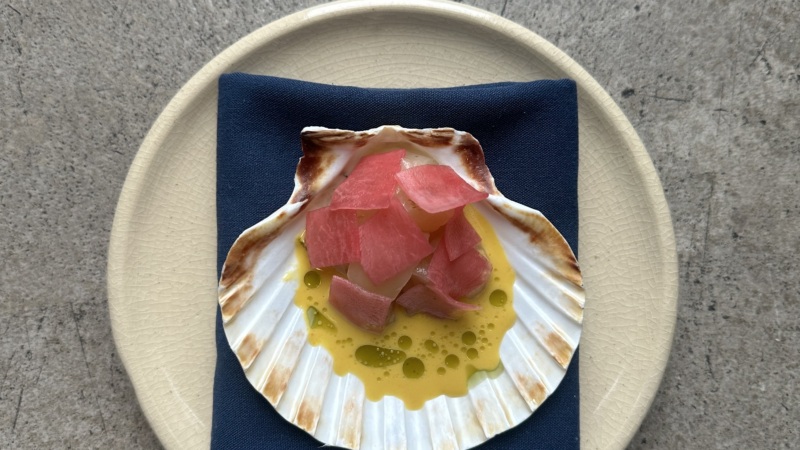
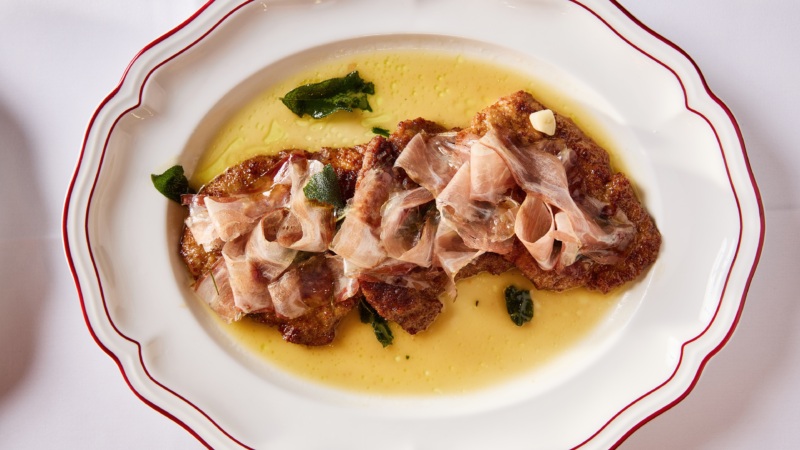
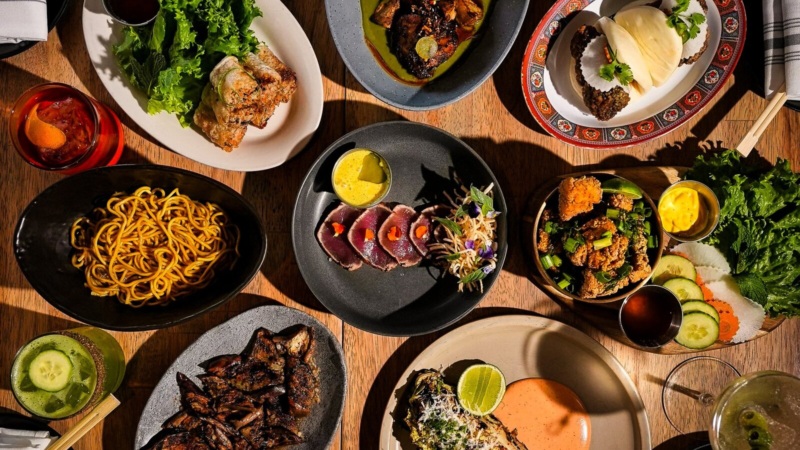
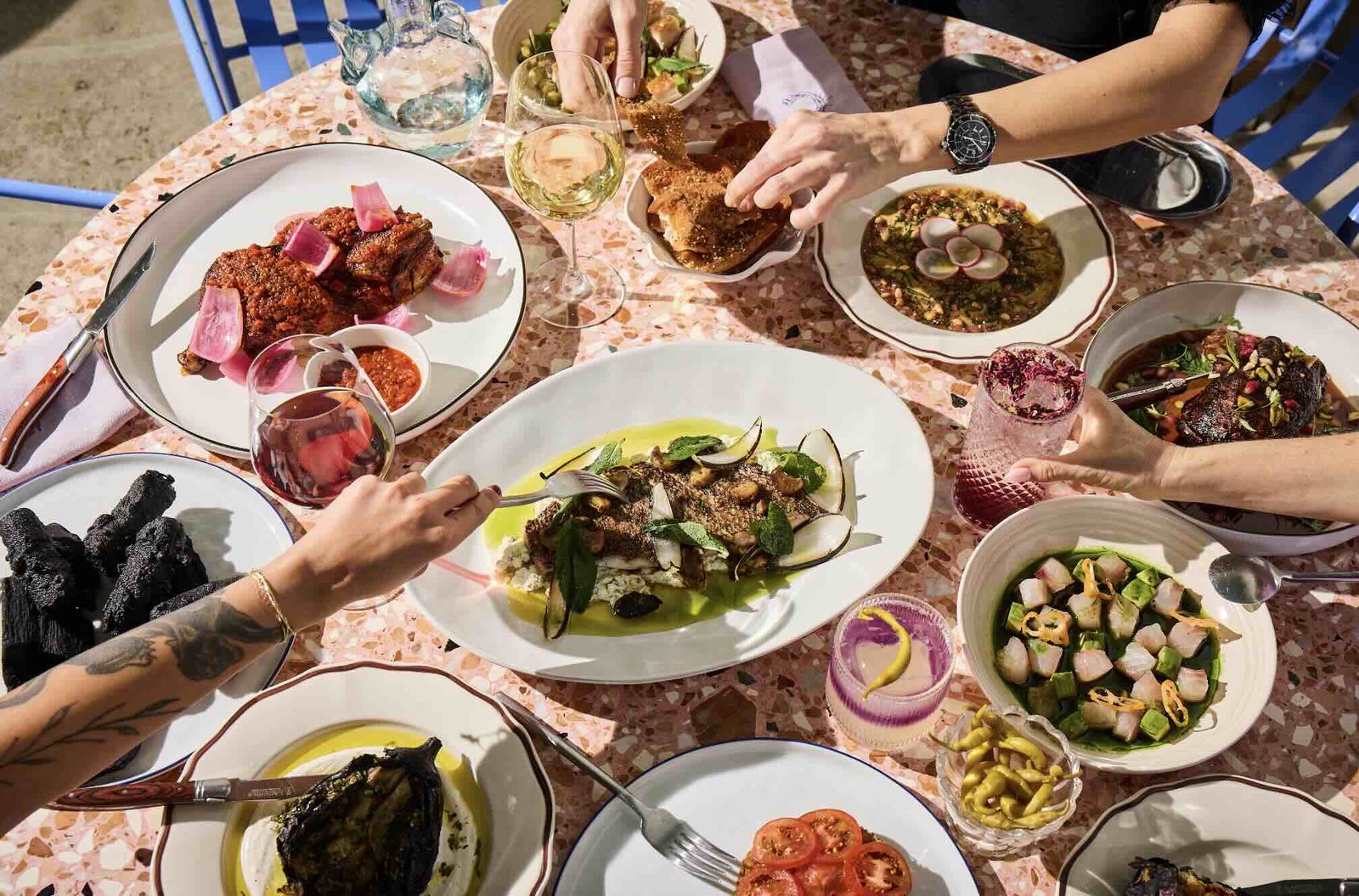
The kitchen is where BeyBey’s relaunch truly comes into focus. The menu is cooked almost entirely over charcoal and wood fire, led by acclaimed chef Roberto Solis — considered the founder of “new Yucatecan cuisine” — alongside chef de cuisine Geoff Lee.
“From the start, we knew we wanted to explore the deep, historic connection between Lebanese and Mexican cuisines — most famously seen in tacos al pastor, which evolved from Lebanese shawarma brought to Mexico over a century ago,” Saliba explains.
When Solis was brought on to the team for the reopening, Lee traveled to Mérida, Mexico, to work in his kitchen and learn from the team while partnering to develop BeyBey’s new menu.
Solis describes the menu as rooted in the flavor of embers, connecting la cocina de humo (smoke cuisine) in the Yucatán with mashawi traditions in Beirut, where cooking revolves around charcoal and wood fire.
From the start, we knew we wanted to explore the deep, historic connection between Lebanese and Mexican cuisines.— Tiger Saliba, BeyBey founder
“We’ve been eating this way my whole life — it’s just part of the food culture in Mérida,” Solis says. “The overlap between Lebanese flavors and Yucatecan techniques has always felt very natural to me.”
One of his favorite dishes that embodies this philosophy at BeyBey is the whole snapper. “The combination of roasted garlic, recado (a spice paste typical of the region), sour orange, and labneh brings Yucatán and Lebanon together on one plate in a very honest way,” Solis says.
Another standout is the Tempura Grape Leaves, a twist on a Lebanese staple. “Here we fill them with avocado and fry them in a tempura batter made with chile ashes. It’s familiar and completely new at the same time,” Solis says.
Expect cross-cultural cocktails, too.
BeyBey’s beverage program mirrors the kitchen’s multi-cultural storytelling. Cocktails riff on classics through Middle Eastern and Latin American lenses — from a Lebanese-leaning spicy margarita to a smoky mezcal Old Fashioned — while the wine list remains approachable.
With over a dozen wines by the glass priced between $11 and $19, the focus is on discovery without intimidation. The list leans heavily into small-production bottles from Spain, Portugal, Italy and France, alongside select New World picks.
Daily “Sunset Hour” runs from 5 to 6:30 p.m., while VINO VINO Wednesdays offer half-priced wines by the glass and special sommelier-led experiences designed to encourage guests to stay awhile.
“BeyBey is a love letter to this neighborhood,” Saliba explains. “Sunset Hour, our happy hour, is our way of taking care of the Sunset Harbour community.”