This Red Rooster Is a Living Tribute to Miami’s Black History
Published:
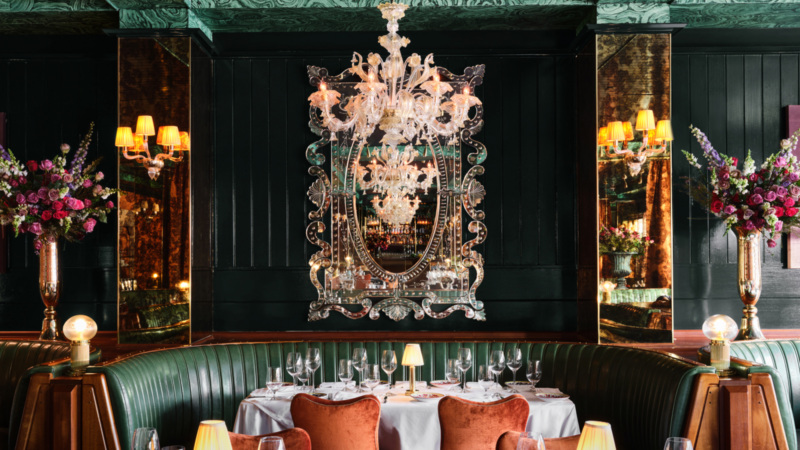
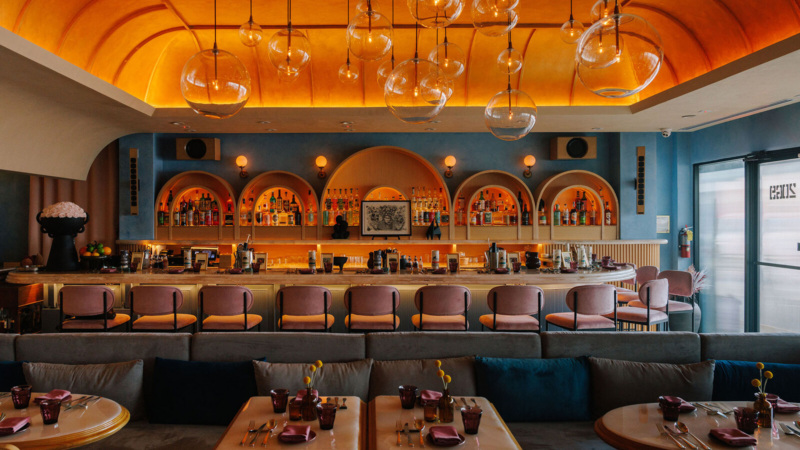
“Just imagine Mohammad Ali walking through and Cab Calloway is at the bar. Aretha Franklin [is] on the other side of the room,” says Derek Fleming, a partner at Red Rooster Overtown as he muses over the restaurant’s dining room. “That’s what the scene was in this space, and it deserved some real attention.”
The space in discussion isn’t an historic theater in Harlem, or even the Lyric Theater down the street. Instead, it’s the former Clyde Killens Pool Hall in Overtown, which dates back to 1954 and remains one of the last physical testaments of Miami’s Black heritage from a bygone era.
In its heyday, the two-story pool hall on NW 2nd Ave building served as everything from a gathering place for civil rights activists to an after-hours venue for music legends. So when chef Marcus Samuelsson took over the space to open a second location of Red Rooster in 2020, he wanted to make it more than a restaurant. He wanted to create a showcase of Black history and art — that also serves a stellar menu to match.
“It’s a very special place, and it’s part of preserving the culture that Overtown has,” says Samuelsson. “Overtown holds its own in terms of music and food and culture, which is very important for Miami.”
But 75 years ago, Overtown did more than hold its own. It was Black Miami’s center of culture and nightlife, earning it the name “Harlem of the South.”
An Historic Gathering Point for Entertainers, Musicians, and Civil Rights Figures
Overtown originally went by the name of “Colored Town,” a section west of Downtown Miami where Black residents lived during segregation. It was home to rail workers and other people who helped build the city, turning it into one of the most vibrant Black communities in the country at the time. Clyde Killens Pool Hall sat smack in the heart of the action.
“Northwest 2nd Avenue, where [Red Rooster] sits, was the most dynamic street in all of Overtown,” says Paul George, resident historian at the Museum of Miami. “The Rockland Palace was across the street. Harlem Square. The Sir John Hotel was a little further south.”
These names might not mean much in 2026, but from the 1920s to the 1960s, these establishments hosted legendary names like Billie Holiday, Count Basie, Charlie Parker, and many more.
“Musicians and entertainers very often entertained down on [Miami] Beach, but they were not allowed to stay down there,” says Samuelsson. “So the pool hall and Overtown itself became this extremely important place.”
The pool hall was more than just a venue to listen to live music. The concealed confines of the Clyde Killens Pool Hall also became a meeting space for Miami’s civil rights movement. It was also located just a block away from the office of civil rights attorney Lawson Thomas, who led the 1945 Haulover Beach swim-in, ultimately resulting in the opening of Virginia Key, the city’s only “colored beach” at the time.
But in a story that’s all too common in America, urban renewal came to Miami in the 1960s, building Interstate 95 right through Overtown’s heart.
“Despite Jim Crow and segregation, Overtown was marvelous,” says George. “It probably reached its height in the 1950s, with about 34,000 people. By the late 1990s, it was around 9,500; so much had been torn down because of the expressway, it was a shell of itself.”
Clyde Killens Pool Hall was close to meeting that same fate, but was ultimately spared by the Community Redevelopment Association. For decades following, the question lingered of what to do with the space.
Red Rooster finds a home in Overtown
Enter real estate developers Michael Simkins and Derek Fleming, with Fleming also having worked with the original Red Rooster in New York City’s Harlem neighborhood.
Fleming gravitated toward the historic building’s extensive history and the many renowned guests who had been through its doors. “The celebrities, the icons, the Black pantheon of music and entertainment industry,” he says. “We had an opportunity to fill that space and to tell a really rich story.”
Meanwhile, Samuelsson had long been considering joining the legions of New York chefs opening outposts in South Florida. And unlike many of them, he was carefully eyeing Overtown.
“Michael Schwartz [of Michael’s Genuine Food & Drink] told me, ‘You have to do something in Overtown,’” Samuelsson says. “And then we heard about the history of this pool hall.”
When the group began designing the restaurant and what would go on its walls, they made honoring the neighborhood’s history paramount.
“We wanted people who were coming from [out of town] to think about why this place is so important,” Fleming says. “We wanted to be distinctive. We wanted to pay deference in reverence to the cultural iconography of the community.”
Creating a museum of Black culture and history
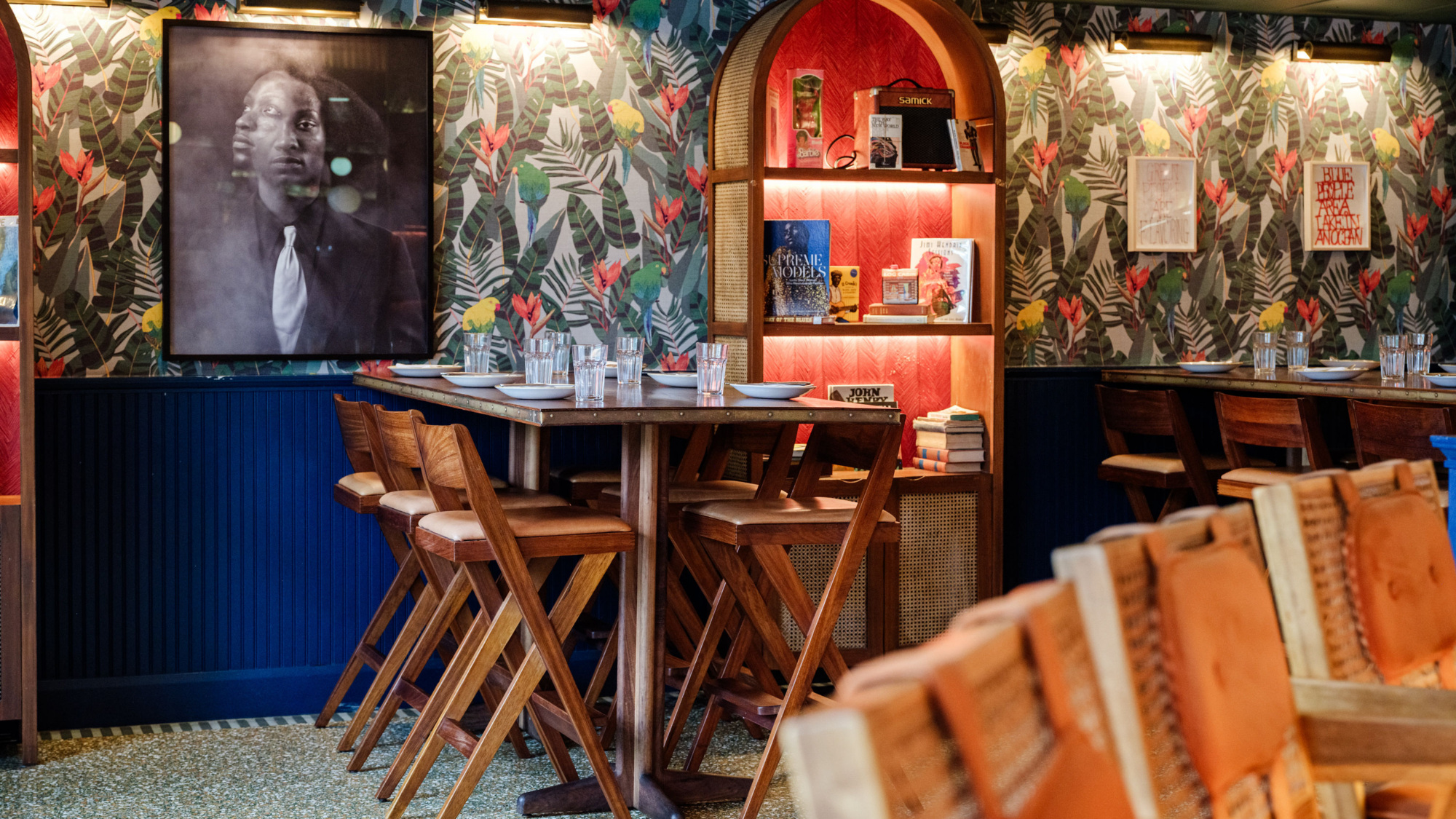
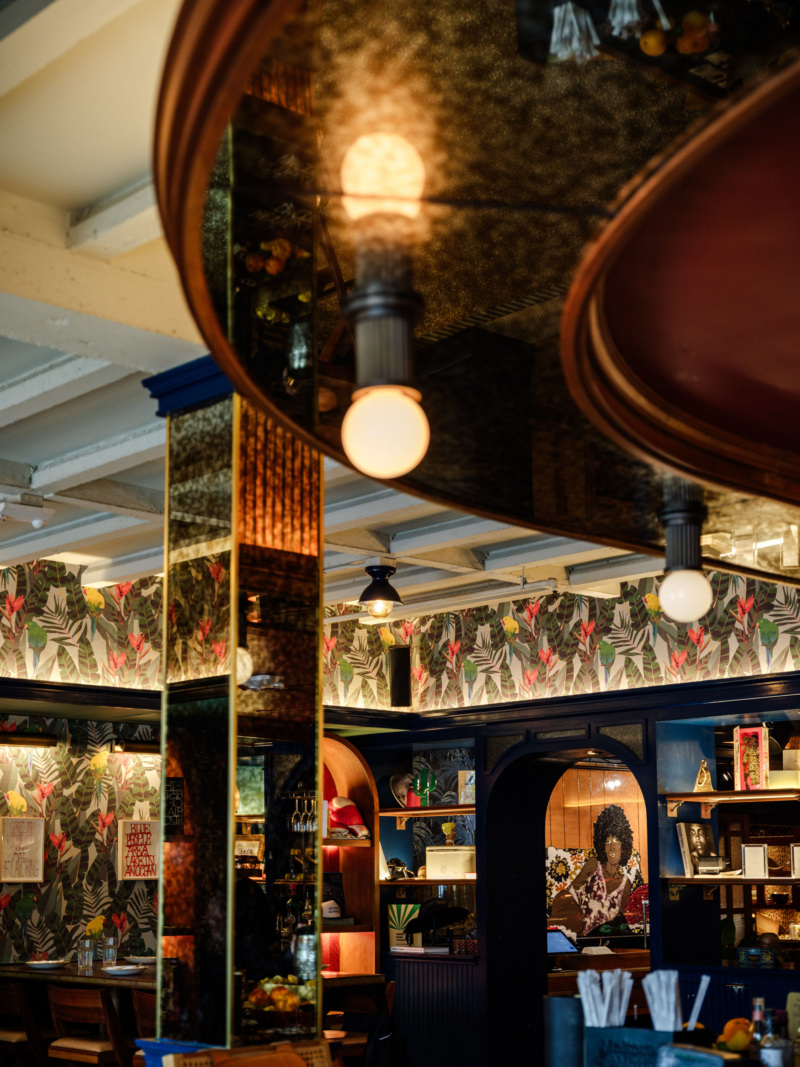
Art on the walls range from mosaics of Black women to jade busts, with colorful murals on the patio depicting parties from Overtown’s past. All of the works within the restaurant are by African American artists, including Derrick Adams, Sanford Biggers, Rashid Johnson, and Mickalene Thomas.
Immediately to the right of the entrance, blown-up pages from the fabled Green Book — the guide to Black-friendly hotels and restaurants in the South during segregation — cover a wall. Shelf displays throughout the restaurant tell another story, with vinyl records ranging from Count Basie to 2 Live Crew paying homage to musicians with Overtown connections. Many alternate space with books and biographies of Black athletes, boxing gloves, vintage kitchen objects, and Joe Frazier vs. Mohammad Ali action figures.
“Having a drink and walking around is a great way to experience Red Rooster,” says Samuelsson. “It’s almost like an African American gallery, so walking around and taking it all in is such a different way of starting a restaurant experience.”
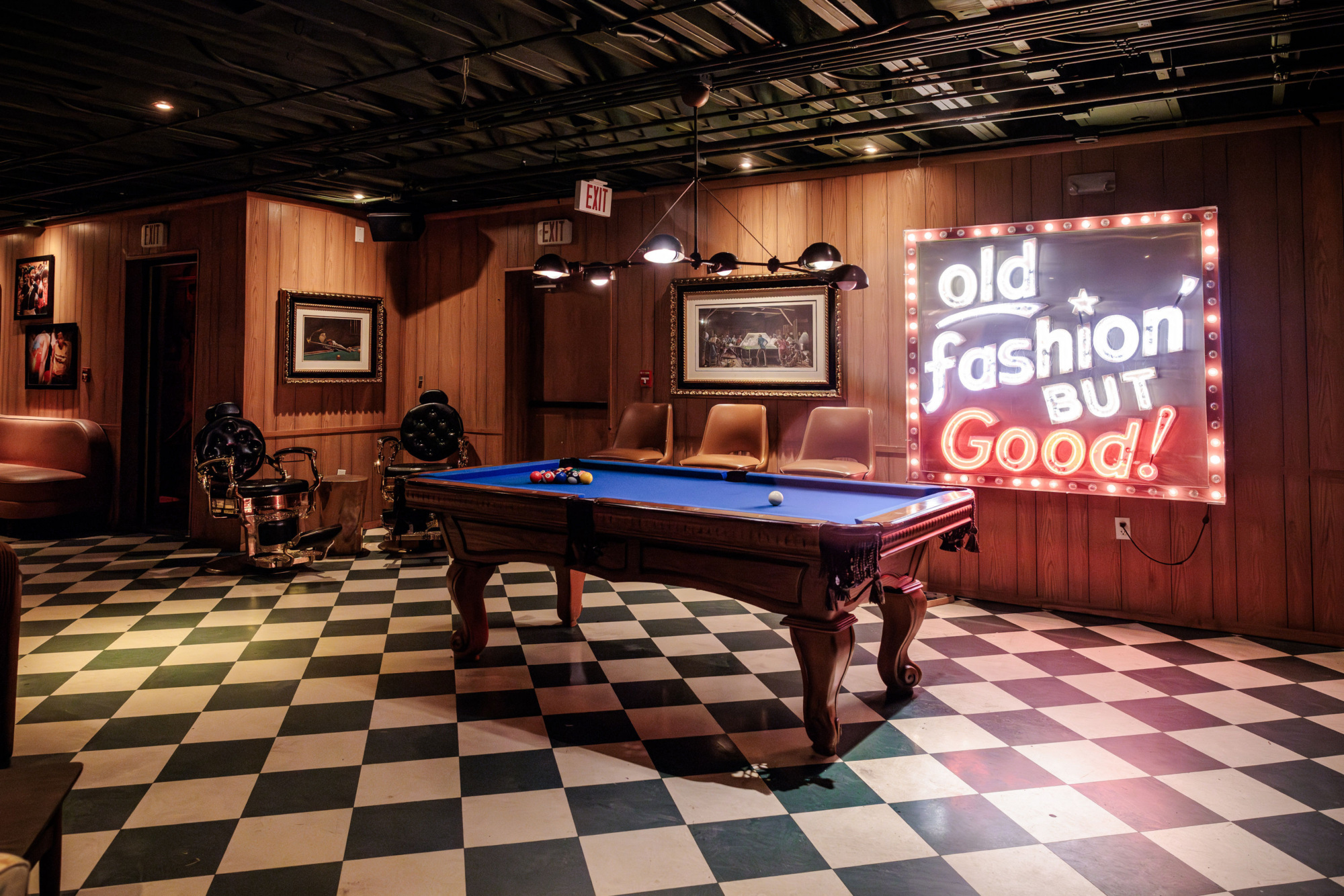
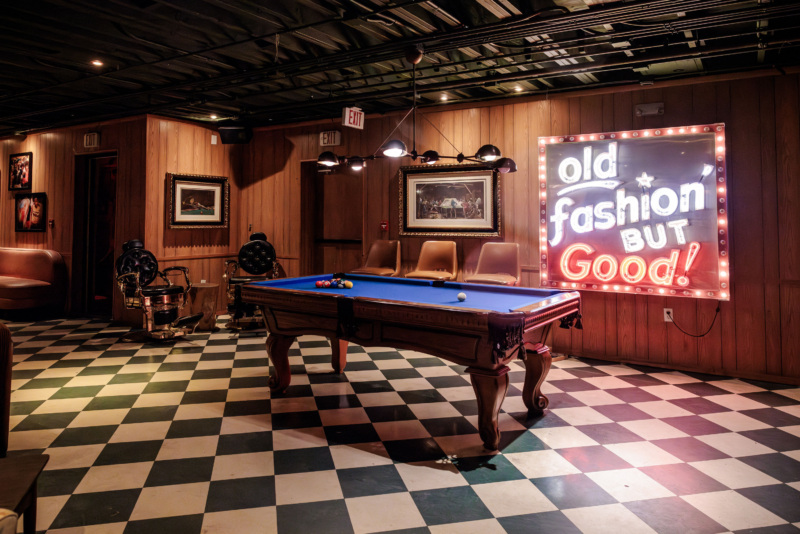
But perhaps Red Rooster’s grandest tribute to Overtown is its upstairs pool hall, designed to evoke Black gathering places of the early 20th century. The inspiration behind it came from a trove of photos Flemings discovered during a research session at the Black Archives at Lyric Theater.
“I found these pictures of what we now call a ‘man cave.’ It was like an uncle’s little space. And when you think about a pool hall, it’s like your uncle who would have people over for drinks,’ says Fleming. “We wanted to create a space that leaned into that part of the story.”
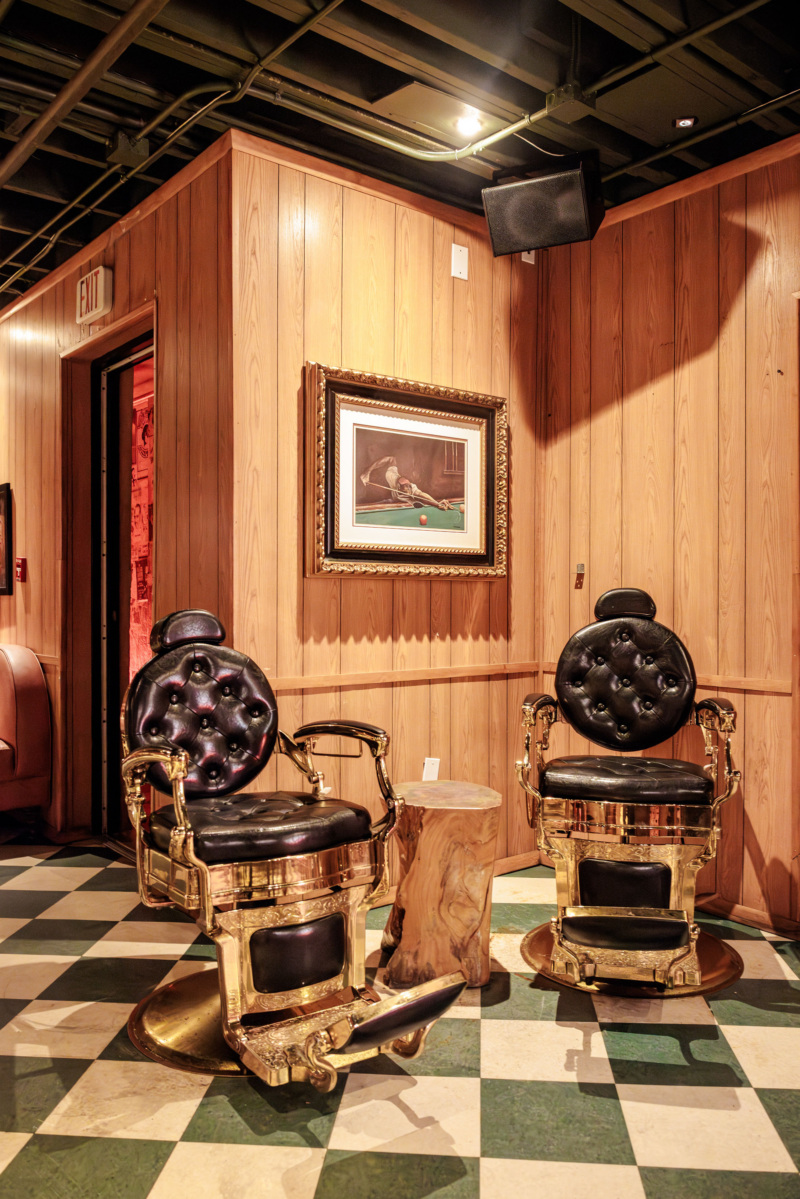
It includes large sofas scattered throughout and two barbers chairs next to a pool table, a reminder of the tables that once lived downstairs. Paintings from Ernie Barnes — whose paintings appeared in the opening sequence of “Good Times” — hang on the wall, depicting men playing pool in big, convivial groups.
Perhaps the pool hall’s most show-stopping asset is the staircase leading up to it, every surface plastered in posters advertising musicians who visited Clyde Killens. The names range from Louis Armstrong to Ella Fitzgerald and other jazz luminaries, every face a connection to Overtown’s lively legacy.
A dining destination is born in Overtown
Samuelsson’s menu blends traditional Black American soul food with influences from the Caribbean, where many of Miami’s early Black residents came from.
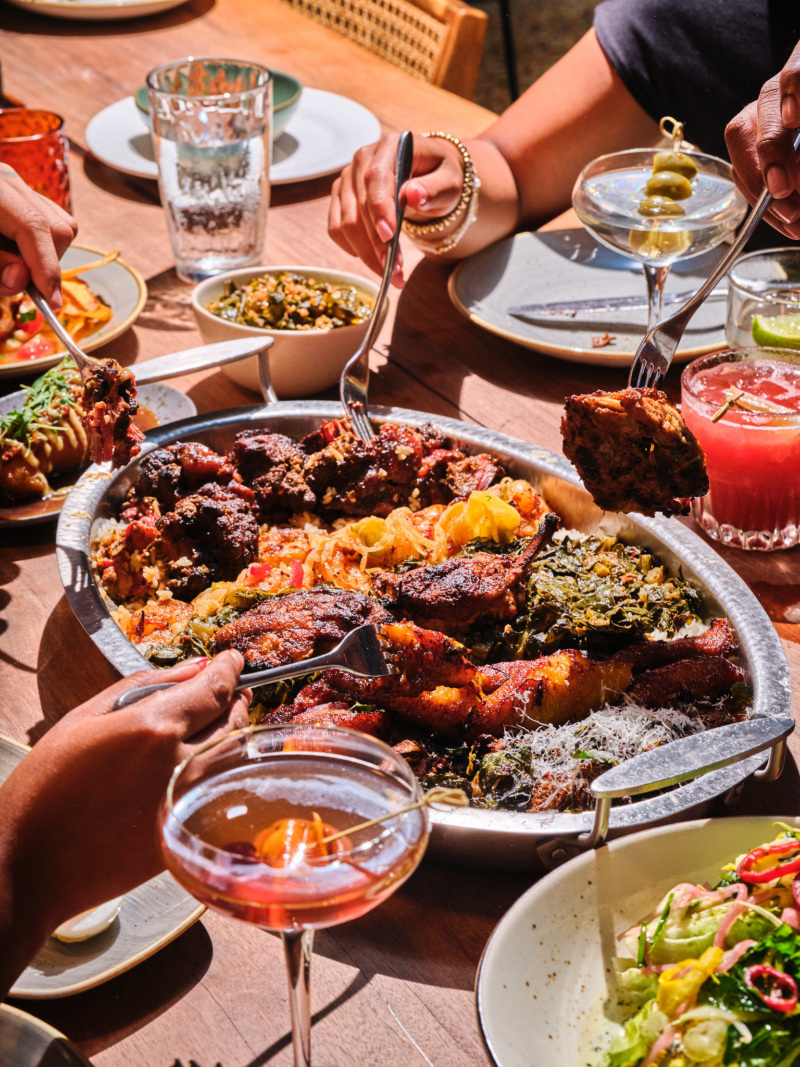
“So much of [my menu] is about looking back at African American history and then converting it into Black modern cooking,” he says. “Shrimp and grits, fried chicken — but then you also add in Caribbean. So we have jerk, we bring in pikliz from Haiti.”
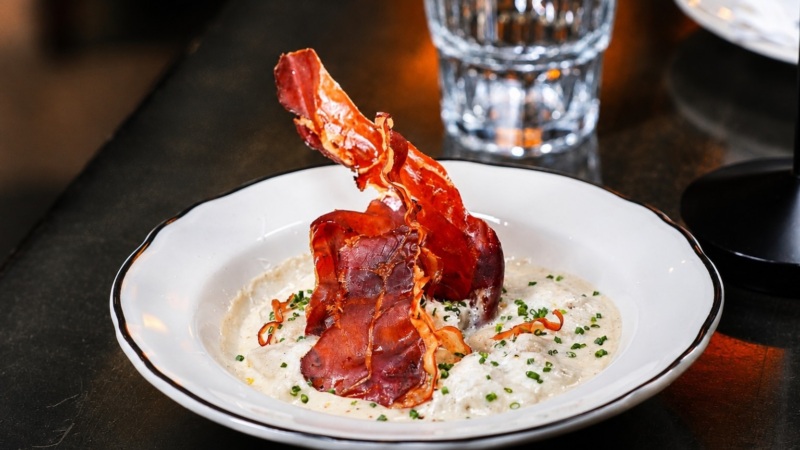
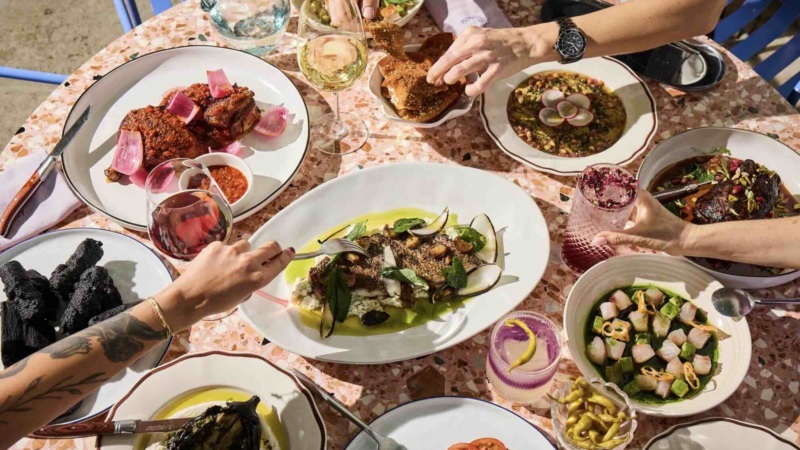
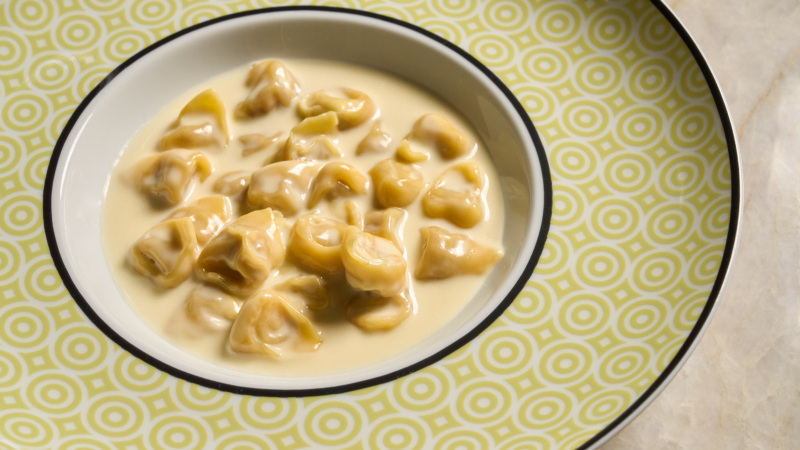
That makes Red Rooster Overtown’s menu quite unlike any other in Miami. Entrees include fried chicken and pimento cheese biscuits, next to smoked oxtail with plantains, and shrimp and grits.
There are shareable jambalaya and jerk chicken platters that serve four, along with sides like braised collard greens, brussels sprouts with pomegranate molasses, and Cajun mac and cheese.
The restaurant has been a boom for the area, drawing food-savvy diners to a neighborhood they might not have discovered otherwise. The South Beach Wine & Food Festival recently held its first Overtown event in the space. And though development around it hasn’t quite kept pace, Red Rooster’s arrival announced that Overtown was once again a legitimate destination.
“In an area that in recent decades had never had anything close, suddenly you got this big-name place with a highly lauded chef who has such a great personal story,” says George. “It’s just an unbelievable story. I’m not sure it’s appreciated enough exactly what they’ve done.”
Red Rooster Overtown is open for dinner Wednesday to Sunday starting at 5 p.m. Brunch is served on Saturday and Sunday from 11 a.m. to 4 p.m.
Matt Meltzer is an award-winning food and travel writer based in Miami whose work has appeared in The Globe and Mail, Condé Nast Traveler, Time Out, Fodor’s, Mashed, The List, Fifty Grande, and a number of other publications. He was the former Miami Thrillist food editor. Follow him on Instagram. Follow Resy, too.