Published:
For many Americans, Napa Valley is synonymous with wine, and it’s easy to see why. The roughly 30-mile-long valley, about 50 miles north of San Francisco, is home to more than 400 wineries, some with histories that date back to the mid-19th-century, when immigrants from Italy, Germany, and elsewhere planted vineyards and built the first iteration of America’s wine industry.
Prohibition largely deralied the that industry in the 1920s, but 50 years ago this month Napa stepped back out on the world stage, when a blind tasting in Paris pitted a few California wines against some of France’s finest. A panel of French judges chose two Napa wines as the best, and the event, known as the Judgment of Paris, shined a global spotlight on the region — and kickstarted its transition from sleepy agricultural community to the luxury travel destination it is today.
With so much history and so many wineries spread throughout the valley—not to mention Michelin-starred restaurants that populate the Main Streets of towns like Yountville and St. Helena—it can be a bit daunting to plan a trip to Wine Country. That’s especially true given that most bucket-list wineries and restaurants require reservations well in advance. How do you choose when you’re so spoiled for choice?
One good way: Read on, to see how we’d approach 72 hours of enjoying the best of Napa Valley. There are lots of ways to tackle it, but we like starting at the north end, in sunny Calistoga and St. Helena, working down through the world-famous estates on the floor of the midvalley, and wrapping up at the southern end, in the fog-cooled Carneros appellation and laid-back downtown Napa. And with Wine Country’s biggest annual party, BottleRock Napa Valley, taking place May 22-24, now’s not just a great time to have fun in the valley — it’s also when some advance prep is all but necessary. (One pro tip for that prep: Hire a car service if you’re planning to taste wine.)
The valley might be best known for its palatial estates, but downtown Napa also plays host to a bevy of fun, more casual urban tasting rooms. Among our favorites are The River Club Napa, which pours Belong Wine Co. and Paper Planes Wine Co. bottlings in a family-friendly, riverfront space. You might also consider Brown Estate, which has excellent zinfandels made by the first Black-owned winery in the valley; and Gamling & McDuck an irreverent producer of cabernet franc and chenin blanc.
Downtown’s popular Oxbow Public Market is a great place to get your first or second meal of the day, as it’s home to more than 20 restaurants and shops, many of them outposts of classic spots throughout the valley. Depending on whether you’re in the mood for breakfast or lunch, you can do English muffins (a favorite of Oprah, and many others) at the Model Bakery; bagels and latkes at Christopher and Martina Kostow’s “Jew-ish” counter, Loveski Deli; burgers at Gott’s Roadside; lattes at San Francisco-based Ritual Coffee; and phenomenal seafood at Hog Island Oyster Co.
Alternately, if you want to have a table reserved ahead of time for lunch, consider Angèle Restaurant & Bar for classic French cuisine, ZuZu for tapas and paella, and Downtown Joe’s for pub grub.
For decades, Steve Matthiasson has been one of America’s most respected vintners, and a dedicated evangelist for organic and regenerative agriculture. The winery he and his wife, Jill Klein Matthiasson, operate in the foothills just west of downtown pours Italian varieties like ribolla gialla, refosco, and schioppettino, as well as more restrained takes on cabernet and chardonnay.
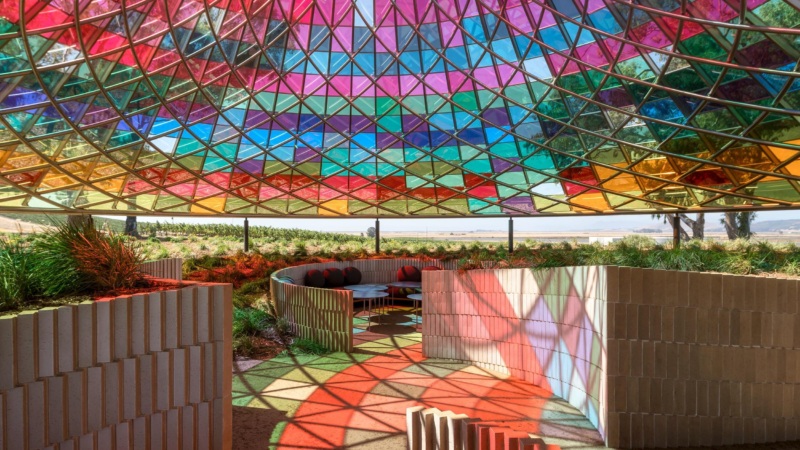
Cabernet is king in most of Napa, but the Carneros appellation, at the valley’s southern end, excels at producing cool-climate varieties, thanks to fog rolling in from San Pablo Bay. The preeminent producers along Highway 12 include Hudson, which is known for chardonnay, syrah, and merlot grown using organic and other sustainable methods on a sprawling, scenic ranch.
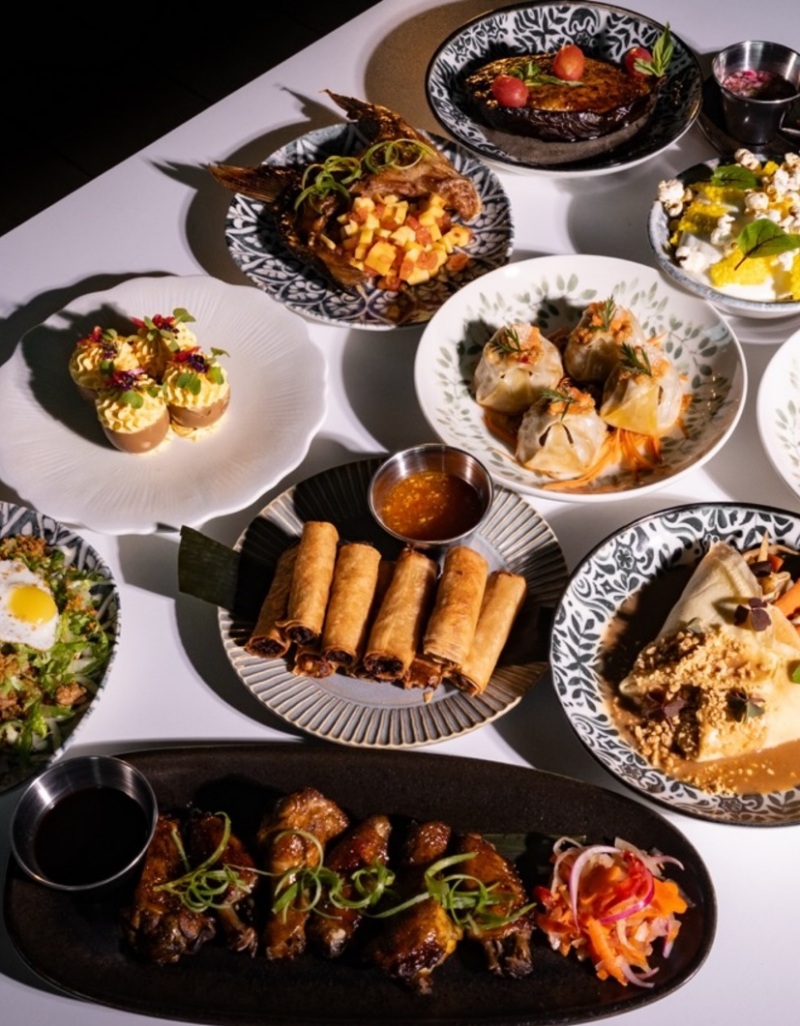
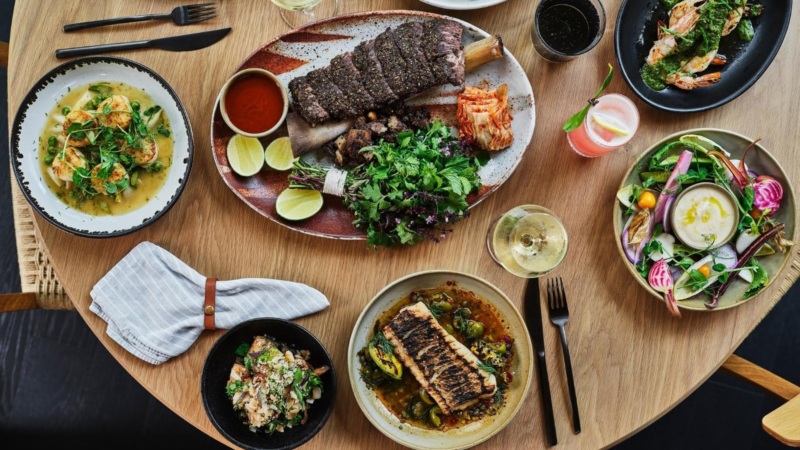
One of Napa’s most exciting new restaurants, Carabao comes from French Laundry alums Jade and Mathew Cunningham, who offer fine-dining takes on traditional Filipino dishes, such as crunchy lumpia, crispy pork sisig, and kare kare (oxtail croquettes in peanut sauce), all in a tropically accented space in a shopping center just outside downtown Napa.
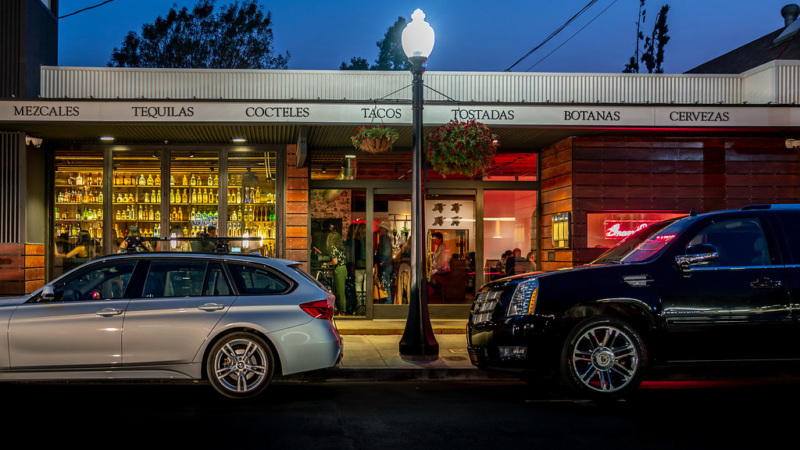
Thinking something a bit more French-inflected and upscale? That Wine Country vibe will be rewarded at La Toque. Or perhap[s a third way? Chispa has an extensive raw bar and an impressive tequila collection, while Bear specializes in farm-to-table food served in a stylish, contemporary barn at the sprawling Stanly Ranch Auberge Resort just south of downtown.