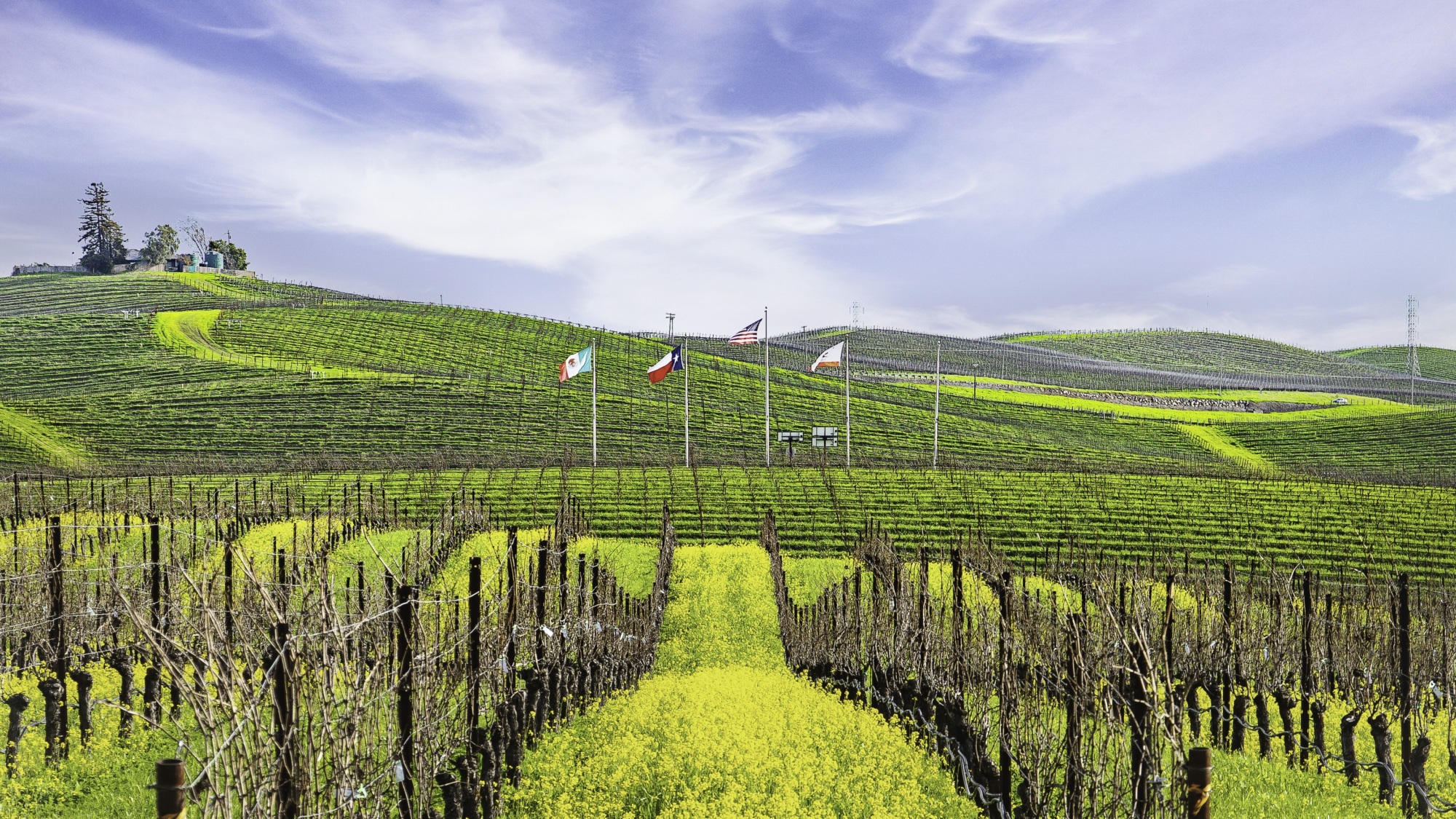
For many Americans, Napa Valley is synonymous with wine, and it’s easy to see why. The roughly 30-mile-long valley, about 50 miles north of San Francisco, is home to more than 400 wineries, some with histories that date back to the mid-19th-century, when immigrants from Italy, Germany, and elsewhere planted vineyards and built the first iteration of America’s wine industry.
Prohibition largely deralied the that industry in the 1920s, but 50 years ago this month Napa stepped back out on the world stage, when a blind tasting in Paris pitted a few California wines against some of France’s finest. A panel of French judges chose two Napa wines as the best, and the event, known as the Judgment of Paris, shined a global spotlight on the region — and kickstarted its transition from sleepy agricultural community to the luxury travel destination it is today.

With so much history and so many wineries spread throughout the valley—not to mention Michelin-starred restaurants that populate the Main Streets of towns like Yountville and St. Helena—it can be a bit daunting to plan a trip to Wine Country. That’s especially true given that most bucket-list wineries and restaurants require reservations well in advance. How do you choose when you’re so spoiled for choice?
One good way: Read on, to see how we’d approach 72 hours of enjoying the best of Napa Valley. There are lots of ways to tackle it, but we like starting at the north end, in sunny Calistoga and St. Helena, working down through the world-famous estates on the floor of the midvalley, and wrapping up at the southern end, in the fog-cooled Carneros appellation and laid-back downtown Napa. And with Wine Country’s biggest annual party, BottleRock Napa Valley, taking place May 22-24, now’s not just a great time to have fun in the valley — it’s also when some advance prep is all but necessary. (One pro tip for that prep: Hire a car service if you’re planning to taste wine.)
Some of Napa Valley’s most picturesque estates grace the slopes of Spring Mountain, high above St. Helena, its winding roads far from the crowds below. Start your exploration at Spring Mountain Vineyard, where you can visit the Victorian mansion used as the setting for the 1980s nighttime soap “Falcon Crest,” take in the full scope of the valley from terraced hillsides, and taste library wines from a winery whose chardonnay placed fourth in the Judgment of Paris tasting.
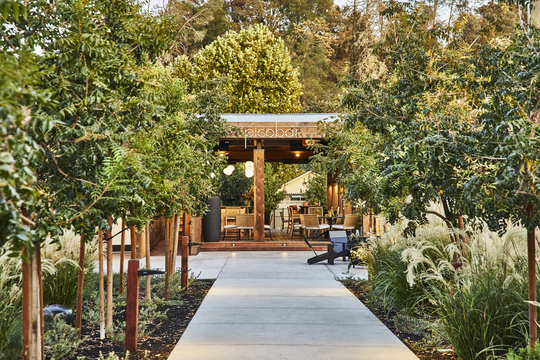
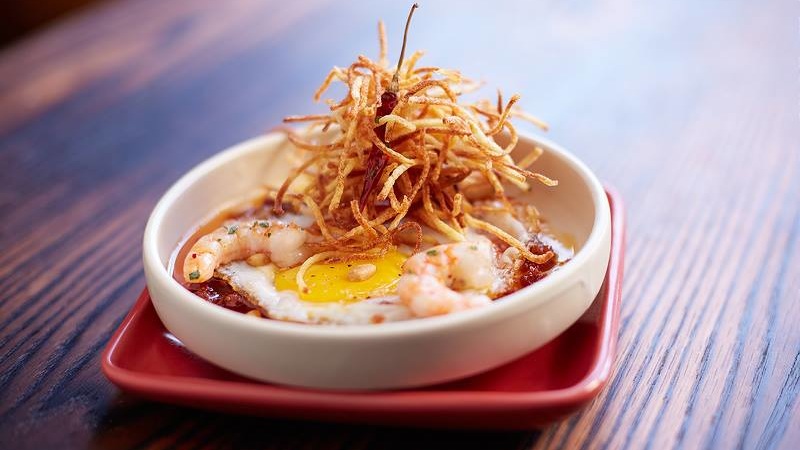
Just outside downtown Calistoga, the Auberge Collection’s Solage resort offers a couple of outdoor restaurants where you can relax and soak up some rays while enjoying an excellent meal. Solbar, widely recognized for its seafood program, serves up oysters, kampachi crudo, and Salt Spring mussels, as well as meatier options such as rigatoni with an oxtail ragu and a Mishima Reserve wagyu cheeseburger, plus their version of a Korean fried chicken sandwich. And the salad game here is strong here, too. (Don’t miss the little gems with buttermilk ranch.)
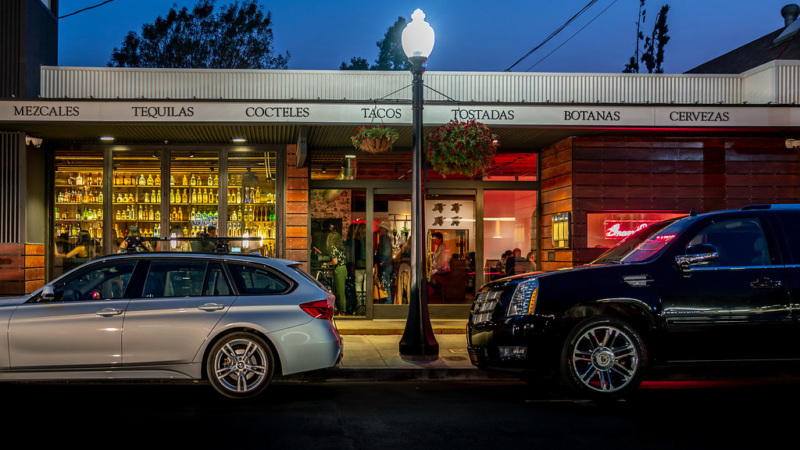
If you’re feeling more like Mexican flavors, opt for the adjacent Picobar, where executive chef Gustavo Rios applies Wine Country ingredients to the cuisine of his native Ensenada.
For many, “Martha’s Vineyard” conjures images of a certain island off the Massachusetts coast, but in Wine Country the name is more commonly invoked when talking about Heitz Cellar. Joe Heitz began crafting cabernet sauvignon from Martha’s in 1966—it’s often considered America’s first vineyard-designate wine—and though Heitz Cellar is now owned by Lawrence Wine Estates, the wine remains a standard-setter. A visit here is a portal to Napa’s wine history.
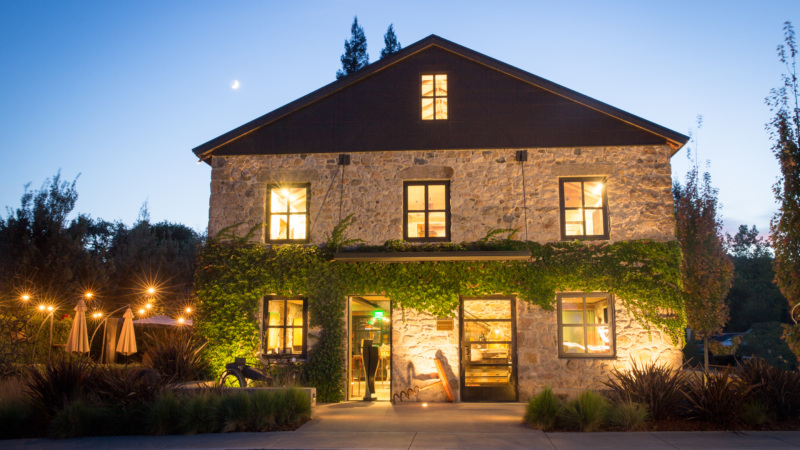
Visiting a Napa winery can invoke the vibes of a high-end resort — an aesthetic the valley has embraced for several decades. But that’s not to say there aren’t places to still get a feel for the old agricultural days. Start by driving up Howell Mountain Road into Conn Valley, one of Napa’s smaller parallel valleys near Lake Hennessey. At Seavey Vineyard, you might run into owner Will Seavey as he feeds goats in the pen behind the 1881 stone barn that houses the tasting room, where you’ll taste estate cabernet in the company of a sleepy cat (as opposed to, say, a bachelorette party).
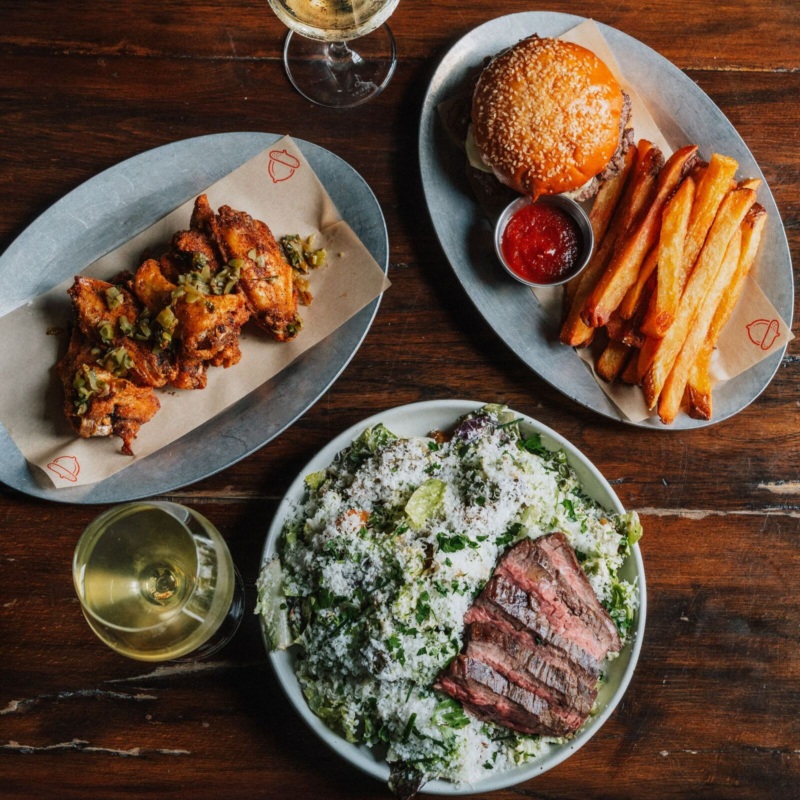
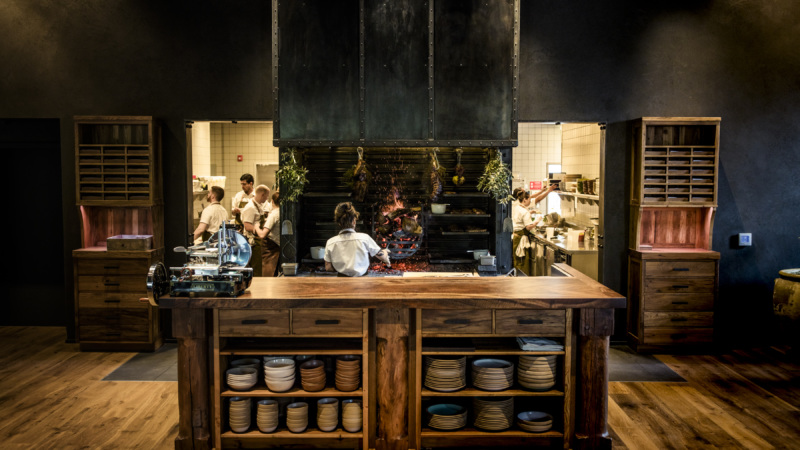
Chef Christopher Kostow rose to fame at the Restaurant at Meadowood, but even before the three-Michelin-starred landmark burned down in 2020, The Charter Oak, which he and wife Martina Kostow opened in 2017, had become one of Wine Country’s most beloved restaurants. The mainstays here are the house bread and cultured butter, the crudités (fresh, raw vegetables from the restaurant’s 3.5-acre farm, served with a fermented soy dip), and anything that comes out of the open-fire hearth at the back of the expansive, high-ceilinged space. That includes the burger, which has its own devoted local following. And the wine list is a great mix of both local references (Quintessa cabernet) and unexpected twists (albariño from Hendry)