Why Robin Remains a Unique San Francisco Omakase Experience
Published:
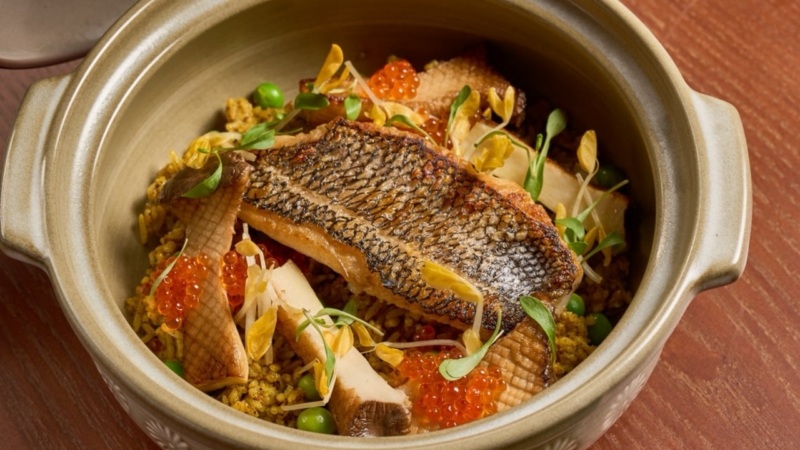
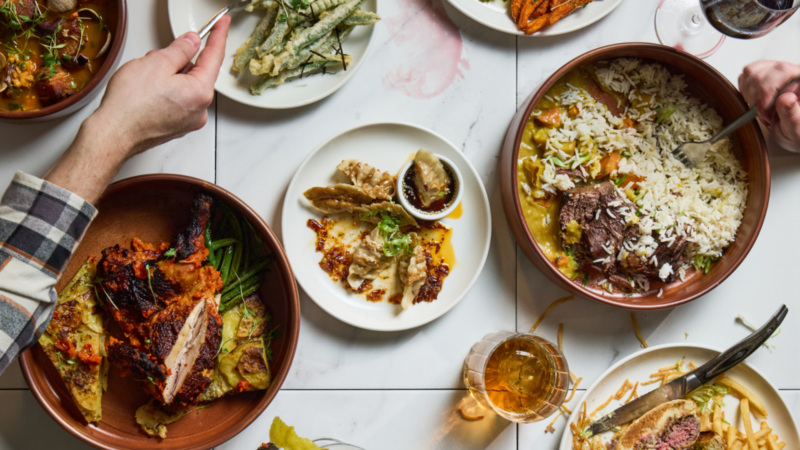
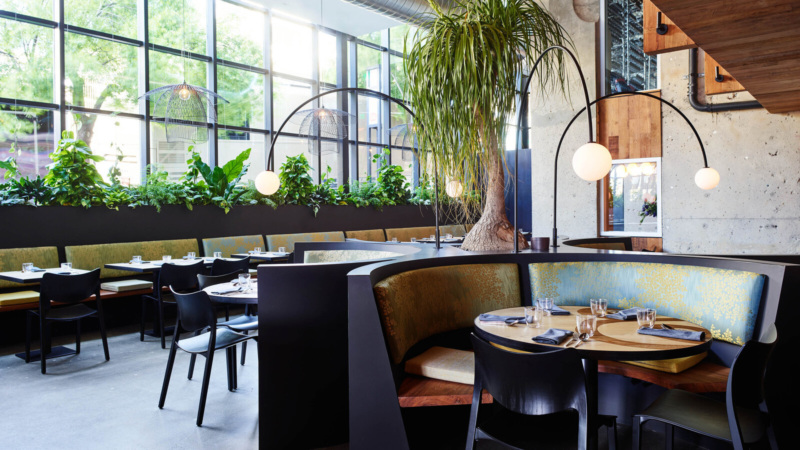
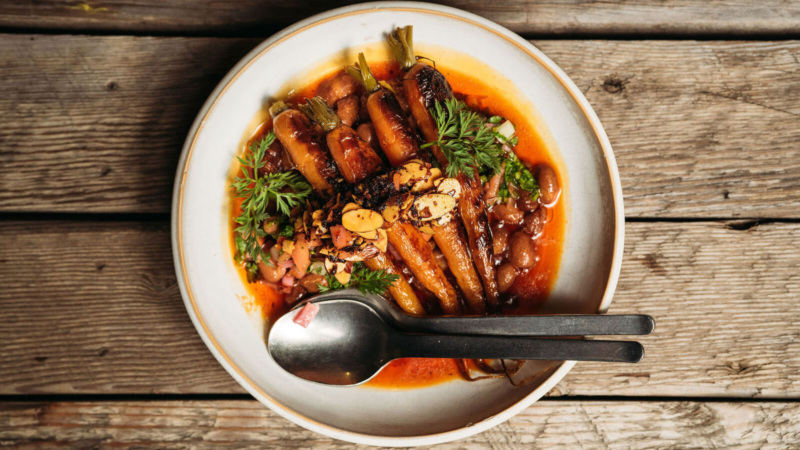
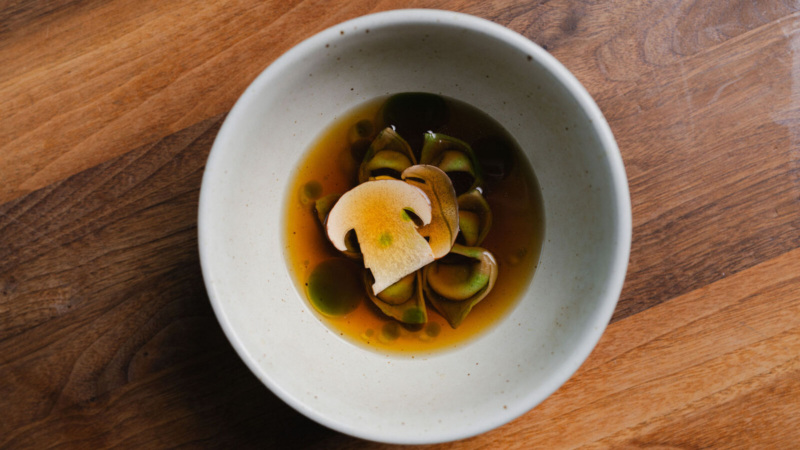
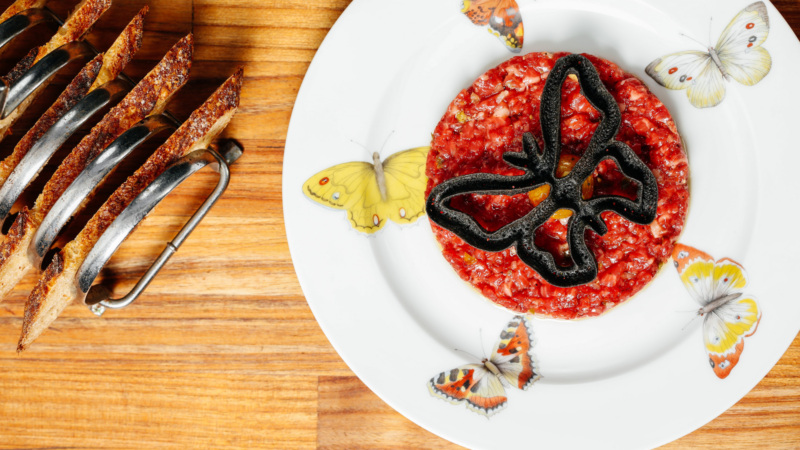
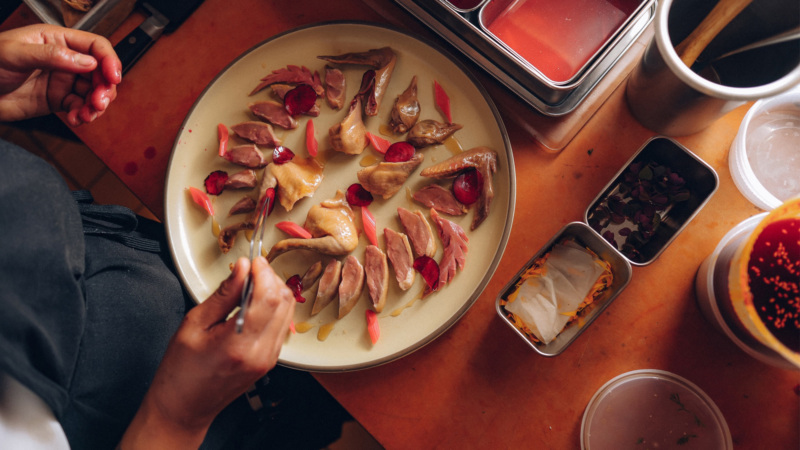
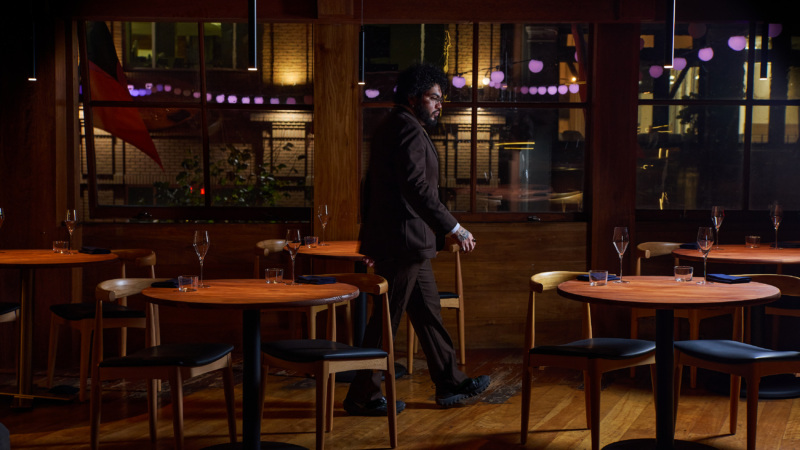
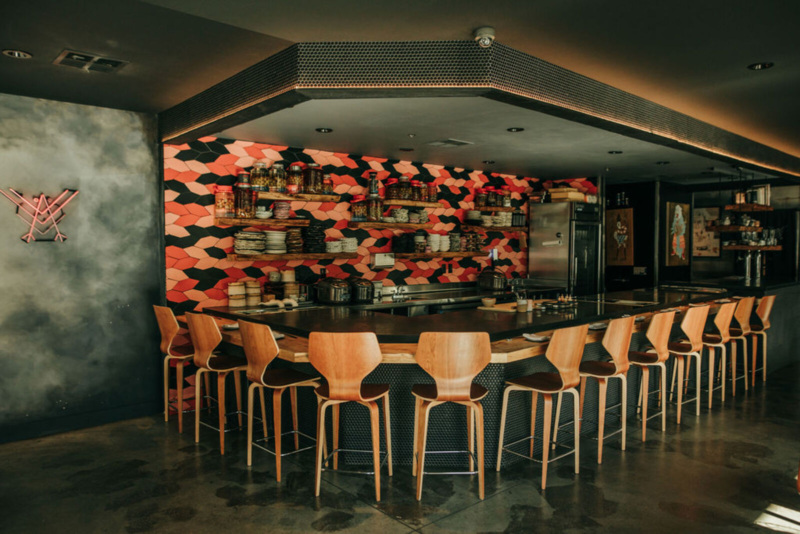
Opened in 2017 by chef Adam Tortosa in Hayes Valley, Robin isn’t your typical omakase experience. It’s a high-energy restaurant with a contemporary spin on sushi where you’ll find dishes like potato chips with caviar nigiri and foie gras snow (!) on A5 Wagyu.
We chatted with Tortosa to learn more about ingredients, his favorite dishes, and the overall dining experience at Robin, where the diner can choose the price point.
Adam Tortosa: We get it from Luna. Wendy Tsuji — she’s an architect — couldn’t find an organic koshikari rice, so she met rice farmers and created [the company] herself. She supplies SingleThread, Nisei, and a small handful of restaurants.
[The rice] is fluffy and shiny. It’s slightly sweeter and it keeps the individual grains. We season it with an akazu, which is a vinegar made with sake lees. The vinegar mixture absorbs nicely but still has a shine. We also add rice vinegar, sugar, and a little bit salt.
For seafood, what do you source locally versus what do you bring in? How do you decide?
We’d like to use local as much as possible. The most important thing is quality. If the higher quality comes from Japan, we’ll use that. But we prefer local. It’s hard to source high-quality fish from local waters because in Japan it’s set up for sushi: It’s handled a certain way, it’s killed a certain way. We’ve worked with a couple fisherman to train them to handle the fish slightly differently.
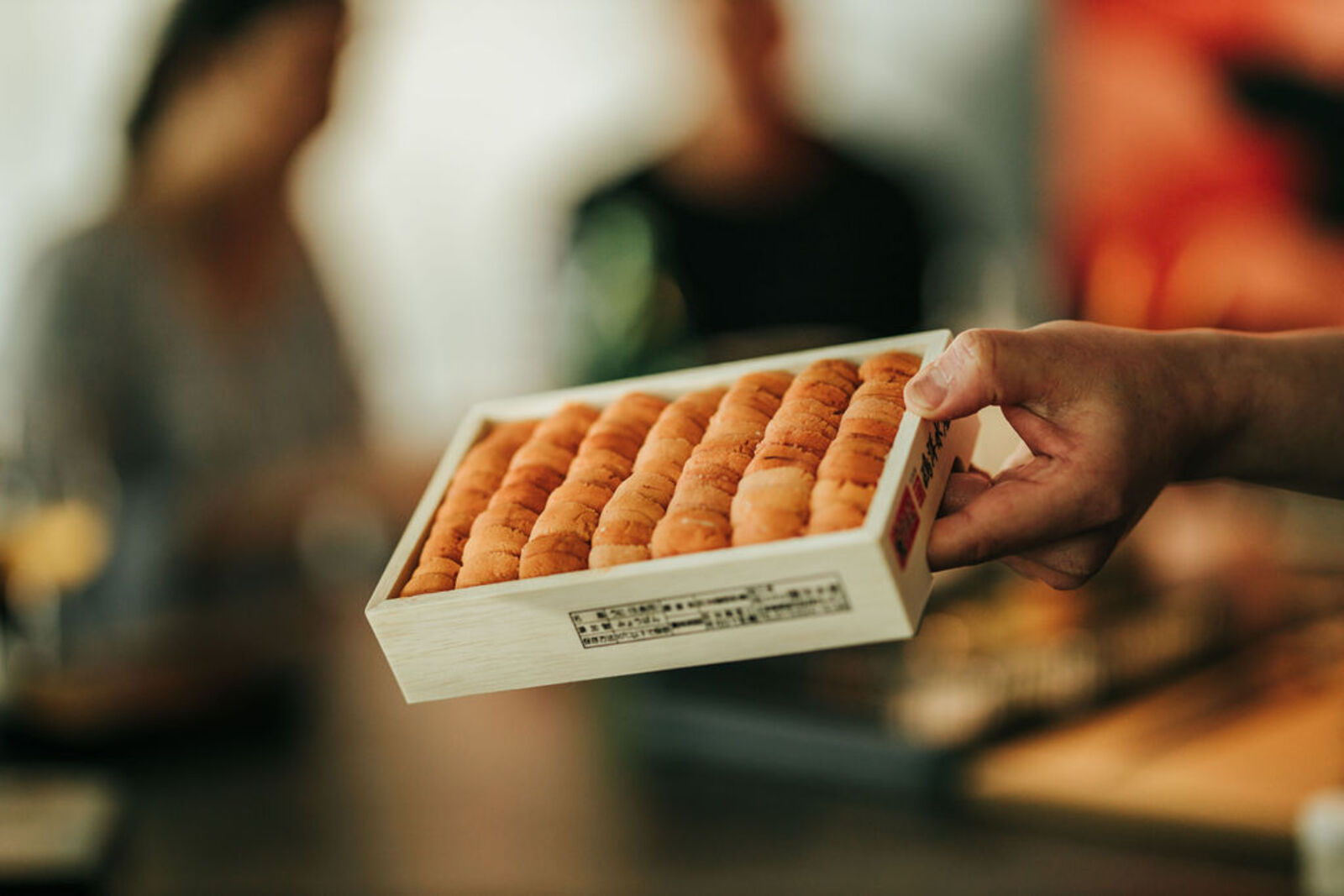
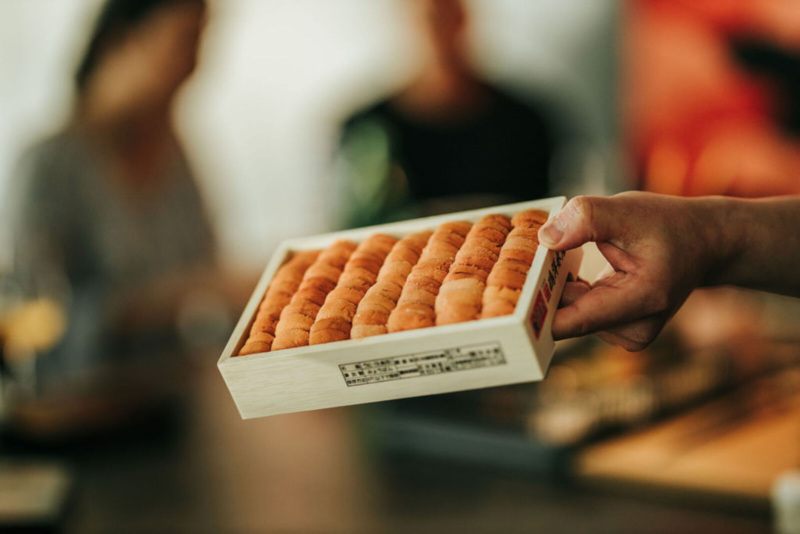
Right now it’s local black cod and local halibut. And we’ll also get local uni. In the past we’ve used anchovies, chilipepper rock cod, local sardines. Dungeness crab obviously.
What’s some of your favorite fish to work with that you look forward to every year?
I personally like, during the winter time, the fattier, silver fish. Different types of mackerel — one is sanma. It’s essentially a longer sardine, same fat level, and it has the flavor that some might describe it as fishy. I really enjoy those types of fish, and guests generally think they don’t like it, but a lot of times they end up liking it.
We’ll cure it in salt for a bit to help bring out the moistures and we’ll put it in a quick vinegar bath. In the past we’ve served it with ancho chiles that we char and smoke and put a little relish on top. It’s pretty simple.
What’s your favorite Robin dish?
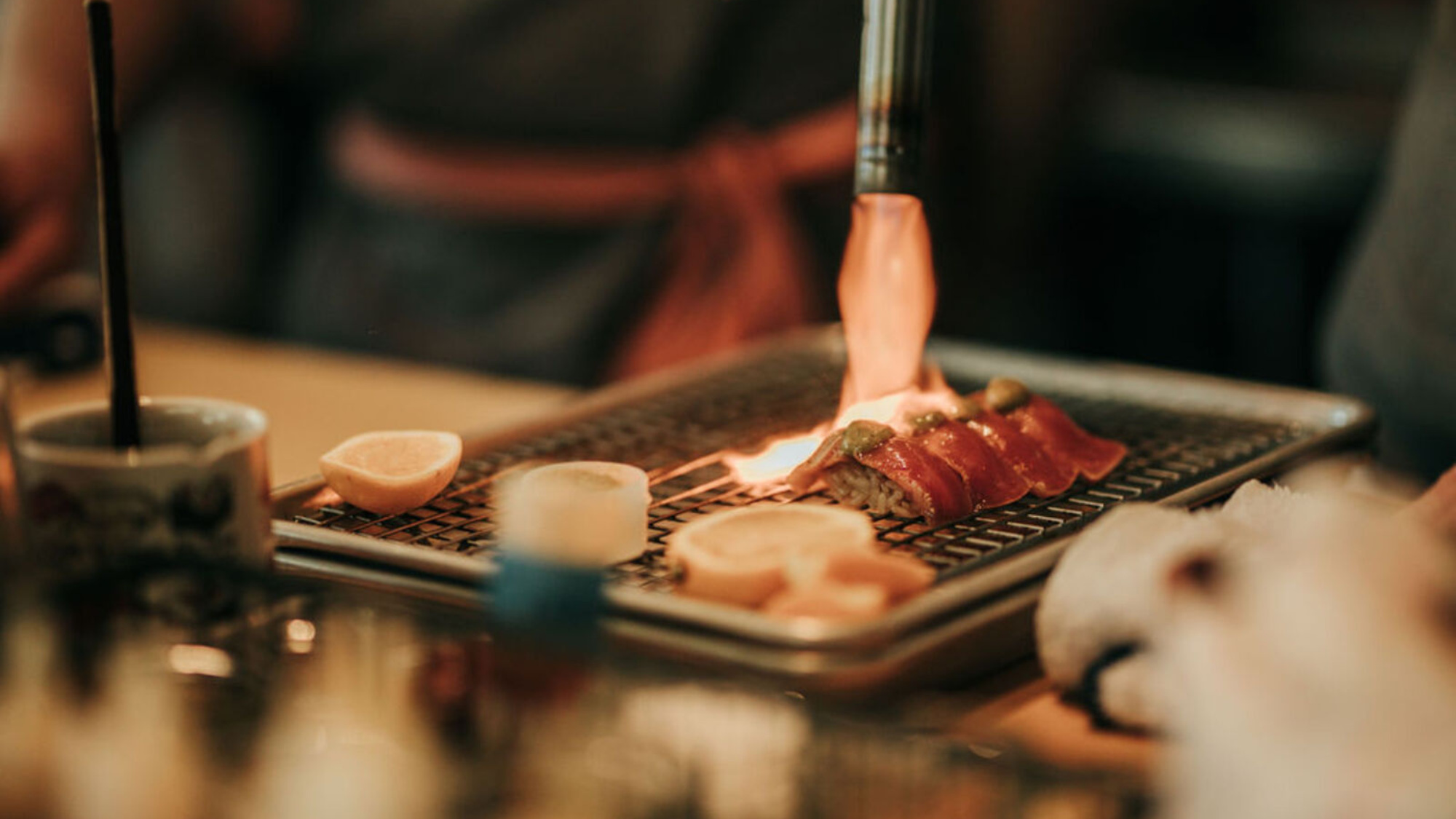
Good question. Maybe my favorite is the akami — the leaner part of tuna. We serve Wagyu beef, and we take its fat and render it down and emulsify with soy sauce. So we have a Wagyu beef soy sauce and put that on top of lean tuna and make a nigiri out of that.
You trained under a master sushi chef in L.A., Katsuya Uechi. And then you also worked at the old Akikos for a couple years. And in between, you also spent time at the modernist restaurant Ink in L.A. Are there any cool techniques you picked up there and still use?
A lot of the sauces and garnishes — simple things like using agar agar to thicken a gel. And the way Michael Voltaggio thought about food — he’s just really smart and thinks outside the box. Coming from traditional sushi [masters], they’re very rooted in tradition. To see someone who still respects the food but willing to take risks — that way of thinking taught me a lot.

Tell us about the sliding scale pricing.
When you sit down, a server will ask you to choose a price point, from $119 to $219. Based on that, a server or chef will create the menu. What you get totally depends, but it allows us to give you higher price items like fatty tuna and different types of uni from Japan.
Where else do you like to get sushi in the Bay Area?
I like to try new places that open to see what’s going on. If I was going out to a nice celebratory sushi restaurant, I have a soft spot for Akikos. I’m biased. And I think The Shota is really good too.
How often are you in Japan?
I used to go three times a year, but now I have a three-year-old and a 10-month-old so it’s once a year.
What are some of your favorite spots in Tokyo?
For something cool and different, it’s a bar, Gen Yamamoto. He treats cocktails like a chef would. They’re all fruit- and ingredient-driven. He does interesting combinations and his glassware is beautiful. For sushi: Hatano Yoshiki and Ebisu Endo. Ramen: Ginza Kagari. My favorite overall restaurant: Den.
What’s next for you?
Great question. I think maybe a Robin not in the Bay Area, possibly. I’ve been looking in Denver—it seems like a great secondary city. Besides that I just want to make sure that people continue to like the Robins that are here right now. That’s my priority.