Resy Spotlight Oakland San Francisco
At Bombera, a Chef’s Story Is Told Through Her Mole Dishes
Published:
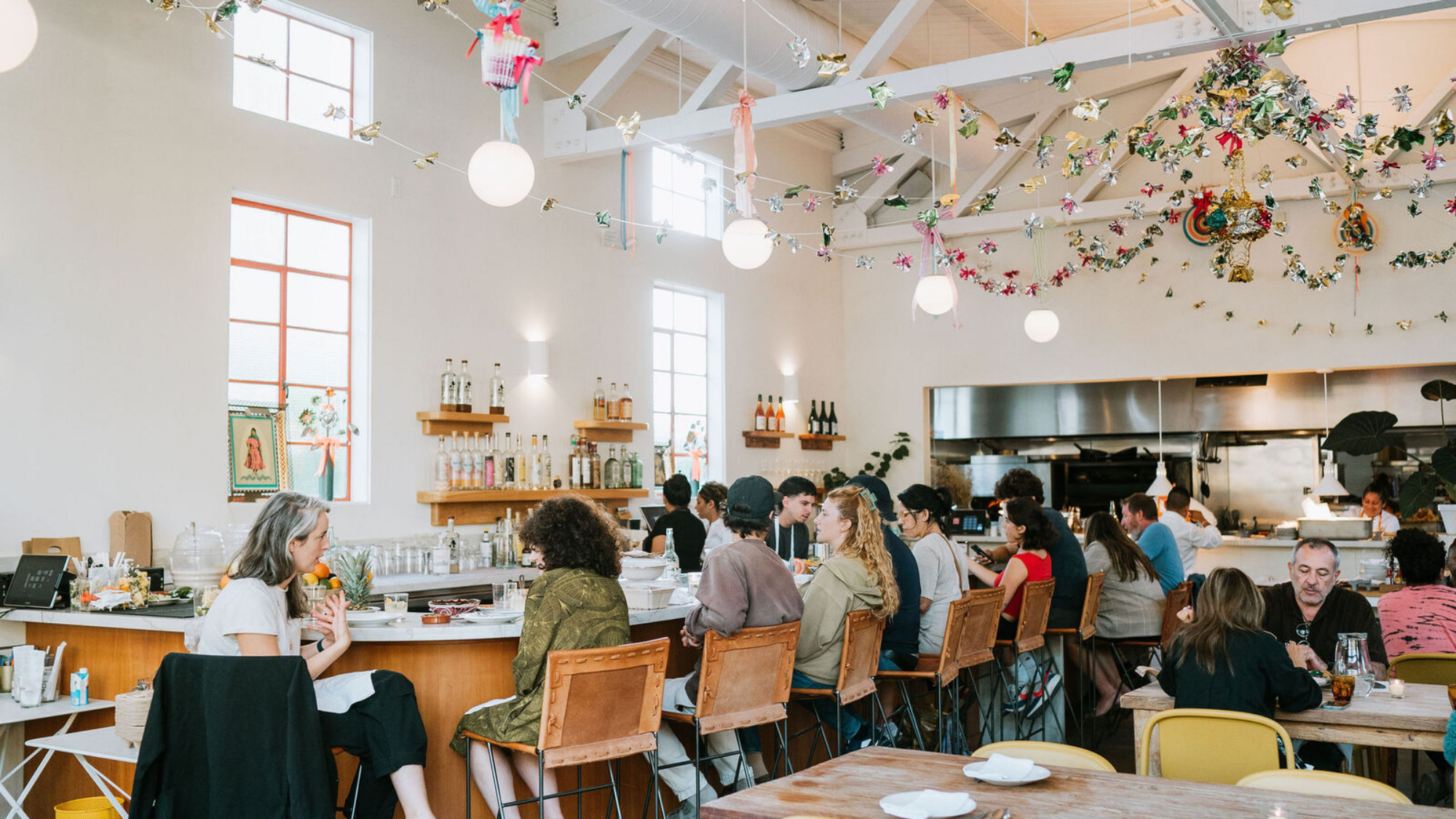
When Dominica Rice-Cisneros opened Bombera in 2021, she knew that she wanted to continue the tradition of “Mole Mondays” that she had established at Cosecha, her previous restaurant. Today, Bombera offers multiple moles each day served in various preparations alongside meats and vegetables.
“Enjoying and eating moles is something I’ve done my whole life,” says Rice-Cisneros. Moles are often categorized by color or place of origin in Mexico, but within those classifications exists a wide variety of styles and techniques. Moles are a reflection of a Mexican chef’s unique experiences and tastes, meaning that no two moles are the same. “Every time I make a mole,” says Rice-Cisneros, “I feel proud to be connected to keeping that tradition going.”
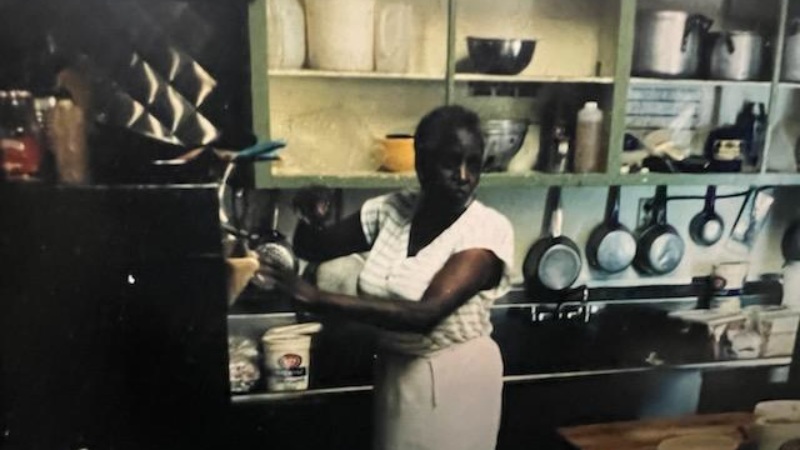
Around the time that her grandmother passed away, Rice-Cisneros started attending cooking school. She moved to Mexico City at 24 years old where she worked in restaurants. “When I came back [to the U.S.],” says Rice-Cisneros, “The first mole I remember making here was the pipian verde from Zarela Martinez’s Oaxaca cookbook. It came out a total mess, but I’m like, ‘okay I’m going to stick with this.’” She remained dedicated to the craft of making mole and learned from other Mexican chefs. Over the last 25 years, any time she meets señoras from different parts of Mexico, she will strike up a conversation about mole or invite them to make the dish together.
Every time I make a mole, I feel proud to be connected to keeping that tradition going.— Dominica Rice-Cisneros
The moles at Bombera are a culmination of Rice-Cisneros’s lived experiences. Growing up outside of Mexico, she never acquired a taste for epazote. “I felt like maybe I lost something by being raised in California,” says Rice-Cisneros, “I was thinking maybe my palate is forever jaded and it’ll never grow.” While working in Mexico City kitchens, she found that epazote was in everything. It was during a dinner party with her friend’s family that her perspective changed. Her friend’s uncle made a comment about disliking the flavor of epazote. She learned that his family was also from Chihuahua and that the ingredient isn’t used much there at all. Like Rice-Cisneros, he learned to love the herb after living in Mexico City for some time. “I realized that the way my family cooks wouldn’t have changed that much if my grandmother had stayed in Chihuahua,” says Rice-Cisneros. (Today, her mole verde at Bombera heavily features epazote.)
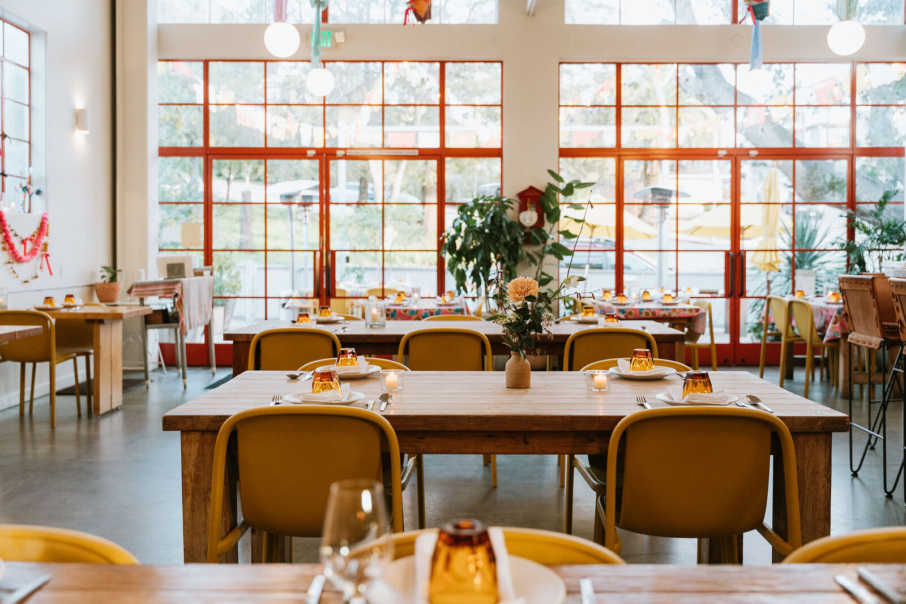
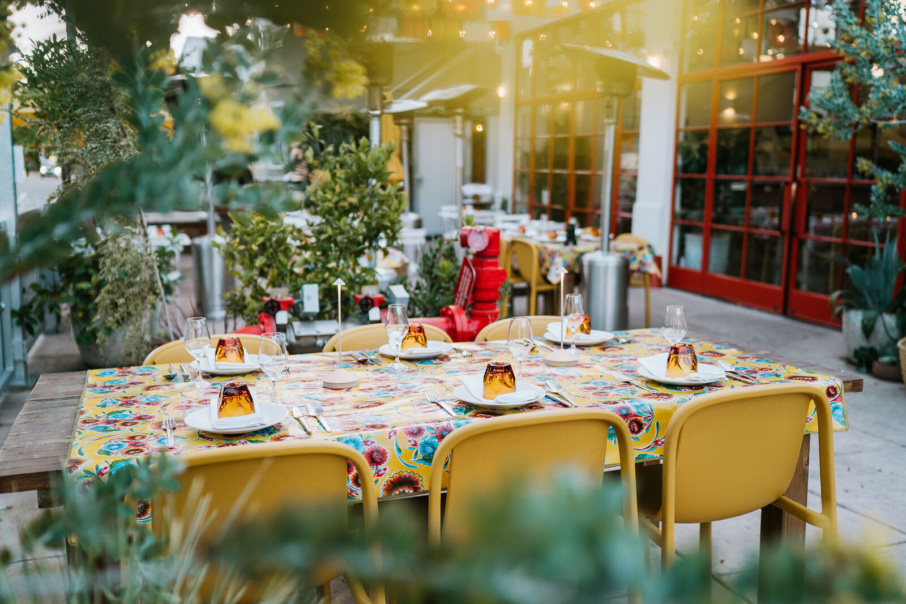
There’s always at least two mole dishes on the menu, including the mole rojo which is offered year round. “In October, I naturally start craving mole negro and mole poblano and make that through winter,” says Rice-Cisneros. She says the hardest mole to get right is the humble Chihuahua-style moles she grew up eating. Specifically, the meat, broth, and chiles need to be of exceptional quality since there aren’t any nuts, chocolate, or sweet spices to hide behind.
While juggling multiple moles is a difficult and time-consuming task, Rice-Cisneros has a system for making it manageable. She weighs, toasts, and grinds ingredients over the span of a week. It’s a tip she picked up from a señora from Puebla when preparing a Day of the Dead feast together 15 years ago. Since she works with large batches, she diligently takes notes for consistency and to tweak recipes accordingly.
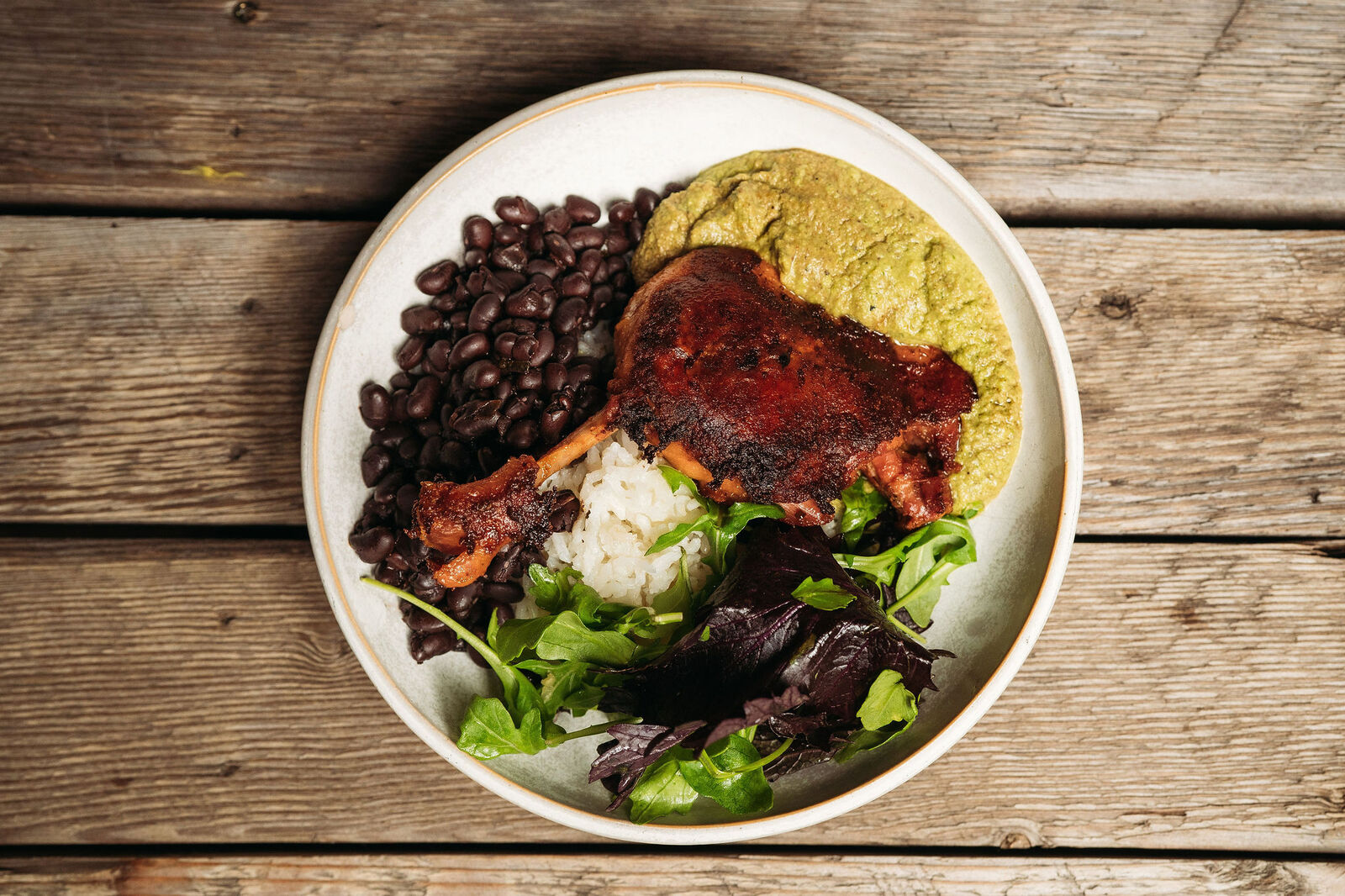
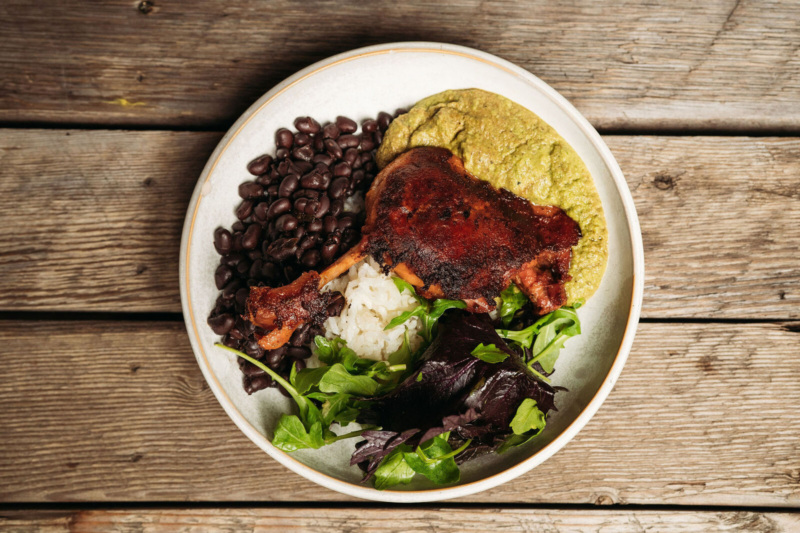
Here are some mole dishes you might see at Bombera:
1. Duck Mole Verde: The mole verde features a deep nuttiness provided by peanuts and pumpkin seeds. It gets its green hue from epazote, an herb with a bold aroma and flavors likened to anise or oregano. The sauce is topped with duck legs that are cooked low and slow in duck fat, citrus juice, and beer until tender and succulent.
2. Tamales: The tamales at Bombera change with the season. However, a constant on the menu is typically pork or chicken tamales in a bright mole rojo. In the winter, you’re likely to come across beef tamales inspired by Chef Rice-Cisneros’s grandmother’s recipe. In the summer, go for the corn tamales served over a pool of red mole and sprinkled with corn kernels.
3. Mole negro: A vegan mole negro with a complex flavor developed by layering toasted nuts and spices. A touch of chocolate provides it a sweet, smooth finish. It’s complemented with creamy butternut squash, chard, and crunchy toasted pecans. It’s served with tortillas and rice for soaking up every drop. You can add carne asada, chicken, or carnitas to your order to make it a complete meal.
4. Charred beets a la chicana: Bombera’s charred beets have a reputation for turning skeptics into beet lovers. Beet wedges are charred until nearly black and served on a whipped pumpkin seed mole. The mole contributes acidity and freshness to balance the smokiness of the dish