With Dancerobot, the Royal Sushi Team Makes Its Mark
Published:
For the past nine years, chef Jesse Ito has made an outsize impact on the Philadelphia dining scene with his eight-seat omakase counter, Royal Sushi Omakase, and its counterpart, Royal Izakaya, in Queen Village. Ito is an eight-time James Beard Award nominee, and hundreds of diners put themselves on a waitlist every night, hoping for a chance to eat his carefully sourced and meticulously prepared sushi, which evolves year after year.
Now, that impact is expected to grow even further with the opening of Dancerobot in Rittenhouse, which will boast 100 seats, a bar that’s open until 2 a.m. on Fridays and Saturdays, brunch service (coming soon), and a menu full of Japanese classics and pastries.
“I never wanted to open another restaurant just for the sake of opening,” Ito says. “I only want to open institutions that make a mark and push the cuisine. I feel strongly that Dancerobot is going to do that.”
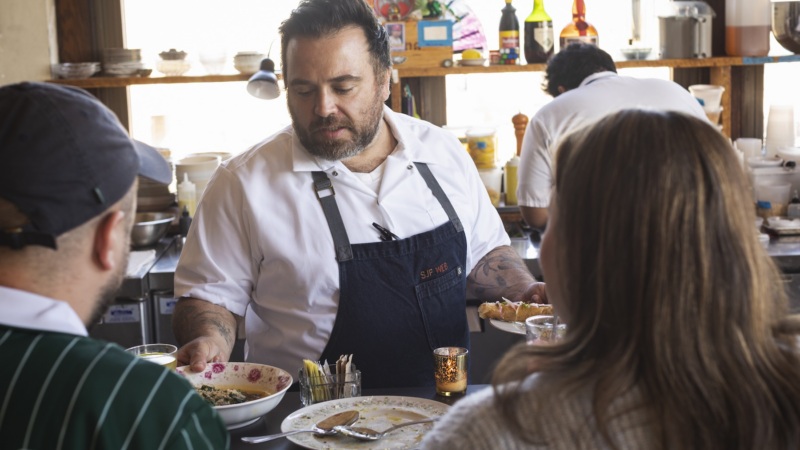
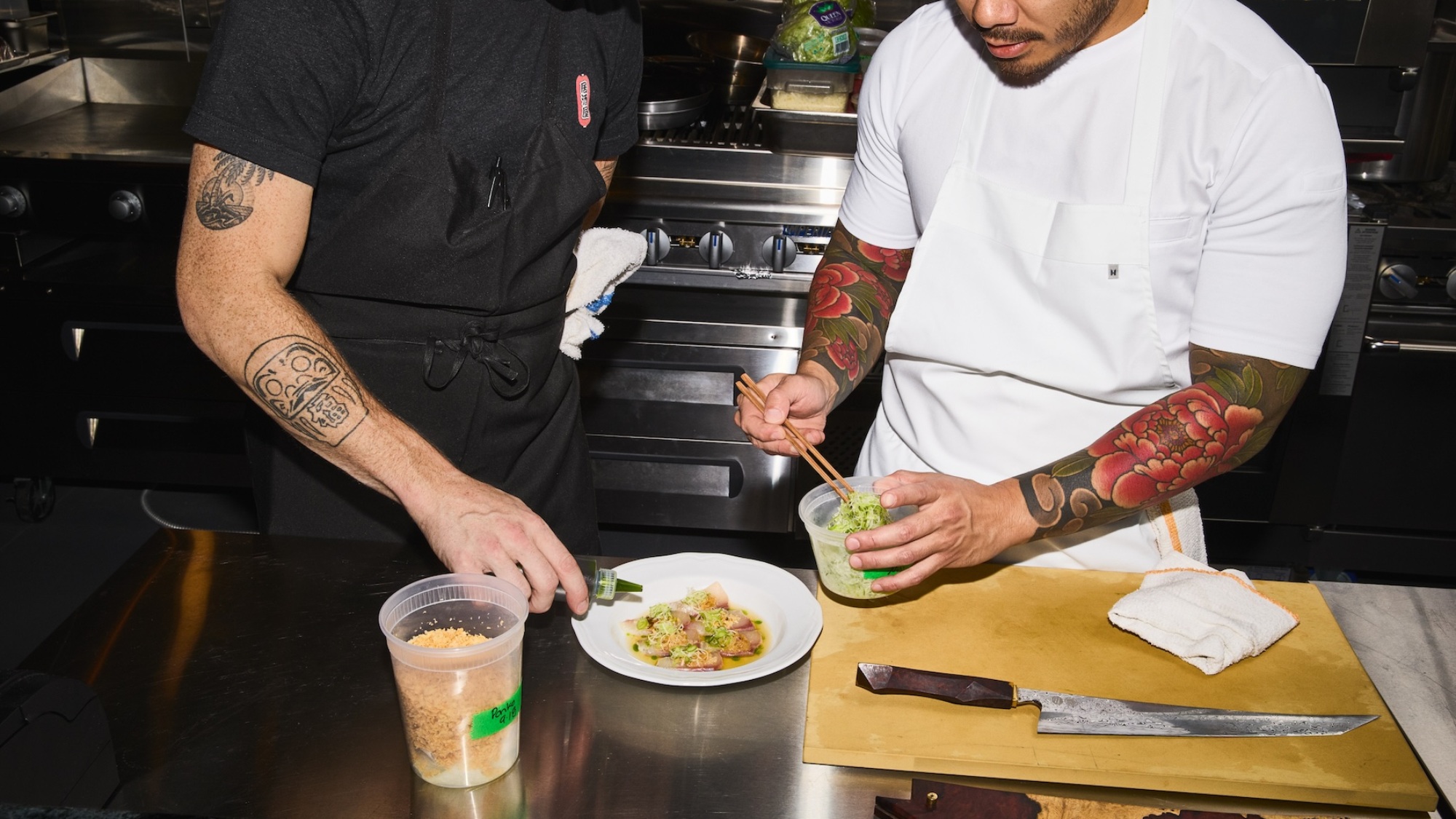
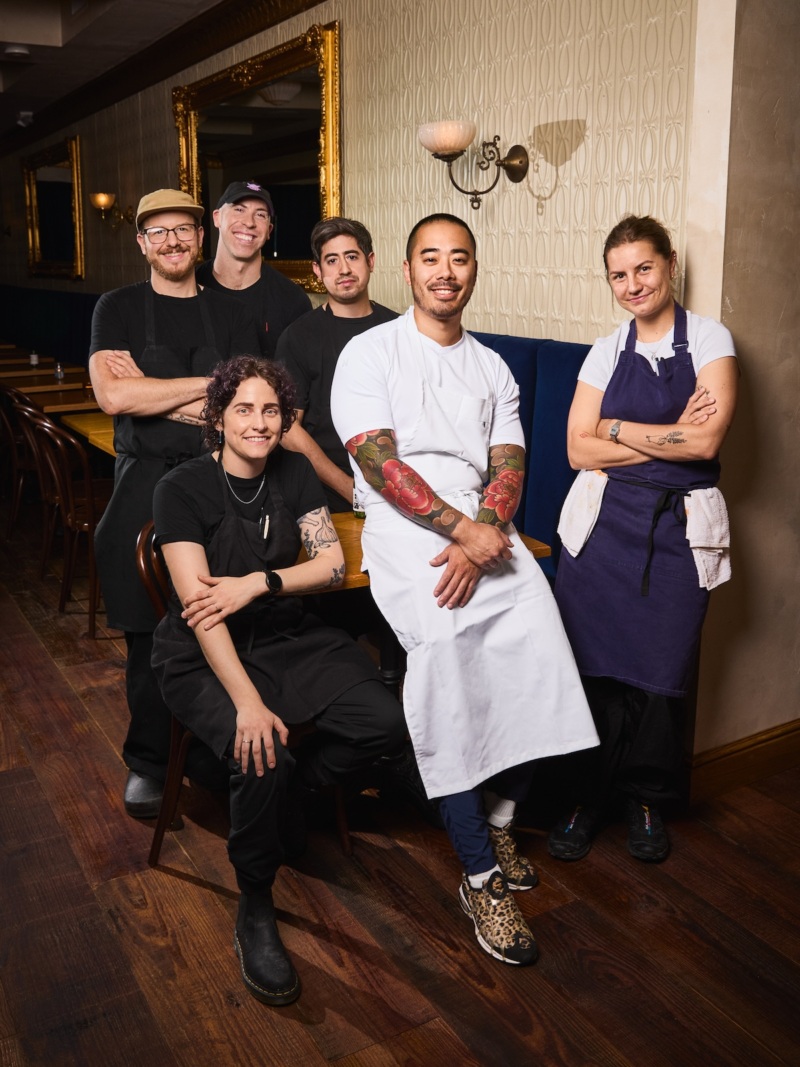
For his new venture, Ito has teamed up with Royal Izakaya’s longtime chef, Justin Bacharach, who serves as executive chef and co-owner. Together, they embarked on a fact-finding, nostalgic mission to Japan, complete with intense recipe development and a healthy dose of neon, to create a place unlike Philly has ever seen.
Dancerobot opens on Tuesday, Sept. 30, and we caught up with Ito and Bacharach for all the details you need to know before you go.
The Resy Rundown
Dancerobot
-
Why We Like It
This is Japanese comfort fare served five nights a week, plus brunch on weekends, perfected by two of the city’s most acclaimed chefs — Jesse Ito and Justin Bacharach — of Royal Sushi and Royal Izakaya. -
Essential Dishes
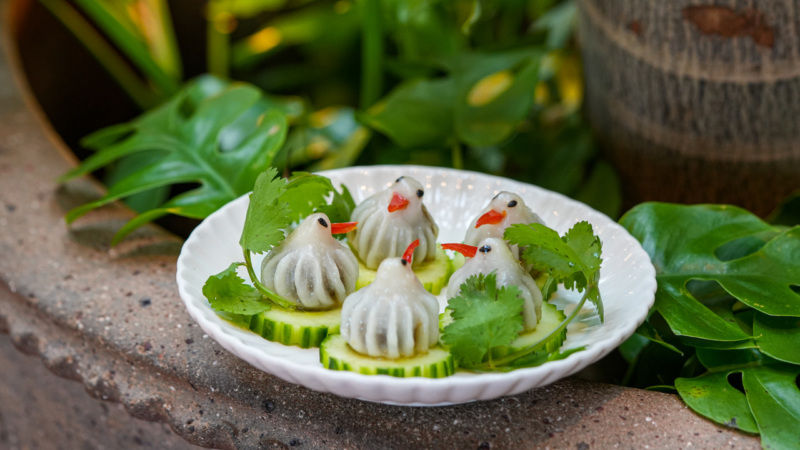
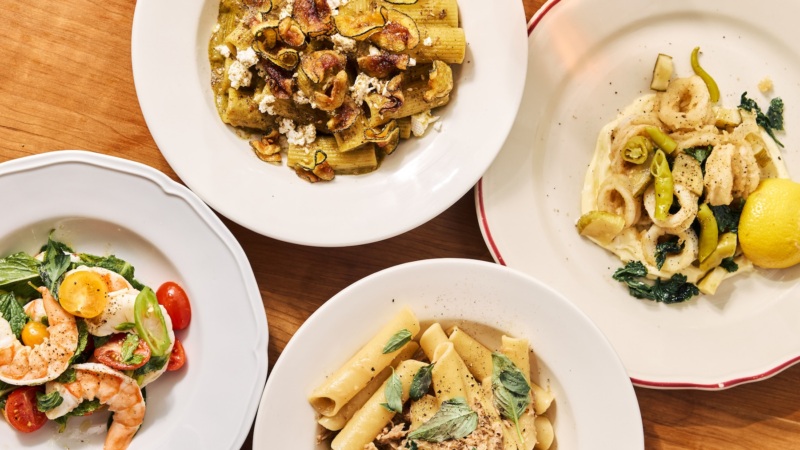
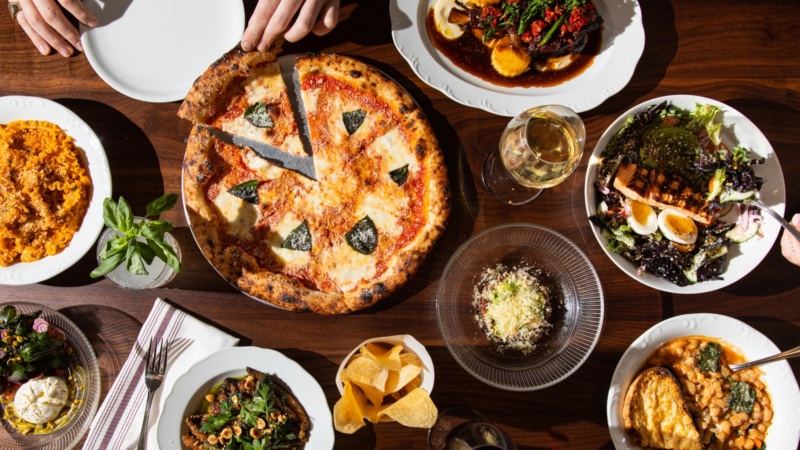
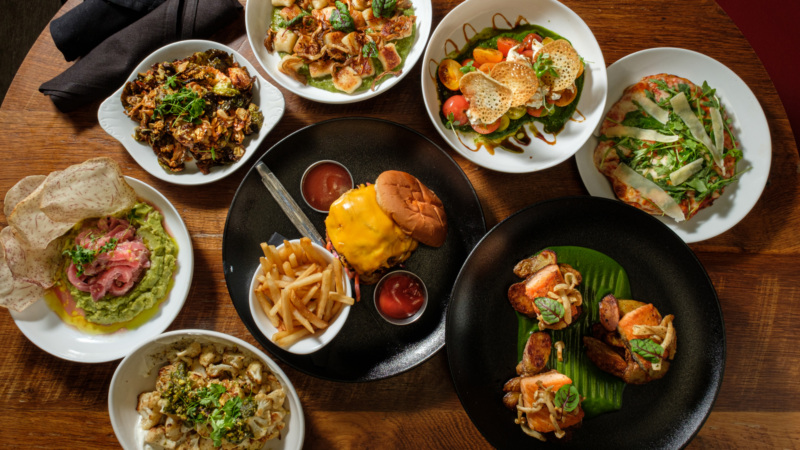
Kobachi; kare pan (curry doughnut); omurice (brunch only); egg salad sandwich (late night only); cheesy mentaiko omelette; katsu curry; hamburg steak; mentaiko cream pasta; Hokkaido milk soft serve; and taiyaki. -
Where to Sit
Ito thinks that the bar area is where it’s at — but would also recommend snagging a seat at the small counter overlooking the open kitchen.
-
Who and What It’s For
Dancerobot lets visitors of all kinds choose their own adventure. Dinnertime welcomes groups, date nights, and families. Late night is for the party crowd. Brunch brings simplicity in the form of teishoku, a Japanese set meal with broiled fish, and plenty of decadent treats. -
How to Get In
Reservations are released 30 days in advance at noon. -
Fun Fact
Ito personally creates the playlists for Royal Izakaya, Royal Sushi, and Dancerobot.
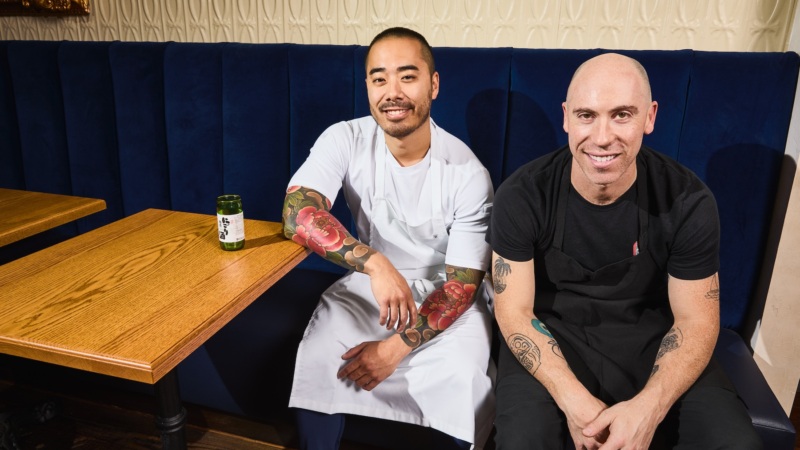
Photo by Aaron Richter for Resy
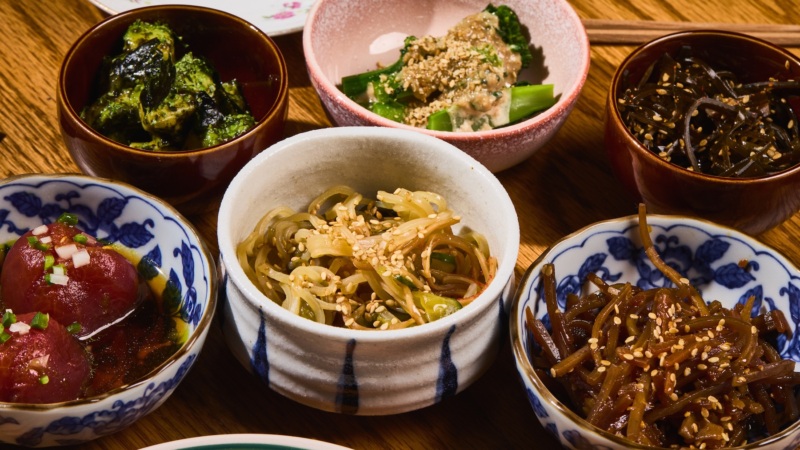
Photo by Aaron Richter for Resy

Photo by Aaron Richter for Resy
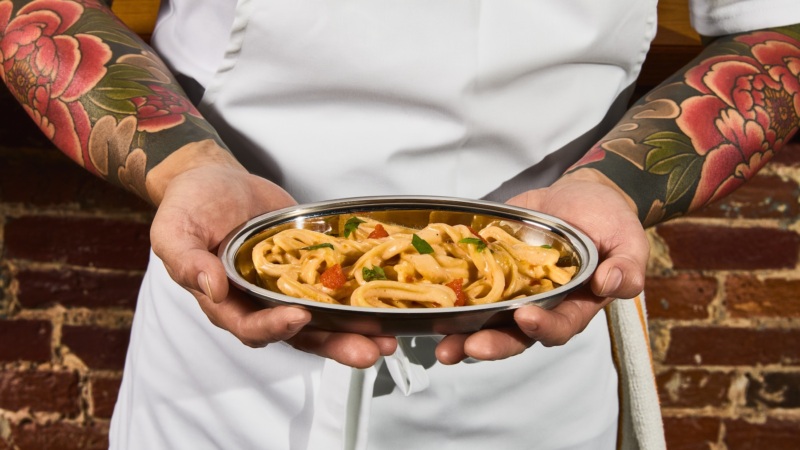
Photo by Aaron Richter for Resy
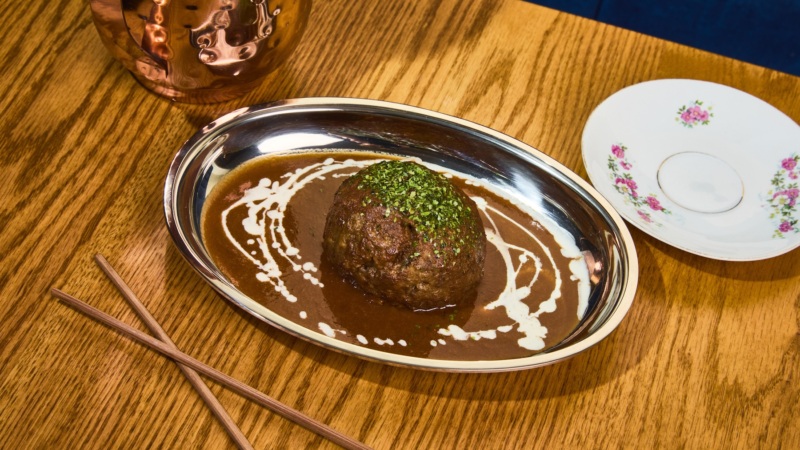
Photo by Aaron Richter for Resy
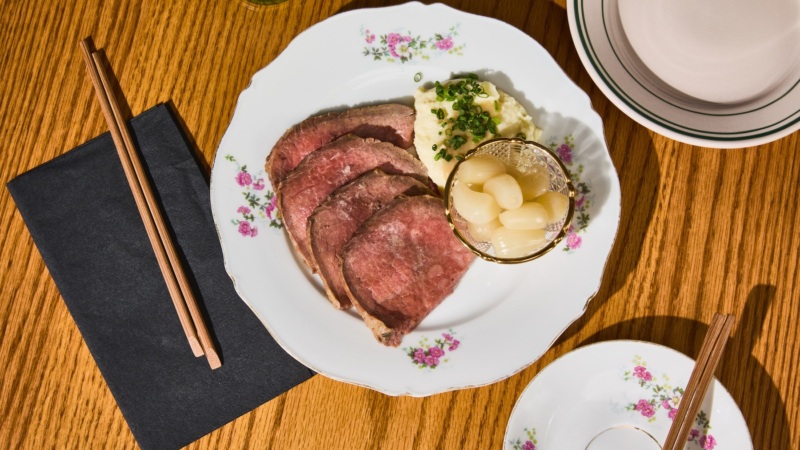
Photo by Aaron Richter for Resy
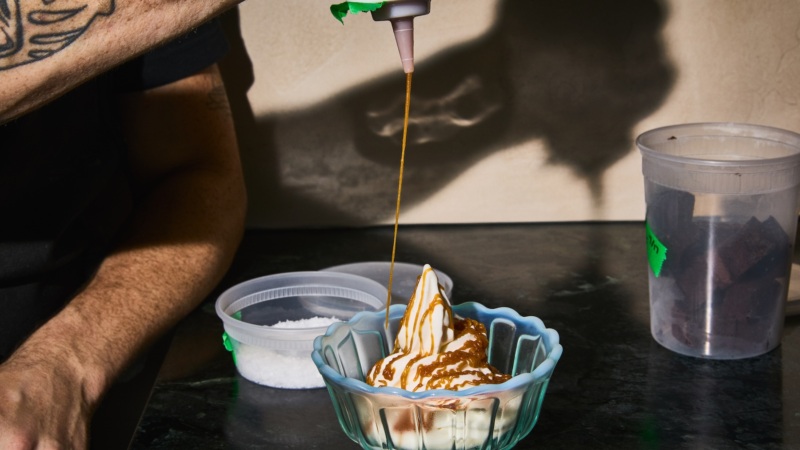
Photo by Aaron Richter for Resy
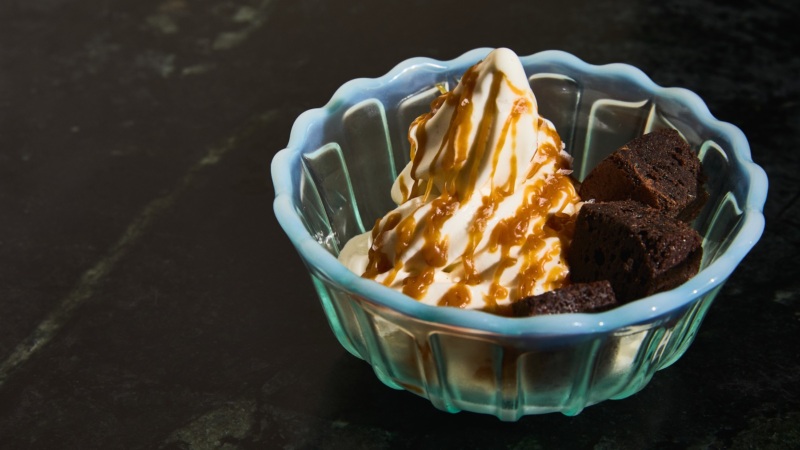
Photo by Aaron Richter for Resy
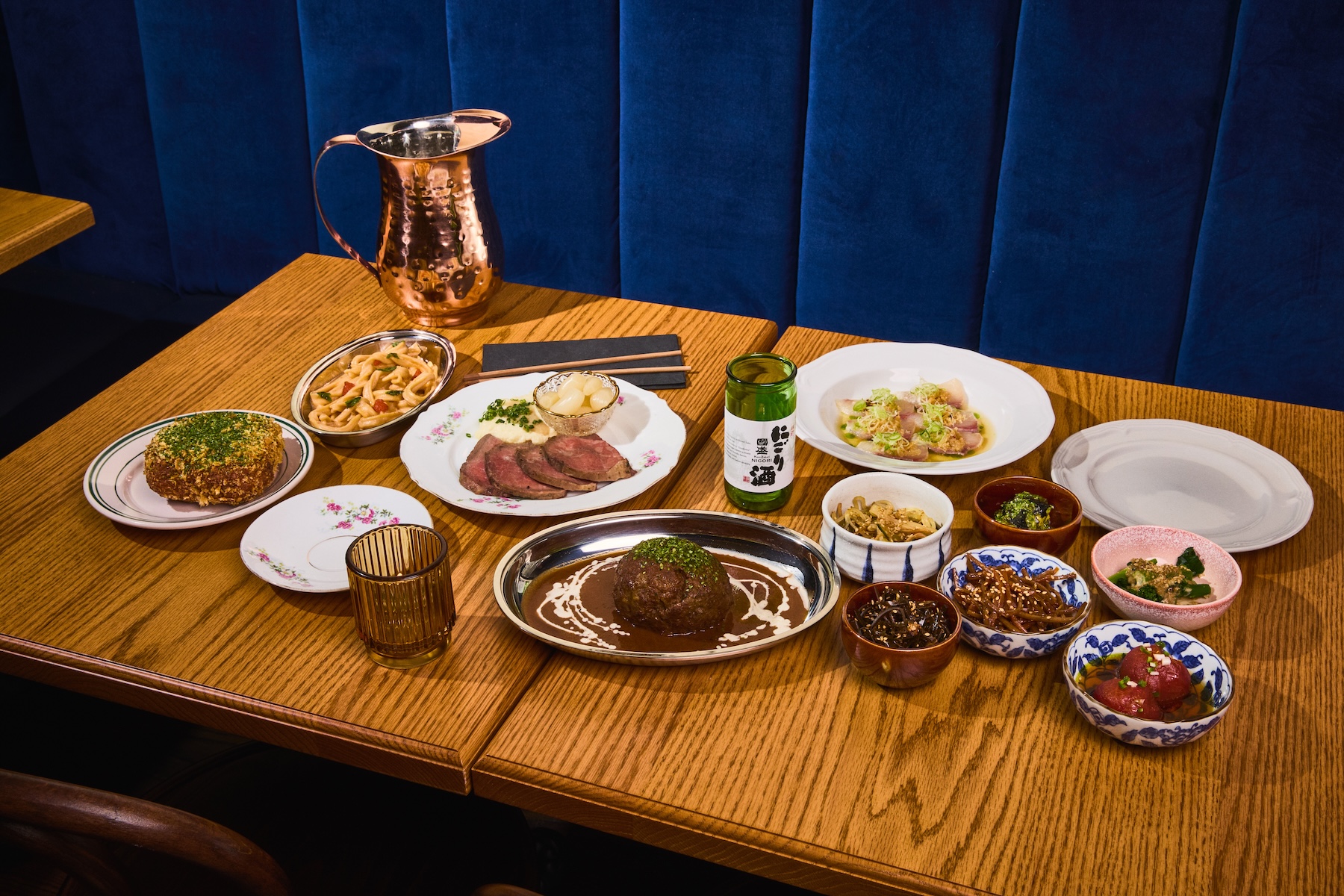
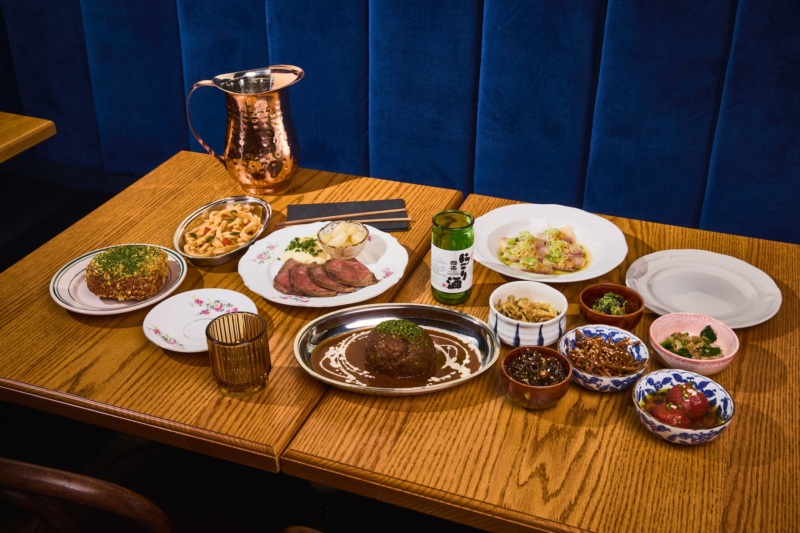
1. Expect an expansive menu of Japanese comfort food, served with a side of nostalgia.
Ito and Bacharach made their mark on Philly with sushi. Now they’ve set their sights on a more recent wave in Japan’s culinary history: the konbini, or Japanese convenience store. Though the first konbini launched just 50 years ago, these accessible outposts for quick, comforting meals and popular general store items have since swept across the nation. They’re now considered bastions of convenience and innovation, serving affordable snacks like onigiri, egg salad sandwiches, and heat-and-eat ramen from dawn into the wee hours of night. While you won’t be able to purchase sunglasses or an umbrella at Dancerobot, the restaurant’s menu is inspired by konbini cuisine — and the desire to popularize it in Philly.
Ito’s decision to open Dancerobot happened organically as he and Bacharach honed their flow at Royal over four years. “I’ve had a lot of time as chef at Royal to explore what Japanese food means to me,” Bacharach says. “For a long time, I’ve been bursting with ideas, outside of what the izakaya is; it’s nice to have a place to give people exposure to Japanese comfort food dishes and pastries.” Ito points out that Philly, and much of the country, doesn’t have restaurants that focus on Japanese comfort food, brunch, and late night. “You rarely see Japanese restaurants that don’t focus on sushi or ramen or yakitori,” he says.
The duo has been working on their new menu for a while, with Bacharach leading recipe development and Ito jumping in for tweaks or a “eureka moment” that helps it click for them both. “It’s fun for staff meal,” Bacharach adds. “They get to try delicious mistakes or successes.”
2. A recent trip to Japan helped Ito and Bacharach refine Dancerobot’s menu.
The duo went on the best type of research and development mission possible: a food trip. Over nearly two weeks, they ate their way through Tokyo, Osaka, and Kyoto — three cities known for the types of cuisine they’re cooking at Dancerobot — to guide their menu. Neither had been to Japan before. Bacharach picked more casual places to eat, while Ito chose restaurants renowned for their tasting menus. During the trip, they also met up with fellow chef Ryan Ratino, of Jont in Washington, D.C., who helped them get into some exclusive omakase restaurants.
“We sought out the best version of everything,” Bacharach says. “I’ve seen a million videos of how someone makes omurice on YouTube, but to go to a place in Japan and watch them do it and eat it, it changes your perspective of the dish.”
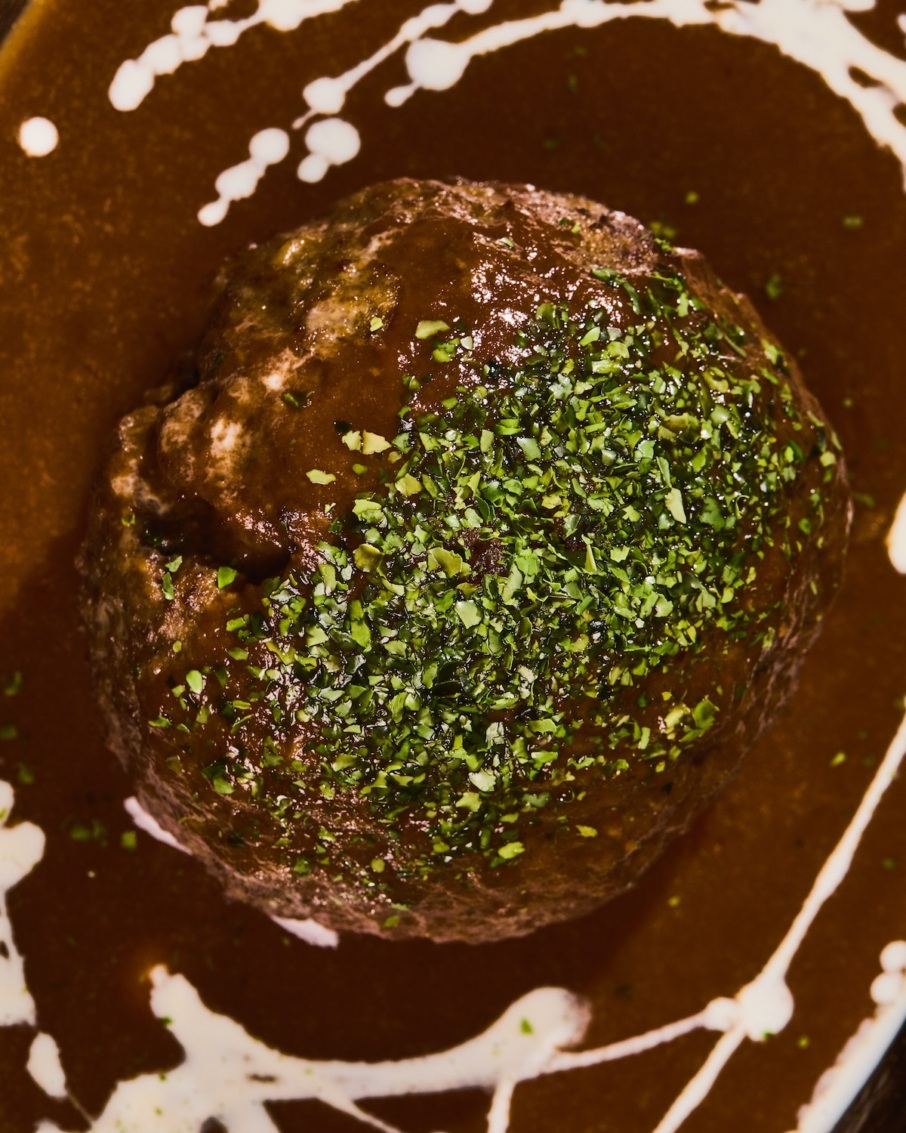
3. Look out for yoshoku and konbini signatures dotting the menu.
Two unique Japanese food traditions drive the menu at Dancerobot: yoshoku and konbini, plus some classic izakaya favorites.
“Things are constantly changing in Japan, like in any food culture, so we went to convenience stores and saw what’s popular right now,” Ito adds. For example, Family Mart soufflé-style pudding is something they plan to offer at Dancerobot.
Late night on Fridays and Saturdays, the bar will stay open until 2 a.m. with top-tier konbini staples, like egg salad sandwiches, steamed buns, and that aforementioned pudding cup.
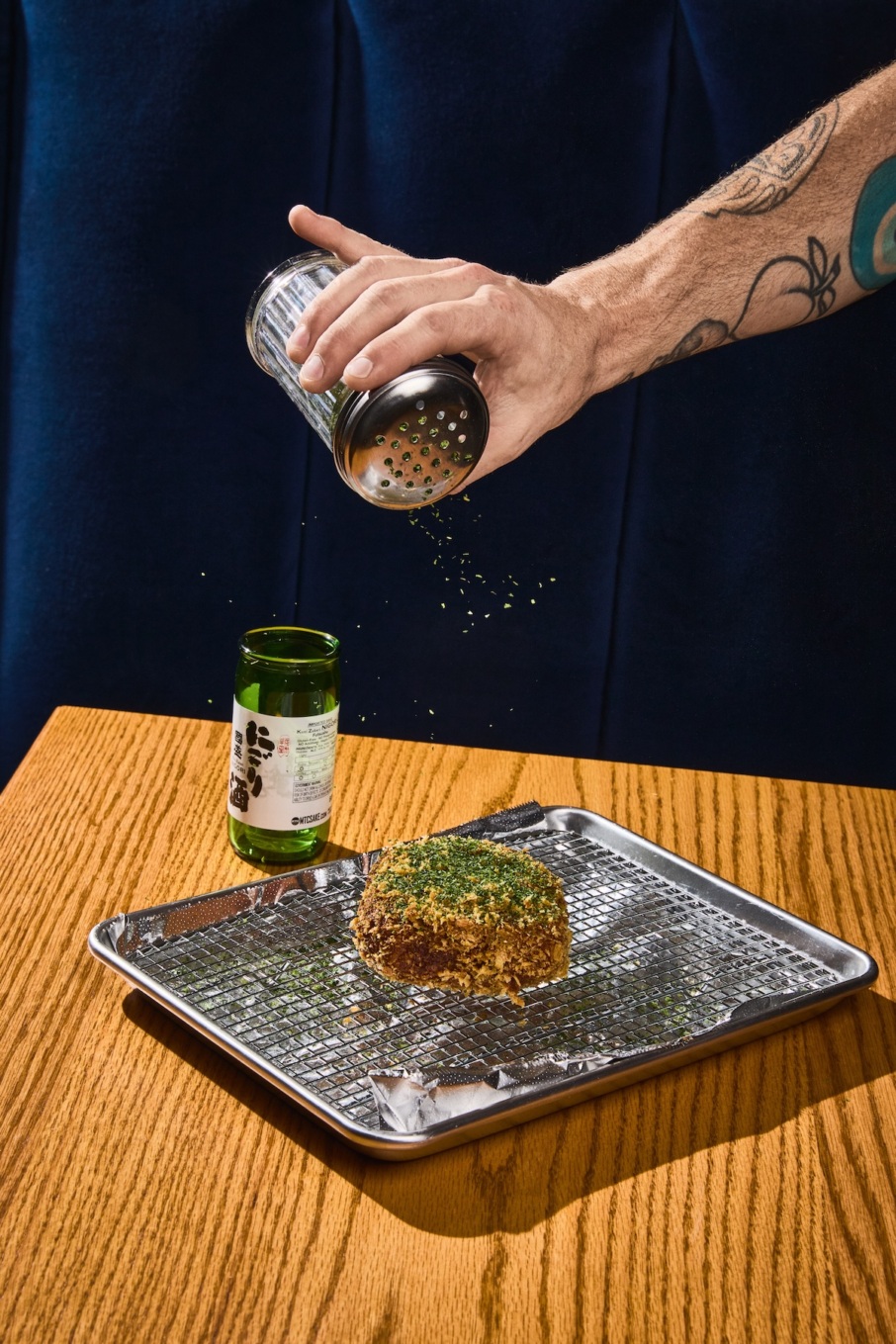
They also sought out the curry doughnuts that Ito grew up eating at Mitsuwa Marketplace, a Japanese supermarket chain based in the United States, with his dad.
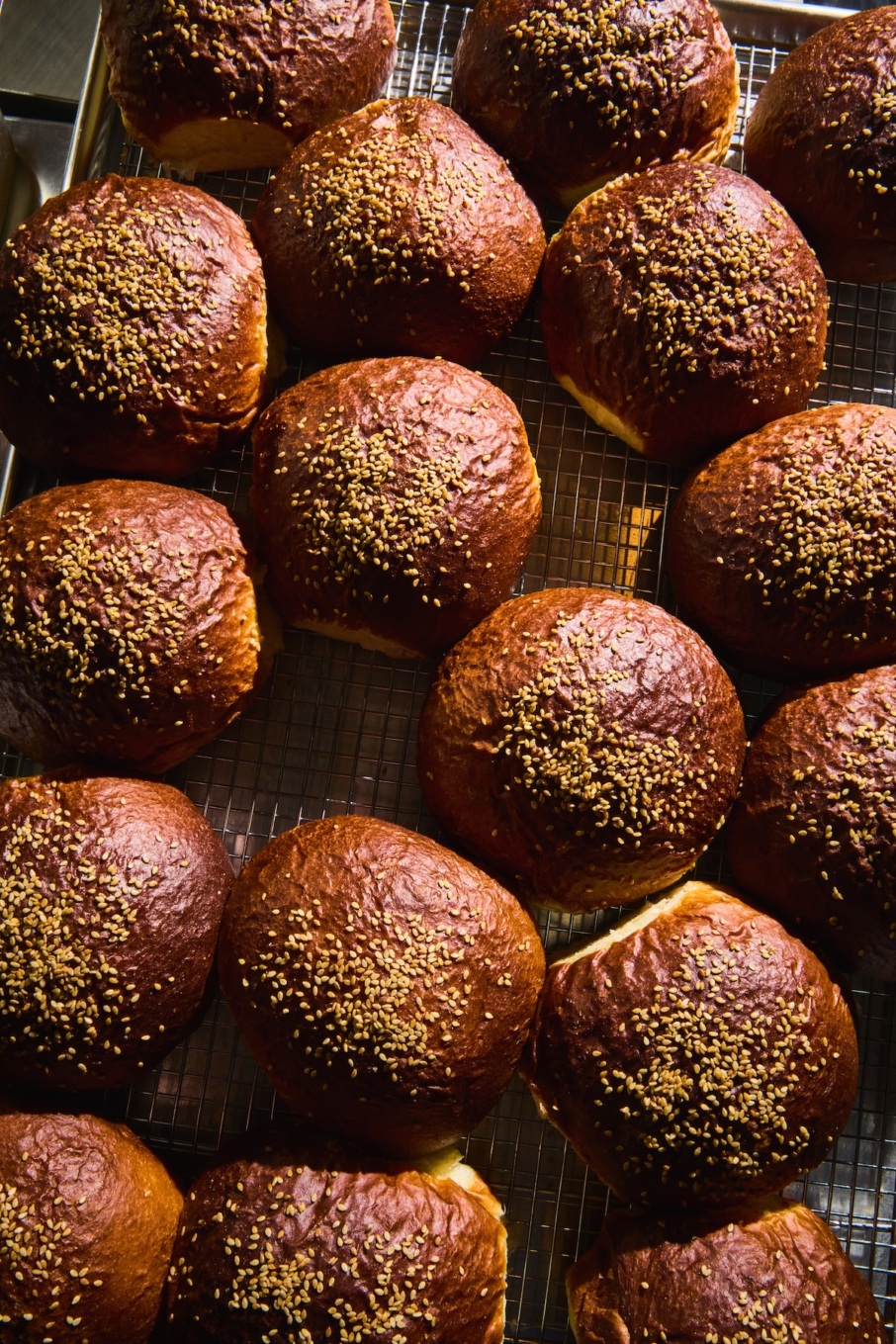
While the curry doughnuts are nostalgic for Ito, they’re fresh inspiration for Bacharach. “I was like, “D—, I love this” and I know the way to make it really great and unique for us. It’s going to be a combination of kare pan you find in Japan and a classic American yeasted doughnut, flavored with curry. It’s more glutinous in a way and is a perfect greasy doughnut.”
Dancerobot will also specialize in yoshoku cuisine, whereby Japanese chefs put their own spin on western-style dishes, made with Japanese ingredients and techniques, in the late 1800s and early 1900s. Ito and Bacharach are big fans of the style, known for dishes like omurice, hamburg steak, and katsu curry.
The R&D trip to Japan inspired Ito and Bacharach to put a cheesy mentaiko omelette on the dinner menu, made with Jidori eggs, good-quality milk, heavy cream, and sea salt, stuffed with shredded cheese and garnished with mentaiko (pollack roe) mayonnaise, mentaiko paste, and scallions.
For something a bit lighter to round out a meal, the chefs suggest ordering kobachi, a seasonal set of rotating vegetable dishes that might have everything from tomatoes marinated in dashi vinegar with shiso, tsukudani (a sweet and spicy braised seaweed) and broccolini with a sweet white sesame sauce to harusame sunomono (a vinegared noodle dish with crab) and avocado dressed with nori.
The restaurant will have a few classic Royal Izakaya dishes too, like buns with a crispy bottom and pillowy top, stuffed with spicy cabbage and mushroom filling, or sweet eggplant miso, plus taiyaki (fish-shaped pancakes).
“At brunch, we’ll have a set meal called teishoku with a broiled piece of fish and vegetable-focused seasonal sides, plus fluffy pancakes, sweet and savory pastries, savory curry doughnuts, and omurice — a creamy omelet that’s perfectly shaped and sits on top of rice,” Bacharach says. “The server will slice it tableside. It’s a showstopper.”
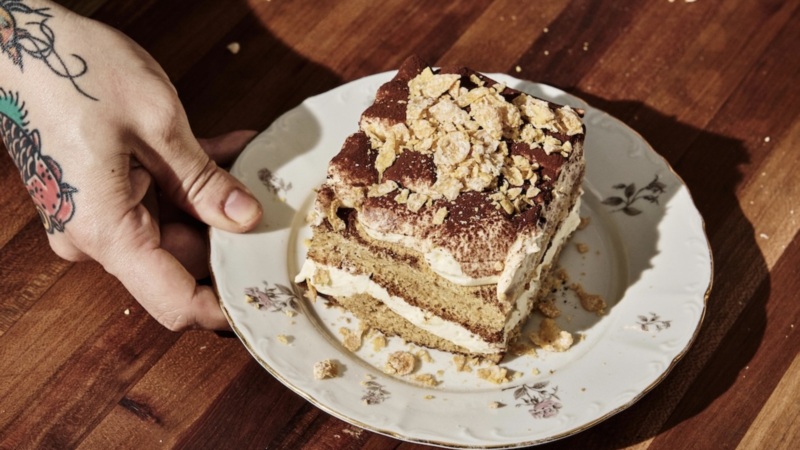
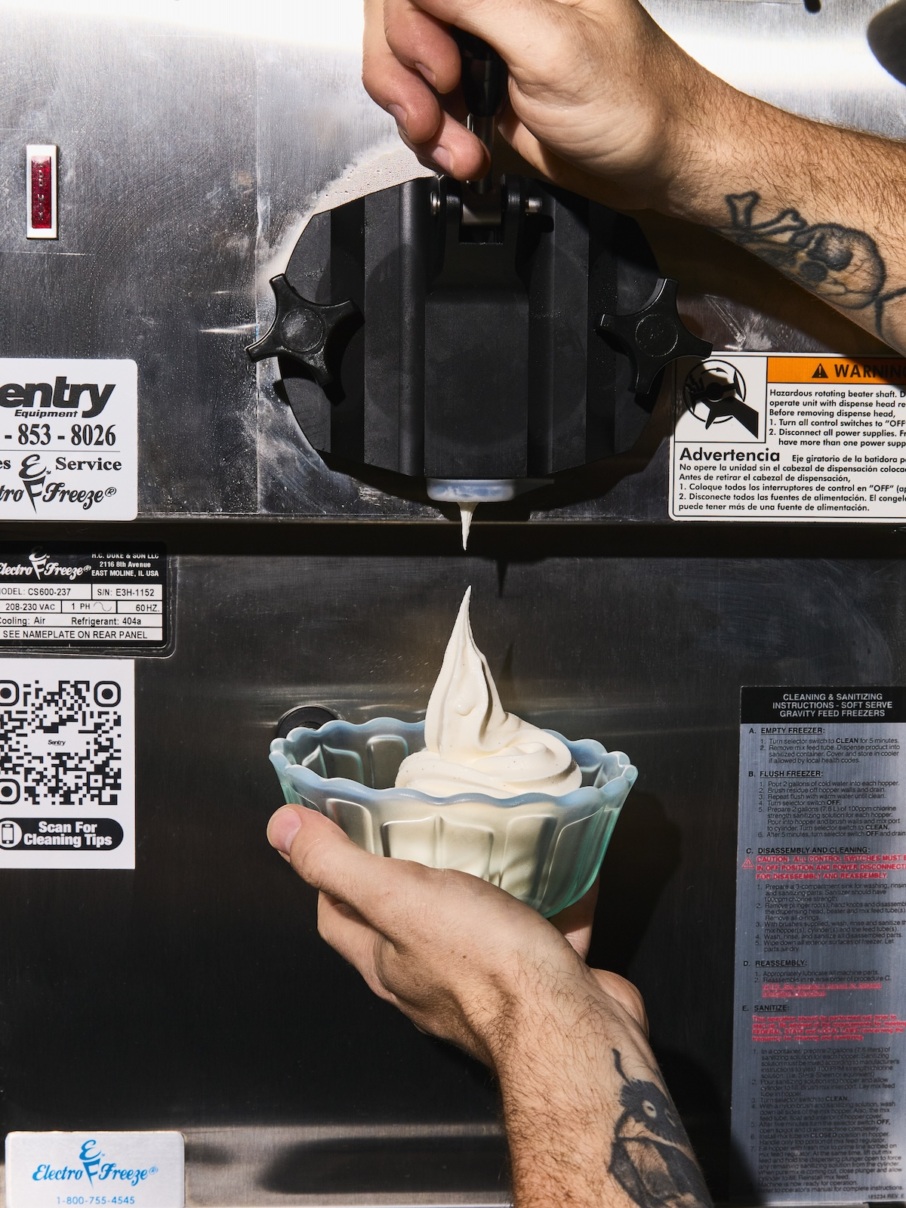
For dessert, expect to see housemade vanilla soft-serve ice cream made with creamy Hokkaido milk, and a fudge brownie for dessert.
4. The bar might remind you of Royal Izakaya.
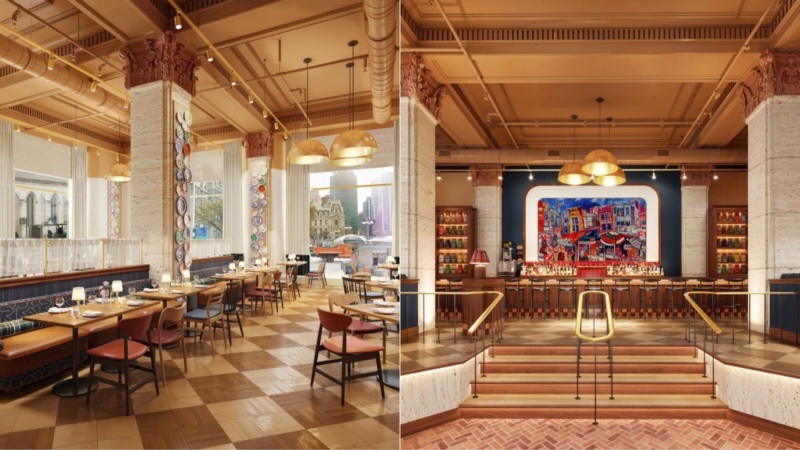
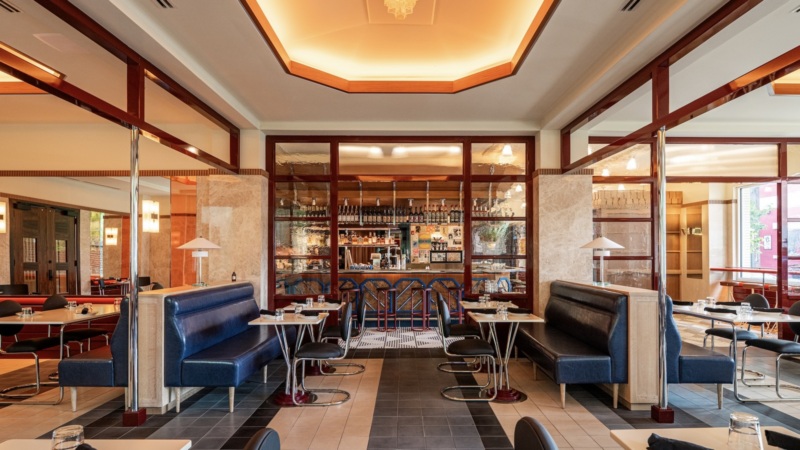
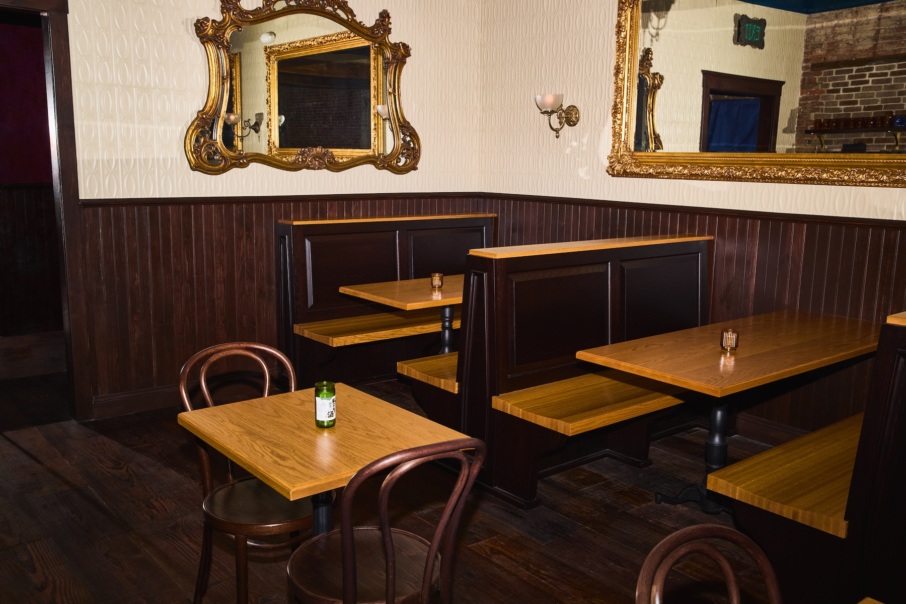
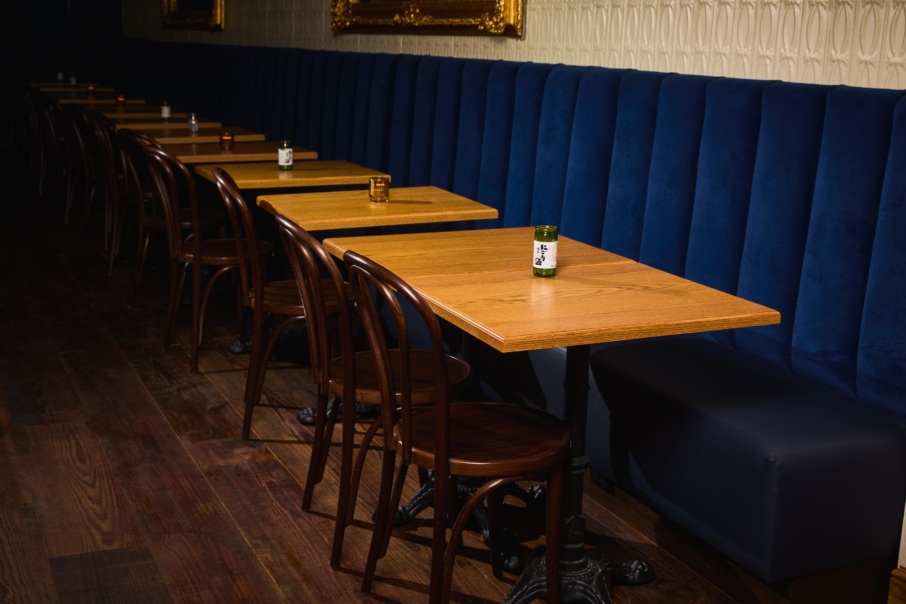
Within the 100-seat restaurant, Ito thinks that “the bar is the spot” to be. It’s a Victorian-style bar with columns, reminiscent of Royal Izakaya’s, but even bigger. Dancerobot’s 20-seat bar will be “super high energy,” Ito says. “It’s encased in tin with shiny dark blue painted tin on the ceiling. It’s like you stepped into a different world that you want to keep going back to every night. We’re borrowing from Royal, in terms of sake and shoyu programs. We’re making great cocktails and have plenty of non-alcoholic drinks.”
Bacharach is particularly excited about draft cold brew and fun, frozen drinks “to match that Rittenhouse energy.” Together, they worked with Ambit Architecture’s Sam Kim, who helped redesign the omakase sushi bar at Royal.
5. It’s got an ’80s vibe.
Like Royal, the overall look is Victorian or “old Philadelphia,” Ito says, with dim, moody lighting and neon elements. “1980’s style Shōwa-era architecture is peppered throughout [the] space,” Bacharach says. “It doesn’t scream Japanese, but has fun bursts of design and little hints of ’80s things.” After all, both chefs are ’80s babies.
On the soundtrack is whatever Ito wants. “It’s similar to Royal with nostalgic classic rock, indie rock, hip hop, funk, soul, ’80s. I listen to music all day and continuously edit. It’s an ongoing process,” he says.
“You might notice that Lauryn Hill song from when you were a kid in the ’90s,” Bacharach adds. “A Japanese jazz session for brunch could be fun; Jesse already has a playlist started. It’ll be fun for people who are regulars.”
If Dancerobot were a musical artist, Ito says it would be New Order because “it has main character energy, like you’re in your own movie.”
For Bacharach, it’s “Sade. She encapsulates ’80s music — smooth and sexy, but fun.”
Dancerobot is open Tuesday through Saturday starting at 4 p.m. Brunch and late-night dinner service is forthcoming.
Sarah Maiellano is a Philly-based food and travel writer. Follow her on Instagram.
Aaron Richter is a Philadelphia-based photographer who has shot for The New York Times, Esquire, The Times of London, and many other outlets. He also hosts “A Shot” podcast. Follow him on Instagram. Follow Resy, too.