Anne Quatrano on How Atlanta Dining Has Changed Over the Last 30 Years
Published:
Resy has grown a lot in the past 10 years, and we’re celebrating by shining a light on some of the restaurateurs who grew alongside us in our earliest days. In this special series 10 Years of Resy Restaurants, six star players from across the U.S. shared what they’ve learned over the years, how their restaurants have evolved, and much more.
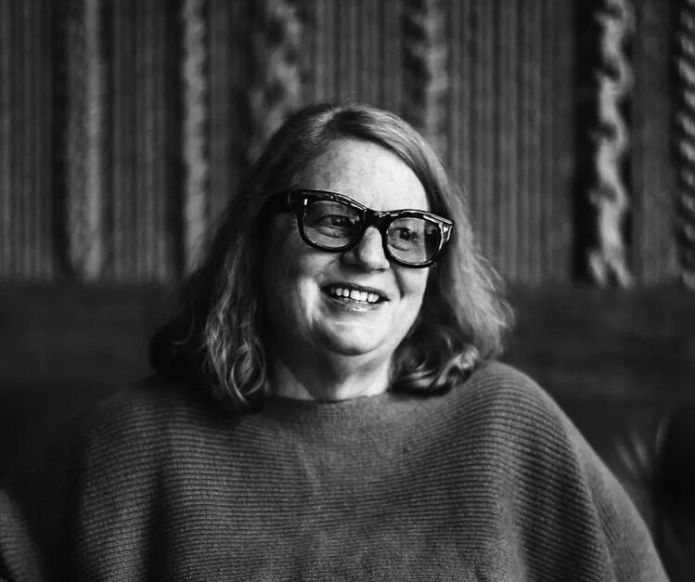
Name and Role: Anne Quatrano, Chef-Owner
Restaurant: Bacchanalia
Year Joined Resy: 2017
It’s no secret that Atlanta is one of the fastest growing food cities in the United States. In 2023 alone, 161 new restaurants opened in the metropolitan area, one of the most in the country .
Since opening Bacchanalia in 1993, Anne Quatrano has had a front-row seat to that growth. And the proliferation of restaurants isn’t the only change she has observed. We sat down with Anne to learn about her widely acclaimed restaurant and how the city’s culinary landscape has evolved over the past 30 years.
[Editor’s Note: The following has been edited for clarity and length.]
Resy: You run three restaurants and the farm that supplies them. How do you manage all of your different responsibilities?
Anne Quatrano: Clifford [Harrison, my husband and co-owner] and I are both chefs. During Covid, we had trouble finding people, so he took over the farm, and I kept running the restaurants. So, we divided and conquered. I drive 45 miles into Atlanta every day, and I bring everything that we’ve harvested. Today, I had 100 pounds of onions and 30 pounds of tomatoes. I also had a few tubs of still-green black walnuts that we use to make an Italian liqueur called nocino that’s really delicious.
For years, I felt terrible about how much I drove, because we try to be so sustainable and responsible. So, a couple years back, I got an All Electric Ford F-150, which I just love because I don’t have to get gas, and we’re not having any emissions on that level.
Then, every night, I take home our compost. We feed the vegetable scraps to our chickens. Anything the chickens don’t eat, we’ll put that in the compost. We’re able to do a full 360 with what we grow, turning it into rich compost to support the next season.
The farm is hard. Like, we had no rain for almost a month, and now it hasn’t stopped. I really feel like I got the better end of this deal. Because at least you can control the elements in a restaurant.
Do you have to source from other farms or are your restaurants fully sustained by what you grow?
No, we source a lot locally, and I think that’s important. We never started the farm thinking that we were going to supply ourselves 100%. We started the farm 32 years ago because there wasn’t a lot going on here for local, natural farming. There was one local grower that we bought lettuce from and that was it. So, we just started growing things we wanted and couldn’t really find.
There has been a huge shift in Georgia’s agriculture. In 1992, there was only one small, sustainable farmer that sold to restaurants. Now, there are 105 certified organic farms. This shift was really long overdue because we have an ideal climate here most of the year. I lived and worked for many years in New England, Vermont, and New York, and you can’t grow there all winter. It’s very difficult. And we came here and we have produce in the ground all year.
I have the utmost respect for these farmers. It’s not just hard to farm—it’s sometimes so discouraging. You do everything right and then something happens like you have an extremely cold winter. It’s so out of your control. It’s very, very difficult.
We decided early on that what we were going to do is put our money into people. So, we just bought local. I think people, including home cooks, can spend their money intentionally to make a huge difference in your local ranches and farms. It’s that simple.
We decided early on that what we were going to do is put our money into people.— Anne Quatrano, Bacchanalia
You’ve been in the Atlanta food scene for over three decades. What has changed in that time, besides that huge influx of local farmers?
When we moved here from Manhattan in 1992, we went to what everybody was considering the best restaurants. Almost all of them were owned by large restaurant groups. We did not eat in one independent restaurant that was considered fine dining. That has changed so much, which is so refreshing.
Guests wanted that beautiful, put-together business with valet parking. We came in as a little independent and opened a restaurant in an old home. We converted the garage into a kitchen and did almost all the construction ourselves (which we had no business doing).
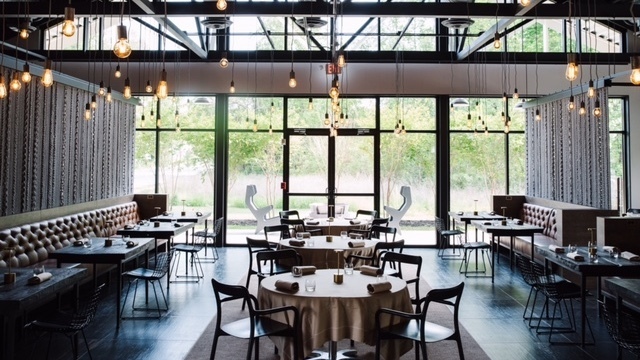
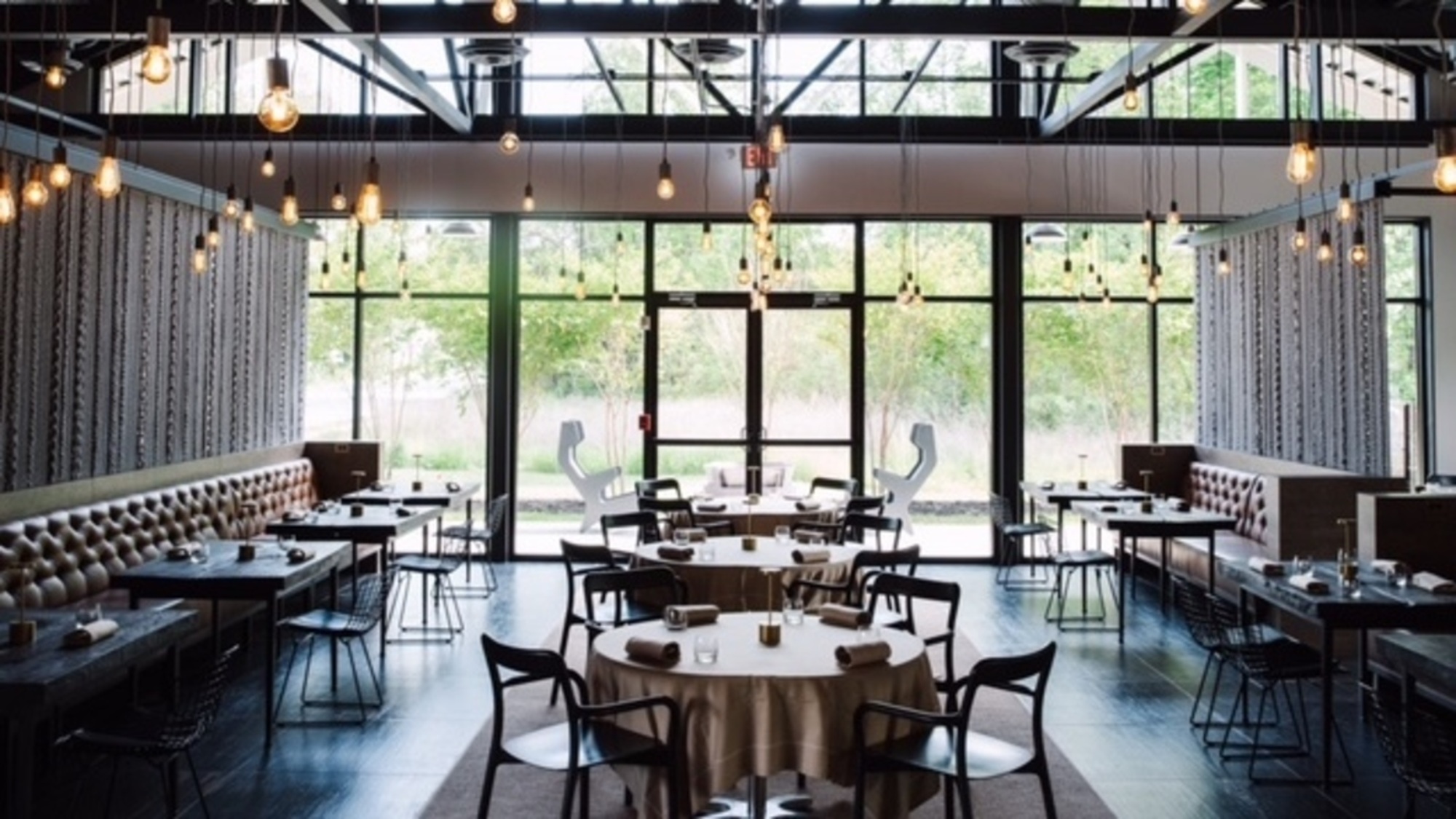
Now, you don’t have to spend $2 million on your build-out or serve on china that costs $50 a plate. Someone can open a restaurant in a warehouse with exposed ductwork and Atlanta accepts it and embraces it because they have really good food and really good service. It wasn’t the case 30 years ago. It wasn’t the case anywhere. Because that wasn’t the thing. And now, customers, food critics, fellow restaurateurs, the Michelin guys, and the James Beard Foundation all recognize good food and good service.
What do you think caused that change?
I would be remiss not to recognize social media. Social media makes this happen. It shows you pictures of beautiful food. But there’s a lot of support all around from people, magazines, and businesses like Resy that reward good food and good restaurants.
But it only flipped for one reason: The public started to look at things differently and dined in places that were smaller. They were more educated about food, and they knew more about the small restaurants around. They knew more about the chef and their journey. Without the public support, none of that would have happened.
What does it take for a restaurant to be successful?
Without the guests accepting what we do, we can’t be successful and we can’t be in business. We have to appeal to the people who come in. These are our bosses. Whether they think their steak should be medium-rare or not doesn’t matter one bit. We want them to leave happy and to come back.
How does the history of Southern food and Southern hospitality play into your menu and your approach to running a restaurant?
I think that it’s important to embrace the heritage of where you’re living and what you’re doing. We moved to the area and started growing and cooking what was here. It would be really silly not to know what was done with collard greens or green beans in the past. You have to explore it. It’s part of who you are. It’s part of your place.
What was it that eventually led you to move to the area and start your business here?
At one point, Clifford and I were working up in New York and trying to open a restaurant in Long Island, and it wasn’t working out. And for so many reasons, it was taking so long, so we finally threw in the towel and said, Let’s think of something else.
Clifford had a horse—I know it sounds crazy that he had a horse in New York. He has always loved horses. He used to talk to my mom a lot, and she was like, I have 60 acres in Georgia. And I think he just got enamored with the idea of having a place for his horse that didn’t cost more than us to live. And it just worked out.
Our farm is really beautiful right now, but it was awful when we moved down here. Every inch of property that wasn’t woods was growing soybeans. It was horrible-looking. And my husband built a fence for the horse that was all jagged. It looked crazy.
I always thought I would end up back in San Francisco or New York, but we moved down here and loved it. It felt like home from the very beginning, which I don’t think I had ever felt before. So no, I never thought I would live in The South, but when I got here, it felt right.
I’ve never experienced a community like we have here in Atlanta. This is a community of chefs that really care about each other.— Anne Quatrano
What was it that you fell in love with it? What is it now that makes you love it?
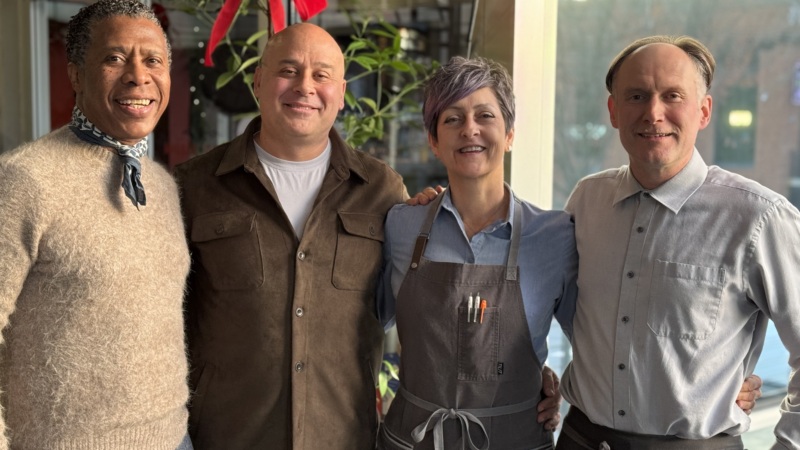
I’ve worked in a lot of cities and a lot of restaurants, and I’ve never experienced a community like we have here in Atlanta. This is a community of chefs that really care about each other. Every time that somebody needs something, we come out of the woodwork.
One of our sous chefs left us to work in a children’s shop that I helped somebody open. He got sick with cancer, and it looked like it was going to be a big battle. Their insurance wasn’t great, so restaurateurs and chefs from all over had a fundraiser. We raised a ton of money—like $350,000.
This happened 10 years ago. It’s very unfortunate that he didn’t make it. But a restaurant group and his wife started the Giving Kitchen. And the Giving Kitchen now raises money all year round. They have expanded outside of the Atlanta market, but it all started here with that one fundraiser. They give grants to restaurant workers of up to $2,000 when they need some quick money. Like they got in an accident and their insurance wouldn’t cover the damages.
It’s just an example of what happens in a community that gives a s— about each other. I feel fortunate to have been part of this restaurant community for most of my career.
How has the financial aspect of running in a restaurant changed?
Like everything else, the costs of paying and insuring people have gone up.
My husband and I have two priorities: We care about what we pay people and we care about the ingredients we have. We’re fortunate that we’ve paid off our debts, and we don’t have to pay a principal or a partner like most restaurants do. So, we can really concentrate on paying our staff and buying the best ingredients, which to us, all of that means giving the best we can to our guests and servicing them in the best way we know how.
*Opinions and views in articles shared on Resy OS are presented for the purpose of discussion and commentary on topics of interest in the restaurant industry; they should not be viewed as substitutes for advice given by professionally engaged business consultants and advisors.