Omakase Yume’s Kate Kim-Park on Building Relationships and Pursuing Passion
Published:
Resy has grown a lot in the past 10 years, and we’re celebrating by shining a light on some of the restaurateurs who grew alongside us in our earliest days. In this special series 10 Years of Resy Restaurants, six star players from across the U.S. shared what they’ve learned over the years, how their restaurants have evolved, and much more.
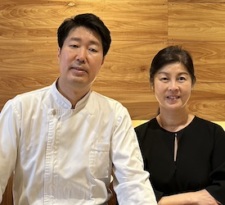
Restaurants: Omakase Yume, Tengoku Aburiya, Bonyeon
Year Joined Resy: 2019
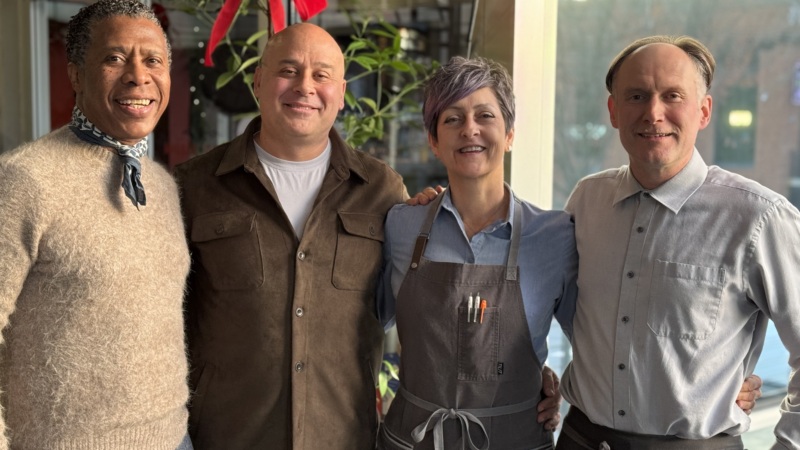
Kate Kim-Park knows the power of food as a vehicle for communication and relationship building. She met her husband and business partner Chef Sangtae Park after experiencing a transformative meal at his restaurant Izakaya Yume in 2012. Soon after, she accepted a job there in the front of the house, kicking off her career in hospitality and building a foundation for her future projects.
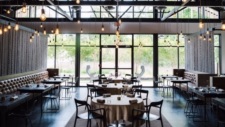
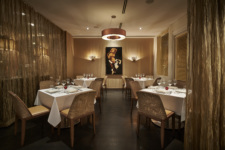
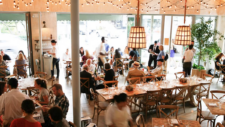
Kim-Park and Chef Sangtae Park’s first joint venture, Omakase Yume, opened in 2018 and earned a Michelin star just over a year later. The pair has since opened two more concepts in Chicago: Tengoku Aburiya and Bonyeon. We sat down with Kate to explore the dynamics of their successful partnership.

[Editor’s Note: The following has been edited for clarity and length.]
Resy: How did you first connect with Chef Sangtae?
Kate Kim-Park: We’re both from Korea, but we met here in Chicago as customer and chef. We’ve met a lot of people as customers, including one of our best friends Calvin Pipping who became our business partner. That’s another reason we keep doing this. Because we can meet a lot of really good people at the restaurant.
I started working with Chef Sangtae in 2012 or 2013 at his restaurant Izakaya Yume in Niles. So, I’ve been in the hospitality industry for around 11 years now.
What do you think makes Omakase Yume different from other omakase restaurants?
We’re very consistent. Since we opened the restaurant, everything has stayed the same. Chef Sangtae always wants to improve the quality and keep everything consistent. Sometimes, I’m surprised when I’m watching him. Every one of the 365 days, he ensures the quality is the same. I feel a lot of respect for him.
Everyone in the hospitality industry works really hard, but consistency is the most difficult thing. It doesn’t matter if a lot is going on. Staffing issues happen, sourcing issues happen, but he tries his best to keep things consistent.
What was it like to win your first Michelin star?
We received our Michelin star in September of 2019—one year and two months after we opened. It was a very big surprise. We didn’t expect that kind of award. We didn’t work on the marketing or social media a lot. We were very quiet.
We want the locals in Chicago to experience Korea and Japan without traveling. So, we are kind of the middle person connecting the people of Chicago to Korean and Japanese cultures.
Has anything about Omakase Yume changed since you first opened in 2018?
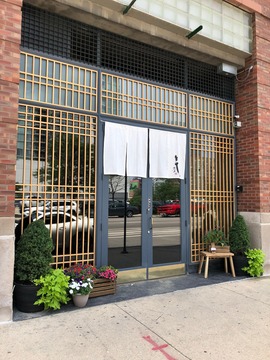
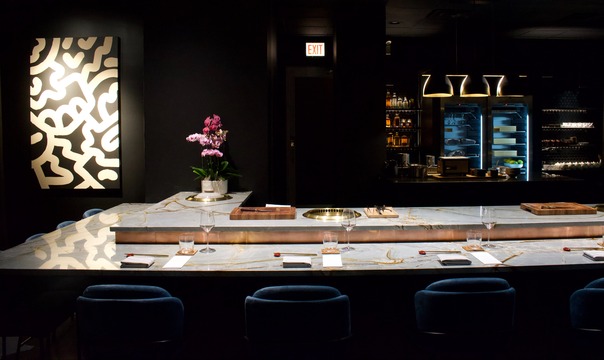
We changed the seating style. When we first opened, we did two seatings of eight people per night. During the height of the pandemic, we could only seat four people at a time. After that, we decided to change the seating permanently to six people. We are a very small restaurant (the seating area is only 300 square feet), and we like that the small seating makes serving them feel more comfortable and intimate.
Also, the small seating means the chef has more control. If there were more people, we would need to hire more chefs, and every chef is different. We want to keep things more focused. We want everyone—the chef, the customer, the front-of-house—to stay on the same page. Consistency is the most important thing. Now, Chef Sangtae and his assistant chef are the only ones cooking at Omakase Yume.
Does the intimacy of the space encourage that connection to the customers?
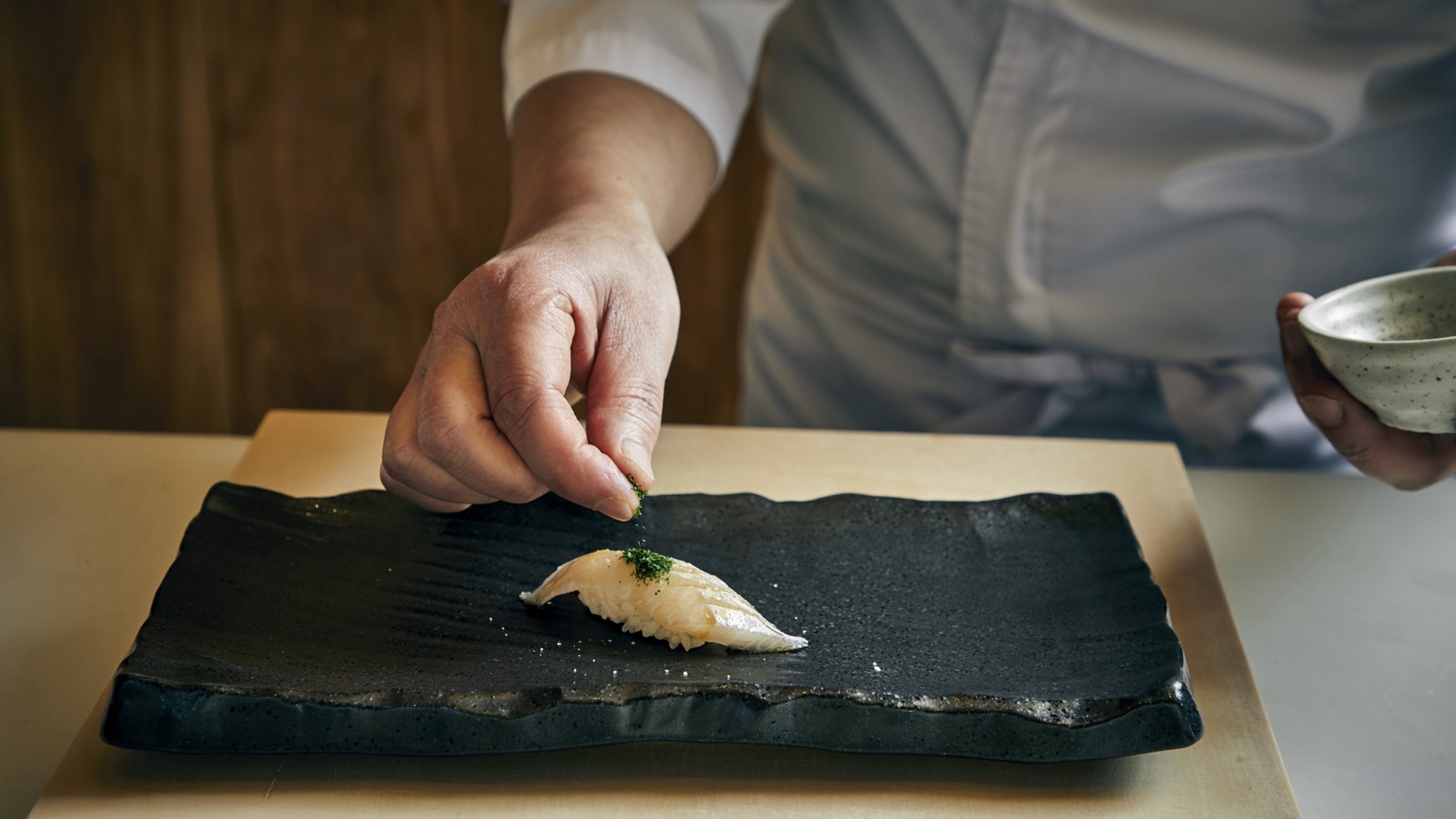
Yeah. Another thing is that we use food to communicate. Chef Sangtae is native to South Korea, so he’s not very good with English. He always answers the customer’s questions and explains things when he’s making the nigiri, but he thinks you don’t need to communicate too much because the food itself is communicating.
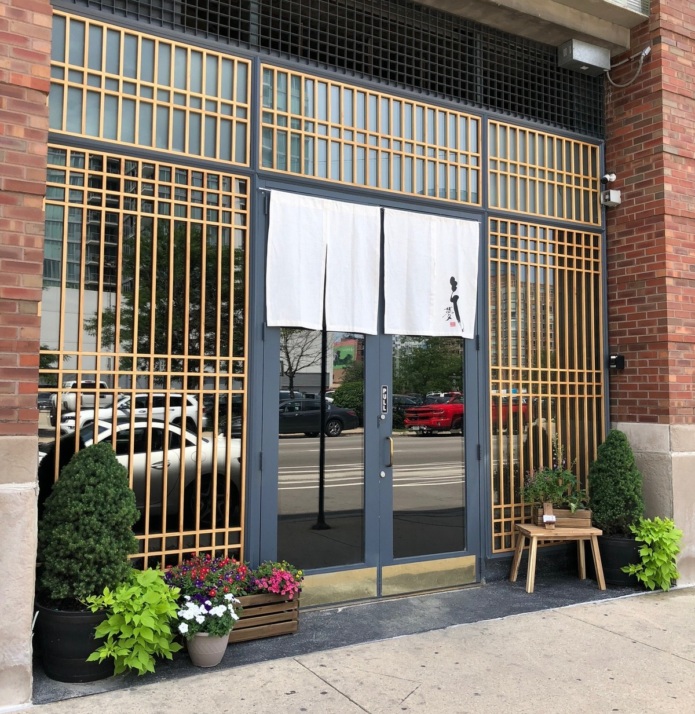
He goes to the other restaurants in the mornings and afternoons to check all the ingredients and prep work. On Sunday when Omakase Yume is closed, we go to the other restaurants and watch the service.
It sounds like the two of you work around the clock, seven days a week. What drives you to keep expanding with new restaurant concepts?
I think it’s just passion. We want the locals in Chicago to experience Korea and Japan without traveling. So, we are kind of the middle person connecting the people of Chicago to Korean and Japanese cultures.
People say to us, “Are you crazy? How can you manage all those restaurants?” Sometimes, it’s really a headache, but the thing that makes us keep doing it is this passion and seeing the customers leave really happy. The customers are really thankful to the chef. When I watch all these things, it gives me the motivation to open another one.
Do you experiment at all, or do you focus on tradition and consistency?
Mostly tradition, but Chef Sangtae is from South Korea, so the root flavors are Korean. We don’t want to call it fusion, but he will do things to create balance with the fish, like kimchi puree or sake salmon topping, which is his own special sauce, but it’s a Korean flavor.
What are the biggest lessons you’ve learned personally in the past 10 years?
I thought restaurants were about service and hospitality, but now I think about guests as people that I’m hosting. I approach my customers as my neighbors and my friends and my family members. I’m more warm and personal.
If I have a rude customer, I think about the fact that they have a reason to be rude. I ask them what’s making them uncomfortable so that we can change it if we can. I’m always thinking that it’s best to be honest and open.
*Opinions and views in articles shared on Resy OS are presented for the purpose of discussion and commentary on topics of interest in the restaurant industry; they should not be viewed as substitutes for advice given by professionally engaged business consultants and advisors.