At Bar Esper, Japanese and Portuguese Cuisines Combine for a Uniquely Downtown San Francisco Flavor
Published:
Most diners think of tempura as definitively Japanese, but in fact the dish is an early example of culinary fusion: In the 16th century, Portuguese missionaries brought the practice of flour-battering and deep-frying to Nagasaki; the Japanese would turn it into the art form we know today.
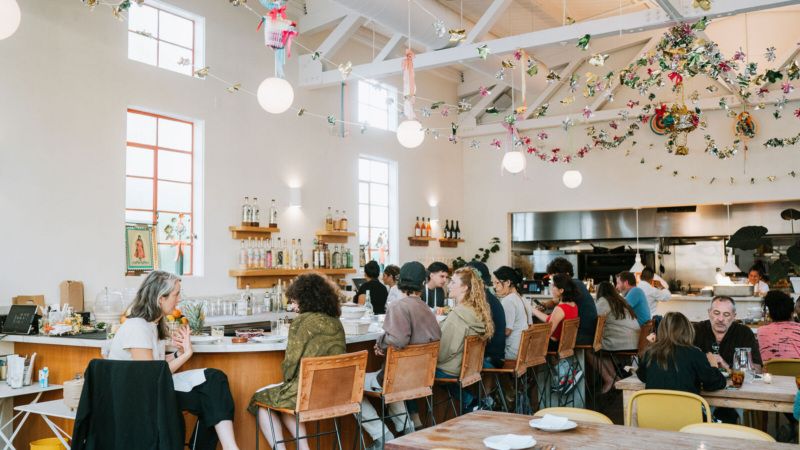
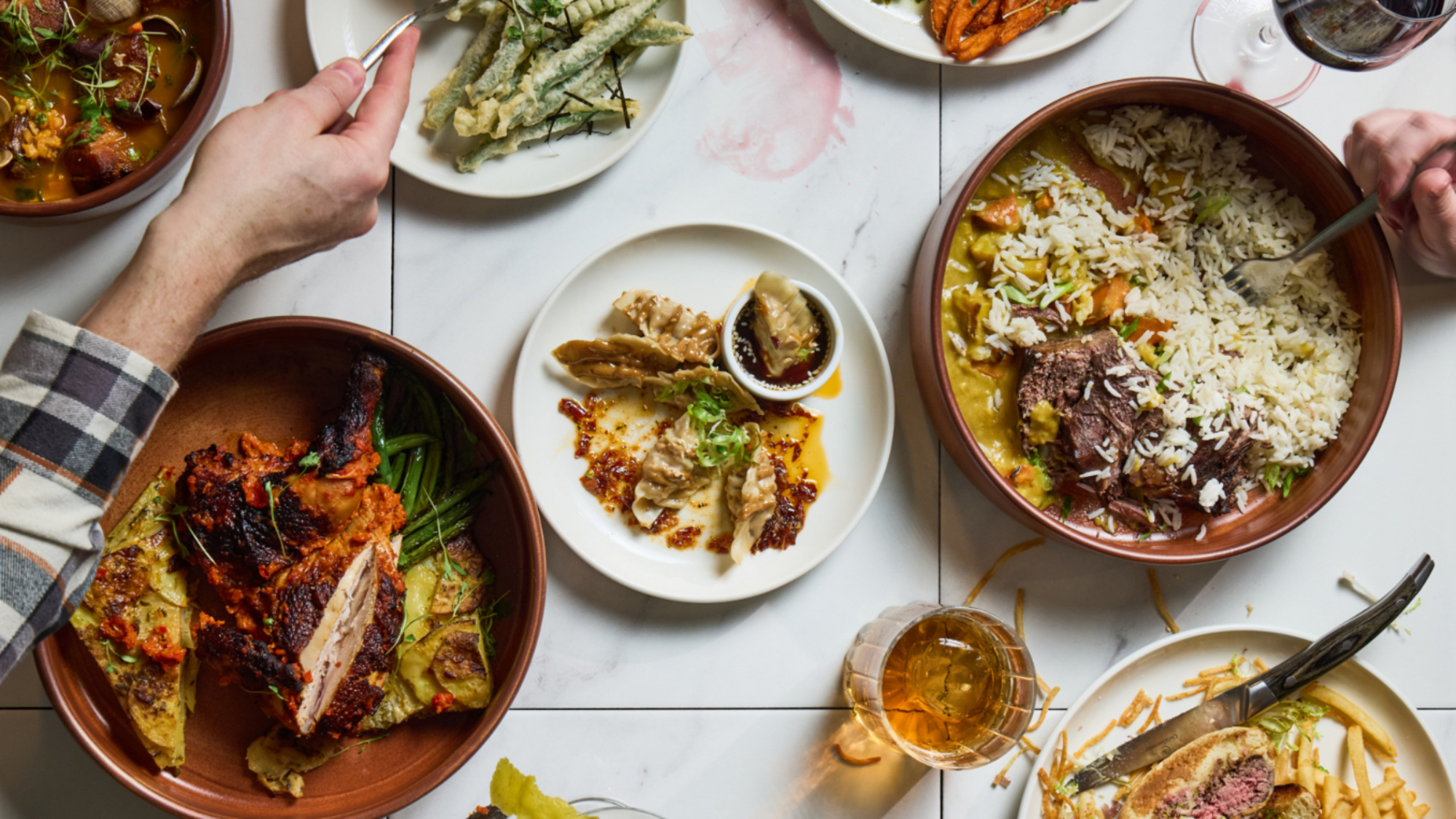
That historical connection is taken to its logical end at Bar Esper, a self-styled “tavern with a travel habit” that opened in the Tenderloin’s Hotel Spero this May. The menu actually has just two tempura dishes on it: wonderfully airy green beans with a nori aioli and a drizzle of wasabi oil, and fish and chips with black cod, sweet potato, and furikake. The menu goes beyond the, ahem, tempural origin story to explore other ways in which way these two culinary traditions meet.
“The flavors just work really well together,” says Amy Currens, Hotel Spero’s director of food and beverage. “And also, being in the Bay Area, with the plethora of seafood, and we’re in an Eden of everything, it’s like, ‘Yeah, let’s play.’”
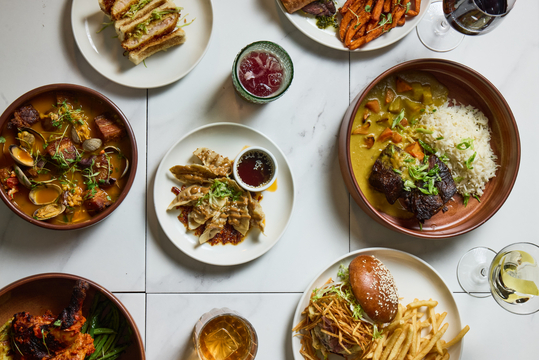
“The dumplings, they’re really dope,” Suniga says. “I feel like that black garlic aioli really packs a punch, a textural element. It’s just such a powerful essence.”
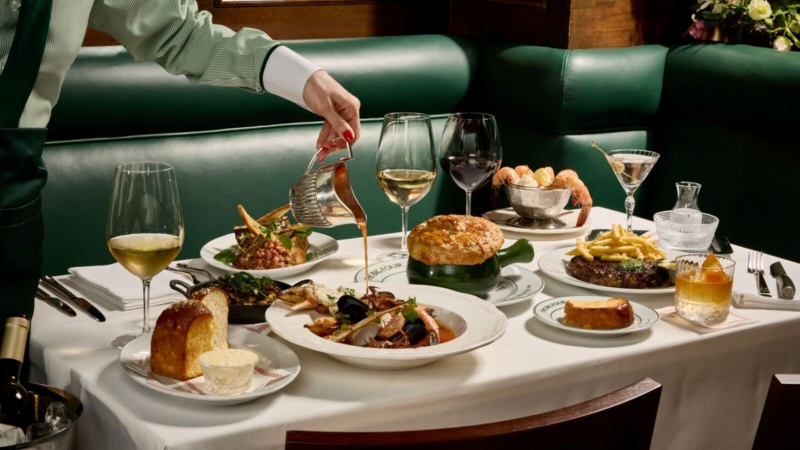
The defining seafood entree is a fisherman’s stew, with heaps of clams, shrimp, and flaky cod — along with a centerpiece of a tempura-fried soft-shell crab — in a miso-saffron broth.
“Fisherman stew is a very Bay Area dish,” Suniga says. “With a [cioppino], they don’t normally have the linguiça in there. We render out all the fat, and all those oils come into the broth. And then, instead of doing a really powerful fish stock, we add a little bit of our saffron-tomato broth in there, and that gives it little more umami. The process of building the sauce with all those different shellfish, the fish, as well as the linguiça, to us that feels more Portuguese.”
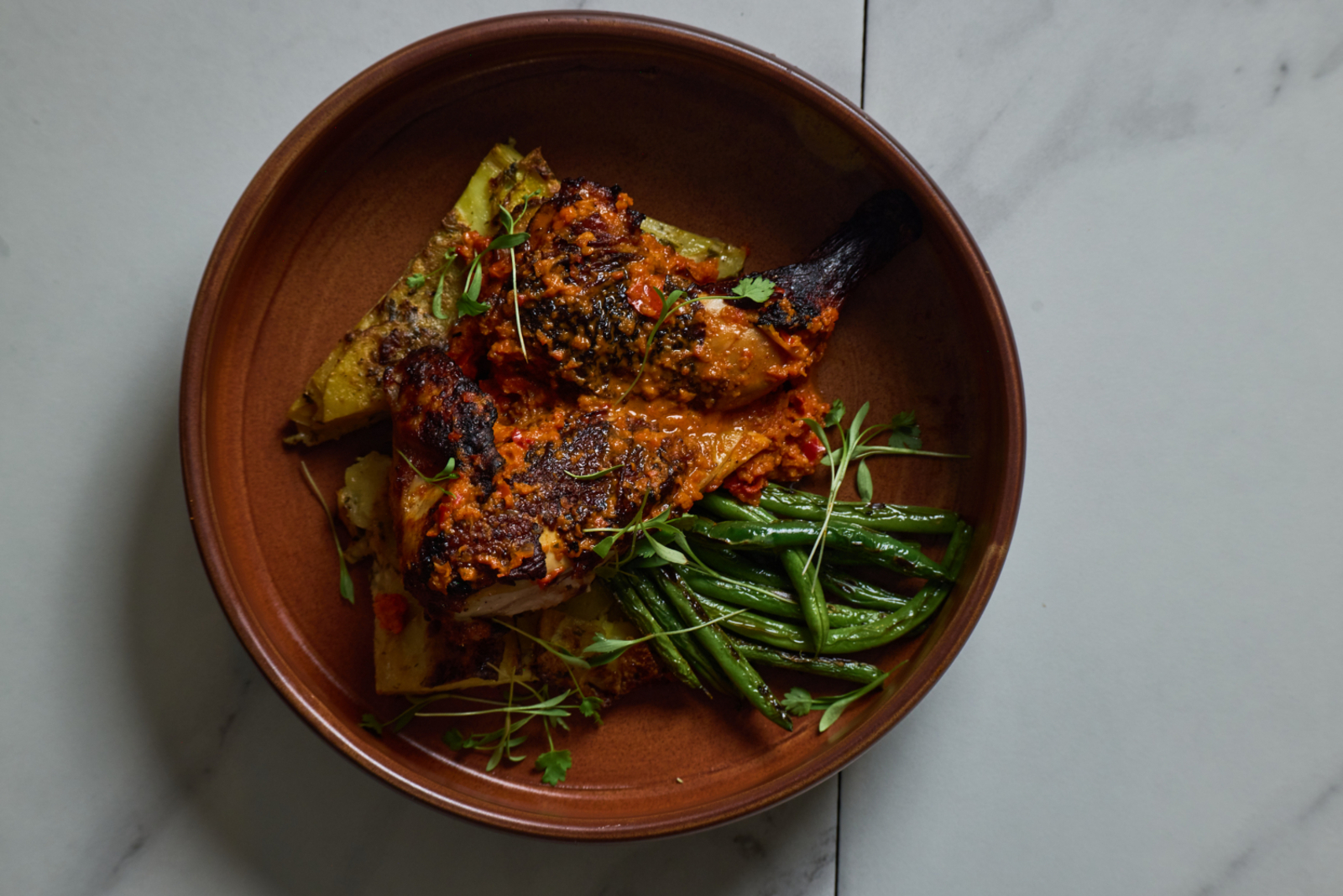
Suniga brings more cross-cultural elements into a number of other key dishes. The popular smashed cucumbers starter is garnished with watermelon radish and laced with ponzu and chile oil. A summer highlight is a watermelon salad with a passionfruit leche de tigre dressing, fried alliums, and cucumber granita.
“I was just doing some research on what they eat in Portugal,” Suniga says, “and a lot of their salads are really simple, seasonal, olive oil and vinegar, and I love that. The granita is an Italian thing, but very refreshing, and the mint is super simple. It’s these little pockets of things that I feel like could work well within the scope of Portugal and Japan.”
Carnivores will appreciate the cross-cultural conversation, as well. A Wagyu burger is topped with bone marrow butter and Port onion chutney. The fall-apart-tender short rib is inspired by the Azorean stew alcatra and is served with Japanese curry and a side of furikake-dusted rice. It draws not only from Portugal and Japan, but also from Suniga’s own background: He was born in the Philippines but moved to San Jose at age three, after his mother married his American stepfather.
“My dad would always make a pot roast — that was my favorite thing in the world — and he would braise it for forever,” Suniga recalls. “We would always have leftovers, and then he would make the boxed Japanese curry. And my mom, being Filipino, it was curry over rice the whole time.”
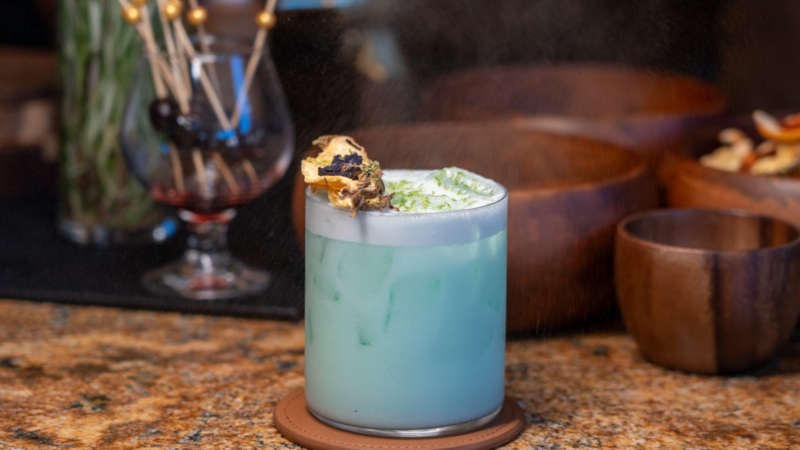
The drinks also draw from both Portuguese and Japanese traditions. Currens, who previously worked as beverage director at Birdsong and The Morris, leans Iberian with wine (don’t miss out on the selection of Rare Wine Co. Madeiras after dinner), while acclaimed San Francisco mixologist Jacques Bezuidenhout helped craft a program of cocktails such as the Rainwater (Toki whiskey, Madeira, crème de banana) and the Minori (Roku gin, yuzu Curaçao, white jasmine tea, ginger honey).
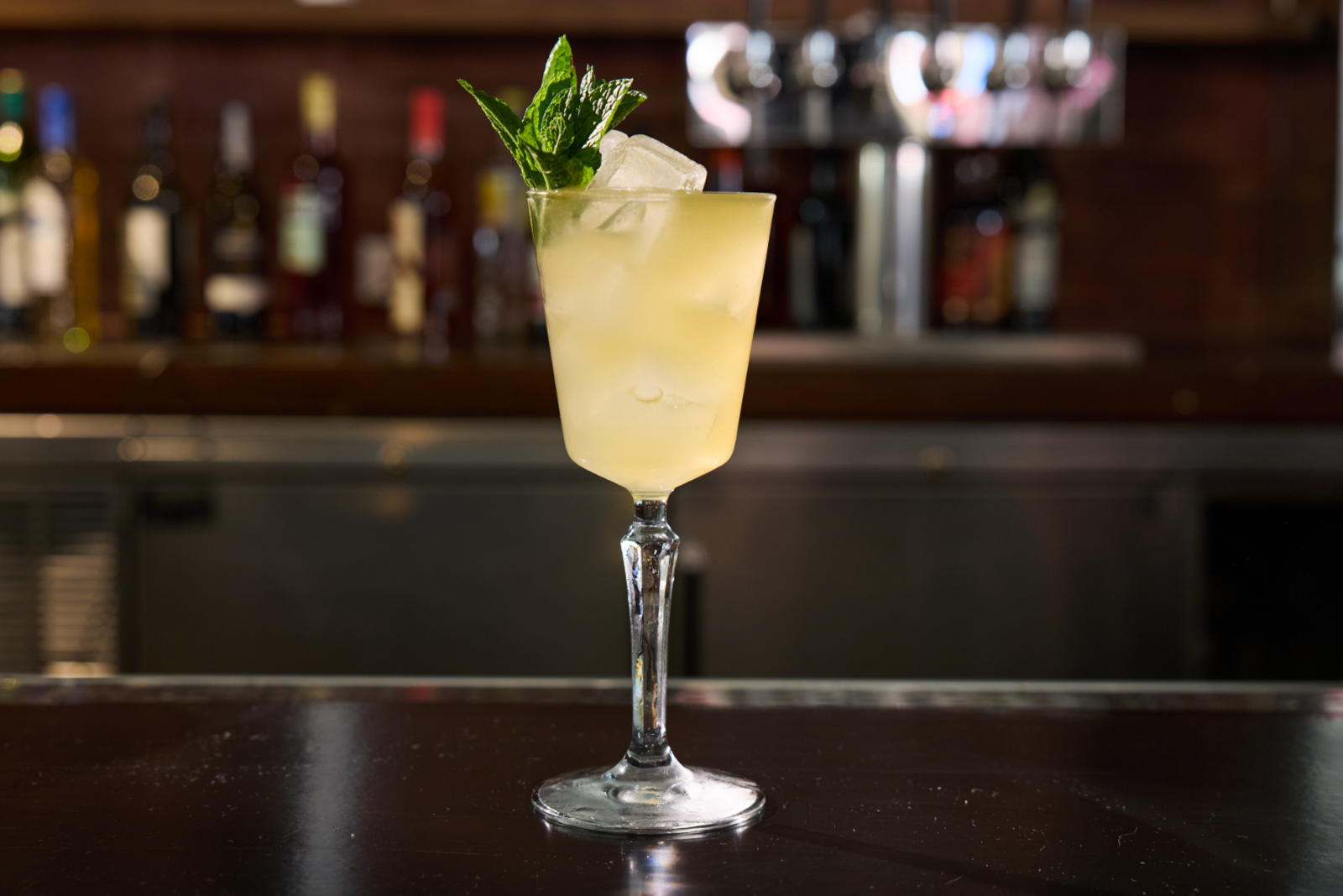
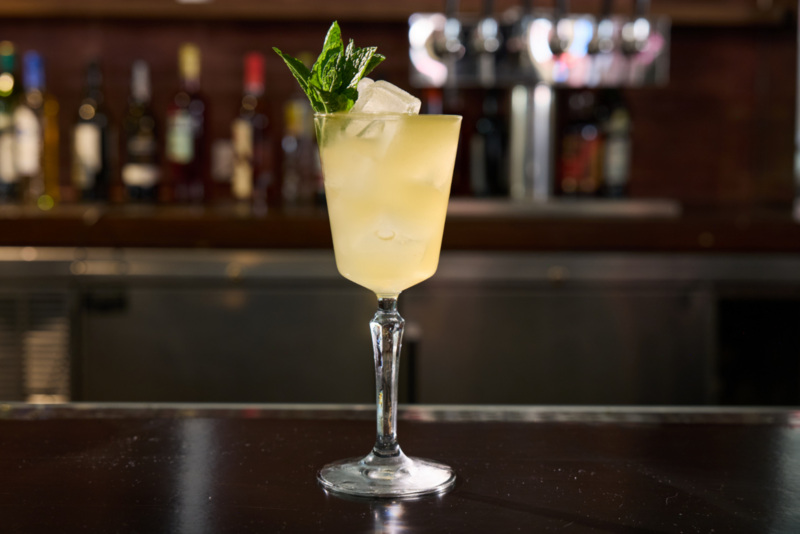
“Jacques does his research,” Currens says. “He was very much looking at the menu and riffing off of that. He likes to play with savory, sweet, sour — like he’s in the kitchen — and it’s really fun to see the balance come through. He also works with a lot of really wonderful producers, and he’s very mindful and intentional about what he does.”
No meal at Esper is complete without dessert — and not just because of the Madeira. Diners seeking an Old World classic will be drawn toward the iconic pastel de nata custard tarts. The real must-order, though, is the malasadas, a doughnut with origins in Portugal that most West Coasters associate with Hawaii, thanks to migrant sugarcane plantation workers from the Azores and Madeira bringing them there in the 19th century. At Bar Esper, the dough is fermented, fried, and dusted in cinnamon and sugar, and the doughnuts are served with a lemon-matcha curd. The result has a tangy, tropical pop that takes it beyond the simply saccharine.
“The fermentation of the dough gives us that acidic taste — letting it develop over the day gives it a little bit of sourness,” Suniga says. “The sweetness of the malasada, coated in the sugar, then paired with the tartness of the curd, I think that just makes a lot of sense.”
Another thing that makes sense, according to Currens, is the restaurant’s location, at a hotel in the Tenderloin.
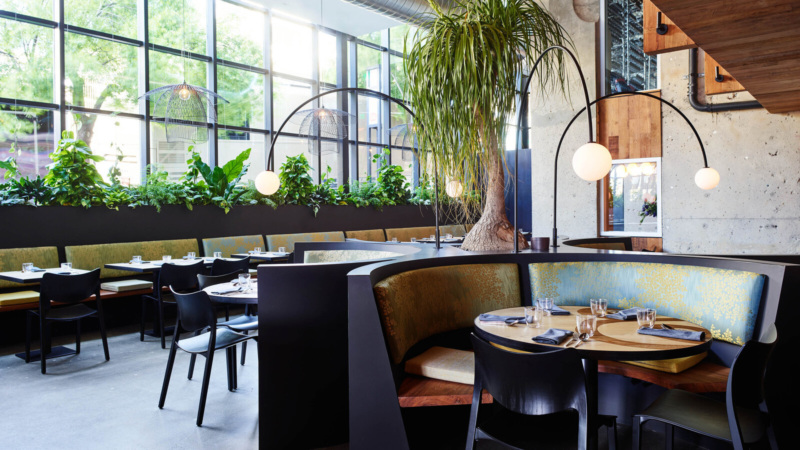
“We’re right in the heart of everything, and I think that we have a lot to offer because our space is big,” Suniga adds. “We have a great bar program, we have a great ambience, and we intend to make a big impact in our community here. We’re open to everyone, any sort of diverse crowd. If you’re here for casual eating, if you’re looking for something a little bit more luxurious, if you’re [staying at] the hotel and just looking for a good time, this is a very nice low-key, suave spot to be. I think that we cater to kind of all walks of life here.”
If those notes sound hopeful, it makes sense; after all both the hotel and restaurant’s names are derived from the word esperança — Portuguese for “hope.”