Olōyō Is a Deeply Personal Ode to Mexico From Chef Olivia López
Published:
Chef Olivia López and Jonathan Percival’s long-awaited Olōyō opened in May in a building with no signage. There was a font complication but for now, that hardly matters. Locals already know to head to the former Cry Wolf space to find López’s masa-centric cooking, which she and Percival have been refining through pop-ups since 2021. If anything, the blank facade is an unintentional symbol for López’s first restaurant, where she refuses to be tied down to a place. “Olōyō is all my memories of Mexico,” she explains.
Named for the Nahuatl word for corncob, Olōyō is a hyper-seasonal expression of Lopez’s food memories from Colima and childhood trips with her mother to Mexico’s Pueblos Mágicos, towns celebrated for their artistry and history. She has been working toward this restaurant for 17 years, since arriving in Dallas in 2009 for culinary school, and eventually with Percival’s farming and operational support.
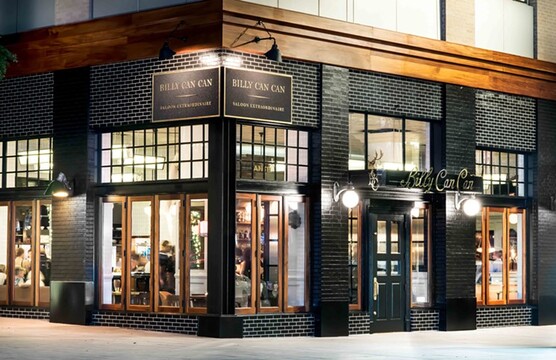
“I’ve always known I wanted to cook,” López claims. Her instincts were reinforced when she was hired in kitchens led by John Tesar, Tim Byres, Ross Demers, and Matt Ford at restaurants like Knife Steakhouse – Dallas, Smoke, Americano (now Sassetta – Main St), Mirador, and Billy Can Can.
By 2017, as López became enveloped in the masa renaissance, she was becoming less enthusiastic about paying homage to other cuisines with her cooking. “I could not keep replicating Italian food or making food that wasn’t an extension of me,” she says. “Plus, how could I expect other people to respect my culture, the food of my background story, when even I wasn’t doing that?”
Now, after hundreds of pop-ups, private dinners, kitchen pick-ups, catering gigs — and tens of thousands of tortillas — Olōyō is here at last. Here’s what you need to know before you go.
The Resy Rundown
Olōyō
-
Why We Like It
Dallas has been chasing Olōyō’s handmade, artisanal tortillas, tamales, and tacos since the launch of the Molino Olōyō pop-up in 2021 and with this brick-and-mortar establishment, the city finally has a permanent home for all of them, and much more. -
Must-Order Dishes
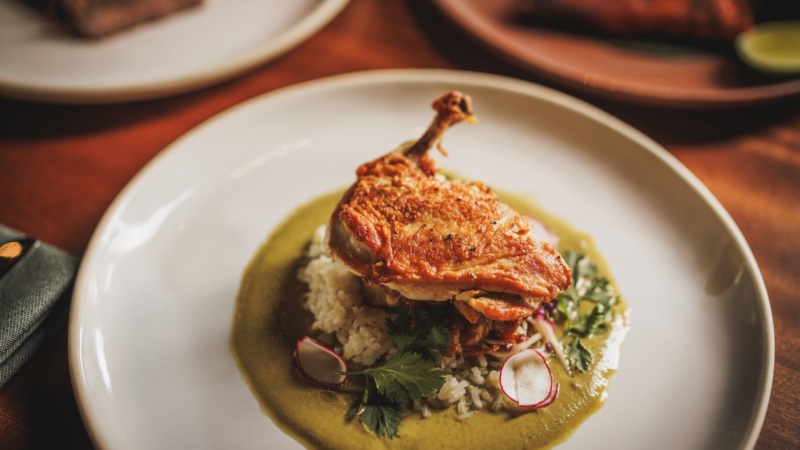
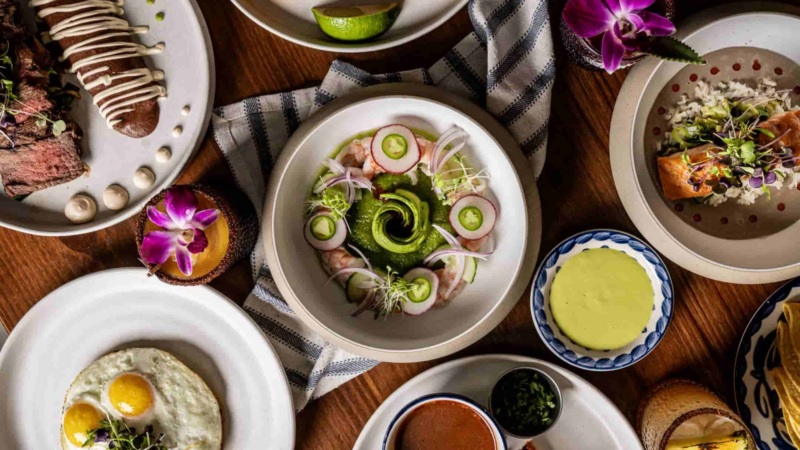
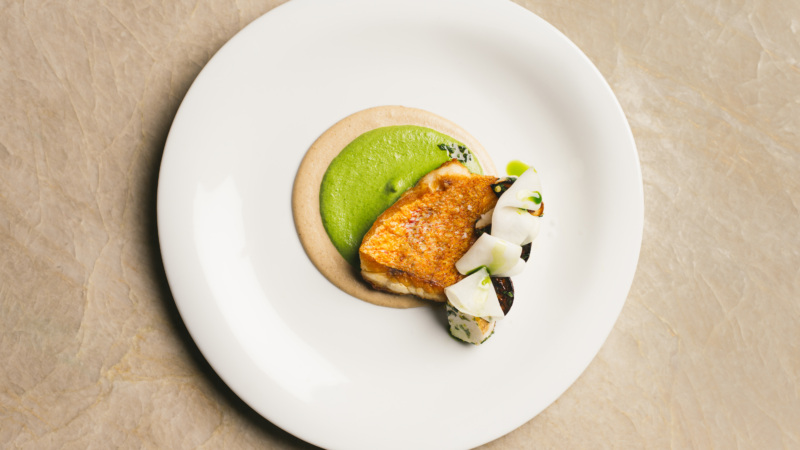
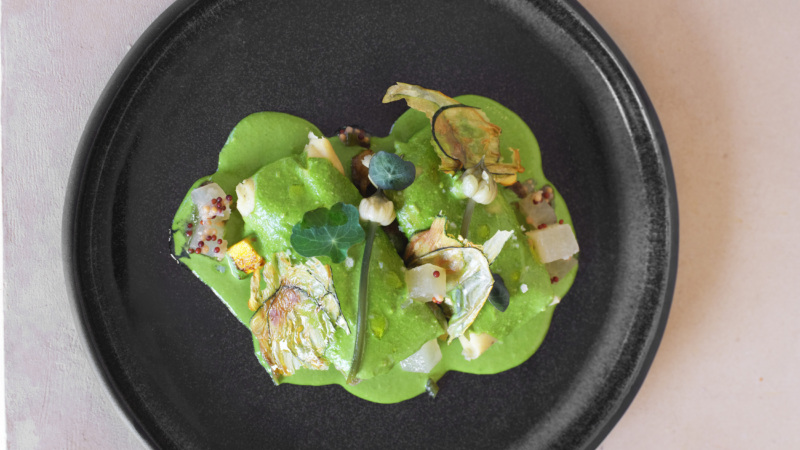
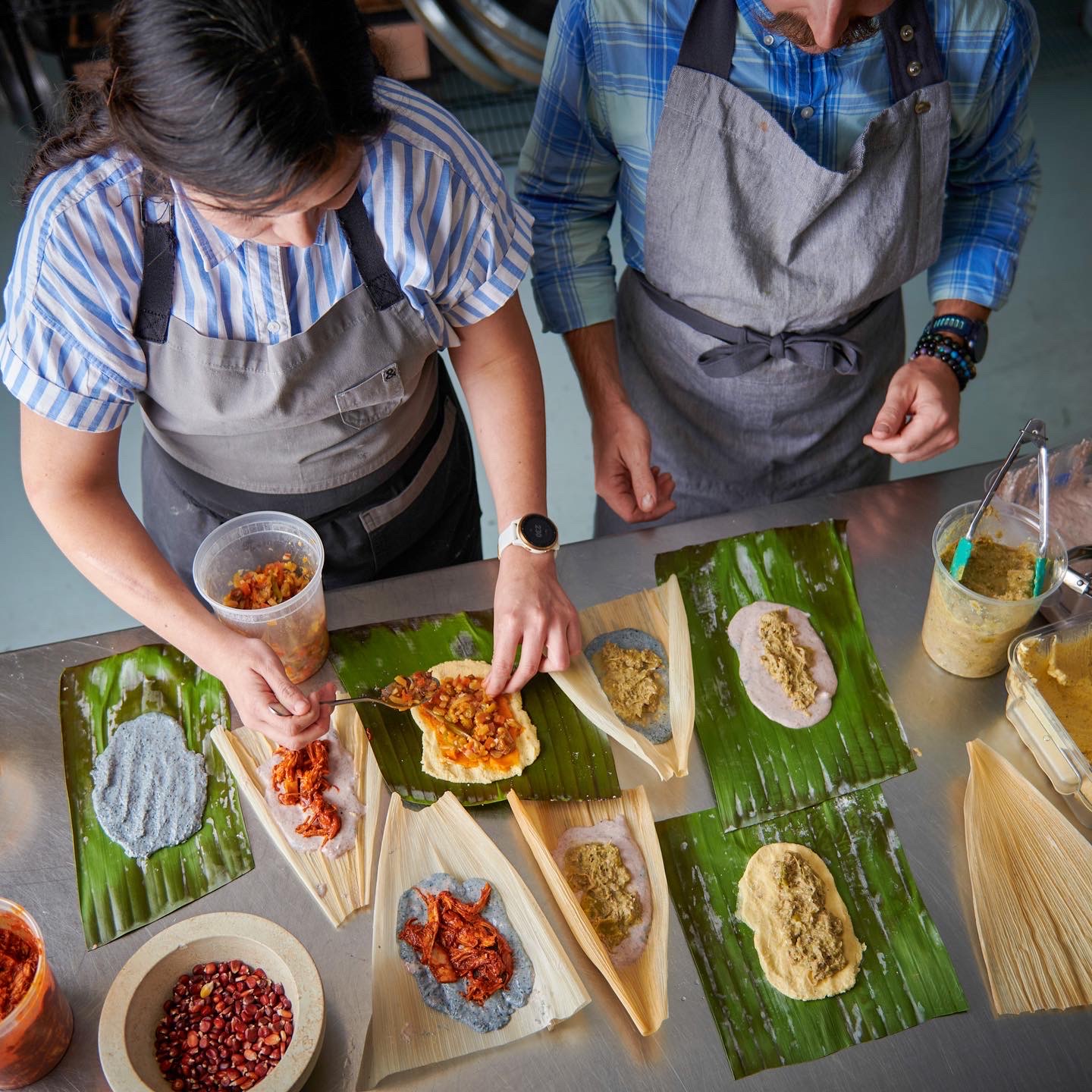
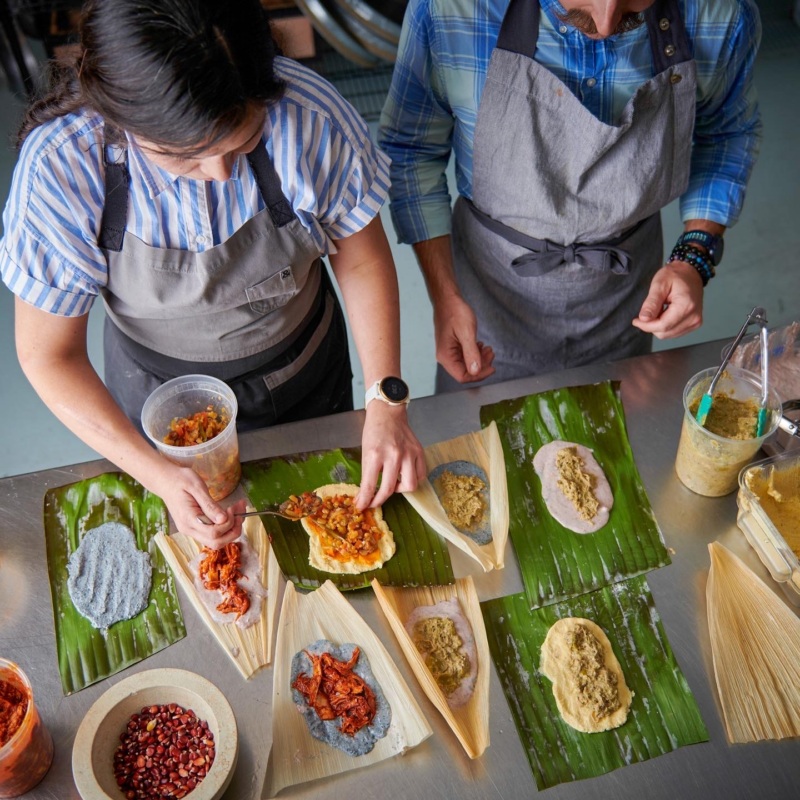
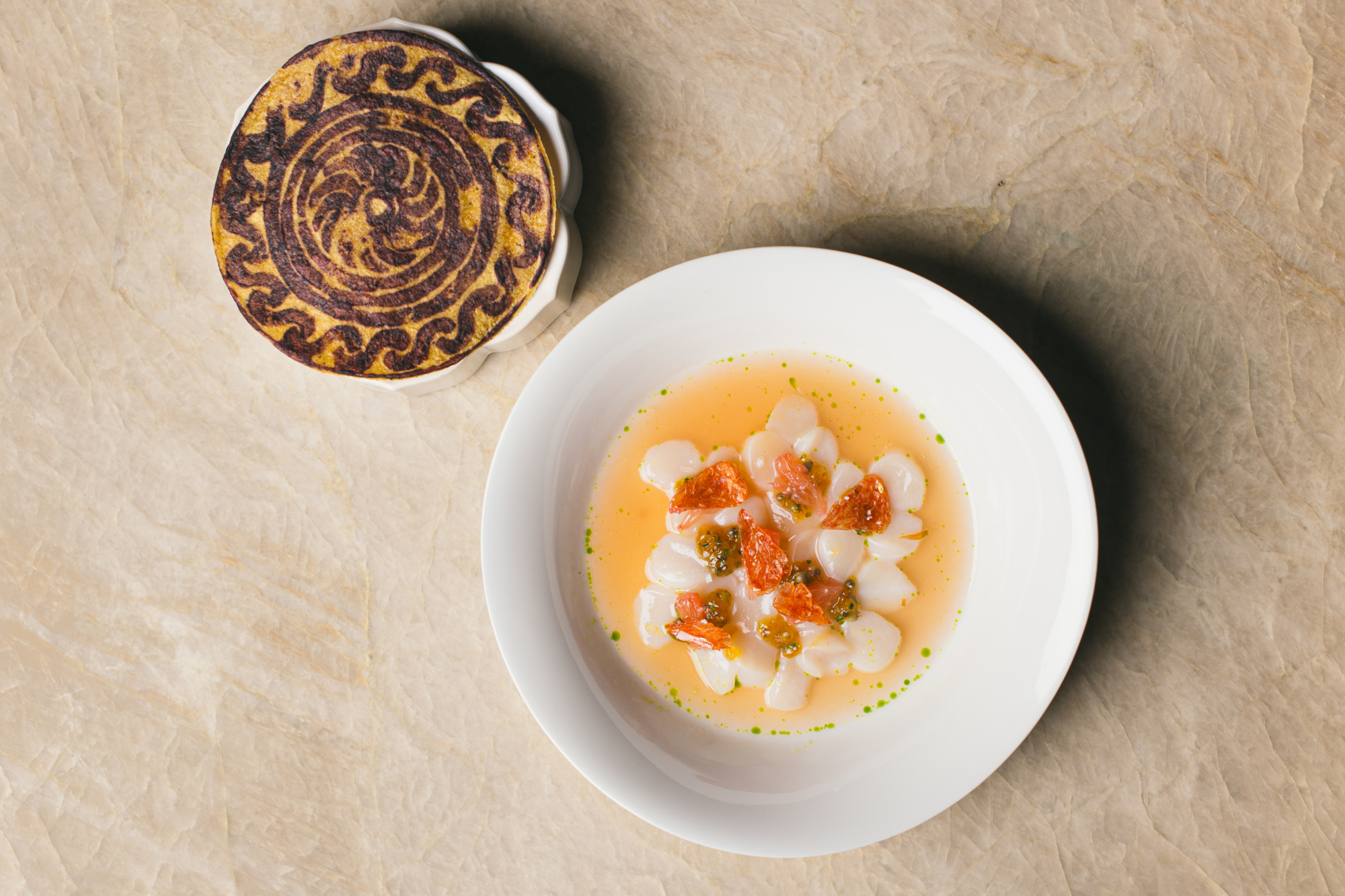
Tostada de callo (brined diver sea scallop); aguachile de temporada; tamales con pipían verde; pato en mole manchamanteles (a seasonal fruit mole); and flan. -
Essential Drink
The Para de Sufrir is a seriously coconutty white Negroni mixed with Derrumbes Tamaulipas mezcal, Salers apéritif, Comoz Blanc Vermouth de Chambéry, and coconut cordial.
-
Who and What It’s For:
Adventurous diners seeking a seasonal Mexican, special-occasion experience. -
How to Get In
Reservations drop 21 days in advance at 10 a.m. -
Fun Facts
Since 2021 López and Percival have ground and pressed an estimated 50,000 heirloom tortillas with a mesquite-wood tortilla press that López brought from Mexico. Also, the restaurant’s terrazzo floors are original to the century-old building that once housed a pharmacy. -
Pro Tip
Until the restaurant’s sign arrives, do look for the space next to Domino’s on Gaston Avenue to find the restaurant.
1. From tamales and breakfast tacos to a tasting menu restaurant with its own farm in the works.
When López first articulated her vision of seasonal Mexican food — with less queso and refried beans — she was warned Dallasites wouldn’t spend on it as they do at steakhouses and sushi bars. She bought a molino in January 2021 anyway. By September that year, business was bustling with porch drop-offs and bar pop-ups as she and Percival nudged Dallas into a new era of heirloom tortillas, tamales, and salsa macha.
That same year, the couple began micro-farming a plot in South Dallas they named Pequeño Farms, where Percival experimented with manipulating clay soil and Texas heat to coax forth peppers, tomatoes, tomatillos, and corn. Cultivation is paused for now as they pursue a larger ambition: to buy the whole farm, which will one day source the restaurant.
The focus at the moment is easing into Olōyō’s opening with frequently changing à la carte dishes, soon to be offered in tandem with a tasting menu by this fall. In addition, a more casual sibling named after the original pop-up, Molino Olōyō, is slated to open next door later this year. And until that sign arrives, the best way for visitors to find one of Dallas’s most ambitious new restaurants is to look for the space next to Domino’s on Gaston Avenue.
2. The menu approach is memory-specific Mexican-cooking with Texas ingredients … mostly.
In contrast to Dallas-Fort Worth’s successful dining rooms centered around Jalisco, Michoacán, Saltillo (Don Artemio), and Baja (Puerto Cocina), López is less interested with regional purity than representing her fondest reminiscences from Mexico. When masa first captured her imagination, some urged her toward tetelas and tlacoyos. She tried. “And then I was like, I didn’t grow up with this,” she says. “This is not something I make all the time.”
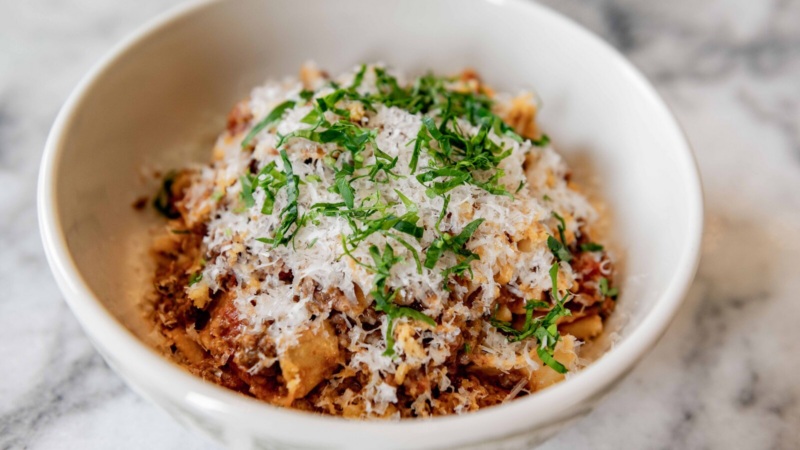
What she did grow up with were artisanal cheeses made by her grandmothers who converted raw milk into queso fresco, crema, and jocoque to sell at their stalls in Colima’s market. Her favorite was the requesón made by her grandmother’s best friend, Victoria, whose stall she visited nearly every day. At Olōyō, López recreates the cheese to augment tostadas raspadas, where masa is scraped to form a pocked surface large enough to catch the creamy, ricotta-like requesón, made with low-temperature pasteurized, non-homogenized milk from Mill-King Market and Creamery in McGregor. “I always knew I was going to use good milk if I ever opened something,” she says. For now, the tostada is also embellished with grapefruit-jalapeño jam and fresh cherry tomatoes.
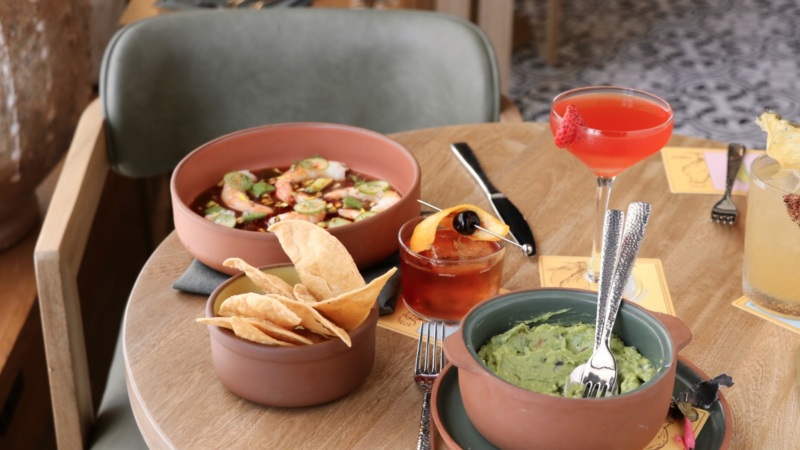
Ingredients from Mexico include Cónico corn; Arabica Colimota coffee beans, and sal marina collected for centuries from Colima’s Cuyutlán lagoon. Most produce and many of the proteins come from Texas farms, but availability changes quickly. Opening-week strawberries from Sanchez Family Farm in Poteet have already disappeared from the aguachile temporada. Now blackberries, blueberries, and cantaloupe accentuate bluefin tuna from Ensenada, all of which repose in house fruit vinegars.
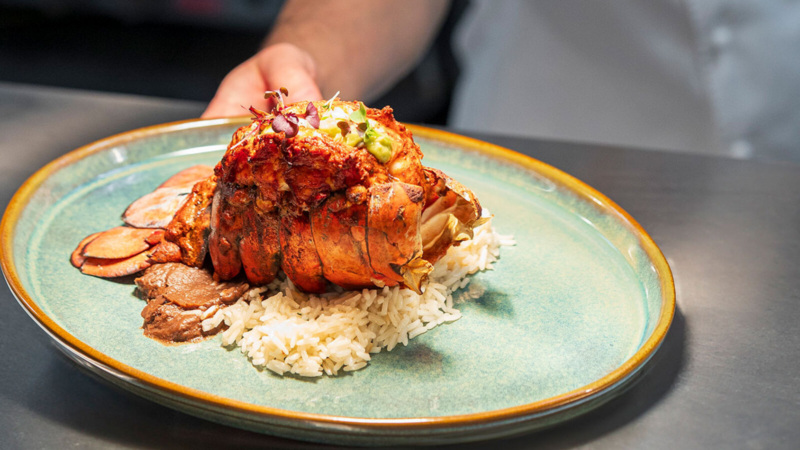
There’s more seafood, like vermillion snapper zarandeado with buttered Douget’s rice, a reflection of Colima’s location near the Pacific coast, but also an heirloom huarache mounded with lamb barbacoa from Capra Farms in Central Texas.
3. Minimalist design by Mexican artisans puts the focus on the food.
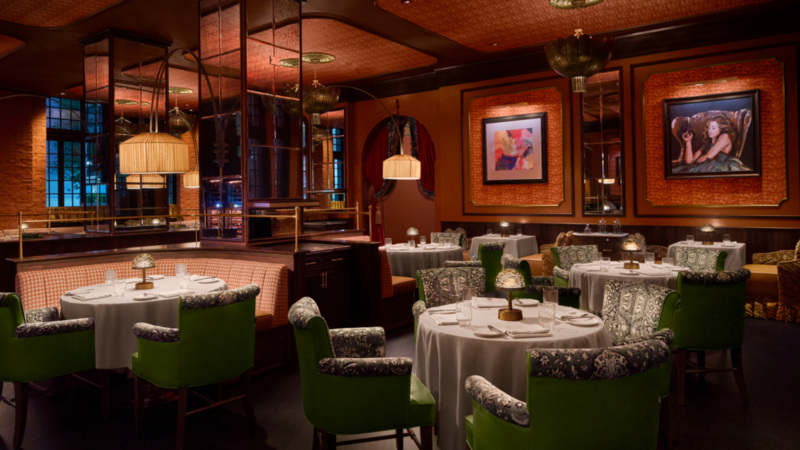
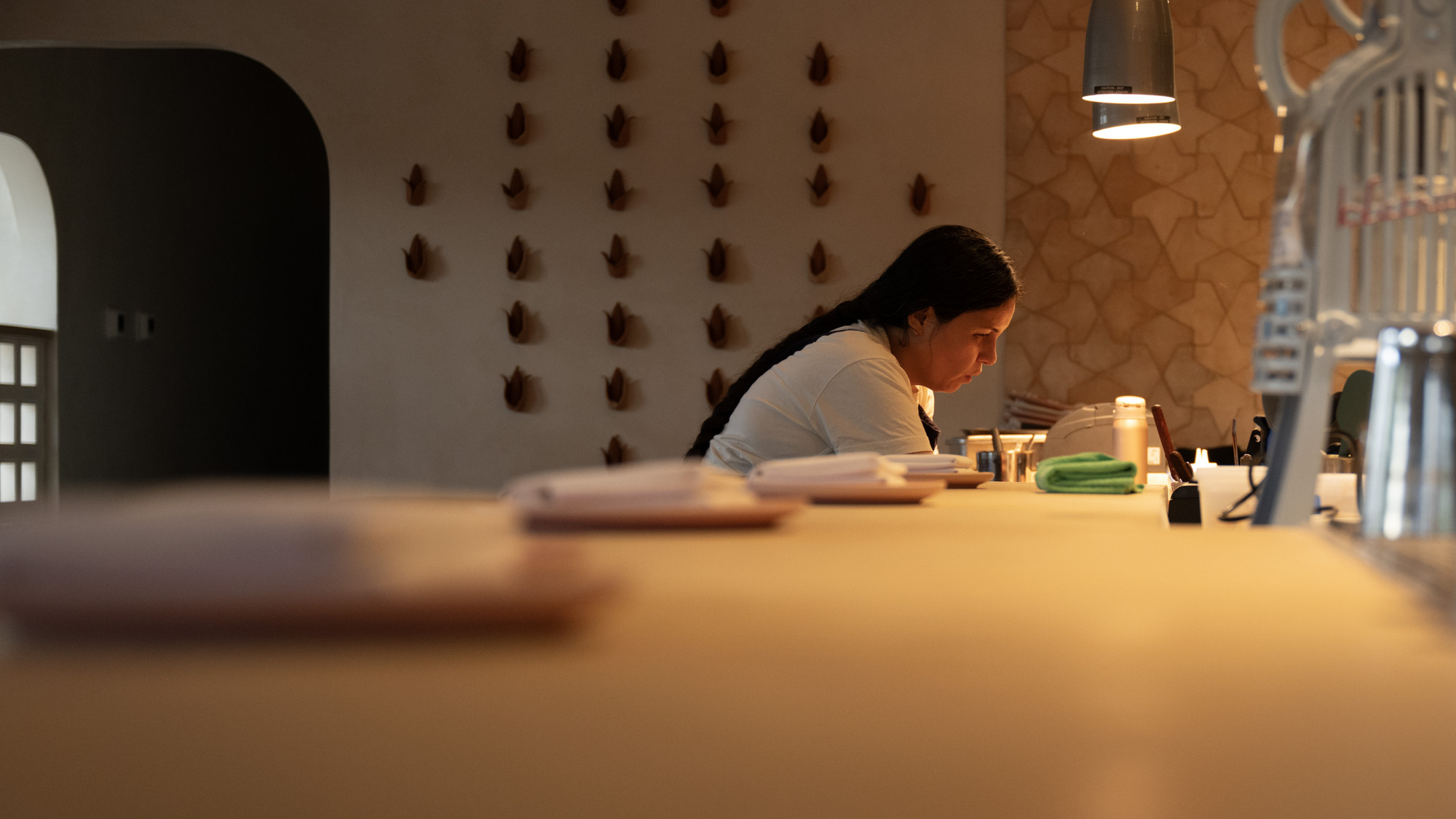
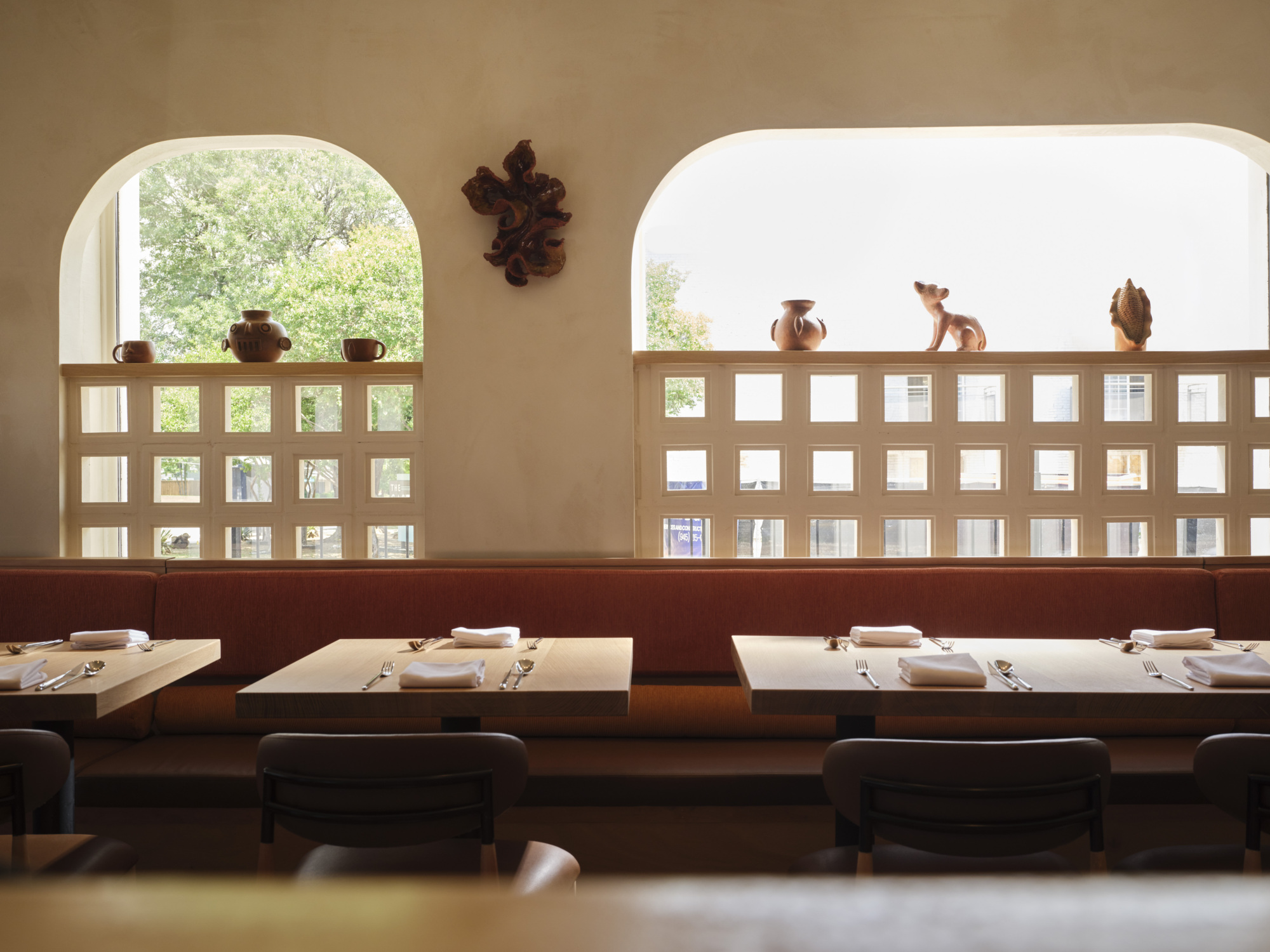
Smooth microcement walls and white concrete breeze blocks line the narrow dining room with 23 seats, with discreet decor consisting of ceramic vases by Toloache, formed from Colima’s terracotta-colored clay, along with 32 corn sculptures on the wall, one for each state of Mexico. “You walk into a lot of restaurants and every single wall has a piece on it,” Percival notes. “For us, it was how do we minimize the design to highlight the food?”
Mexican artisans are further presented in the bar’s tile from Guanajuato, handblown glassware by Oaxaca’s Xaquique studio, and the tortilla baskets her mother picked out at the market where her grandmothers once sold wares.
4. Drinks get the artisanal treatment, too.
Often overlooked, coffee service is encouraged with tableside pour-overs, especially alongside the koji-infused flan with lacto-fermented honey and raw goat’s milk cajeta. Non-alcoholic beverages include house aguas frescas in cucumber-mint and toasted rice with cinnamon and vanilla aquafaba.
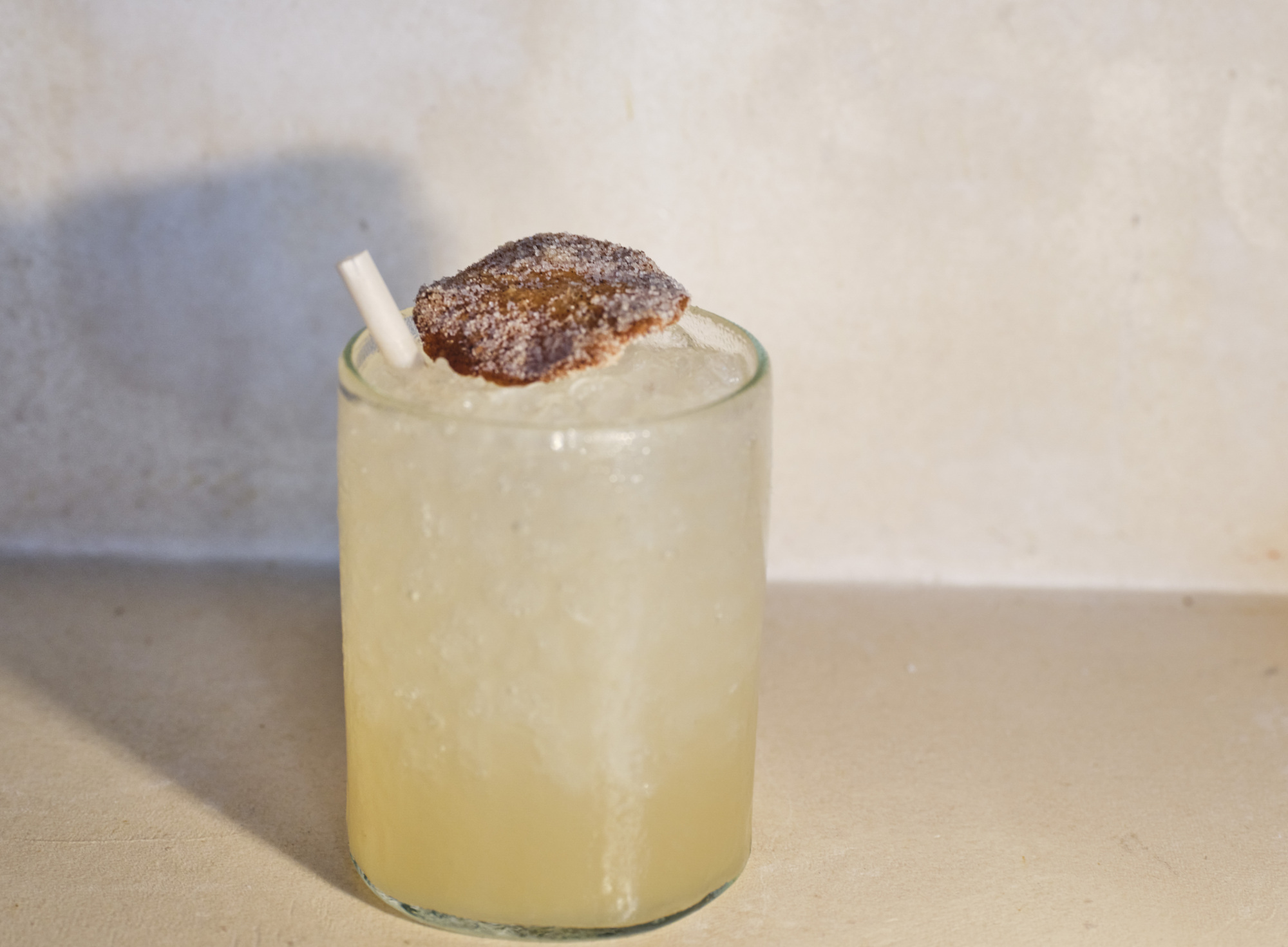
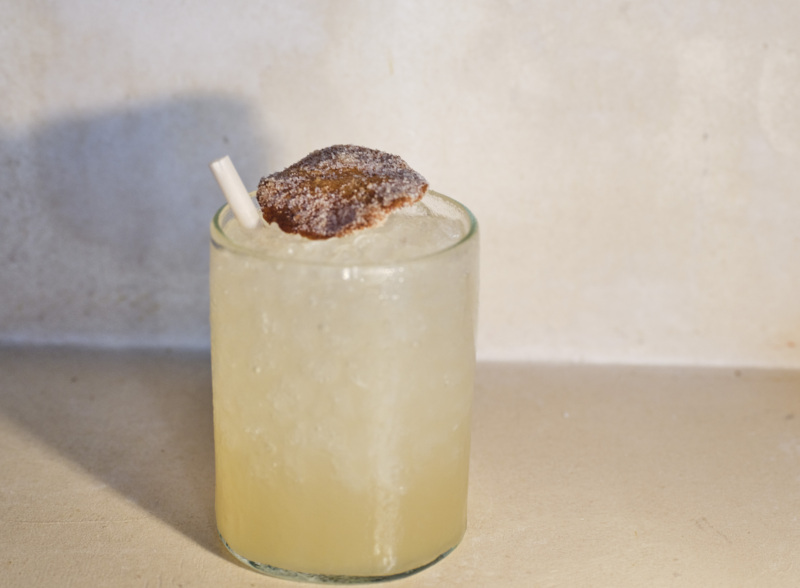
The wine list has a little salt in its hair with coastal-mineral selections including Spanish bubbles, Baja pét-nats, Albariño, and Galician reds. All options on the deeply considered list are available by the glass, thanks to Coravin’s wine preservation method. Cocktails by Jose Gonzales are also works of art, like Spice in the Coconut with mezcal, coconut rum, mole, and coconut ice shaved in-house.
The agave spirits list, which includes mezcal, sotol, and raicilla, taps small producers, making it possible for more families in Mexico to benefit from the restaurant’s existence. Sourcing from independent artisans and mezcaleros is “how I pay honor to Mexico,” López says. “It’s the same respect I pay to this country that allows me to do this.”
Olōyō is open Tuesday through Saturday for dinner starting at 5 p.m.