Here’s What To Order on Tropezón’s New-Look Menu
Published:
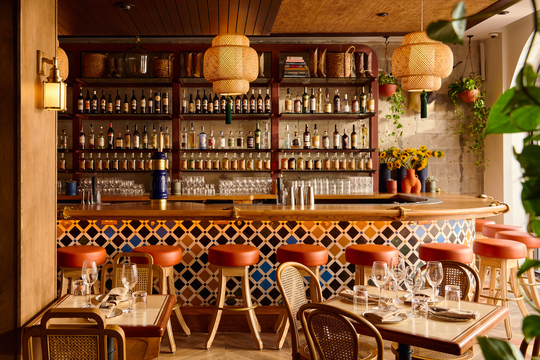
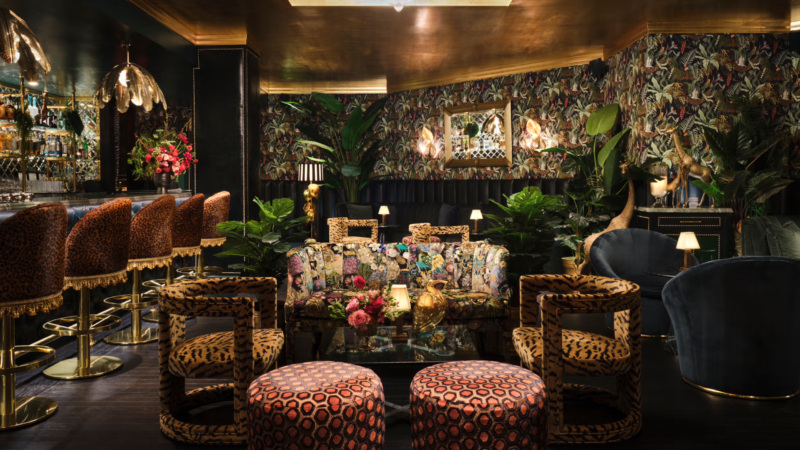
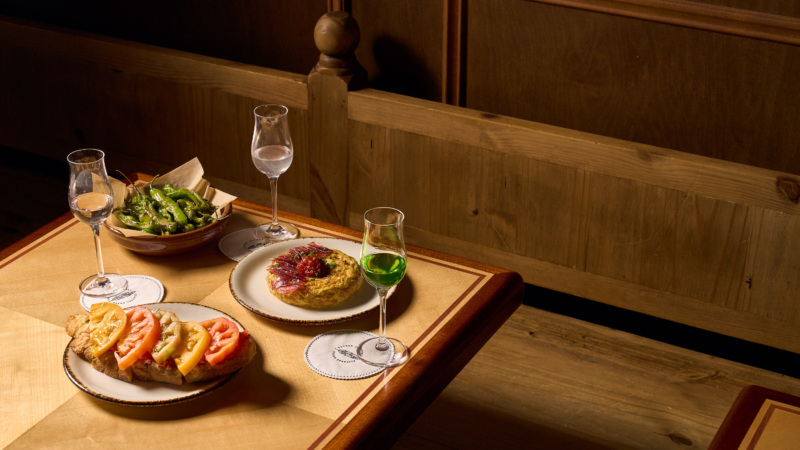
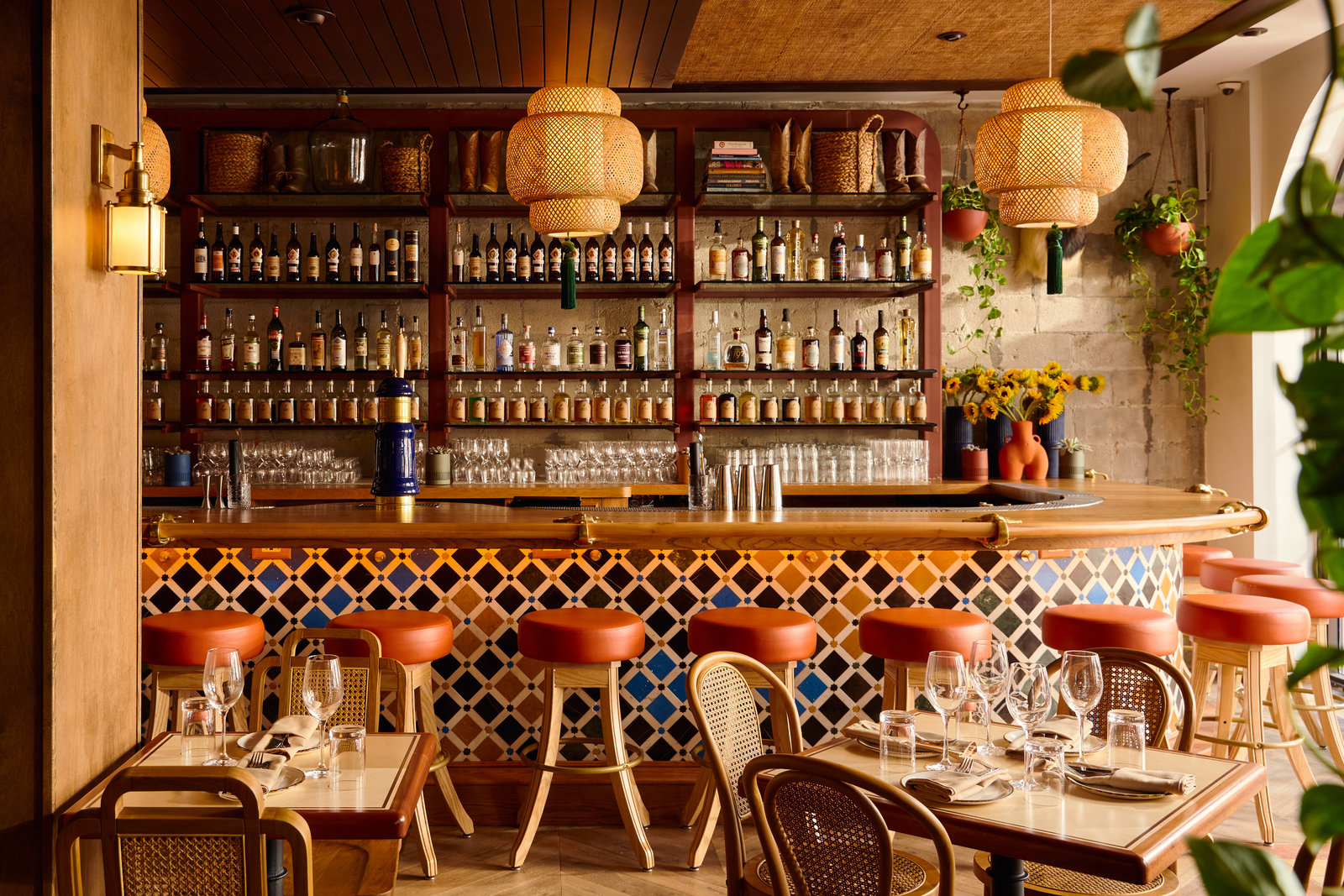
When Chris Hudnall and Randy Alonso opened Tropezón on Española Way in 2021, they wanted to recreate the warmth of Andalusian village bars they loved during their travels. While the bar’s charm held, two years in, the menu had gone stale. That’s when the team brought in consulting chef Jimmy Lebron, known for his work leading the kitchens at 27 Restaurant & Bar and Broken Shaker, to work with executive chef Paola De Jesus and give the kitchen new direction.
“We hadn’t changed the menu in two years,” Hudnall says. “It was time to re-energize it.”
Lebron, who helped open multiple Broken Shaker locations (including the bar’s Madrid location), approached the project with an understanding of Spanish flavor and technique mixed with Miami personality. Together, he and De Jesus have tightened up the menu, introduced new tapas, refined old favorites, and added something everyone thought was missing from the menu from day one: proper paella.
Here’s what to expect on the new menu.
The Resy Rundown
Tropezón
-
Why We Like It
A revamped Andalusian gin and tapas bar that now feels whole, with a menu that honors Spanish classics and the careful work of its kitchen. -
Essential Dishes
The tortilla española shows the kitchen’s precision, the mussels and octopus highlight its control with seafood, and the carne paella gives guests a traditional taste of Spain. -
Must-Order Drinks
The bar’s gin infusions, made with fruits, teas, herbs, and cured meats, remain the focus. Sherry and vermouth round out the list.
-
Who It’s For
For guests who like to graze, share plates, and stretch the night. -
Pro Tip
Tropezón’s kitchen serves daily from 5 p.m. to midnight, making it one of the few Española Way spots where you can sit down for a proper meal after 10 p.m.
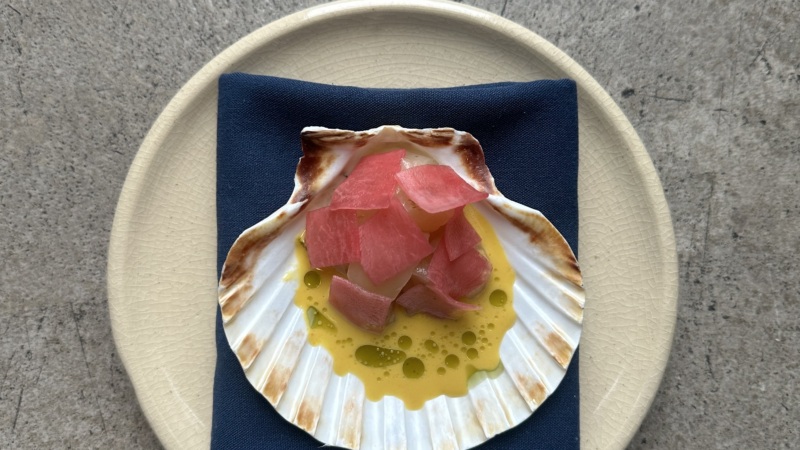
Tuna Crudo
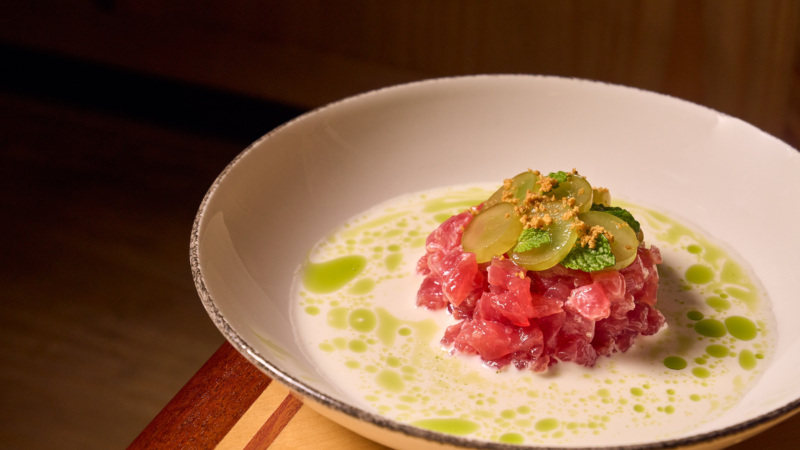
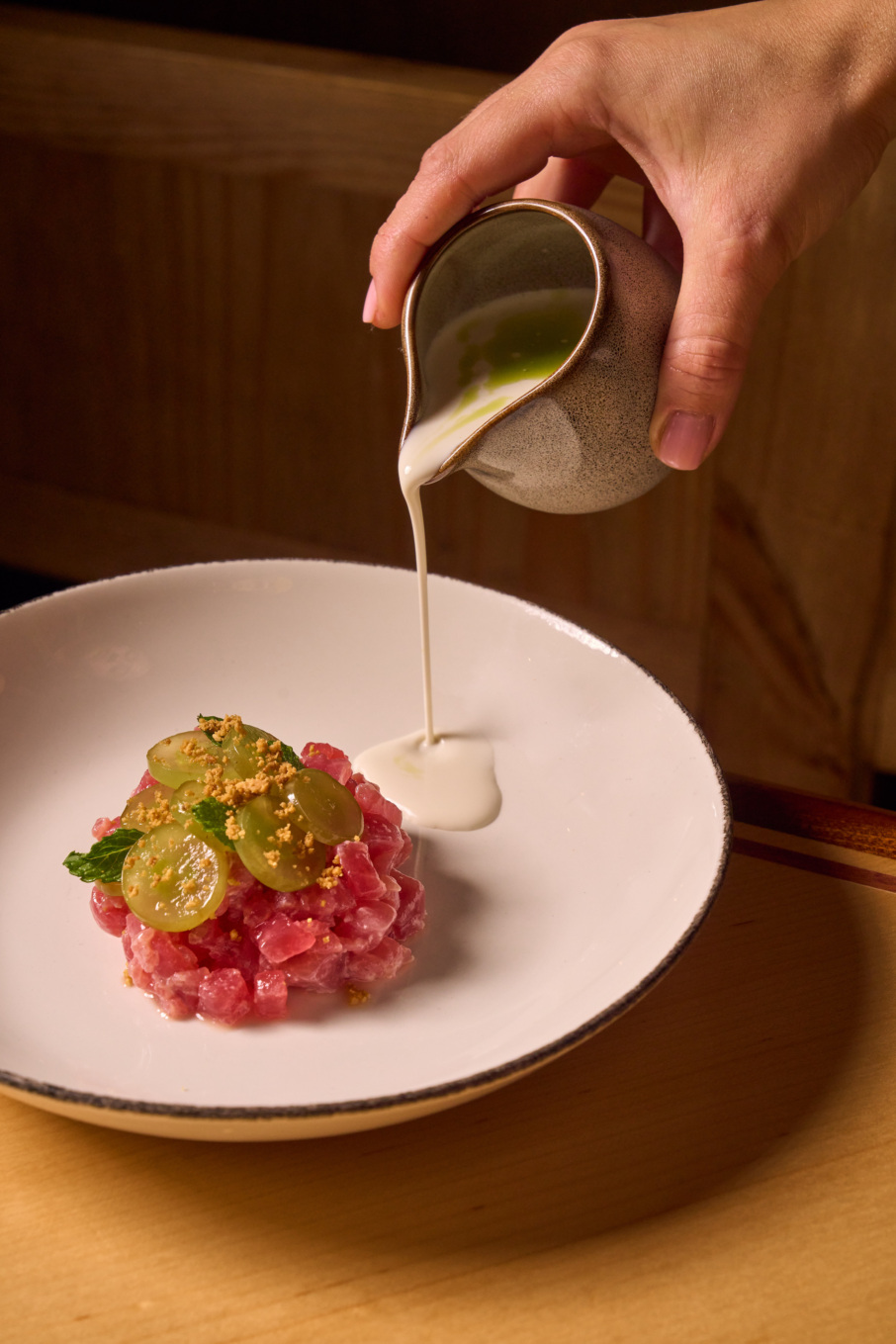
This dish evolved from an earlier version on Tropezón’s menu. “The tuna crudo is ajo blanco,” said Lebron. “Traditionally, it’s an almond and garlic sauce, but we wanted to put that Miami touch on it, so that’s where the coconut ajo blanco came in.” He tops it with pickled grapes and mint oil, a take that keeps its Andalusian foundation while feeling more in line with Miami’s climate.
Mussels
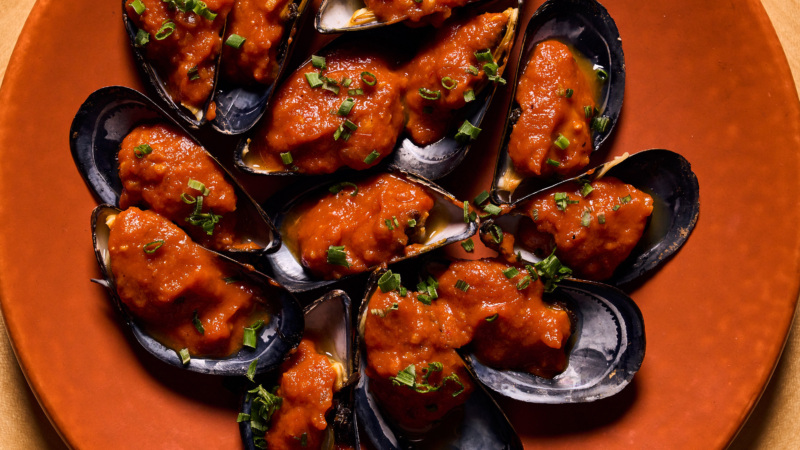
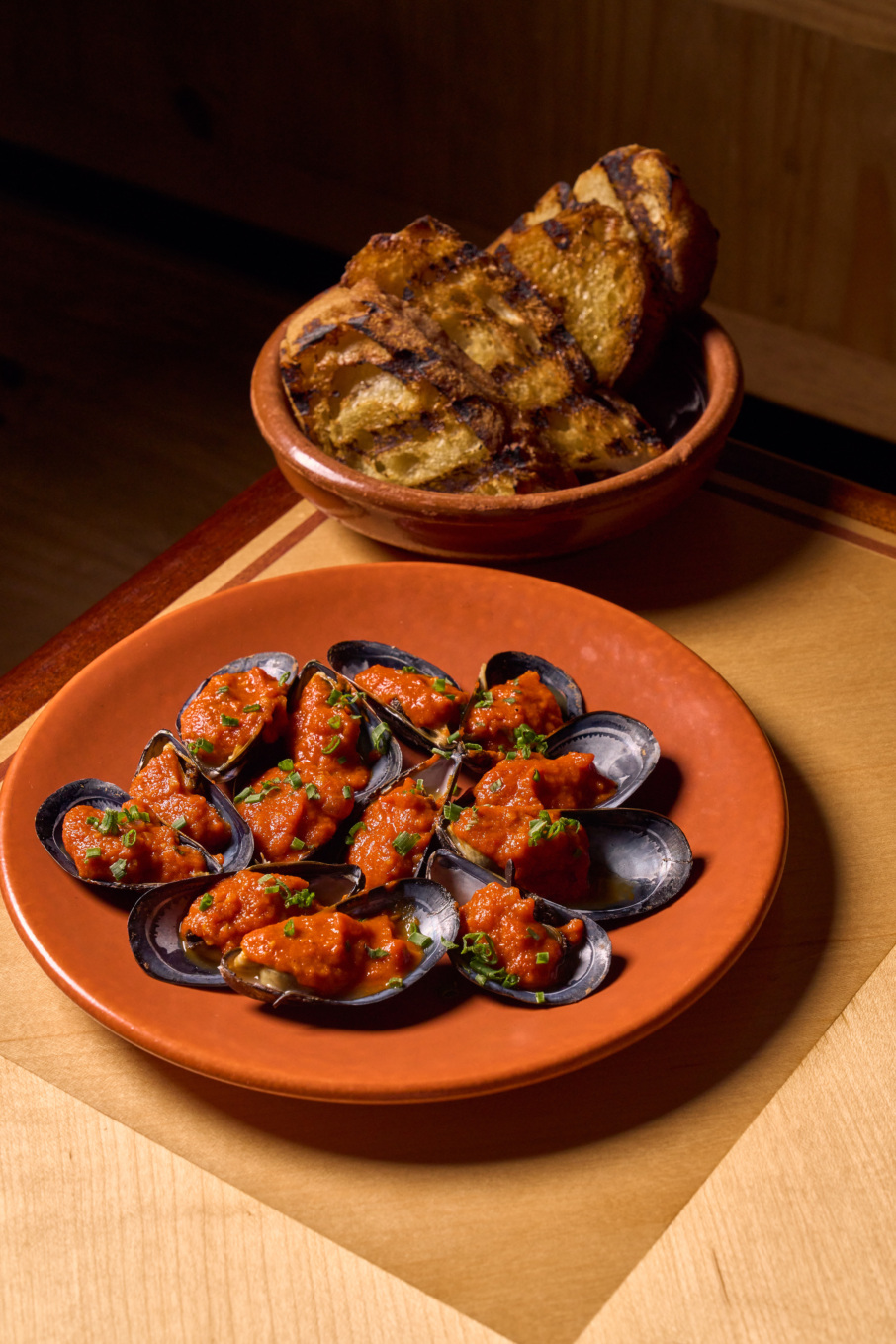
Hudnall says this is one of the dishes that best represents the restaurant’s new menu. Each mussel is steamed and plated open-faced with a spoonful of sofrito instead of served by the bowl. The base takes time: peppers are roasted until dark, onions caramelized for sweetness, and garlic is confited slowly to pull out depth.
“It tastes like the sea,” Lebron says. He calls sofrito the foundation of Spanish cooking and pushed the team to build as much flavor as possible into every step. The result is a sauce that amplifies the mussel’s natural brine without overpowering it. According to the team, the dish has already quickly become one of the most ordered small plates.
Tortilla Española
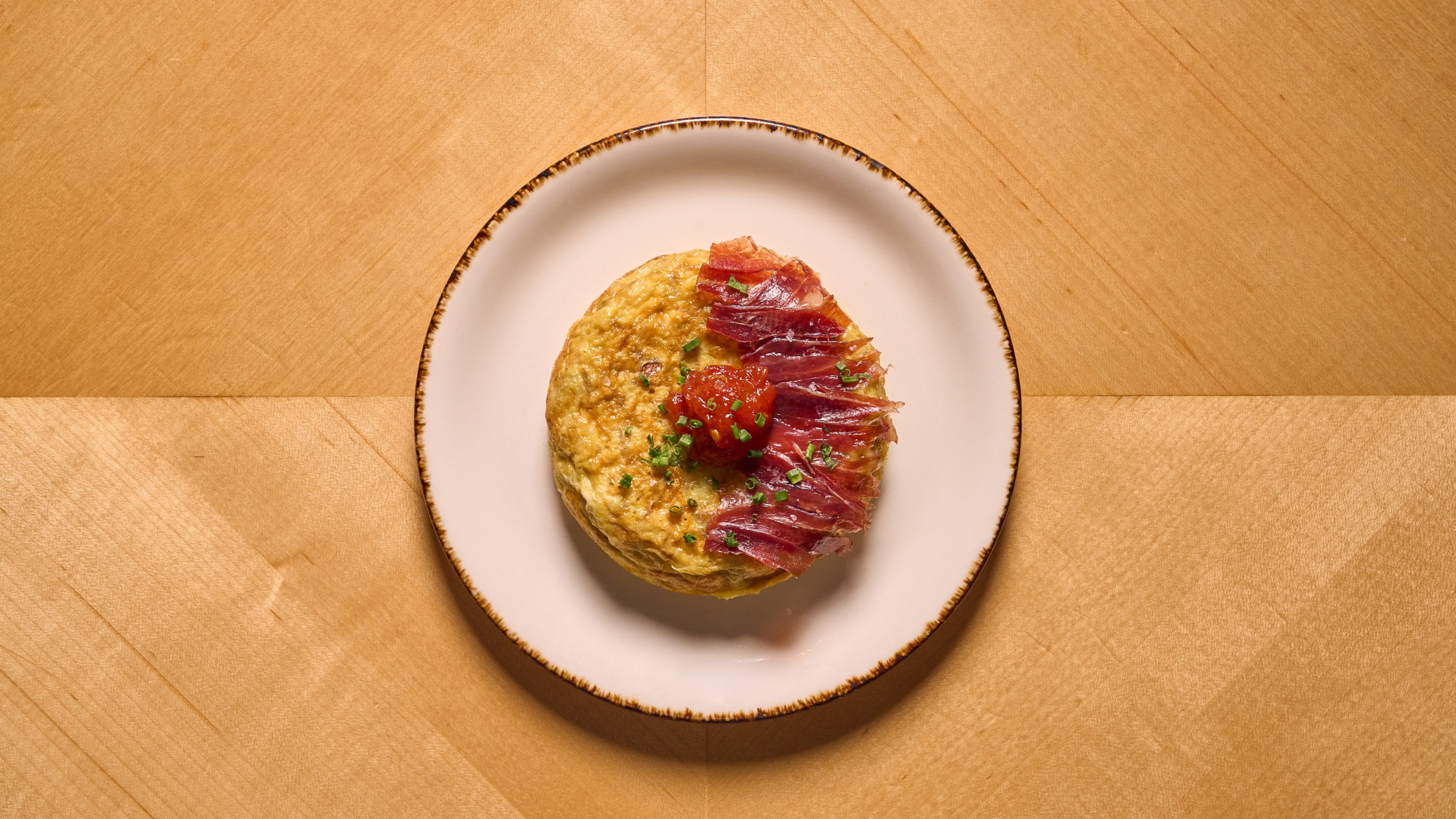
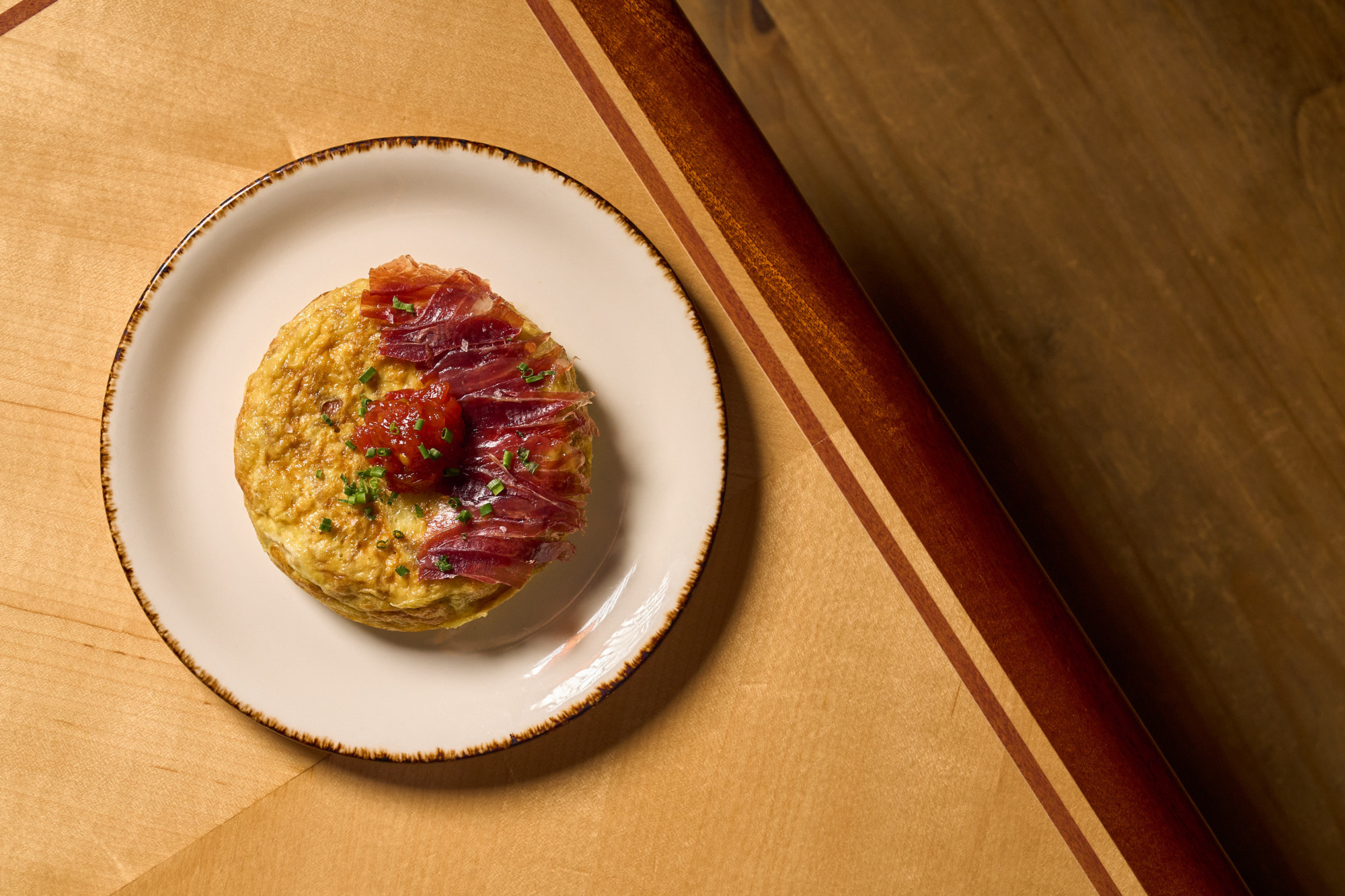
Lebron learned to make tortilla española while living in Spain. The recipe purportedly came from a chef he met there, passed down through the chef’s grandmother. At Tropezón, he decided to serve it individually instead of sliced from a larger pan, ensuring each portion stays soft and runny inside.
Housemade potato chips replace the usual thinly sliced potatoes, creating light layers throughout the egg mixture. The result is sweet from caramelized onion, rich from jamón, and balanced by the slight acidity of tomato jam.
“It’s about precision,” Lebron says. “That texture has to be just right.” Hudnall calls it one of his favorite new additions.
Octopus
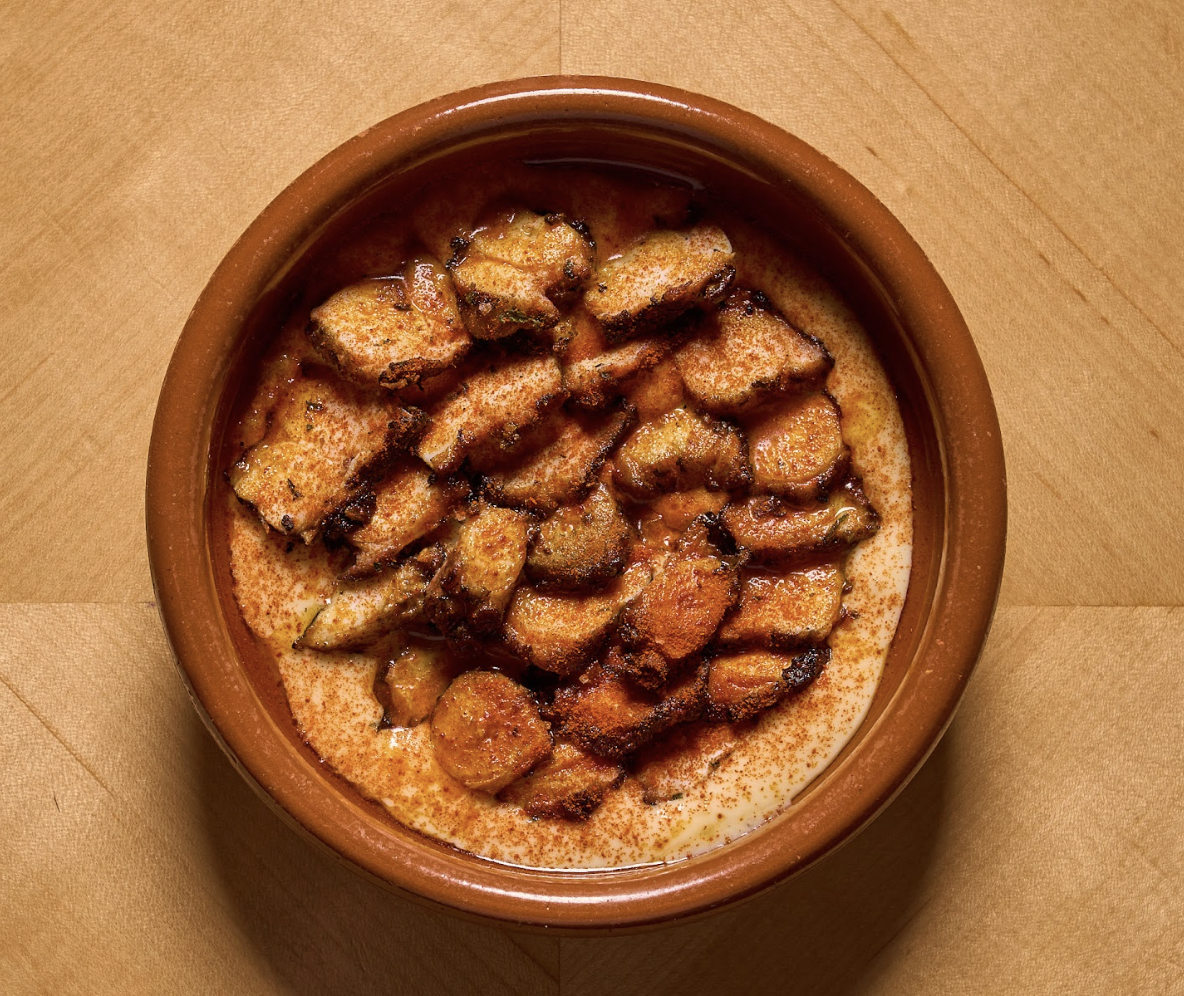
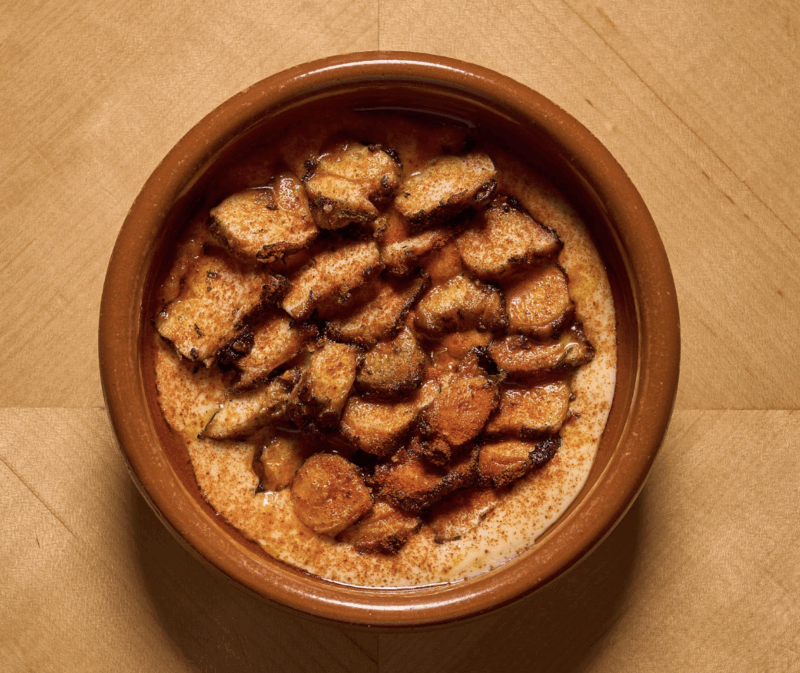
De Jesus led this reinterpretation of pulpo a la gallega, the Galician classic of boiled octopus, sliced potatoes, and paprika. At Tropezón, the potatoes are turned into an espuma that serves as a bed for the seared octopus finished a la plancha. Smoked paprika gives it Spanish flair, while chermoula adds a subtle North African flavor. Hudnall describes it as one of the best examples of the menu’s balance between tradition while bringing in new ideas.
Croquetas
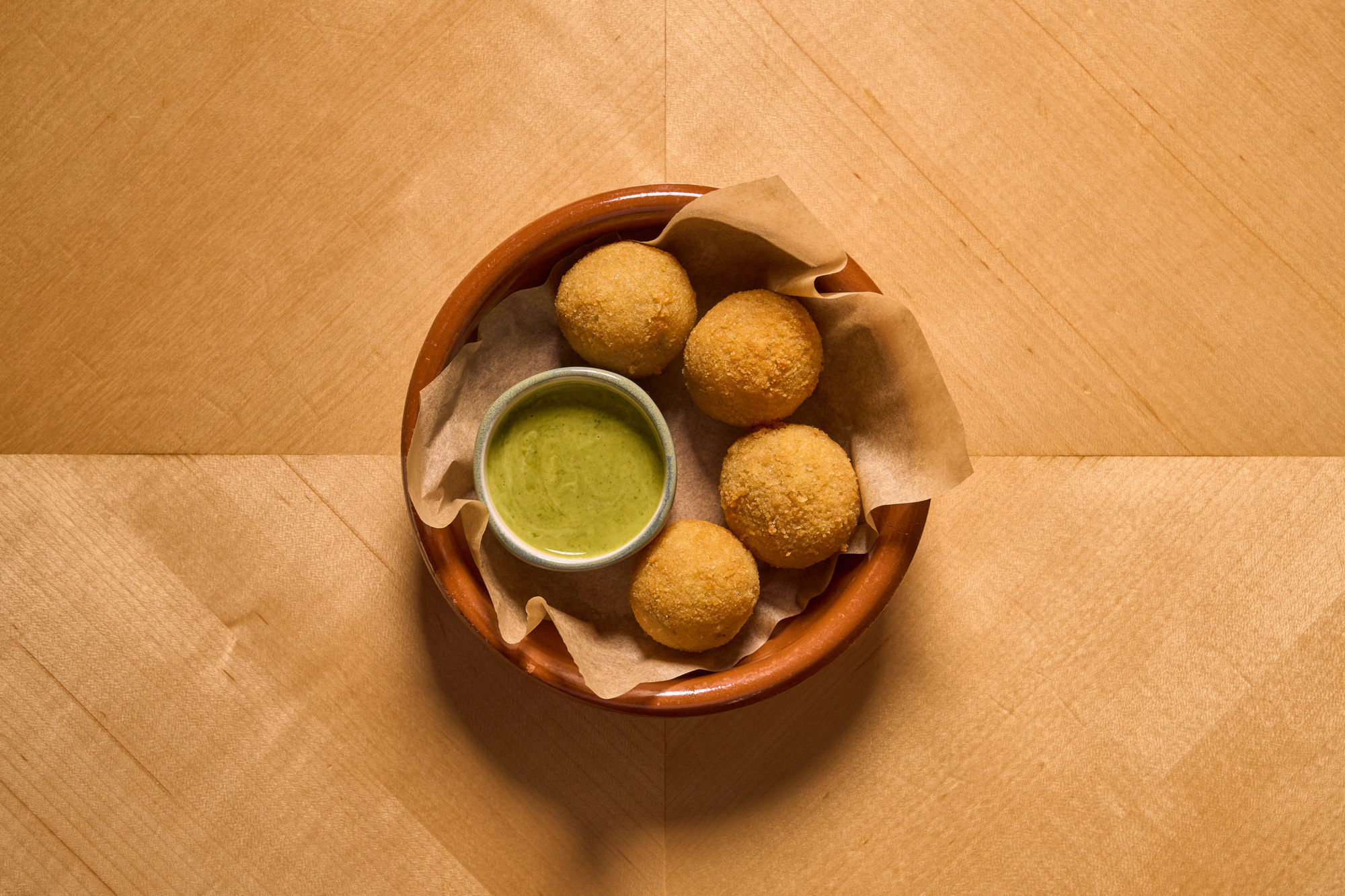
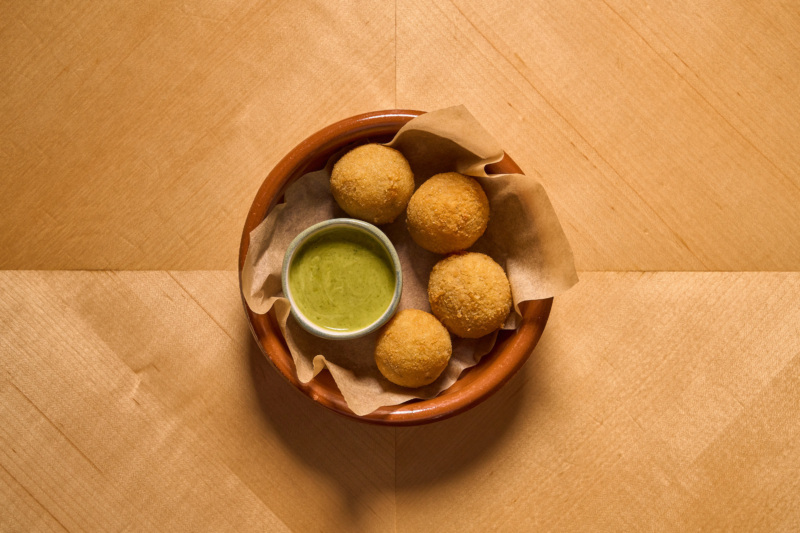
Lebron still laughs about discovering there were no croquetas on the menu when he first joined the project, an omission that struck him as odd, especially for a Spanish restaurant – in Miami. Lebron’s inspiration for the Tropezón version came from his time in Spain, where he often ate sobrasada and manchego with bread. “I fell in love with sobrasada,” he said. “It’s like Spanish ‘nduja, a spreadable sausage that’s rich, smoky, and a little sweet.”
He reworked that pairing into croquetas filled with sobrasada, manchego, and chorizo, a mix that gives each bite a slow-building depth. The filling starts with the sausage cooked down like chorizo, then blended into a béchamel before being breaded and fried to order. The result is crisp and golden on the outside, creamy and peppery inside. A streak of mojo verde finishes the dish and helps cut through the fat with acidity and bright herbs.
Paella
This dish became the centerpiece of the revamp. Hudnall remembers walking past nearby restaurants serving bright yellow rice in paella pans and feeling frustrated. “They weren’t real paellas,” he says. “That’s when I told Jimmy, we’re going to do it right.”
Tropezón now serves three versions, all cooked in shallow pans that let the rice form socarrat, that beloved crispy layer at the bottom. Lebron rebuilt the dish from the ground up, starting with a sofrito of onions, peppers, and garlic cooked until deeply caramelized. The carne paella is designed for guests who avoid shellfish, with steak, duck confit, and chorizo adding richness as the rice absorbs their fat. “Paella is tough because everyone does it, but not everyone takes the time,” Lebron said. “We wanted something authentic, with flavor built in every step.”
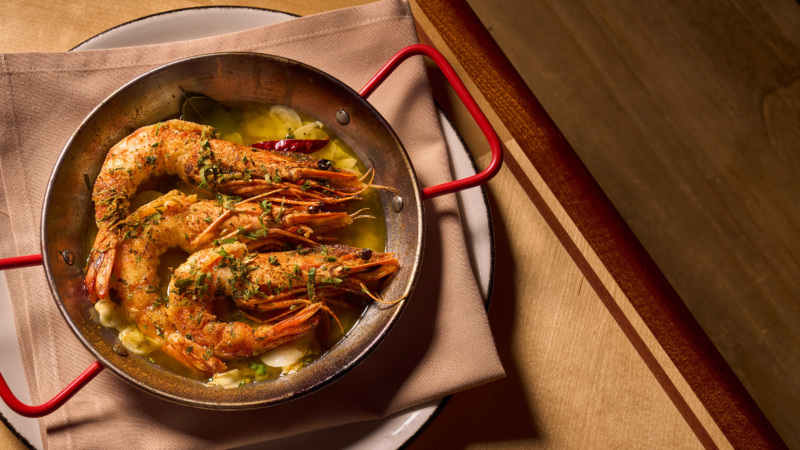
The seafood version remains the crowd favorite, loaded with gambas, mussels, and squid. The vegetable paella uses grilled artichoke, mushrooms, and broccolini for depth and texture. Hudnall calls the entire lineup “a showstopper,” and a return to traditional Spanish technique and flavors.
Tropezón’s new menu feels confident and fresh, respecting each dish’s origins while giving the kitchen renewed vigor and pride. “We just wanted to bring it back to life,” Hudnall says.
The restaurant now delivers exactly what it was always meant to be: a relaxed Spanish bar where every dish, from tortilla to paella, tells its own story.
A fourth-generation Miamian, Olee Fowler knows every corner of the city. She spent a decade as the editor of Eater Miami, and now as a freelance writer, she captures the stories that make Miami unique. When she’s not exploring Miami’s newest restaurants and bars, you can find her at home with her dogs, Foster and Peanut, or cheering on her beloved Florida Gators. And yes, that’s probably a Coke Zero on her desk.