Published:
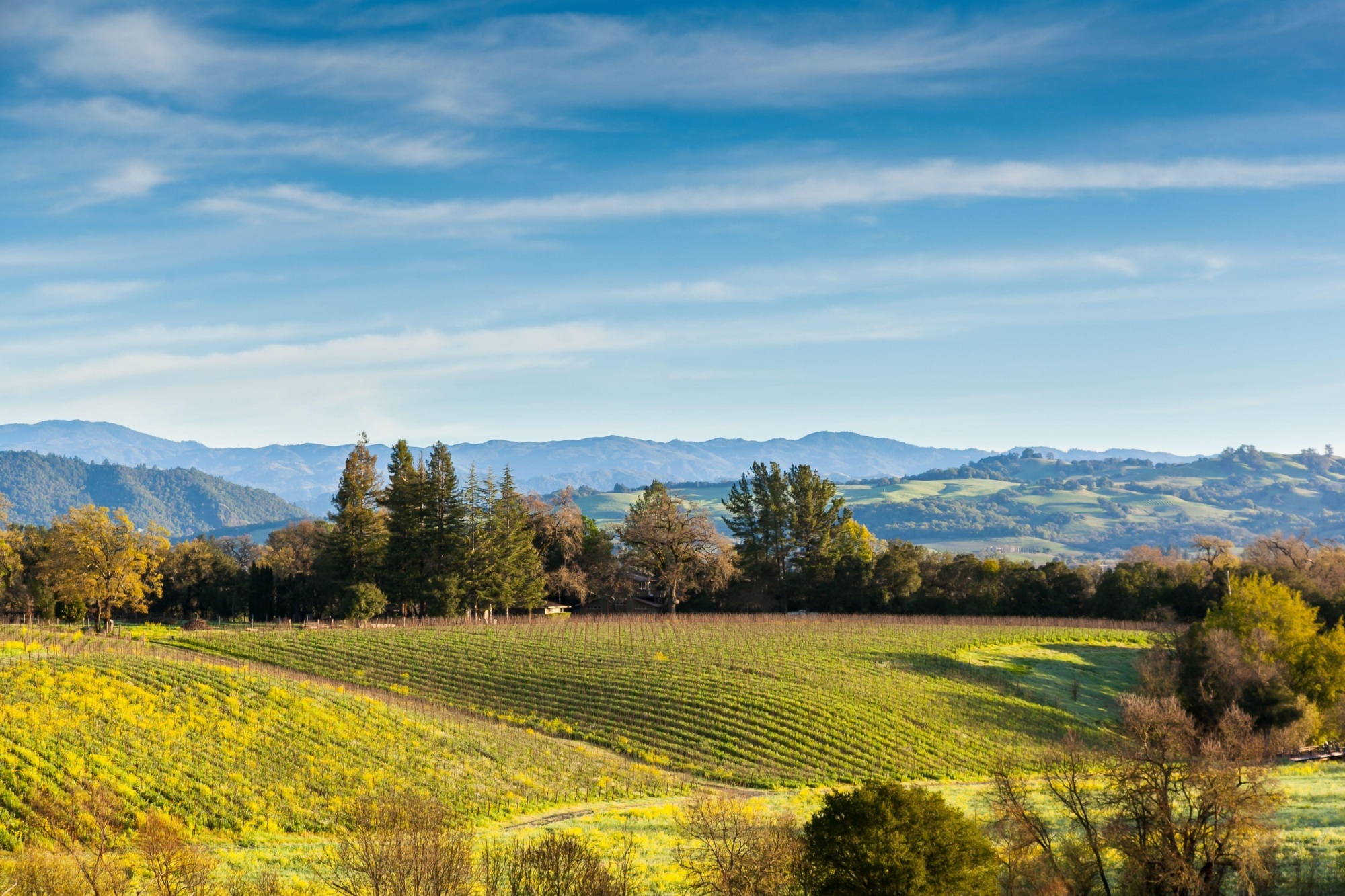
There’s a moment, driving west out of the town of Petaluma toward the coast, when the airs of wine country fall away and Sonoma County reveals itself in full.
Petaluma is an old cow town in the literal sense — herds of dairy cattle have been in the Petaluma Valley for over a century. And as you make your west towards the coast, tasting-room signage falls away, the hills grow dotted with dairy cows, and the road through Valley Ford — where signs still advertise family-style Italian dinners — makes clear: This was farm country long before it was famous for vineyards.
Keep going and the fog rolls in, redwoods close ranks, and somewhere not far away, up a switchbacked road, you might find some of the most coveted pinot noir land in America.
That drive provides an essential lesson: Sonoma County is not one place. It’s a million acres — bigger than Rhode Island, with only about 6 percent planted to vines. It contains nineteen appellations, more than sixty grape varieties, and at least half a dozen distinct wine cultures that happen to share a county line. Napa, whatever else you can say about it, is legible: one valley, one road, one or maybe two grapes at its core. Sonoma has never had that simplicity, and I’d argue that’s precisely its appeal.
Indeed, the county’s perpetual marketing challenge — what is Sonoma, exactly? — is a visitor’s great gift. You can taste ethereal coastal Pinot in the morning and century-old-vine Zinfandel after lunch, and never once feel like you’re at risk of getting bored. And even back in the 1990s, Sonoma definitively answered that question in its own way, with the slogan at its own charity wine auction, a far more chill affair than its neighbor over the hills. Quite simply, it asserted: “You’re not in Napa anymore.”
But let’s dive a bit deeper to answer the question. Consider this an orientation to a wine region that has, in its way, found some of the greatest momentum in American wine over the past 15 years.
In a Nutshell
Sonoma’s wine history stretches back further than almost anywhere in America. At Mission San Francisco Solano, the northernmost of California’s missions, friars in the 1820s planted grapes in what would become the town of Sonoma. Agoston Haraszthy founded Buena Vista, often called the state’s first premium winery, there in 1857. By the 1890s, hundreds of growers could be found along the Russian River growing mixed vineyards often based around zinfandel — many were Italian immigrant families whose names (Rochioli, Martinelli, Bacigalupi, Rafanelli) still anchor the county today. Then came phylloxera and Prohibition, and Sonoma spent the mid-twentieth century as America’s fruit basket: apples in Sebastopol (the Gravenstein Highway is named for that apple variety), prunes in Healdsburg (the local baseball team is still the Prune Packers), grapes sold in bulk to feed jug-wine blends. And that long agricultural interlude is what saved Sonoma from a different fate. While Napa was betting big on wine, especially after two wines rallied in 1976’s Judgment of Paris tasting, Sonoma took a slower, more polycultural path. (That Chateau Montelena’s winning chardonnay was largely made from Sonoma fruit went largely unmentioned.) It remained unglamorous, and cheap enough for dreamers.
But dreamers were certainly finding their way. In the 1960s and ’70s, pioneers planted pinot noir and chardonnay along Westside Road and in the cool hills west of Santa Rosa — fruit that quietly ended up in some of the era’s most important wines. In the ’80s and ’90s, Williams Selyem’s bootstrapped winery and its cult-fave pinots set off a Russian River land rush, while a handful of true believers, like David Hirsch, pushed all the way to the coastal ridges — marginal, foggy, expensive-to-farm land near Fort Ross and Annapolis that many locals considered too cold for red wine. Those bets paid off and then some: The far coast now produces some of the finest pinot noir and chardonnay in the country, full stop.
The most recent wave provided one of the truly defining moments of Sonoma’s recent history. The New California movement of the 2000s not only brought a new prism to chardonnay and other familiar fare, but leaned into the less expected — finding new uses for the county’s nineteenth-century old-vine heritage, planting Italianate and Rhône varieties, and turning the diversity that the region had found itself struggling to explain, into a deeper strength. Campaigns like the Seven Percent Solution (named for the percentage of California grape acreage planted to less-known varieties) that met resistance barely more than a decade ago turned out to have been prescient for Sonoma (and elsewhere) as quirky tastes became mainstream. This is less surprising than it seems when you consider the broad assortment of grapes, dozens if not hundreds of varieties, planted throughout California in the late 1800s.
As these upstart producers’ businesses matured, they too would open tasting rooms, often clustered around Healdsburg and nearby (Arnot-Roberts, Lioco, Ryme, Idlewild, Martha Stoumen, Marine Layer), which made the area a focal point for discovering this new-gen perspective on Sonoma’s long history.
Given all that, what do you drink when you’re here? Pinot Noir and chardonnay are headliners, whether plush Russian River bottlings to edgy, saline coastal versions. Zinfandel — real, old-vine, historically serious Zinfandel — remains the county’s conscience. And Sonoma cabernet sauvignon, while not as iconic as many over the hills in Napa, has its own distinct character, especially in areas like Moon Mountain and other parts of the western slopes of the Mayacamas.
But glance at wine lists around Healdsburg, or at fashionable young spots like Valley Bar & Bottle in downtown Sonoma, and you’ll get a sense of how much energy can be found among Sonoma producers. Whether it’s melon de Bourgogne (the grape in France’s Muscadet) from Alexander Valley, riesling and viognier from near the coast, the Sicilian-native nerello mascalese planted near Lake Sonoma, or syrah from the depths of the Petaluma wind gap, to say nothing of pét-nat, sauvignon blanc, and a long tail of gleeful oddities — trousseau, vermentino, nebbiolo — the net effect is one of the broadest wine portfolios of any county in America. In short, drink nearly anything you like.
The Lay of the Land
Sonoma’s 19 appellations are, honestly, more than most of us need to keep things straight. Instead, think in terms of five territories, arranged roughly from the fog inward.
The West Sonoma Coast. The county’s wild edge: ridgetop vineyards above the Pacific, granted their own appellation in 2022 after years being lumped into the pointlessly vast “Sonoma Coast” label (a bureaucratic fiction that stretches from the ocean nearly to San Pablo Bay — long story, ask a winemaker after their second glass). This is the home of marginal farming — fog, wind, eighty inches of rain — and resultantly a tension and transparency in the wines that defined the far coast’s reputation. The Cazadero and Annapolis areas are the heart.
Some key producers: Hirsch Vineyards, Littorai, Peay Vineyards, Fort Ross Vineyard, Cobb
Russian River Valley and Green Valley. Sonoma’s grand Pinot engine, following the river’s fog corridor through Forestville, Sebastopol, and Westside Road’s blue-chip vineyards. Sandy Goldridge soils around Sebastopol and the cooler Green Valley pocket give the area’s most refined wines; the warmer eastern reaches, its most opulent. Also the county’s sparkling-wine stronghold. And yet … Russian River is the warmest region in the world to produce high-quality pinot, which explains why its original specialty was zinfandel, fully a century before pinot arrived. This fact is quite rightly pointed out by producers like Limerick Lane and Carlisle.
Some key producers: Rochioli, Williams Selyem, Dehlinger, Iron Horse, Arista.
The Healdsburg heat zone: Dry Creek and Alexander Valley. North of this anchor town, things warm up — literally. Dry Creek Valley is a traditional stronghold for zinfandel’s, its benchlands carpeted with gnarled pre-Prohibition vines, while the Rockpile appellation sits above, adding altitude and vigor to ample sun. On the other side of the 101 and stretching up past Geyserville to Cloverdale, Alexander Valley has a reputation fo generous cabernet, although its range far exceeds that. Seeing as Healdsburg is the nexus of the two and the Russian River Valley, it reasonably has become the county’s tasting-room capital. A bit further afield is Knights Valley, a bit of connective tissue between Alexander Valley and Napa.
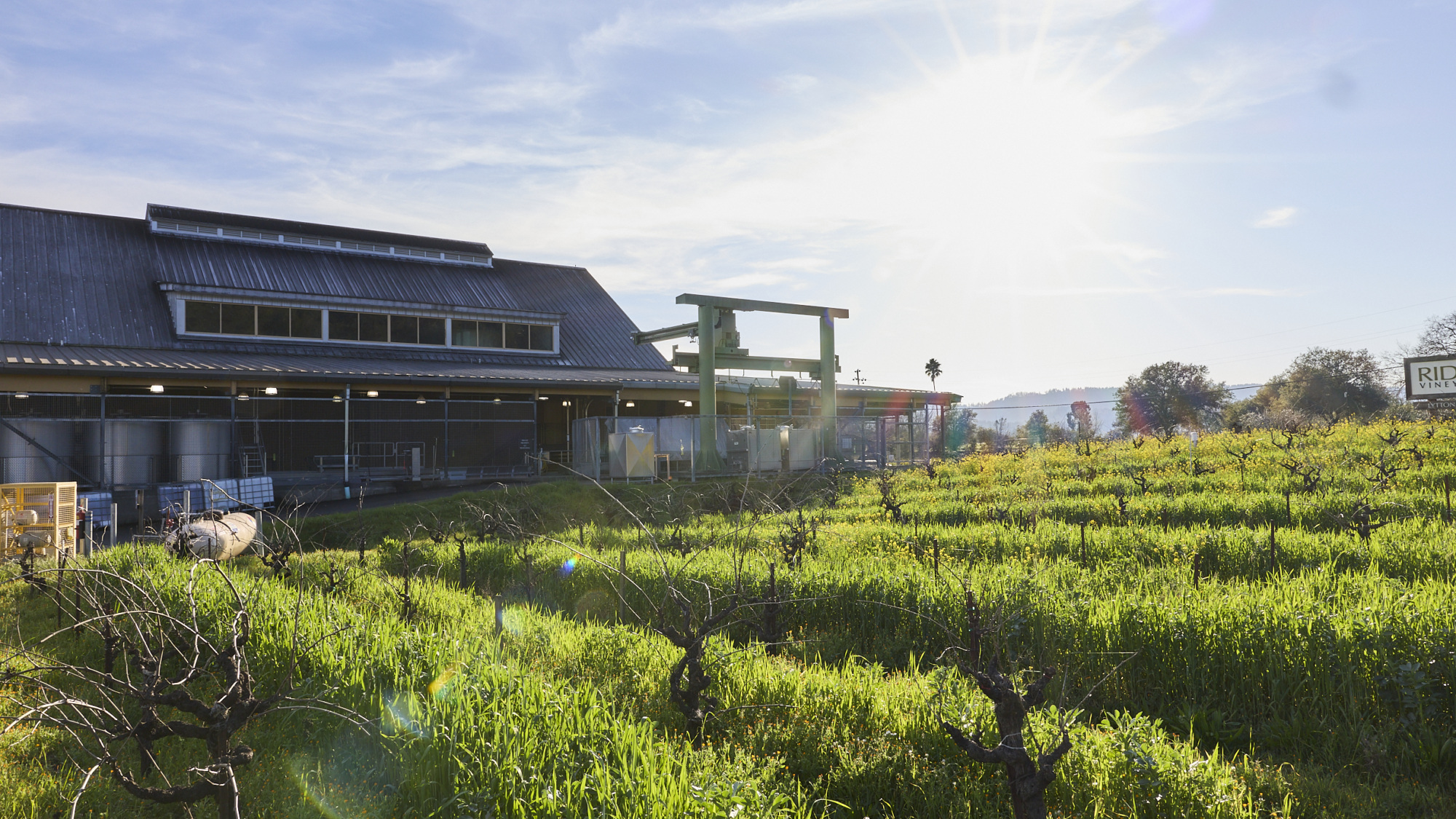
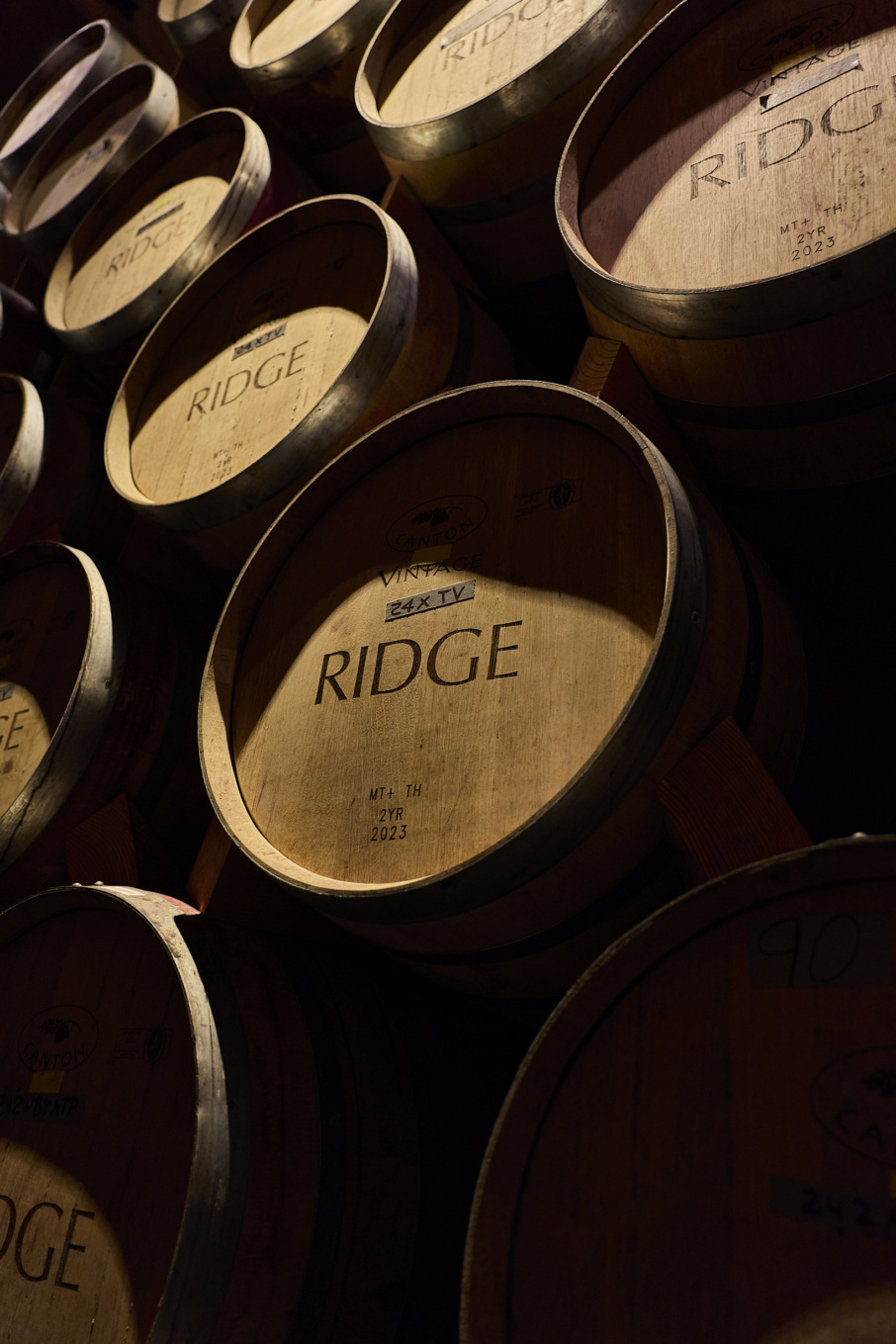
Some key producers: Ridge (Lytton Springs), Bella, A. Rafanelli, Leo Steen, Quivira, Medlock Ames, Hanna, Silver Oak Alexander Valley.
Sonoma Valley and its mountains. The historic southern part of Sonoma includes the original mission, Buena Vista, and the county’s densest concentration of 19th-century vineyards, running up Highway 12 through Glen Ellen and Kenwood between the Mayacamas and Sonoma Mountain. This is where old-vine field blends from sites like Monte Rosso and Old Hill Ranch are met by some of California’s most storied chardonnay and cabernet from largely volcanic soils. Towards Santa Rosa, Fountaingrove, Bennett Valley, and Chalk Hill round out the landscape.
Some key producers: Bedrock Wine Co., Chateau St. Jean, Gundlach Bundschu, Bucklin, Hanzell, Laurel Glen.
Petaluma Gap and Carneros. The county’s famed wind tunnel. The Gap — an actual break in the coastal hills that funnels ocean air across southern Sonoma — earned appellation status in 2017, and the wines show its character: small-berried, savory pinot and dramatically edgy syrah, plus white wines with verve. Neighboring Carneros, split with Napa on the bay’s edge, offers not only a bounty of sparkling wine and earnest pinot, but newer stars like vermentino.
Some key producers: Keller Estate, Ram’s Gate, Anaba, Sangiacomo, Cline.
If You’re Going
Where to stay
Healdsburg is the polished option — walkable, restaurant-rich, and central to the northern appellations, with a deep hotel roster. Sebastopol puts you closest to the west county and the coast road, with its own electric restaurant collection and The Barlow, as a multiuse complex, as a bonus. The town of Sonoma offers the plaza, the history, and easy valley access; Guerneville gives you redwoods and river funk; while Petaluma, perhaps the county’s best-kept secret, pairs Victorian storefronts with an increasingly serious food scene.
Three ways to do a day
The coast, properly. Head west through Freestone and Occidental, up Highway 1 past Jenner, and taste at a true coastal estate (Fort Ross Vineyard) — before looping back through Occidental for dinner. Fog is a defining part of the experience; pack a layer, even in August. (Also consider booking: Littorai‘s farm tour in Sebastopol; Hirsch Vineyards tasting room, conveniently in Healdsburg. Not far away are Russian River options, including Marimar Estate; Iron Horse; Merry Edwards; Dehlinger; and many more.)
Old vines and defining stories. Start at the Sonoma plaza and work upvalley, with the chance to find mission-era history and tastings built on vines older than your great-grandparents. The plaza includes its share of tasting rooms (Auteur, Sojourn, Three Sticks, and others) while historic Buena Vista is just outside town. Plan for dinner in Glen Ellen or on the plaza. (Also consider booking: Gundlach Bundschu, LaRue and for deep dives on small-production pinot, B.R. Cohn for some legit Doobie Brothers energy [Google it], Scribe‘s tour for club members.)
The Healdsburg orbit. Taste your way around downtown — Idlewild for Italianate varieties, Lioco, Hirsch, Siduri, or Cobb for deep studies in contemporary pinot and chardonnay, Marietta for an object lesson in the county’s vine diversity — then pick one road trip: Westside Road for pinot pilgrims (Rochioli, Copain, Gary Farrell, MacRostie) or West Dry Creek and Lytton Springs (Ridge, Bella, Quivira, Papapietro Perry, Kokomo, and many more) for heartier reds and a picnic. Book dinner well ahead; the town’s restaurants fill up faster than the tasting rooms. And if you’re there on a Saturday, don’t miss the town’s expansive farmers market. (Also consider booking: Bloodroot or Martha Stoumen for standout tastings with snacks; Preston for a bocce court, farmhouse bread, olive oil and the closest thing Dry Creek has to a working farm; the ticketed bubbles and food pairings at J Vineyards and Winery. Note that while many tasting rooms in town welcome walk-ins, appointments are a good idea.)