There’s Never Been a Better Time to Dine in Las Vegas. Here’s Five Reasons Why
Published:
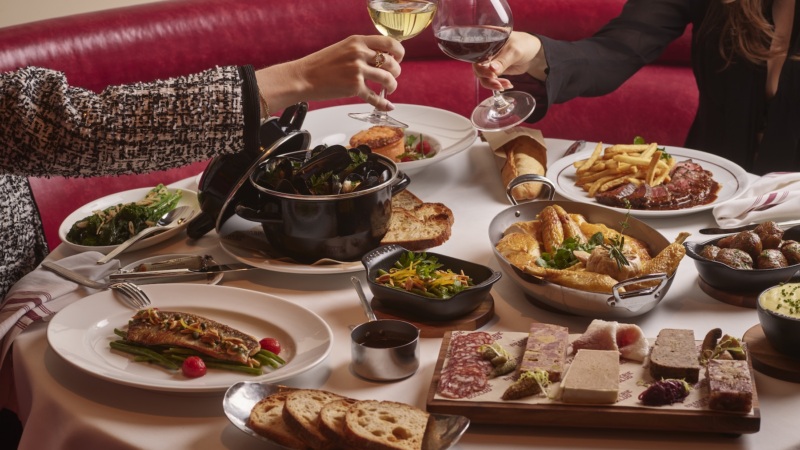
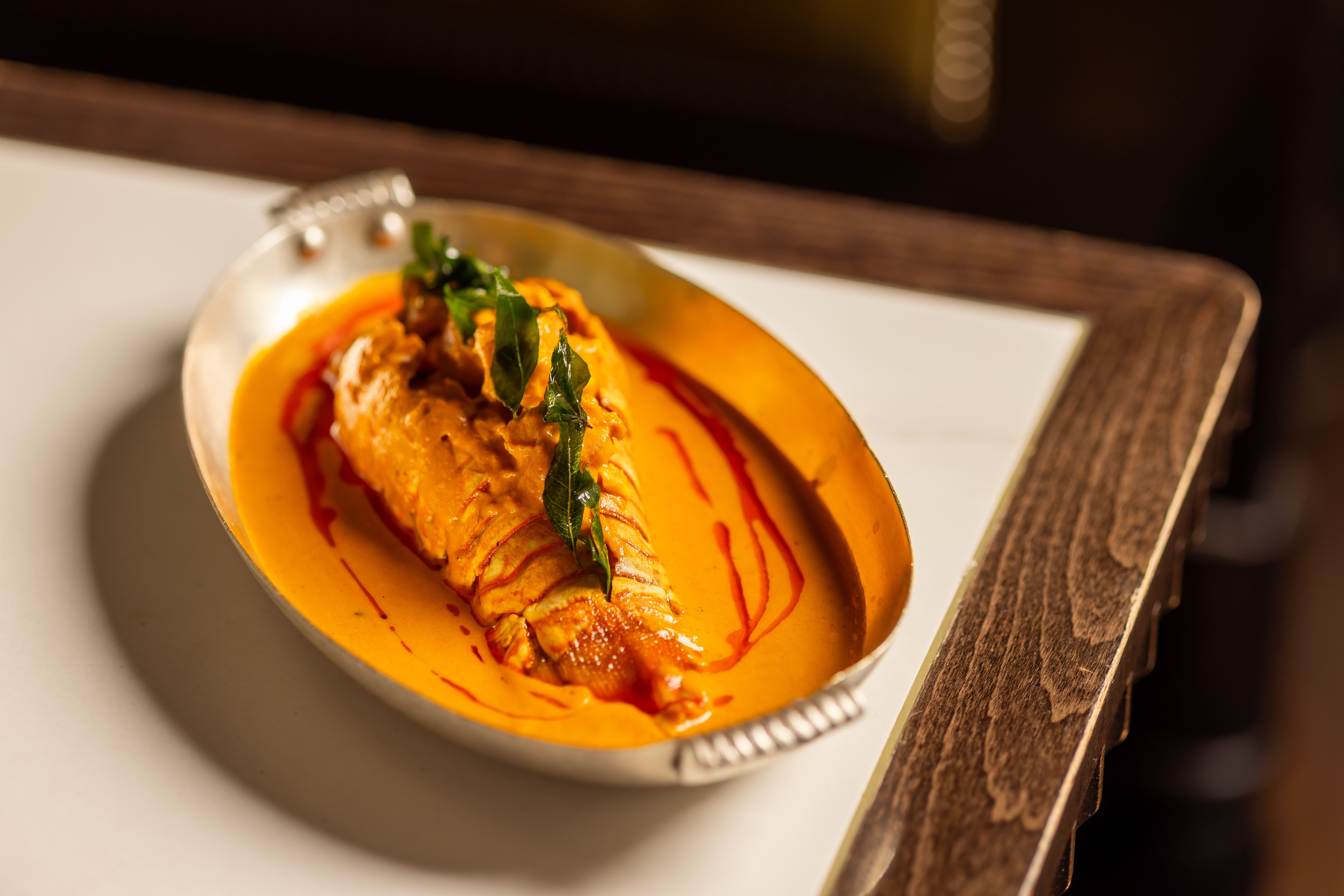
Las Vegas’ culinary glow-up has been decades in the making, but if you’ve visited in the last five years, you might conclude that its restaurant scene is more competitive — and compelling — than ever. From hotels with international food courts featuring the likes of Nashville’s Hattie B’s or NYC’s Nom Wah Tea Parlor to top-notch restaurants from New York, Los Angeles, and abroad all setting up shop inside Vegas mainstays, resort groups are investing more than ever in restaurants, and drawing in global crowds with sophisticated palates.
This stands to reason, as there’s been a lot going on in Las Vegas lately. A certain internationally known car race has officially landed right in the middle of the Strip. Venues like The Sphere are drawing in thrillseeking crowds for residences from big-name artists like No Doubt and Backstreet Boys. And Vegas is now considered a sports destination. With all this going on, and that increasingly global audience, it’s no surprise the need for great restaurants has surged. And that doesn’t even factor in several new hotels sprouting up, including Resorts World and The Fontainebleau, with intriguing dining options like an offshoot of L.A.’s Mother Wolf.
All told, Vegas’ dining renaissance feels less like a trend and more like a turning point. The city has become a true dining capital, whether you’re chasing Michelin-caliber menus or hole-in-the-wall noodle bowls. Now is the moment when Vegas isn’t merely keeping up with other food cities. It’s actively setting the pace.
With that in mind, here are five reasons why there’s never been a better time to dine in Las Vegas.
1. Resorts have bet big on big, out-of-town names.
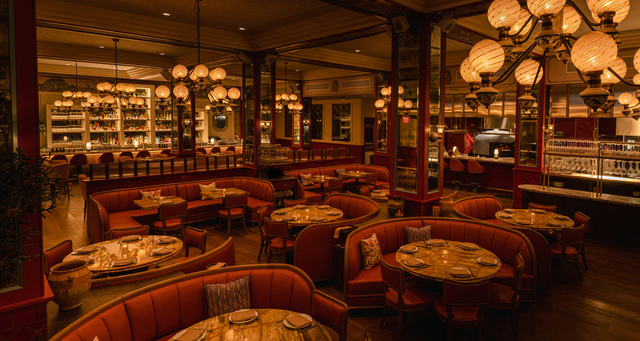
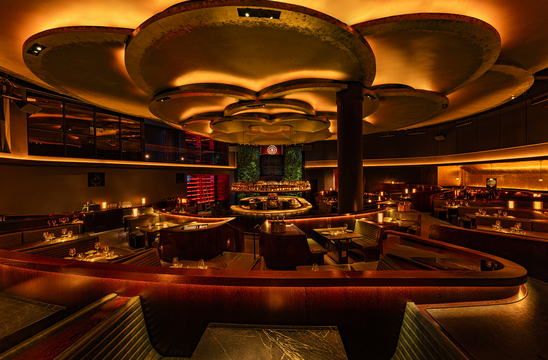
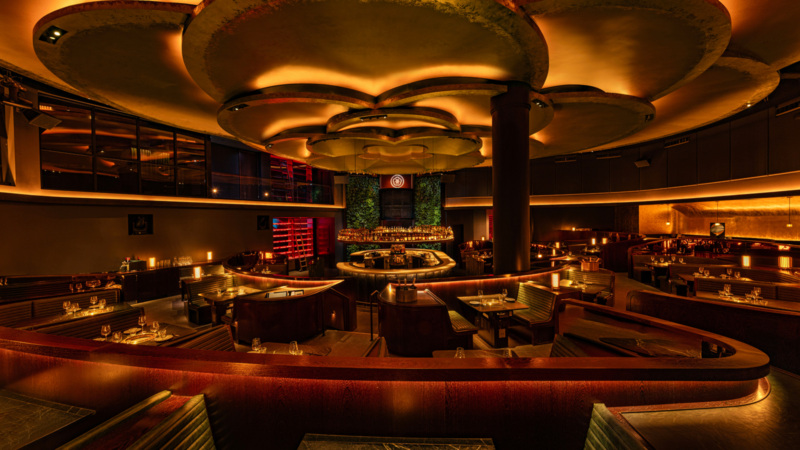
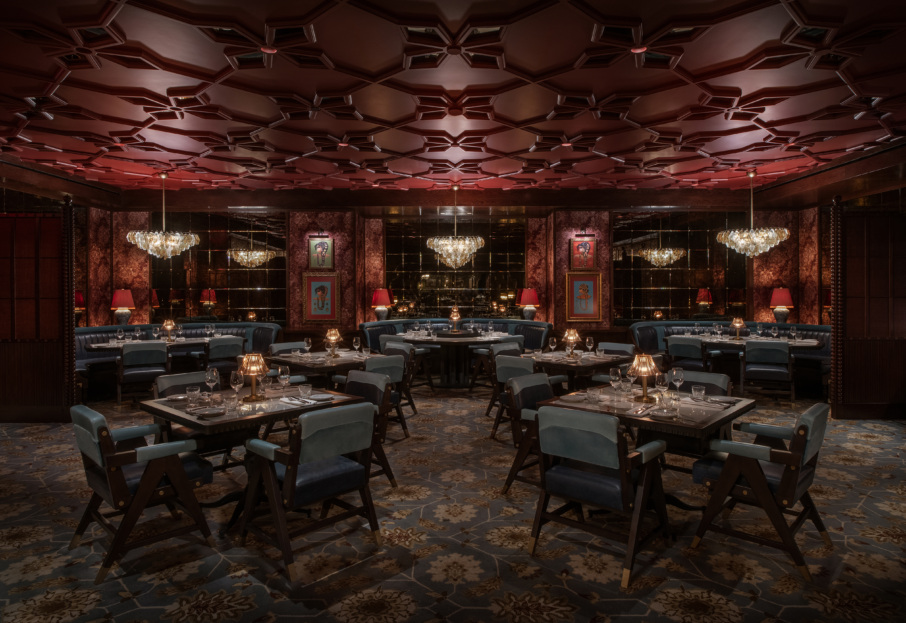
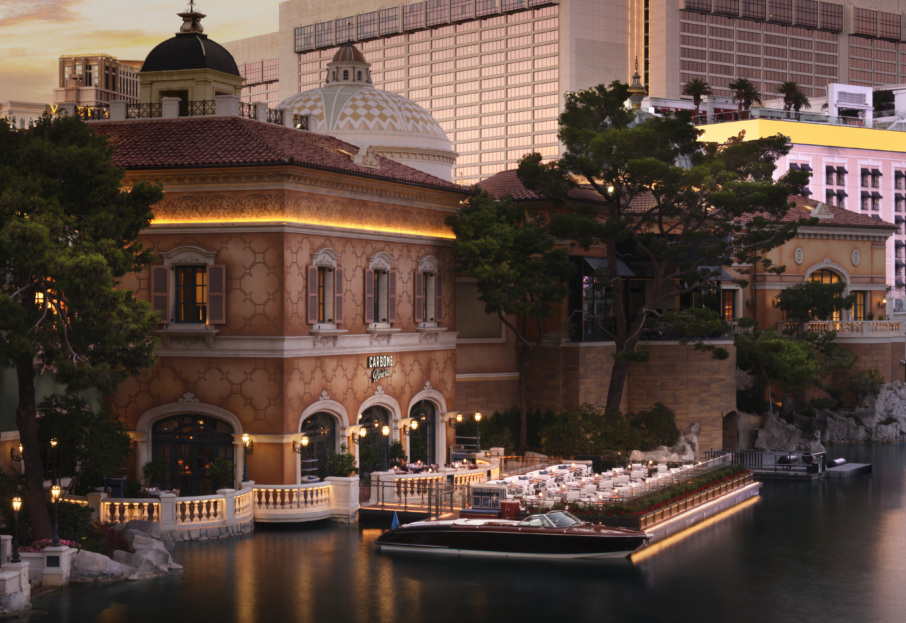
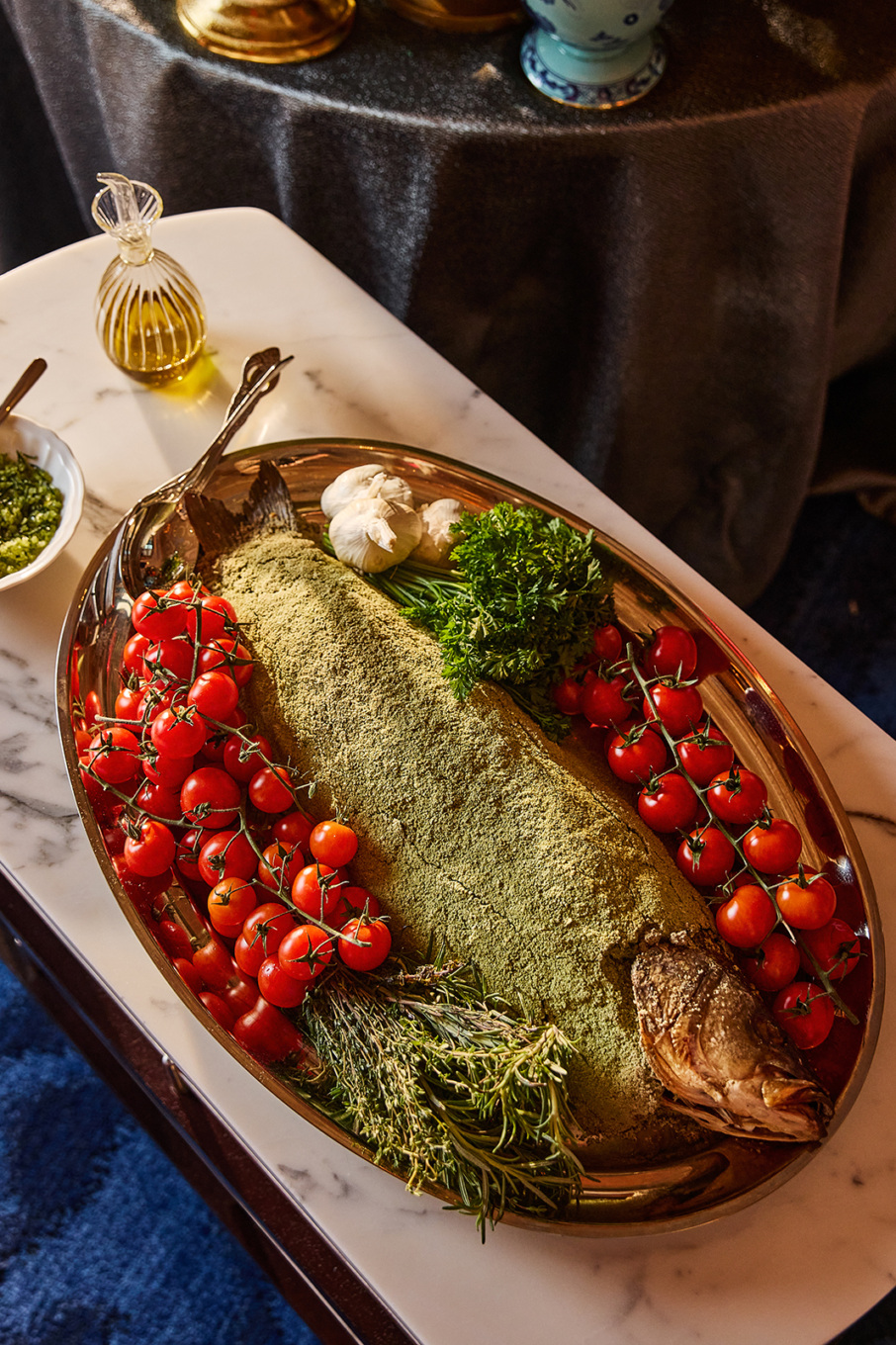
Las Vegas has become the ultimate culinary touchdown city, with hotel groups importing top-tier concepts from around the globe. In the past few months alone, the city has seen the arrival of COTE, New York’s glitzy Korean-inspired steakhouse; the newest Major Food Group concept, Carbone Riviera, which features a dazzling waterside location and glamorous Italian seafood spreads; and London’s Gymkhana which debuted on December 3 with a Vegas interpretation of its now iconic Indian cooking.
At the forefront of Vegas’ culinary evolution, arguably, has always been MGM’s Bellagio, which has been importing top chefs like Michael Mina and Jean-Georges Vongerichten since opening in 1998, and continues to level up with exciting restaurants at associated properties Aria and The Cosmopolitan. ”We really focus on understanding what the guests want next and also where there’s unmet opportunities from within our portfolio,” says Patric Yumul, MGM’s senior vice president of food and beverage development.
Bringing in chefs like Michael Mina and Jean-Georges, and Sirio Maccioni [of Le Cirque] was like a blueprint for the culinary future of Las Vegas.— Patrick Yumul, MGM
MGM’s Vegas portfolio now includes restaurants like David Chang’s Momofuku, Jose Andres’ Jaleo and China Poblano, a slew of Major Food Group concepts, and an international food mall of sorts, in addition to the newer names above.
“When Bellagio opened it really turned the culinary scene on its head,” continues Yumul, who worked formerly as p[resident of the Mina Group for over 20 years. “Bringing in chefs like Michael Mina and Jean-Georges, and Sirio Maccioni [of Le Cirque] was like a blueprint for the culinary future of Las Vegas.”
In the early 2000s, other hotel and resort groups started following the Bellagio’s lead. When the Wynn Las Vegas opened in 2005, it debuted with the now Michelin-starred Wing Lei and Cipriani, among other rarified concepts. While Wynn has been more focused on home-growing its own hit restaurants (often with imported talent), recently it has brought in hit coastal restaurants like L.A.’s Delilah (still one of the toughest tables in Vegas) along with the upcoming Sartiano’s and Zero Bond from New York. “The measure of success for us is not simply importing a name, but ensuring the concept resonates with our guests, complements our existing portfolio, and elevates the overall dining landscape of Las Vegas,” says chef Christopher Lee, Wynn’s senior vice president of culinary operations and restaurant development. Lee knows hospitality inside and out, having worked for Charlie Palmer’s Aureole (another hit Vegas import in the 2000s), the Starr Restaurant Group, and others as a New York chef. “We carefully curate restaurants that complement our brand without compromising the guest experience, partnering with visionary talent whose creativity aligns with our commitment to quality,” he adds.
These partnerships don’t just ensure quality — they give Vegas diners instant access to brands they already trust, which draws them back and makes the Strip feel like a greatest-hits compilation of the U.S. and international dining scenes. Vegas used to be about shows. Now it’s about chefs.
2. Off-Strip Asian restaurants are thriving.
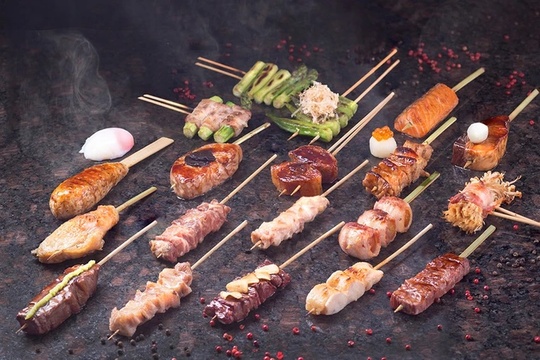
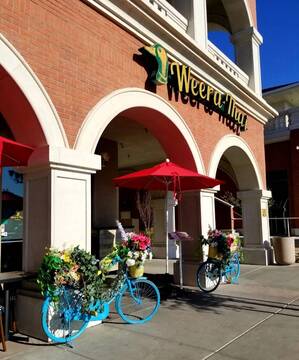
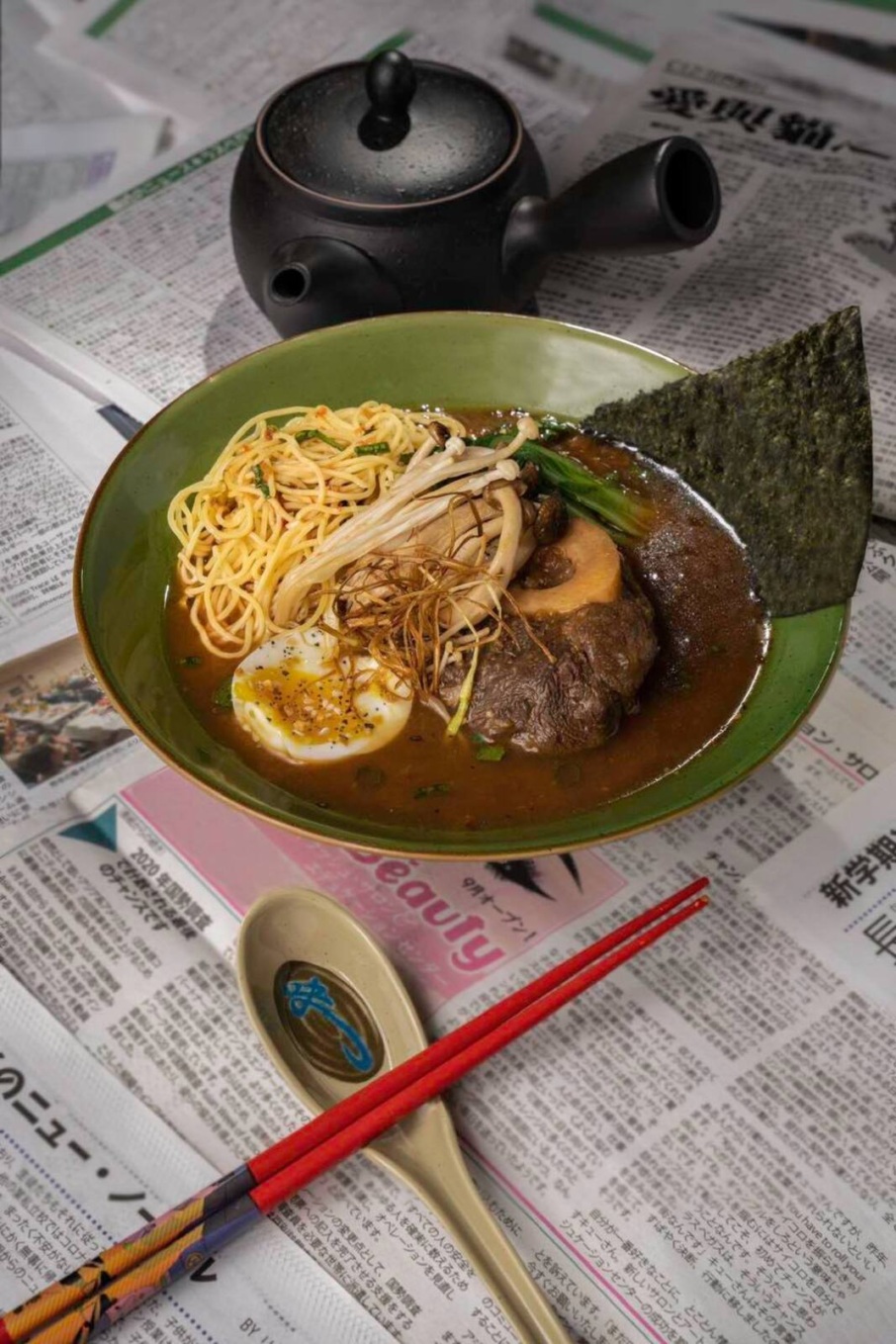
Maybe it was Jonathan Gold’s 2012 review of Lotus of Siam, heralding the established off-Strip Thai restaurant as arguably the best in the country, but tourists have finally discovered what locals always knew: Some of Vegas’ most exciting food lives beyond the neon. Trailblazers like Lotus cracked the door open years ago, and today, off-Strip dining is defined by an extraordinary depth of Asian cuisines. Thank the city’s sizable Asian population, which has yielded a bounty of top-notch family-run restaurants, many of which are located in the city’s own Chinatown, around Spring Mountain Road. From hand-pulled noodles at Shang (a recent first for Las Vegas), izakaya comfort at Aburiya Raku, and bold Thai street flavors at chainlet Weera Thai, this pocket of the city rivals coastal dining hubs for menu depth and excellence. What once required insider knowledge is now becoming an essential dining circuit for serious eaters.
3. The culinary diversity on-Strip has also exploded.
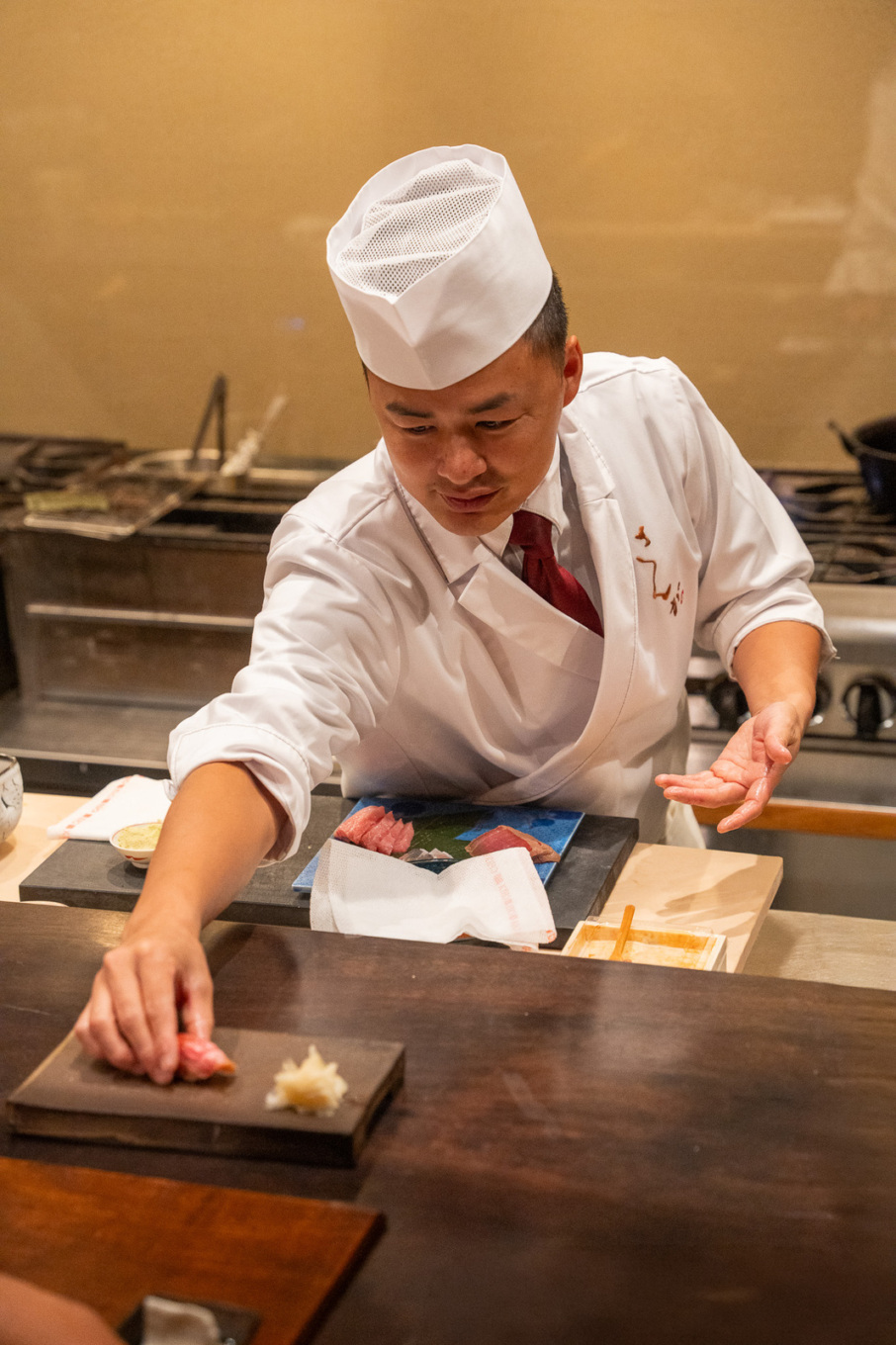
The modern Strip bears little resemblance to its once homogenous dining landscape of steakhouses, buffets, and Italian red-sauce temples. Today, guests can book high-end North Indian cuisine, world-class Korean BBQ, elegant Cantonese seafood palaces, xiao long bao specialists, omakase counters, and Spanish seafood temples — all without leaving their resort footprint. The arrival of London’s Gymkhana is a major milestone, as the first notable Indian restaurant to open on the Strip. Drawing on culinary influences from regions across India, this is the first U.S. location for the restaurant, helmed by executive chef Srikant Kumar — a surprise given that New York had been considered the likely first American destination. “I think our guests are really going to respond well to it,” Yumul says. “We’re booked out.”
Yet it simply reflects the ever expanding palates of Strip guests, especially an uptick of global visitors. That makes investment in culinary diversity not just a priority but a necessity.
“My first restaurant job was here. And at the time, there were four important restaurants,” Yumul adds, all of them serving steak, French or Italian cuisine. “Vegas has done an amazing job of evolving throughout the years.”
There’s more to come. Look out for the opening of James Beard winner Kwame Onwuachi’s Caribbean steakhouse Maroon at the Sahara in spring 2026.
4. New hotels, events, and attractions are upping the ante.
All this also reflects greater competition for tourist dollars, and a pivot for Vegas hospitality from focusing on scale to experience. Newer hotels like Resorts World and Fontainebleau raised the stakes with sizable dining rosters that cater to everything from big-name chef casuals to buzzy fine dining.
But the anchor for much of that growth is an expansion of Vegas’ priorities, namely the arrival of big-ticket events. Looking ahead, concepts like the upcoming Vanderpump Hotel and Dream Las Vegas signal even more hospitality-driven dining on the horizon. — meaning this sort of expansion is only going to continue.
5. Beverage programs have become seriously dialed in.
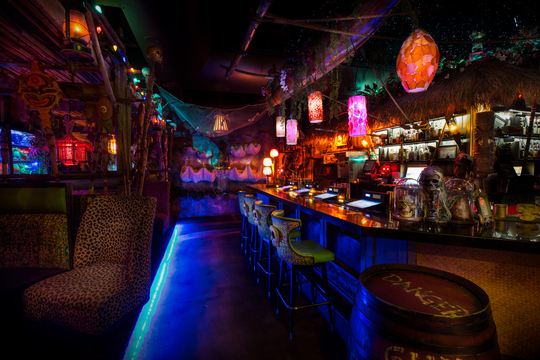
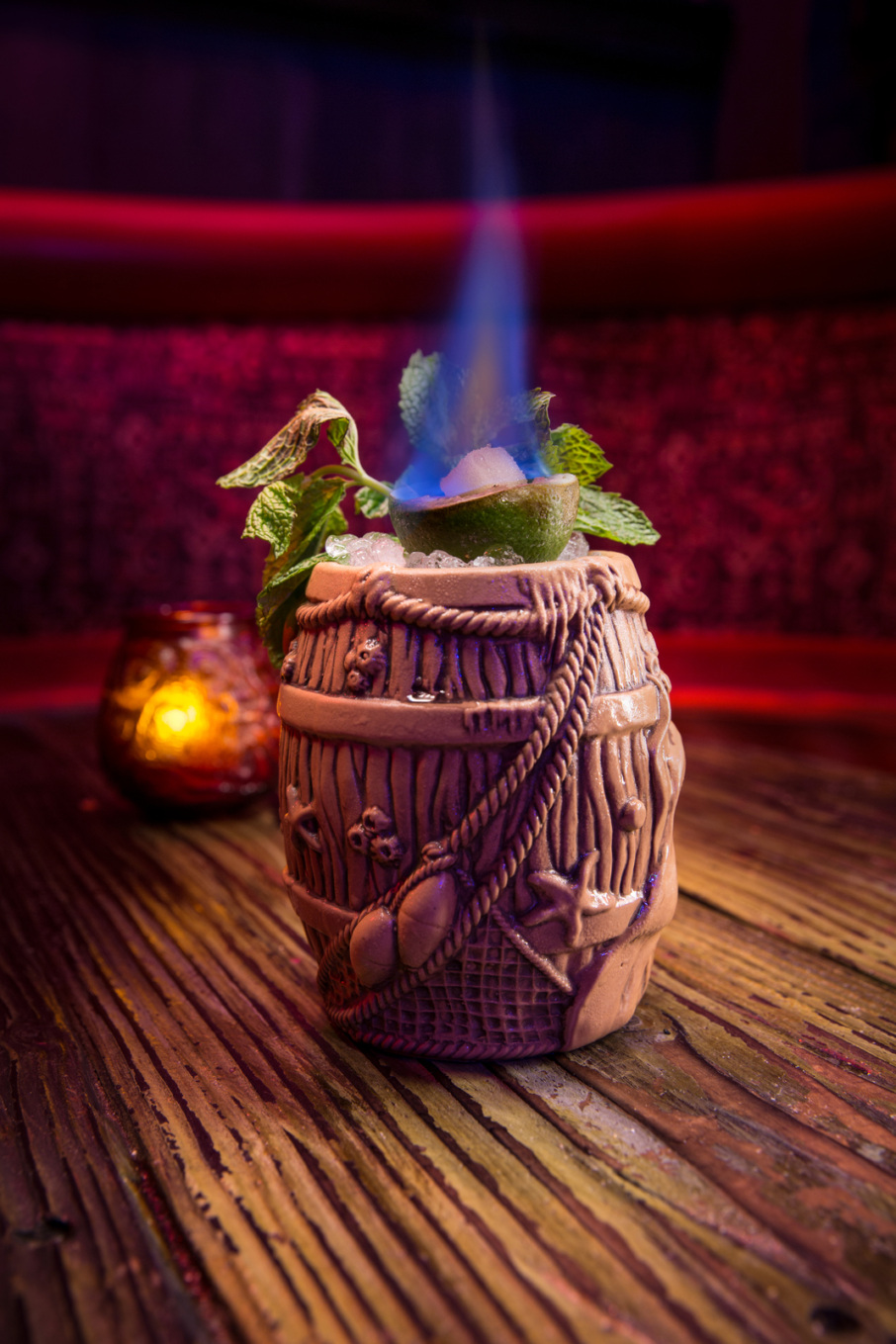
Las Vegas has always been a party town, and even in the 2000s, the city was drawing big-name sommeliers and fancy wines — perhaps embodied by Aureole’s wine tower. But the slew of impressive restaurants that have landed has exponentially boosted the wine and cocktail offerings. Hidden in plain sight on the first floor of The Bellagio casino, you’ll find The Vault, a speakeasy-style cocktail bar and lounge with cocktails by Alinea alum Craig Schoettler. It highlights vintage spirits from the past century, many of which arrive with a side of theatrics, from smoking garnishes to liquid nitrogen. Award-winning New-York-founded bar Ghost Donkey arrived in Vegas, also as a hidden speakeasy, inside the Cosmopolitan in 2018, featuring Mexican-inspired drinks from the Avroko-backed concept. Cote, a more recent arrival, brings with it deep wine-buying power, and a beverage program that boasts over 1,200 wines, alongside its Vegas-inspired cocktail menu. And just outside the Strip at The Golden Tiki; this bit of kitsch, with some serious tiki classics, is a welcome departure for both tourists and locals alike.