The Brilliance of Xiao Ye? Evoking Food Memories We All Can Relate To
Published:
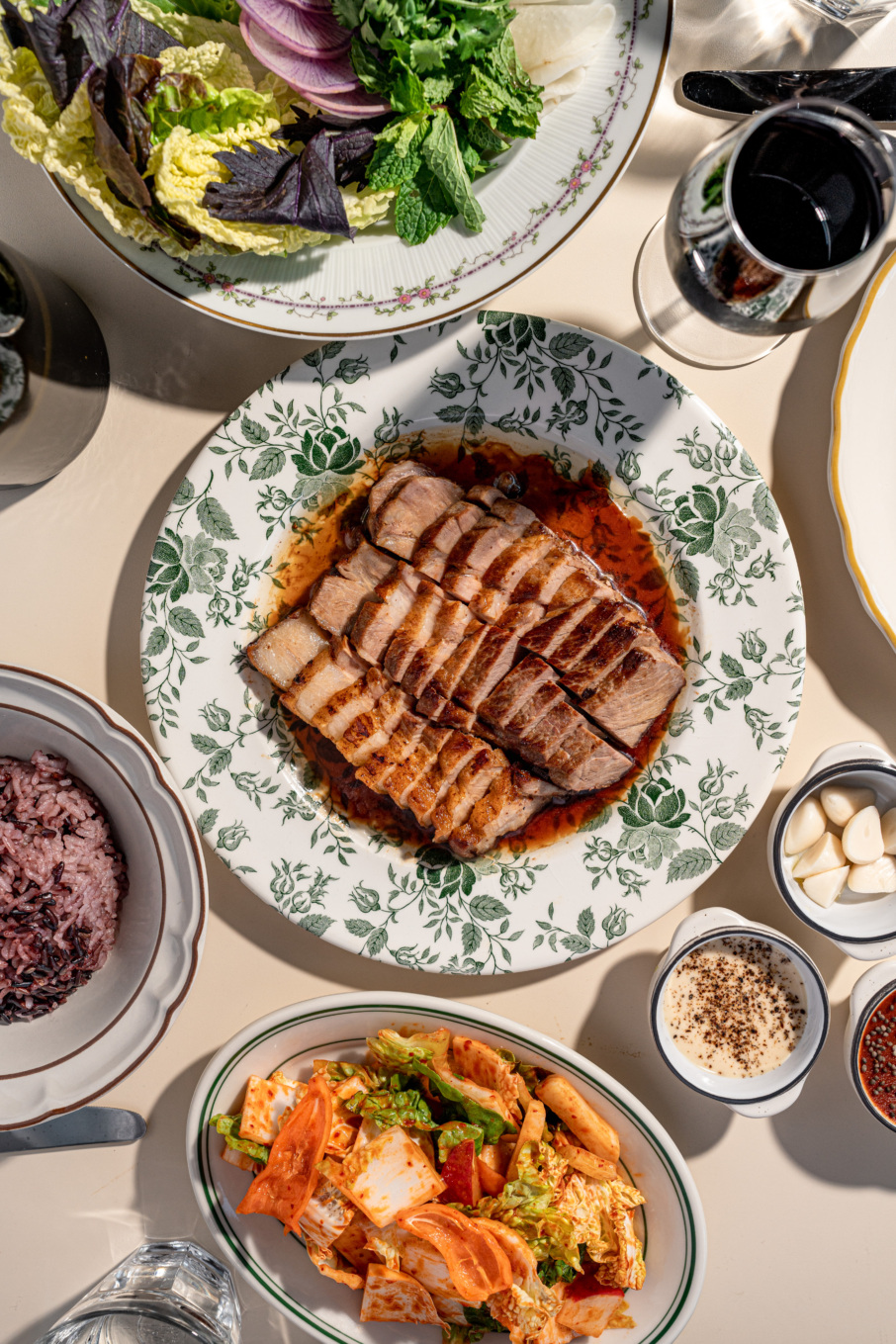
Xiao Ye, which translates to “midnight snack” in Mandarin, has just celebrated its first year of being open, but already the restaurant, in the Hollywood district of Portland, Ore., has left an indelible mark on American dining for its heartfelt menu of what its owners describe as “first-generation American food.”
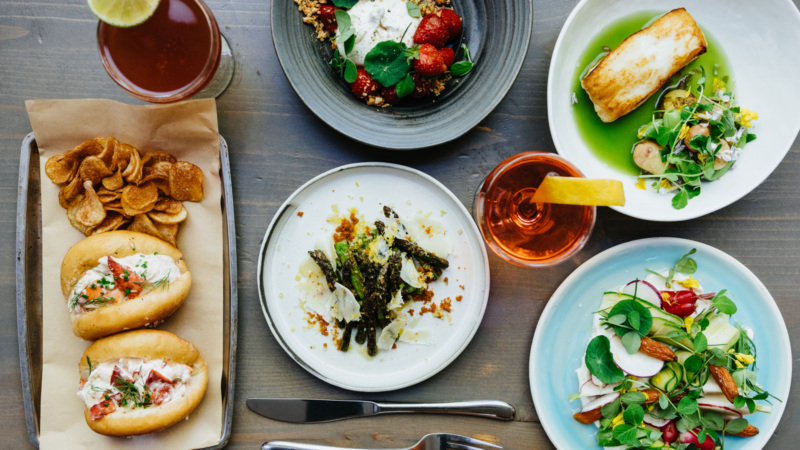
First-time restaurant owners Jolyn Chen and Louis Lin have received more than their share of love from Portland since opening. They’ve struck a chord with all the third-culture kids in town — perhaps because Lin and Chen are both third-culture kids, and similarly grew up not with ‘fusion’ food (“The word fusion stresses me out,” Lin says) and tidbits of appropriation, but simply some amalgamation of whatever ingredients were in their pantry and fridges. Bites like their signature mochi- and masa-flour madeleines blend the luxuries of fine dining with an irreverent twist. In the case of those madeleines, it’s a very un-Proustian choice (or maybe a meta-Proustian choice) of jalapeño powder rather than powdered sugar.
The couple have worked in highly visible restaurants in several cities, including Felix Trattoria and Osteria Mozza in Los Angeles, and and Pineapple and Pearls in Washington, D.C. Chen oversees the dining room, while Lin is in charge of the kitchen.
Resy sat down with the duo to chat about how they ended up in Portland, how they chose the name for their restaurant and why their food has resonating with so many diners, not just in the Northwest but beyond.
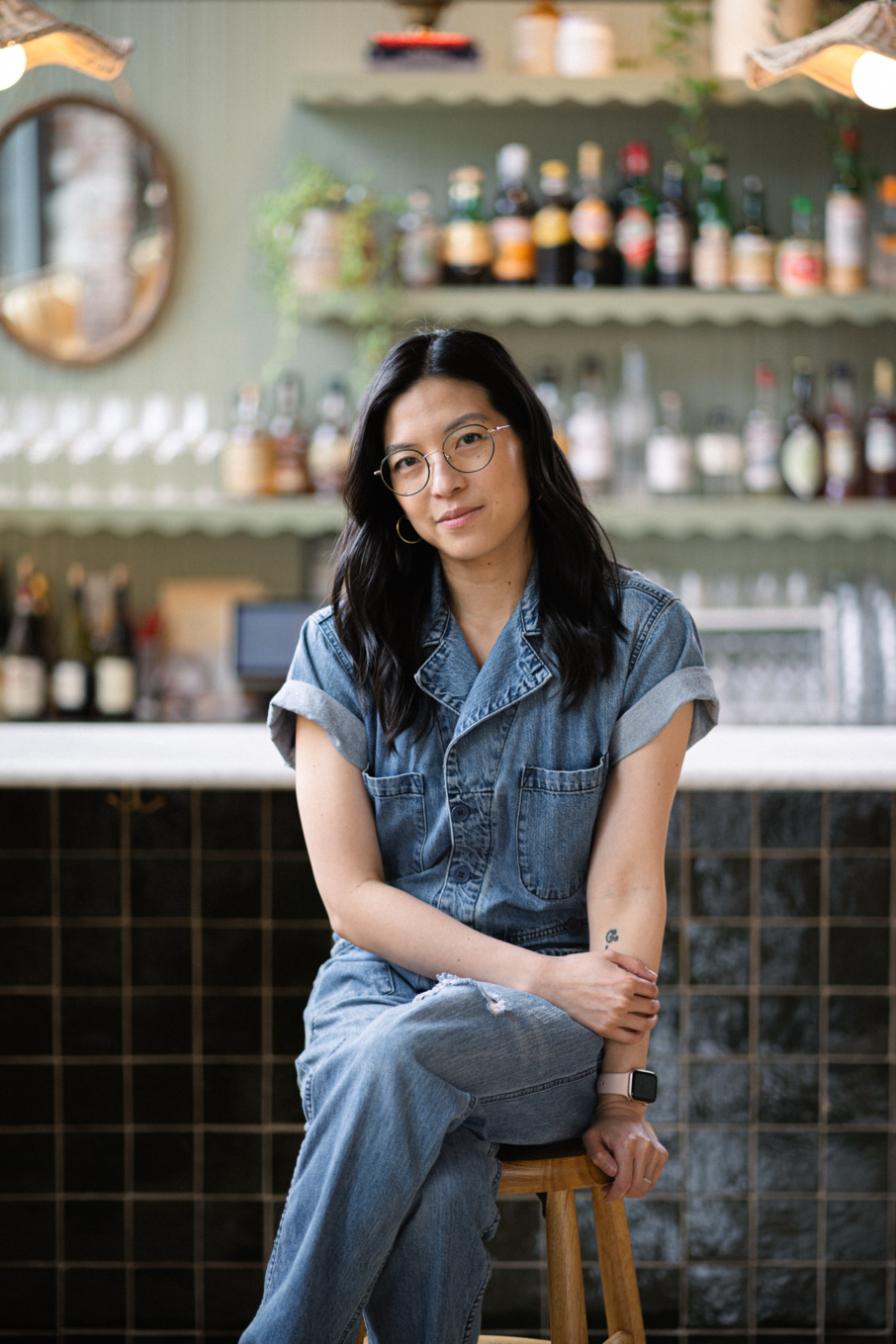
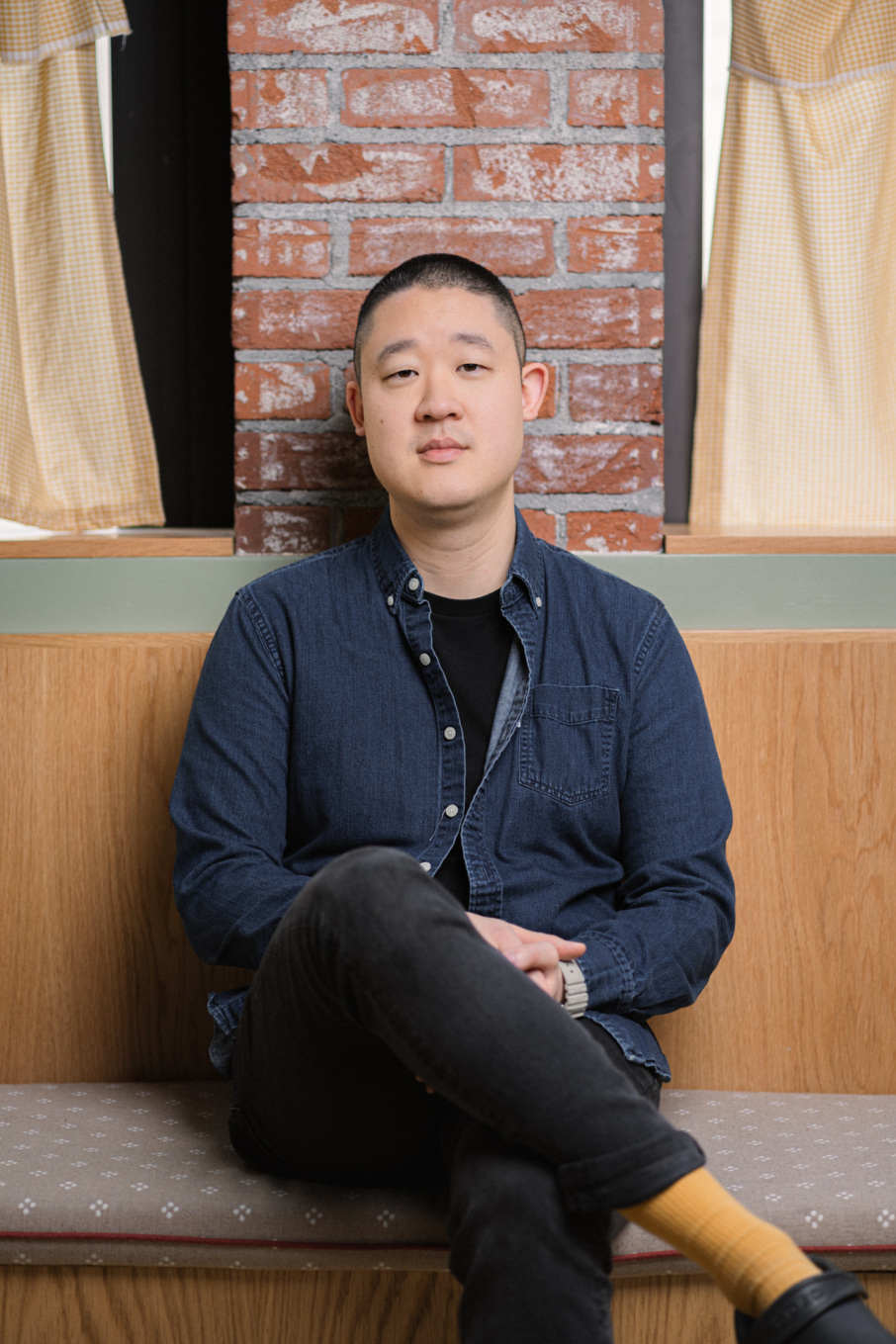
You both grew up in Hacienda Heights outside Los Angeles and have lived and worked on both coasts. How did you decide upon Portland?
Louis Lin: It was a long and winding road….
Jolyn Chen: We didn’t really decide on anything. We had moved back from D.C. to L.A., and then we were kind of over L.A. at some point during the pandemic. I got my dream job in Portland for design, with Jessica Helgerson Interior Design, and it was a new city we had never lived or worked in.
Lin: We moved up here for that. We had never considered Portland as a place to live but it was a good, fun thing to do and we thought we would just be here for a few years.
Chen: But we fell in love with it. The trip we took to scope out apartments, we were just immediately enamored.
Lin: It was a beautiful April weekend and the sun was out. It was the middle of the pandemic. L.A. was getting claustrophobic because you were always in your car driving everywhere.
Chen: There weren’t places to walk.
Lin: Unless you lived next to the beach, but we lived in downtown. We got here and something about it was so lively and small.
Chen: And the people were so kind.
Lin: So we moved here. I was pouring wine at a wine bar, figuring out what to do. And I just felt like I was ready to have my own thing. Why not do it here? I can’t imagine doing it in any other city. How much money I would need to figure something like that out. But it felt approachable and feasible here.



Xiao Ye seems to be a culmination of all your dining experiences and favorite foods. Why do you think your menu resonates with so many people?
Chen: I think we were surprised at how much it’s resonating because it’s so particular. You think only you would understand this experience, but you put it out and people have different food memories of the same thing. One thing I remember is a guest commenting on the pickled egg snack on our menu. Our food memory of that was our first trip to Paris when we went to La Buvette and they served it out of this big old jar, and it was so romantic, and a wonderful and meaningful trip for us.
This guest told us that it reminded her of her grandma My grandma was definitely not pickling eggs. But for this guest, it reminded her of the countryside where she grew up with her grandmother. And that’s such an interesting thing that two different food memories could come together. It just feels very honest.
Lin: This is a super heady take, but when you go to a museum or art gallery, the whole point is that it’s supposed to evoke some memory. You’re not supposed to read the placard and figure out what they were thinking. Or you listen to a great song that is semi-vague and you don’t know exactly what they’re talking about, but it hits you really hard. Our food is just honest, and at some point it’s going to intersect with somebody else. That’s the great part of doing the food that we’re doing. It opens the door for anyone to interpret anything in their own way.
Do you think “first-generation American” is a natural evolution of the nebulous “new American” category that restaurants have embraced? Whenever I see “new American” it’s like – ok, so the chef is just doing whatever they want.
Lin: We all like to travel and we all like to eat. As vague as first-generation American food sounds, it allows a lot of people to connect with the term and the food in their own way. It just opens it up.
Chen: It allows for so much inclusivity. There are so many lived experiences that can fall into that. It doesn’t have to be a specific ethnicity or place you grew up. You will still have something that can overlap with me.
Lin: Our sous-chef Tori Touhill’s family has been here for a few generations but on her mom’s side is very Italian. She put a dessert on the menu that is one of her grandparent’s recipes. It’s personal in the way that it’s just a food memory. If there’s any food memory tied to being a little bit here and a little bit there, it can fit in.


You’ve worked at some exceptional restaurants over the course of your careers. What are some of the skills or lessons you’ve learned that you’ve brought to Xiao Ye?
Chen: At Rose’s [Luxury] we really took the style of hospitality and the perspective of how we want people to feel in our space.
Lin: We both formatively learned hospitality through that group. The way that we approach most situations. How we like to be served, how we like to serve people and how we speak to them. The way we speak about allergies and restrictions. If you have a restriction you get a personal menu. Rose’s was a really high-level restaurant that treated daily service like you’re just at somebody’s house.
Chen: We try to hit this mark of doing all the things that you’re supposed to do in service. The technical things like folding napkins for guests when they get up from their seat. Coursing, setting, resetting. But we are also wearing overalls and talking to them like they are regular people, so it feels really comfortable. So it doesn’t feel stuffy. It’s a culture thing that you build in the restaurant and people learn by doing. That’s what I learned form Rose’s – to make people feel so comfortable that they open up to you.
That’s the great part of doing the food that we’re doing. It opens the door for anyone to interpret anything in their own way.— Louis Lin
Were there any restaurants that you looked to as inspiration when opening Xiao Ye, whether for their operations or design?
Chen: Rose’s was the biggest inspiration because it was so efficient. Everything they did made sense. Where things were placed made sense for service. What happens for a lot of bigger restaurants that I’ve worked in is that they are designed by design firms and not by the chef or people that are working in it, so it doesn’t always flow for service.
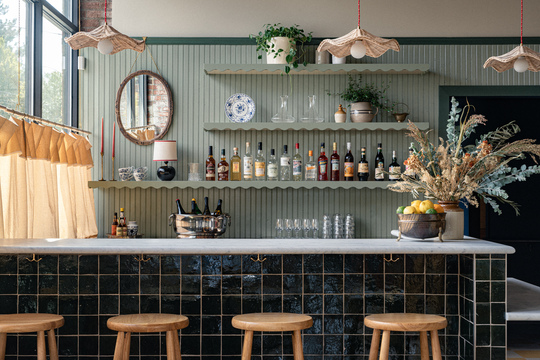
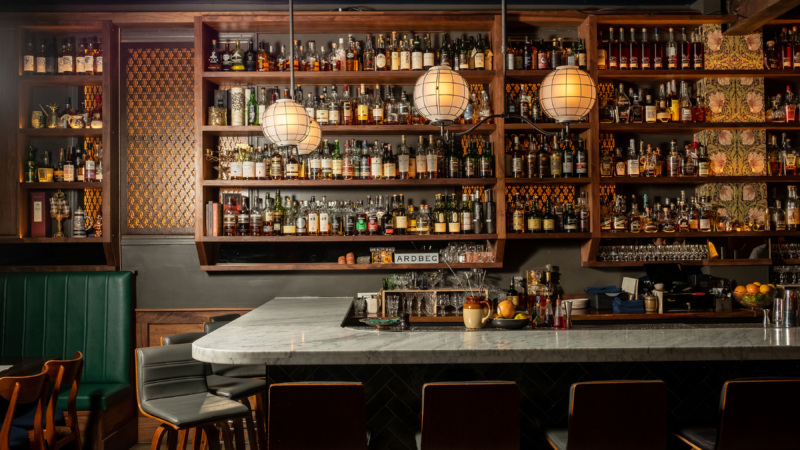
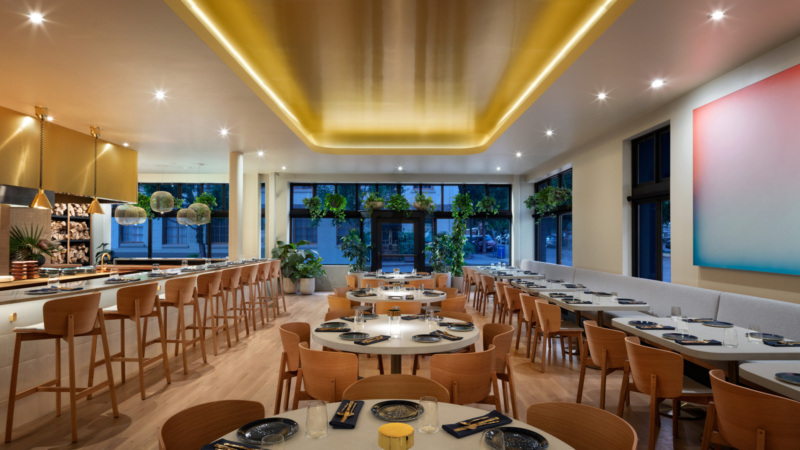
Lin: We wanted it to feel very quaint, even though it’s a fairly big space for the city with 65 seats and a private dining room for 16.
Chen: We have a lot of different dining nooks and zones so you get a different experience in every pocket.
Lin: For me, the menu was always going to be out of my own brain. But I think influence-wise I got to work on the East Coast in Michelin-starred restaurants where technique is king. You learn all of these ways to level up ingredients and dishes, to make them feel more fine dining. And then I got to work in L.A. and work in Italian food where produce is king. These are juxtaposing views on how you view food. I get to take what I like about technique-driven East Coast stuff and the way you view creating a menu, and the West Coast, farmers-market, produce-is-most-important, don’t-f***-it-up mentality of making a menu. I think we do the best of a little bit of both. Especially now, I’m confident enough to strip things away from dishes and let them just be what they are.
Felix was where I learned how to be a manager and construct a menu and help execute it every day, and talk about the food to people who might not understand regional Italian food. And then, I take a lot of inspiration from driving around and eating stuff too.
Did you feel like you took a risk by naming your restaurant Xiao Ye? If you don’t speak Mandarin, it’s not the easiest to pronounce or remember.
Chen: That was something we really considered. We knew people were not going to know how to say it. Even now we struggle with it. There’s a level of, we want to meet everyone where they are at and we want people to feel comfortable saying it. A lot of guests ask us how to pronounce the name. And we’re going to keep going with it and keep helping you get there. I think the translation of “midnight snack” flattens the meaning. Translations always do.
Lin: It’s super visceral and hard to explain, but when you get it, it feels like something. But we were nervous about the name. We were definitely nervous, but I thought, if I was a Mexican or French restaurant, I could name my restaurant any Spanish or French word. Japanese and Korean restaurants do it all the time. So why can’t we do that, even if it’s a little harder to pronounce in English? It is important to us that that’s the feeling we want to evoke. If we can show you that feeling, what we feel when we eat xiao ye, then we’re doing our job.
The two of you were childhood friends, then roommates before becoming business and life partners. Jolyn, you’re general manager while Louis is chef. Any advice or lessons learned for balancing your professional and personal relationships?
Chen: Just giving each other a lot of grace is a big one. It’s a very high-stress and intense industry, and it gets exacerbated when you are at the ownership level.
Lin: We have not figured it out fully. We are still working on it but we are pretty codependent as it is. We’ve been friends and best friends for so long, so we lean on each other a lot. To immediately gravitate to each other to make decisions can also be hard on the rest of the team. Giving each other the space to work things out on our own versus clinging to each other in moments when you need support is really important.


What do you wish everyone knew about Xiao Ye when they walk in the door? Any misconceptions you want to clear up?
Lin: Number one, we have parking. Tell the world that we have a parking lot!
And then, I think the menu on its surface might feel a little intimidating on paper, but as soon as you come in it just feels like dinner and you see that it’s not that wild. The whole goal is to have a convivial environment where you come in and eat with friends. You look around the dining room and everyone is just relaxed and having a good time.
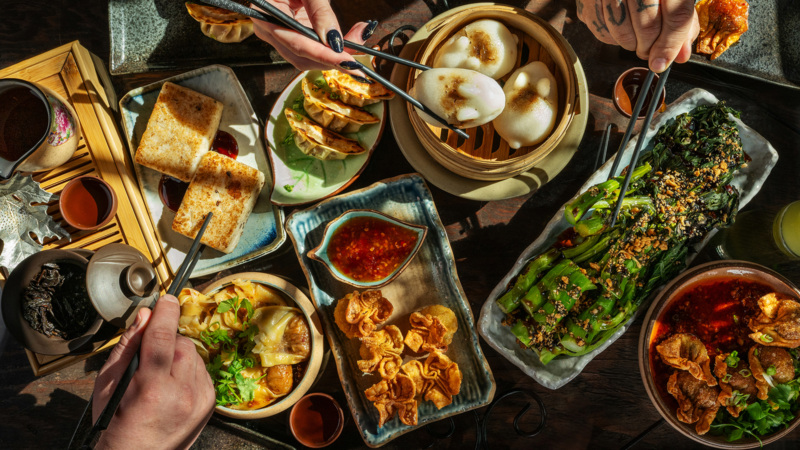
Chen: I want more people to share their food. There’s some folks that order food just for themselves, very old-school style eating. The whole point of Xiao Ye is to try a lot of different things. It gets really formal when you have to eat your own thing and not touch the other person’s food. I can’t believe that that’s still a thing in this day in age, that people still eat like that.
Lin: The freedom to share food and talk about anything, behave like you’re at home, should be available to you. Being able to reach across the table for something and eat from the plate directly. Of course we provide share plates, but you don’t have to use them.
Amber Gibson is a journalist specializing in travel, food, and wine. Her work has appeared in Departures, Food & Wine, Saveur, Bon Appétit, and Travel + Leisure. Follow her here; follow Resy, too.